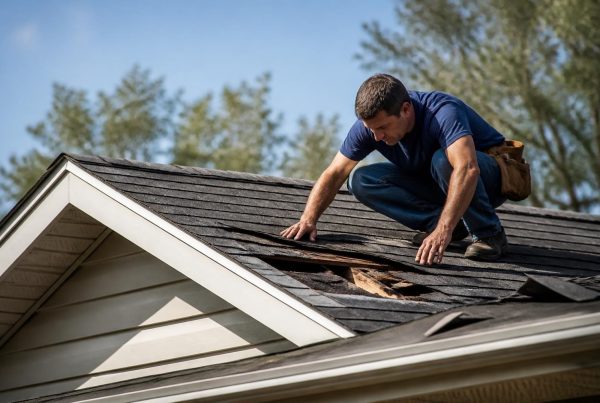
Roofing consultants bring a different perspective to roof projects. Unlike contractors who perform installation work, these professionals focus on evaluation, documentation, and recommendations. They serve as an independent set of eyes, helping property owners understand what's happening with their roof before committing to repairs or replacement. For homeowners facing major roof decisions, understanding what roofing consultants do and when they add value can clarify whether hiring one makes sense for your situation.
What Roofing Consultants Actually Do
Roofing consultants evaluate roof systems without the intent to perform the work themselves. Their role centers on assessment rather than installation.
Core responsibilities typically include:
- Inspecting roof condition and identifying damage or wear
- Documenting findings with detailed reports and photographs
- Recommending repair versus replacement based on actual condition
- Reviewing contractor proposals for accuracy and scope
- Monitoring installation quality during roof replacement projects
- Assisting with insurance claims documentation
The main distinction is independence. Since roofing consultants don't perform the installation, they have no financial stake in recommending a full replacement over targeted repairs. This separation can provide homeowners with objective guidance when sorting through competing bids or evaluating whether recommended work is truly necessary.
Professional Credentials and Training
Not everyone calling themselves a consultant has formal training. Legitimate roofing consultants often hold industry-recognized credentials that require testing and ongoing education.
The Registered Roof Consultant (RRC) credential offered by the International Institute of Building Enclosure Consultants represents one of the most recognized certifications. RRCs must pass examinations covering roof systems, waterproofing, and building science, then maintain their credential through continuing education.
Other consultants may be licensed professional engineers, architects, or certified inspectors with specialized roofing expertise. The key is verifying credentials before hiring, ensuring the person has documented training beyond general contracting experience.

When Hiring a Roofing Consultant Makes Sense
For most straightforward residential roof repairs or replacements, a consultant isn't necessary. A reputable local contractor can assess the situation and provide honest guidance. But certain scenarios benefit from independent evaluation.
Large Commercial Projects
Commercial buildings with complex roof systems, multiple sections, or significant square footage often justify consultant involvement. The investment in an independent review can prevent costly mistakes and ensure specifications match the building's needs.
Consultants help commercial property owners:
- Develop accurate specifications before bidding
- Compare contractor proposals on equal footing
- Verify installation quality throughout the project
- Document warranty compliance
The consultant acts as the owner's representative, protecting their interests when contractors are competing for large contracts.
Insurance Claim Disputes
When insurance companies dispute the extent of storm damage or the need for replacement, roofing consultants can provide documentation that carries more weight than a contractor's estimate alone.
An independent assessment with detailed findings, measurements, and photographic evidence helps homeowners:
- Demonstrate the full scope of covered damage
- Counter lowball adjuster assessments
- Support claims for replacement rather than repair
- Document pre-existing versus storm-related issues
The consultant's report becomes evidence supporting your claim, especially when the insurance company initially denies coverage or offers insufficient settlement amounts.
Multiple Conflicting Contractor Opinions
You've called three contractors. One says you need total replacement. Another recommends targeted repairs. The third suggests a completely different solution. Conflicting opinions from contractors can leave homeowners uncertain which advice to trust.
| Scenario | Contractor A | Contractor B | Contractor C |
|---|---|---|---|
| Recommendation | Full replacement | Repair three sections | Overlay new shingles |
| Estimated cost | $18,000 | $3,200 | $9,500 |
| Reasoning | "Too old to repair" | "Roof has years left" | "Save money, avoid tearoff" |
This confusion is where an independent consultant adds clarity. They assess the roof's actual condition without a bid attached, helping you understand which approach matches reality.
What to Expect from the Consulting Process
The consulting process starts with a thorough inspection. Expect the consultant to spend time on the roof examining multiple areas, not just visible problem spots.
Initial Assessment
A proper roof inspection covers:
- Shingle condition across all roof planes
- Flashing integrity around chimneys, vents, and valleys
- Decking status where accessible from below
- Ventilation adequacy and attic moisture levels
- Drainage patterns and gutter function
The consultant documents findings with photographs and measurements, noting damage severity and distribution patterns. This becomes the foundation for their recommendations.
The Written Report
Quality roofing consultants deliver a written report, not just verbal feedback. The report should explain what they found, why it matters, and what options you have.
A solid report includes:
- Detailed findings organized by roof section
- Photographs with annotations showing specific issues
- Clear explanation of damage versus normal aging
- Repair versus replacement analysis with reasoning
- Preliminary cost expectations for recommended work
- Timeline for addressing issues
This documentation serves multiple purposes beyond immediate decision-making. It becomes a reference for contractor bidding, insurance claims, or future maintenance planning.
Bid Review and Contractor Selection
Once you have the consultant's recommendations, you'll solicit bids from contractors. The consultant can review these proposals, comparing them against their assessment to verify accuracy.
They check whether:
- Proposed scope matches identified needs
- Materials specified are appropriate for the application
- Pricing aligns with regional standards for the work described
- Warranty terms are reasonable and clearly stated
This review catches discrepancies like contractors bidding unnecessary work, omitting critical repairs, or pricing significantly above or below reasonable ranges without explanation.
Roofing Consultants vs. Roofing Contractors
The roles serve different functions, though some confusion exists about the boundaries between them.
| Aspect | Roofing Consultant | Roofing Contractor |
|---|---|---|
| Primary role | Assessment and advice | Installation and repair |
| Financial interest | Fixed fee for evaluation | Profit from performing work |
| Licensing | Professional credentials | Contractor license |
| Objectivity | Independent of installation | Recommends own services |
| Scope | Does not perform work | Completes physical work |
Neither role is inherently better. They serve different purposes depending on the situation. For complex commercial projects, insurance disputes, or high-stakes residential decisions, a consultant's independence adds value. For straightforward residential roof work with a trusted local contractor, the consultant layer may be unnecessary expense.
The relationship between consultants and contractors isn't always adversarial, despite industry stereotypes. Professional consultants and quality contractors often work together smoothly, with the consultant ensuring the owner's interests are protected while recognizing good work from the installation crew. Research on contractor and consultant relationships shows that clear communication and defined roles reduce friction.
Costs and How Consultants Charge
Roofing consultants typically charge in one of several ways, depending on project type and scope.
Common fee structures:
- Flat fee for inspection and report: Often $300-$800 for residential properties, covering a single visit and written assessment
- Hourly rate: $100-$250 per hour for ongoing consultation, bid review, or site visits during installation
- Percentage of project cost: 2-5% of total project value for full-service consulting on commercial projects, including design review and construction oversight
- Retainer arrangements: Monthly or project-based retainers for property owners with multiple buildings or ongoing roof management needs
For most homeowners considering consultant services, expect to pay between $400-$600 for a comprehensive inspection and detailed report on a typical residential property. This cost is separate from any repair or replacement work, which you'll pay directly to the contractor you select.
When a Roof Report Serves the Same Purpose
Many homeowners need objective information about their roof's condition without the full scope of formal consulting services. This is where a detailed roof report bridges the gap.
A Roof Report provides documented findings, photographs, and clear recommendations about repair versus replacement decisions. It offers the transparency of an independent assessment while coming from a qualified contractor who can also perform recommended work if you choose. For Eastern North Carolina homeowners dealing with storm damage, insurance questions, or uncertainty about whether repairs will suffice, this approach delivers the information needed for confident decisions without adding a separate consultant fee layer.
The key difference is that roof reports come from the contractor, while consultants maintain complete separation from installation. For residential situations where you're working with a trusted local company and need documentation rather than ongoing project oversight, a detailed roof report often serves the same practical purpose at lower cost.
Technical Expertise Consultants Bring
Beyond basic assessment, roofing consultants often provide specialized technical knowledge that exceeds typical contractor expertise.
Building Science and Assembly Performance
Roofing consultants trained in building science understand how roof assemblies interact with building envelopes, moisture dynamics, and thermal performance. This matters particularly for:
- Homes with chronic moisture or condensation issues
- Energy efficiency renovations requiring roof system changes
- Complex architectural details where water intrusion risks are high
- Ventilation problems affecting shingle longevity
Resources like Building Science Corporation’s technical guidance inform how consultants evaluate assembly performance beyond surface condition alone. They consider whether current ventilation, insulation, and vapor control will support the proposed roof system long-term.
Material Selection and Compatibility
Different roof systems suit different climates, building types, and performance requirements. Consultants help match materials to application, considering factors contractors focused on installation may overlook.
For coastal North Carolina properties, this includes:
- Wind resistance ratings appropriate for hurricane exposure zones
- Salt air compatibility for shingle adhesives and metal components
- Algae resistance in humid climates with significant tree coverage
- Impact ratings if hail is a concern in your specific area
Industry technical standards like those in The NRCA Roofing Manual guide consultants in recommending appropriate systems for specific conditions. They reference these detailed specifications when evaluating whether a contractor's proposed materials match your building's needs.
Environmental and Sustainability Considerations
Some consultants specialize in sustainable roofing solutions, helping property owners understand environmental impacts and energy performance. This includes guidance on cool roof technologies, reflective coatings, and green roof systems.
The EPA’s cool roof resources provide data consultants use when advising on heat island reduction, energy savings potential, and environmental benefits of different roofing choices. For commercial buildings or environmentally conscious homeowners, this expertise helps weigh initial costs against long-term energy and environmental performance.
Special Situations Requiring Consultant Expertise
Certain roofing scenarios almost always benefit from consultant involvement due to complexity or risk level.
Historic Building Restoration
Roofs on historic properties require specialized knowledge of period-appropriate materials, preservation guidelines, and compatibility with existing building fabric. Consultants experienced in historic restoration ensure repairs maintain historical integrity while meeting modern performance standards.
They navigate requirements like:
- Matching original materials when available or finding appropriate substitutes
- Meeting preservation board requirements for visible roof changes
- Balancing historic accuracy with code compliance and weather protection
- Documenting existing conditions before work begins for preservation records
Warranty Claim Investigation
When roof failures occur within warranty periods, consultants can investigate whether damage results from material defects, improper installation, or causes not covered by warranty terms. Their findings support warranty claims with manufacturers or hold contractors accountable for installation defects.
This independent analysis matters because:
- Manufacturers often require third-party verification of defects
- Contractors may dispute whether failures result from their workmanship
- Documentation requirements for warranty claims can be extensive
- Homeowners lack technical expertise to prove causation
Resilient Construction Planning
Property owners in high-risk areas increasingly seek consultants for guidance on building or re-roofing to resilient construction standards. Programs like FORTIFIED Roof certification require specific installation practices verified by qualified evaluators.
Consultants guide this process by:
- Explaining FORTIFIED requirements and benefits
- Reviewing construction plans for compliance
- Inspecting installation at critical stages
- Certifying completed work meets program standards
The result is insurance discounts, improved storm resistance, and documented quality that supports property values.
Finding and Vetting Roofing Consultants
Not all consultants deliver equal value. Vetting credentials, experience, and references separates qualified professionals from those simply marketing themselves as consultants.
Questions to ask prospective consultants:
- What credentials or certifications do you hold?
- How many years have you specifically worked as a consultant?
- Can you provide references from recent similar projects?
- What does your standard report include?
- Do you carry professional liability insurance?
- Will you review contractor bids and answer follow-up questions?
Check references thoroughly. Ask previous clients whether the consultant's assessment proved accurate, whether their report was detailed enough for decision-making, and whether contractors respected the consultant's oversight.
Verify credentials independently rather than taking claims at face value. Organizations like IIBEC maintain directories of credentialed members you can cross-reference.
Limitations of Roofing Consultants
Consultants aren't magic solutions to every roof question. Understanding their limitations helps set appropriate expectations.
Non-Destructive Assessment Boundaries
Most consultant inspections are non-destructive, meaning they don't remove shingles or cut into assemblies to examine hidden conditions. They assess visible conditions and use experience to infer what's underneath, but surprises can still emerge once contractors begin work.
Hidden issues like:
- Extensive decking rot not visible from above or below
- Concealed moisture damage within insulation layers
- Structural problems obscured by finished ceilings
- Flashing failures not apparent until removal
These unknowns mean consultant recommendations include assumptions that actual conditions may contradict once work begins.
Regional Practice Variations
Consultants practicing in one region may not understand local building practices, climate challenges, or code requirements in other areas. A consultant experienced with flat commercial roofs in dry climates brings different expertise than one familiar with residential steep-slope roofing in hurricane-prone coastal regions.
For Eastern North Carolina homeowners, this means prioritizing consultants with regional experience who understand coastal wind exposure, salt air impacts, and local contractor practices.
Cost-Benefit Analysis for Simple Projects
Hiring a consultant for a minor repair or straightforward replacement on a typical residential property often costs more than the value they add. If you've identified three reputable local contractors, obtained detailed written estimates, and checked references, you likely have the information needed without consultant involvement.
The cost-benefit calculation tips toward consultants when:
- Project costs exceed $20,000-$30,000
- Significant uncertainty exists about what work is actually needed
- Insurance disputes require documentation beyond contractor estimates
- Property or roof system complexity exceeds typical residential construction
Roofing consultants serve specific situations where independent expertise, detailed documentation, or specialized technical knowledge matters. For most residential roof projects, working with a qualified local contractor who provides transparent assessment and clear recommendations delivers the guidance homeowners need. If you're facing roof decisions in Topsail, Surf City, Holly Ridge, or Wilmington and want honest answers about what's happening with your roof, NC Roofs provides the clarity you need to move forward with confidence.