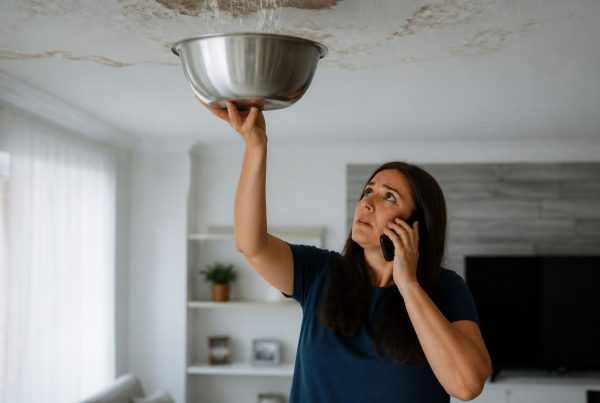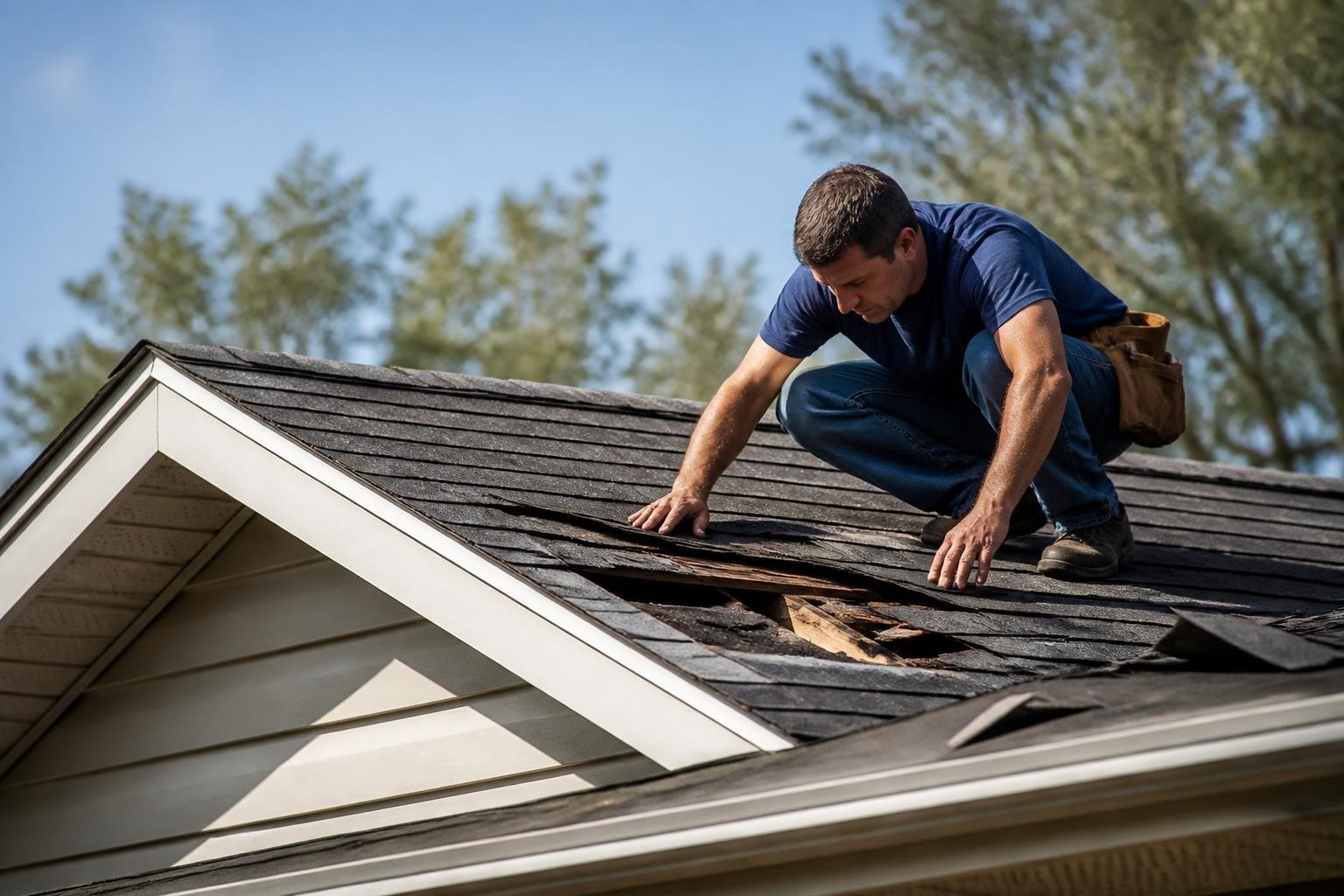
Understanding what you'll pay to fix your roof helps you make better decisions and plan ahead. Roof repair cost varies based on the type of damage, materials involved, and how quickly you address the problem. In coastal North Carolina, where wind, rain, and storms are part of everyday life, knowing these numbers means you can act fast when something goes wrong without worrying about surprise bills or unnecessary work. This guide breaks down the real costs, what drives them, and how to think through repairs versus replacement.
What Influences Roof Repair Cost
Several factors determine how much you'll spend on fixing your roof. The type of damage matters most. A small leak around a chimney costs far less than replacing an entire section of shingles after a storm. Material type also plays a role since asphalt shingles are easier and cheaper to repair than metal or tile.
Labor rates in your area affect the final price. In Eastern North Carolina, you'll generally see lower rates than major metro areas, but coastal access and storm season demand can shift pricing. Roof pitch and accessibility matter too. A steep roof or one surrounded by trees requires more safety equipment and time.
- Damage type: Leak, missing shingles, flashing, structural
- Roof material: Asphalt, metal, tile, wood shake
- Location and access: Pitch, height, obstacles
- Urgency: Emergency repairs cost more than scheduled work
- Season: Storm season and winter can increase demand
The size of the repair area directly impacts cost. Fixing a 10-square-foot section runs far less than addressing 100 square feet. Most roofers charge by the square (100 square feet) or by the hour for smaller jobs.
Common Repair Types and Their Costs
Leak Repairs
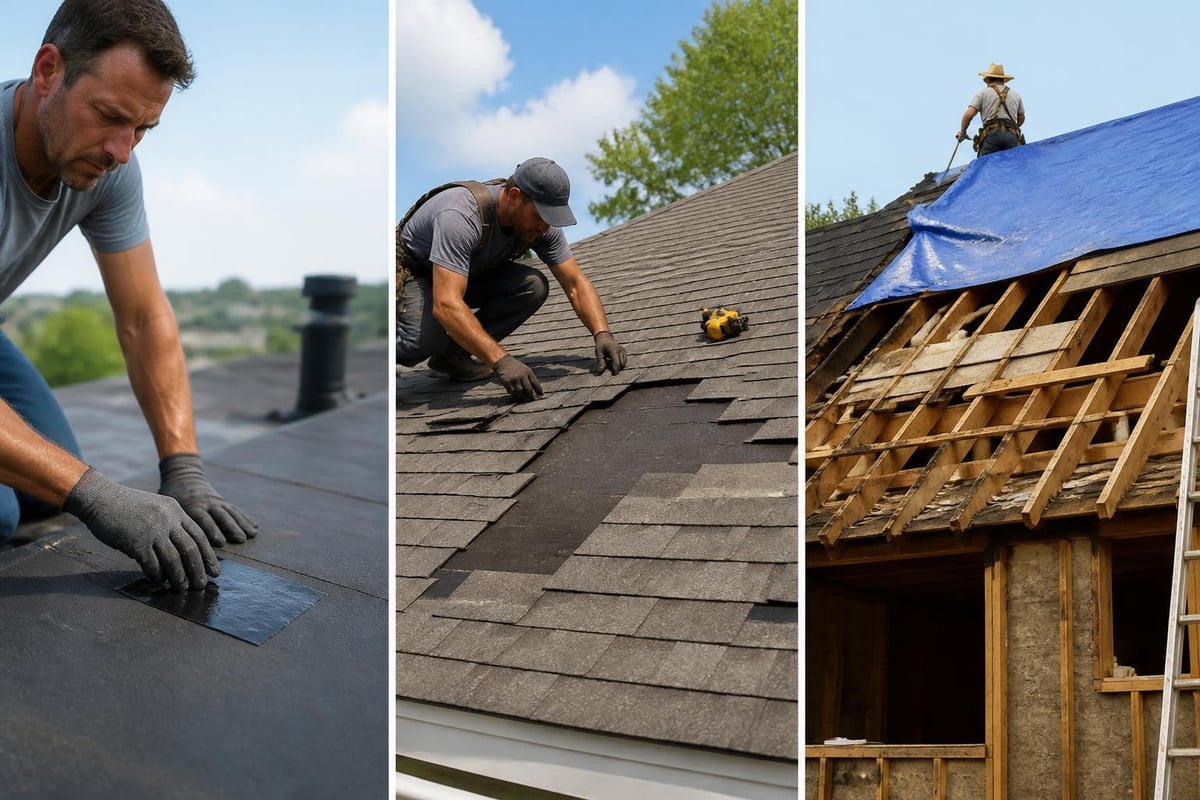
Leak repairs typically range from $150 to $800, depending on the source. A simple flashing issue might cost $200 to $400, while a more complex valley leak could reach $600 or more. Finding the leak often takes as much time as fixing it, especially if water travels along rafters before showing up inside.
According to detailed pricing information from roofing professionals, leak detection and repair averages around $400 to $500 for most homeowners. That includes locating the problem, making the fix, and ensuring the seal is watertight.
Shingle Replacement
Replacing damaged or missing shingles costs between $100 and $400 for small areas. If you're looking at replacing 10 to 20 shingles after a windstorm, expect to pay around $200 to $350 including labor and materials. Larger sections run $400 to $1,200 depending on how much needs replacement.
Pricing per shingle type:
| Material Type | Cost Per Square | Typical Small Repair |
|---|---|---|
| Asphalt 3-tab | $80 – $120 | $150 – $300 |
| Architectural | $120 – $180 | $200 – $400 |
| Metal panels | $200 – $400 | $300 – $700 |
| Tile | $300 – $600 | $400 – $900 |
Matching old shingles can add complexity. If your shingles are discontinued, roofers sometimes pull from a less visible area to patch the damaged section, then install newer shingles in that hidden spot.
Flashing Repairs
Flashing around chimneys, vents, and skylights often fails before the shingles do. Repairing flashing costs $200 to $600 in most cases. Chimney flashing repairs sit at the higher end because they require careful sealing and multiple layers of protection.
Skylight flashing can cost $300 to $800 to repair properly. These areas see constant water flow, so cutting corners leads to recurring leaks. Quality flashing work prevents future problems and saves money long term.
Storm Damage Repairs
Wind and hail damage repairs vary widely based on the extent. Minor wind damage with a few lifted shingles might cost $250 to $500. Moderate storm damage affecting multiple roof sections can run $800 to $2,500. Severe damage requiring structural repairs or large-scale shingle replacement often reaches $3,000 to $8,000.
Understanding costs by damage type and region helps homeowners in coastal areas prepare for storm-related repairs. In Eastern North Carolina, having an emergency fund for roof repairs makes sense given our weather patterns.
Repair vs. Replacement: Making the Right Call
Sometimes repair costs add up close to replacement costs. The general rule: if repairs exceed 30% of what a full replacement would cost, and your roof is past its halfway point in lifespan, replacement often makes more sense financially.
A roof that needs $4,000 in repairs but only has five years of life left isn't a smart investment. That same $4,000 could go toward a full replacement that lasts 20 to 30 years. Conversely, a newer roof with isolated damage benefits from targeted repairs.
When repair makes sense:
- Roof is less than 10 years old
- Damage is localized to one area
- Rest of the roof shows good condition
- Cost is under 20% of replacement value
When replacement makes sense:
- Roof is 15+ years old with multiple issues
- Repairs approach 30% of replacement cost
- You're planning to sell within two years
- Storm damage is widespread
At NC Roofs, we start with a clear roof report so homeowners understand what they're dealing with before deciding between roof repair and replacement. That transparency helps you make the right choice for your home and budget.

Labor Costs and Regional Differences
Labor makes up 40% to 60% of total roof repair cost in most cases. In Eastern North Carolina, hourly rates for roofing contractors typically range from $45 to $75 per hour. Simple repairs might take two to four hours, while complex leak diagnosis and repair can take a full day or more.
Some contractors charge flat rates for common repairs. Missing shingle replacement might have a set price of $200 to $300 regardless of how long it takes. Emergency repairs often include premium pricing, sometimes 50% to 100% higher than scheduled work.
Material Costs
Material costs for repairs are usually modest compared to labor. A bundle of architectural shingles costs $30 to $40 and covers about 33 square feet. Flashing materials run $20 to $50 for most repairs. Sealants, nails, and underlayment add another $20 to $60 depending on the job.
Repair costs by material type show how different roofing systems affect your bottom line. Metal roof repairs cost more per square foot but often last longer between repairs than asphalt.
Hidden Costs to Consider
Roof repair cost sometimes includes expenses beyond the obvious fix. If roofers discover rotted decking under damaged shingles, that adds $150 to $400 per sheet of plywood. Fascia board replacement costs $6 to $20 per linear foot if damage extends to roof edges.
Permit fees might apply for larger repairs, typically $50 to $200. Most minor repairs don't require permits, but structural work or extensive replacements do. Your contractor should handle permits, but confirm this upfront to avoid delays.
Disposal fees for old materials add $50 to $150 to most jobs. Roofers need to haul away damaged shingles, flashing, and other debris. Some include this in their quote; others list it separately.
Insurance Considerations
If storm damage caused the problem, your homeowner's insurance might cover repairs minus your deductible. Document everything with photos before repairs start. Get a detailed estimate that separates wind damage from wear and tear since insurance typically only covers sudden events.
Working with a contractor who provides insurance-ready documentation makes the claims process smoother. They should note wind speeds, damage patterns, and specific repair needs in a format insurance adjusters expect.
DIY vs. Professional Repair Costs
Homeowners sometimes consider DIY repairs to save money. Simple tasks like replacing a few shingles can work if you're comfortable on a roof and have the right safety equipment. Material costs might run $50 to $150 for a small DIY project.
Risks of DIY roof repair:
- Safety hazards from falls and slips
- Voided warranties on materials
- Missed underlying damage
- Improper sealing leading to future leaks
- Code violations
Professional repairs cost more upfront but include warranties, proper diagnosis, and guaranteed work. Most roofing contractors offer one to five-year warranties on repairs. That protection is worth the extra cost for most homeowners.
If you're handy and the repair is truly minor, DIY can save $200 to $500 in labor. But complex issues like leak diagnosis, flashing work, or anything involving structural components should always go to professionals. The cost of fixing a botched DIY job often exceeds what hiring a pro would have cost initially.
Preventive Maintenance and Long-Term Costs
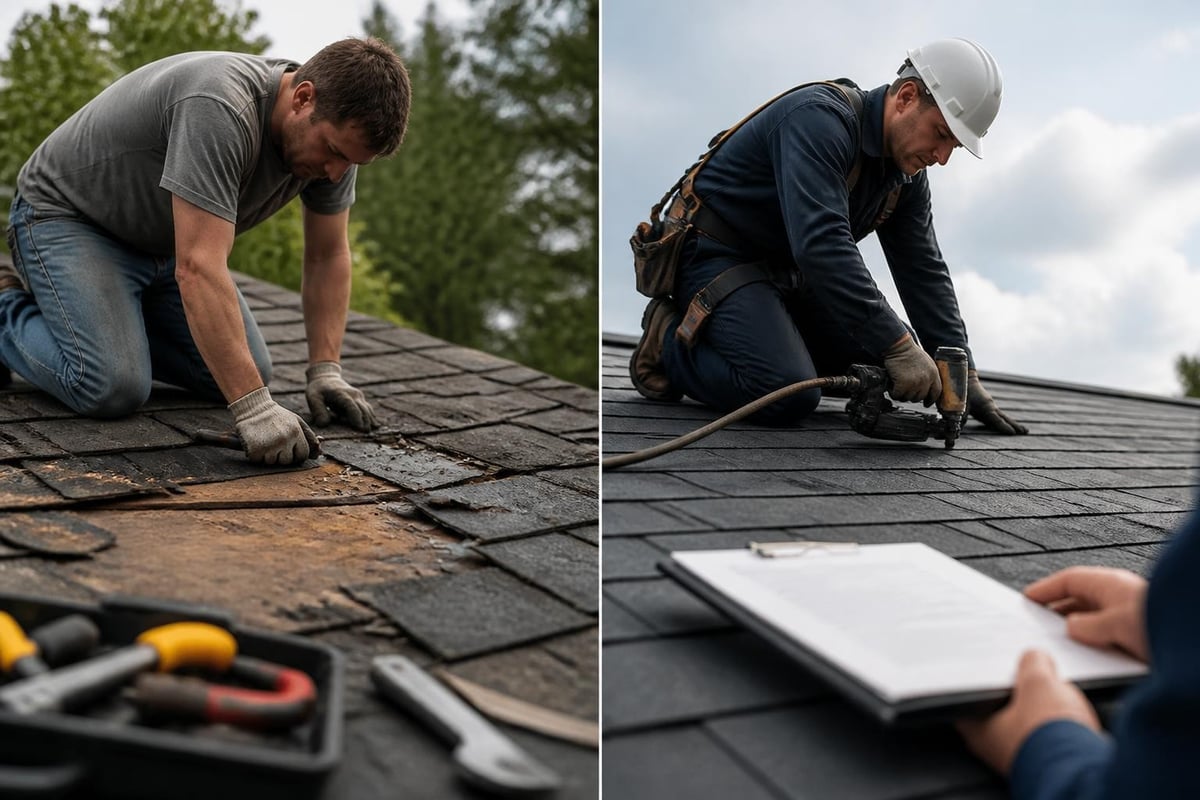
Regular maintenance reduces overall roof repair cost by catching small problems early. An annual inspection costs $150 to $400 but can identify issues before they become expensive repairs. Small fixes during routine maintenance typically cost $100 to $300, far less than emergency repairs.
Maintenance tasks that prevent costly repairs:
- Clean gutters twice yearly to prevent water backup
- Trim overhanging branches to reduce debris and damage
- Check flashing around chimneys and vents annually
- Replace worn pipe boots before they leak
- Remove moss and algae that trap moisture
According to comprehensive home maintenance guidance, spring and fall inspections catch most problems when they're still minor. Investing $300 per year in preventive care often saves $1,000 or more in avoided repairs.
When to Schedule Inspections
After any major storm, have your roof inspected even if you don't see obvious damage. Wind can lift shingle edges and create future leak points that aren't immediately visible. Many contractors offer free storm damage assessments.
Before buying or selling a home, a professional roof inspection provides clarity on condition and remaining lifespan. This costs $200 to $500 but prevents surprise expenses and helps with negotiations.
Getting Accurate Estimates
Quality estimates should include a detailed breakdown of work needed, materials used, labor costs, and timeline. Avoid contractors who give rough guesses without inspecting the roof in person. Understanding factors that influence pricing helps you evaluate whether estimates are reasonable.
What a good estimate includes:
| Component | Details |
|---|---|
| Scope of work | Specific repairs needed with measurements |
| Materials | Brand, type, quantity, and cost |
| Labor | Hours or flat rate with warranty info |
| Timeline | Start date and completion estimate |
| Total cost | Itemized and final with payment terms |
Get at least three estimates for larger repairs. Prices shouldn't vary wildly, but you'll see differences in approach and materials. The lowest bid isn't always best. Consider the contractor's reputation, warranty offerings, and communication style.
Watch for red flags like pressure to decide immediately, requests for full payment upfront, or estimates that seem too good to be true. Quality roofing work costs a fair amount because it requires skill, proper materials, and attention to detail.
Financing and Payment Options
Many roofing contractors offer financing for repairs over $1,000. Interest rates vary from 0% promotional periods to 8% to 12% for longer terms. Compare financing options with home equity lines or credit cards to find the best rate.
Some contractors discount for cash payment, typically 3% to 5%. Others charge the same regardless of payment method. Ask about payment schedules. Most request a deposit of 10% to 30%, with the balance due on completion.
For unexpected repairs, consider these funding sources:
- Emergency savings (best option to avoid interest)
- Home equity line of credit (typically 6% to 9% rates)
- Contractor financing (often promotional 0% periods)
- Credit cards (last resort due to high interest)
- Insurance claim (if damage qualifies)
Never pay the full amount before work starts. A reasonable deposit protects the contractor's material costs, but the bulk of payment should come after you inspect completed work.
Seasonal Pricing Variations
Roof repair cost can fluctuate with seasons. Spring and fall are peak times when everyone wants roof work done before or after storm season. Summer heat slows some work but doesn't typically increase prices much in our area.
Winter repairs sometimes cost 10% to 20% more due to challenging conditions, though serious leaks can't wait for better weather. Late fall often offers the best combination of good working conditions and reasonable pricing before holiday slowdowns.
Best times to schedule non-emergency repairs:
- Early fall (September to October): Good weather, competitive pricing
- Late spring (April to May): After winter damage assessment
- Mid-summer (July): Hot but typically available crews
Emergency repairs don't follow seasonal pricing. When you need immediate help, you pay current rates regardless of the calendar.
Questions to Ask Before Hiring
Before committing to a contractor, ask specific questions about your roof repair cost and what it includes. Clarify warranty terms, both on materials and labor. Understand the payment schedule and what happens if additional damage is discovered during repairs.
Ask how long repairs will take and what happens if weather delays the work. Confirm the contractor carries liability insurance and workers' compensation. Request references from recent repair jobs similar to yours.
Essential questions:
- What exactly does this estimate cover?
- Are there potential additional costs I should know about?
- What warranties do you offer on repairs?
- How do you handle unexpected damage found during repairs?
- When can you start and how long will it take?
Document everything in writing. Verbal agreements don't protect you if problems arise. A detailed contract should outline scope, cost, timeline, warranties, and what happens if either party needs to make changes.
Understanding Value Beyond Price
The lowest roof repair cost doesn't always deliver the best value. Quality materials, experienced crews, and solid warranties matter more than saving a few hundred dollars. A repair done right lasts years. One done cheaply often needs redoing within months.
Consider the contractor's track record in your area. Local companies familiar with coastal North Carolina weather patterns understand what works here. They know how salt air affects materials and which products hold up to our storms.
Context for repair versus replacement decisions helps homeowners weigh immediate costs against long-term value. Sometimes spending more on a full replacement saves money over five years compared to repeated repairs on an aging roof.
Value also includes peace of mind. Knowing your repair comes with a warranty and was done by licensed, insured professionals lets you sleep better during the next storm. That's worth paying fair market rates rather than bargain hunting.
Understanding roof repair cost helps you plan, budget, and make informed decisions about your home. Whether you're dealing with a small leak or storm damage, knowing what's reasonable and what drives pricing keeps you in control. If you're in Hampstead, Topsail, Surf City, Holly Ridge, Wilmington, or surrounding coastal communities and need honest guidance on roof repairs, NC Roofs provides clear assessments and fair pricing to help you protect your home without unnecessary work or inflated costs.