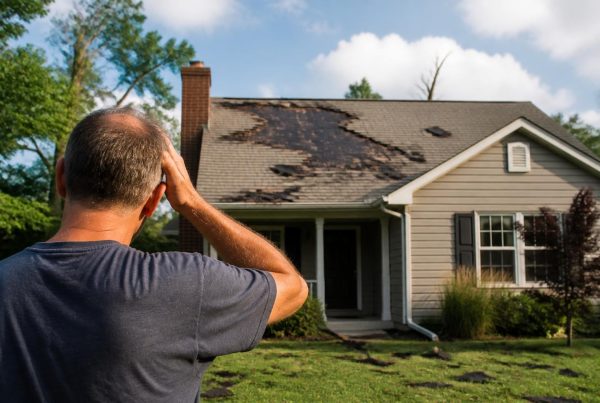
Living along the North Carolina coast means dealing with weather that constantly tests your roof. Salt air, high winds, heavy rain, and occasional tropical systems create conditions that can quietly damage roofing materials before you notice a leak inside. Knowing how to spot roof damage Hampstead NC homeowners should watch for helps you catch problems early, when repairs are simpler and more affordable. This guide walks through the specific signs of damage common in coastal areas, what to look for from the ground and up close, and when it makes sense to call in a professional before small issues turn into major headaches.
Understanding Coastal Roof Damage Patterns
Hampstead sits in a unique zone where roofs face challenges you won't find inland. The combination of salty ocean air and wind creates specific wear patterns.
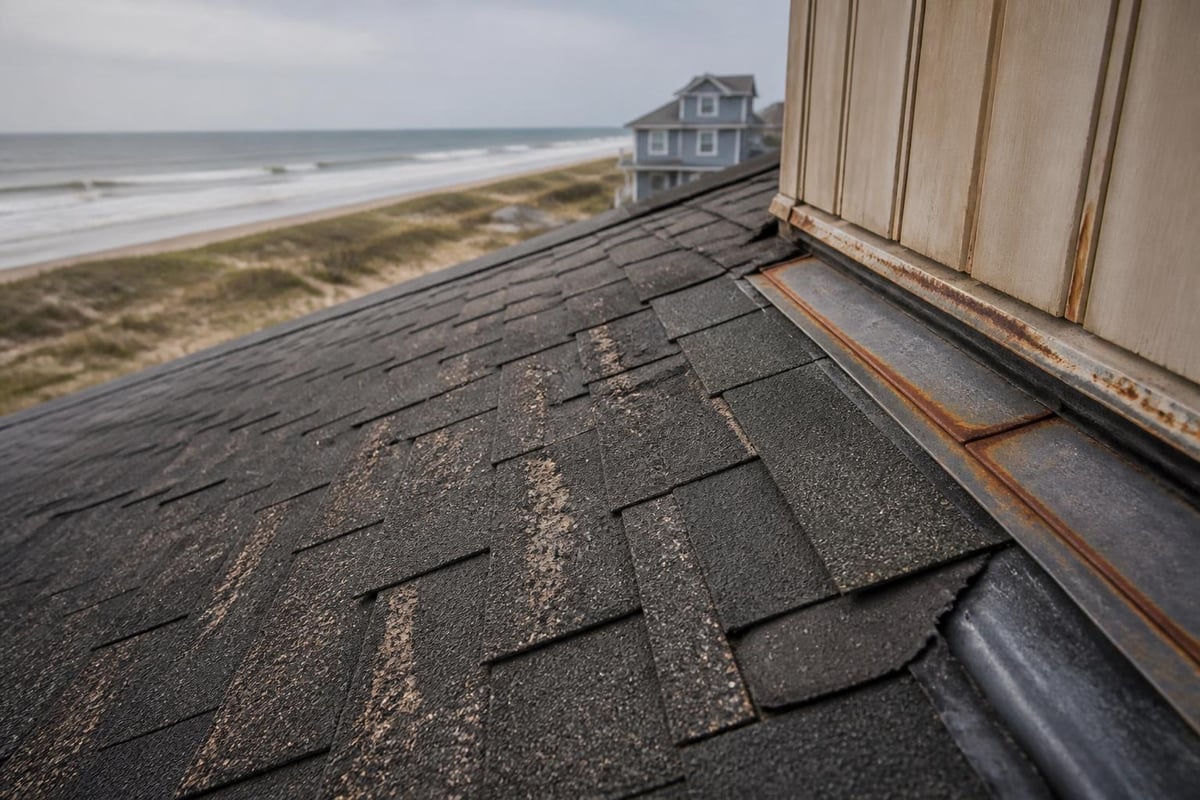
Salt exposure accelerates deterioration on metal components like flashing, nails, and roof vents. Over time, this corrosion weakens structural connections even when shingles look fine from the street. Wind events don't need to reach hurricane strength to lift shingle edges or loosen seal strips, especially on roofs already weathered by years of coastal conditions.
Common Damage Types in Eastern NC
Different roof components fail in predictable ways based on local weather patterns:
- Shingle edge lifting from sustained winds
- Granule loss that exposes the asphalt layer beneath
- Flashing separation around chimneys, vents, and valleys
- Seal strip failure allowing water penetration
- Debris impact damage from branches or storm debris
Temperature swings between hot summer days and cool nights cause expansion and contraction cycles that stress roofing materials. This thermal movement compounds wind stress, creating weak points where damage begins.
Ground-Level Inspection Signs
You don't need to climb onto your roof to spot many damage indicators. Start by walking around your home and looking up at different angles.
Shingle condition tells you a lot from ground level. Look for areas where shingles appear darker than surrounding sections, which often indicates moisture absorption. Curled edges, missing corners, or shingles that look flat and worn signal age-related deterioration.
Check your gutters and downspouts for granule accumulation. A small amount is normal, but heavy granule loss means the protective layer on your shingles is wearing away. You'll see what looks like coarse sand collecting in gutters or forming piles near downspout outlets.
Visual Cues From Your Yard
| Sign | What It Indicates | Action Needed |
|---|---|---|
| Shingle pieces in yard | Recent wind damage or brittleness | Immediate inspection |
| Heavy granule buildup | Advanced wear or hail damage | Schedule assessment |
| Daylight through roof boards | Structural gaps or missing sections | Urgent repair |
| Sagging roofline | Decking damage or structural issue | Professional evaluation |
Scan your roofline for areas that dip or sag. Even a slight deviation from straight lines can indicate water-damaged decking underneath. This Old House outlines common roof problems that homeowners should recognize before they worsen.
Look at the flashing around chimneys and where your roof meets vertical walls. Gaps, rust stains, or separation between the metal and roofing material create entry points for water.
Up-Close Shingle Assessment
If you're comfortable on a ladder and can safely access your roof edge, closer inspection reveals details you can't see from the ground. Never walk on a roof unless you have proper safety equipment and experience.
Focus on shingle texture and flexibility first. Healthy asphalt shingles have a slight give when pressed gently. Brittle shingles that crack under light pressure have lost their protective oils and won't seal properly. Run your hand lightly across shingle surfaces to feel for rough patches where granules have worn away completely.
Check the seal strips, which are the adhesive bands on the back of each shingle. These should bond firmly to the shingle below. If you can easily lift shingle edges without resistance, the seals have failed. Wind can get under these loose sections and peel back larger areas during storms.
Nail Pop and Fastener Issues
- Raised nail heads that stick up create bumps and puncture points
- Missing nails leave shingles vulnerable to wind uplift
- Rusted fasteners indicate moisture penetration
- Overdriven nails that tear through shingles compromise their hold
Coastal homeowners learning how to spot roof damage Hampstead NC conditions create should pay special attention to fasteners. Coast Carpentry & Construction identifies signs of roof deterioration specific to coastal environments that include corrosion from salt exposure.
Interior Warning Signs
Damage often shows up inside your home before it's obvious from outside. Regular attic checks catch problems early.
Water stains on ceiling boards or rafters mean water has already penetrated your roof system. Even old stains deserve attention because they indicate a pathway water can follow again. Fresh stains appear darker with defined edges, while older damage looks faded and blurred.
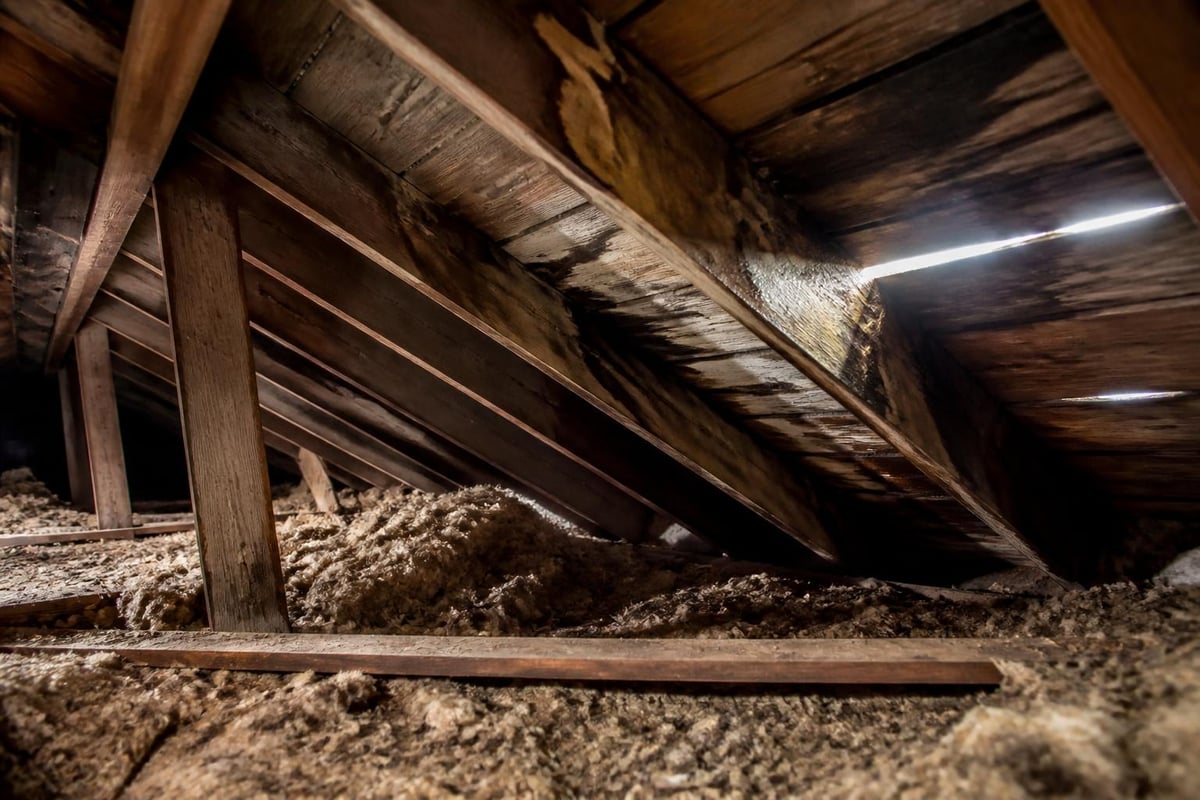
Use a flashlight to scan for daylight coming through roof boards. Any visible light means gaps exist where water can enter. Check insulation for compressed, darkened, or wet sections that signal ongoing moisture problems.
What to Look For in Your Attic
- Musty odors indicating hidden moisture or mold growth
- Dark streaking on wood that suggests water running along rafters
- Soft or spongy decking when pressed gently from below
- Frost buildup in winter showing ventilation or insulation problems
- Animal droppings or nesting materials near roof penetrations
Temperature differences help reveal leaks. During rain, go into your attic with a flashlight and look for active drips or wet spots forming. After heavy storms, check within 24 hours when evidence is fresh.
Flashing and Penetration Points
Most roof leaks don't come from shingle failure. They start at transition points where different materials meet or objects penetrate the roof surface.
Chimney flashing requires two-part protection: step flashing woven into shingles along the sides, and counter flashing embedded in chimney mortar. Gaps at either layer let water behind your roof's defenses. Look for separated seams, missing sections, or mortar that has crumbled away from the metal.
Plumbing vent boots crack with age and UV exposure. The rubber gasket around the pipe develops splits that widen over time. You'll see these boots as pipe collars sticking up through your roof, typically black rubber or lead.
Critical Inspection Areas
| Location | Common Failure | How to Identify |
|---|---|---|
| Chimney base | Counter flashing separation | Gaps between metal and brick |
| Roof valleys | Missing or damaged valley metal | Exposed underlayment or rust |
| Vent pipes | Boot deterioration | Cracks in rubber collar |
| Skylights | Seal degradation | Water stains on interior frame |
| Dormer walls | Step flashing failure | Interior wall water marks |
Valleys channel heavy water flow, making them vulnerable to wear. Metal valleys should lie flat without waves or dents. Shingle valleys need all shingles fully intact along the center crease where water concentrates.
Storm Damage Recognition
After significant weather events, knowing how to spot roof damage Hampstead NC storms cause helps you document issues for insurance claims before evidence disappears.
Hail damage appears as dark spots where impacts knocked off granules, exposing the black asphalt underneath. These dents feel soft when pressed because the impact compressed the shingle material. Random pattern distribution distinguishes hail from normal wear, which shows consistent patterns.
Wind damage concentrates on roof edges, ridges, and corners where uplift forces are strongest. Missing shingles often come off in groups rather than individually. Check for lifted shingles even if none are completely gone, because broken seals will leak during the next rain.
Post-Storm Inspection Steps
- Document damage with dated photos from multiple angles
- Check for debris impact marks or punctures
- Examine all flashing points for displacement
- Note any new interior stains or drips
- Look for loosened ridge caps along the peak
Weather Shield Roofing discusses hidden damage signs in coastal properties that aren't always visible immediately after storms. Wind can compromise structural connections without leaving obvious surface evidence.
Understanding when damage requires immediate attention versus routine monitoring helps homeowners make informed decisions. Roof repair services should start with a clear assessment of what actually needs fixing, not automatic replacement recommendations.
Granule Loss Patterns
Asphalt shingles depend on ceramic granules for UV protection and fire resistance. Losing this protective layer accelerates shingle aging and eventual failure.
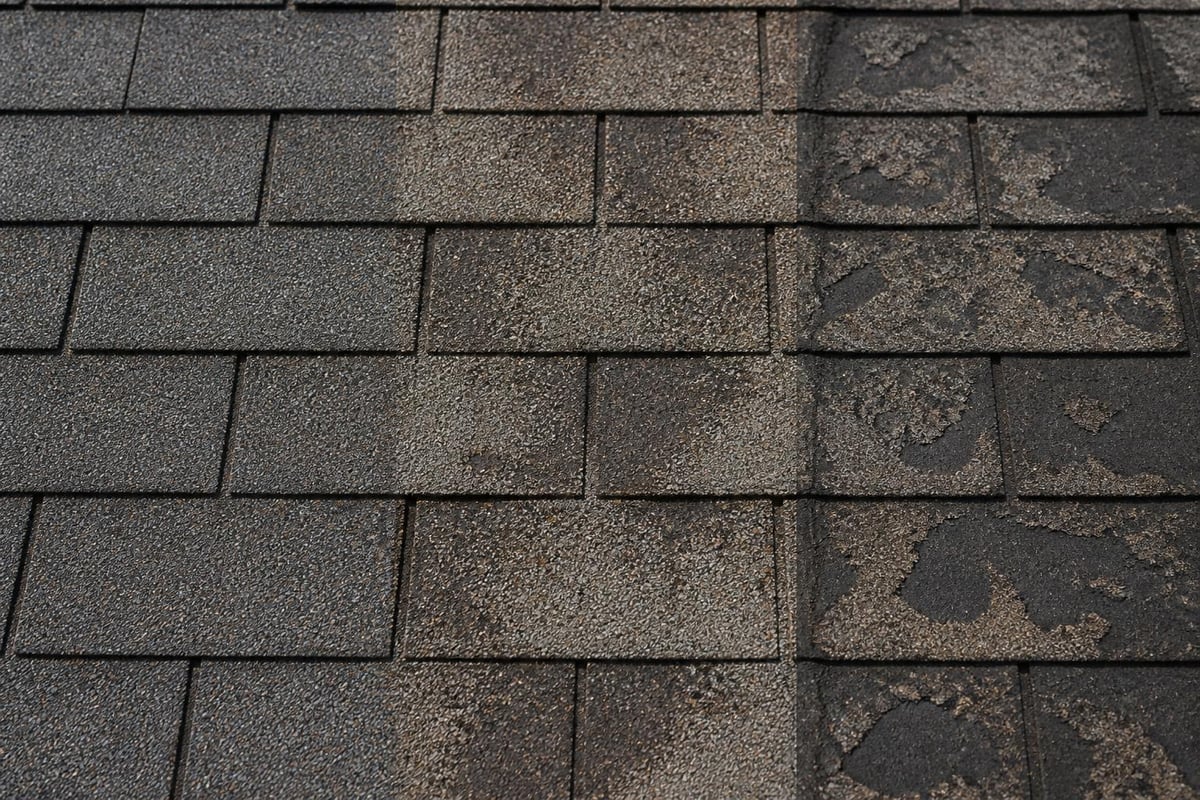
Normal granule loss happens gradually over 15 to 20 years. You'll see some granules in gutters each year, but the shingle surface should still feel rough and textured. Excessive loss creates smooth, shiny patches where asphalt shows through.
Hail damage causes sudden localized granule loss in impact zones. These spots appear as random dark circles across your roof. Blistering from manufacturing defects creates raised bubbles that eventually pop, leaving bare spots in regular patterns.
Measuring Granule Wear
- Light wear: Granules mostly intact, slight shininess in high-traffic areas
- Moderate wear: Noticeable smooth patches, darker streaks visible
- Severe wear: Large areas of exposed asphalt, widespread shininess
- Critical wear: Black asphalt base visible across significant sections
DryHome Roofing & Siding emphasizes spotting roof damage before leaks appear by monitoring granule conditions during regular inspections. Once asphalt exposure reaches moderate levels, shingle replacement becomes necessary within a few years.
Age-Related Deterioration
Even without storm damage, coastal roof materials age faster than inland installations. Salt air, intense UV exposure, and constant moisture cycling take their toll.
Shingle curling typically begins 12 to 15 years into a roof's life in Hampstead's climate. Edges curl upward or corners cup downward as the asphalt layer loses flexibility. This shape change breaks the water-shedding design and creates leak pathways.
Organic growth appears as dark streaks or green patches. While algae and moss don't immediately damage shingles, they hold moisture against the surface and accelerate deterioration. Growth concentrates on north-facing slopes and shaded areas where moisture lingers.
Timeline of Coastal Roof Aging
| Years | Typical Condition | What to Watch |
|---|---|---|
| 0-5 | Like-new performance | Minor granule loss only |
| 6-10 | Early wear signs | First curling, algae growth |
| 11-15 | Moderate aging | Increased brittleness, seal failure |
| 16-20 | Advanced wear | Widespread curling, leak risk |
| 20+ | End of service life | Frequent repairs needed |
Understanding these patterns helps when learning how to spot roof damage Hampstead NC aging creates versus sudden failure. This Old House provides guidance on finding roof leaks that develop as roofing materials reach the end of their expected lifespan.
When to Call Professionals
Some damage assessments require expertise and equipment beyond what homeowners can safely manage. Knowing when to bring in professional help prevents both missed problems and unnecessary risk.
Safety concerns should guide your decision. Never access a steep roof, work in wet conditions, or inspect heights without proper equipment. Professional roofers have fall protection, stable ladding systems, and experience moving safely on sloped surfaces.
Complex damage requires trained evaluation. Multiple leak sources, structural concerns, or insurance claim documentation all benefit from professional assessment. A detailed roof report identifies all issues, not just the obvious ones, helping you understand total repair scope before work begins.
Professional Help Indicators
- Multiple active leaks or widespread water damage
- Structural sagging or soft spots when walking on roof
- Storm damage assessment for insurance claims
- Hidden damage concerns after major weather events
- Second opinions before major replacement decisions
Quality Services Roofing’s homeowner guide explains how professional inspections complement DIY monitoring by accessing areas homeowners cannot safely reach.
The NC Roofs team provides honest assessments that distinguish between repairs and replacements, helping homeowners in Topsail, Surf City, and surrounding areas understand what their roof actually needs.
Documentation and Maintenance
Regular documentation creates a baseline for tracking changes over time. This record proves valuable for warranty claims, insurance purposes, and deciding when repairs become necessary.
Photo documentation works best when taken from the same positions each time. Mark calendar reminders for spring and fall inspections, plus additional checks after any significant storms. Date and label all images so you can track progression of specific problem areas.
Keep receipts and records for all roof work, including minor repairs. This maintenance history adds value when selling your home and helps new owners understand the roof's condition and care.
Effective Tracking System
- Create dated photo folders for each inspection
- Note weather events and any new damage observed
- Record all repairs with contractor names and warranties
- Track granule accumulation in gutters between cleanings
- Document any interior stains or attic moisture signs
Maryland Roofers explain how to check roofs for damage from the ground, making regular monitoring safer and more practical for homeowners without professional equipment.
Understanding how to spot roof damage Hampstead NC homeowners face helps protect one of your largest investments. Catching problems early, documenting conditions, and knowing when professional help makes sense all contribute to extending your roof's life and avoiding emergency repairs. Regular attention to the signs outlined here keeps small issues from becoming expensive failures.
Spotting roof damage early protects your home and saves money by addressing problems before they grow into major repairs. Whether you're dealing with storm damage, age-related wear, or just want to understand your roof's current condition, NC Roofs provides honest assessments and clear recommendations across Hampstead, Wilmington, and all of Eastern North Carolina's coastal communities. We help you understand what your roof actually needs so you can make informed decisions about repairs or replacement.