Understanding roof price starts with recognizing that no two roofing projects carry the same cost. What you'll pay depends on your home's specific characteristics, the materials you select, and the condition of your existing roof. For homeowners in Eastern North Carolina, getting clear pricing information upfront prevents surprises and helps you make decisions based on actual needs rather than pressure or incomplete estimates. This guide breaks down every factor that influences what you'll pay, how professionals calculate quotes, and what fair pricing looks like in 2026.
What Determines Roof Price
Roof price isn't pulled from thin air. It's calculated using measurable factors that apply to every home differently.
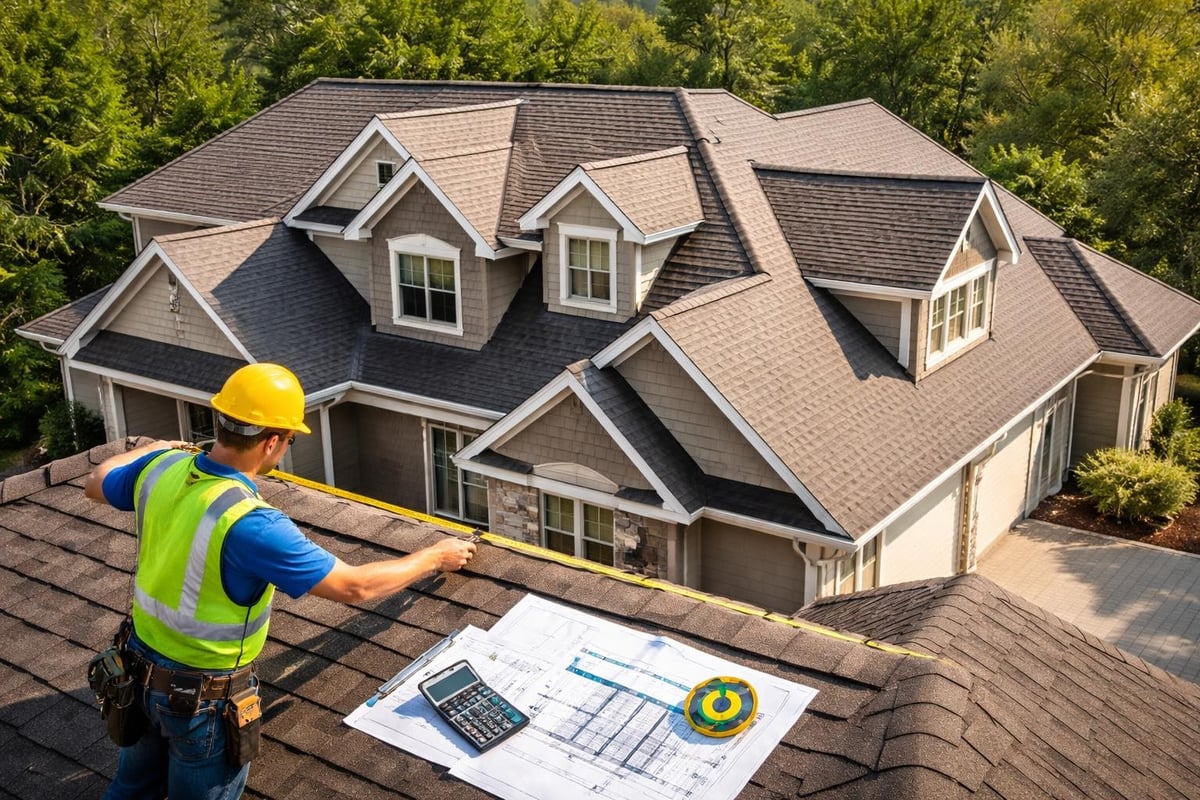
Roof size stands as the primary cost driver. Professionals measure roofs in squares, with one square equaling 100 square feet. A typical single-story ranch might measure 15-20 squares, while a two-story colonial could reach 30-40 squares. Larger roofs require more materials, more labor hours, and more disposal costs for old materials.
Pitch and complexity directly affect labor time and safety requirements. A simple gable roof with a moderate pitch takes less time than a steep roof with multiple valleys, dormers, and skylights. Understanding roof pitch and complexity helps explain why similar-sized homes can have different roof prices.
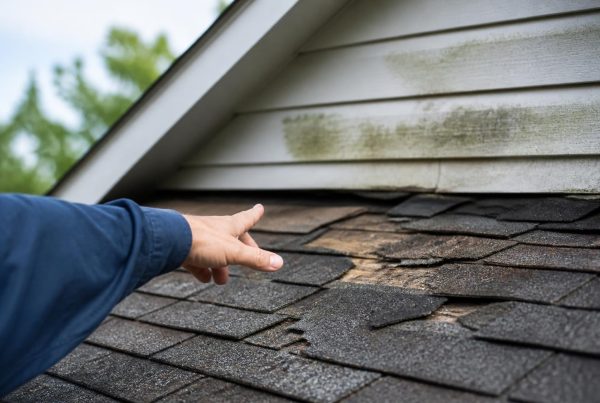
The existing roof condition matters more than many homeowners realize. If the decking underneath your shingles shows rot or water damage, that needs repair before new materials go down. Some homes have multiple layers of old shingles that require complete removal, adding disposal costs and labor time.
Material Selection and Cost Ranges
Your material choice creates the widest price variation in any roofing project.
| Material Type | Cost per Square | Lifespan | Best For |
|---|---|---|---|
| 3-Tab Asphalt | $350-$500 | 15-20 years | Budget-conscious projects |
| Architectural Shingles | $450-$700 | 25-30 years | Most residential homes |
| Metal Roofing | $800-$1,400 | 40-70 years | Long-term investment |
| Tile/Slate | $1,200-$2,500 | 50-100 years | Historic or premium homes |
Architectural shingles dominate residential roofing because they balance cost, appearance, and durability. They offer dimensional texture that improves curb appeal while providing solid weather protection for Eastern North Carolina's climate.
Different roofing materials serve different purposes. Metal roofing costs more upfront but lasts decades longer than asphalt. For homes in areas with frequent storms, that durability pays off. Three-tab shingles work fine for rental properties or homes you plan to sell soon, but they don't offer the same wind resistance or aesthetic appeal.
Underlayment and additional materials add to the total roof price but aren't optional. Ice and water shield protects vulnerable areas like valleys and eaves. Synthetic underlayment lasts longer than traditional felt paper and handles weather exposure better during installation. Proper ventilation components keep your attic temperature regulated and prevent premature shingle aging.
Labor Rates and Regional Pricing
Labor represents 40-60% of your total roof price in most projects.
Geographic location influences what contractors charge. Eastern North Carolina typically sees lower labor rates than major metropolitan areas, but rates vary even within the region. Coastal counties may experience higher demand during peak season, affecting availability and pricing.
Experienced crews cost more per hour but complete work faster and with fewer callbacks. A quality installation team prevents the small mistakes that lead to leaks years later. They know how to handle flashing around chimneys, maintain proper shingle alignment, and secure edges against wind uplift.
Seasonal timing affects both availability and pricing:
- Spring and fall see highest demand and potentially higher prices
- Summer heat makes roofing physically harder, but availability improves
- Winter offers lower demand but weather delays can extend projects
- Post-storm periods create temporary price increases due to demand surge
Some contractors offer winter discounts when their schedule opens up. If your roof doesn't need immediate replacement, scheduling during slower months can reduce your roof price by 10-15%.
Hidden Costs That Affect Final Price
Several expenses catch homeowners off guard if they're not discussed upfront.
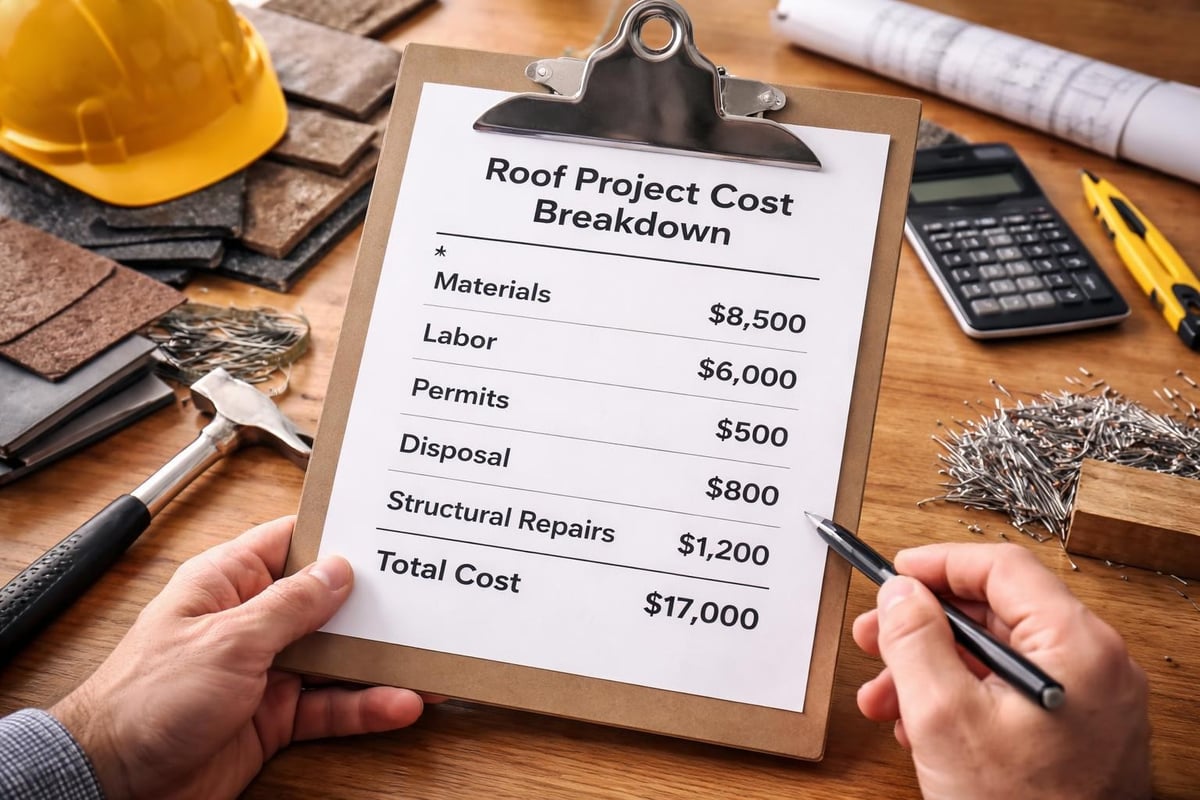
Permit fees vary by county but typically range from $100-$300. Your contractor should handle permit applications, but the cost gets added to your total. Some municipalities require inspections at different stages, which can delay completion if scheduling isn't planned properly.
Disposal and haul-away for old materials adds $50-$100 per square. A 20-square roof generates roughly 2-3 tons of waste material. Responsible contractors include this in their quote, but always confirm disposal is covered.
Unexpected structural repairs emerge once old shingles come off. Rotten decking around chimneys, sagging rafters, or deteriorated fascia boards need fixing before new materials install. Good contractors identify these issues during inspection, but some damage only becomes visible during removal.
Getting Accurate Roof Price Estimates
Professional estimates should provide detailed breakdowns, not single-line totals.
Request itemized quotes that separate materials, labor, disposal, permits, and extras. This transparency lets you compare quotes fairly and understand exactly what you're paying for. Vague estimates that lump everything together make it impossible to identify where your money goes.
A quality estimate includes:
- Exact square footage measurement
- Specific material brands and grades
- Labor cost per square or total project
- Warranty coverage for materials and workmanship
- Timeline from start to completion
- Payment schedule tied to project milestones
When comparing roof prices from different contractors, understanding the key cost factors helps you evaluate whether you're getting fair value or missing important coverage.
What Fair Pricing Looks Like
Fair roof price reflects quality materials, skilled labor, proper insurance, and realistic timelines.
Warning signs of problematic pricing include quotes significantly below market average, pressure to sign immediately, requests for full payment upfront, or reluctance to provide written contracts. Extremely low bids often mean corners get cut on materials, inexperienced crews, or missing insurance coverage.
Conversely, the highest quote isn't automatically the best choice. Some contractors pad pricing assuming customers won't question the numbers. The middle range usually represents fair market value with quality work.
Payment structures should protect both parties. Standard arrangements include a deposit (typically 10-25%) to order materials, progress payments as work reaches milestones, and final payment upon completion and inspection. Never pay the full amount before work finishes.
Material Upgrades and Their Value
Certain upgrades deliver clear returns while others add cost without matching benefit.
| Upgrade | Added Cost | Value Proposition |
|---|---|---|
| Impact-resistant shingles | $50-$100/square | Insurance discounts, hail protection |
| Algae-resistant shingles | $25-$50/square | Prevents black streaks in humid climates |
| Synthetic underlayment | $30-$60/square | Better moisture protection, longer exposure time |
| Ridge vent system | $200-$400 total | Improved attic ventilation, energy efficiency |
| Copper flashing | $100-$300 total | Longer life than aluminum around chimneys |
Impact-resistant shingles make particular sense in Eastern North Carolina where hail storms occur regularly. Many insurance companies offer premium discounts of 10-20% for Class 4 impact-rated materials, offsetting the higher initial roof price over time.
Upgraded warranties cost extra but provide peace of mind. Standard manufacturer warranties cover defects but not installation problems. Enhanced warranties that include workmanship coverage protect you if installation issues cause failures. These typically add 5-10% to material costs but eliminate questions about who's responsible if problems develop.
Some upgrades look impressive but don't match local needs. Thick architectural shingles rated for extreme cold climates add cost without benefit in moderate North Carolina winters. Focus upgrades on weather challenges your specific location faces.
Repair vs. Replacement Pricing
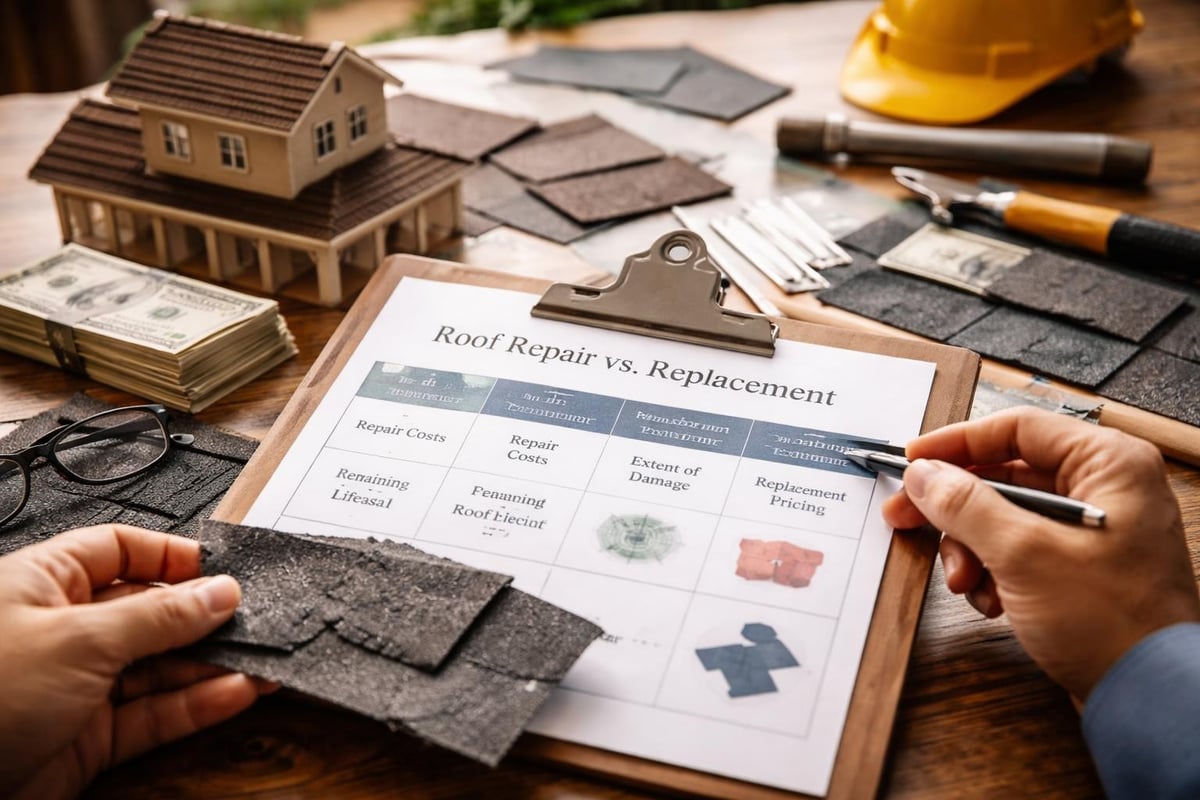
Not every roof problem requires complete replacement, and understanding when repair makes sense affects your overall roof price considerably.
Minor repairs addressing specific damage typically cost $300-$1,500 depending on scope. Replacing a few damaged shingles after a storm, resealing flashing, or fixing a small leak costs far less than full replacement. When damage stays localized and your roof has years of life remaining, roof repair provides the smart financial choice.
Partial replacement makes sense for homes with distinct roof sections where one area shows significant wear while others remain solid. A damaged addition roof or garage might need replacement while the main house roof continues performing well.
Replacement becomes necessary when:
- Your roof exceeds its expected lifespan
- Damage affects more than 30% of the surface
- Multiple leaks appear in different areas
- Curling, missing, or cracked shingles cover large sections
- Energy bills climb due to poor attic ventilation or insulation
The cost difference between repair and replacement can reach $10,000 or more on average homes. A professional inspection determines which approach makes financial sense. Homeowners sometimes choose replacement when extensive repairs would cost 40-50% of replacement cost anyway, since new materials provide decades more protection.
Insurance Claims and Roof Price
Storm damage claims introduce additional considerations to roof price calculations.
Insurance coverage typically pays for replacement when storms cause significant damage. Your policy's deductible applies first, then insurance covers remaining costs. However, insurance companies increasingly use depreciation schedules that reduce payouts on older roofs.
A roof halfway through its expected life might only receive 50% of replacement cost coverage. Understanding your policy details before filing claims prevents disappointment about actual reimbursement amounts.
Matching requirements create interesting pricing situations. If storm damage affects only a portion of your roof, insurance may not cover unmatched shingles if your original product discontinued. Some policies include code upgrade coverage that pays for improvements required by updated building codes.
Working with contractors experienced in insurance claims helps navigate the process. They document damage properly, provide detailed estimates in formats adjusters recognize, and communicate directly with insurance representatives to address questions.
Estimating Your Specific Roof Price
Calculate a reasonable budget range for your project using available information.
Measure your home's footprint using county tax records or home blueprints if available. Add 10-15% to the footprint square footage to account for roof overhang and pitch. Divide by 100 to get approximate squares.
Apply average costs per square foot for your chosen material type. For a 2,000 square foot footprint (roughly 20-23 squares with overhang), expect these ranges:
- Basic 3-tab shingles: $7,000-$11,500
- Architectural shingles: $9,000-$16,000
- Metal roofing: $16,000-$32,000
- Premium materials: $24,000-$58,000+
These estimates assume straightforward installation on moderate-pitch roofs. Add 15-25% for steep pitches, complex layouts, or homes requiring extensive decking repair.
Get multiple quotes from licensed contractors who carry proper insurance. Three estimates give you a sense of fair market pricing while revealing which contractors communicate clearly and itemize thoroughly. Avoid contractors who quote over the phone without inspecting your roof in person.
Financing Options and Budget Planning
Large roof price tags often require planning beyond immediate cash reserves.
Home improvement loans typically offer better interest rates than credit cards. Many roofing contractors partner with financing companies that specialize in home improvement projects, offering promotional periods with deferred interest.
Home equity options provide lower rates if you have available equity. Home equity lines of credit (HELOC) let you borrow what you need and pay interest only on the amount used. This flexibility helps if unexpected repairs emerge during the project.
Insurance claim advances sometimes help bridge the gap between your deductible and insurance payment. Some contractors work with financing companies that advance the insurance portion, letting you pay back after the claim settles.
Compare total replacement costs and financing options to understand the complete financial picture before committing to a project timeline.
Payment timing affects which financing option works best. Projects completed in 3-5 days create different cash flow needs than extended projects requiring material deposits weeks in advance.
Quality Indicators Beyond Price
The lowest roof price rarely delivers the best long-term value.
Contractor credentials matter more than most homeowners realize. Verify licenses through your state's licensing board, confirm insurance coverage directly with the insurance company, and check references from recent projects. Established contractors with clean records and positive customer feedback provide security that disappears with fly-by-night operations.
Manufacturer certifications indicate training and approved installation methods. GAF Master Elite, CertainTeed Select ShingleMaster, and Owens Corning Platinum contractors meet higher standards than general contractors who install various products without specialized training. These certifications often unlock better warranty coverage.
Explore additional factors that influence pricing to understand how contractor expertise and material quality affect both immediate costs and long-term performance.
Written contracts should detail every aspect of the project, including materials by brand name and model, start and completion dates, payment schedule, cleanup procedures, and warranty information. Verbal agreements create disputes. Comprehensive contracts prevent misunderstandings.
Local reputation carries significant weight. Contractors who've operated in Eastern North Carolina for years depend on their reputation. They can't afford cutting corners because word spreads quickly in tight-knit communities. Check local reviews, ask neighbors, and verify BBB ratings before signing contracts.
Regional Considerations for Eastern North Carolina
Eastern North Carolina's climate and weather patterns create specific roof price influences.
Hurricane preparation adds value to certain upgrades. Enhanced nail patterns, sealed shingles, and reinforced ridge caps improve wind resistance. These installations cost 10-15% more than standard methods but significantly reduce storm damage risk. Some insurance companies require specific wind ratings in coastal counties.
Humidity and algae growth affect material selection. Algae-resistant shingles prevent the black streaking common in humid climates. While these cost slightly more, they maintain appearance and prevent moisture-related degradation that shortens roof life.
Seasonal weather influences project timing more than in other regions. Summer heat peaks in July-August, making roof work physically demanding. Hurricane season runs June through November, creating scheduling uncertainty. Late fall and early spring offer the most predictable weather windows for installation.
Understanding these regional factors helps you make material and timing decisions that optimize both immediate roof price and long-term performance. Local contractors familiar with Eastern North Carolina conditions provide insights that out-of-region companies miss.
Understanding roof price means recognizing the factors that drive costs and knowing what fair pricing includes for your specific situation. When you're ready for honest guidance and transparent pricing on roof repair or replacement, NC Roofs provides the straightforward process Eastern North Carolina homeowners need. We focus on clear recommendations based on your roof's actual condition, helping you make confident decisions without pressure or unnecessary upsells.