Moss growth on roofs is more than a cosmetic concern for homeowners in Eastern North Carolina. The green patches that appear during wet seasons can trap moisture against shingles, accelerate wear, and create conditions for leaks. Understanding how to address roof moss removal properly means knowing which methods protect your roof and which ones might cause more harm than good. This guide covers practical approaches to cleaning moss, preventing future growth, and recognizing when professional help makes sense for your specific situation.
Why Moss Grows on Roofs
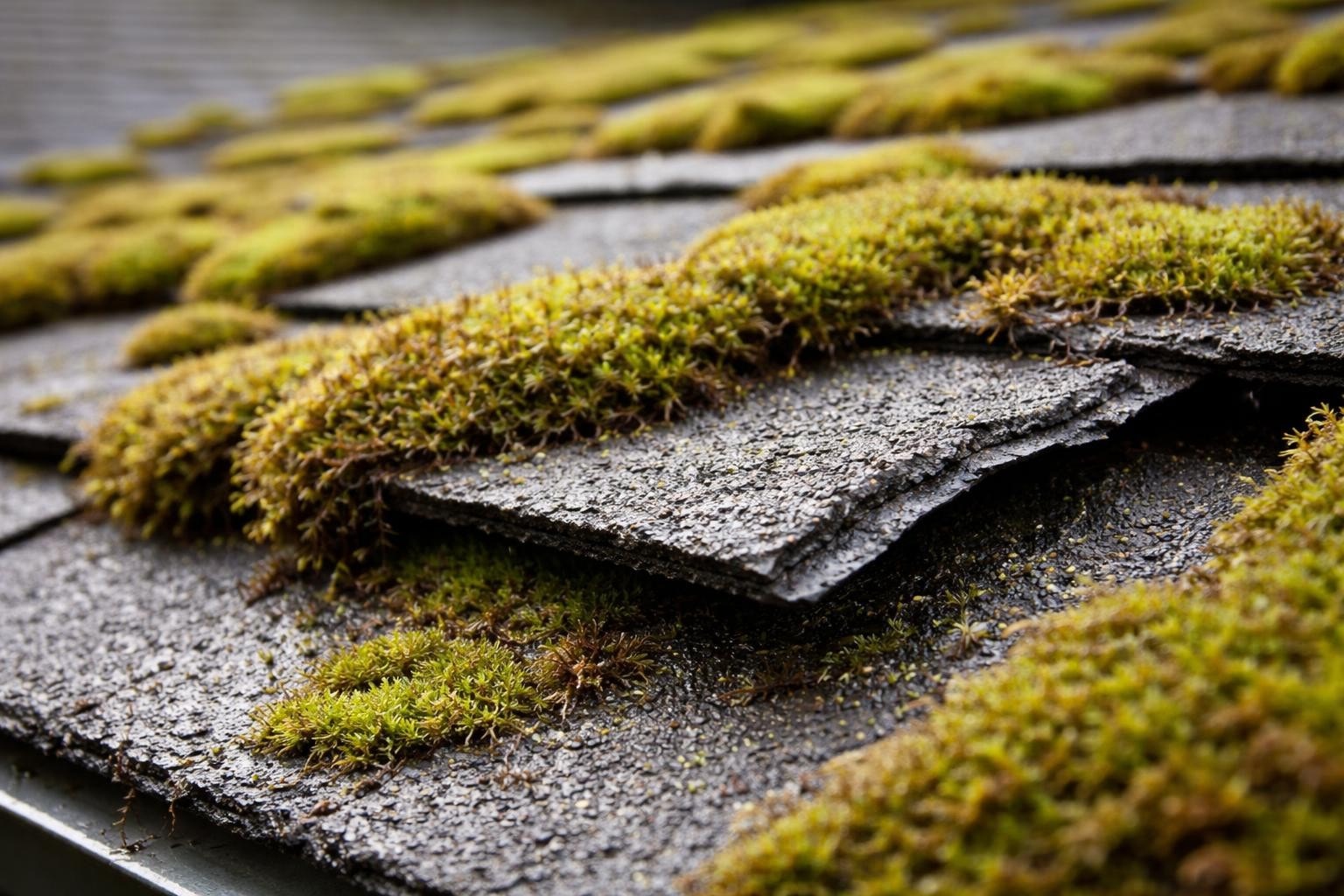
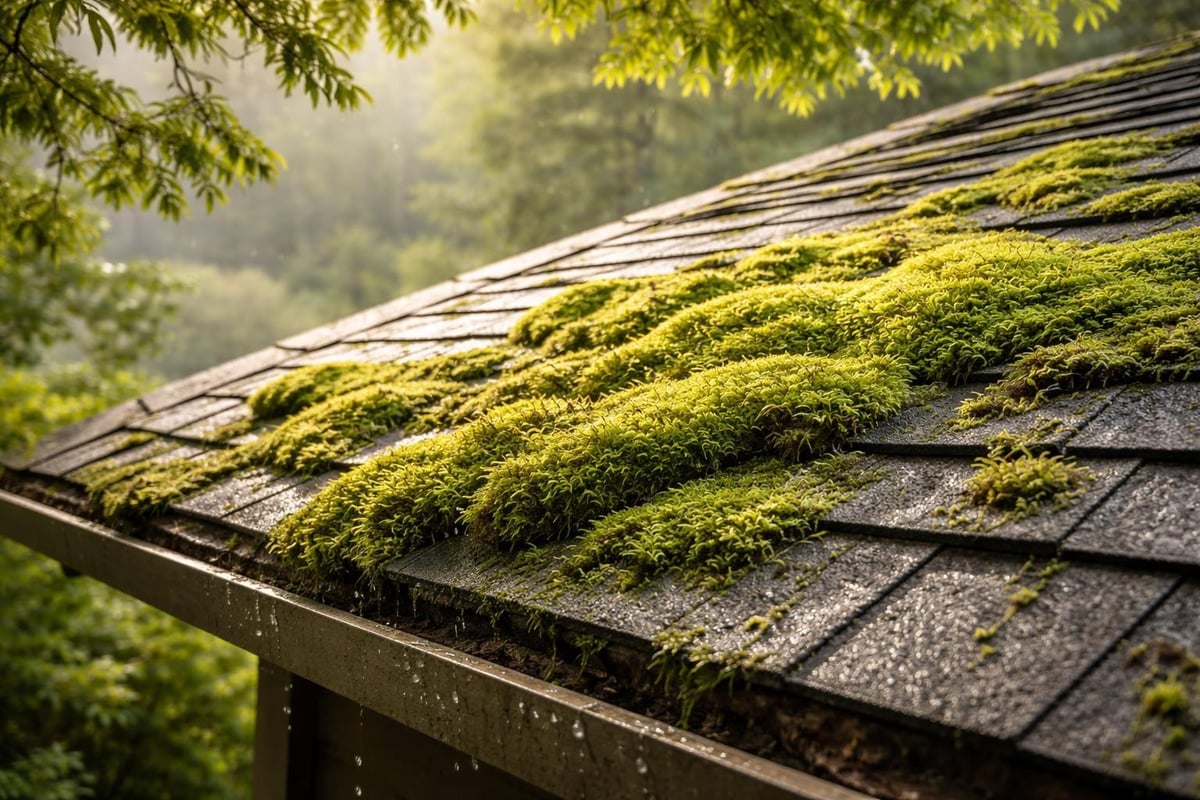
Moss thrives in damp, shaded environments where moisture lingers. North-facing roof sections and areas under tree branches receive less direct sunlight, creating ideal conditions for spores to take hold. Once established, moss acts like a sponge, holding water against your shingles long after rain stops.
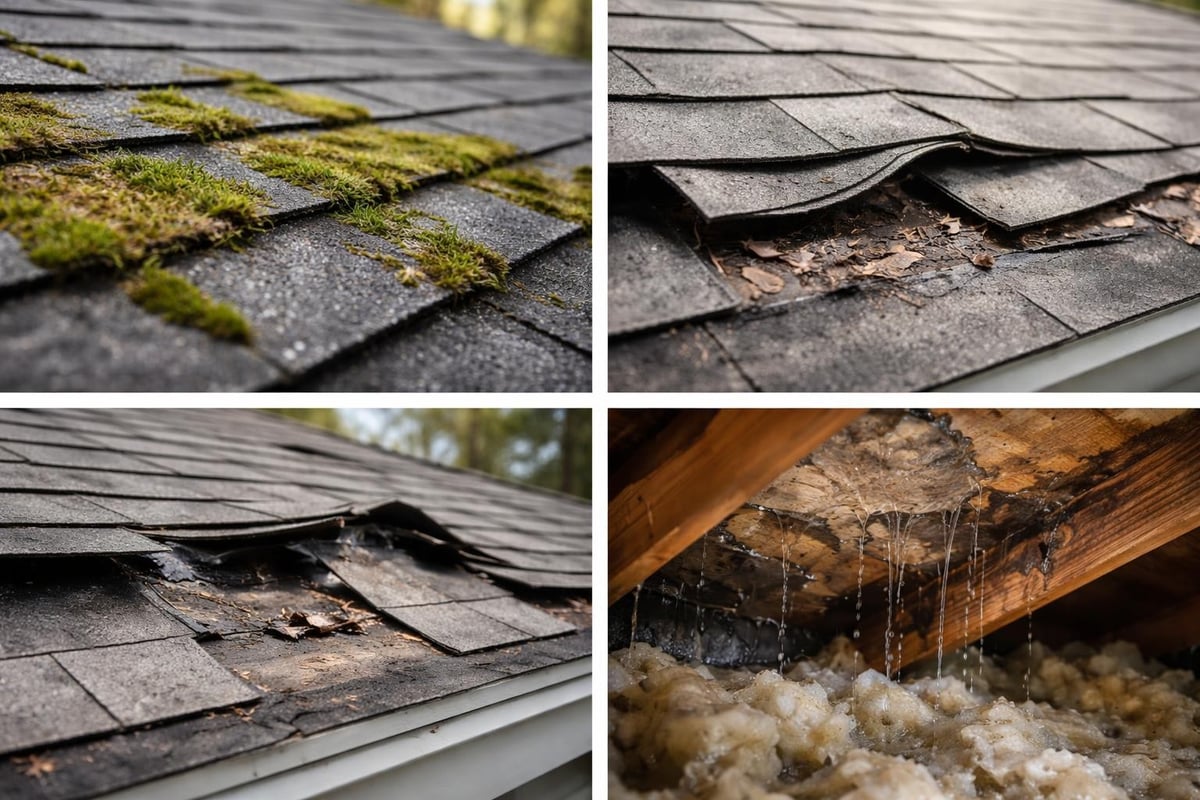
The problem compounds over time. As moss spreads, it grows underneath shingle edges, gradually lifting them away from the roof deck. This creates pathways for water infiltration and exposes the adhesive strips that keep shingles flat. Roof moss can cause significant damage if left unaddressed for multiple seasons.
Climate Factors in Eastern North Carolina
Our regional climate presents specific challenges:
- High humidity levels during spring and summer
- Frequent afternoon thunderstorms that keep roofs damp
- Mild winters that don't fully kill moss growth
- Dense tree coverage in many residential areas
These conditions mean roof moss removal becomes a regular maintenance consideration rather than a one-time fix. Properties with mature oaks or pines often see faster moss accumulation than homes in open areas.
Safe Removal Methods
Removing moss without damaging shingles requires the right approach and realistic expectations. The goal is eliminating growth while preserving the protective granules and structural integrity of your roofing material.
Physical Removal Techniques
Manual removal works best for light to moderate moss coverage. The process involves gentle scraping rather than aggressive brushing, which can strip away granules and shorten shingle lifespan. Oregon State University Extension Service recommends starting at the roof ridge and working downward.
Proper technique includes:
- Using a soft-bristle brush or plastic scraper
- Working in the direction shingles are laid
- Avoiding metal tools that gouge or tear material
- Removing debris from gutters immediately after
Many roofing professionals avoid aggressive brushing entirely because the damage to granules outweighs short-term results. The granules protect against UV damage and weathering, so preserving them extends your roof's functional life.
Chemical Treatment Options
Chemical solutions offer an alternative to physical scraping, though they require careful application. Products typically contain zinc sulfate, copper sulfate, or specialized formulations designed for roof moss removal.
| Treatment Type | Application Method | Typical Results | Environmental Considerations |
|---|---|---|---|
| Zinc sulfate | Spray or powder | 2-4 weeks | Low toxicity to plants |
| Copper sulfate | Liquid application | 1-3 weeks | Can harm aquatic life |
| Commercial blends | Ready-to-spray | Varies | Check product labels |
Apply treatments during dry weather for best absorption. Rain within 24 hours can wash away solutions before they work. The City of Bellingham notes that protecting stormwater runoff matters when using any chemical approach, particularly near streams or drainage systems.
The moss won't disappear immediately. Dead moss typically needs physical removal after treatment, meaning chemical solutions add a step rather than replacing manual work entirely.
Timing and Weather Considerations
Scheduling roof moss removal around weather patterns improves results and safety. Wet conditions make roofs dangerously slippery, while extreme heat can make shingles fragile and prone to damage from foot traffic.
Ideal conditions include:
- Dry weather forecasted for 48 hours
- Moderate temperatures between 50-75°F
- Low wind that won't blow debris
- Adequate daylight for safe visibility
Late spring and early fall typically offer the best windows in Eastern North Carolina. Summer heat makes shingles soft, while winter dampness never fully dries. Planning around these seasonal factors reduces risk and improves effectiveness.
Prevention Strategies That Actually Work
Stopping moss before it establishes saves time and protects your investment. Prevention focuses on changing the conditions that allow moss to thrive rather than constantly fighting regrowth.
Trimming and Sunlight Access
Tree branches that overhang your roof create persistent shade and drop debris that holds moisture. Trimming branches back at least six feet from roof surfaces increases sunlight exposure and air circulation. Both factors discourage moss establishment.
This doesn't mean removing every tree near your home. Strategic pruning of problem branches often provides enough improvement without sacrificing shade or aesthetics. Focus on north-facing sections and areas that stay damp longest after rain.
Zinc and Copper Strips
Metal strips installed along roof ridges release trace amounts of minerals that inhibit moss growth. As rain washes over the metal, it carries small quantities down the roof surface, creating an environment moss can't colonize.
Installation involves securing strips just below the ridge cap. The effect extends roughly 15-20 feet down the roof slope, which covers most residential applications. Homes with particularly long roof planes might need additional strips midway down.
Regular Maintenance Schedule
Consistent attention prevents small moss patches from becoming major problems. A quarterly inspection routine helps catch growth early when removal takes minutes instead of hours.
Maintenance checklist:
- Clear debris from roof valleys and gutters
- Check north-facing sections for new growth
- Remove any moss spots immediately
- Verify downspouts drain properly away from foundation
- Document shaded areas for monitoring
This approach works particularly well when combined with other roof maintenance tasks homeowners already perform seasonally. The key is consistency rather than intensity.
When to Call a Professional
Some roof moss removal situations exceed what makes sense for DIY approaches. Recognizing these scenarios helps homeowners make practical decisions about hiring help versus handling work themselves.
Steep Slopes and Height Concerns
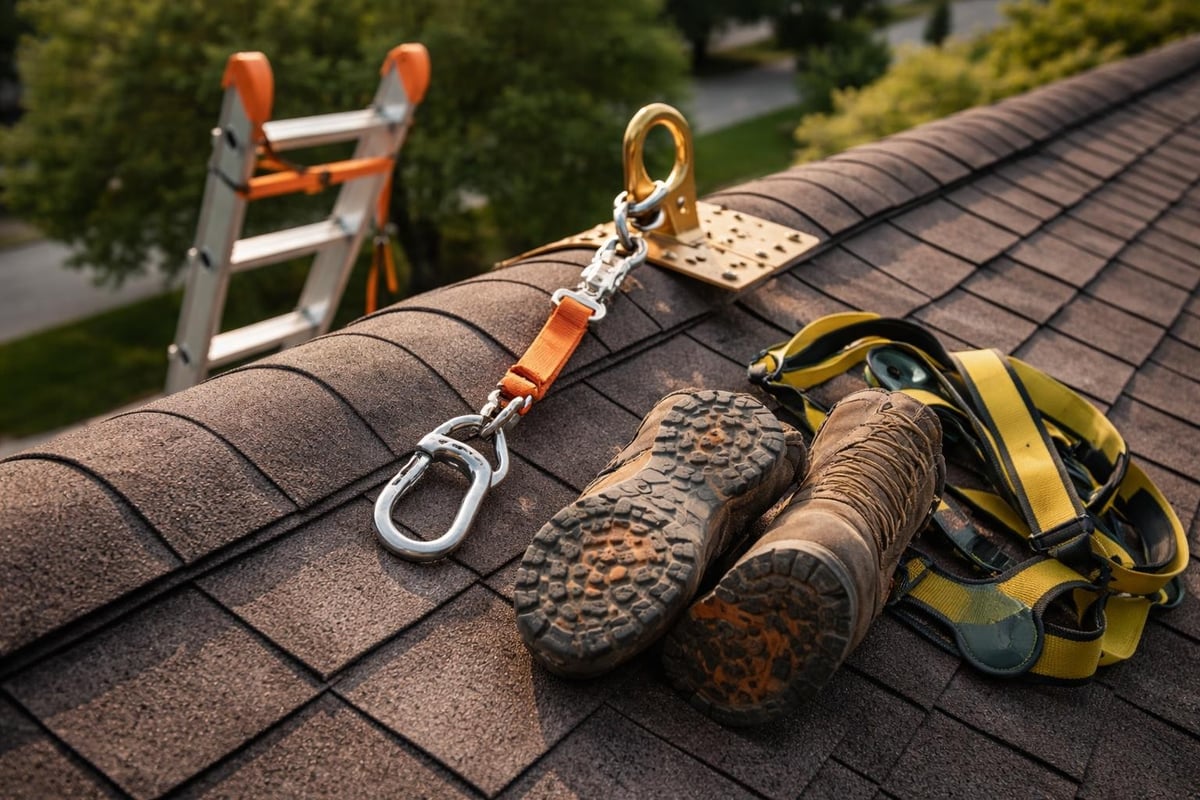
Roofs with pitches above 6:12 become significantly more dangerous without proper safety equipment. The risk of falling increases substantially, and most homeowners lack the harnesses, anchors, and training to work safely on steep surfaces.
Height compounds the danger. Single-story homes might feel manageable, but two-story structures put you 20-25 feet above ground. Professional roofers carry liability insurance and workers' compensation coverage that protects everyone if accidents happen.
Extensive Coverage and Underlying Damage
Heavy moss growth often signals other issues beneath the surface. Shingles that allowed moss to establish might already have compromised seals, missing granules, or hidden leaks. Understanding the full scope of damage requires experience reading roof conditions.
Professionals can assess whether roof moss removal makes sense or if replacement would provide better long-term value. This evaluation prevents spending money on extensive cleaning when the roof needs replacement within the next year anyway.
Common Mistakes to Avoid
Learning from others' errors saves both money and roof lifespan. These mistakes appear repeatedly when homeowners tackle moss removal without proper guidance.
Pressure Washing Damage
High-pressure water seems like an efficient solution, but it destroys roofing materials. The force strips granules, breaks adhesive seals, and can drive water underneath shingles where it causes rot. Experts consistently warn against pressure washing for roof cleaning applications.
Even "soft washing" systems use more pressure than shingles are designed to withstand. Manufacturers specifically void warranties when pressure washing occurs, leaving homeowners responsible for any resulting damage or premature failure.
Ignoring Safety Protocols
Falls from roofs cause serious injuries every year. Working without proper fall protection, attempting jobs during wet conditions, or using ladders incorrectly all create unnecessary risks.
Basic safety requires:
- Properly secured ladder extending three feet above roof edge
- Non-slip footwear with good tread
- Working with a partner who can call for help if needed
- Avoiding roof work during windy or wet conditions
No amount of money saved justifies risking permanent injury. When conditions feel unsafe or work exceeds your comfort level, that's your signal to hire qualified professionals.
Mixing Incompatible Chemicals
Some homeowners combine different cleaning products hoping for better results. This creates unpredictable chemical reactions that can damage roofing materials, harm plants, or create toxic fumes. Bleach mixed with ammonia-based cleaners produces dangerous chloramine gas, for example.
Stick with single products designed specifically for roof moss removal. Follow label directions exactly, including dilution ratios and application methods. More isn't better when it comes to chemical treatments.
Understanding Product Claims and Results
Marketing for moss removal products often promises more than chemistry can deliver. Learning to evaluate claims helps you choose effective solutions and set realistic expectations.
"Instant" Results and Reality
No product eliminates moss instantly. Chemical treatments need time to penetrate moss tissue, kill the organism, and allow natural processes to break down the dead material. Claims of immediate results usually mean the moss darkens or changes color, not that it disappears.
Dead moss still needs removal from your roof. It won't blow away on its own and will continue trapping moisture until physically cleared. Budget time for both treatment and cleanup when planning your approach.
Comparing Product Types
| Product Category | Active Ingredient | Best For | Limitations |
|---|---|---|---|
| Zinc-based | Zinc sulfate | Prevention and light growth | Slow acting |
| Copper-based | Copper compounds | Moderate to heavy moss | Runoff concerns |
| Oxygen cleaners | Sodium percarbonate | Light surface cleaning | Won't kill roots |
| Ready-to-use sprays | Various formulations | Convenience applications | Higher cost per treatment |
Detailed reviews of various products highlight that no single solution works best for every situation. Your specific moss coverage, roof material, and environmental factors all influence effectiveness.
Cost Considerations and Value
Understanding what you're paying for helps evaluate whether professional roof moss removal makes financial sense versus DIY approaches.
DIY Cost Breakdown
Handling moss removal yourself involves these typical expenses:
- Cleaning products: $30-80 depending on coverage area
- Safety equipment: $50-150 if you don't own suitable gear
- Tools and brushes: $20-40 for appropriate cleaning implements
- Time investment: 4-8 hours for average residential roof
The total might reach $200-300 for a well-equipped approach, though many homeowners already own ladders and basic tools that reduce this figure.
Professional Service Pricing
Professional roof moss removal in Eastern North Carolina typically ranges from $300-600 for standard single-story homes. Factors affecting price include roof size, pitch steepness, moss coverage extent, and access difficulty.
This cost includes liability coverage, proper safety equipment, experience identifying underlying problems, and guaranteed work completion. Many services also offer maintenance plans that provide ongoing prevention treatments.
Long-term Roof Health
Effective moss management connects directly to overall roof longevity. Shingles maintained free of moss and debris consistently outlast neglected roofs by several years, making prevention efforts worthwhile investments.
Regular attention to moss growth, proper cleaning when needed, and addressing drainage issues all contribute to maximizing your roof's functional lifespan. Combined with periodic professional inspections, these practices help homeowners avoid premature replacement costs.
When moss problems persist despite treatment, or when removal reveals unexpected damage, that's when professional roof repair services become necessary to address underlying issues before they require complete replacement.
Documentation for Insurance and Resale
Keeping records of moss removal and roof maintenance provides value beyond immediate results. Documentation helps with insurance claims if storm damage occurs, demonstrates proper care during home sales, and tracks treatment effectiveness over time.
Simple photo records showing before and after conditions, dated receipts for products or services, and notes about problem areas create a maintenance history that protects your investment. This information becomes particularly valuable if warranty claims arise or if you need to demonstrate proper care to insurers.
Regional Factors in Eastern North Carolina
Our local environment presents unique challenges for roof moss removal that differ from drier climates or regions with harsh winters. Understanding these regional specifics helps homeowners develop appropriate strategies.
Coastal humidity remains high year-round, meaning roofs rarely experience the extended dry periods that naturally suppress moss growth. Properties near bodies of water or in heavily wooded areas face even more persistent challenges. The mild winters allow moss to continue slow growth rather than dying back seasonally.
Local considerations include:
- Hurricane season debris that traps moisture
- Salt air near coastal areas affecting treatment choices
- Clay soil drainage patterns impacting foundation moisture
- Native tree species that drop specific types of organic material
These factors mean Eastern North Carolina homeowners often need more frequent attention to moss prevention compared to residents in drier regions. What works as annual maintenance elsewhere might require quarterly attention here.
Roof moss removal protects your home's structural integrity and extends shingle lifespan when done correctly with appropriate methods and realistic expectations. Whether you choose DIY approaches for light growth or professional services for extensive coverage, the key is addressing moss before it causes underlying damage. NC Roofs provides honest assessments and clear recommendations for homeowners throughout Eastern North Carolina, helping you understand your roof's actual condition and the most practical path forward without unnecessary upsells.