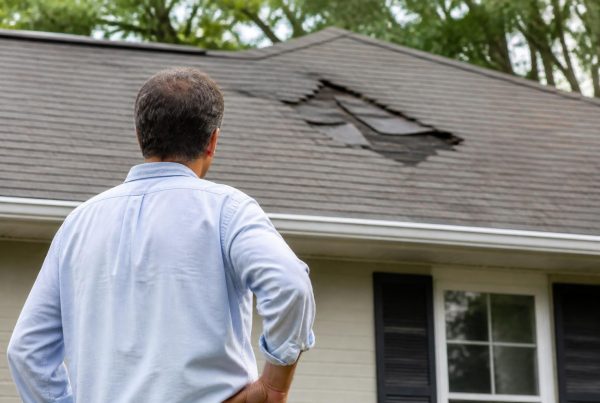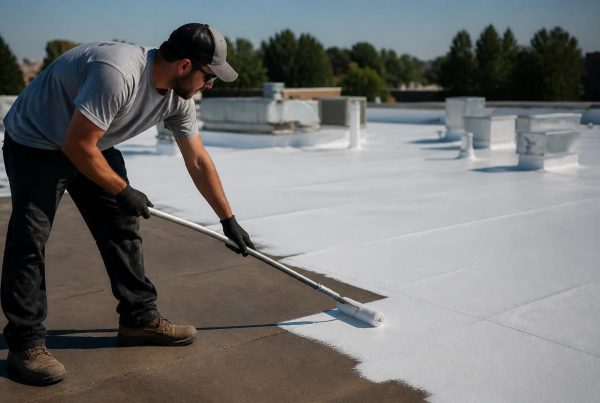
Choosing the best top roofing material for your home isn't just about what looks good from the street. It's about understanding what will actually protect your house, last through coastal storms, and make financial sense for your situation. Whether you're replacing an aging roof or repairing storm damage, knowing which materials perform best in Eastern North Carolina's climate helps you make a confident decision. The right roofing material balances upfront cost, expected lifespan, maintenance needs, and how well it handles wind, salt air, and heavy rain.
What Makes a Roofing Material One of the Best
The best top roofing materials share specific characteristics that matter in real-world conditions. Performance isn't just about manufacturer claims or marketing language.
Durability in Coastal Environments
Salt air, high humidity, and frequent storms test every roof along the North Carolina coast. Materials need to resist moisture intrusion, maintain their structural integrity during wind events, and handle temperature swings without premature failure.
Key durability factors include:
- Wind resistance ratings appropriate for coastal zones
- Moisture barrier performance in humid climates
- UV resistance for year-round sun exposure
- Impact resistance for hail and debris
Some materials excel in these conditions while others struggle. Understanding roofing material performance helps narrow down options based on your specific location and exposure.
Expected Lifespan and Replacement Timing
A roof's lifespan directly affects its long-term value. A cheaper material that needs replacement in 15 years may cost more over time than a higher-priced option lasting 40 years.
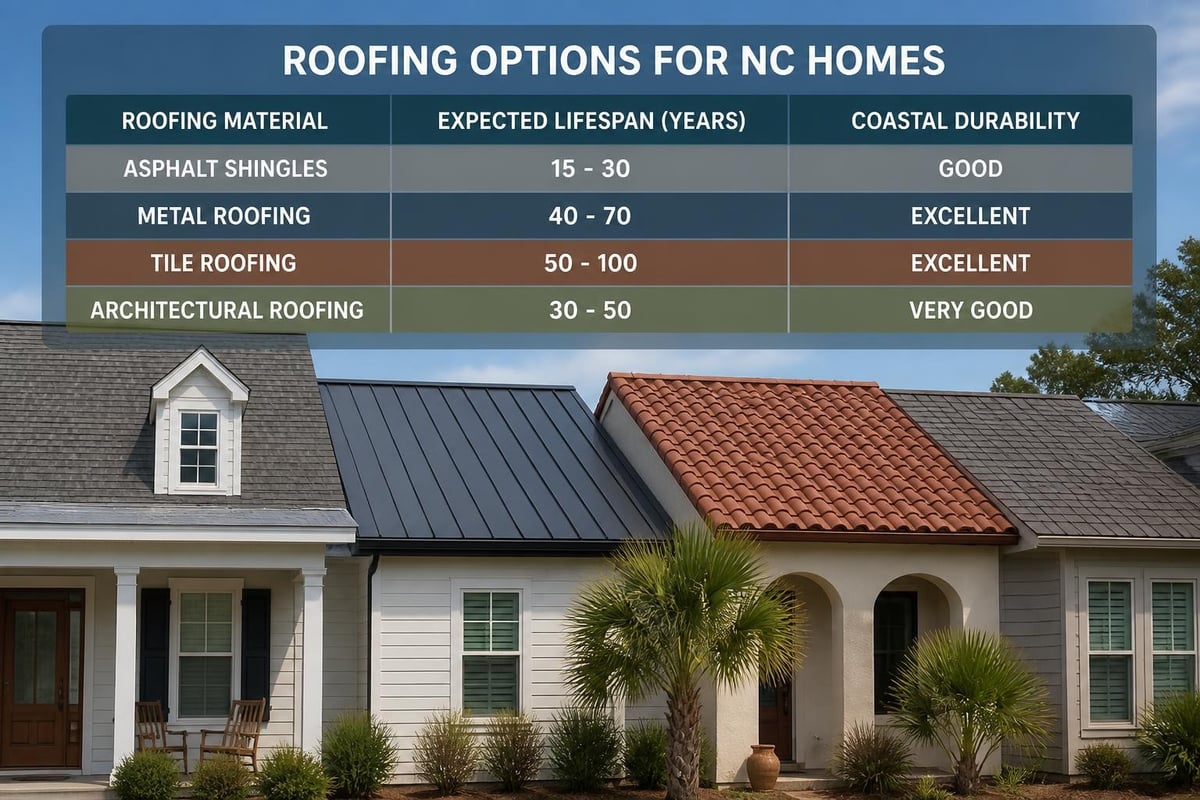
| Material Type | Typical Lifespan | Coastal Performance | Maintenance Level |
|---|---|---|---|
| 3-Tab Asphalt | 15-20 years | Moderate | Low |
| Architectural Shingles | 25-30 years | Good | Low |
| Metal Roofing | 40-70 years | Excellent | Very Low |
| Clay/Concrete Tiles | 50+ years | Excellent | Moderate |
These ranges assume proper installation and reasonable maintenance. Poor ventilation, inadequate flashing, or deferred repairs shorten any material's working life.
Installation Requirements and Labor Costs
Material cost is only part of your total investment. Installation complexity, required expertise, and labor hours significantly impact final pricing.
Heavier materials like slate or concrete tiles require additional structural support. Specialized products need installers with specific training and certifications. Standard asphalt shingles offer straightforward installation with readily available skilled contractors.
Installation considerations:
- Weight load on existing structure
- Specialized tools or equipment needed
- Local contractor experience with the material
- Installation timeframe and weather windows
Asphalt Shingles: The Most Common Choice
Asphalt shingles dominate residential roofing across the United States, including Eastern North Carolina. They represent the best top roofing option for many homeowners balancing cost, performance, and availability.
Three-Tab vs. Architectural Shingles
Three-tab shingles offer basic protection at the lowest price point. They're lightweight, simple to install, and adequate for many applications. However, they're also the least durable option with the shortest lifespan.
Architectural shingles (also called dimensional or laminated shingles) provide better wind resistance, longer warranties, and improved aesthetic appeal. The dimensional appearance adds depth and texture that many homeowners prefer.
Most coastal properties benefit from architectural shingles rated for higher wind speeds. The additional cost pays off through better storm performance and extended lifespan.
Impact-Resistant and Specialty Variants
Impact-resistant shingles earn a Class 4 rating through specialized construction that helps them survive hail and debris strikes. Some insurance companies offer discounts for these products, potentially offsetting the higher material cost.
Specialty asphalt options include:
- Cool roof shingles reflecting more sunlight
- Algae-resistant varieties with copper granules
- Enhanced wind-rated products for coastal zones
- Premium designer lines mimicking other materials
These variants address specific concerns while maintaining asphalt's installation advantages and cost efficiency.
Real-World Performance in North Carolina
Asphalt shingles handle Eastern North Carolina's climate reasonably well when properly installed. Adequate attic ventilation prevents premature aging from heat buildup. Quality underlayment protects against wind-driven rain.
The biggest challenges involve wind uplift during hurricanes and tropical storms. Proper nailing patterns, correct shingle alignment, and adequate edge protection make substantial differences in storm survival.
Metal Roofing: Long-Term Value
Metal roofing continues gaining popularity among homeowners seeking the best top roofing materials for longevity and low maintenance. Initial costs run higher than asphalt, but decades of service life shift the long-term value equation.
Standing Seam vs. Metal Shingles
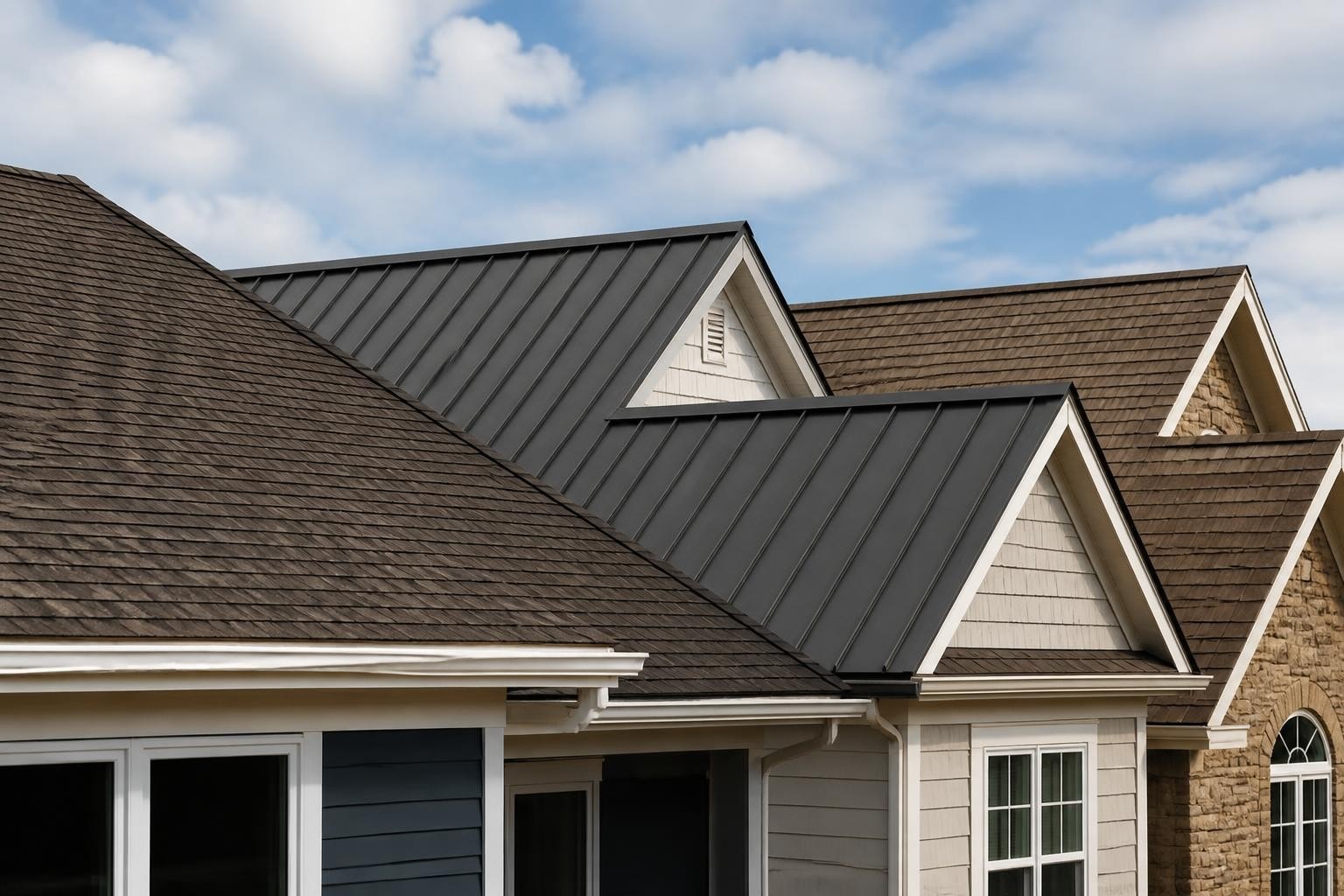
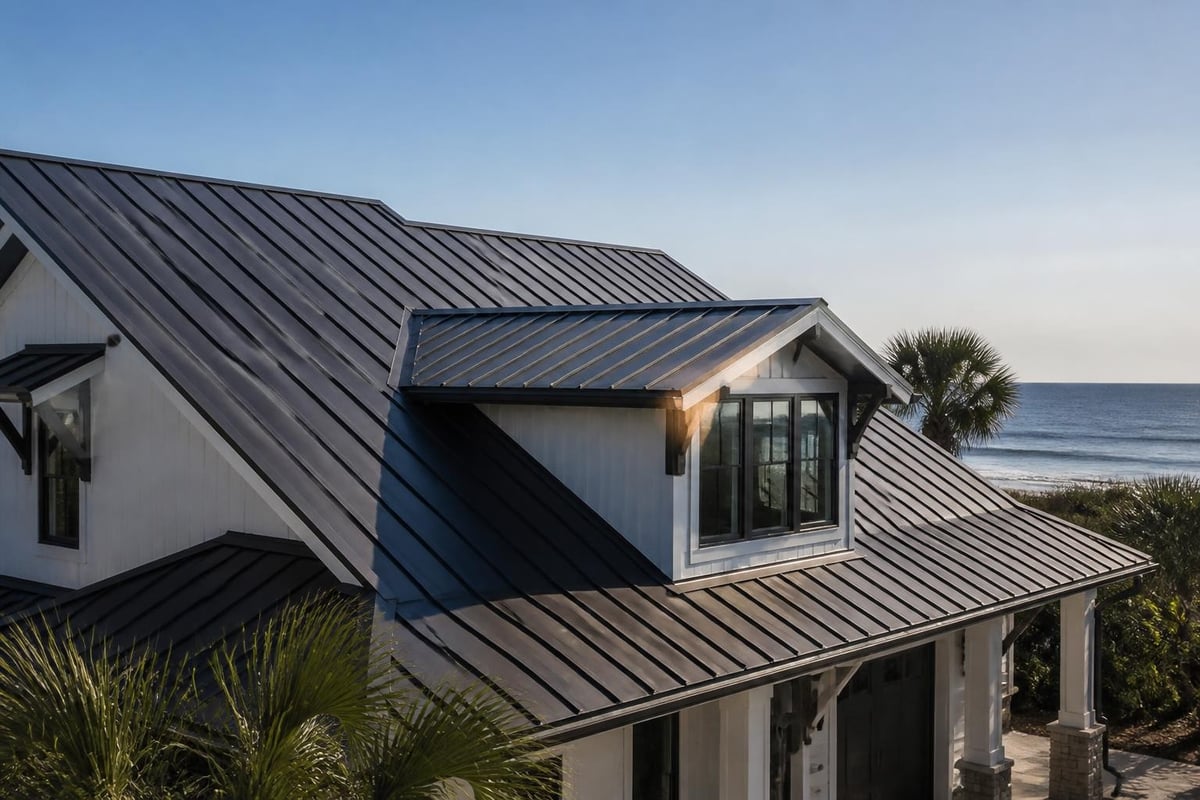
Standing seam metal roofing features vertical panels with raised seams that interlock without exposed fasteners. This design offers superior weather protection and clean contemporary lines.
Metal shingles or panels designed to mimic traditional roofing materials provide metal's benefits while maintaining familiar appearances. These products work well when neighborhood aesthetics or HOA requirements matter.
| Metal Type | Appearance | Installation | Best For |
|---|---|---|---|
| Standing Seam | Modern, sleek | Professional only | Maximum performance |
| Metal Shingles | Traditional | Moderate difficulty | Aesthetic requirements |
| Corrugated Panels | Utilitarian | DIY-friendly | Outbuildings, workshops |
Coastal Corrosion Considerations
Not all metal roofing performs equally near saltwater. Aluminum naturally resists corrosion and works well in coastal environments. Steel requires protective coatings that must remain intact to prevent rust.
Galvanized steel, Galvalume (aluminum-zinc alloy coating), and painted finishes each offer different corrosion resistance. Coastal installations benefit from premium paint systems and regular inspections of cut edges and penetrations where corrosion typically starts.
Regular rinsing helps remove salt accumulation that accelerates deterioration. This simple maintenance extends service life significantly in oceanfront and near-coastal locations.
Energy Efficiency Benefits
Metal roofing reflects solar radiation rather than absorbing heat like dark asphalt shingles. This reflection reduces cooling loads during hot summer months, particularly valuable in North Carolina's climate.
Cool roof coatings and lighter colors maximize this benefit. Some homeowners report noticeable decreases in attic temperatures and air conditioning runtime after switching from asphalt to metal roofing.
Tile Roofing: Premium Durability
Clay and concrete tiles represent premium roofing options offering exceptional longevity when properly installed on suitable structures. These materials deliver the best top roofing performance for homeowners prioritizing decades of service life.
Clay vs. Concrete Composition
Clay tiles are fired at high temperatures, creating a dense, naturally resistant material. They don't absorb water, resist UV degradation, and maintain their appearance for 50 to 100 years or more.
Concrete tiles offer similar profiles and appearances at lower costs. Modern concrete formulations perform well, though they're slightly more porous than clay and may require periodic sealing in some climates.
Both materials handle coastal conditions excellently. Salt exposure, high winds, and intense sun don't significantly degrade properly manufactured tiles. The primary concerns involve installation quality and structural support.
Weight and Structural Requirements
Tiles weigh considerably more than asphalt shingles or metal roofing. This weight requires adequate structural support throughout the roof framing.
Structural considerations include:
- Rafter and truss capacity for increased load
- Wall bearing capacity and foundation support
- Potential need for structural reinforcement
- Code requirements for tile installation
Not every home can support tile roofing without modifications. Professional structural evaluation determines whether your house can handle the additional weight safely.
Storm Performance and Maintenance
Individual tiles occasionally break during severe storms, but the overall roof system typically remains intact. Broken tiles are replaceable without complete roof replacement, an advantage over sheet materials.
Regular maintenance involves inspecting for cracked or displaced tiles, ensuring underlayment remains waterproof, and verifying that flashing stays properly sealed. These checks prevent small issues from becoming major water intrusion problems.
Alternative Materials Worth Considering
Beyond the most common options, several alternative materials offer unique advantages for specific situations. Different roofing material types serve particular needs and preferences.
Synthetic and Composite Products
Synthetic roofing materials mimic the appearance of slate, wood shake, or tile while offering lighter weight and easier installation. These products use recycled materials, rubber, plastic polymers, or combinations thereof.
Performance varies widely by manufacturer and specific product. Some synthetics deliver excellent durability and weather resistance. Others prove disappointing after a few years of exposure.
Research specific products thoroughly, verify independent testing results, and check long-term performance reviews before selecting synthetic materials. The best top roofing products in this category match traditional material performance at reduced weight and cost.
Wood Shakes and Shingles
Wood roofing offers natural beauty and traditional appeal, though it requires more maintenance than modern alternatives. Cedar shakes and shingles resist insects naturally and provide good insulation properties.
Coastal climates pose challenges for wood roofing through constant humidity and potential rot. Fire resistance concerns limit wood roofing in some jurisdictions. Regular treatment, proper ventilation, and periodic replacement of damaged pieces maintain wood roofs effectively.
Most Eastern North Carolina homeowners find other materials more practical, though wood remains viable for specific architectural styles or personal preferences.
Slate: The Ultimate Longevity
Natural slate roofing can last over 100 years when properly installed and maintained. This exceptional lifespan makes slate the longest-lasting roofing material available.
Extreme weight, specialized installation requirements, and high costs limit slate's practicality for most residential applications. Few contractors have slate installation experience, and repairs require specific expertise.
Slate works best on substantial historic homes or custom constructions specifically designed to support its weight. For most homeowners, other materials offer better value despite slate's impressive longevance.
Cost Comparison and Budget Planning
Understanding total roofing costs helps you evaluate the best top roofing options realistically. Initial installation represents just one component of lifetime expenses.
Material and Installation Breakdown
Roofing costs vary by material, home size, roof complexity, and regional labor rates. Eastern North Carolina pricing reflects local market conditions and contractor availability.
Typical cost ranges per square foot (2026):
- Three-tab asphalt: $3.50 to $5.50 installed
- Architectural shingles: $4.50 to $7.50 installed
- Metal roofing: $8.00 to $14.00 installed
- Concrete tile: $10.00 to $18.00 installed
- Clay tile: $15.00 to $25.00 installed
These ranges include removal of existing roofing, new underlayment, standard flashing, and basic ridge venting. Complex roof designs, multiple penetrations, or structural repairs increase costs.
Long-Term Value Calculation
Comparing roofing materials purely on installation cost overlooks the complete financial picture. Lifespan, maintenance requirements, energy savings, and insurance impacts all affect total ownership costs.
A metal roof costing twice as much as asphalt shingles but lasting three times longer delivers better value. Factor in reduced maintenance, potential insurance discounts, and energy savings for complete comparison.
When facing roof decisions, getting a detailed roof report helps you understand your current condition and make cost-effective choices between repair and replacement.
Making Your Material Selection
Choosing among the best top roofing materials requires balancing multiple factors specific to your home, budget, and priorities.
Climate and Location Factors
Eastern North Carolina's coastal climate favors materials resisting wind, moisture, and salt exposure. Hurricane-prone areas benefit from enhanced wind ratings and impact resistance.
Homes near the ocean face harsher conditions than properties further inland. Distance from saltwater, typical wind exposure, and shade coverage all influence material performance.
Regional roofing standards and requirements provide baseline specifications, but exceeding minimums often makes sense in coastal environments.
Matching Materials to Home Style
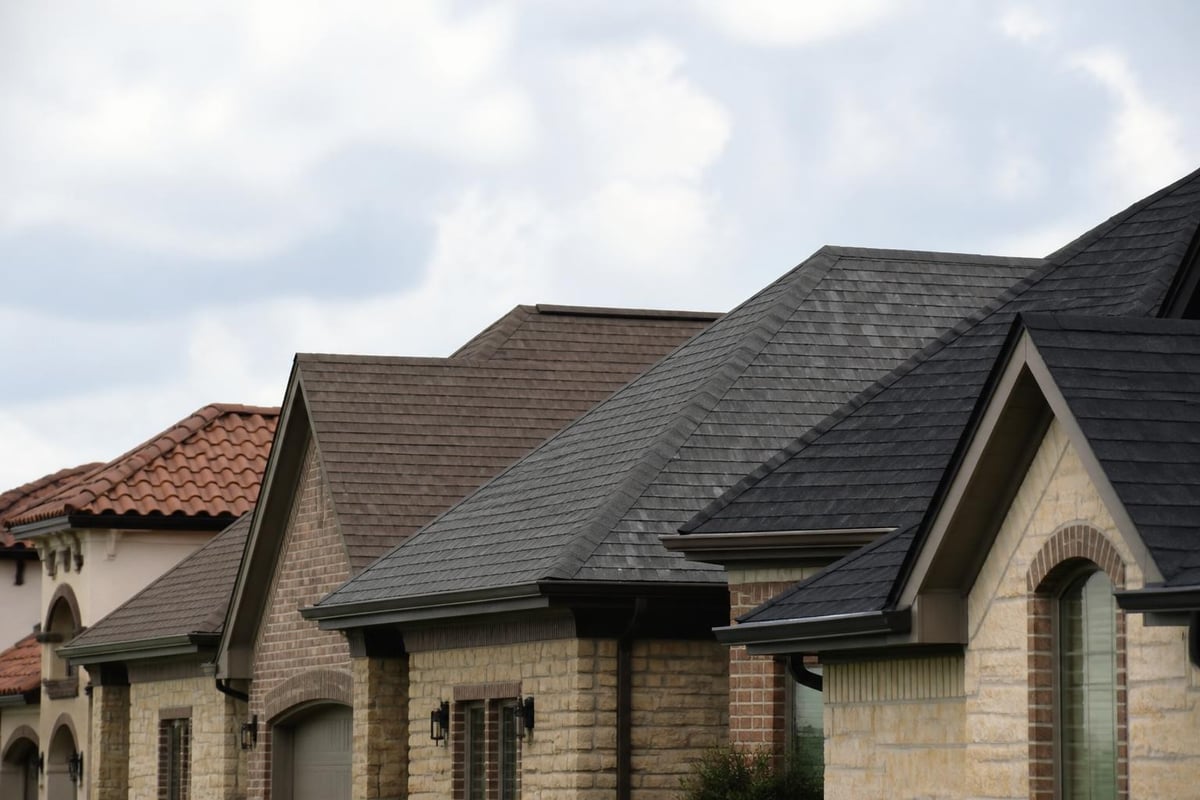
Your home's architectural style influences which roofing materials look appropriate. A coastal cottage suits different materials than a contemporary design or traditional colonial.
Style considerations include:
- Color coordination with siding and trim
- Profile matching architectural period
- Neighborhood aesthetic consistency
- HOA requirements or restrictions
Visual appeal matters, but performance should drive final decisions. The best-looking roof that fails prematurely doesn't serve you well.
Installation Timing and Contractor Selection
Quality installation matters as much as material selection. Poor installation of premium materials creates problems, while expert installation maximizes any product's performance.
Local contractors experienced with coastal installations understand specific requirements for Eastern North Carolina conditions. They know proper flashing details, understand ventilation needs, and recognize when structural concerns require attention.
Weather windows affect installation timing. Schedule roofing work during favorable conditions when possible, avoiding extreme heat or approaching storm systems.
Insurance and Warranty Considerations
Protection beyond the physical roofing materials provides additional value and peace of mind.
Understanding Roofing Warranties
Roofing warranties typically include manufacturer coverage for material defects and contractor workmanship guarantees. Read warranty terms carefully to understand what's actually covered.
Material warranties range from 20 years for basic shingles to lifetime coverage for premium products. These warranties often feature prorated coverage that decreases over time.
Workmanship warranties from your contractor cover installation errors and related issues. Quality contractors stand behind their work with substantial guarantees reflecting their confidence in proper installation.
Impact Resistance and Insurance Discounts
Impact-resistant roofing materials may qualify for homeowners insurance discounts in North Carolina. Class 4 impact-rated products demonstrate superior resistance to hail damage through standardized testing.
Check with your insurance provider about available discounts before selecting materials. Potential savings over the roof's lifespan can offset higher initial costs for impact-resistant products.
Some insurers offer additional discounts for specific materials, ages of roof, or installation features. Understanding these opportunities helps maximize your investment's value.
Storm Damage Documentation
Coastal homeowners should document roof condition periodically and after significant weather events. Photos, inspection reports, and maintenance records support insurance claims when storm damage occurs.
Professional roof inspections identify existing damage, verify storm impacts, and provide documentation for insurance purposes. Clear records prevent disputes and expedite claim processing.
Maintenance Requirements Across Materials
Every roofing material requires some maintenance to achieve its expected lifespan. Maintenance needs vary significantly by product.
Low-Maintenance Options
Metal roofing and quality architectural shingles require minimal ongoing maintenance. Annual inspections checking for loose fasteners, damaged flashing, or debris accumulation usually suffice.
These materials don't need regular treatments, coatings, or replacements of individual components under normal circumstances. Their maintenance primarily involves keeping drainage clear and addressing minor issues promptly.
Higher-Maintenance Materials
Wood shakes, some tile installations, and certain synthetic products need more attention. Regular cleaning, periodic treatments, and replacement of damaged individual pieces maintain their performance.
Regular maintenance tasks include:
- Clearing debris from valleys and gutters
- Inspecting and replacing damaged components
- Treating or sealing as manufacturer recommends
- Verifying flashing and penetration seals
Factor maintenance time and costs into your material selection. A lower initial cost doesn't provide savings if ongoing maintenance expenses exceed alternatives.
Ventilation and Underlayment Impact
Proper attic ventilation extends any roofing material's lifespan by preventing excessive heat and moisture buildup. Inadequate ventilation causes premature aging regardless of the material installed.
Quality underlayment protects against water intrusion and provides a secondary defense when shingles or other covering materials fail. This layer deserves attention during installation even though it's not visible afterward.
These supporting systems prove as important as the visible roofing material for long-term performance. The best top roofing installations address the complete roof system, not just the surface layer.
Regional Performance in Eastern North Carolina
Specific conditions along North Carolina's coast affect how different roofing materials perform over time.
Hurricane and Wind Considerations
High winds during tropical storms and hurricanes test roofing systems regularly. Proper installation techniques, adequate fastening, and appropriate material selection determine survival rates.
Wind ratings indicate tested performance under controlled conditions. Real-world performance depends on installation quality, roof geometry, and specific exposure during storm events.
Properties directly exposed to ocean winds need higher-rated materials and enhanced installation practices. Homes with some wind protection from trees or other structures face less severe conditions.
Humidity and Moisture Management
Constant humidity challenges any roofing material's resistance to moisture-related deterioration. Proper ventilation, quality underlayment, and moisture-resistant materials prevent premature failure.
Algae and mildew growth appears on many roofs in humid climates. While primarily cosmetic, heavy growth can reduce shingle lifespan. Algae-resistant products or periodic cleaning address this concern.
Adequate drainage prevents standing water that accelerates deterioration. Proper roof slope, functional gutters, and clear drainage paths protect your investment.
Salt Air and Coastal Exposure
Salt exposure from ocean spray affects materials differently. Metal roofing requires corrosion-resistant varieties or protective coatings. Fasteners need stainless steel or similarly resistant materials.
Regular rinsing with fresh water removes salt accumulation that would otherwise cause damage. This simple maintenance proves especially important for properties within a few miles of the ocean.
Most asphalt shingles and tiles resist salt effects reasonably well. The primary concerns involve metal components like flashing, fasteners, and roof accessories.
Selecting the best top roofing material involves weighing performance, cost, appearance, and your specific coastal environment. No single material suits every home or budget, but understanding your options and their real-world performance helps you make a confident decision. If you're evaluating your current roof condition or comparing replacement options in the Hampstead, Wilmington, or surrounding Eastern North Carolina areas, NC Roofs provides clear guidance and honest recommendations tailored to your situation and local coastal conditions.