When you hear the term "top of the line roofing," it can sound like marketing language designed to justify a higher price tag. But for homeowners in coastal North Carolina, where storms, humidity, and salt air put constant pressure on your roof, understanding what actually makes a roofing system premium quality matters for long-term protection and value. This isn't about the most expensive option or unnecessary upgrades. It's about knowing which materials, installation methods, and warranties deliver reliable performance in our specific climate, and when those investments make sense for your home.
What Defines Top of the Line Roofing
Top of the line roofing starts with materials engineered for durability and performance beyond basic code requirements. Premium asphalt shingles feature higher wind ratings, better impact resistance, and longer warranties than standard three-tab options. Architectural shingles rated for 130 mph winds matter in a region where hurricanes are a regular concern.
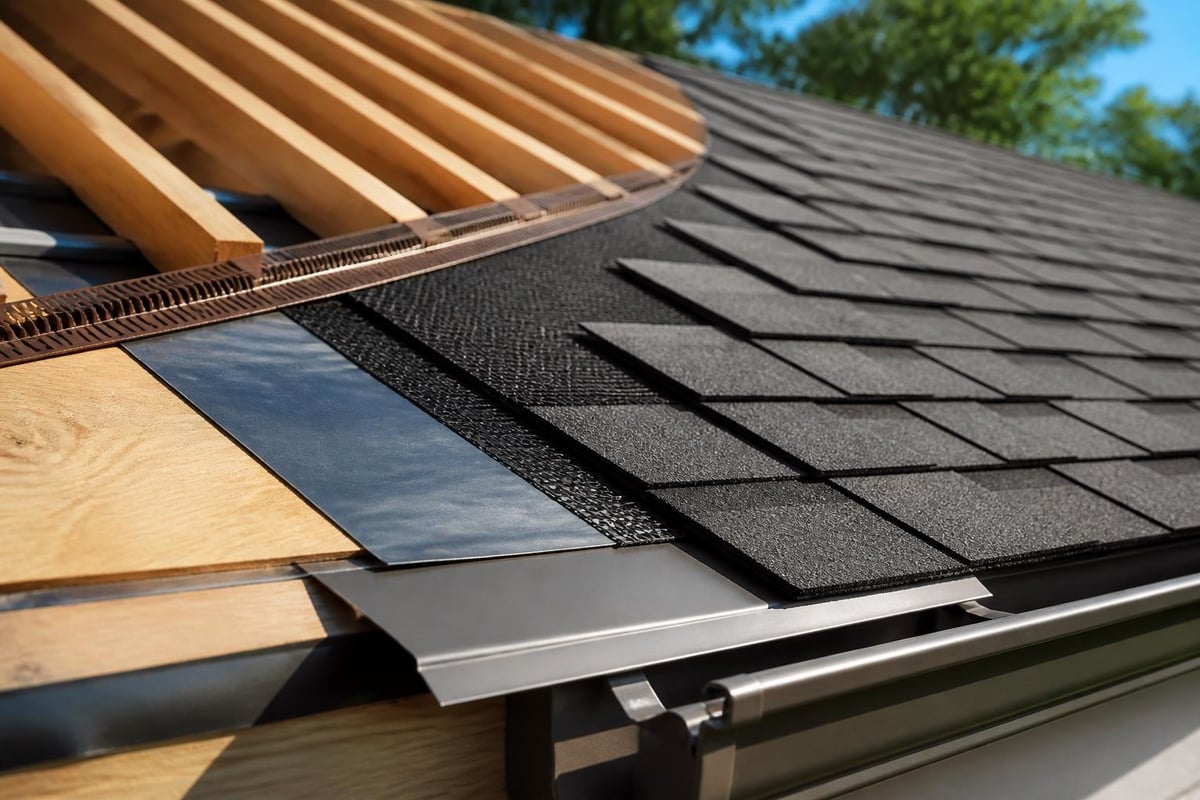
The materials themselves are just the starting point. A true premium system includes:
- Enhanced underlayment that provides secondary water protection
- Proper ventilation to manage heat and moisture
- Ice and water shield in vulnerable areas
- Quality flashing around penetrations and valleys
- Starter strips along eaves and rakes
These components work together as a system. Upgrading just the shingles without addressing underlayment or ventilation leaves gaps in protection.
Material Quality Standards
Not all premium shingles are created equal. Leading roofing materials in 2025 include options with algae resistance, impact ratings, and extended warranties that reflect their construction quality. Look for Class 4 impact resistance if hail is a concern in your area. Check the actual wind rating, the warranty transferability, and what conditions void coverage.
Metal roofing represents another top of the line option growing in popularity across coastal communities. Standing seam metal roofs offer 50-plus year lifespans, superior wind resistance, and low maintenance. The upfront cost runs higher than asphalt, but the longevity and durability often justify the investment for homeowners planning to stay long-term.
Installation Makes the Difference
Even the best materials fail without proper installation. Top of the line roofing requires experienced crews who follow manufacturer specifications exactly. This means correct nail placement, proper overlap on underlayment, adequate ventilation calculations, and attention to flashing details that prevent leaks.
Many warranty claims get denied because installation didn't meet requirements. A premium roof installed incorrectly performs worse than a mid-grade system installed properly.
| Installation Element | Standard Approach | Premium Approach |
|---|---|---|
| Nail placement | 4 nails per shingle | 6 nails in high wind zones |
| Underlayment | 15 lb felt | Synthetic underlayment |
| Ventilation | Minimal code compliance | Balanced intake/exhaust |
| Valley treatment | Open valley | Ice and water shield protection |
| Flashing | Standard step flashing | Sealed and integrated system |
Ventilation and Attic Health
Proper attic ventilation extends shingle life significantly. Heat buildup in the attic degrades shingles from below, shortening their lifespan regardless of quality. A balanced ventilation system with adequate intake at soffits and exhaust at the ridge keeps temperatures manageable.
Current roofing industry trends emphasize the growing importance of energy efficiency and climate-appropriate installation methods. In Eastern North Carolina's humid climate, ventilation prevents moisture accumulation that leads to mold, wood rot, and premature shingle failure.
Ridge vents paired with continuous soffit vents create airflow that moderates attic temperatures. Power vents add active exhaust but require proper intake to function effectively. The ratio matters. Too much exhaust without sufficient intake creates negative pressure that can pull conditioned air from living spaces.
Warranty Coverage and What It Actually Means
Top of the line roofing typically includes manufacturer warranties ranging from 30 to 50 years, sometimes labeled "lifetime." Read the fine print. Most warranties are prorated, meaning coverage decreases over time. A 50-year warranty might provide full replacement for 10 years, then coverage drops to material cost only.
Understanding Warranty Types
Manufacturer warranties cover defects in the shingles themselves. They don't cover installation errors, storm damage, or normal wear. Workmanship warranties come from your contractor and cover installation quality. These often run 5 to 10 years.
The best roofing companies offer both and explain what each covers. Market research on reroofing demand shows homeowners increasingly value transparent warranty terms over inflated coverage claims.
Transferable warranties add value if you sell your home. Not all premium warranties transfer, and those that do may require fees or inspections. Confirm transfer terms before assuming they add resale value.
When Top of the Line Roofing Makes Sense
Premium roofing systems make the most sense in specific situations. If you're planning to stay in your home for 15-plus years, the extended lifespan and lower maintenance justify higher upfront costs. In high-wind coastal areas, the improved wind resistance prevents repeated storm damage repairs.
For homes with complex roof designs, steep pitches, or architectural prominence, top of the line materials enhance both protection and curb appeal. Dimensional shingles with varied colors and textures complement the home's design better than flat, uniform options.
When Standard Options Work Fine
Not every home needs premium materials. If your roof is simple, the home is a short-term investment, or budget constraints are real, a quality mid-grade system installed properly outperforms a premium system installed poorly.
Before making decisions based on material grade alone, getting a detailed roof report helps you understand what your roof actually needs. Sometimes the existing system just needs targeted repairs rather than full replacement.
- Assess your timeline: How long do you plan to own the home?
- Evaluate exposure: Does your location face severe weather regularly?
- Consider complexity: Does your roof design require premium flashing and details?
- Review budget realistically: Can you afford premium materials plus quality installation?
- Check existing condition: Does partial replacement make more sense than full premium upgrade?
Material Options in Premium Roofing
Beyond basic asphalt shingles, several materials qualify as top of the line roofing depending on your needs and budget.
Architectural Asphalt Shingles
These multi-layered shingles create depth and texture while offering better wind and impact resistance than three-tab options. Top manufacturers like GAF, Owens Corning, and CertainTeed produce lines with 130+ mph wind ratings and Class 4 impact resistance. Colors range from traditional blacks and grays to weathered wood tones and designer blends.
Premium architectural shingles cost roughly $150-$250 per square installed, compared to $100-$150 for standard options. That difference adds up on larger roofs but delivers better performance and aesthetics.
Metal Roofing Systems
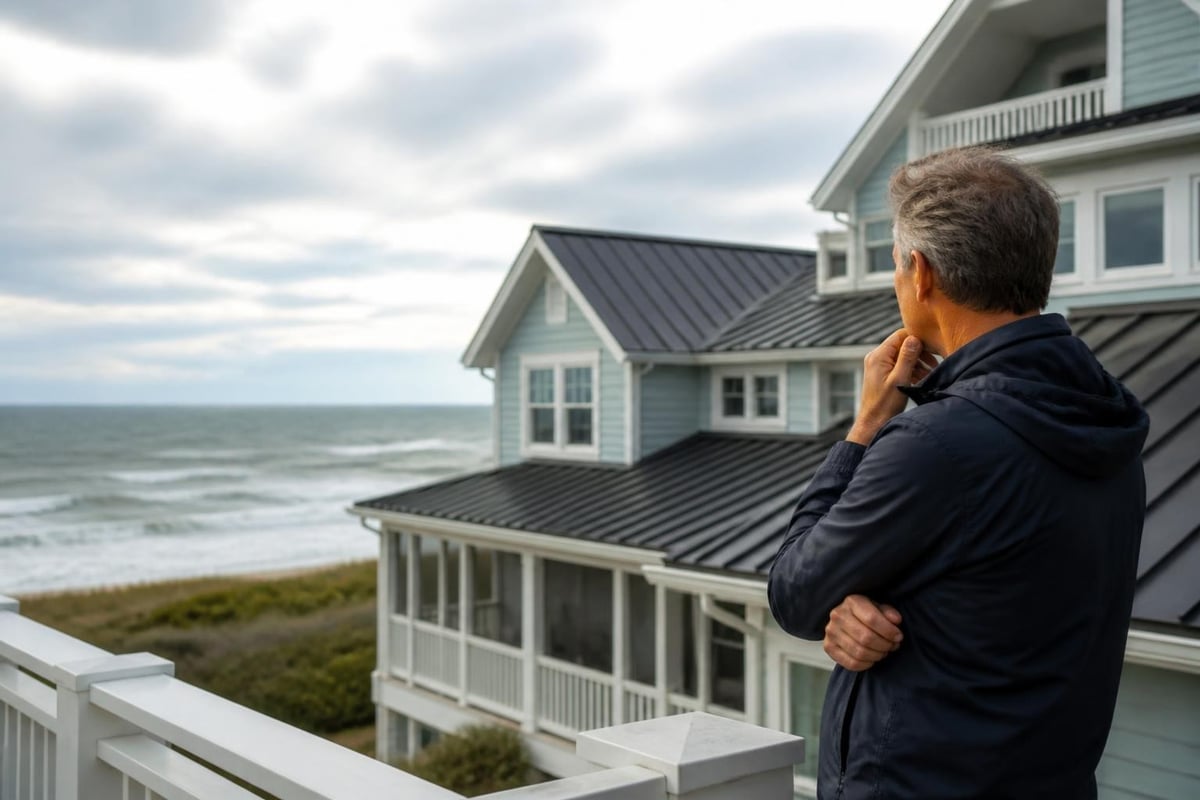
Standing seam metal roofs represent one of the longest-lasting options available. Properly installed metal roofing lasts 50-70 years with minimal maintenance. Wind resistance exceeds asphalt options, and metal doesn't absorb water or support mold growth.
The cost runs significantly higher, typically $400-$700 per square installed. For coastal homes where salt air accelerates shingle aging, metal's longevity can justify the premium. Regional material preferences show metal gaining popularity in hurricane-prone coastal areas.
Synthetic and Composite Options
Newer synthetic materials mimic slate, wood shake, or tile appearances while offering superior durability and lighter weight. These options cost more than asphalt but less than natural slate or tile. They're worth considering for specific architectural styles or when matching existing materials.
The Installation Process for Premium Systems
Top of the line roofing requires more than tossing materials on your roof quickly. The installation process should include several quality-focused steps.
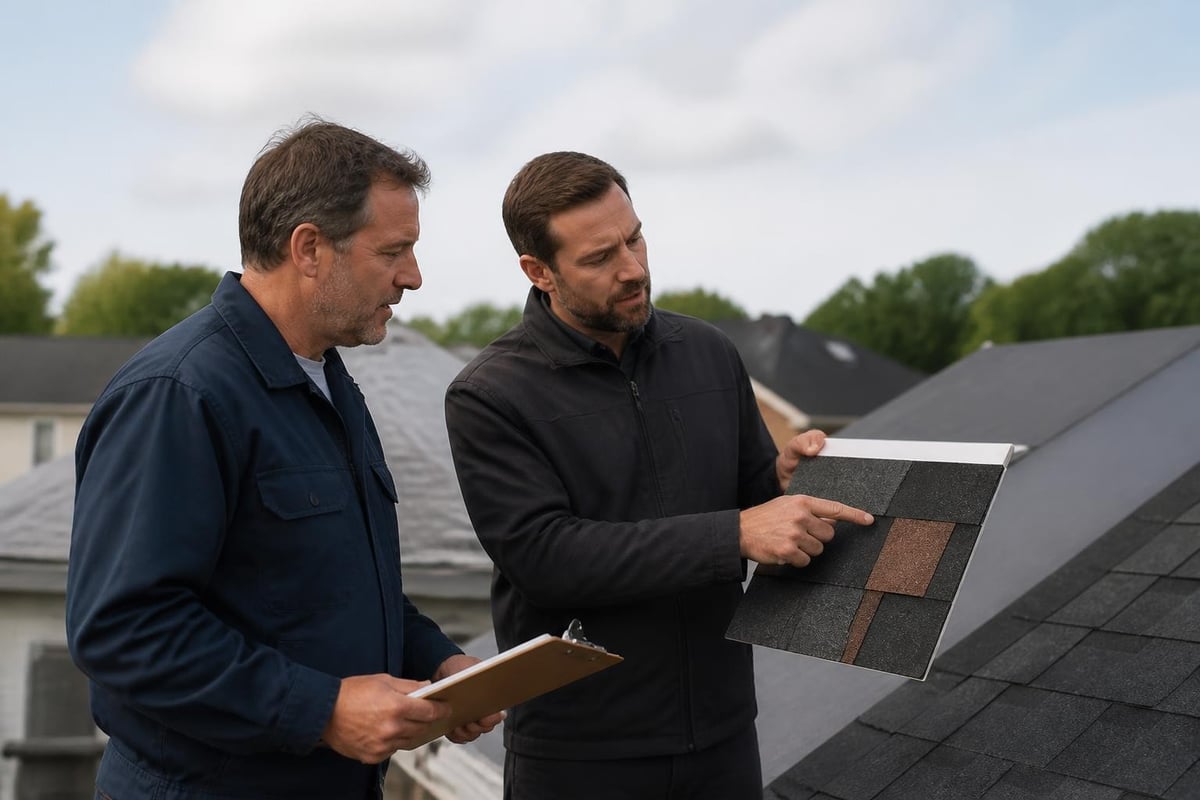
Tear-off and deck inspection comes first. Removing old materials exposes the decking, allowing inspection for rot, damage, or structural issues. Premium installations replace damaged decking rather than roofing over problems.
Underlayment application follows manufacturer specifications for overlap and fastening. Synthetic underlayment resists tearing better than traditional felt and provides superior water protection during installation.
Drip edge installation along eaves and rakes protects fascia boards and directs water away from the roof edge. This seemingly small detail prevents significant water damage over time.
Valley and flashing details require careful attention. Valleys experience concentrated water flow and need extra protection. Proper flashing around chimneys, skylights, and penetrations prevents most roof leaks.
Shingle installation follows precise patterns with correct exposure, alignment, and fastening. Nailing too high, too low, or at wrong angles compromises wind resistance and warranty coverage.
| Installation Phase | Time Investment | Quality Impact |
|---|---|---|
| Deck inspection | 2-4 hours | Critical foundation |
| Underlayment | 4-6 hours | Water protection |
| Flashing details | 6-8 hours | Leak prevention |
| Shingle application | 1-2 days | Overall performance |
| Cleanup | 2-3 hours | Professional finish |
Cost Considerations and Value
Top of the line roofing costs more upfront, but evaluating true value requires looking beyond initial price. A premium system that lasts 40 years with minimal maintenance delivers better value than a budget system needing replacement in 15 years.
Breaking Down Costs
Material quality accounts for roughly 40% of total project cost. The remaining 60% covers labor, disposal, permits, and contractor overhead. Upgrading materials might add 20-30% to the total price, while the performance improvement can double the roof's effective lifespan.
For a typical 2,000 square foot home in Eastern North Carolina:
- Standard asphalt system: $8,000-$12,000
- Premium architectural shingles: $11,000-$16,000
- Metal roofing system: $18,000-$28,000
These ranges vary based on pitch, complexity, and material selection. Industry analysis for 2026 shows material costs stabilizing after recent volatility, making budgeting more predictable.
Coastal Climate Considerations
Eastern North Carolina's coastal environment creates specific challenges for roofing systems. Salt air, high humidity, intense sun exposure, and regular storm activity accelerate wear on all materials.
Wind Resistance Requirements
Coastal building codes often require higher wind ratings. The difference between 110 mph and 130 mph wind ratings seems small until a tropical storm tests your roof. Top of the line roofing in coastal areas should meet or exceed local requirements with documentation to support insurance claims if damage occurs.
Premium shingles with sealed tabs resist wind uplift better than basic options. Proper installation with additional fasteners in high-wind zones provides extra security. Some manufacturers require 6 nails per shingle in coastal applications compared to 4 nails inland.
Algae and Moisture Resistance
Humidity and shade create conditions where algae thrives. Dark streaks on north-facing roof slopes indicate algae growth. While primarily aesthetic, heavy growth shortens shingle life. Premium shingles often include copper or zinc granules that inhibit algae growth.
Moisture resistance extends beyond surface algae. Proper attic ventilation prevents condensation that rots decking and compromises structural integrity. Top of the line systems address moisture from multiple angles rather than relying solely on shingle quality.
Finding Quality Installation
Material quality means nothing without skilled installation. Finding contractors who prioritize workmanship over speed makes the difference between a roof that performs as designed and one that fails prematurely.
What to Look For
Licensed, insured contractors with verifiable local references form the baseline. Beyond credentials, look for companies that:
- Explain the system, not just sell shingles
- Provide detailed estimates breaking down materials and labor
- Discuss ventilation and attic health during initial inspections
- Offer workmanship warranties backing their installation quality
- Document conditions before, during, and after work
Avoid contractors pushing same-day decisions or claiming insurance will cover everything without inspection. Quality companies take time to assess your roof properly, explain options clearly, and let you make informed decisions. Understanding roof repair options helps you evaluate whether full replacement makes sense or targeted repairs address your actual needs.
Maintenance Extends Roof Life
Even top of the line roofing requires basic maintenance to reach its full lifespan potential. Annual inspections catch small issues before they become expensive problems.
Regular Inspection Points
Check for:
- Loose or missing shingles after storms
- Damaged or separated flashing
- Debris accumulation in valleys
- Clogged gutters causing water backup
- Signs of attic moisture or ventilation issues
Most of these checks require just visual inspection from the ground or quick attic visits. Professional inspections every 2-3 years provide thorough assessments including areas homeowners can't safely access.
Minor repairs cost hundreds, not thousands. Catching problems early prevents the cascading damage that forces full replacement. Premium materials tolerate minor damage better than basic options, but no roof is maintenance-free.
Making Your Decision
Choosing top of the line roofing involves balancing performance, cost, and your specific situation. The best material for your neighbor's home might not match your needs, timeline, or budget.
Start by understanding your roof's current condition. Document any issues, get multiple assessments, and ask questions until you understand what's actually happening. Industry trends show homeowners increasingly value transparency and education over pressure tactics.
Consider your home as a whole investment. A premium roof on a home needing other major updates might not make sense. Conversely, protecting a recently renovated home with top-tier roofing maintains overall value.
Think long-term. Premium systems cost more initially but reduce lifecycle costs through longer lifespan and lower maintenance. If you plan to stay 20 years, investing in quality now avoids mid-ownership replacement.
Trust your instincts about contractors. The cheapest bid rarely delivers the best value, but the highest price doesn't guarantee quality either. Look for companies explaining the complete system, providing detailed documentation, and prioritizing your understanding over quick sales.
Top of the line roofing combines quality materials with expert installation to deliver reliable protection suited to coastal North Carolina's demanding climate. Whether premium architectural shingles or metal systems make sense depends on your home, budget, and long-term plans. NC Roofs helps homeowners in Hampstead, Topsail, Surf City, and Wilmington understand exactly what their roof needs through detailed inspections and honest recommendations focused on the best solution at the best price, not unnecessary upsells.