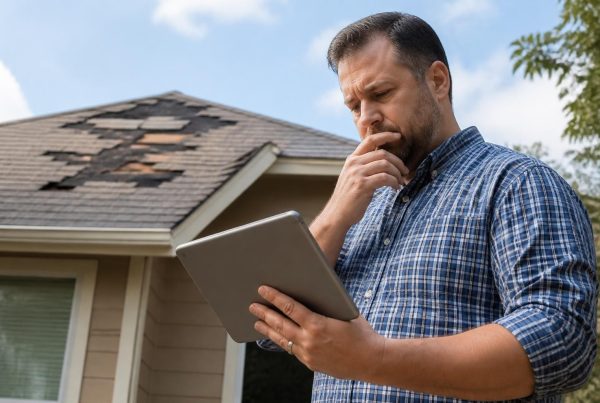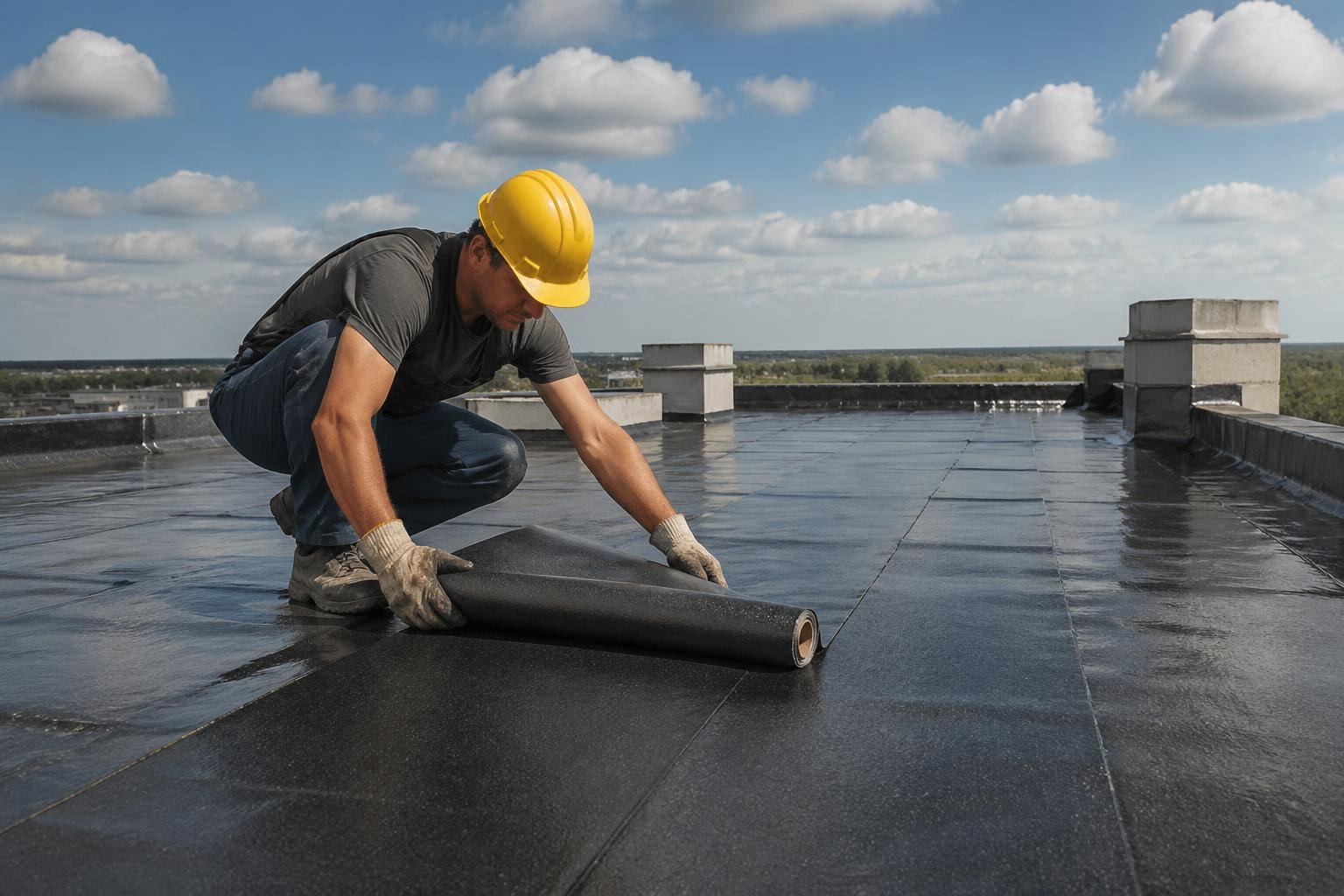
Flat roofs present unique challenges when it comes to keeping water out. Unlike sloped roofs that naturally shed water through gravity, flat roofs rely entirely on waterproofing systems and careful drainage planning to prevent leaks and structural damage. For homeowners and building owners in Eastern North Carolina, where heavy rain and occasional tropical weather systems can test any roofing system, understanding flat roof waterproofing becomes critical to protecting your investment. The right waterproofing approach combines quality materials, proper installation, and regular maintenance to create a barrier that lasts decades.
Understanding Flat Roof Waterproofing Systems
Flat roof waterproofing differs fundamentally from traditional pitched roof protection. These roofs aren't truly flat but have minimal slope, typically between 1/4 inch and 1/2 inch per foot. This slight pitch helps water move toward drains, but it's not enough to rely on gravity alone.
Waterproofing systems work through continuous barrier layers that prevent moisture penetration. The most effective systems create a seamless membrane across the entire roof surface, eliminating weak points where water might seep through. Proper waterproofing requires specialized materials and meticulous application to ensure the building's structural integrity remains intact for years.
Primary Waterproofing Membrane Types
Different membrane systems offer varying levels of durability, cost, and installation complexity. Choosing the right one depends on your building type, budget, and climate conditions.
| Membrane Type | Typical Lifespan | Best For | Installation Method |
|---|---|---|---|
| EPDM Rubber | 20-30 years | Residential, low-traffic | Fully adhered or mechanically fastened |
| TPO | 15-25 years | Commercial, high UV exposure | Heat-welded seams |
| Modified Bitumen | 15-20 years | Mixed-use buildings | Torch-applied or cold adhesive |
| PVC | 20-30 years | Chemical exposure areas | Heat-welded seams |
| Liquid-Applied | 10-20 years | Complex roof shapes | Spray or roller application |
EPDM (ethylene propylene diene monomer) rubber remains one of the most popular choices for flat roof waterproofing on residential and small commercial buildings. This synthetic rubber membrane comes in large sheets that minimize seams and reduce potential leak points. The material resists UV damage well and maintains flexibility across temperature extremes common in North Carolina.
TPO (thermoplastic polyolefin) membranes have gained significant market share in recent years. These white or light-colored membranes reflect sunlight effectively, reducing cooling costs during hot summers. Heat-welded seams create stronger bonds than adhesive-based systems, making TPO particularly reliable for commercial applications.
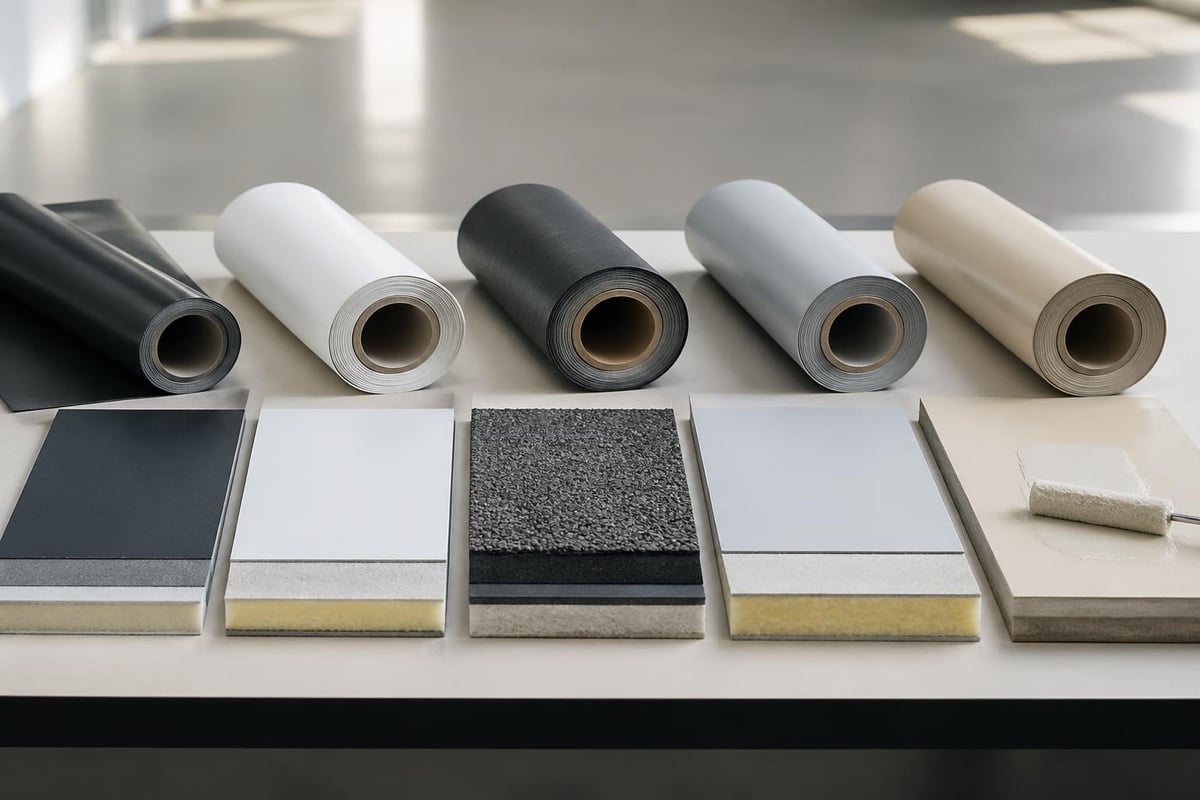
Modified bitumen systems blend traditional built-up roofing with modern polymer technology. These systems typically involve multiple layers, creating redundancy that adds protection. Installation requires experienced professionals, particularly for torch-applied systems where heat activates adhesives.
The Role of Drainage in Waterproofing Success
Even the highest-quality waterproofing membrane will fail without proper drainage. Standing water accelerates membrane degradation, creates additional weight stress on the structure, and increases the likelihood of leaks at seams or penetrations.
Effective drainage starts with proper slope during construction or roof replacement. Best practices for flat roof assemblies emphasize ensuring adequate slope toward drains and scuppers to prevent ponding water. Many roofing professionals recommend a minimum slope of 1/4 inch per foot, though slightly steeper slopes provide better long-term performance.
Drainage systems include several components working together:
- Primary roof drains positioned at low points
- Secondary overflow drains or scuppers as backup systems
- Tapered insulation to create slope where structural deck doesn't provide it
- Gravel stops and edge metal to direct water away from building perimeters
- Regular maintenance to keep drains clear of debris
In Eastern North Carolina, where fall brings leaves and spring pollen can clog drains, seasonal maintenance becomes particularly important. Blocked drains can turn a well-waterproofed roof into a leaking disaster during heavy rain events.
Installation Techniques That Make or Break Waterproofing
The quality of flat roof waterproofing depends as much on installation technique as material choice. Even premium membranes fail when installed incorrectly. Understanding what proper installation looks like helps you evaluate contractors and ensure your roof gets the protection it deserves.
Surface Preparation Requirements
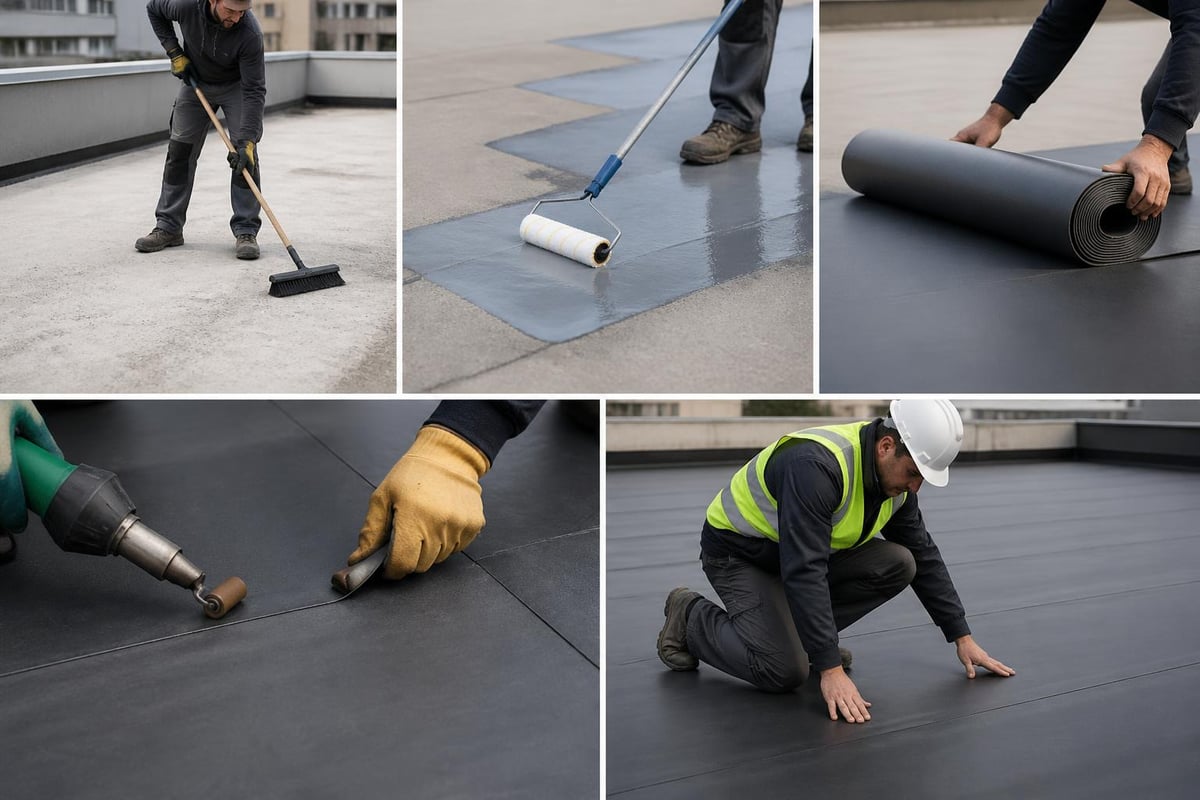
The substrate must be clean, dry, and structurally sound before any waterproofing membrane goes down. This fundamental step often gets rushed, leading to premature failures. Concrete decks need proper curing time and must be free of oils, dust, or loose material. Wood decks require solid sheathing without gaps or protruding fasteners.
Many flat roof waterproofing failures trace back to moisture trapped beneath the membrane during installation. Contractors should verify the deck is dry using moisture meters, particularly after rain delays. Installing waterproofing over damp substrates traps moisture that can't escape, leading to blistering, delamination, and eventual leaks.
Primers play a critical role in membrane adhesion. Quality waterproofing materials must be paired with proper surface preparation to achieve long-lasting bonds. Different membrane types require specific primers – using the wrong product or skipping primer altogether creates weak points where membranes can separate from the deck.
Seam and Penetration Details
Seams represent the most vulnerable points in any flat roof waterproofing system. How these joints are created and sealed determines whether your roof keeps water out for decades or develops leaks within a few years.
Heat-welded seams in TPO and PVC systems create molecular bonds stronger than the membrane itself when done correctly. The welding equipment must maintain precise temperatures – too cool and seams don't bond properly, too hot and the membrane gets damaged. Experienced installers test seam strength regularly during installation using probe tools that verify complete bonding.
EPDM and modified bitumen systems rely on adhesive-based seams. These require proper surface preparation, correct adhesive application thickness, and adequate pressure to create reliable bonds. Sealing flat roofs requires attention to detail at every penetration, edge, and transition point.
Penetrations like vents, pipes, and HVAC equipment demand special attention:
- Create proper clearance around penetrations for waterproofing material
- Install prefabricated boots or flashings designed for your membrane type
- Seal all edges with compatible sealants rated for outdoor exposure
- Add reinforcement layers at stress points
- Test completed penetrations with water before covering or finishing
For homes needing repairs around these complex areas, working with experienced professionals who understand proper detailing makes the difference between a quick fix and a lasting solution. NC Roofs provides roof repair services that address these critical waterproofing details with clear recommendations based on actual roof conditions.
Maintenance Strategies for Long-Term Waterproofing
Installing flat roof waterproofing represents just the beginning of protecting your building. Regular maintenance extends membrane life, prevents minor issues from becoming major leaks, and helps you plan for eventual replacement before emergency situations develop.
Inspection Schedule and Checklist
Twice-yearly inspections catch problems early when repairs remain simple and inexpensive. Schedule inspections in spring after winter weather and fall after summer heat. These timing points reveal seasonal damage patterns and prepare your roof for upcoming weather challenges.
During each inspection, check these critical areas:
- Membrane surface: Look for punctures, tears, blisters, or excessive wear
- Seams: Verify all seams remain bonded with no separation or lifting
- Drainage: Confirm drains flow freely and check for ponding water 48 hours after rain
- Flashing: Inspect all edges, penetrations, and transitions for gaps or deterioration
- Fasteners: Check that mechanically attached systems show no backing-out or loose fasteners
- Debris: Remove leaves, branches, and other material that holds moisture
Professional inspections add value by identifying subtle issues homeowners might miss. Thermal imaging can reveal wet insulation beneath seemingly intact membranes, allowing targeted repairs before widespread damage occurs.
Common Problems and Preventive Solutions
Ponding water tops the list of flat roof waterproofing challenges in Eastern North Carolina. While membranes can handle some standing water, areas that don't drain within 48 hours after rain need attention. Solutions range from adding tapered insulation to create better slope, to installing additional drains in problem areas.
Blistering happens when moisture or air gets trapped beneath the membrane, often during installation or through small tears. Small blisters may not leak immediately, but they indicate membrane separation that will worsen over time. Cutting out and patching blistered areas prevents expansion and eventual rupture.
| Problem | Early Warning Signs | Prevention Strategy |
|---|---|---|
| Seam failure | Edge lifting, water marks below seams | Regular seam inspection, resealing as needed |
| UV degradation | Surface chalking, color fading | Apply protective coatings, plan replacement timeline |
| Punctures | Visible holes, localized leaks | Limit roof traffic, pad HVAC equipment, trim overhanging branches |
| Edge metal failure | Rust, loose fasteners, gaps | Annual edge inspection, reseal and replace damaged sections |
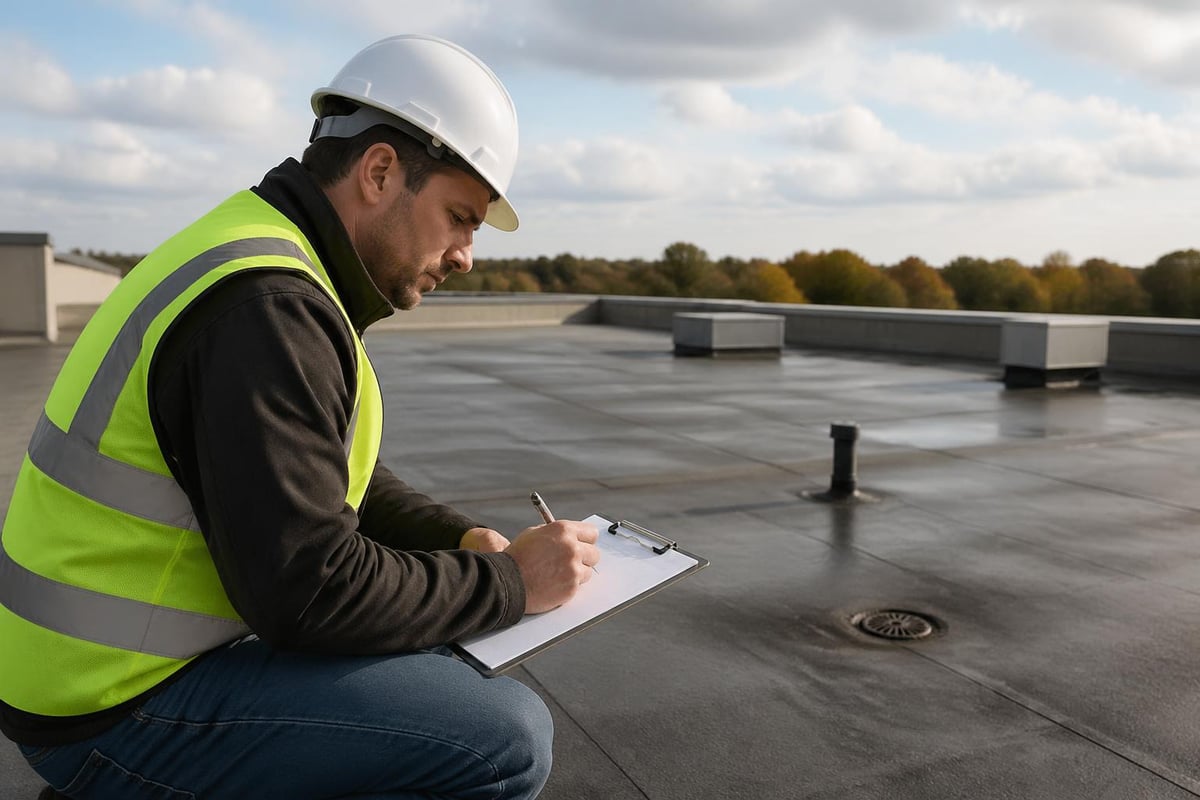
Traffic control protects waterproofing membranes from unnecessary damage. Even membranes rated for foot traffic wear faster with heavy use. Installing walkway pads at frequently accessed areas like HVAC units distributes weight and shields the membrane from concentrated wear. Building owners should restrict roof access to maintenance personnel and establish clear pathways to equipment.
Vegetation management prevents multiple problems. Tree branches scraping membranes during wind events cause punctures and tears. Leaves and pine needles clog drains and hold moisture against the membrane surface. Trim trees back from the roof perimeter and schedule regular debris removal, especially after storms.
Climate Considerations for Eastern North Carolina
Regional weather patterns significantly impact flat roof waterproofing performance and maintenance needs. Eastern North Carolina's climate combines high humidity, intense summer heat, occasional hurricanes, and periodic winter freezes that test waterproofing systems in multiple ways.
Hurricane and Storm Preparation
Wind-driven rain presents the most severe waterproofing challenge during tropical systems. Unlike normal rainfall that flows across the membrane surface, sideways rain can penetrate gaps around penetrations and find any weakness in flashing details. Pre-storm inspections should focus on these vulnerable points.
Fully adhered membrane systems generally perform better than mechanically fastened systems during high winds. The continuous bond resists wind uplift more effectively than fastener patterns. For buildings in coastal areas or exposed locations, this installation method adds insurance against storm damage.
After major weather events, immediate inspection helps identify damage before small problems become large leaks. Look for lifted membrane edges, damaged flashing, and debris impacts. Even if the roof appears intact from the ground, get on the roof or hire professionals for thorough assessment.
Heat and UV Management
Summer temperatures in Eastern North Carolina regularly exceed 90 degrees, and roof surface temperatures can reach 160 degrees or higher on dark membranes. This heat accelerates aging in all waterproofing materials but affects different systems differently.
Light-colored membranes reflect solar radiation more effectively than dark surfaces, staying significantly cooler. TPO and PVC systems naturally come in reflective colors, while EPDM traditionally appears black. White EPDM options and reflective coatings can improve heat management on darker membranes.
UV exposure degrades polymer bonds over time, making membranes brittle and more prone to cracking. Regular application of UV-protective coatings extends membrane life in sunny climates. These coatings refresh the protective surface layer without requiring complete membrane replacement.
Material Selection for Different Building Types
Choosing the right flat roof waterproofing system depends on building use, structural capacity, budget constraints, and expected lifespan needs. What works perfectly for one structure might be wrong for another.
Residential vs. Commercial Applications
Residential flat roofs typically cover smaller areas with lower traffic and simpler drainage systems. EPDM rubber offers excellent value for residential applications, combining reliable waterproofing with moderate cost and straightforward installation. Homeowners appreciate the 20-30 year lifespan and minimal maintenance requirements.
Modified bitumen systems work well for residential garages, additions, and standalone structures. The multi-layer construction provides redundancy that adds peace of mind, though installation costs run higher than single-ply systems.
Commercial buildings face heavier demands from HVAC equipment, regular maintenance traffic, and larger roof areas that complicate drainage. TPO membranes dominate commercial installations because heat-welded seams scale well across large areas and withstand commercial use patterns effectively.
For those interested in exploring modern roofing approaches, eco-roofing solutions continue evolving with improved materials and sustainable practices that benefit both performance and environmental impact.
Budget and Longevity Trade-offs
Initial installation cost rarely tells the complete financial story. Life-cycle cost analysis compares total ownership expenses including installation, maintenance, energy impact, and replacement timing.
Higher-quality waterproofing systems cost more upfront but deliver lower maintenance needs and longer service life. A premium PVC system might cost 40% more initially than economy EPDM but last 50% longer with fewer repairs. Calculating cost per year of service often favors better materials.
Energy costs factor into long-term economics, particularly in commercial buildings. Reflective membranes can reduce cooling costs by 10-20% in hot climates, generating ongoing savings that offset higher installation prices over time. Building owners should consider these operational savings when evaluating waterproofing options.
Professional Installation vs. DIY Approaches
Flat roof waterproofing requires specialized knowledge, proper equipment, and experience with installation techniques. While some homeowners consider DIY installation to save money, the risks often outweigh potential savings.
When to Hire Professionals
Complex roof configurations demand professional expertise that comes only with years of experience. Multiple penetrations, unusual shapes, parapet walls, and drainage challenges create situations where installation mistakes lead to expensive failures. Professional installers understand how to detail these areas correctly.
Warranty protection represents another critical reason to hire qualified contractors. Manufacturer warranties typically require certified installer involvement, and workmanship warranties from reputable contractors add valuable protection. DIY installations void these warranties, leaving you entirely responsible for any future problems.
Many waterproofing systems require specialized tools and equipment that don't make sense for one-time use. Heat welding machines for TPO installation can cost thousands of dollars. Proper safety equipment for working on roofs adds further expense. Professional contractors already own this equipment and know how to use it safely.
Questions to Ask Potential Contractors
Selecting the right contractor protects your investment and ensures proper installation. Ask specific questions that reveal experience and approach:
- How many years have you installed this specific membrane type?
- Can you provide references from similar projects completed in the last two years?
- What manufacturer certifications do your installers hold?
- How do you handle surface preparation and moisture testing?
- What warranties cover both materials and workmanship?
- How do you manage quality control during installation?
Request detailed written proposals that specify materials by manufacturer and product line, not just generic descriptions. Vague proposals like "TPO membrane" could mean premium or economy grades with significant performance differences. Clear specifications prevent substitution of inferior materials.
Check contractor licensing, insurance coverage, and business standing. North Carolina roofing contractors should carry general liability insurance and workers compensation coverage that protects you from liability if accidents occur during installation.
Flat roof waterproofing combines the right materials with proper installation and ongoing maintenance to protect your building for decades. Understanding membrane options, drainage requirements, and climate factors helps you make informed decisions about your roofing investment. Whether you need repairs, replacement, or guidance on maintaining your current system, NC Roofs provides honest assessments and clear pricing across Eastern North Carolina. Get a roof report to understand your options and make decisions based on actual conditions rather than sales pressure.