The holidays come with plenty of tradition, and putting up Christmas lights ranks among the favorites. But once January arrives and the season ends, the question of who takes christmas lights down after the holidays becomes surprisingly practical. For many homeowners in Eastern North Carolina and coastal communities, the answer depends on ladder safety, time, storage concerns, and whether those lights are wrapped around a single-story porch or strung across a steep roofline. Understanding the options helps you make a smart decision that protects both your home and your schedule.
Who Usually Handles Christmas Light Removal
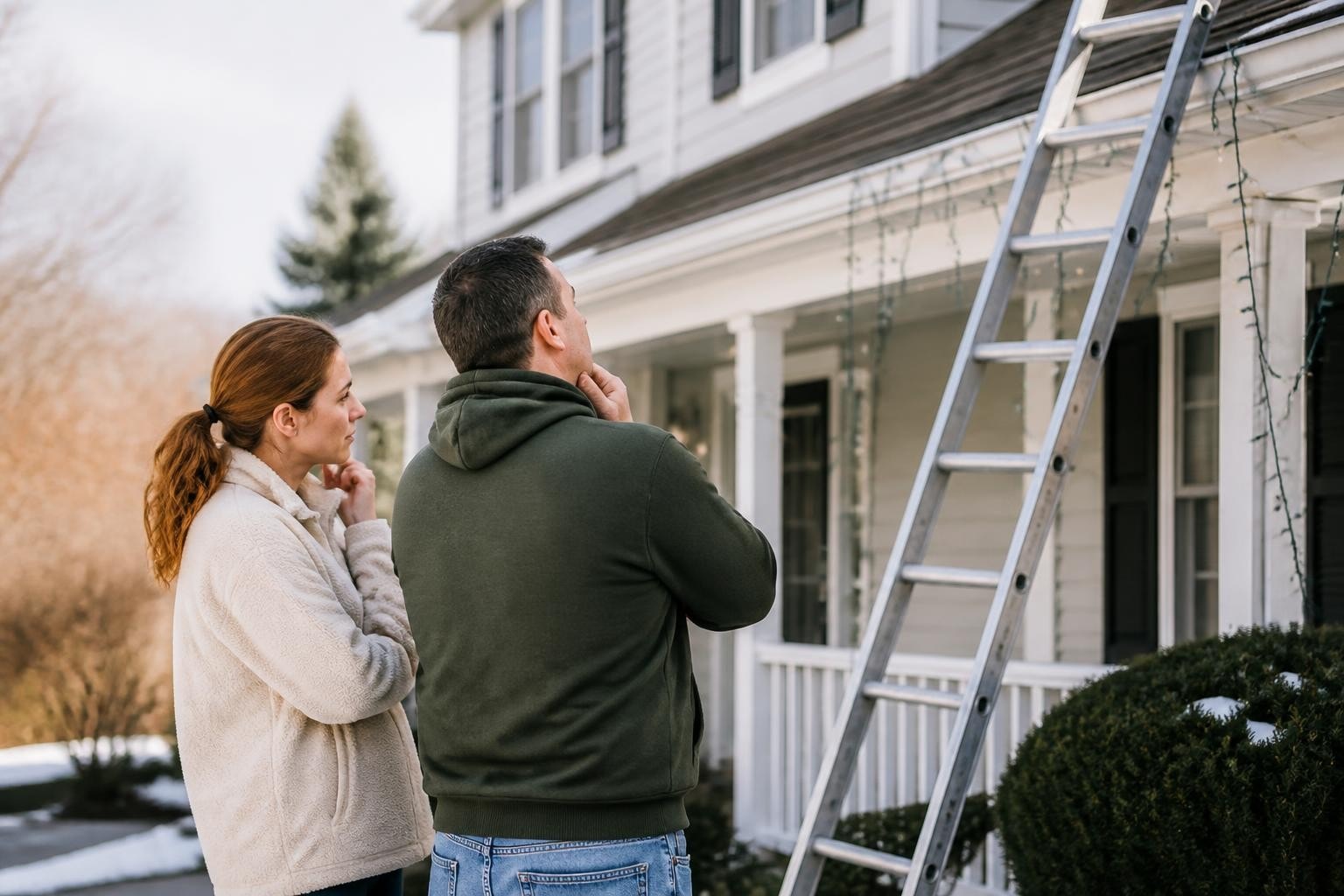
Most homeowners handle light removal themselves, especially if the installation was straightforward. Single-story homes with lights along gutters, around windows, or wrapped on porch railings rarely require professional help. The work involves a sturdy ladder, a free afternoon, and patience for untangling strands.
Common DIY scenarios include:
- Ground-level decorations around shrubs and walkways
- Front porch railings and columns
- Single-story rooflines with accessible gutters
- Window frames and doorways
Some households delegate the task to family members. Teenagers, adult children visiting for the holidays, or neighbors willing to lend a hand often step in. This approach works well when the installation stayed simple and the homeowner prefers not to climb ladders.
Professional services represent the third option. Landscaping companies, dedicated holiday lighting businesses, and general contractors often offer removal as part of a seasonal package. This makes the most sense for multi-story homes, complex installations, or situations where ladder work feels risky. Professional Christmas light removal services handle everything from takedown to storage, which appeals to homeowners who value convenience over cost savings.

When Homeowners Choose DIY Removal
The DIY route makes practical sense when lights stayed within easy reach. Homeowners who installed their own decorations usually feel comfortable reversing the process. The familiarity with clip placement, wire routing, and potential snags helps speed up the work.
Timing plays a role too. Taking lights down during daylight hours on a dry, calm day reduces risk. Wet gutters, icy rooflines, or windy conditions change the equation quickly. Coastal North Carolina weather in January can swing from mild to stormy, so picking the right day matters more than rushing to meet an arbitrary deadline.
Safety considerations for DIY removal:
- Inspect your ladder before climbing
- Work with a spotter whenever possible
- Avoid overreaching or leaning too far
- Check for wasp nests or debris in gutters
- Wear gloves to protect against sharp clips or staples
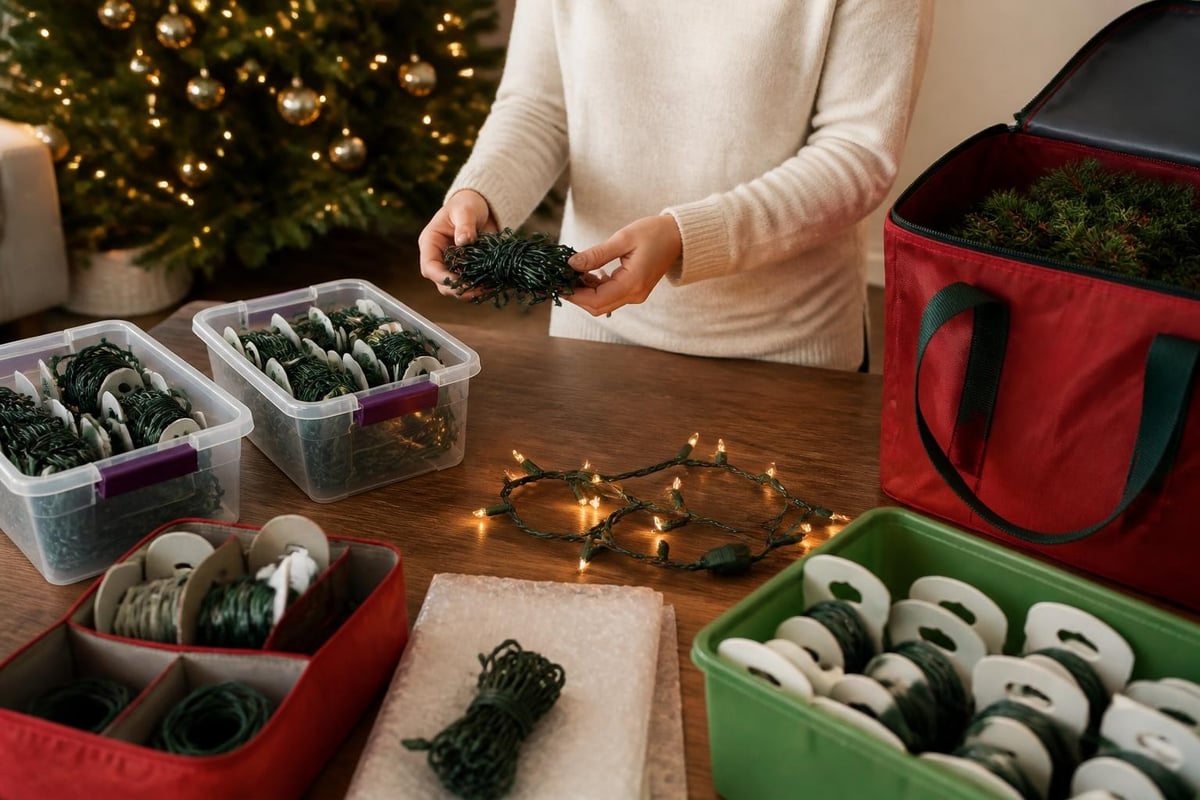
Storage prep starts during removal. Proper storage techniques prevent tangling and extend the life of your lights. Wrapping strands around cardboard, using dedicated storage reels, or coiling carefully into labeled bins saves frustration next December.
Professional Services and What They Include
Hiring professionals shifts the burden entirely. Companies that specialize in holiday lighting typically offer removal as part of their service model. Some charge separately for takedown, while others bundle installation and removal into one seasonal fee.
| Service Component | Typical DIY Approach | Professional Service |
|---|---|---|
| Ladder work | Homeowner provides equipment | Company brings commercial-grade ladders |
| Time required | 2-6 hours depending on complexity | 1-2 hours with trained crew |
| Storage | Homeowner stores at home | Optional storage at facility |
| Damage repair | Homeowner responsibility | Often included or available |
| Safety liability | Homeowner assumes risk | Company insured and bonded |
Professional crews bring efficiency. A two-person team can strip a two-story home in under two hours, carefully removing clips without damaging gutters or siding. They also spot issues, such as loose fascia boards or gutter damage, that might otherwise go unnoticed until they worsen.
The cost varies by region and scope. Basic removal for a standard home might run $100 to $200, while elaborate displays with roofline lights, peak decorations, and extensive tree wrapping could reach $300 to $500. Some companies offer discounts when you book installation and removal together, which can offset the expense.
Timing and When Most Lights Come Down
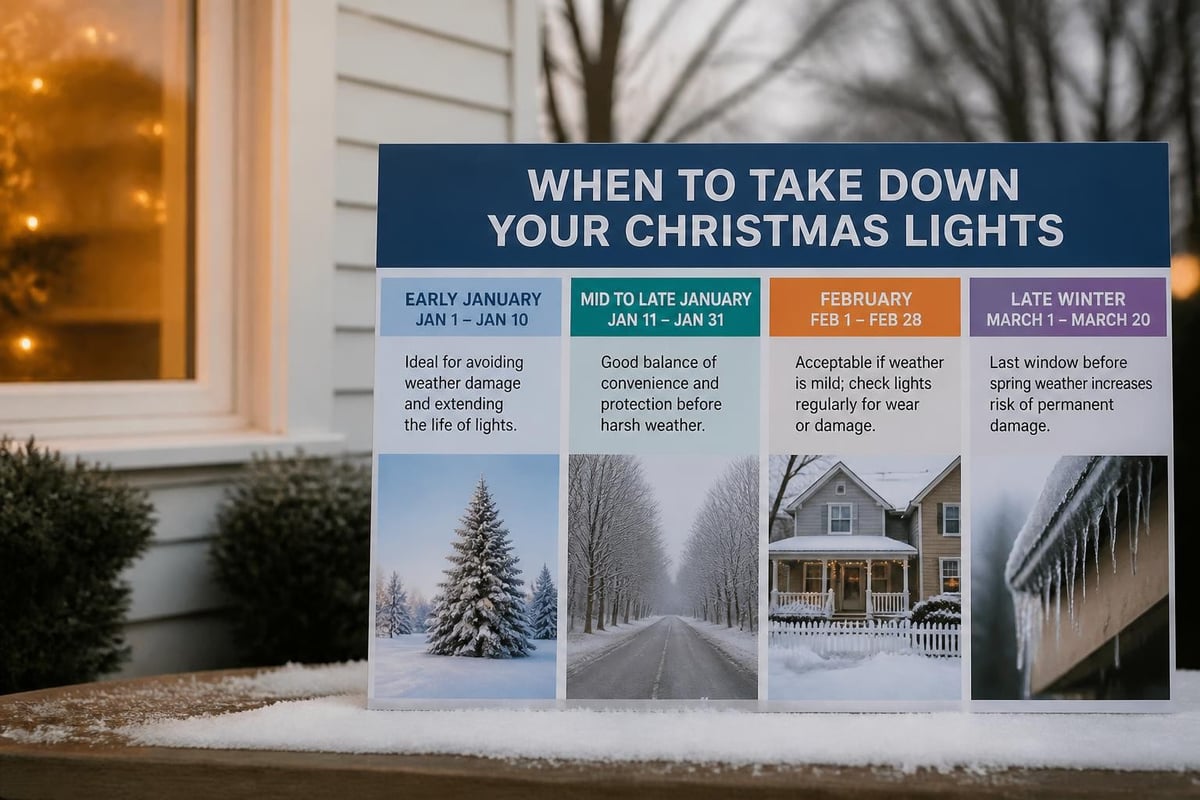
Deciding when to remove lights matters almost as much as who takes christmas lights down after the holidays. Tradition suggests taking decorations down by Epiphany (January 6), but practical considerations often extend that timeline.
Many homeowners wait until mid-January. This gives enough buffer after New Year's while avoiding the rush of early January commitments. Weather plays a larger role in coastal areas, where January can bring rain, wind, or the occasional freeze that makes ladder work dangerous.
Professional timing recommendations suggest removing lights before February to prevent UV damage and weathering that shortens bulb life. Leaving lights up through winter exposes them to salt air, moisture, and temperature swings that degrade wiring and connections.
Common removal timelines:
- Early January (first week): Homeowners eager to move past the holidays
- Mid-January (second and third weeks): Most common window for removal
- Late January: Procrastinators and those waiting for better weather
- February and beyond: Usually indicates forgotten decorations or accessibility issues
Some neighborhoods have HOA guidelines about how long decorations can remain visible. Checking local rules prevents potential fines or neighbor complaints, especially in planned communities.
DIY Removal Steps That Prevent Damage
Taking lights down carefully preserves both the decorations and your home's exterior. Rushing through removal leads to broken bulbs, damaged gutters, and tangled messes that frustrate you next December.
Start from the top and work down. This prevents stepping on or tripping over lights already removed. Loosen clips gently rather than yanking strands free, which can tear siding, bend gutters, or snap wires.
Handling Gutters and Rooflines
Lights attached to gutters require extra care. Many homeowners use plastic clips that slide under shingles or snap onto gutter edges. Removing these without damaging the gutter means pulling straight out rather than twisting or prying.
Inspect gutters while you work. The same ladder access that lets you remove lights also gives you a chance to check for damage, debris buildup, or areas where gutters have separated from the fascia. In coastal North Carolina, salt air and storm debris can compromise gutters faster than inland areas. Catching minor issues early prevents expensive repairs later.
If you notice loose gutters, separated sections, or fascia damage, addressing it before the next storm season makes sense. A damaged roofline can lead to water intrusion that affects both the roof deck and interior ceilings. Getting a professional assessment helps you understand whether you need a simple repair or more extensive work.
Gutter-related issues to watch for during light removal:
- Sagging sections that indicate loose hangers
- Rust spots or holes in metal gutters
- Separated joints or seams
- Fascia boards that feel soft or look rotted
- Water stains on siding below gutters
The same attention to detail applies to clips and fasteners. Remove all hardware rather than leaving clips in place for next year. UV exposure and weather degrade plastic clips, making them brittle and ineffective by the time December returns.
Storage and Maintenance Between Seasons
How you store lights determines their condition next year. Throwing tangled strands into a box guarantees frustration and increases the chance of damaged bulbs or frayed wires.
DIY repair and maintenance during storage prep extends the life of your decorations. Test each strand before packing it away, replacing burnt-out bulbs and checking for loose sockets. Wrapping lights loosely around cardboard prevents wire kinks that can break internal connections.
Label everything. Knowing which strands go where saves hours next December. Use plastic bins instead of cardboard boxes, especially in humid climates where moisture can promote mold or corrosion.
| Storage Method | Pros | Cons | Best For |
|---|---|---|---|
| Cardboard wraps | Cheap, prevents tangling | Takes time, bulky | Small collections |
| Storage reels | Organized, compact | Initial cost | Frequent users |
| Plastic bins with dividers | Protected from moisture, organized | Requires space | Large collections |
| Professional storage | Zero home storage needed | Annual fee | Those lacking storage space |
Climate control matters in coastal regions. Attics and garages experience temperature swings and humidity that can damage lights. If possible, store decorations in a climate-controlled space or use sealed containers with desiccant packs to control moisture.
When Professional Help Makes the Most Sense
Certain situations clearly favor hiring professionals, regardless of cost. Multi-story homes with steep rooflines, decorations on difficult peaks, or extensive tree lighting all increase risk for DIY removal.
Age and mobility affect the decision too. Homeowners over 60 account for a disproportionate share of ladder-related injuries. If climbing a ladder feels uncertain or risky, the modest cost of professional removal beats the potential for a fall.
Scenarios where professional removal pays off:
- Three-story homes or complex rooflines: Height and pitch create real danger
- Commercial properties: Liability and insurance concerns favor professionals
- Physical limitations: Age, injury, or medical conditions that affect balance
- Time constraints: Busy schedules where convenience outweighs cost
- Extensive installations: 1,000+ feet of lights or elaborate displays
Insurance considerations matter more than most homeowners realize. Falling from a ladder can result in serious injury, medical bills, and lost work time that far exceed the cost of professional service. Homeowner's insurance covers injuries on your property, but proving negligence becomes complicated when you're the one who fell.
Professional companies carry liability insurance and workers' compensation that protects both their crew and your property. This transfers risk away from you, which becomes especially valuable for complex installations.
The Connection to Roof Safety and Maintenance
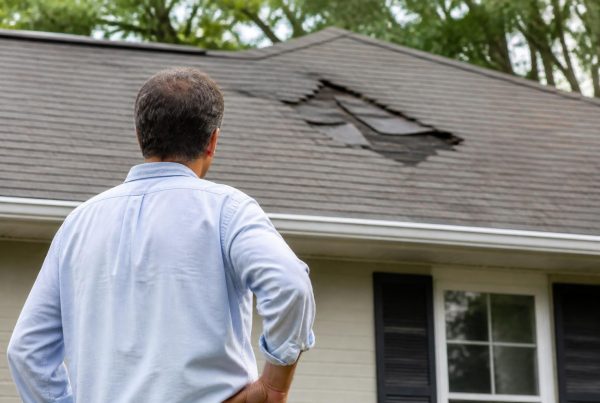
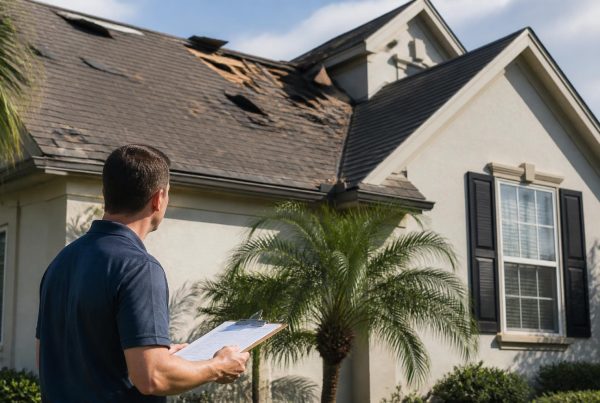
Taking down Christmas lights gives you an unexpected opportunity to spot roof problems early. The same ladder access that reaches gutter-mounted lights also reveals missing shingles, damaged flashing, or areas where wind lifted roofing material.
Coastal communities like Topsail, Surf City, and Wilmington face regular wind events that can damage roofs without homeowners noticing until leaks develop. A quick visual inspection during light removal costs nothing and might catch issues before they require expensive repairs.
If you notice anything concerning during your inspection, getting a professional roof report helps you understand what actually needs attention. A detailed assessment documents current conditions, explains potential issues, and gives you clear options before making repair or replacement decisions. This matters especially when storm damage might qualify for insurance coverage but requires proper documentation. Learning more about professional roof reports can help you make informed decisions about your home's protection.
Alternative Approaches Worth Considering
Some homeowners skip removal altogether by choosing permanent or semi-permanent lighting systems. LED strips tucked into soffits, low-voltage landscape lighting with holiday modes, or fixtures designed for year-round use eliminate the removal question entirely.
Permanent installations cost more upfront but reduce annual labor and storage concerns. Smart controllers let you program colors and patterns for different seasons, turning Christmas lights into versatile exterior lighting that serves multiple purposes.
The trade-off involves higher initial investment and less flexibility for changing designs. Traditional removable lights let you adjust your display each year, while permanent systems lock you into a specific layout.
Comparing traditional versus permanent lighting:
| Factor | Traditional Removable | Permanent Installation |
|---|---|---|
| Initial cost | $200-500 | $2,000-5,000 |
| Annual setup/removal | 4-8 hours | None |
| Flexibility | Change design yearly | Fixed layout |
| Longevity | 3-5 years typical | 10-15 years |
| Energy use | Higher (incandescent) | Lower (LED) |
Another option gaining popularity involves services that handle everything. Companies install your lights in November, maintain them through the season, and remove and store them in January. You never touch the decorations, which appeals to homeowners who value convenience and don't have storage space.
The annual cost runs higher than DIY but eliminates the hassle completely. For busy families or those who find ladder work risky, the peace of mind justifies the expense.
Making the Right Choice for Your Situation
Deciding who takes christmas lights down after the holidays comes down to honest assessment of your situation. Consider safety first, then factor in time, storage, and cost.
If your lights stayed within safe reach and you have the time, DIY removal makes perfect sense. It costs nothing beyond your labor and gives you control over timing and method. Careful removal and proper storage protect your investment and set you up for easy installation next year.
When height, complexity, or risk enters the equation, professional help becomes the smarter choice. The cost stays reasonable compared to potential injury or damage, and the time savings free you for other priorities.
Questions to ask yourself:
- Can I safely reach all the lights without overextending on a ladder?
- Do I have 2-4 hours available on a dry, calm day?
- Where will I store lights, and is that space climate-controlled?
- Would I rather pay someone else to handle this entirely?
- Did I notice any roof or gutter issues while installing lights?
The answer shifts year to year too. Health changes, schedule demands, and home modifications all affect whether DIY makes sense. Reassessing each season helps you make the right call rather than defaulting to habit.
Understanding who takes christmas lights down after the holidays helps you make a practical decision based on safety, time, and what works for your home. Whether you handle it yourself or hire professionals, the goal stays the same: protecting your decorations and your property while clearing the way for the rest of winter. Just like making smart decisions about holiday lighting, staying on top of your roof's condition prevents small issues from becoming expensive problems. If you're in Hampstead, Topsail, Surf City, or surrounding coastal North Carolina communities and need honest guidance about your roof's condition, NC Roofs provides clear assessments and straightforward recommendations without unnecessary pressure.