Every homeowner eventually faces the same question: should I fix the problem areas or replace the entire roof? The decision isn't always clear, especially when you're balancing cost, long-term value, and the actual condition of what's overhead. Understanding roof repair vs replacement how to decide starts with honest information about what you're working with and what makes sense for your home and budget. This isn't about upselling or fear tactics. It's about looking at the facts, weighing the options, and making a choice that protects your home without wasting money on work you don't need.
What Actually Determines Repair vs Replacement
The choice between fixing sections of your roof and replacing the whole system comes down to a handful of concrete factors. None of them involve guesswork.
Age of Your Current Roof
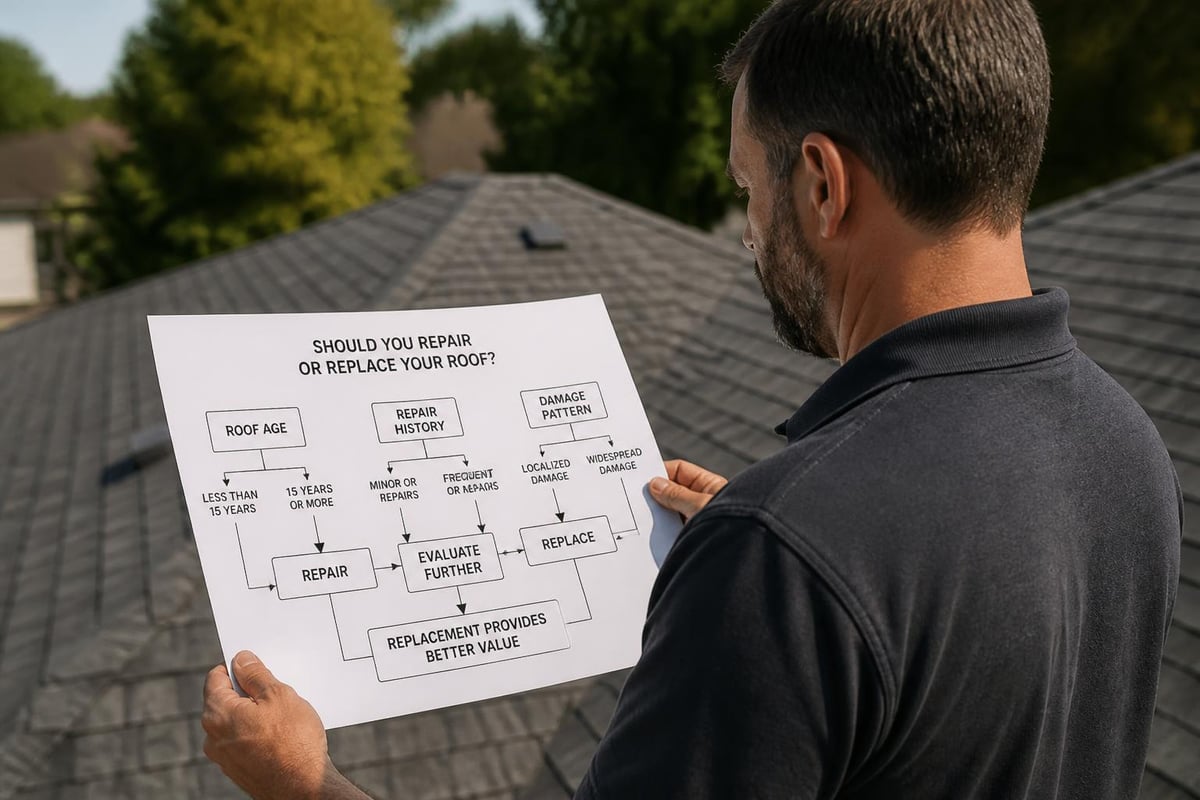
Asphalt shingle roofs typically last 20 to 25 years in coastal North Carolina. If your roof is under 12 years old and shows isolated damage, repair almost always makes more sense. Past 18 years, even minor issues can signal broader wear that replacement will address more completely.
Here's how age impacts the decision:
- 0-10 years: Repair unless there's catastrophic storm damage
- 10-15 years: Repair is usually best for localized problems
- 15-20 years: Evaluate total roof condition, not just the damaged area
- 20+ years: Replacement often delivers better long-term value
A roof built in 2010 that needs a few shingles replaced after a storm? That's a straightforward repair. The same roof in 2026 showing multiple leak points and granule loss across several zones? Replacement starts to make financial sense, even if the immediate damage looks repairable.
Extent and Location of Damage
One missing shingle is a repair. Twenty missing shingles scattered across three roof planes might also be a repair, depending on what's underneath. The key is whether the damage affects the roof system or just the surface layer.
| Damage Type | Typical Solution | Why |
|---|---|---|
| Single leak in valley | Repair | Isolated issue, localized fix |
| Multiple leaks across roof | Inspect for replacement | Suggests system-wide failure |
| Storm damage under 30% of surface | Repair | Cost-effective, preserves remaining life |
| Damage over 50% of surface | Replace | Repair costs approach replacement cost |
| Structural rot in decking | Depends on extent | May require partial or full replacement |
Damage in one section doesn't automatically mean the whole roof is compromised. But damage in multiple unrelated areas often indicates the roof has reached the end of its service life. National roofing experts classify damage based on affected surface area and underlying structural impact, both of which matter more than visible shingle loss alone.
Cost Comparison: Short-Term vs Long-Term
Repair costs less upfront. Replacement costs less over time. That's the tension homeowners face when deciding on roof repair vs replacement how to decide.
Actual Repair Costs in Coastal NC
A typical roof repair addressing leak sources, replacing damaged shingles, and re-sealing flashings runs between $400 and $1,800 depending on access, materials, and labor. Larger repairs involving multiple roof planes or partial deck replacement can reach $3,000 to $5,000.
Common repair scenarios:
- Flashing replacement around chimney: $500-$900
- Valley repair with shingle replacement: $600-$1,200
- Ridge vent repair and re-sealing: $400-$800
- Localized shingle replacement (under 100 sq ft): $450-$950
Full Replacement Investment
Replacing a standard 2,000 square foot roof in Eastern North Carolina typically costs $8,500 to $14,000 for architectural shingles, including tear-off, new underlayment, and proper ventilation. That's a significant gap from repair pricing, which is why replacement only makes sense when conditions warrant it.
The decision framework boils down to this: if repairs exceed 30% of replacement cost and your roof is past the halfway point of its expected lifespan, replacement usually offers better value. A $4,000 repair on a 22-year-old roof means you're investing heavily in a system that will need replacement within three to five years anyway.
Cost analysis tools help homeowners compare immediate repair expenses against prorated replacement value, accounting for remaining roof life and likelihood of additional repairs.
Signs That Point Toward Repair
Certain conditions make repair the clear choice, regardless of roof age or minor cosmetic concerns.
Isolated Storm Damage
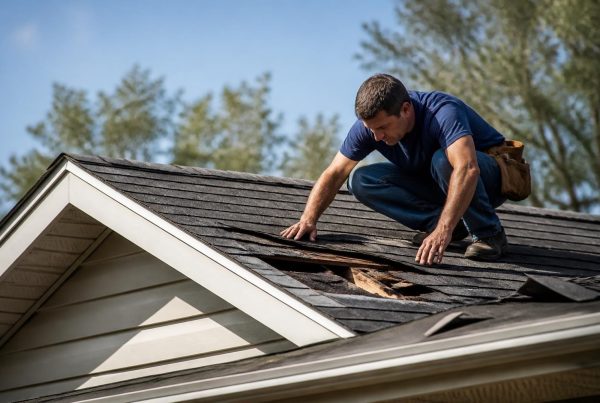
Wind events, falling branches, or hail that damages a specific section of your roof don't compromise the entire system. If the surrounding shingles remain intact, properly sealed, and show normal wear for their age, repairing the damaged area restores full protection.
After coastal storms in areas like Topsail and Surf City, homes often experience:
- Missing shingles in a concentrated zone from wind uplift
- Puncture damage from debris impact in one area
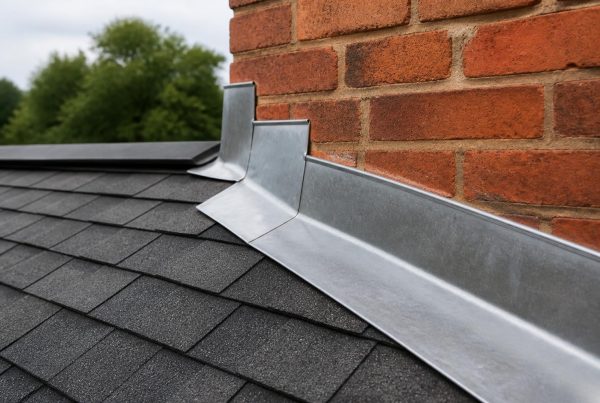
- Lifted flashing around penetrations that can be re-secured
None of these require full replacement unless inspection reveals hidden damage to the deck or widespread seal failure across the roof.
Recent Roof Installation
If your roof is under ten years old and properly installed, almost any damage short of total destruction calls for repair. Modern shingles and underlayment systems can be repaired without compromising performance, especially when the damage affects less than 20% of the surface.
Key repair advantages on newer roofs:
- Preserves manufacturer warranty coverage
- Maintains consistent appearance with matching materials
- Costs a fraction of premature replacement
- Extends original investment rather than restarting the clock
Owens Corning’s repair guidance emphasizes that age alone shouldn't drive replacement decisions when damage is localized and the roof system remains structurally sound.
When Replacement Makes More Sense
Replacement isn't about worse damage. It's about timing and total roof condition intersecting with repair needs.
Multiple Repair Cycles
If you've repaired your roof twice in three years, the pattern matters more than individual incidents. Repeated leaks in different locations signal system-wide deterioration that isolated fixes won't solve.
Homeowners dealing with:
- Chronic leaks that return after repair
- Expanding soft spots indicating deck damage
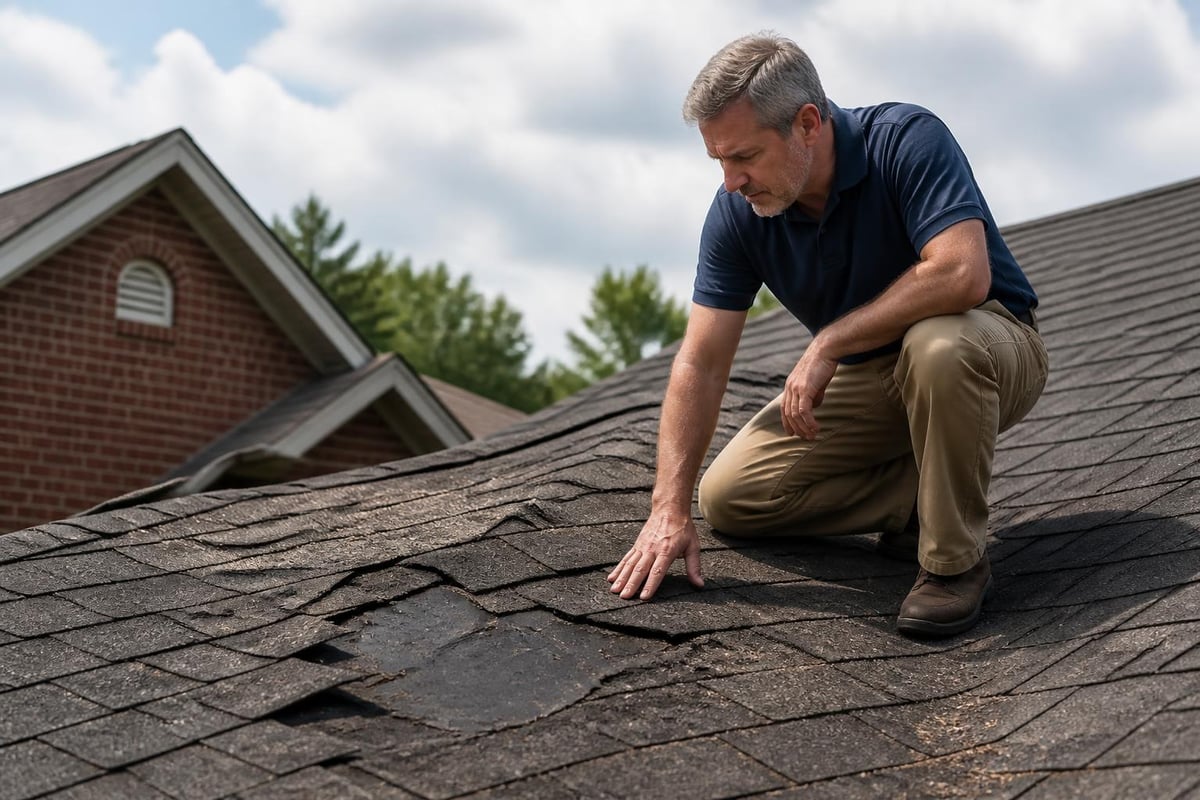
- Widespread granule loss across multiple roof sections
- Curling or cupping shingles throughout the roof
These aren't repair candidates. They're roofs telling you they've reached functional end of life. Continuing to patch these issues means ongoing expense without gaining meaningful roof life.
Insurance and Resale Timing
Sometimes replacement timing aligns with external factors rather than immediate damage. If you're planning to sell within two years, a ten-year-old roof with minor issues might benefit from replacement to maximize home value and avoid buyer concerns during inspection.
Similarly, if insurance has approved replacement following storm damage and you're nearing the 20-year mark anyway, accepting replacement over repair locks in coverage and resets your roof for the next two decades.
How to Evaluate Your Specific Situation
Understanding roof repair vs replacement how to decide means looking at your roof, not general guidelines. Every roof has unique factors based on installation quality, maintenance history, and exposure.
Get an Honest Inspection First
Before deciding anything, you need accurate information about what's actually happening. That means:
- Full roof inspection including attic ventilation and decking condition
- Written report documenting damage, wear patterns, and structural concerns
- Clear recommendations explaining why repair or replacement makes sense
- Cost estimates for both options when applicable
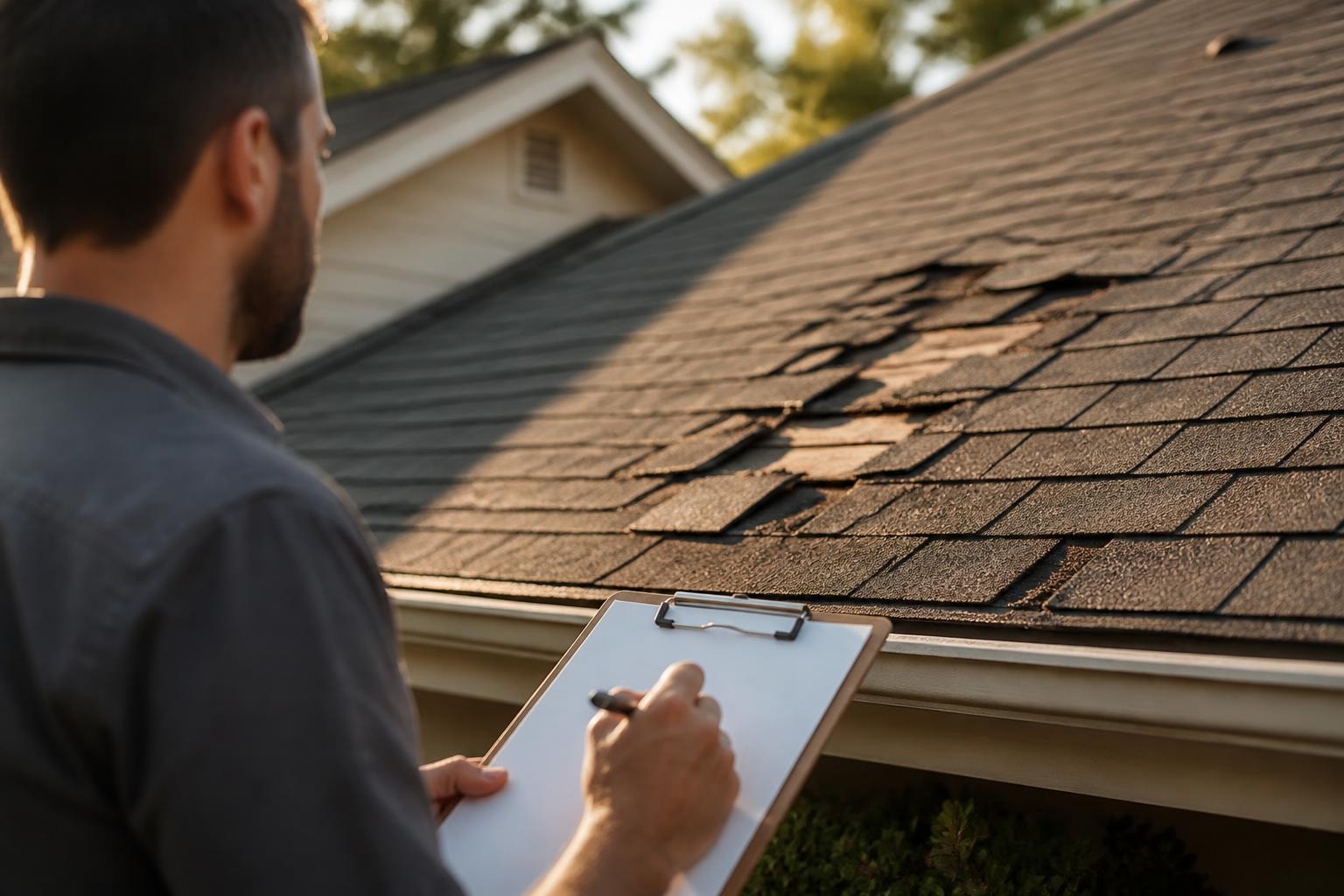
A proper inspection separates cosmetic wear from functional failure. Missing granules look concerning but may not affect performance. Hidden deck rot looks fine from the ground but undermines the entire system.
Calculate the Percentage of Damage
Measure the affected area against total roof size. Damage affecting less than 25% of your roof surface almost always repairs more cost-effectively. Between 25% and 50%, the decision depends on age and condition of undamaged sections. Over 50%, replacement typically makes more financial sense.
| Damage Extent | Age 0-12 Years | Age 12-18 Years | Age 18+ Years |
|---|---|---|---|
| Under 25% | Repair | Repair | Repair or Replace |
| 25-50% | Repair | Evaluate both | Likely Replace |
| Over 50% | Evaluate both | Replace | Replace |
Consider What's Underneath
Surface damage you can see might hide underlying issues you can't. If your roof deck shows water staining, soft spots, or sagging between rafters, surface repairs won't address the real problem. Deck replacement during shingle repair can cost nearly as much as full replacement while leaving you with a patchwork roof.
Professional roofing evaluations include structural assessment because the deck condition often determines whether localized repair delivers lasting value or just delays inevitable replacement.
What Coastal NC Homeowners Face
Living in Eastern North Carolina adds specific considerations that don't affect homeowners in other regions.
Salt Air and UV Exposure
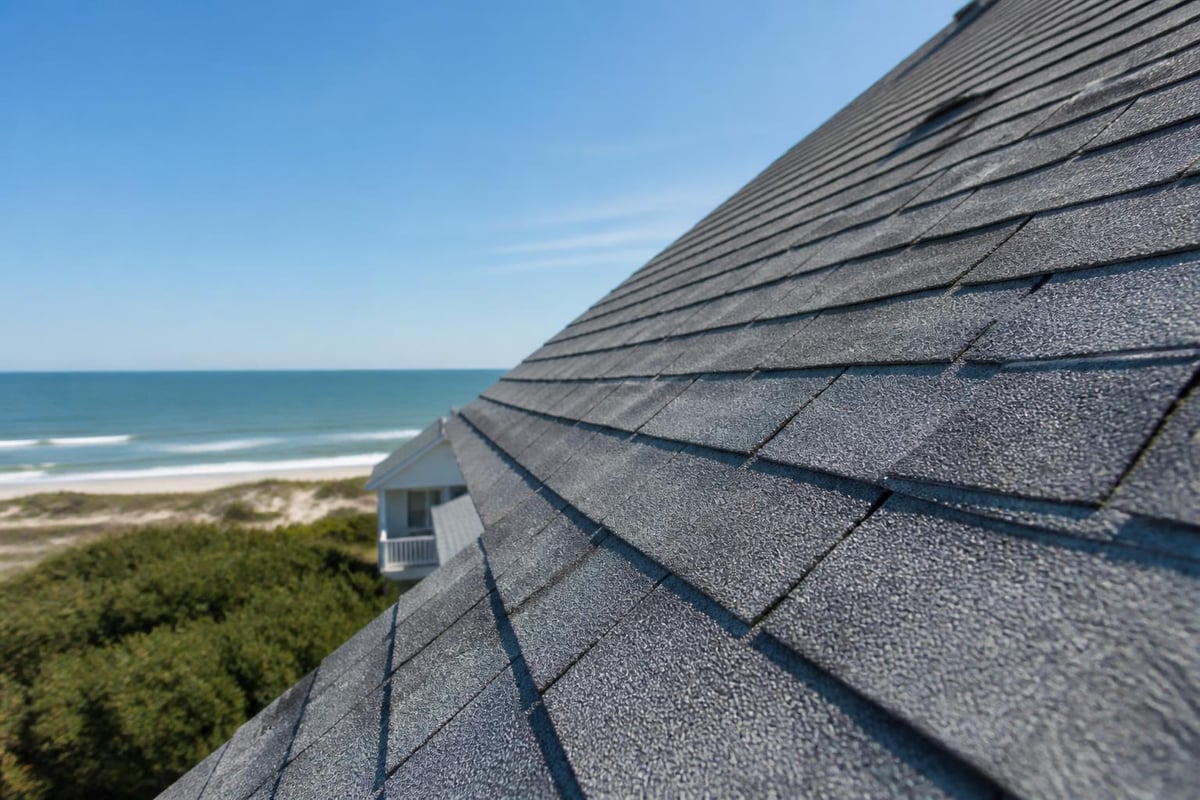
Coastal environments accelerate shingle aging through salt spray and intense summer sun. A roof that would last 25 years inland might show significant deterioration at 18 years near the coast. This compressed lifespan affects the repair vs replacement calculation.
Coastal-specific factors:
- Wind-driven rain penetrates damaged areas more aggressively
- Hurricane season creates recurring stress on aging roof systems
- High humidity promotes faster granule loss and seal degradation
- Salt corrosion affects flashing and fastener integrity
A 15-year-old roof in Hampstead or Holly Ridge often shows wear comparable to a 20-year-old roof in central North Carolina. That matters when evaluating whether repairs will hold through multiple storm seasons or just buy time until the next wind event causes new damage.
Storm Damage Patterns
Tropical storms and nor'easters don't damage roofs evenly. Wind typically targets specific sections: roof edges, ridge lines, and areas around penetrations. This creates a pattern where 70% of your roof looks fine while 30% needs attention.
The question becomes whether that 30% is repairable independent of the other sections, or whether the damage reveals weaknesses that affect the whole system. Modern repair approaches focus on whether compromised sections can be restored to match the performance of undamaged areas.
Making the Decision Without Pressure
The roofing industry has a reputation problem because too many companies push replacement when repair would work fine. Understanding roof repair vs replacement how to decide means filtering out sales pressure and focusing on facts.
Red Flags in Recommendations
Be cautious of contractors who:
- Recommend replacement without explaining why repair won't work
- Create urgency around non-emergency damage
- Refuse to provide repair estimates alongside replacement quotes
- Dismiss your roof age as automatically requiring replacement
A trustworthy recommendation explains the reasoning. If your roof is 14 years old with localized storm damage, you should hear why repair makes sense and what signs would change that assessment. If replacement is recommended, you should understand what specific conditions drive that advice beyond contractor preference.
Questions to Ask Before Deciding
- What percentage of my roof is damaged or worn?
- How does my roof's current condition compare to typical lifespan expectations?
- Will repairs address the underlying cause or just symptoms?
- What's the realistic lifespan after repair compared to replacement?
- Are there structural issues repairs can't solve?
Decision frameworks from roofing authorities emphasize that homeowners should receive clear answers to these questions before any work begins.
Document Everything
Whether you repair or replace, maintain records of:
- Inspection reports with photos and damage documentation
- Contractor estimates itemizing materials and labor
- Insurance correspondence if storm damage is involved
- Warranty information for repairs or replacement
- Before and after photos showing work completed
This documentation protects you if issues arise and provides the next homeowner with maintenance history that adds value.
When to Get a Second Opinion
You're making a decision that affects your home's protection and involves thousands of dollars. Getting another perspective makes sense in several situations.
If your first inspection recommends replacement but doesn't clearly explain why repair won't work, talk to another contractor. If estimates vary by more than 30%, find out why. Different contractors might assess damage severity differently or have different thresholds for recommending replacement.
Situations warranting additional input:
- Conflicting recommendations from insurance adjuster and contractor
- Replacement recommended on a roof under 15 years old
- Repair costs exceeding 40% of replacement estimate
- Unclear explanation of underlying damage extent
Second opinions cost nothing except time, and they often reveal important details the first contractor missed or didn't emphasize. Repair versus replacement decisions often hinge on judgment calls where different experienced contractors might weigh factors differently based on local conditions and material availability.
Understanding the Repair Process
If you decide repair makes sense, knowing what to expect helps ensure quality work.
Proper Repair Scope
A complete roof repair doesn't just replace visible damage. It addresses:
- Underlying deck damage where leaks have caused rot
- Flashing reinstallation around the repair area
- Matching shingles that blend with existing roof appearance
- Seal integrity ensuring new and old materials integrate properly
- Ventilation check confirming repairs don't compromise airflow
Corners get cut when contractors focus only on surface fixes. Missing shingles get replaced without checking deck condition underneath. Flashing gets reused instead of replaced. These shortcuts create future problems.
Material Matching Concerns
Matching existing shingles becomes harder as roofs age and manufacturers discontinue colors or styles. Sometimes close matches work fine. Other times, the visible difference between new and old shingles creates appearance issues that bother homeowners more than the original damage.
This is where repair decisions get complicated. If you can't get matching materials and appearance matters, replacing the affected slope or even the full roof might make more sense than creating a patchwork look.
The Replacement Timeline
When replacement becomes the right choice, understanding the process helps set realistic expectations.
What Full Replacement Involves
Roof replacement typically takes two to four days for an average home, depending on weather, access, and complexity. The process includes:
- Complete tear-off of existing shingles and underlayment
- Deck inspection and repair of any damaged or rotted sections
- New underlayment installation providing water barrier
- Drip edge and flashing installation around penetrations and edges
- Shingle installation following manufacturer specifications
- Ridge vent and ventilation ensuring proper attic airflow
- Cleanup and inspection removing debris and checking quality
Replacement disrupts your daily routine more than repair but delivers a complete system with warranty coverage and decades of expected life. Cost breakdowns for replacement help homeowners budget for the full scope rather than just material costs.
Timing Considerations
In coastal North Carolina, replacement timing matters. Hurricane season runs June through November, creating scheduling challenges and material availability concerns. Spring and fall offer ideal conditions, but contractors book quickly during these windows.
If you're planning replacement, starting the conversation in winter or early spring for spring installation gives you better scheduling flexibility and often better pricing than waiting until storm season creates urgent demand.
Deciding between roof repair and replacement comes down to honest assessment of damage extent, roof age, and cost-benefit analysis specific to your situation. Neither option is automatically right, it depends on what's actually happening with your roof and what makes financial sense for your home. If you're weighing options for your coastal North Carolina property, NC Roofs provides clear inspections and straightforward recommendations focused on what your roof actually needs, not what generates the biggest invoice.