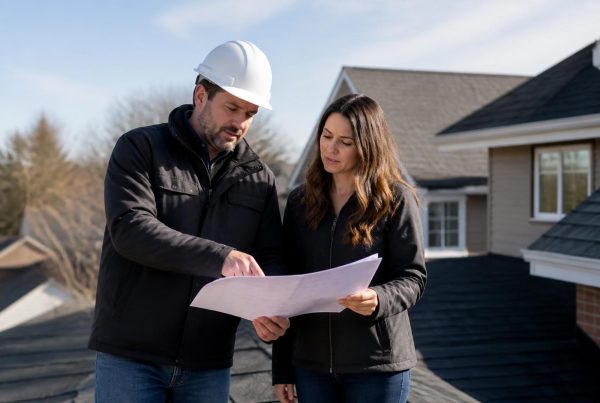
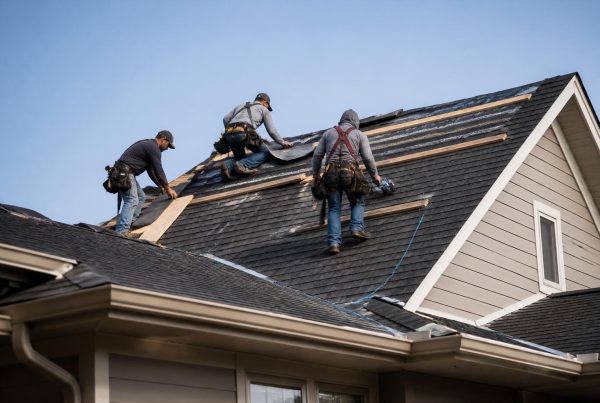
Every homeowner eventually needs roof help, whether it's after a storm, during a routine inspection, or when mysterious water stains appear on the ceiling. Knowing when to seek professional guidance and what kind of roof help you actually need can save you time, money, and stress. The roofing industry can feel confusing, with conflicting advice and varying price points, but understanding the basics helps you make informed decisions. This guide walks through the most common situations where homeowners need roof help, what to expect from professionals, and how to navigate the process with confidence.
Recognizing When You Need Roof Help
Most homeowners wait too long before seeking roof help, often because they don't recognize early warning signs. Small issues become expensive problems when ignored, making it essential to know what to look for throughout the year.
Visible Damage After Weather Events
Storm damage is the most obvious reason to seek roof help. High winds, hail, and heavy rain can compromise your roof's integrity in ways that aren't always immediately visible from the ground.
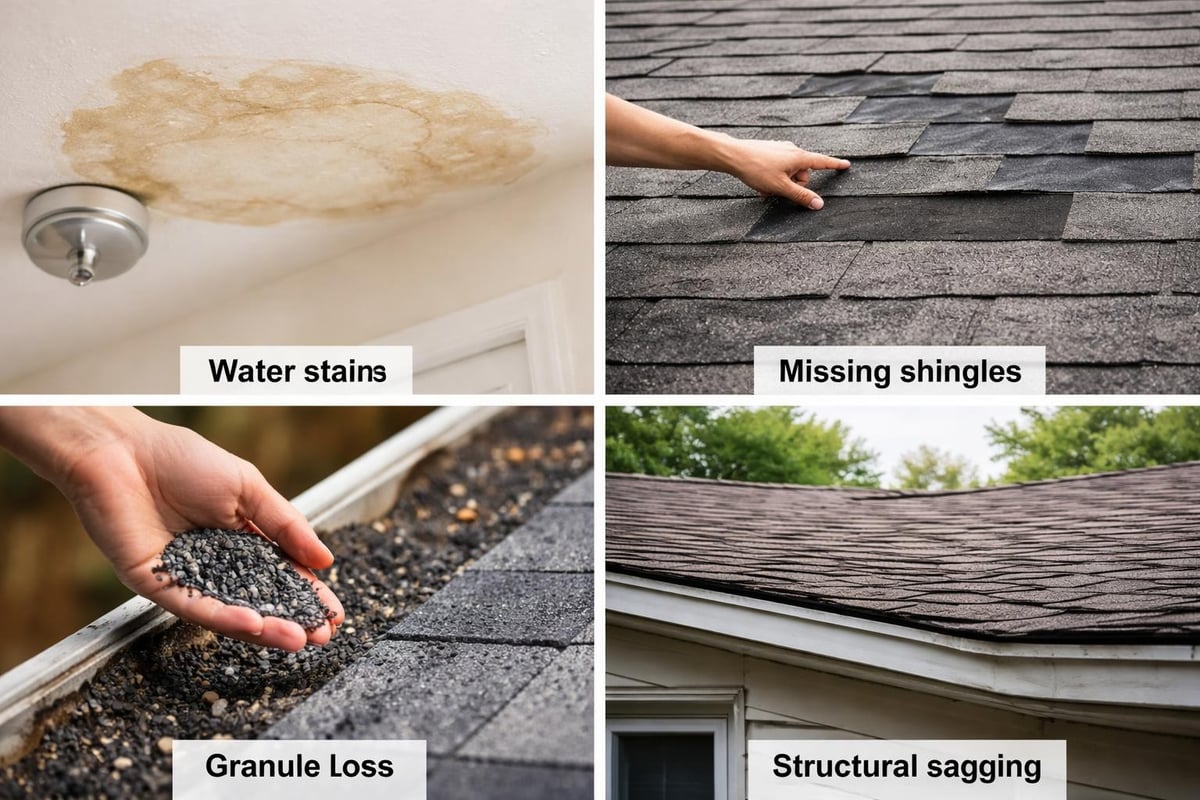
After any significant weather event, look for:
- Missing or damaged shingles scattered in your yard or on the roof itself
- Granule loss that appears as dark spots or patches on asphalt shingles
- Dents or dings on metal components like vents, flashing, or gutters
- Debris impact marks where branches or objects hit the surface
Even minor damage deserves attention because water finds the smallest openings. What looks like a few missing shingles might indicate broader problems underneath that need professional assessment.
Interior Signs That Require Immediate Attention
Sometimes the first indication you need roof help appears inside your home rather than outside. Water damage, mold, and temperature inconsistencies all point to potential roofing problems.
| Interior Warning Sign | What It Might Mean | Urgency Level |
|---|---|---|
| Water stains on ceilings | Active or recent leak | High |
| Mold or mildew smell | Moisture intrusion | High |
| Sagging ceiling areas | Structural damage | Critical |
| Increased energy bills | Ventilation or insulation issues | Moderate |
| Light visible through attic | Holes or gaps in decking | High |
Don't ignore these signs hoping they'll resolve themselves. Early intervention typically costs a fraction of what delayed repairs require.
Different Types of Roof Help Available
Not all roof help looks the same, and understanding the different services available helps you ask the right questions and get appropriate solutions for your situation.
Emergency Repairs and Temporary Solutions
When you need immediate roof help, emergency services stop active damage from spreading. Tarping, temporary patching, and water diversion techniques protect your home until permanent repairs can be scheduled.
Emergency roof help typically includes:
- Assessment of immediate threats to identify where water is entering
- Temporary weatherproofing using tarps, sealants, or emergency patches
- Documentation for insurance purposes with photos and damage descriptions
- Timeline for permanent repairs based on materials, weather, and scheduling
These services don't fix the underlying problem but prevent thousands of dollars in additional water damage while you arrange proper repairs.
Professional Inspections and Roof Reports
Sometimes you just need clarity about your roof's condition without committing to immediate work. Professional inspections provide detailed roof help through comprehensive assessments that show exactly what's happening on your roof.
A thorough roof inspection covers every component, from shingles and flashing to ventilation and structural elements. You'll receive documentation showing current condition, areas of concern, and realistic timelines for addressing issues. This type of roof help is particularly valuable when buying a home, planning for future expenses, or deciding between repair and replacement.
Understanding material lifespans helps with planning. Different roofing materials age differently, and comparing roofing material options shows how longevity varies significantly between asphalt, metal, and other common choices.
Repair Services for Specific Problems
Targeted repairs address localized damage without replacing the entire roof. This roof help makes sense when problems are confined to specific areas and the overall roof remains in good condition.
Common repair scenarios include:
- Replacing damaged shingles in one section after storm damage
- Resealing flashing around chimneys, vents, or skylights
- Fixing minor leaks in valleys or at roof penetrations
- Addressing isolated soft spots in decking
Roof repair focused on fixing what actually needs attention saves money compared to unnecessary full replacements. Starting with a clear roof report helps homeowners understand their options before committing to any work.
Evaluating Whether You Need Repair or Replacement
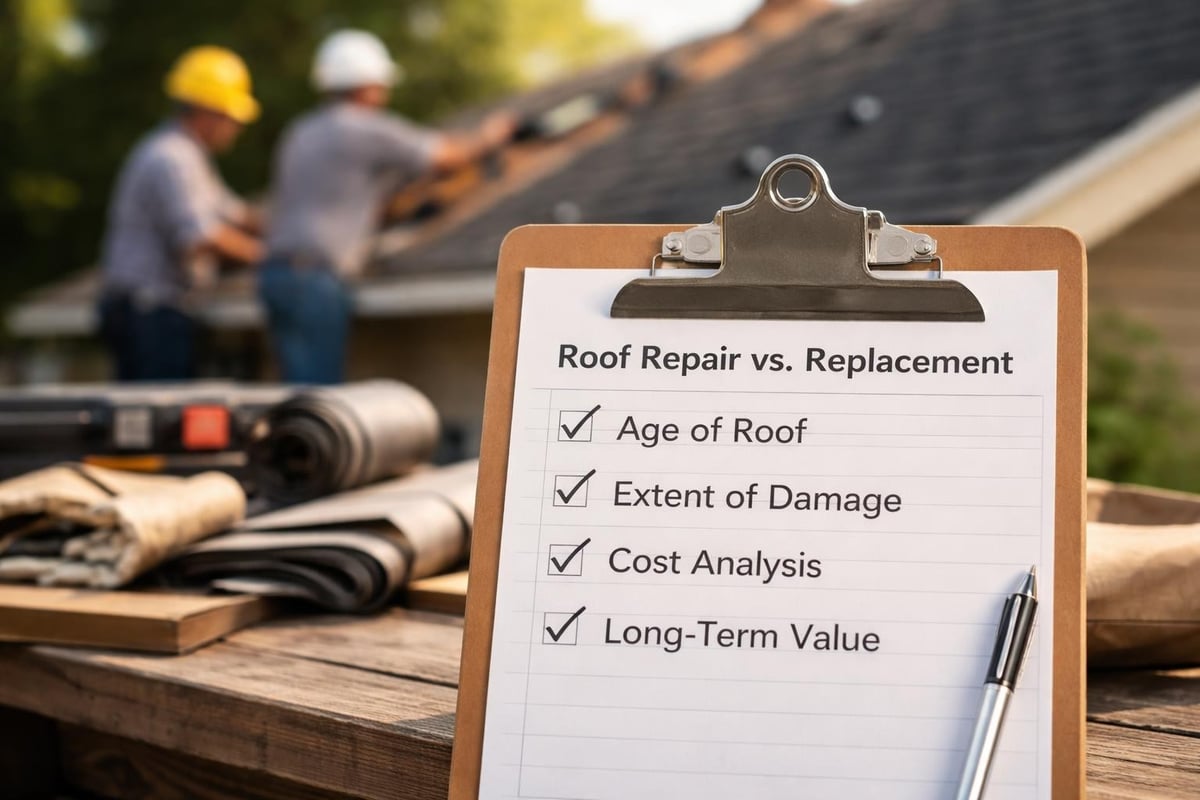
One of the most important decisions requiring roof help is determining whether repair or replacement makes financial sense. This isn't always straightforward, and honest guidance matters.
The Age Factor in Decision Making
Your roof's age significantly influences whether repair provides good value. Even quality materials eventually reach the point where patching individual problems costs more than starting fresh.
Asphalt shingle roofs typically last 20-25 years in Eastern North Carolina's climate. If your roof approaches this range and needs significant repairs, replacement often makes more financial sense. Different roofing materials have varying lifespans, with metal and tile lasting considerably longer but costing more upfront.
Metal roofs can last 40-70 years depending on the type and installation quality. These rarely need replacement unless improperly installed or severely damaged. Most metal roof help involves resealing fasteners or addressing localized corrosion.
Damage Extent and Distribution
How damage spreads across your roof determines the most cost-effective solution. Concentrated damage responds well to repair, while widespread deterioration suggests replacement makes more sense.
Consider these distribution patterns:
- Isolated damage in one area (storm impact, fallen branch) – repair is usually appropriate
- Widespread wear affecting multiple sections – replacement typically offers better value
- Failing flashing at penetrations – often repairable regardless of roof age
- Systemic issues like curling shingles across the entire surface – replacement needed
Ask for detailed documentation showing where problems exist. Photos and diagrams help you visualize whether damage justifies full replacement or targeted repair provides adequate roof help.
Finding Trustworthy Professional Roof Help
The roofing industry includes both excellent professionals and opportunistic contractors. Knowing how to identify quality roof help protects you from overpriced work or unnecessary services.
Red Flags to Watch For
Some warning signs indicate a contractor might not provide the reliable roof help you need. Trust your instincts when something feels off.
Avoid contractors who:
- Pressure immediate decisions without giving you time to review proposals
- Offer unusually low prices that seem too good to be true
- Request large upfront payments before starting any work
- Lack proper licensing and insurance for your state and locality
- Can't provide local references from recent projects
Quality roof help comes from professionals who explain options clearly, provide transparent pricing, and respect your decision timeline. You should never feel rushed into expensive work without understanding why it's necessary.
Questions to Ask Before Hiring
Getting roof help starts with asking the right questions. Detailed answers reveal whether a contractor prioritizes your needs or their commission.
| Question Category | Specific Questions to Ask |
|---|---|
| Experience | How long have you worked in this area? Can you share similar projects? |
| Process | What's your timeline? How do you handle unexpected issues? |
| Pricing | What's included in your estimate? Are there typical additional costs? |
| Materials | What options do I have? How do materials compare in longevity and cost? |
| Warranty | What warranties cover labor and materials? What situations void coverage? |
The way contractors answer matters as much as what they say. Clear, patient explanations indicate someone focused on helping you understand rather than pushing a sale.
Navigating Insurance Claims for Roof Damage
Many homeowners need roof help specifically for insurance-related damage. Understanding how claims work helps you maximize coverage while avoiding common pitfalls.
Documentation Requirements
Insurance companies require specific evidence before approving roof claims. Proper documentation determines whether you receive full coverage or face unexpected out-of-pocket costs.
Start by photographing damage from multiple angles, including close-ups of affected areas and wide shots showing overall context. Document the date when damage occurred and any related weather events. Keep all correspondence with your insurance company organized and accessible.
Professional roof help often includes detailed reports specifically formatted for insurance purposes. These reports document every damaged component with measurements, photos, and repair cost estimates that adjusters can easily review.
Working With Adjusters
Insurance adjusters assess damage to determine coverage amounts. Having professional roof help during this process ensures nothing gets overlooked and appropriate repairs receive approval.
The adjuster will inspect your roof, usually accompanied by your contractor if one is already involved. They'll document damage, compare it against your policy coverage, and determine what's covered. This inspection is your opportunity to point out all affected areas, not just the most obvious damage.
Sometimes adjusters initially deny claims or approve less coverage than needed. This doesn't mean your case is closed. Professional roof help includes assistance with appeals, supplemental damage documentation, and communication that addresses insurer concerns.
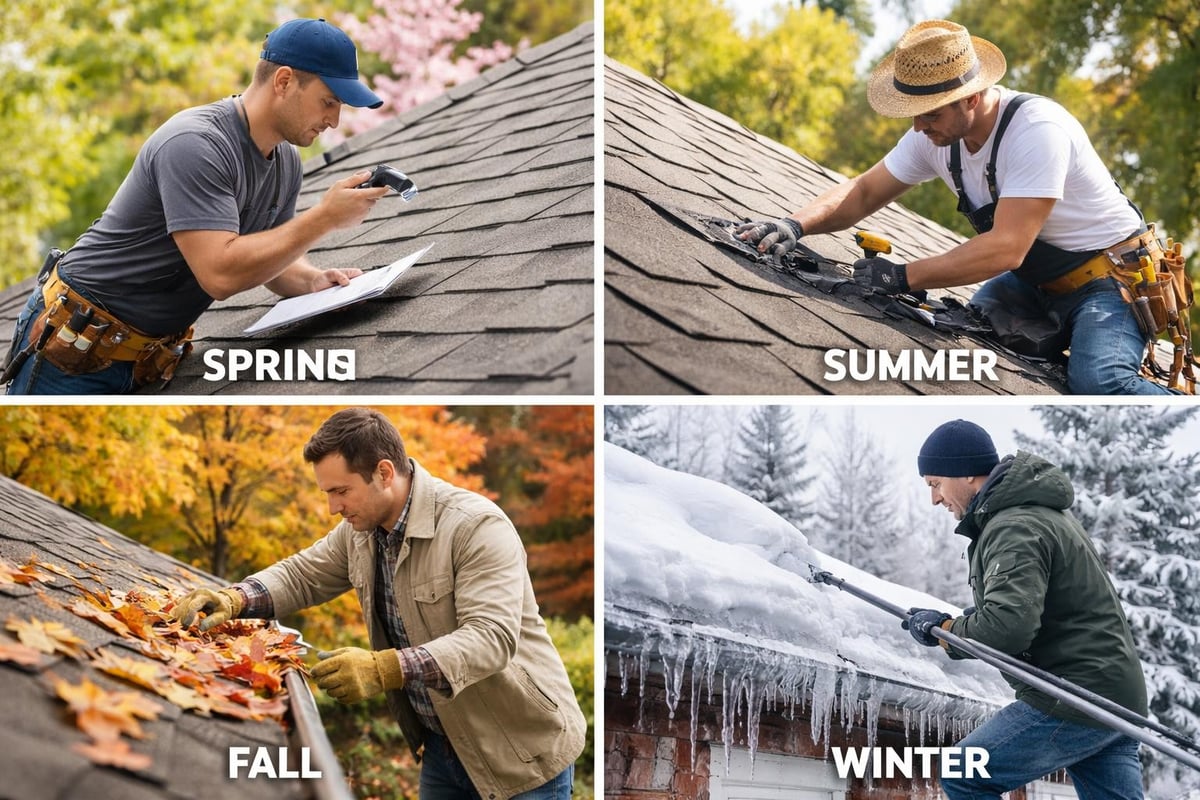
Seasonal Considerations for Roof Help
Different seasons bring different roofing challenges. Knowing when certain types of roof help make most sense helps you plan maintenance and avoid emergency situations.
Spring and Fall: Ideal Times for Inspections
Moderate weather in spring and fall creates perfect conditions for thorough roof inspections and non-emergency repairs. Spring home maintenance should always include checking your roof after winter weather takes its toll.
Spring inspections catch winter damage before summer storms arrive. Look for ice damage, wind-blown shingles, and debris accumulation that occurred during cold months. Fall inspections prepare your roof for winter by addressing small issues before freeze-thaw cycles make them worse.
Summer: Peak Season for Major Work
Most homeowners schedule significant roof help during summer months when weather cooperates and contractors have the most predictable scheduling. Dry, warm conditions allow proper material installation and curing.
However, summer is also peak season, meaning longer wait times and potentially higher prices. If you need major work but have flexibility, consider scheduling in late spring or early fall when demand drops slightly but weather remains favorable.
Winter: When to Seek Emergency Help
Winter roof help usually focuses on emergency situations rather than planned maintenance. Ice dams, snow load concerns, and cold-weather leaks require immediate attention despite challenging work conditions.
Emergency winter repairs cost more because of difficult working conditions, but they prevent catastrophic damage that would cost exponentially more. Don't wait until spring if you have active leaks or concerning structural issues during winter months.
Cost Considerations When Seeking Roof Help
Understanding roofing costs helps you budget appropriately and recognize fair pricing when you see it. Prices vary significantly based on materials, labor, and project scope.
Typical Price Ranges for Common Services
Roof help costs depend on what you need, but understanding general ranges prevents sticker shock and helps identify unreasonable quotes.
Inspection services typically cost $150-$400 for comprehensive assessments, though some contractors offer free inspections if you proceed with recommended work. Detailed reports for insurance or documentation purposes may cost more.
Minor repairs addressing isolated damage generally run $300-$1,500 depending on accessibility and materials. Replacing a few shingles costs less than repairing flashing around a complex chimney structure.
Major repairs involving structural work, extensive decking replacement, or large damaged areas typically range from $1,500-$7,000. These projects fall between simple patches and full replacement in scope and cost.
Full replacement varies dramatically based on roof size, material choice, and complexity. Basic asphalt shingle replacement might cost $5,000-$12,000 for an average home, while premium materials or complex roof designs can exceed $20,000.
Exploring different types of roofing materials helps you understand why material choices create such significant price differences.
What Affects Final Pricing
Several factors beyond basic square footage influence how much you'll pay for roof help. Understanding these variables helps you compare quotes accurately.
- Roof pitch and accessibility – steeper roofs require safety equipment and careful work
- Number of penetrations – chimneys, vents, and skylights add complexity
- Deck condition – rotten decking requires replacement before new roofing goes down
- Local building codes – requirements vary by municipality and affect materials needed
- Disposal costs – removing old materials adds to total project expenses
Get itemized quotes that break down these components. This transparency helps you understand where money goes and compare different contractors fairly.
Preparing Your Home for Roofing Work
Once you've secured professional roof help, proper preparation makes projects go smoothly and protects your property during work.
Protecting Your Property
Roofing work creates significant debris and requires heavy equipment around your home. Take steps to minimize potential damage to landscaping, vehicles, and structures.
Move vehicles away from the work area, ideally off your property entirely. Cover or relocate outdoor furniture, grills, and decorative items. Trim back plants and bushes near the house to give workers clear access to all roof areas. Consider covering valuable landscaping with tarps if work will happen directly above.
Inside your home, remove wall decorations and fragile items from rooms directly below the work area. Vibrations from roofing work can knock items off walls or shelves. Cover belongings in the attic if workers need access through that space.
Communication With Contractors
Clear communication prevents misunderstandings and ensures you get the roof help you actually need. Establish expectations before work begins.
Confirm the project timeline, including start date, estimated duration, and daily work hours. Discuss how weather delays will be handled and how you'll be notified of any unexpected issues. Establish a single point of contact for questions or concerns that arise during the project.
Ask about daily cleanup procedures and final inspection processes. Knowing what to expect reduces stress and helps everyone stay on the same page throughout the project.
Long-Term Maintenance After Getting Roof Help
Even after professional roof help addresses immediate issues, ongoing maintenance extends your roof's life and prevents future problems.
Regular Inspection Schedule
Don't wait for obvious problems before checking your roof again. Establish a regular inspection routine that catches small issues early.
Twice-yearly visual checks from the ground help you spot missing shingles, damaged flashing, or debris accumulation. Use binoculars to examine your roof without climbing up. Look for changes since your last inspection rather than trying to identify every potential issue.
Professional inspections every 3-5 years provide more detailed assessments than you can do yourself. These periodic checkups catch developing problems before they become emergencies requiring expensive roof help.
Simple Maintenance Tasks Homeowners Can Handle
Some maintenance doesn't require professional roof help. Basic tasks keep your roof functioning properly between professional services.
- Clear debris from gutters and valleys several times per year
- Trim overhanging branches that drop leaves or could damage the roof during storms
- Check attic ventilation to ensure proper airflow and prevent moisture buildup
- Monitor for moss or algae growth and address it before it spreads extensively
- Document your roof's condition with dated photos for future reference
These simple steps complement professional roof help by maintaining the work that's been done and preventing accelerated wear.
For more guidance on maintaining various roofing materials, NC Roofs offers resources that help Eastern North Carolina homeowners protect their investment year-round.
Getting the right roof help at the right time protects your home and saves money over the long term. Whether you need emergency repairs, routine maintenance, or guidance on major decisions, working with professionals who prioritize clear communication and honest recommendations makes all the difference. NC Roofs provides straightforward roofing services across Eastern North Carolina with transparent pricing, detailed reports, and no-pressure guidance to help you make informed decisions about your home's most important protective barrier.