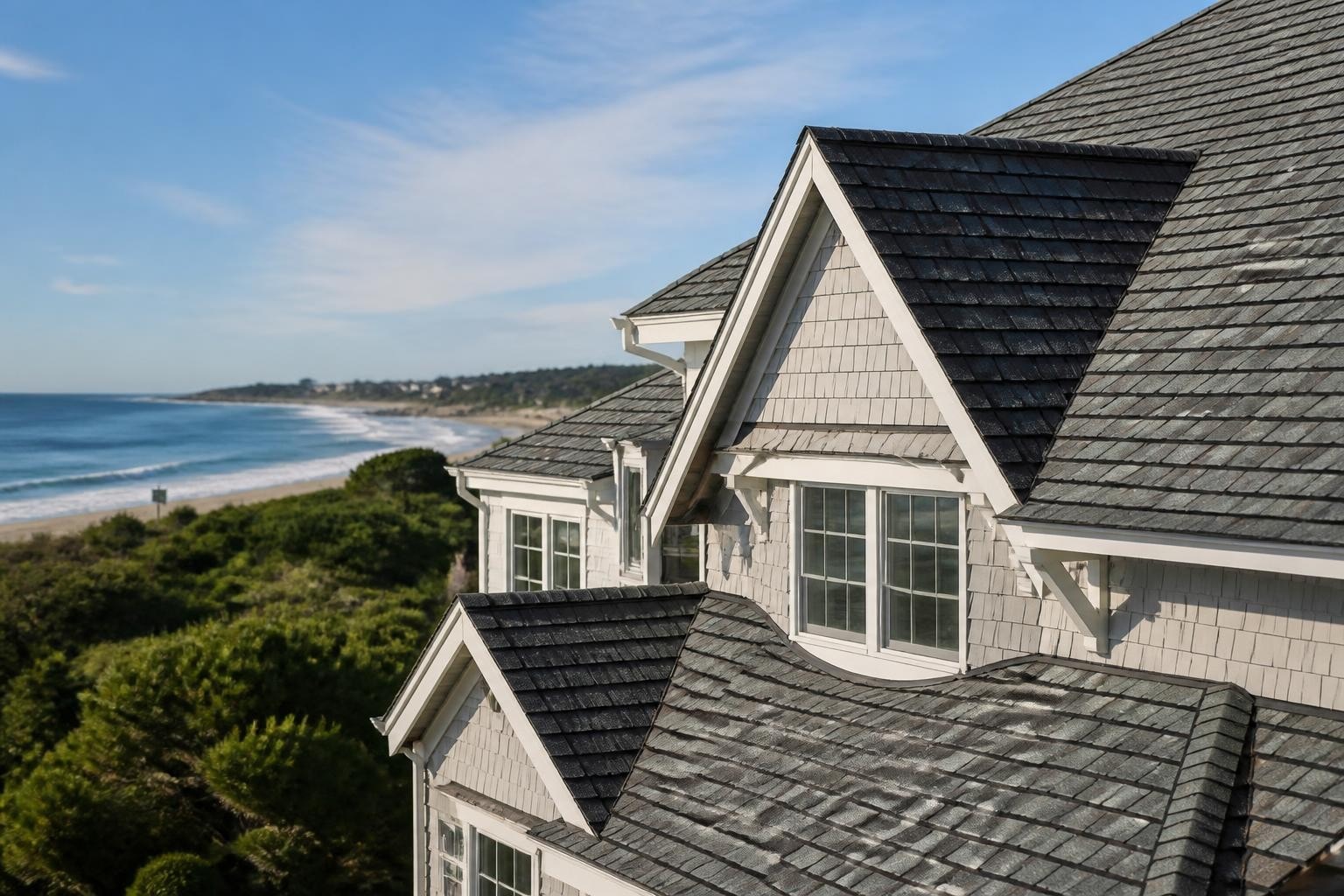
When you start looking into new roofing options for your Eastern North Carolina home, landmark shingles are likely to come up in conversation with your contractor. This product line from CertainTeed has been around for decades and remains one of the most popular choices among homeowners who want something more substantial than a basic three-tab shingle without stepping into premium pricing territory. Understanding what landmark shingles actually offer, how they perform in coastal conditions, and what you should expect to pay helps you make a clear decision about whether they're the right fit for your roof replacement project.
What Landmark Shingles Actually Are
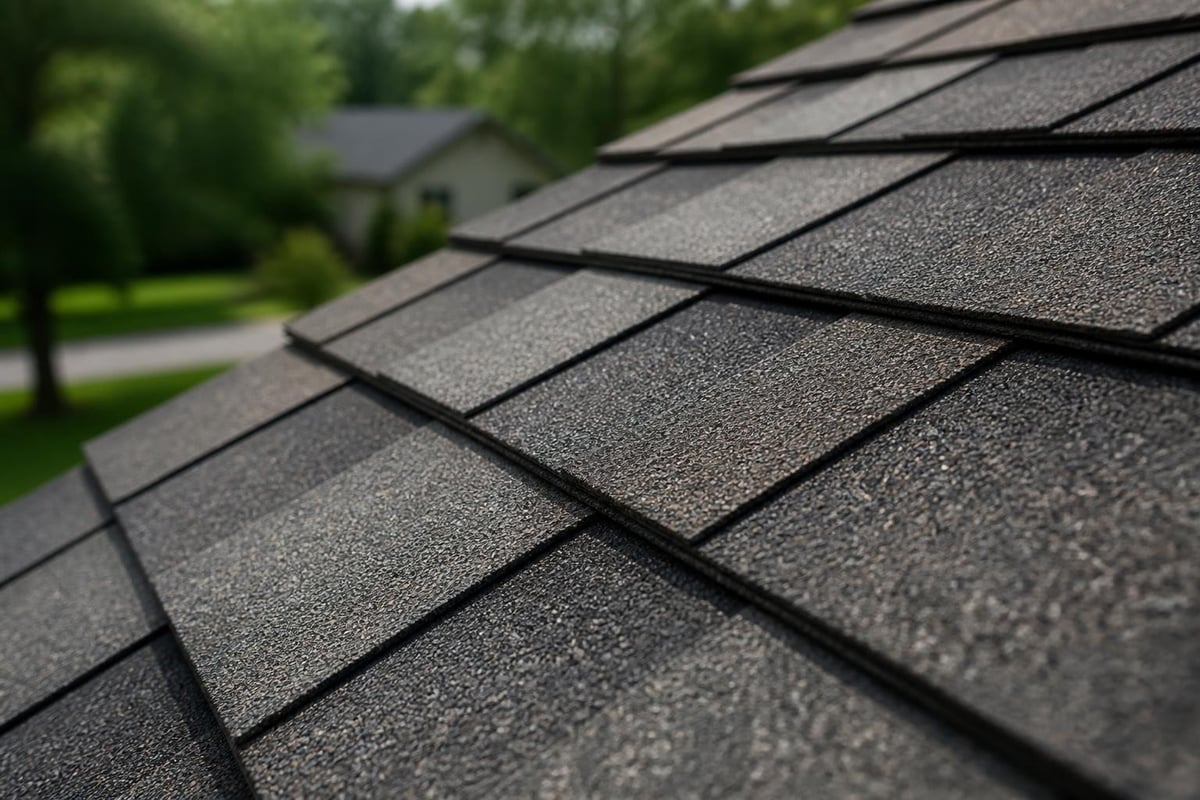
Landmark shingles are architectural asphalt shingles built with a laminated design that creates depth and dimension on your roof. Unlike flat three-tab shingles, they use multiple layers of material bonded together to create a thicker, more substantial product that mimics the look of traditional wood shake roofing.
The laminated construction serves both aesthetic and functional purposes. Visually, the layering creates shadow lines and texture that give your roof more character from the street. Structurally, the extra thickness and weight provide better wind resistance and longer-lasting protection compared to basic shingles.
The CertainTeed Manufacturing Background
CertainTeed has manufactured these shingles since the 1980s, making them one of the longest-running architectural shingle products on the market. That longevity matters because it means real-world performance data exists beyond just laboratory testing. CertainTeed’s Landmark product line has been installed on millions of homes across different climate zones, giving you actual track records to evaluate.
The company produces these shingles at multiple manufacturing facilities across North America, which helps maintain consistent availability and competitive pricing compared to some specialty products that come from single production sites.
Performance Characteristics for Coastal Homes
Living along the North Carolina coast means your roof faces specific challenges that don't apply to homes further inland. Wind, salt air, high humidity, and intense sun exposure all affect how roofing materials hold up over time.
Wind Resistance
Landmark shingles carry a Class D wind rating when properly installed, which translates to resistance against winds up to 110 mph. That rating applies when you use the specified number of nails and follow the installation guidelines for high-wind zones. For coastal areas prone to tropical storms and hurricanes, proper installation technique matters just as much as the shingle rating itself.
Algae Resistance
The standard Landmark shingles include algae-resistant granules designed to prevent the black streaking you often see on older roofs in humid climates. This feature, marketed as StreakGuard protection, uses copper-coated granules that inhibit algae growth. In coastal North Carolina, where humidity stays high year-round, this characteristic helps your roof maintain its appearance longer.
Impact Resistance
The base Landmark shingle carries a Class 3 impact rating, which represents moderate resistance to hail and debris impacts. CertainTeed also offers an impact-resistant version (Landmark IR) with a Class 4 rating for homeowners who want the highest level of protection, though it comes at a higher cost.
| Feature | Standard Landmark | Landmark IR | Landmark TL |
|---|---|---|---|
| Wind Rating | 110 mph | 110 mph | 130 mph |
| Impact Rating | Class 3 | Class 4 | Class 4 |
| Warranty (years) | Limited Lifetime | Limited Lifetime | Limited Lifetime |
| Typical Cost (per square) | $75-$95 | $95-$125 | $110-$140 |
Color Selection and Curb Appeal
Landmark shingles come in over twenty color options, ranging from traditional blacks and grays to earth tones and blended shades. The color you choose affects more than just appearance. Darker colors absorb more heat, which can impact attic temperatures and cooling costs. Lighter colors reflect more sunlight but may show dirt and streaking more noticeably in wooded areas.
Popular coastal choices include weathered wood tones, grays, and medium browns that complement both traditional and contemporary home styles. Visualization tools let you see how different colors look on your specific home style before making a final decision.
Color Availability and Consistency
Not every color stays in continuous production. CertainTeed periodically updates its color lineup, discontinuing some shades and introducing new ones. If you're planning a partial roof replacement or addition down the road, keeping a few bundles of your original shingles ensures you can match the color if your specific shade gets discontinued.
The granule colors themselves hold up well over time. You'll see some fading after 10-15 years, but the multi-toned blends used in most colors help disguise gradual color changes better than solid-color shingles.
Warranty Coverage and What It Means
The limited lifetime warranty that comes with landmark shingles sounds impressive, but understanding what it actually covers helps set realistic expectations. The warranty applies to manufacturing defects, not wear and tear or damage from external sources like storms or fallen trees.
Coverage Structure
- First 10 years: Full material replacement coverage
- Years 11-50: Prorated coverage based on age
- After 50 years: Minimal coverage remains
The warranty transfers to a new owner if you sell your home, though the coverage level may change depending on how long you owned the home before selling. Wind warranty coverage requires separate documentation and specific installation techniques, including proper starter strip use and nail placement.
Installation Requirements and Costs
Proper installation matters more than the shingle brand when it comes to long-term performance. Landmark shingles require specific underlayment, starter strips, and ventilation to meet warranty requirements and perform as designed.
Material Costs
In 2026, landmark shingles typically cost between $75 and $95 per square (100 square feet) for materials alone. That's the contractor's cost, not the retail price you'll pay for a complete installation. Regional availability and order volume affect pricing, so quotes vary between contractors based on their supplier relationships.
Labor and Installation
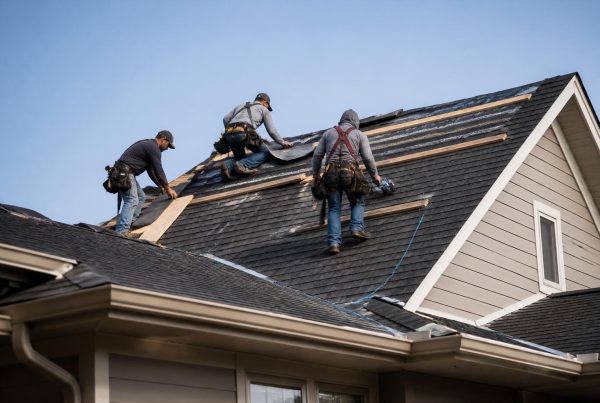
Total installed costs for a landmark shingle roof replacement in Eastern North Carolina typically run between $350 and $500 per square, depending on roof complexity, pitch, accessibility, and local labor rates. A typical 2,000 square foot home with a moderately pitched roof uses about 22-24 squares of shingles, translating to a total project cost of $7,700-$12,000 for materials and labor combined.
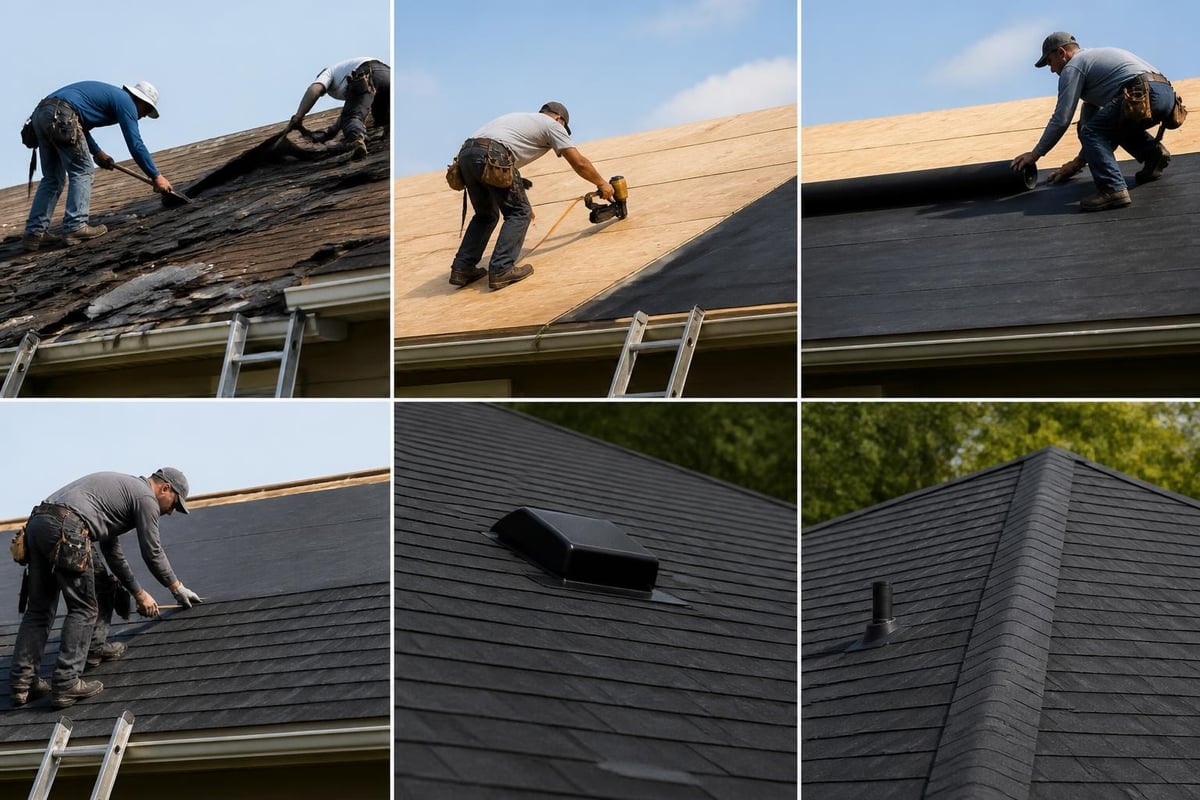
- Tear-off of existing shingles and disposal
- Deck inspection and repair of any damaged plywood
- Ice and water barrier installation at eaves and valleys
- Synthetic underlayment across the entire roof deck
- Starter strip installation along all edges
- Shingle installation following manufacturer specifications
- Ridge cap installation with proper ventilation
- Flashing replacement around chimneys, vents, and walls
Comparing Landmark to Other Options
Homeowners often ask how landmark shingles compare to other architectural shingles on the market. Consumer Reports testing provides independent performance data that helps answer that question with actual test results rather than marketing claims.
Versus GAF Timberline
GAF Timberline shingles represent landmark shingles' main competitor in the mid-range architectural category. Both offer similar warranties, wind ratings, and color selections. Pricing runs nearly identical between the two products, so your choice often comes down to which manufacturer your preferred contractor works with regularly and which color options you prefer.
Versus Budget Three-Tab Shingles
Three-tab shingles cost $50-$70 less per square than landmark shingles, which translates to roughly $1,100-$1,500 in savings on a typical residential roof. That upfront savings comes with tradeoffs in appearance, warranty length, and expected lifespan. Three-tab shingles typically last 15-20 years in coastal conditions, while properly installed landmark shingles often reach 25-30 years before needing replacement.
Versus Premium Designer Shingles
Premium options like CertainTeed Grand Manor or GAF Camelot cost $130-$180 per square, adding $1,200-$2,000 to a typical roof project compared to landmark shingles. These products offer enhanced aesthetics with heavier construction and more pronounced shadow lines, but the functional performance differences are minimal for most coastal North Carolina applications.
| Shingle Type | Material Cost (per sq) | Expected Lifespan | Wind Rating |
|---|---|---|---|
| Three-Tab | $55-$70 | 15-20 years | 60 mph |
| Landmark | $75-$95 | 25-30 years | 110 mph |
| Landmark TL | $110-$140 | 30-35 years | 130 mph |
| Designer Premium | $130-$180 | 30-40 years | 110-130 mph |
Real-World Performance Considerations
Theoretical specifications tell you what shingles should do under ideal conditions. Real-world performance depends on installation quality, attic ventilation, roof pitch, maintenance, and environmental factors specific to your location.
Ventilation Requirements
Landmark shingles need proper attic ventilation to reach their full lifespan potential. Inadequate ventilation traps heat and moisture in your attic, which accelerates shingle aging from the underside. The warranty requires adequate ventilation, defined as 1 square foot of net free ventilation area per 150 square feet of attic space.
Ridge vents combined with soffit vents create the most effective ventilation system for coastal homes. The continuous airflow prevents moisture buildup during humid summers and reduces ice damming potential during rare winter freezes.
Maintenance and Inspection
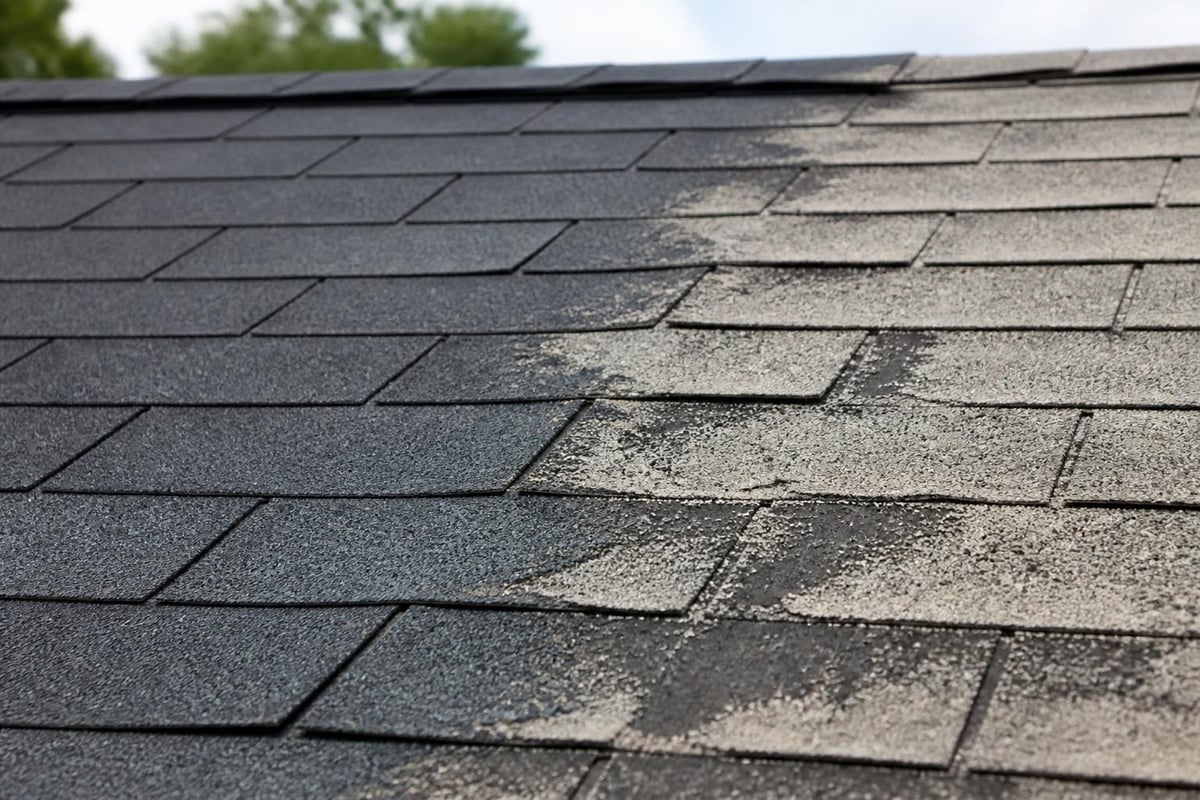
Even quality shingles need periodic inspection to catch small problems before they become major issues. Walking your roof isn't recommended (the traffic can damage shingles), but a visual inspection from ground level twice a year helps you spot missing granules, lifted corners, or damaged areas that need attention.
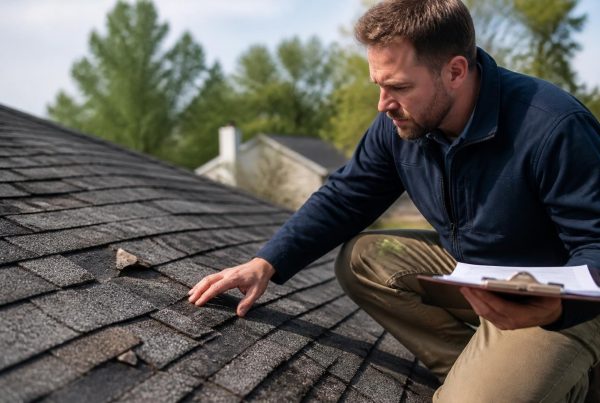
After major storms, checking for wind damage, lifted shingles, or debris impacts takes just a few minutes but can prevent water damage if you catch problems early. If you're concerned about storm damage or missing shingles, having a professional roof inspection provides documentation for insurance purposes and identifies any repairs needed before leaks develop.
When Landmark Shingles Make Sense
Landmark shingles represent a reasonable middle ground for homeowners who want better performance than basic shingles without paying premium prices. They make the most sense in several specific situations:
- You plan to stay in your home for 15-25 years and want a roof that lasts through your ownership
- Your home's architectural style benefits from the dimensional appearance of architectural shingles
- You're replacing a roof before selling and want good curb appeal without overspending
- Your insurance requires impact-resistant shingles (using the Landmark IR version)
- You're working with a limited budget but want better wind resistance than three-tab options provide
They might not be the best choice if you're planning to sell within 5 years (basic shingles offer adequate return on investment for quick sales) or if you want the longest possible lifespan and have budget for premium options.
Installation Timeline and Weather Considerations
A typical landmark shingle installation on a standard residential roof takes 2-3 days with a professional crew, assuming good weather conditions. Coastal North Carolina's weather patterns affect scheduling more than the actual installation speed.
Seasonal Planning
Spring and fall offer the most consistent weather windows for roof replacement. Summer brings afternoon thunderstorms that can interrupt installation, while winter occasionally brings temperatures too cold for proper shingle sealing (though this is rarely an issue in coastal NC).
Hurricane season from June through November creates scheduling uncertainty. Most contractors stop scheduling new installations once a named storm enters the forecast, which can push your project back by a week or more if you're scheduled during an active weather period.
Color Fastness and Long-Term Appearance
Detailed product specifications indicate landmark shingles use a dual-layer granule system designed to maintain color consistency as the shingles age. The top layer provides the visible color, while a base layer of similarly colored granules shows through gradually as surface granules wear away.
This design helps your roof maintain a more consistent appearance compared to single-layer granule systems where granule loss exposes the black asphalt base layer. You'll still see some color fading over 15-20 years, but the change happens gradually rather than creating obvious worn spots.
Insurance Considerations and Claims
When you file an insurance claim for roof damage, the adjuster evaluates whether repair or replacement is warranted based on the extent and type of damage. Landmark shingles have been around long enough that adjusters are familiar with their expected lifespan and performance characteristics, which can work in your favor during the claims process.
Matching Considerations
If your roof sustains localized damage requiring partial replacement, matching your existing landmark shingles depends on their age and specific color. Shingles manufactured years apart may not match perfectly even if they're the same color name, because manufacturing processes and raw materials change over time.
Most insurance policies cover the cost of matching shingles for partial replacements, but some require you to accept a close match rather than a perfect match if your exact shingles are no longer available.
Understanding the Lifetime Warranty Language
The term "limited lifetime warranty" needs clarification because it doesn't mean the shingles last forever. In warranty terms, "lifetime" refers to the period during which the original homeowner owns the property, up to a maximum of 50 years. Warranty details and limitations outline what's covered and what conditions void coverage.
Common warranty exclusions include:
- Damage from foot traffic or improper maintenance
- Issues caused by inadequate ventilation
- Problems resulting from structural movement or settling
- Failures related to improper installation
- Normal weathering and color changes
The wind warranty requires separate activation and specific installation techniques. Without proper documentation and installation, you have material coverage but not wind coverage.
Getting Accurate Project Quotes
When you request quotes for a landmark shingle installation, make sure each contractor provides detailed breakdowns showing material costs, labor, disposal, and any additional work needed. Pricing information from roofing resources gives you baseline numbers, but local factors affect your actual costs.
Quote Comparison Factors
- Specified underlayment type (synthetic versus felt)
- Warranty activation included or additional cost
- Disposal fees for old materials
- Deck repairs estimated or excluded
- Ventilation upgrades needed
- Permit costs and requirements
The lowest quote isn't always the best value. A contractor who cuts corners on underlayment or uses fewer nails than specified might save you money upfront but costs you more when the roof fails prematurely or doesn't meet warranty requirements.
Landmark shingles offer proven performance and reasonable pricing for coastal North Carolina homes that need reliable protection without premium costs. Understanding their actual specifications, proper installation requirements, and realistic lifespan expectations helps you decide if they match your needs and budget. NC Roofs provides clear roof assessments and honest recommendations for homeowners in Hampstead, Topsail, Surf City, and surrounding areas, helping you understand what your roof actually needs before making any decisions about repair or replacement.