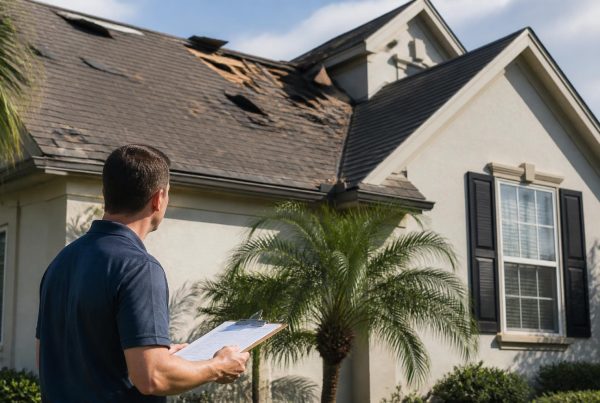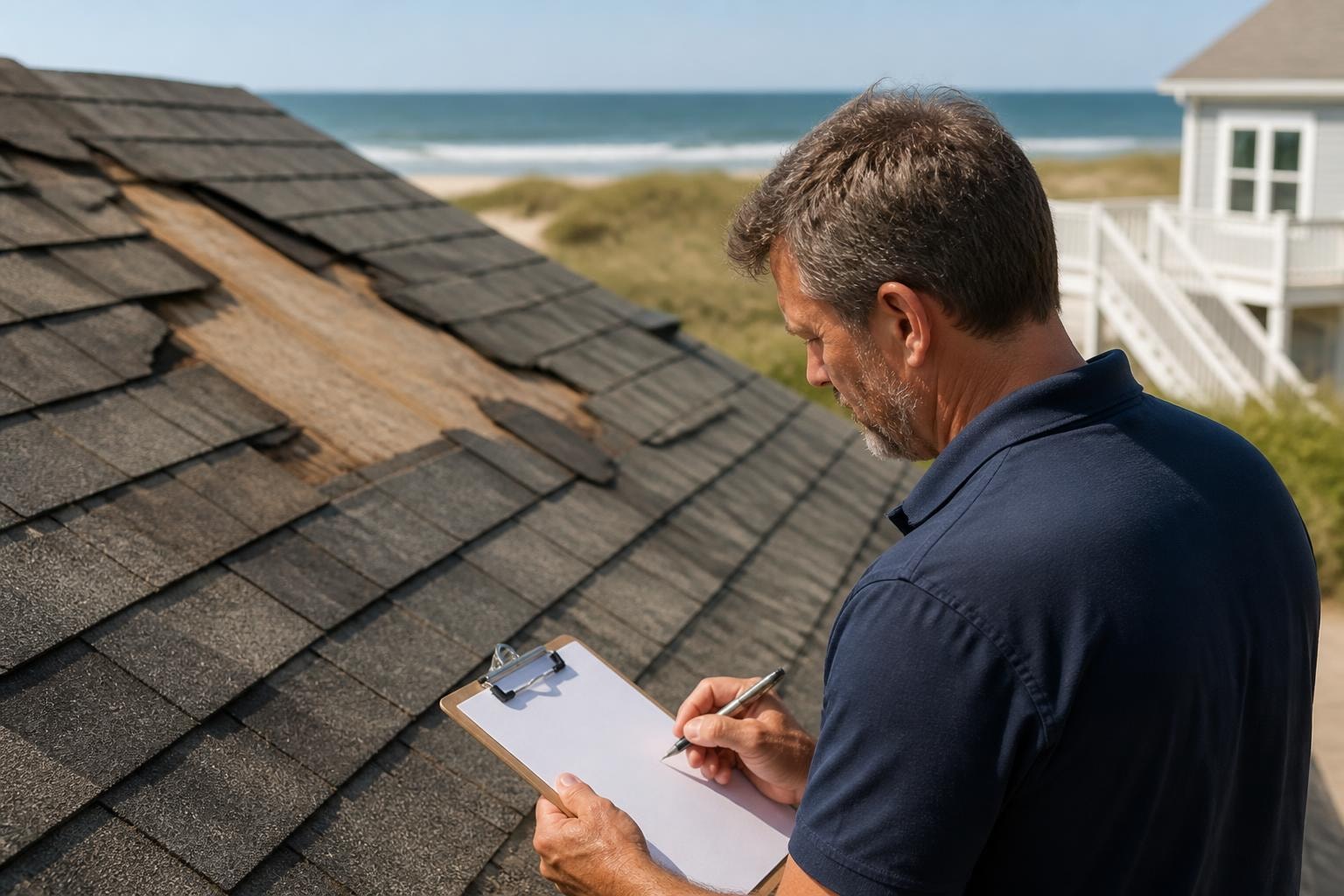
When you notice a water stain spreading across your ceiling or missing shingles after a storm, the first question is always about cost. Understanding how much is roof repair Topsail NC means looking beyond simple averages and considering what actually affects your final bill. Topsail homeowners face unique challenges thanks to salt air, hurricane season, and coastal weather patterns that can turn small problems into bigger ones fast. This guide breaks down real repair costs, explains what drives pricing up or down, and helps you understand what you're paying for when you call a roofing contractor.
What Drives Roof Repair Costs in Topsail
Coastal location changes everything when it comes to roofing expenses. Topsail sits directly in hurricane territory, which means your roof takes more abuse than homes just 30 miles inland.
Salt air accelerates wear on roofing materials. Metal flashing corrodes faster, shingles lose granules more quickly, and sealants break down under constant exposure to moisture and UV rays. This environmental factor affects both how often repairs are needed and how extensive they become.
Several specific elements determine how much is roof repair Topsail NC for your particular situation:
- Damage extent: A single missing shingle costs far less than replacing an entire section
- Material type: Asphalt shingle repairs run cheaper than metal or tile work
- Roof accessibility: Steep pitches or multi-story homes increase labor time
- Timing: Emergency repairs after storms command premium pricing
- Structural issues: Wood rot or deck damage adds significant cost beyond surface fixes
Location also impacts material availability and contractor scheduling. Topsail's island geography means supplies sometimes take longer to arrive, and popular contractors book weeks ahead during busy seasons.
Average Repair Costs by Damage Type
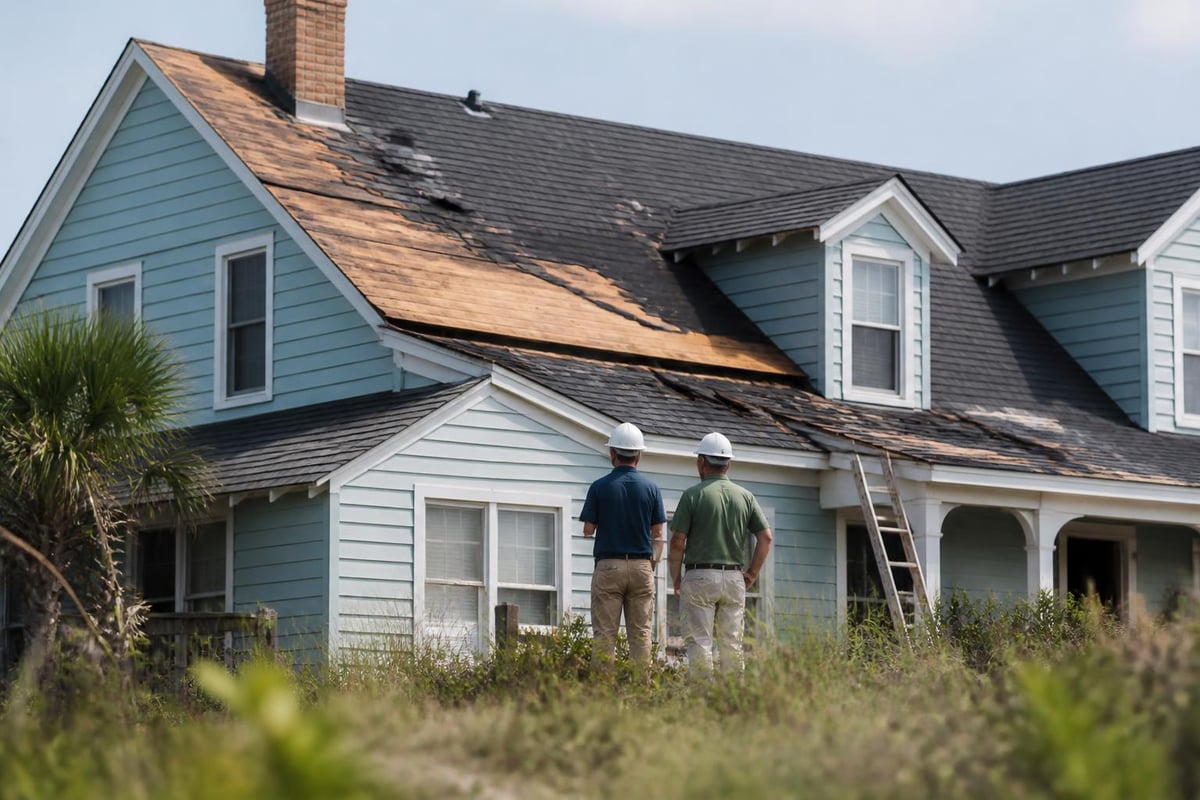
Breaking down costs by specific repair types gives you a clearer picture than broad averages. Here's what Topsail homeowners typically face:
Minor Shingle Repairs
Replacing a few missing or damaged shingles usually runs between $150 and $400. This includes labor, materials, and matching your existing roof color. The job takes a couple of hours for most contractors.
Wind damage from afternoon thunderstorms often creates this scenario. You'll see curled edges, missing tabs, or complete shingle loss in exposed areas like ridges and corners.
Leak Repairs
Finding and fixing a leak ranges from $300 to $1,200 depending on the source. Simple flashing repairs sit on the lower end, while tracking down hidden leaks through multiple layers pushes costs higher.
According to detailed North Carolina roof repair estimates, leak repairs account for the majority of service calls across the state, with coastal areas seeing higher frequencies due to storm exposure.
Flashing Replacement
Chimney, skylight, and valley flashing repairs typically cost $400 to $1,000. These vulnerable transition points fail first in coastal environments because sealants break down faster.
Metal flashing corrodes from salt exposure. When you see rust stains or gaps around your chimney, that's flashing telling you it needs attention before water finds its way inside.
Storm Damage Repairs
Wind and debris damage repairs vary widely from $500 to $3,000 or more. A few torn shingles fall on the lower end, while widespread damage requiring multiple sections of replacement climbs quickly.
Hurricane season brings the most severe cases. Even tropical storms pack enough punch to lift shingles, especially on older roofs where sealant bonds have weakened over time.
| Repair Type | Typical Cost Range | Timeframe | Common in Topsail |
|---|---|---|---|
| Missing shingles (5-10) | $150 – $400 | 2-3 hours | Very common |
| Leak detection/repair | $300 – $1,200 | 3-6 hours | Common |
| Flashing replacement | $400 – $1,000 | 4-8 hours | Common |
| Storm damage (moderate) | $500 – $3,000 | 1-3 days | Seasonal |
| Valley repair | $600 – $1,500 | 1 day | Moderate |
Material Costs vs. Labor Costs
Understanding the split between materials and labor helps you evaluate quotes. For most repairs, labor represents 60-70% of your total bill.
Asphalt shingles remain the most affordable material for repairs. A bundle covering about 33 square feet costs $30 to $50, but you're really paying for the expertise to match your existing roof and properly seal new shingles.
Contractors charge $45 to $75 per hour in the Topsail area, with most repairs requiring a minimum two-hour charge. That covers travel time, setup, safety equipment, and cleanup.
The national averages for roof repair costs show similar labor-to-material ratios, though coastal regions typically run 15-20% higher due to environmental challenges and insurance requirements.
Why Labor Costs What It Does
Roofing isn't just physical work. You're paying for:
- Proper safety equipment including harnesses, anchors, and fall protection
- Liability insurance that protects you if something goes wrong
- Experience diagnosing problems correctly the first time
- Warranty backing on the workmanship
Unlicensed contractors might quote lower, but you lose protection if repairs fail or accidents happen on your property.
When Repairs Cost More Than Expected
Some repairs reveal bigger problems once work begins. This isn't contractors padding bills, it's the reality of what's hidden under shingles.
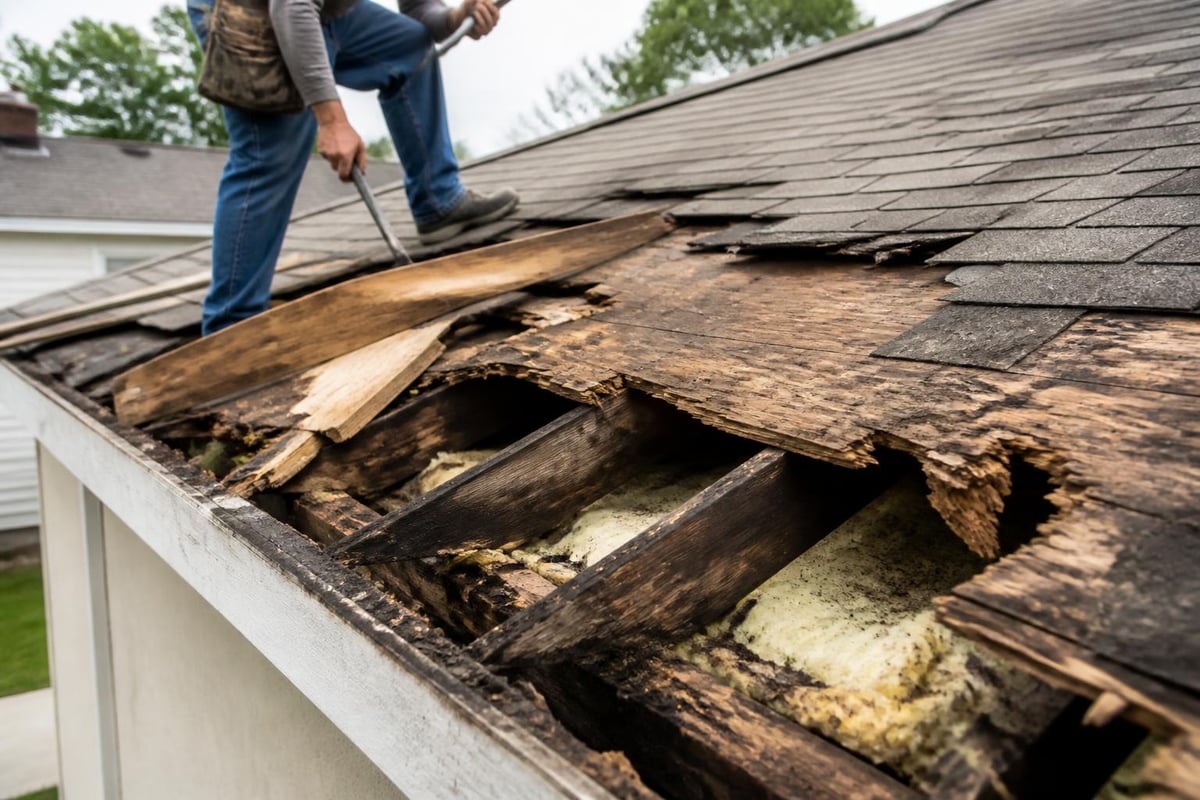
Rotted decking represents the most common surprise cost. Water that's been leaking for months or years damages the plywood underneath. You can't see it from the ground, but contractors discover it when they pull damaged shingles.
Replacing rotted deck sections adds $150 to $400 per 4×8 sheet, depending on plywood grade and accessibility. A small leak area might need one sheet. Extensive water damage could require several.
Other Hidden Cost Factors
- Code compliance updates: Older roofs sometimes need ventilation improvements
- Insulation damage: Water-soaked insulation must be replaced
- Soffit and fascia rot: Water running off damaged areas affects trim boards
- Mold remediation: Extended leaks create health hazards requiring specialist attention
Honest contractors explain these issues and show you the damage before proceeding. NC Roofs offers roof reports that document conditions so homeowners understand exactly what they're facing before any repair work begins.
Small Repairs vs. Section Replacement
Deciding between patching a problem area and replacing an entire section depends on damage concentration and roof age.
Patch repairs make sense when damage affects less than 10% of a roof section and the surrounding materials remain in good condition. You save money now and buy time before a larger project.
Section replacement becomes the better choice when damage spreads across a valley, entire slope, or multiple areas. The per-square-foot cost drops, and you get uniform new materials rather than a patchwork appearance.
Here's how costs compare:
| Approach | Cost Range | Best When | Longevity |
|---|---|---|---|
| Spot repair (under 100 sq ft) | $300 – $800 | Isolated damage, newer roof | 3-5 years |
| Section replacement (100-400 sq ft) | $800 – $2,500 | Concentrated damage area | 5-10 years |
| Multiple sections | $2,500 – $5,000 | Widespread but partial damage | 8-12 years |
The comprehensive roof repair cost breakdown shows that homeowners often face this decision after significant weather events, where initial damage assessment doesn't reveal the full extent until contractors begin work.
Emergency Repairs and Storm Response
Topsail's hurricane exposure means emergency repairs happen regularly during storm season. Costs change significantly when you need immediate response.
Emergency tarping typically runs $300 to $1,000 depending on roof size and damage extent. This temporary protection prevents further water intrusion while you wait for permanent repairs.
Permanent repairs after emergency tarping cost the same as standard work, but scheduling takes longer. Every contractor in the area gets slammed after major storms, creating weeks-long backlogs.
Managing Post-Storm Repair Costs
Document everything immediately. Take photos from the ground showing missing shingles, damaged flashing, or debris impacts before tarping happens. Insurance claims require proof of storm damage versus normal wear.
Get multiple quotes once the emergency passes. Prices shouldn't vary wildly for the same scope of work, and understanding how much is roof repair Topsail NC helps you identify fair pricing versus gouging.
Most homeowner repair guides recommend having your roof inspected annually in coastal areas, which catches small problems before they become emergency situations.
Insurance Claims and Repair Costs
Insurance coverage dramatically affects your out-of-pocket costs for storm damage repairs. Understanding how claims work saves money and frustration.
Most homeowner policies cover sudden damage from wind, hail, and falling objects. They don't cover gradual deterioration, poor maintenance, or normal wear. The difference matters when an adjuster evaluates your claim.
Your deductible applies first. If repairs cost $2,500 and you carry a $1,000 deductible, insurance covers $1,500. For smaller repairs under your deductible, you pay everything yourself.
Working with Adjusters
Insurance companies send adjusters to assess damage and determine coverage. Their estimate sometimes differs from contractor quotes, creating tension.
Detailed documentation helps. Professional roof reports that show damage extent, material needs, and code requirements give adjusters complete information rather than just visual inspection from the ground.
According to average repair costs by HomeAdvisor, homeowners who provide thorough documentation receive settlements closer to actual repair costs compared to those relying solely on adjuster assessments.
Seasonal Pricing Variations
When you schedule repairs affects what you pay. Topsail's weather patterns create distinct busy and slow seasons for roofing contractors.
Hurricane season (June through November) brings premium pricing and longer wait times. Demand spikes after every tropical system, and contractors book solid for weeks.
Winter months (December through February) offer the best pricing. Fewer homeowners think about roofing when temperatures drop, creating openings in contractor schedules. Materials cost the same, but labor rates sometimes flex lower.
Spring and fall sit in between. Weather cooperates for repairs, but you're not competing with emergency storm work. This represents the sweet spot for non-urgent repairs.
| Season | Demand Level | Typical Wait Time | Pricing |
|---|---|---|---|
| Winter (Dec-Feb) | Low | 1-2 weeks | Standard to 10% lower |
| Spring (Mar-May) | Moderate | 2-3 weeks | Standard |
| Summer/Hurricane (Jun-Nov) | High to Very High | 3-8 weeks | Standard to 20% higher |
| Fall (Sep-Nov) | Moderate to High | 2-4 weeks | Standard |
Getting Accurate Repair Estimates
Understanding how much is roof repair Topsail NC requires getting contractors to your property. Phone estimates miss too many variables.
Request on-site inspections from at least three contractors. Reputable companies offer free assessments that include roof access, photo documentation, and written estimates.
Quality estimates include specific details:
- Exact materials specified by brand and grade
- Square footage measurements for repair areas
- Labor breakdown showing hours or daily rates
- Warranty terms for both materials and workmanship
- Timeline from start to completion
Vague quotes with single lump-sum numbers don't give you enough information to compare options or understand what you're buying.
Red Flags in Estimates
Watch for these warning signs:
- Pressure to sign immediately with today-only pricing
- Requests for full payment upfront before work begins
- Prices far below competitors that seem too good to be true
- Unwillingness to provide references from recent local projects
- No physical business address or only cell phone contact
The Smart Roofing Calculator repair guide emphasizes that homeowners should feel comfortable asking questions and taking time to evaluate options rather than rushing decisions based on price alone.
DIY Repairs vs. Professional Work
Some homeowners consider handling repairs themselves to save money. The math isn't always as favorable as it seems.
Simple shingle replacement looks straightforward on YouTube, but coastal roofs require specific installation techniques. Improper sealing leads to wind uplift during the next storm.
Material costs stay the same whether you buy them or contractors do. You save the labor portion, but you also assume all liability for mistakes, injuries, and future failures.
When DIY Makes Sense
Very minor repairs on accessible single-story roofs fall within reach for handy homeowners:
- Replacing 1-2 shingles on a low-pitch roof
- Re-sealing loose flashing with proper roofing cement
- Clearing debris from valleys and gutters
Anything involving leaks, structural concerns, steep pitches, or heights above one story belongs in professional hands.
Real Cost Comparison
For a typical 10-shingle repair:
DIY approach: $75 materials + $150 ladder rental + $50 safety equipment + 6 hours labor = $275 plus significant risk
Professional approach: $350 with warranty, insurance coverage, and expertise
You save $75 but take on injury risk and responsibility if the repair fails. Most homeowners find that trade-off unappealing when dealing with their largest investment.
Roof Age and Repair Economics
How old your roof is changes the repair-versus-replace calculation. Coastal exposure accelerates aging, making this decision timeline shorter than inland homes.
Asphalt shingle roofs in Topsail typically last 15-20 years versus 20-25 years inland. Salt air and intense UV exposure reduce lifespan by 20-30%.
When your roof hits the 12-15 year mark, evaluate repairs differently:
- Minor repairs (under $500) still make sense
- Major repairs (over $1,500) deserve comparison against replacement costs
- Multiple repair needs signal the roof is reaching end-of-life
North Carolina roof replacement costs show that complete replacement runs $5,000 to $12,000 for typical Topsail homes, which helps frame whether spending $2,500 on repairs makes financial sense.
The Five-Year Rule
If your roof has less than five years of useful life remaining and repair costs exceed 25% of replacement cost, replacement usually offers better value.
Example scenario: 14-year-old roof needs $2,000 in repairs, replacement costs $8,000. That's 25% of replacement cost with maybe 3-4 years of remaining life. Replacement delivers better long-term economics.
Maintenance That Prevents Costly Repairs
Regular attention catches small problems before they escalate into expensive repairs. Coastal roofs need more frequent checks than inland counterparts.
Annual inspections should happen before hurricane season starts. A contractor walks your roof, documents current condition, and identifies minor issues that need attention.
These inspections cost $150 to $300 but typically save thousands by catching problems early:
- Lifted shingle corners that need re-sealing
- Corroded flashing before it fully fails
- Clogged valleys channeling water incorrectly
- Loose fasteners that will blow off in the next storm
Homeowners can also perform ground-level checks after every significant weather event. Binoculars work fine for spotting obvious damage like missing shingles or damaged flashing.
Simple Maintenance Tasks
Between professional inspections:
- Keep gutters clean to prevent water backup under shingles
- Trim overhanging branches that drop debris and scrape surfaces
- Remove moss or algae as soon as you notice growth
- Check attic spaces for water stains after heavy rains
According to detailed roof repair pricing guides, homeowners who maintain their roofs consistently spend 40-60% less on repairs over the roof's lifetime compared to those who only address problems after damage becomes obvious.
Financing Options for Unexpected Repairs
Not every homeowner has $1,500 sitting available when a leak appears. Several financing paths exist for necessary repairs.
Home equity lines of credit (HELOCs) offer the lowest interest rates if you have sufficient equity and good credit. You borrow what you need and pay interest only on the amount used.
Credit cards work for smaller repairs under $1,000, especially if you can pay the balance quickly. Many cards offer 0% introductory periods that eliminate interest costs.
Contractor payment plans exist through some companies, though these often carry higher interest rates than traditional loans. Read terms carefully before signing.
Emergency Fund Approach
The best financing is money you already have. Setting aside $100 monthly creates a $1,200 annual roof fund that covers most minor repairs without borrowing.
For Topsail homeowners, this emergency fund approach makes particular sense given the regularity of weather events that damage roofs. You're not gambling on whether repairs will be needed, just when.
Choosing the Right Contractor
Who performs your repairs matters as much as what those repairs cost. The lowest bid often creates the most expensive outcome when work fails prematurely.
Licensed and insured contractors protect you legally and financially. North Carolina requires roofing contractors to carry general liability insurance and workers' compensation coverage.
Check these credentials before hiring anyone:
- Active state licensing through the NC Licensing Board
- Current general liability insurance certificate
- Workers' compensation coverage or exemption
- Physical business location, not just a phone number
- References from recent projects in your area
Local contractors familiar with Topsail's specific challenges understand coastal building codes, material requirements, and weather patterns better than companies from inland areas.
Questions to Ask Every Contractor
Before accepting any bid, get clear answers to:
- How long have you worked in coastal North Carolina?
- What warranties cover your workmanship and materials?
- Who supervises the actual work crew?
- What happens if weather delays the project?
- How do you handle unexpected damage discovered during repairs?
Contractors who answer these questions directly and completely demonstrate the professionalism you want handling your roof.
Understanding Warranty Coverage
Every repair should include warranty protection, but coverage varies significantly between contractors and materials.
Workmanship warranties from the contractor typically run 1-5 years and cover installation defects. If shingles blow off because they weren't properly fastened, the contractor returns and fixes it free.
Material warranties from manufacturers cover product defects. Asphalt shingles usually carry 20-30 year material warranties, though prorated structures mean coverage value decreases over time.
Read warranty terms carefully. Many exclude damage from subsequent storms, neglect, or normal wear. Understanding what's actually covered prevents surprises when you need to make a claim.
Transferable vs. Non-Transferable
If you might sell your home before the warranty expires, transferability matters. Some warranties transfer to new owners, maintaining value. Others expire when ownership changes, providing no benefit to buyers.
Higher-tier materials often include better warranty terms. This becomes part of the value calculation when deciding between standard and premium repair materials.
Knowing how much is roof repair Topsail NC helps you budget for coastal homeownership and make informed decisions when damage occurs. Costs vary based on damage extent, materials, timing, and your roof's overall condition, but understanding these factors puts you in control of the process. NC Roofs serves Topsail and surrounding coastal communities with transparent pricing, honest assessments, and repairs focused on what your roof actually needs rather than unnecessary upsells.