Searching for flat roofers near me usually means something needs attention. Maybe you've noticed pooling water after a storm, visible membrane damage, or leaks showing up inside. Flat roofs require specialized knowledge that differs from pitched systems, so finding a contractor who understands low-slope construction, drainage, and membrane options matters more than convenience alone. In coastal North Carolina, where commercial buildings, older homes, and modern additions often feature flat roofs, knowing how to evaluate local contractors helps homeowners make decisions based on real expertise rather than availability.
Why Flat Roof Experience Matters
Not every roofing contractor works regularly with flat systems. The materials, installation methods, and long-term performance requirements differ significantly from asphalt shingles or metal panels.
Different Skill Sets Required
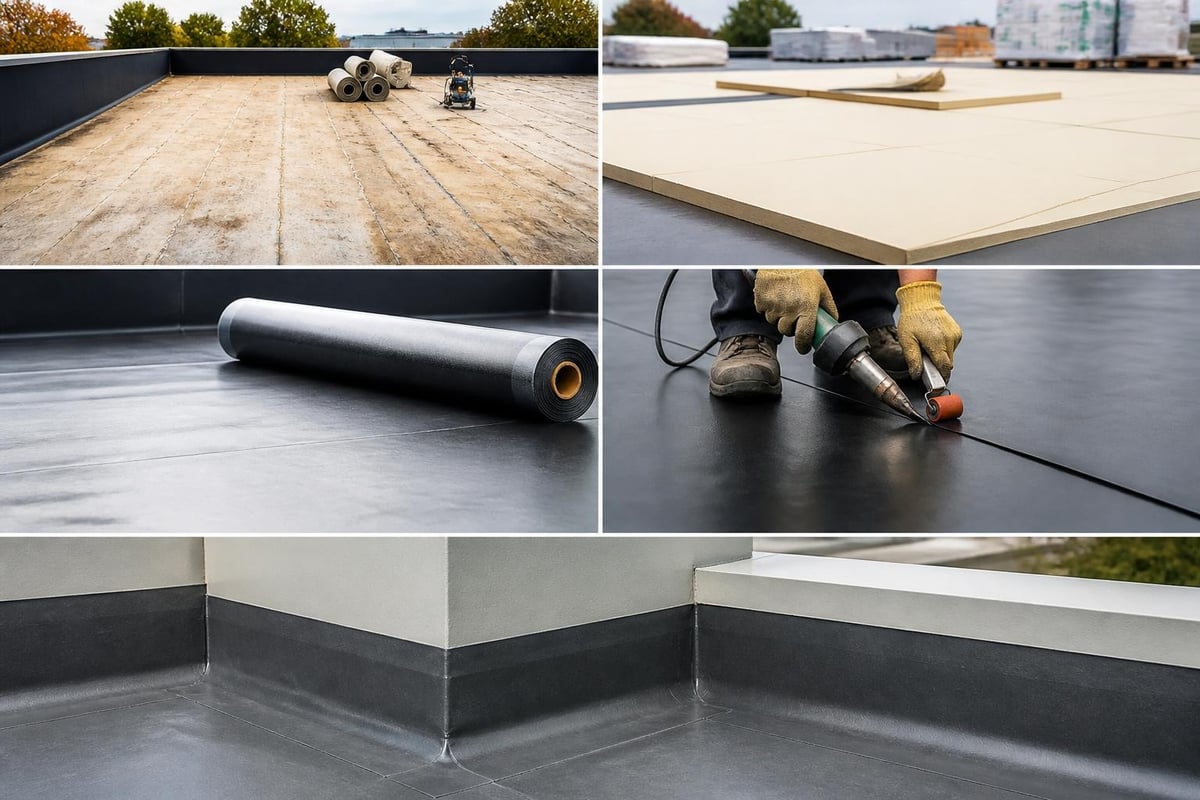
Flat roofs rely on membrane systems, proper drainage design, and seamless waterproofing rather than gravity alone. A contractor experienced with TPO, EPDM, or built-up roofing understands how to handle seams, flashings, and penetrations that can become leak points when installed incorrectly.
These systems also require knowledge of insulation placement, vapor barriers, and how coastal humidity affects material choices. Someone who primarily installs shingle roofs may lack the specific training needed for low-slope applications.
Material Selection Differences
When you search for flat roofers near me, you want someone who can explain material tradeoffs clearly:
- EPDM (rubber): Durable, UV-resistant, good for coastal environments, typically black which absorbs heat
- TPO (thermoplastic): Heat-welded seams, white or light-colored for energy efficiency, growing popularity
- PVC: Chemical-resistant, welded seams, higher cost but long lifespan
- Modified bitumen: Torch-applied or cold-adhesive, multiple plies, traditional proven system
- Built-up roofing (BUR): Layers of tar and gravel, heavy but extremely durable when properly maintained
Each material performs differently in Eastern North Carolina's climate. Heat, salt air, and hurricane-force winds create specific demands that influence which system makes sense for your situation.
According to the NRCA’s technical roofing guidelines, proper material selection accounts for building type, environmental exposure, drainage design, and expected service life, not just initial cost.
What to Look for When Searching Flat Roofers Near Me
Finding qualified contractors requires more than reading reviews. You need to verify specific credentials and experience that apply to flat roof systems.
License and Insurance Verification
Every flat roof contractor should carry:
- General contractor's license issued by the state (North Carolina requires licensure for projects over $30,000)
- Liability insurance covering property damage during work
- Workers' compensation protecting you from injury claims
- Manufacturer certifications for the specific materials they install
Ask for proof directly. Licensed contractors won't hesitate to provide documentation, and you can verify North Carolina licenses through the state licensing board website.
Experience with Your Roof Type
During your search for flat roofers near me, ask specific questions:
- How many flat roofs have you completed in the past year?
- What percentage of your work involves low-slope systems?
- Which membrane types do you install most often?
- Can you provide references for similar projects nearby?
Contractors who specialize in flat roofing will have detailed answers and a portfolio of completed work. General roofers who occasionally handle flat projects may lack the depth of experience needed for proper installation.
| Question to Ask | Why It Matters | What to Listen For |
|---|---|---|
| Years installing flat roofs specifically | Experience with material behavior | 5+ years focused on low-slope systems |
| Manufacturer training/certifications | Technical knowledge and warranty eligibility | Named certifications (GAF, Firestone, etc.) |
| Approach to drainage issues | Problem-solving capability | Detailed explanation of slope, scuppers, drains |
| Warranty offerings | Confidence in workmanship | Written labor warranty 5+ years, material warranty details |
Local Knowledge and References
Coastal conditions affect flat roof performance. Salt air accelerates fastener corrosion, high winds test membrane adhesion, and heavy rains reveal drainage inadequacies quickly.
Local contractors understand these regional factors because they've dealt with the same weather patterns affecting your roof. They know which products hold up best and which installation details prevent common failures.
Ask for references within 20 miles of your location. Contact those homeowners and ask about communication, project duration, cleanup, and whether any issues arose after completion.
Understanding Flat Roof Installation Methods
How your flat roof gets installed affects its long-term performance as much as the material choice itself.
Attachment Systems
Flat roofers near me should explain whether they recommend:
- Fully adhered: Membrane glued to substrate across entire surface, most wind-resistant, best for coastal areas
- Mechanically attached: Fasteners secure membrane through plates or battens, faster installation, lower cost
- Ballasted: Loose-laid membrane held down by river rock or pavers, requires strong roof structure
Each method has specific applications. A qualified contractor matches the attachment method to your building's structure, exposure level, and local wind loads rather than defaulting to their preferred approach.
The EPA’s guidance on cool roofs notes that attachment method can affect a roof's energy performance, since mechanically attached systems may have less continuous insulation than fully adhered applications.
Drainage Design
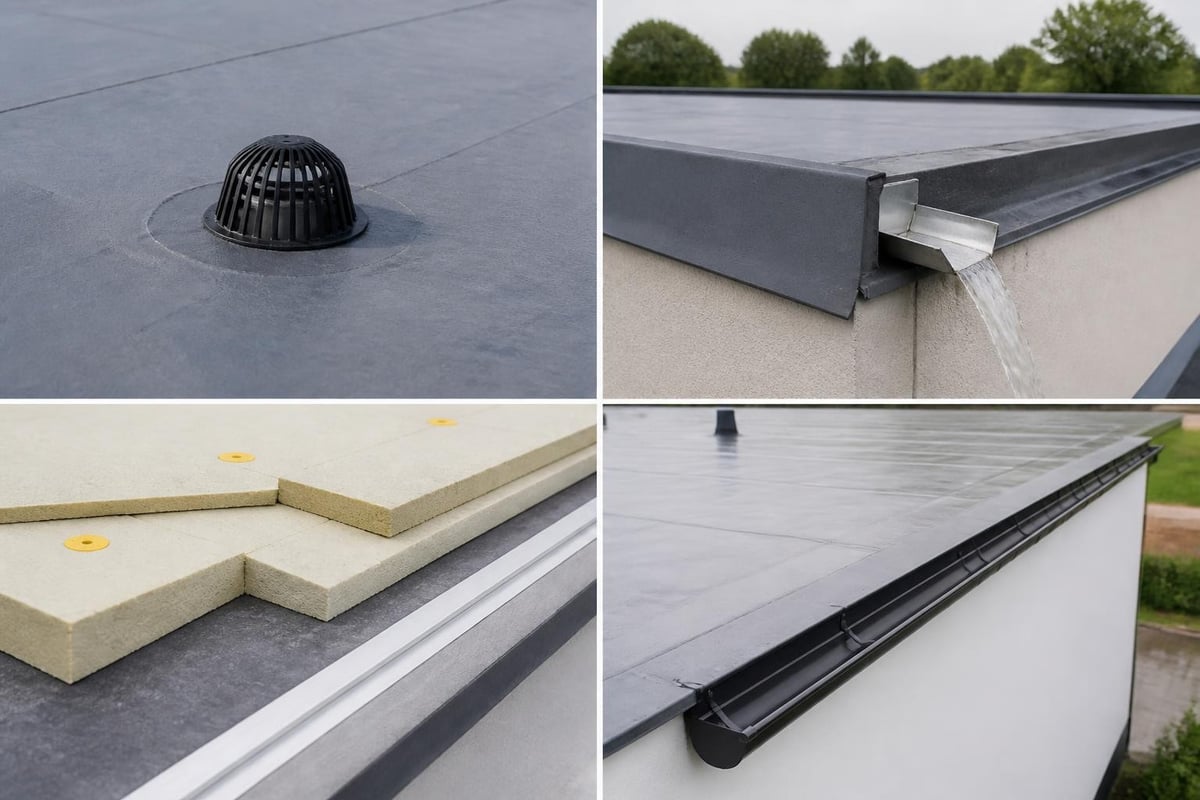
Proper drainage is critical for flat roof longevity. Despite the name, flat roofs should slope at least ¼ inch per foot toward drains, scuppers, or edge gutters.
Standing water (ponding) that remains more than 48 hours after rain accelerates membrane degradation, promotes algae growth, and increases leak risk. Your contractor should inspect existing drainage and address any low spots or inadequate slope during installation.
Flashing and Penetration Details
Most flat roof leaks occur at transitions, not in the field of the membrane. Vents, HVAC units, parapets, and roof edges require careful flashing that accounts for thermal movement and water flow.
When evaluating flat roofers near me, ask how they handle:
- Curb flashing around equipment
- Parapet wall transitions
- Pipe boot installations
- Roof-to-wall connections
- Edge terminations
Detailed answers with specific techniques (cant strips, counter-flashing, termination bars) indicate genuine expertise. Vague responses suggest limited experience with the critical details that prevent leaks.
Cost Factors for Flat Roof Projects
Understanding what drives flat roof pricing helps you evaluate estimates accurately and avoid both overpriced bids and suspiciously low quotes.
Material Costs by System
Flat roofing materials vary significantly in price per square foot:
| Material Type | Typical Cost Range (per sq ft, installed) | Expected Lifespan | Best For |
|---|---|---|---|
| EPDM (rubber) | $4.50 – $7.50 | 20-25 years | Budget-conscious, proven performance |
| TPO | $5.50 – $8.50 | 15-20 years | Energy efficiency, heat reflection |
| PVC | $7.00 – $12.00 | 20-30 years | Chemical exposure, premium durability |
| Modified bitumen | $4.00 – $7.00 | 15-20 years | Traditional systems, multi-ply strength |
| Built-up (BUR) | $6.00 – $10.00 | 20-30 years | Heavy traffic, maximum protection |
These ranges include labor, materials, and basic accessories. Your actual cost depends on roof size, complexity, access difficulty, and removal of existing materials.
Additional Cost Drivers
Beyond base material selection, several factors increase project costs:
- Insulation upgrades: Adding or improving insulation improves energy efficiency but adds $1-3 per square foot
- Deck repairs: Damaged plywood or structural members require replacement before new membrane installation
- Drainage improvements: Installing new drains, adding tapered insulation for slope, or upgrading scuppers
- Equipment removal and reinstallation: HVAC units or solar panels must be temporarily removed and reset
- Parapet repairs: Damaged walls or copings need fixing before flashing installation
Detailed estimates itemize these elements separately. Be suspicious of single-line bids that don't break down material, labor, and extras.
The Consumer Reports roofing buying guide recommends getting at least three written estimates and understanding exactly what each includes before making decisions.
Questions to Ask During Estimates
When flat roofers near me visit your property, the estimate process reveals their thoroughness and honesty.
Inspection Depth
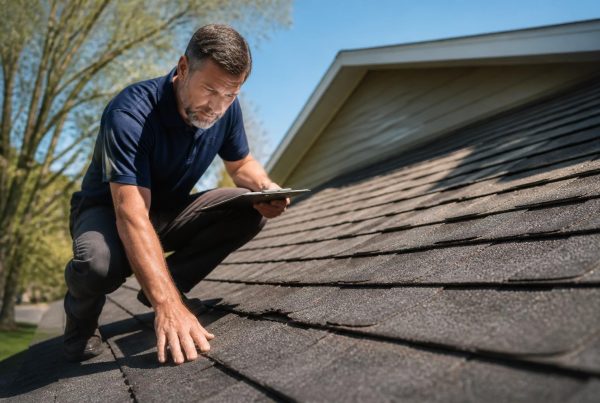
Quality contractors thoroughly inspect your existing roof before quoting. They should:
- Walk the entire roof surface
- Check all penetrations and flashings
- Examine drainage and ponding areas
- Look inside for leak evidence or moisture damage
- Document findings with photos
Contractors who quote from the ground or after a quick glance lack the information needed for accurate pricing. Detailed inspections often reveal issues not visible from below that affect scope and cost.
Warranty Coverage
Ask about both material and labor warranties:
- Manufacturer's warranty: Covers membrane defects, typically 10-20 years depending on product
- Contractor's workmanship warranty: Covers installation errors and leaks, should be minimum 5 years
- System warranty: Some manufacturers offer extended coverage when certified contractors install complete systems (membrane, insulation, accessories)
Get warranty details in writing. Understand what voids coverage and who to contact if issues arise. Many homeowners searching for flat roofers near me don't realize that improper maintenance or unauthorized repairs can void manufacturer warranties.
When Repair Makes More Sense Than Replacement
Not every flat roof issue requires complete replacement. Experienced contractors assess whether targeted repairs extend your roof's life without the expense of full tear-off.
Repair-Worthy Issues
Several common problems respond well to repair:
- Small membrane punctures or tears: Can be patched with compatible materials and sealants
- Failed seam sections: Individual seams can be re-welded or re-sealed without disturbing surrounding areas
- Localized blistering: Surface bubbles can be cut, dried, and patched if the underlying membrane remains sound
- Flashing failures: Most flashing issues result from improper installation or aging sealants, both fixable without membrane replacement
If your roof is less than halfway through its expected lifespan and damage is limited to specific areas, repair often makes financial sense. A roof report can document current conditions and help you understand whether repair or replacement fits your situation better.
When Replacement Is Necessary
Complete replacement makes sense when:
- The membrane has reached or exceeded its expected lifespan
- Multiple areas show failure across the roof surface
- Underlying insulation or deck has sustained moisture damage
- Ponding water indicates structural slope problems requiring full rebuild
- Building energy codes require insulation upgrades during reroofing
Honest contractors explain the tradeoffs clearly. Be wary of anyone who pushes replacement without showing you documented evidence of widespread failure.

Energy Efficiency Considerations
Flat roofs offer unique opportunities for improving home energy performance that pitched roofs can't match as easily.
Cool Roof Options
Light-colored or reflective membranes significantly reduce heat absorption compared to traditional dark surfaces. White TPO or coated EPDM can lower surface temperatures by 50-80 degrees on summer days.
This matters in coastal North Carolina where air conditioning costs drive summer utility bills. According to Building America research on roof assemblies, reflective roofing can reduce cooling energy use by 10-15% depending on building type and insulation levels.
The Cool Roof Rating Council provides independent testing data on solar reflectance and thermal emittance for various roofing products, helping homeowners compare energy performance.
Insulation Improvements
Flat roof replacement provides an opportunity to upgrade insulation that would be expensive or impossible to access otherwise:
- Continuous insulation layers: Eliminate thermal bridging through roof structure
- Tapered insulation systems: Create positive drainage while adding R-value
- High-performance rigid foam: Polyiso or XPS boards provide excellent R-value per inch
Building codes have become more stringent over time. If your flat roof dates back 20+ years, current insulation likely falls short of modern standards. Upgrading during reroofing improves comfort and reduces energy waste permanently.
Red Flags to Avoid During Your Search
Not every contractor who appears in results for flat roofers near me deserves your business. Watch for warning signs that indicate inexperience or dishonest practices.
Pressure Tactics and Limited-Time Offers
Legitimate roofing contractors don't pressure you into immediate decisions. Claims that special pricing expires today or that materials are only available this week are sales tactics, not real constraints.
Good contractors provide written estimates valid for 30-60 days and give you time to compare options, check references, and arrange financing if needed.
Requiring Full Payment Upfront
Standard practice involves a deposit (typically 10-30%) to secure scheduling and order materials, with the balance due upon satisfactory completion. Contractors who demand full payment before starting work may be having cash flow problems or planning to disappear.
Never pay the full amount until work is complete and you've verified quality. This protects you if problems arise or the contractor abandons the project.
Lack of Local Presence
Contractors without a verifiable local address, local references, or established business history may be storm chasers who disappear after collecting payment. While out-of-area contractors aren't automatically problematic, those who can't provide local verification require extra scrutiny.
Check Google Maps for their business location, verify their license address with the state, and search for online reviews mentioning their responsiveness after project completion.
Understanding Flat Roof Maintenance
Once you've hired flat roofers near me and completed your project, regular maintenance extends the roof's lifespan and prevents small issues from becoming expensive problems.
Recommended Inspection Schedule
Flat roofs benefit from professional inspection:
- Twice yearly: Spring and fall inspections catch seasonal damage
- After major storms: Hurricane-force winds and heavy rain can cause damage not immediately visible from inside
- Before warranty expiration: Document roof condition before manufacturer coverage ends
Many contractors offer maintenance plans that include scheduled inspections, minor repairs, and drain cleaning. These programs cost less than emergency leak repairs and help catch problems early.
Technical guidance from Building Science Corporation emphasizes that proper maintenance and timely minor repairs significantly extend flat roof service life compared to neglected systems.
DIY Maintenance Tasks
Homeowners can handle several maintenance tasks safely:
- Clear debris from drains and gutters monthly during leaf-fall season
- Remove standing leaves and branches after storms
- Check visible flashing and sealants from ground level or through windows
- Monitor for interior leak signs like staining, peeling paint, or musty odors
- Document ponding water areas after rain to discuss with contractors
Avoid walking on your flat roof unnecessarily. Even durable membranes can be damaged by foot traffic, especially in summer heat when materials soften. Leave actual roof access to professionals with proper training and equipment.
Local Considerations for Eastern North Carolina
Coastal conditions create specific challenges that influence how you should approach your search for flat roofers near me in this region.
Hurricane and Wind Resistance
Wind uplift is the primary failure mode for flat roofs in coastal areas. Hurricane-force winds create negative pressure that tries to pull membranes off the deck. Proper attachment methods and edge detailing resist these forces.
Look for contractors familiar with coastal building codes and wind load calculations. In Eastern North Carolina, roofs should be designed for sustained winds of 110-140 mph depending on exact location and building height.
Fully adhered systems generally outperform mechanically attached roofs in high-wind environments. Discuss wind resistance specifically when comparing installation methods.
Salt Air and Corrosion
Proximity to the ocean accelerates corrosion of metal components including fasteners, flashings, and HVAC equipment. Contractors experienced with coastal installations specify stainless steel or heavily coated fasteners and use corrosion-resistant materials at vulnerable points.
Ask how your contractor addresses salt air exposure. Generic answers suggest they haven't adapted their approach to coastal conditions.
Humidity and Moisture Management
High humidity year-round increases condensation risk in roof assemblies. Proper vapor barrier placement and ventilation design prevent moisture accumulation that degrades insulation and promotes mold growth.
The ARMA’s technical guidance on low-slope roofing addresses moisture management strategies specific to humid climates and explains how membrane selection affects vapor permeability.
Making Your Final Decision
After gathering estimates and checking references, several factors should guide your choice among flat roofers near me.
Beyond the Lowest Price
The cheapest bid often becomes the most expensive choice. Contractors who dramatically undercut competitors may be:
- Using lower-grade materials than specified
- Planning to cut corners on installation details
- Lacking proper insurance or licensing
- Unlikely to honor warranties or return for callbacks
Look for fair pricing that reflects quality materials, proper installation, and business stability. The middle-range estimates often represent contractors who balance competitive pricing with sustainable business practices.
Communication and Professionalism
How contractors communicate during the estimate process predicts how they'll handle your project:
- Do they return calls and emails promptly?
- Can they explain technical details in understandable terms?
- Do they listen to your concerns and priorities?
- Are estimates detailed and written clearly?
Poor communication before the contract leads to misunderstandings, delays, and frustration during work. Choose contractors who demonstrate professionalism and responsiveness from first contact.
Contract Details
Before signing anything, ensure your contract includes:
- Complete scope of work with specific materials, brands, and installation methods
- Total cost breakdown itemizing materials, labor, disposal, and extras
- Project timeline with start and completion dates
- Payment schedule tied to project milestones
- Warranty information for both materials and workmanship
- Cleanup and disposal responsibilities
- Change order procedures if unexpected issues arise
Read everything before signing. Ask questions about anything unclear. Legitimate contractors welcome questions and provide clear answers.
Finding qualified flat roofers near me requires more research than a simple online search, but the investment of time protects you from costly mistakes and ensures your roof performs reliably for decades. When you need honest assessment and quality work on your flat roof in Eastern North Carolina's coastal communities, NC Roofs provides clear guidance and skilled installation focused on your home's actual needs rather than unnecessary upsells.