When your roof shows signs of age but hasn't failed completely, you face a difficult choice. Replace the entire system at considerable expense, or explore alternatives that might buy you more time. Total roof restoration offers a middle ground that many Eastern North Carolina homeowners never knew existed. This process can extend your roof's serviceable life by 10 to 15 years while costing significantly less than a complete tear-off and replacement. Understanding what restoration involves and when it makes financial sense helps you make the right decision for your home and budget.
What Total Roof Restoration Actually Means
Total roof restoration is a comprehensive process that renews your existing roof system without removing and replacing it entirely. The approach addresses wear, weathering, and minor damage through cleaning, repairs, and protective coatings.
Unlike patching a few shingles or fixing isolated leaks, restoration treats the entire roof surface as a system. It starts with a thorough inspection to identify problem areas, followed by cleaning to remove debris, moss, and algae. Any damaged components get repaired or replaced. Finally, specialized coatings are applied to seal the surface and protect against future weather damage.
The Main Components of Restoration Work
A proper total roof restoration includes several distinct phases that build on each other:
- Comprehensive inspection to document current condition and identify all damage
- Power washing to remove organic growth, dirt, and loose granules
- Structural repairs for damaged decking, sagging areas, or ventilation issues
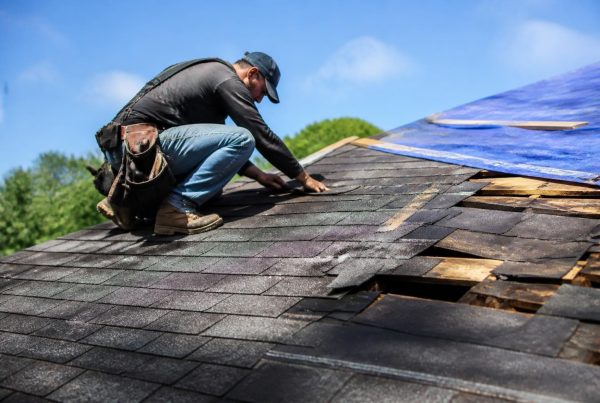
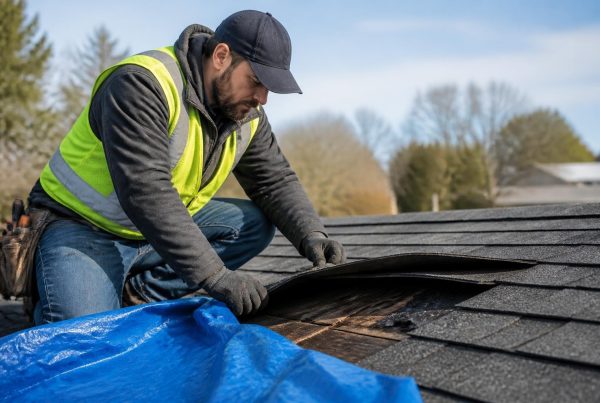
- Surface repairs including replacing missing shingles or damaged flashings
- Primer application to ensure proper adhesion of protective coatings
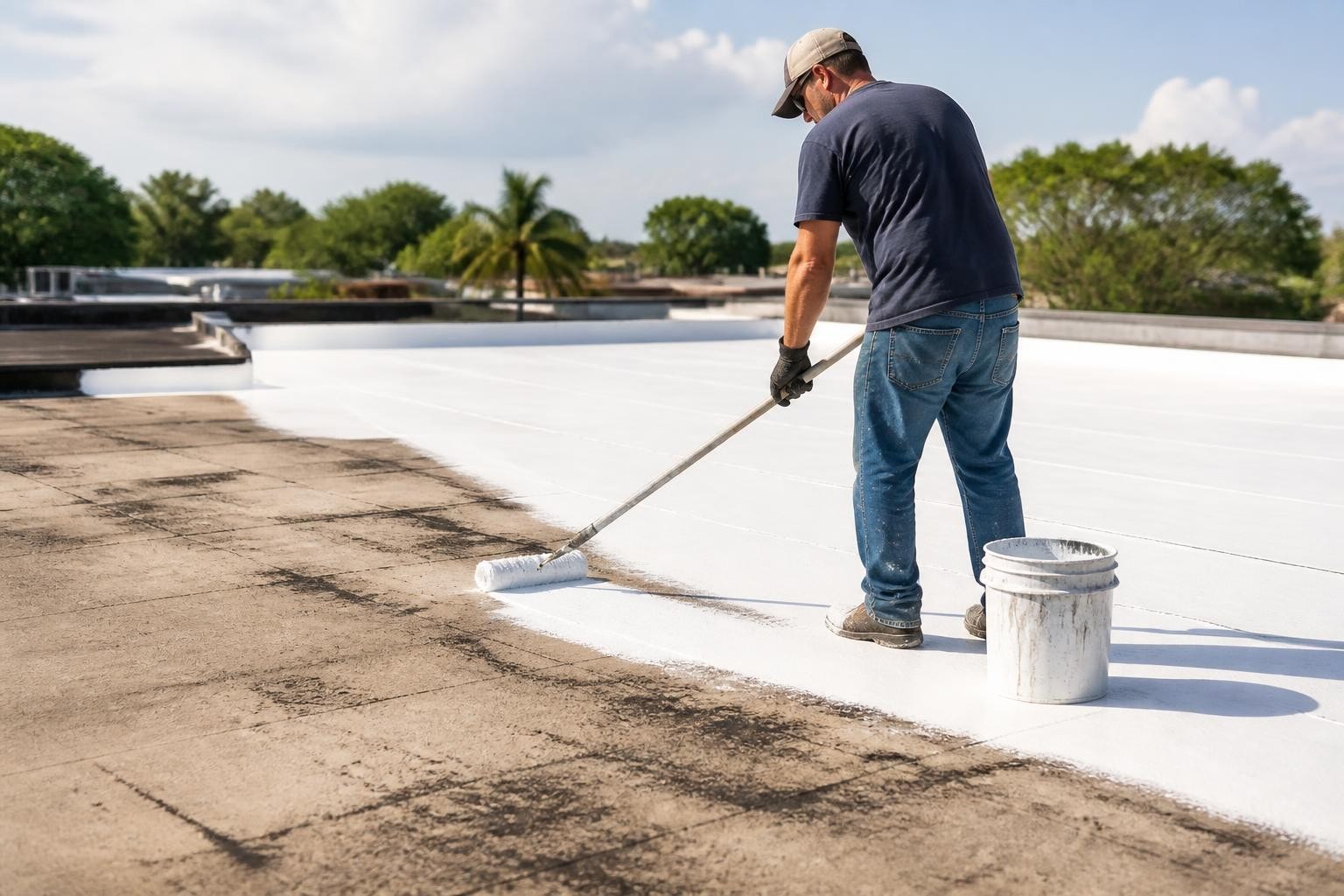
- Top coat application using elastomeric or acrylic roof coatings
- Detail work around penetrations, edges, and transitions
Each step matters. Skipping the cleaning phase means coatings won't adhere properly. Ignoring structural issues creates problems that coatings can't fix. The sequence ensures the restored roof performs as intended.
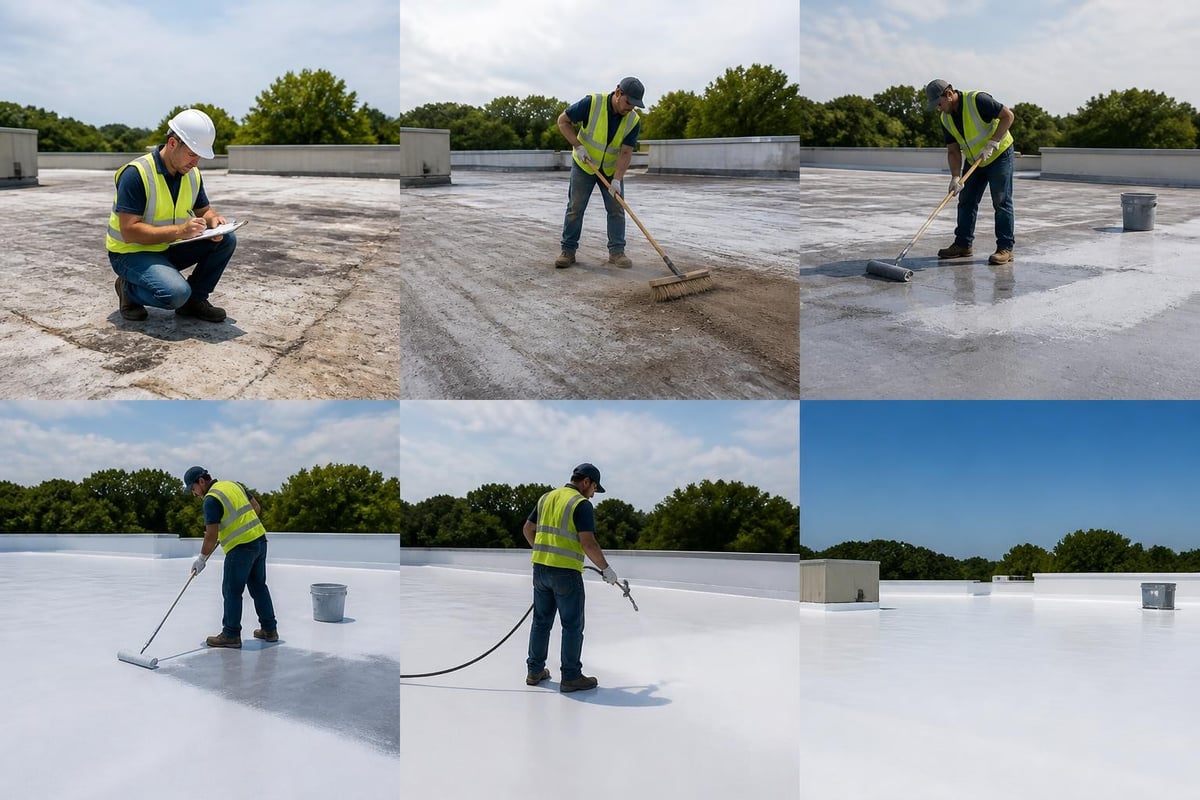
Most restoration projects take three to five days for a typical residential roof, depending on size and complexity. Weather plays a role since most coating products require dry conditions and moderate temperatures for proper curing.
When Restoration Makes More Sense Than Replacement
Not every aging roof qualifies as a restoration candidate. The decision depends on current condition, remaining lifespan, and cost comparison.
Ideal candidates for total roof restoration include roofs that are 60 to 80 percent through their expected lifespan but still structurally sound. An asphalt shingle roof rated for 25 years might be an excellent restoration candidate at year 15 or 18. The shingles show weathering and some granule loss, but the underlying structure remains solid.
Signs Your Roof Might Benefit From Restoration
| Good Signs for Restoration | Red Flags Against Restoration |
|---|---|
| Moderate granule loss but shingles intact | Multiple layers of old roofing |
| Minor curling at edges only | Widespread water damage inside |
| Isolated leak points that can be repaired | Sagging or structural failure |
| Faded appearance but no missing sections | Extensive rot in decking |
| Good ventilation and no moisture issues | Active leaks in multiple areas |
According to the National Roofing Contractors Association (NRCA) 2025 Roofing Manual, proper assessment of existing conditions determines whether restoration is viable or if replacement is the only responsible option.
The cost difference drives many restoration decisions. A total roof restoration typically costs 40 to 60 percent less than complete replacement. For a 2,000 square foot home in coastal North Carolina, that might mean $4,500 to $7,000 for restoration versus $12,000 to $18,000 for replacement.
The Restoration Process Step by Step
Understanding what actually happens during total roof restoration helps set realistic expectations and identify quality contractors.
Initial Assessment and Planning
Every restoration starts with documentation. A thorough roof inspection identifies damage, measures remaining material life, and spots underlying problems. This assessment determines whether restoration is appropriate or if you're just delaying inevitable replacement.
Good contractors provide detailed findings before quoting restoration work. You should receive photos of problem areas, explanations of what needs repair, and honest recommendations about whether restoration makes sense. If a contractor pushes restoration without documenting current conditions, walk away.
Some homeowners request a Roof Report to get an independent assessment of their roof's condition before deciding between repair, restoration, or replacement. This documentation proves especially valuable when comparing contractor recommendations or filing insurance claims.
Surface Preparation
Cleaning represents the most labor-intensive restoration phase. Power washing removes years of accumulated debris, biological growth, and loose material. The goal is reaching clean, sound substrate for coating adhesion.
This step reveals hidden problems. Washing might expose additional damaged shingles, deteriorated flashing, or areas where water has penetrated. Addressing these discoveries before coating application prevents coating failure and wasted money.
- Set up containment to protect landscaping and surrounding areas
- Apply cleaning solution formulated for roofing materials
- Power wash using appropriate pressure to avoid damage
- Allow complete drying for 24 to 48 hours depending on weather
- Inspect again to identify any issues revealed by cleaning
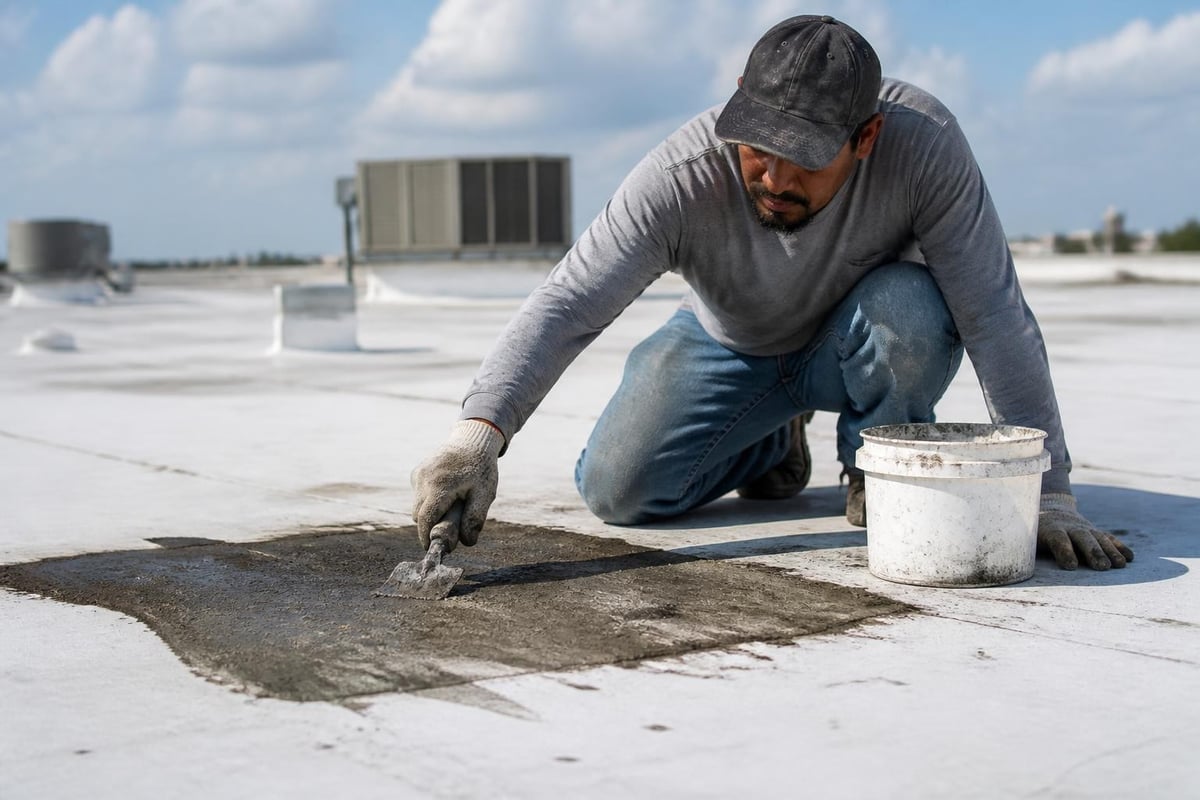
Rushing this phase compromises everything that follows. Moisture trapped under coatings leads to bubbling and premature failure.
Repair Work Before Coating
Total roof restoration isn't just about applying new coatings. Any existing damage needs fixing first, or you're sealing problems into place.
Common repairs during restoration include:
- Replacing missing or severely damaged shingles
- Resealing or replacing deteriorated flashing around chimneys, vents, and skylights
- Fixing loose or lifted shingles that create wind vulnerability
- Addressing nail pops that could puncture coating layers
- Repairing or replacing damaged gutters and downspouts
- Fixing ventilation issues that contribute to premature aging
The extent of needed repairs affects total restoration cost. A roof requiring minimal repairs costs less to restore than one needing extensive shingle replacement and flashing work. At some point, the repair costs push total expenses close to replacement territory, making restoration less attractive financially.
Industry experts like those featured on Western Colloid’s Understanding Roof Restoration podcast emphasize that honest assessment of repair needs separates quality restoration contractors from those just trying to sell coating applications.
Coating Application and Protection
The coating phase delivers the primary protective benefits of total roof restoration. Modern roof coatings create a seamless, waterproof membrane that reflects UV radiation and resists weather damage.
Types of Restoration Coatings
Different coating products serve different roof types and climates:
| Coating Type | Best For | Key Benefits | Typical Lifespan |
|---|---|---|---|
| Acrylic | Metal, single-ply, modified bitumen | UV resistance, bright white finish | 10-15 years |
| Silicone | All roof types, ponding water | Superior waterproofing, flexible | 15-20 years |
| Polyurethane | High-traffic commercial roofs | Impact resistance, durability | 15-20 years |
| Asphalt emulsion | Built-up, modified bitumen | Cost-effective, good adhesion | 5-10 years |
For coastal North Carolina homes, silicone and acrylic coatings perform best. They handle humidity, salt air, and intense sun exposure without degrading quickly. The reflective properties also reduce cooling costs during long summers.
Application requires precision. Most coatings need two coats with specific dry times between layers. Temperature and humidity during application affect curing and final performance. Contractors should follow manufacturer specifications exactly rather than cutting corners to finish faster.
The coating creates a monolithic surface that moves with your roof's natural expansion and contraction. This flexibility prevents cracking that would defeat the waterproofing purpose.
Cost Considerations and Return on Investment
Total roof restoration pricing varies based on roof size, condition, coating type, and extent of needed repairs. Understanding the cost breakdown helps evaluate contractor quotes.
Typical restoration costs for residential roofs in Eastern North Carolina:
- Small roof (under 1,500 sq ft): $3,500 – $5,500
- Medium roof (1,500 – 2,500 sq ft): $5,500 – $8,500
- Large roof (over 2,500 sq ft): $8,500 – $12,000
These ranges assume moderate repair needs. Extensive damage requiring substantial shingle replacement or structural work increases costs significantly.
Comparing Restoration to Replacement
The financial case for total roof restoration strengthens when you consider the extended service life gained versus cost. As explored in Roofing Contractor magazine’s analysis, restoration delivers substantial value when applied to roofs with 40 percent or more of their useful life remaining.
A restoration that costs $6,000 and adds 12 years of life costs $500 per year of service. A replacement costing $15,000 with a 25-year lifespan costs $600 per year. The restoration provides similar annual value while preserving cash flow for other priorities.
Additional financial benefits include:
- Reduced landfill fees since old roofing stays in place
- Lower labor costs compared to tear-off and replacement
- Minimal disruption allowing you to remain in your home
- Potential energy savings from reflective coating properties
- Maintained property value without full replacement expense
Some insurance companies offer premium discounts for restored roofs with impact-resistant coatings. The savings might offset 10 to 15 percent of restoration costs over several years.

Common Questions About Total Roof Restoration
Homeowners considering restoration often have similar concerns. Addressing these questions helps clarify whether this approach fits your situation.
How long does restored roof last? A properly executed total roof restoration typically extends roof life by 10 to 15 years, depending on original roof condition, coating type, and ongoing maintenance. This isn't a permanent solution but a meaningful extension that delays major replacement expense.
Can any roof be restored? No. Roofs with severe structural damage, multiple layers of old shingles, or extensive water damage aren't good candidates. The underlying system must be sound enough to support another decade of service.
Does restoration void warranties? It might. Some shingle manufacturers void material warranties when coatings are applied over their products. Read warranty terms carefully and weigh the remaining warranty value against restoration benefits. On a 15-year-old roof with a 20-year warranty, you're likely past most coverage anyway.
Maintenance After Restoration
Restored roofs need regular maintenance to achieve their full lifespan potential:
- Annual inspections to catch small issues before they spread
- Debris removal to prevent organic growth and coating degradation
- Touch-up coating in high-wear areas every 3 to 5 years
- Prompt repair of any punctures or damage from falling branches
- Proper ventilation maintained to prevent moisture buildup
Skipping maintenance undermines the restoration investment. A restored roof isn't maintenance-free, it just requires less intervention than an aging, unprotected roof.
The Washington State Department of Archaeology & Historic Preservation provides excellent guidance on maintaining restored roofs, particularly for older homes where preservation matters.
Restoration Versus Repair
Some homeowners confuse total roof restoration with basic roof repair. Understanding the distinction helps set appropriate expectations and budgets.
Roof repair addresses specific problems: replacing a few damaged shingles, fixing a leak point, or resealing flashing. Repairs are targeted interventions that solve immediate issues without treating the entire roof system. They're appropriate for localized damage on roofs with substantial remaining life.
Total roof restoration is comprehensive treatment of the entire roof surface. Even areas that aren't currently damaged receive coating and protection. The goal is extending overall system life, not just fixing current problems.
A leaking roof might need repair. An aging roof showing widespread wear but still basically sound might benefit from restoration. A failing roof with structural issues needs replacement. Choosing the right approach depends on accurate assessment of current conditions and realistic expectations about future performance.
When minor issues are the primary concern, targeted roof repair often makes more sense financially than full restoration, especially if the roof is relatively young or has many years of expected life remaining.
Environmental Impact Considerations
Total roof restoration offers environmental advantages over complete replacement that matter to some homeowners.
Waste reduction represents the most obvious benefit. Tearing off and replacing a roof sends tons of asphalt shingles, underlayment, and other materials to landfills. The EPA estimates that roofing tear-offs contribute more than 11 million tons of waste annually. Restoration keeps those materials in place while extending their useful life.
Manufacturing new roofing materials requires significant energy. By extending existing roof life, restoration reduces demand for new production. The energy and resource savings multiply across thousands of homes.
Many modern roof coatings contain recycled content and use water-based formulations with lower volatile organic compounds (VOC) than older products. This reduces environmental impact during application and throughout the coating's service life.
Reflective coatings reduce energy consumption by lowering attic temperatures and reducing air conditioning loads. In coastal North Carolina's hot, humid summers, this cooling benefit is substantial. Some homeowners report 10 to 20 percent reductions in summer cooling costs after roof restoration with highly reflective coatings.
The environmental case strengthens when you consider the full lifecycle. Restoration typically consumes 25 percent or less of the energy required for complete replacement while delivering significant additional service years.
Making the Restoration Decision
Choosing total roof restoration requires evaluating your specific situation honestly. Several factors should influence your decision.
Current roof age and condition matter most. Restoration works best on roofs between 60 and 80 percent through their expected lifespan that remain structurally sound. Too early and you're spending money unnecessarily. Too late and underlying problems make restoration unwise.
Your timeline affects the decision. If you plan to sell within three to five years, restoration might improve curb appeal and address buyer concerns without the full replacement expense. If this is your forever home, the decision balances restoration cost against how many additional years you realistically need.
Budget constraints play a role. Restoration costs less upfront than replacement, making it accessible when cash flow is tight. But if you can afford replacement and your roof is approaching failure, replacement might be the wiser long-term choice.
Getting multiple professional opinions helps. Not every contractor offers restoration services, and some push replacement even when restoration would work. Seeking diverse perspectives and documented assessments leads to better decisions.
For additional unbiased information about roofing options and decision-making, Jack Gray’s Roofing Learning Center offers detailed resources beyond typical contractor marketing materials.
Regional Considerations for Coastal North Carolina
Total roof restoration faces specific challenges and opportunities in Eastern North Carolina's coastal climate. Salt air, high humidity, intense summer sun, and hurricane season all affect restoration outcomes.
Salt exposure from ocean breezes accelerates metal corrosion and coating degradation. Silicone-based coatings resist salt damage better than some alternatives, making them preferred choices for homes near the coast. Regular rinsing of restored roofs in coastal areas helps remove salt buildup before it causes problems.
Hurricane vulnerability raises questions about restoration durability. A properly restored roof with all loose shingles secured and good flashing performs well in high winds. However, restoration won't fix fundamental structural weaknesses or poor original installation. Wind resistance depends on the base roof condition, not just the coating.
Humidity affects restoration timing and curing. Coatings need dry conditions for application and initial curing. Coastal North Carolina's humid springs and falls can extend project timelines if contractors wait for appropriate weather windows. Summer heat actually helps coatings cure faster, making it an ideal restoration season despite the heat.
Storm damage assessment becomes important when considering restoration. If your roof sustained hurricane or tropical storm damage, restoration might not address all issues. Getting proper documentation of storm damage before deciding on restoration, repair, or replacement helps especially when insurance claims are involved.
Total roof restoration offers Eastern North Carolina homeowners a practical alternative to complete replacement when conditions are right. By addressing wear and weathering comprehensively while preserving the underlying roof structure, restoration extends service life at a fraction of replacement cost. The decision requires honest assessment of current conditions, realistic expectations about added years, and recognition that restoration delays but doesn't eliminate eventual replacement. If your roof is showing age but remains fundamentally sound, it's worth getting a professional evaluation to see if restoration makes sense for your situation. NC Roofs provides thorough assessments and honest recommendations about whether repair, restoration, or replacement serves you best, without pressure to choose the most expensive option.