Finding the right roofing contractor in North Carolina matters more than most homeowners realize. The coast brings salt air, summer storms, and humidity that puts constant pressure on roofs. When something goes wrong or it's time for replacement, you need nc roofers who understand these conditions and will give you straight answers. The challenge isn't just finding someone with a truck and a ladder. It's finding professionals who diagnose accurately, price fairly, and repair what actually needs attention without pushing unnecessary work. This guide walks through what to look for, what to avoid, and how to make confident decisions about your roof.
What Makes NC Roofers Different From Other States
North Carolina roofing work comes with specific demands that contractors in other regions don't face regularly.
Coastal Weather Conditions
Salt air accelerates shingle deterioration along the coast. Wind-driven rain finds its way under edges that would stay dry inland. Humidity keeps moisture in roof valleys longer than it would in drier climates.
NC roofers working in coastal communities should understand:
- How salt exposure affects different roofing materials
- Wind uplift ratings needed for coastal construction codes
- Proper ventilation to manage year-round humidity
- Hurricane preparation and post-storm damage assessment
These aren't specialty skills. They're baseline knowledge for anyone working on roofs from Wilmington to the Outer Banks.
Licensing and Insurance Requirements
North Carolina requires roofing contractors to carry specific licenses depending on project value. General contractors need a license for jobs over $30,000. Specialty contractors have different thresholds.
| License Type | Project Limit | Common Use |
|---|---|---|
| Unlimited | No limit | Full replacements, commercial work |
| Intermediate | Up to $500,000 | Residential replacements, large repairs |
| Limited | Up to $100,000 | Standard residential projects |
Ask for license verification before signing anything. The North Carolina Licensing Board maintains public records you can check online.

How to Evaluate NC Roofers Before Hiring
The evaluation process should answer specific questions about capability, pricing, and reliability.
Initial Research and References
Start with contractors who work regularly in your area. Local nc roofers understand regional building codes, know local suppliers, and have completed work you can actually drive past and see.
Check these sources:
- Neighbors who had recent roof work done
- Local building supply stores (they know who pays bills and treats crews well)
- Online reviews, but read them critically
- Direct references from the contractor
Don't just collect names. Ask specific questions about what the work involved, whether the price matched the estimate, and how problems were handled.
The Inspection Conversation
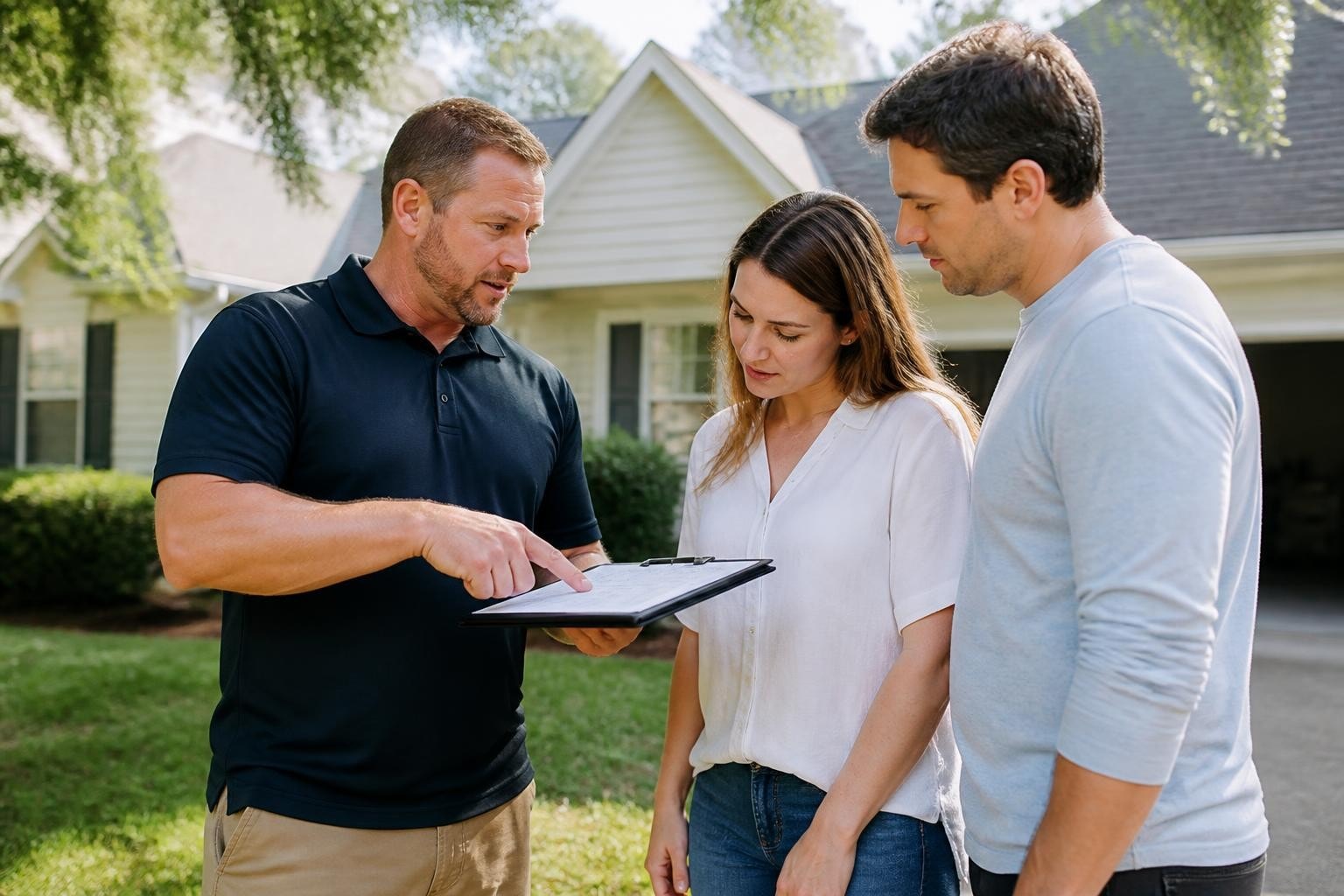
How a contractor approaches the initial inspection tells you most of what you need to know. Good nc roofers climb on the roof, document what they find, and explain it in plain terms.
Watch for these signs during inspection:
- They take photos and measurements, not just glance around
- They explain what caused the problem, not just what's wrong
- They discuss options (repair vs. replacement) based on roof condition
- They point out issues without creating panic
A contractor who immediately pushes replacement for a roof with isolated damage either doesn't know better or doesn't care. Either way, you're talking to the wrong person.
Understanding the Estimate
Estimates should break down materials, labor, and scope clearly. Vague pricing creates confusion and conflict later.
A complete estimate includes:
- Specific materials (manufacturer, style, color)
- Square footage being replaced or repaired
- Labor costs separated from materials
- Timeline for completion
- Warranty terms for workmanship and materials
- Payment schedule
Avoid contractors who want large upfront deposits. Standard practice calls for payment upon completion or in stages tied to work milestones.
Common Problems NC Roofers Address
Understanding typical roofing issues helps you evaluate whether a contractor's diagnosis makes sense.
Storm Damage Assessment
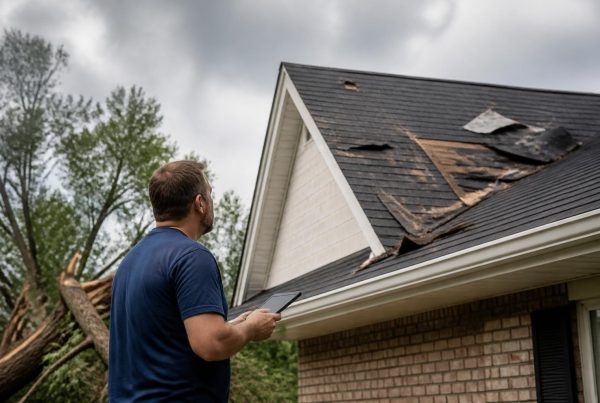
Coastal storms create specific damage patterns. Wind lifts shingle edges. Hail creates bruising that's hard to spot from the ground. Fallen branches puncture valleys and ridges.
NC roofers experienced with storm work know how to document damage for insurance claims. They photograph issues from multiple angles, measure affected areas, and provide written descriptions that adjusters can verify.
Roof repair often makes more sense than replacement after isolated storm damage, even when insurance would cover a full replacement. Honest contractors explain this instead of maximizing the claim.
Leak Diagnosis and Repair
Most roof leaks come from these sources:
- Worn or cracked flashing around chimneys and vents
- Deteriorated valley underlayment
- Missing or damaged shingles
- Improper previous repairs
- Ice dam damage (rare in NC but possible in mountain regions)
The leak location inside your home rarely sits directly under the roof problem. Water runs along rafters and sheathing before dripping through. Skilled nc roofers trace back to find the actual entry point.
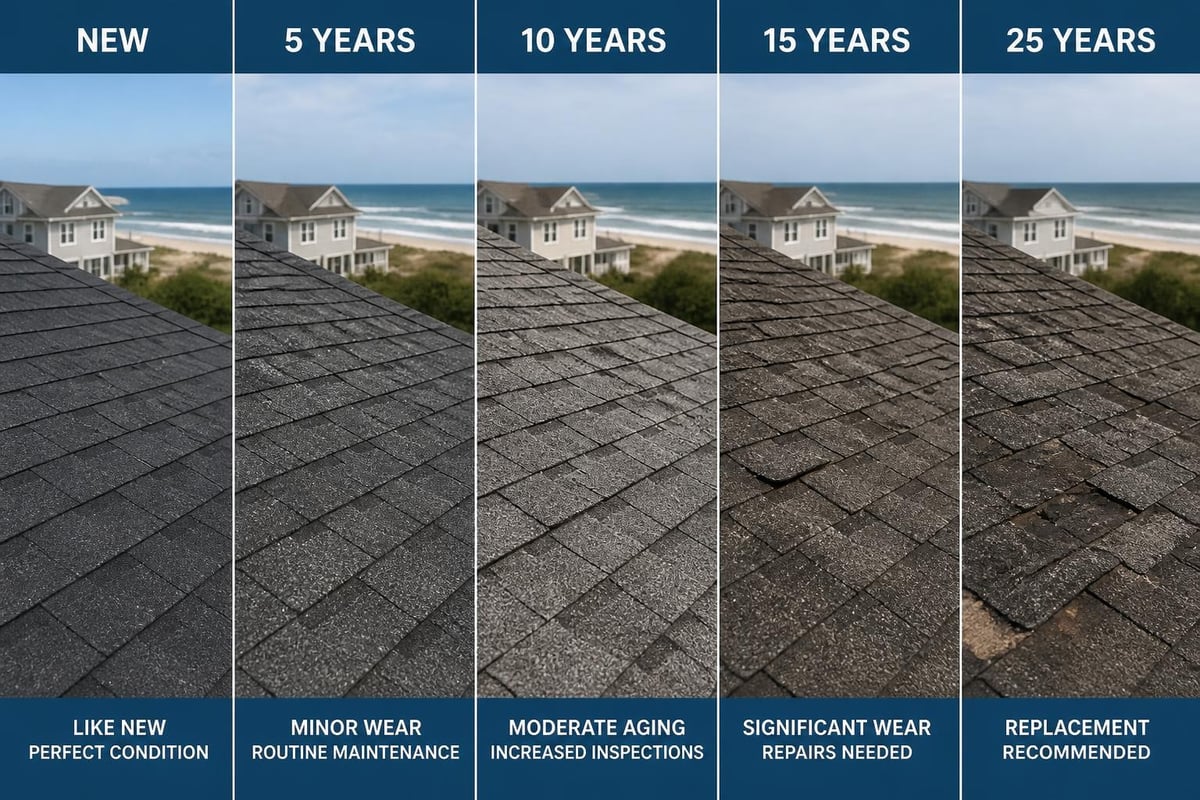
Aging Roof Evaluation
Shingle roofs in North Carolina typically last 20-25 years with proper installation and maintenance. Coastal exposure can reduce that to 15-20 years.
Signs your roof is reaching end of life:
| Visible Sign | What It Means | Urgency Level |
|---|---|---|
| Granule loss | UV protection wearing away | Monitor closely |
| Curling edges | Adhesive failure, moisture cycling | Plan replacement within 1-2 years |
| Missing shingles | Wind damage or deterioration | Repair immediately |
| Daylight through boards | Structural concern | Address urgently |
Pricing Realities for NC Roofing Work
Roofing costs in North Carolina fall into predictable ranges based on scope, materials, and location. Understanding these helps you spot overpricing or suspiciously low bids.
Repair Cost Factors
Small repairs typically run $300-$800 depending on the issue. Larger repairs involving multiple areas or structural work range from $1,000-$3,500.
Price variables include:
- Roof pitch (steeper costs more)
- Height and access difficulty
- Material matching for older roofs
- Extent of underlying damage
- Emergency vs. scheduled work
Emergency leak repairs cost more than scheduled work. That's reasonable. But the markup should be 20-30%, not double.
Replacement Cost Ranges
Full replacements in Eastern North Carolina generally cost $5,500-$12,000 for typical single-family homes. Larger homes, complex designs, or premium materials push higher.
Breaking down a sample 2,000 square foot roof replacement:
- Material costs: $2,500-$4,000 (shingles, underlayment, starter strips, ridge cap)
- Labor: $2,000-$3,500 (crew, equipment, disposal)
- Additional work: $1,000-$4,500 (decking repair, flashing, ventilation upgrades)
Get at least three estimates. If one comes in 40% lower than the others, the contractor either missed something or plans to cut corners.
Material Selection Impact
Architectural shingles cost more than three-tab but last longer and look better. The math usually favors upgrading.
| Shingle Type | Cost per Square | Expected Life | Best Use |
|---|---|---|---|
| 3-Tab | $80-$120 | 15-20 years | Budget constraints, rental properties |
| Architectural | $120-$200 | 20-25 years | Standard residential replacement |
| Premium/Designer | $250-$450 | 25-30+ years | High-end homes, architectural detail |
Most homeowners in coastal NC choose mid-grade architectural shingles. They balance cost, durability, and appearance without unnecessary premium features.
Red Flags When Hiring NC Roofers
Certain behaviors signal problems before work even begins.
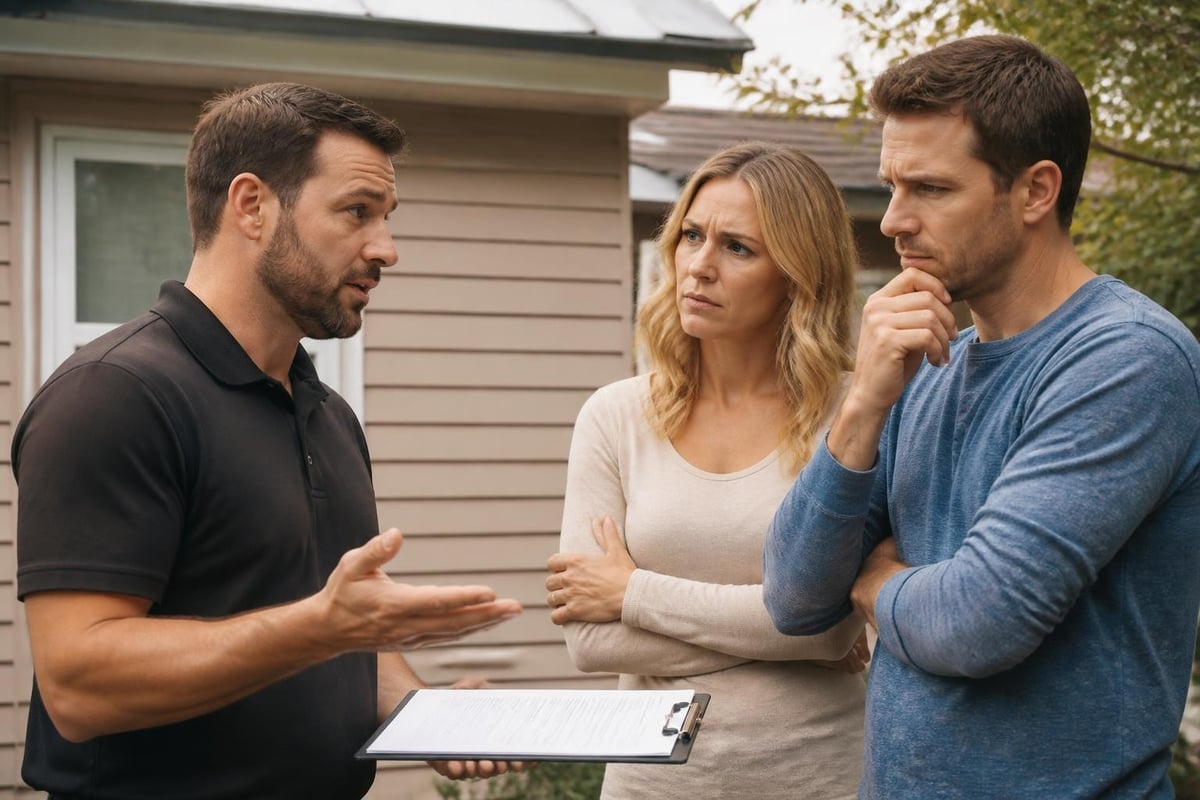
Pressure Tactics
Contractors who create artificial urgency deserve skepticism. "This price is only good today" or "I'm in your neighborhood and can start tomorrow if you sign now" are classic pressure moves.
Good nc roofers stay busy through referrals and repeat customers. They don't need to manufacture urgency.
Cash-Only Deals
Contractors who offer discounts for cash payments often skip permits, don't carry proper insurance, or underreport income. You save a few hundred dollars but risk:
- No warranty protection
- No recourse for bad work
- Insurance claim denial if work isn't permitted
- Liability if an uninsured worker gets hurt on your property
Pay with checks or cards. The paper trail protects you.
Vague Timeline Commitments
"We'll get to it when weather permits" sounds reasonable but creates problems. Professional contractors provide specific start dates and completion windows.
Weather delays happen. But you should know approximately when work begins and how long it takes. Established nc roofers manage multiple projects with clear scheduling.
Working With Your Chosen Contractor
Once you've selected someone, clear communication prevents most problems.
Pre-Work Documentation
Photograph your property before work starts. Document landscaping, siding condition, and anything that could be damaged during the project. This isn't about mistrust. It's about clarity if questions arise.
Confirm these details in writing:
- Exact start date
- Expected completion timeline
- Daily work hours
- Where materials will be stored
- How site cleanup will be handled
- Payment schedule and method
During the Project
Good contractors protect your property, communicate progress, and address concerns immediately. You shouldn't need to supervise, but occasional check-ins help everyone stay aligned.
Daily expectations:
- Tarps protecting plants and landscaping
- Magnetic rollers picking up nails
- Materials neatly stacked, not scattered
- Debris removed regularly, not piled until completion
Most roofing projects take 1-3 days for replacements, less for repairs. Weather can extend this, but you should see steady progress.
Final Walkthrough
Don't make final payment until you've inspected the completed work together. The contractor should walk you through what was done and answer any questions.
Check these items:
- All debris cleared from gutters and yard
- Shingles aligned properly with even reveals
- Flashing sealed correctly around penetrations
- Ridge cap installed straight and secure
- Cleanup complete, no exposed nails in yard
Minor concerns can usually be addressed immediately. Major issues require documentation and a clear remediation plan before final payment.
Questions to Ask Before Signing
Direct questions reveal how contractors operate and whether they're right for your project.
About Their Business
- How long have you been working in this area?
- Do you use employee crews or subcontractors?
- What happens if I'm not satisfied with the work?
- How do you handle warranty claims after completion?
About Your Specific Roof
- What's causing the problem I'm seeing?
- Why do you recommend repair/replacement?
- What happens if we only fix the visible issue?
- What other issues did you find during inspection?
About the Work Process
- When can you start and how long will it take?
- How do you handle unexpected damage found during tearoff?
- What's included in your price and what costs extra?
- Do you pull permits and handle inspections?
Contractors comfortable with direct questions are usually confident in their work. Ones who dodge or deflect may be hiding something.
Regional Considerations for Coastal NC
Working near the coast requires adjustments that inland nc roofers might not consider automatically.
Wind Rating Requirements
Coastal counties require higher wind ratings for roofing materials. Shingles need to meet specific uplift resistance based on distance from the ocean.
Your contractor should know these requirements without prompting. They're not optional. They're building code.
Salt Air Exposure
Metal flashing corrodes faster near the ocean. Fasteners need to be galvanized or stainless steel. Standard materials that work fine in Raleigh fail prematurely in Wilmington or Topsail Beach.
Hurricane Season Planning
Schedule non-emergency work outside hurricane season when possible. June through November brings higher risk of delays and complications.
If you need work during storm season, understand that weather delays are likely and emergency repairs take priority over scheduled replacements.
Making the Final Decision
After gathering estimates and checking references, trust your assessment of competence and honesty.
The lowest price rarely represents the best value. The highest price doesn't guarantee quality. Look for contractors who:
- Explain clearly without talking down to you
- Provide detailed, itemized pricing
- Show you exactly what they found wrong
- Discuss options without pushing a specific choice
- Stand behind their work with real warranties
Sometimes the right choice costs slightly more than alternatives. That's okay when you're confident in the work quality and business reliability.
When to Get a Second Opinion
If something feels off about a diagnosis or recommendation, get another perspective. This applies especially when:
- A contractor recommends full replacement for what looks like minor damage
- The price seems unusually high or low compared to other estimates
- You're being pressured to decide immediately
- The contractor can't clearly explain what's wrong or why their solution works
A roof report from an independent source gives you documented findings to compare against contractor recommendations. It's not questioning honesty. It's making informed decisions with complete information.
Professional nc roofers welcome second opinions. They know their diagnosis and pricing will hold up to scrutiny. Contractors who get defensive about other assessments usually have something to hide.
Finding reliable nc roofers comes down to asking the right questions, understanding normal pricing, and choosing professionals who explain clearly without pressure. When you need honest guidance on roof repair or replacement in Eastern North Carolina's coastal communities, NC Roofs provides clear assessments and straightforward recommendations focused on what actually makes sense for your home and budget.