North Carolina's coastal communities face roofing challenges unlike anywhere else in the state. Between hurricane season, salt air, intense summer sun, and unpredictable storms, roofs in Hampstead, Topsail, Surf City, and Wilmington take constant hits. Understanding what your roof needs and when it needs attention can save thousands of dollars and prevent small issues from becoming expensive emergencies. This guide covers everything Eastern North Carolina homeowners should know about maintaining, repairing, and replacing roofs in our unique coastal climate.
Understanding NC Roofs and Coastal Conditions
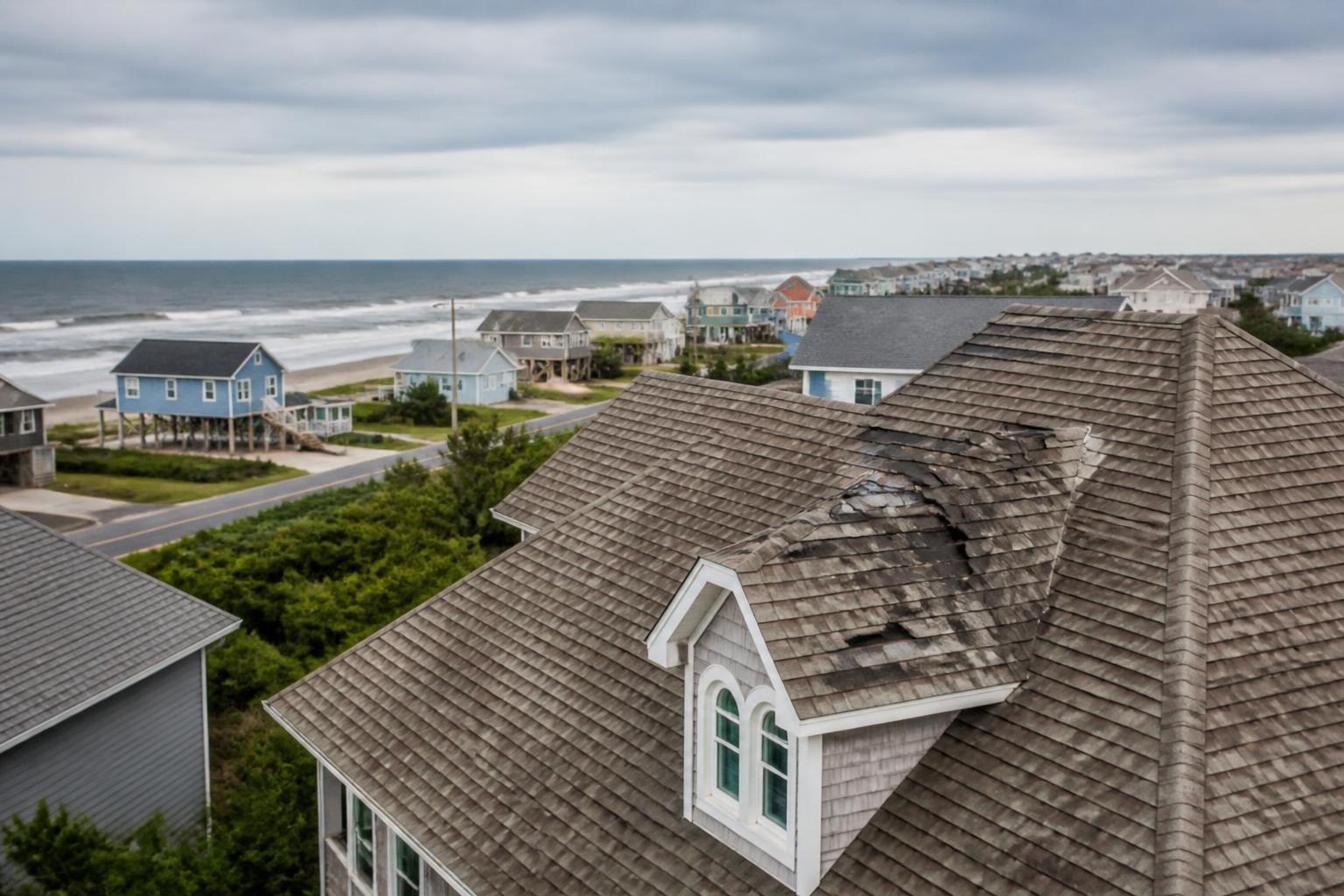
Eastern North Carolina sits in a high-wind zone with specific building code requirements that differ from inland areas. The combination of salt air, humidity, and storm exposure means roofs age differently here than they do in Charlotte or Raleigh.
Salt air accelerates corrosion on metal components like flashing, nails, and vents. What might last 30 years inland could show wear in 20 years near the coast. Wind-driven rain also tests sealants and underlayment in ways that don't happen in calmer climates.
Hurricane Zone Requirements
NC roofs in coastal counties must meet stricter wind resistance standards. The North Carolina building codes classify different wind zones, with coastal areas requiring higher ratings for shingles, underlayment, and installation methods.
Key wind zone considerations:
- Shingles rated for 130+ mph winds
- Enhanced nailing patterns (6 nails per shingle instead of 4)
- Sealed underlayment at eaves and rakes
- Ice and water barrier even in warm climates
These aren't optional upgrades. They're required for coastal installations and directly affect how your roof performs during storms.
Common Roofing Materials for NC Coastal Homes
Material choice matters more near the coast than most homeowners realize. Not every roofing product handles salt air and high winds equally well.
Asphalt Shingles
The most common choice for NC roofs, asphalt shingles balance cost, durability, and availability. Architectural shingles with algae-resistant granules work better in humid coastal climates than basic three-tab versions.
Expect 20-25 years from quality architectural shingles in coastal areas. The growing demand for durable roofing materials in North Carolina reflects homeowners choosing longer-lasting products after experiencing storm damage.
| Shingle Type | Average Lifespan (Coastal) | Wind Rating | Cost per Square |
|---|---|---|---|
| 3-Tab | 15-18 years | 60-70 mph | $90-$120 |
| Architectural | 20-25 years | 110-130 mph | $120-$180 |
| Impact Resistant | 25-30 years | 110-130 mph | $150-$220 |
Metal Roofing
Metal roofing grows in popularity across North Carolina, particularly near the coast. The increasing demand for metal roofing reflects its superior wind resistance and longevity in harsh conditions.
Metal roofing advantages:
- 40-60 year lifespan in coastal conditions
- No algae or moss growth
- Reflects heat, reducing cooling costs
- Handles high winds better than shingles
- Lower long-term maintenance
The higher upfront cost (typically 2-3x asphalt shingles) pays back through durability and reduced replacement frequency.
Modified Bitumen and TPO for Low Slopes
Many coastal homes include porches, additions, or main structures with low-slope sections. These areas need different materials than steep-slope roofs.
Modified bitumen and TPO (thermoplastic polyolefin) membranes handle ponding water and UV exposure well. Proper installation with sealed seams matters more than the material itself for these applications.
Storm Damage and NC Roofs
Hurricane season runs June through November, but coastal NC roofs face wind and rain events year-round. Understanding what qualifies as storm damage helps with insurance claims and repair decisions.
Wind Damage Indicators
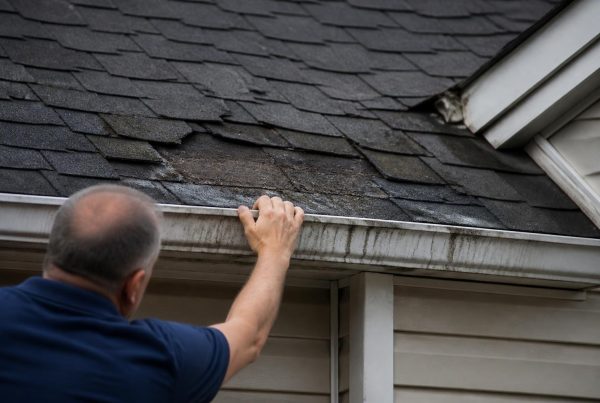
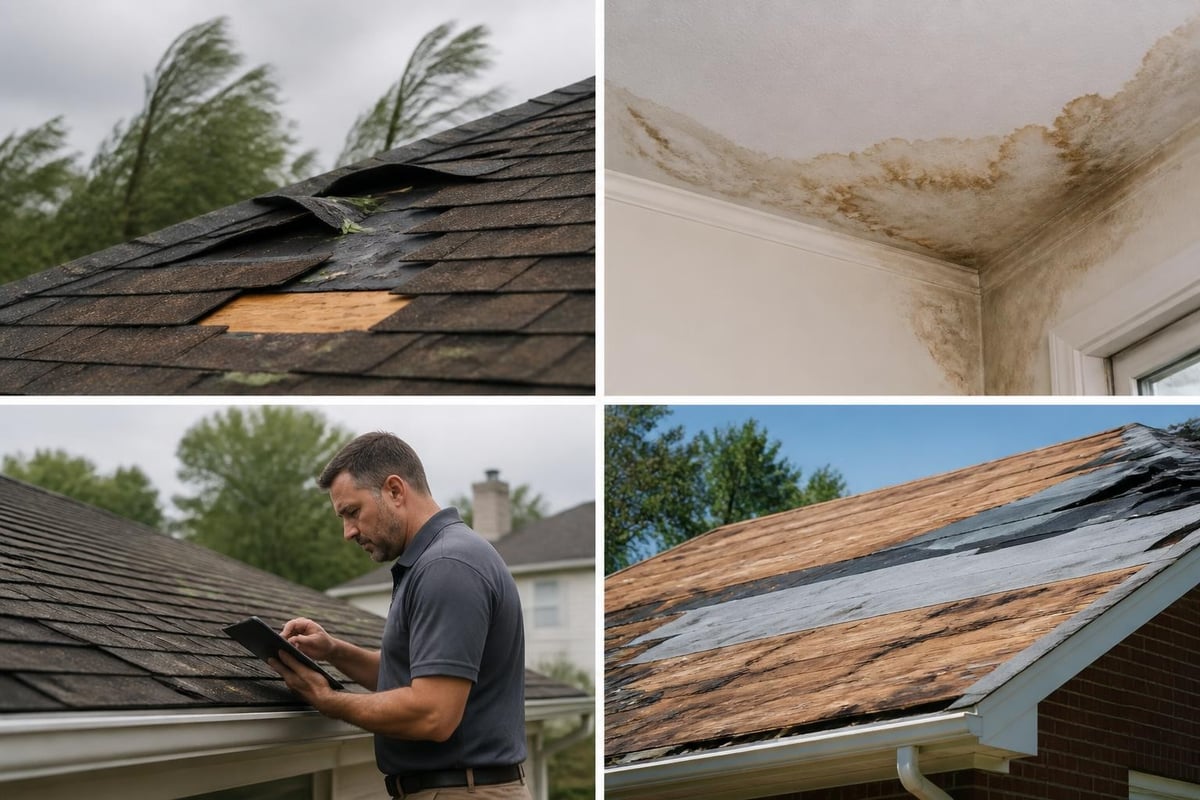
Wind rarely destroys an entire roof at once. Instead, it creates specific damage patterns that worsen over time if left unaddressed.
Common wind damage signs:
- Lifted or creased shingles along edges and ridges
- Missing shingles in concentrated areas (usually corners and peaks)
- Exposed or lifted flashing around chimneys and vents
- Granule loss in streaks following wind direction
- Damaged soffit or fascia where wind entered
Even minor wind damage lets water underneath shingles, which accelerates deterioration of the roof deck and underlayment.
Water Intrusion After Storms
Storm damage often shows up as leaks days or weeks after the event. Water travels along roof deck seams and rafters before appearing inside, making the source hard to identify without proper inspection.
A Roof Report documents damage with photos and clear explanations, which helps both with insurance claims and understanding whether repairs will solve the problem or if replacement makes more financial sense.
When to Repair vs. Replace Your Roof
This decision confuses most homeowners, and many contractors don't explain it clearly. The answer depends on damage extent, roof age, and long-term costs.
Repair Makes Sense When
Repairs work well for isolated damage on roofs with useful life remaining. If your roof is 10 years old and a storm damaged 15 shingles on one corner, repair handles it perfectly.
- Damage covers less than 30% of one slope
- Roof is less than halfway through expected lifespan
- No underlying deck or structural damage
- Matching materials are available
- Repair cost is under 25% of replacement cost
These aren't hard rules, but they provide reasonable guidelines. A roof that's 18 years old with widespread damage probably needs replacement even if repair seems possible.
Replacement Indicators
Some situations make replacement the smarter financial choice, even when repair seems feasible.
- Multiple previous repairs in different areas
- Widespread granule loss or curling shingles
- Visible sagging or unevenness in roof planes
- Damage to more than 40% of total roof area
- Age exceeds 75% of expected lifespan
- Insurance payout covers replacement but not ongoing repairs
The average roof replacement cost in North Carolina varies by location and material, but understanding these numbers helps with budgeting and insurance discussions.
NC Roof Maintenance for Coastal Homes
Prevention costs less than repair, and simple maintenance extends roof life significantly in coastal conditions.
Annual Inspection Checklist
Spring and fall inspections catch problems before they become emergencies. You can do basic checks yourself or hire professionals for detailed assessments.
What to check:
- Flashing around chimneys, vents, and valleys
- Sealant condition on exposed fasteners
- Gutter attachment and drainage
- Attic ventilation and moisture signs
- Shingle condition along edges and ridges
- Tree branches touching or overhanging roof
Coastal humidity makes attic ventilation especially important. Poor airflow traps moisture, which rots roof decking from underneath even when shingles look fine.
Debris and Algae Management
Salt air and humidity create perfect conditions for algae growth on NC roofs. Dark streaks on north-facing slopes aren't just cosmetic, they hold moisture against shingles and accelerate aging.
| Maintenance Task | Frequency | DIY or Professional | Cost Range |
|---|---|---|---|
| Gutter cleaning | Twice yearly | Either | $150-$300 |
| Algae treatment | As needed | Professional recommended | $300-$600 |
| Tree trimming | Annually | Professional | $200-$800 |
| Full inspection | Annually | Professional | $150-$350 |
Pressure washing damages shingles, so proper algae treatment uses low-pressure application of cleaning solutions designed for roofing materials.
Working with Insurance on Roof Claims
Homeowners in Eastern North Carolina should understand how insurance handles roof damage, especially with premium rates increasing across the state.
Documentation Requirements
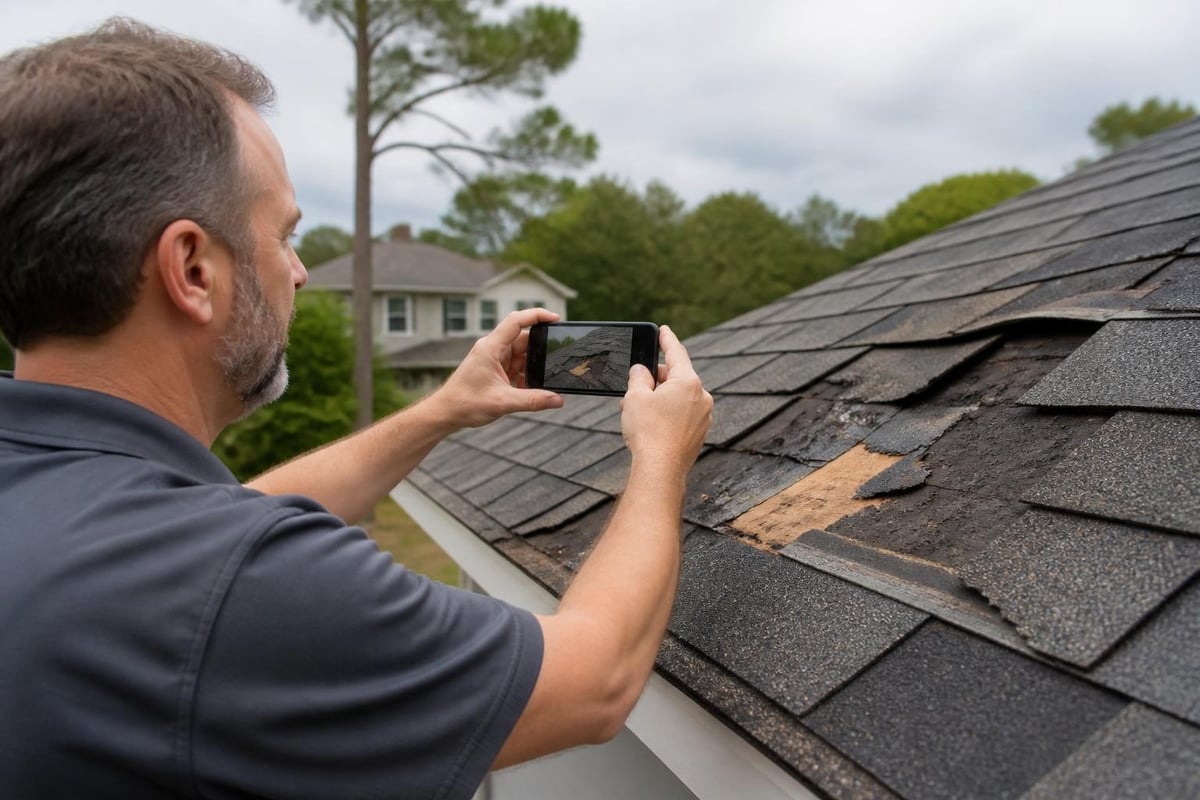
Insurance companies want clear evidence of storm damage, not just age-related wear. Photos, dates, and professional assessments carry more weight than homeowner descriptions.
Strong claim documentation includes:
- Photos showing damage with context (wide shots and close-ups)
- Date of storm event and initial damage discovery
- Professional inspection report with specific findings
- Repair estimates from licensed contractors
- Records of previous maintenance and repairs
Claims fail most often due to insufficient documentation or inability to connect damage to a specific event.
Understanding Depreciation and Coverage
Most policies include actual cash value (ACV) or replacement cost value (RCV) coverage. The difference affects how much you receive for roof damage.
ACV pays current value minus depreciation. A 15-year-old roof gets less than a 5-year-old roof for the same damage. RCV pays full replacement cost regardless of age, but usually requires completing the work before receiving full payment.
Reading your policy before filing a claim prevents surprises about coverage limits and deductibles.
Choosing Roofing Contractors in Eastern NC
The contractor you choose matters as much as the materials they install. NC roofs require specific knowledge of coastal conditions and building codes.
Licensing and Local Experience
North Carolina requires specific licensing for roofing contractors, and coastal work demands experience with wind zone requirements and salt air challenges.
Questions to ask potential contractors:
- How long have you worked in coastal NC specifically?
- Are you licensed and insured for work in our county?
- Can you provide references from recent coastal projects?
- Do you handle insurance documentation and claims assistance?
- What warranties cover labor and materials?
Local contractors understand permitting, inspection requirements, and material availability better than companies from outside the area.
Red Flags and Warning Signs
Some contractor practices signal problems regardless of their marketing or initial presentation.
Avoid contractors who:
- Offer to waive insurance deductibles
- Pressure immediate decisions without inspection time
- Provide verbal-only estimates without detailed breakdowns
- Require large upfront payments before material delivery
- Cannot provide proof of licensing and insurance
Take time with the decision. Quality contractors welcome questions and provide clear, written documentation for every aspect of the project.
Regional Considerations for NC Roofs
Different parts of coastal North Carolina face slightly different roofing challenges based on proximity to water and local weather patterns.
Topsail and Surf City
Direct oceanfront exposure means maximum salt air and wind impact. Properties here benefit most from impact-resistant shingles or metal roofing. Wind-driven rain during nor'easters tests every seal and flashing connection.
Hampstead and Holly Ridge
Slightly inland from the beach but still in high-wind zones, these areas balance coastal challenges with some protection from direct ocean exposure. Standard architectural shingles with proper installation work well, though hurricane preparedness remains essential.
Wilmington and Surrounding Areas
More urban density means more roofing contractors and material suppliers, but also more variation in quality and pricing. The roofing market trends show similar patterns in coastal cities, with demand fluctuating seasonally and after major storm events.
Wilmington properties often include older construction with unique roofing requirements that need specialized knowledge for proper repair or replacement.
Cost Factors for NC Roofs
Understanding what drives roofing costs helps with budgeting and prevents overpaying for unnecessary work.
Material and Labor Components
Material costs remain relatively consistent across coastal NC, but labor varies based on roof complexity, pitch, and accessibility.
Typical cost breakdown for asphalt shingle replacement:
- Materials (shingles, underlayment, flashing): 40%
- Labor: 35%
- Disposal and permits: 10%
- Overhead and profit: 15%
Steeper pitches require more safety equipment and slower work, which increases labor costs. Multiple roof planes, dormers, and complex valleys add time and difficulty.
When Higher Cost Means Better Value
The lowest bid isn't always the best choice for NC roofs. Proper coastal installation requires specific materials and techniques that cost more upfront but prevent problems later.
Enhanced underlayment, upgraded flashing materials, and proper ventilation installation add 15-20% to basic installation costs but extend roof life significantly in coastal conditions. NC Roofs focuses on explaining these differences so homeowners understand what they're paying for and why it matters.
Understanding Roof Underlayment in NC
Underlayment requirements in North Carolina include specific provisions for coastal areas that go beyond minimum code requirements in many cases.
Synthetic vs. Felt Underlayment
Traditional felt underlayment absorbs moisture and breaks down faster in humid coastal climates. Synthetic underlayment costs more but performs better in NC conditions.
| Underlayment Type | Durability | Water Resistance | Cost Premium | Best Use |
|---|---|---|---|---|
| 15-lb felt | Fair | Basic | Baseline | Budget projects inland |
| 30-lb felt | Good | Moderate | +15% | Standard applications |
| Synthetic | Excellent | Superior | +40% | Coastal installations |
| Ice & water barrier | Excellent | Complete seal | +60% | Critical areas, all roofs |
Ice and water barrier at eaves, valleys, and penetrations should be standard on all coastal NC roofs regardless of roof type or pitch.
Installation Best Practices
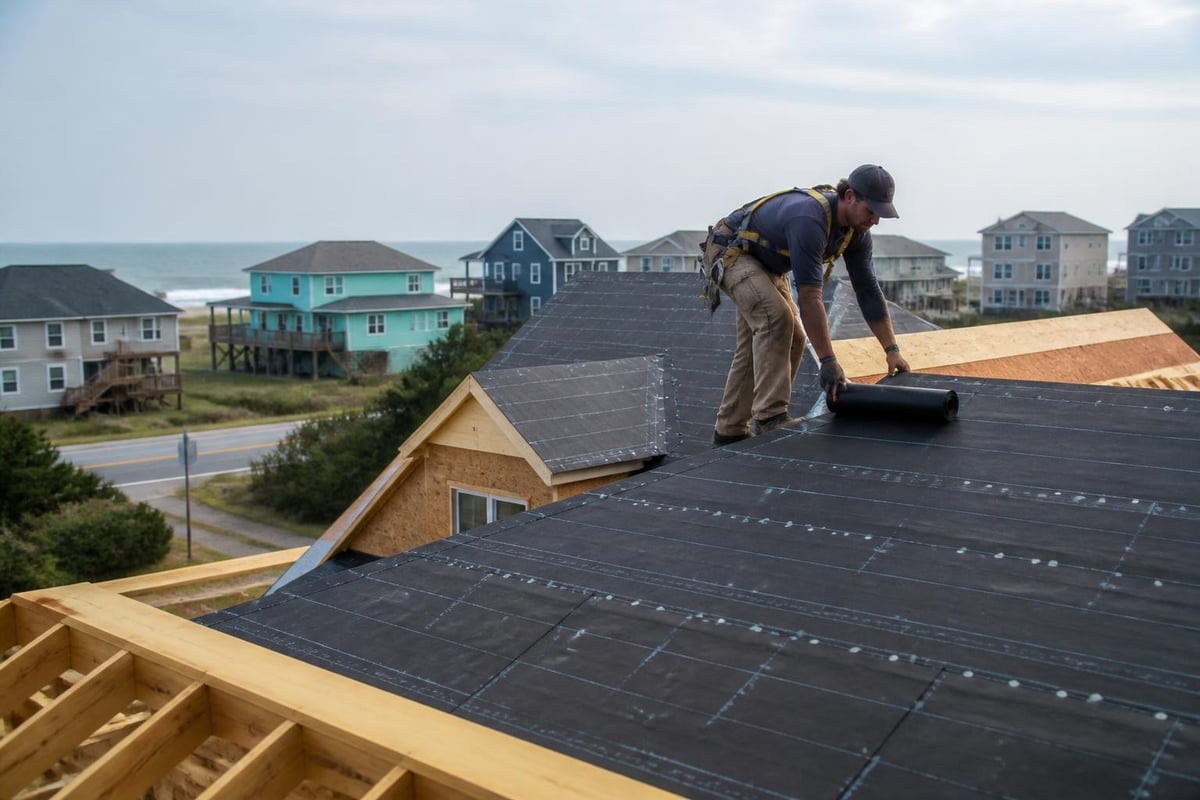
Proper underlayment installation matters more than the product itself. Overlaps, fastening patterns, and edge sealing determine how well it protects the roof deck.
Coastal installations benefit from starting at the eave and working upward with minimum 6-inch overlaps on horizontal seams and 6-inch overlaps on vertical seams. All penetrations need sealed cuts and proper flashing integration.
Manufacturing and Supply in North Carolina
North Carolina's position as a roofing shingle manufacturing hub means material availability and pricing stay relatively stable compared to other coastal states.
Local manufacturing reduces transportation costs and lead times, which helps keep prices competitive and ensures material availability even during high-demand periods after storms.
This supply advantage benefits homeowners through faster project completion and less weather-related delay risk while waiting for materials to arrive from distant manufacturers.
NC roofs need attention specific to coastal conditions, from material selection to installation methods and ongoing maintenance. Understanding what your roof faces and how to address problems early prevents expensive emergencies and extends the life of one of your home's most important components. Whether you need inspection, repair, or replacement guidance, NC Roofs serves Hampstead, Topsail, Surf City, Holly Ridge, Wilmington, and surrounding areas with honest assessments and clear recommendations that put your needs first.