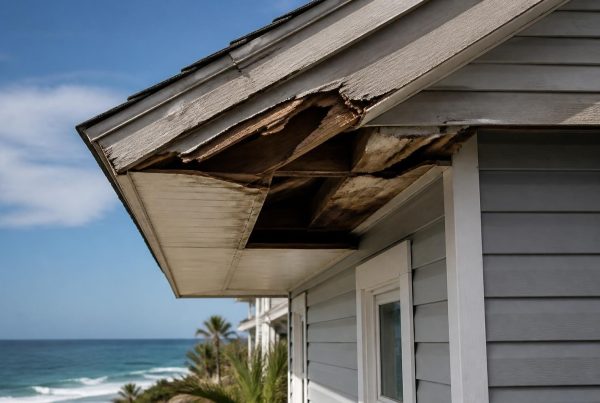
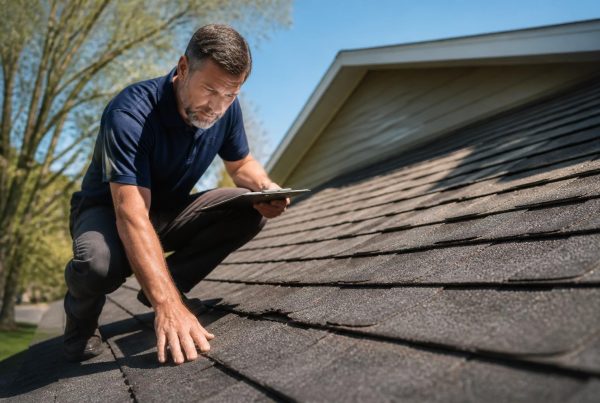
Your roof protects everything underneath it, but damage often starts small and goes unnoticed until it becomes expensive. Knowing how to spot roof damage before leaks appear saves money and prevents serious problems inside your home. This guide walks you through the signs to watch for, where to look, and what different types of damage actually mean for your roof's condition.
Where to Start Your Inspection
Most homeowners can identify obvious problems from the ground or inside their attic without ever climbing onto the roof. Start with what you can see safely, then decide if a professional inspection makes sense.
From ground level, use binoculars to scan your roofline. Look at the overall shape first, then examine individual sections more closely. You're checking for anything that looks different from the rest of the roof.
Inside your attic, bring a flashlight and look at the underside of your roof decking. Visit on a sunny day so you can spot any daylight coming through where it shouldn't. This is often the first place water damage shows up.
Ground-Level Warning Signs
Standing in your yard gives you a clear view of several important indicators:
- Shingle condition across the entire roof surface
- Roofline straightness from multiple angles
- Flashing appearance around chimneys and vents
- Debris accumulation in valleys and gutters
- Missing or damaged pieces that stand out visually
Each of these elements tells you something specific about your roof's health. A sagging roofline suggests structural issues beneath the surface. Common roof problems often start with small visual changes that gradually worsen over time.
Shingle Problems and What They Mean
Asphalt shingles give clear signals when they're failing. Learning how to spot roof damage in your shingles helps you catch problems early, before water finds its way inside.
Missing Shingles
Wind events often lift shingles completely off the roof, leaving exposed underlayment or bare decking. Even a single missing shingle creates a potential entry point for water.
After storms, walk around your property and check for shingles in the yard. Storm-related roof damage frequently shows up as scattered debris around the foundation or caught in landscaping.
Curling and Buckling
Shingles curl at the edges when they're past their useful life or when attic ventilation problems create excessive heat. Buckling appears as ripples or waves across the roof surface.
Both conditions mean the shingles have lost their ability to seal properly. Water can slip underneath during rain, especially when wind drives it sideways.
Granule Loss
The colored granules on asphalt shingles protect the underlying material from UV damage. When you notice excessive granules in your gutters or bare spots on your shingles, the protective layer is wearing away.
Some granule loss is normal as shingles age, but accelerated loss signals a problem. Check your downspouts after heavy rain for signs of granule accumulation.
Flashing Failures Around Roof Penetrations
Flashing creates water-tight seals where your roof meets vertical surfaces like chimneys, walls, and vent pipes. These areas need extra attention when you're learning how to spot roof damage.
| Flashing Location | Common Problems | What to Look For |
|---|---|---|
| Chimney | Separated seals, rust, gaps | Daylight visible, water stains on interior walls |
| Valleys | Separated seams, corrosion | Missing sections, lifted edges |
| Vent pipes | Cracked rubber boots, rusted metal | Rubber deterioration, gaps around pipe |
| Skylights | Dried sealant, loosened frames | Interior condensation, leaks during rain |
Flashing problems often appear as rust spots or visible gaps between the metal and the roof surface. In coastal areas like Eastern North Carolina, salt air accelerates metal deterioration, making regular checks more important.
Interior Signs of Roof Damage
Sometimes the clearest evidence appears inside your home rather than on the roof itself. These interior warning signs mean water has already breached your roof's defenses.
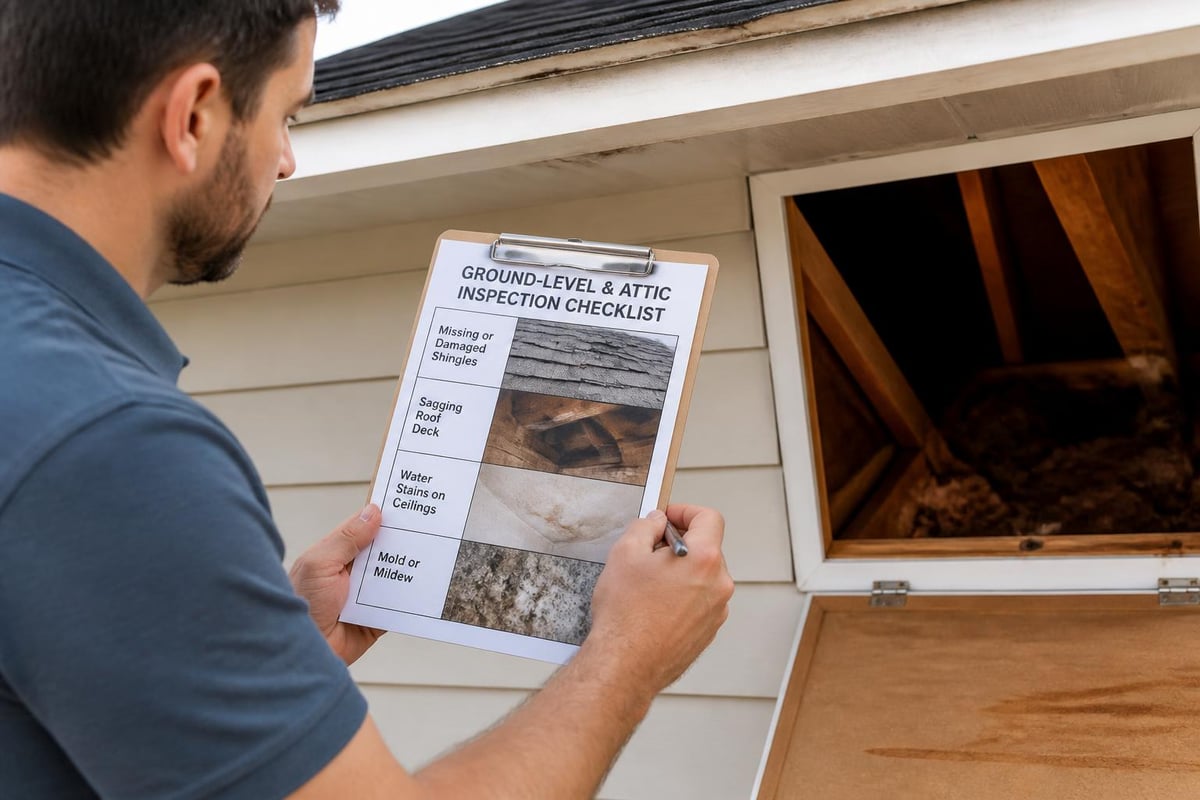
Attic Inspection Points
Visit your attic during daylight hours and turn off any lights. Look up at the roof decking and rafters while watching for:
- Daylight penetration through holes or gaps
- Water stains on wood surfaces
- Dark streaks indicating moisture paths
- Sagging sections between rafters
- Mold or mildew growth on surfaces
Bring a flashlight to examine dark corners and areas away from natural light sources. The smell of dampness often indicates problems you can't yet see visually.
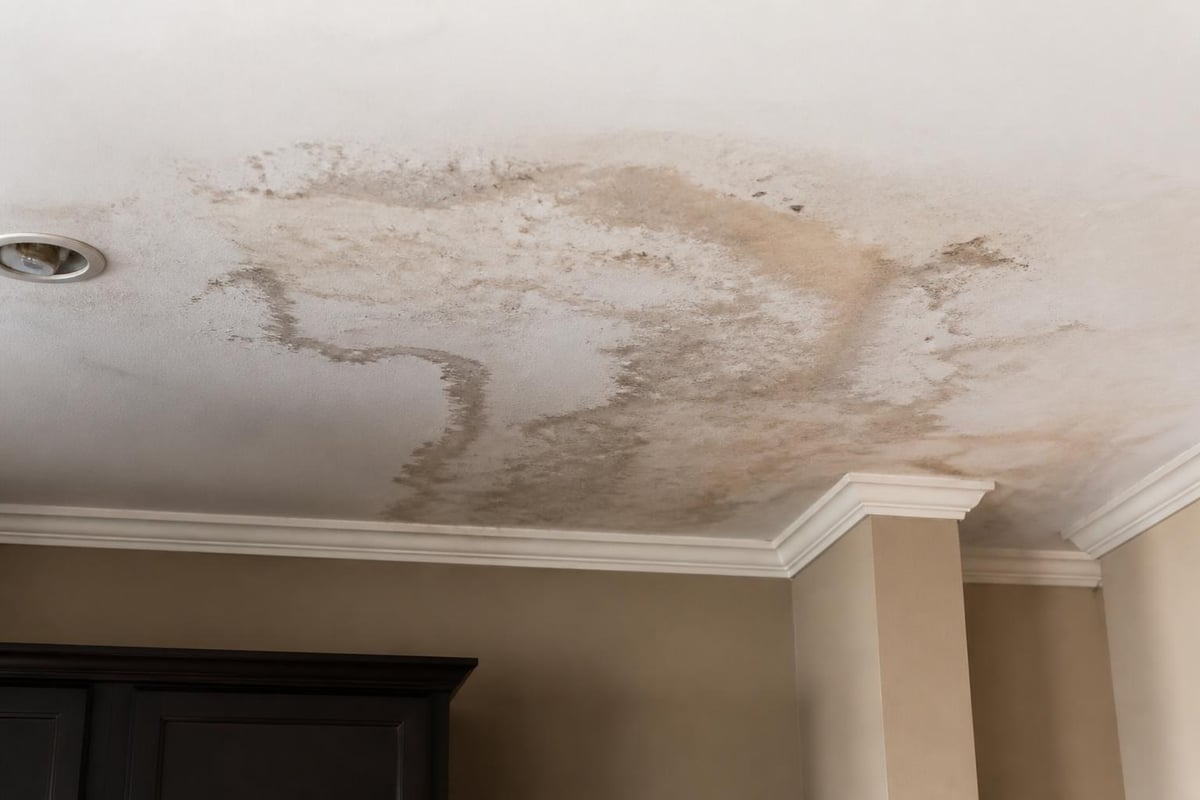
Ceiling and Wall Indicators
Inside your living spaces, spotting roof damage before leaks appear means checking ceilings and upper walls regularly:
- Water stains that appear as discolored rings or patches
- Peeling paint near ceiling corners or around light fixtures
- Bubbling texture that indicates trapped moisture
- Actual dripping during or shortly after rain events
Don't ignore small stains. They indicate that water has traveled through your roof decking, insulation, and drywall. The source is usually several feet away from where the stain appears.
Storm Damage Assessment
Coastal North Carolina homes face regular threats from tropical systems, nor'easters, and severe thunderstorms. Understanding how to spot roof damage after weather events helps you document problems for insurance claims and repairs.
Wind Damage Patterns
Strong winds create specific damage patterns you can identify:
- Lifted shingle tabs on the edges facing prevailing winds
- Missing sections in horizontal lines across the roof
- Torn underlayment visible where shingles used to be
- Debris impact marks from flying objects
- Separated ridge caps along the roof's peak
Wind damage often affects the roof's perimeter and corners first, where uplift forces are strongest. Check these areas carefully after any storm with sustained winds above 40 mph.
Hail Impact Recognition
Hail damage on asphalt shingles appears as dark spots where granules have been knocked off, exposing the underlying asphalt. Metal flashing may show visible dents.
The size and pattern of impacts tells you about the hail size and storm intensity. Random denting across the entire roof suggests larger hail with widespread impact.
Tree and Debris Damage
Fallen branches create obvious damage, but even small twigs can scrape away protective granules over time. Look for:
- Punctures through shingles from branch impacts
- Scrape marks where limbs dragged across the surface
- Dents in metal components from falling debris
- Displaced shingles pushed out of alignment
Overhanging trees constantly shed leaves and twigs that accumulate in roof valleys and behind chimneys. This debris traps moisture and accelerates deterioration.
Valley and Gutter Concerns
Water naturally flows toward valleys and into gutters, making these areas critical inspection points. Problems here often indicate larger issues developing across your roof.
Valley Deterioration
Roof valleys handle high water volume during every rain event. Identifying roof damage in valleys requires checking for separated seams, worn shingles, and debris accumulation that blocks water flow.
Valleys using woven shingle techniques may show accelerated wear where water concentrates. Metal valleys can develop rust spots or small holes over time.
Gutter and Downspout Clues
Your gutters collect evidence of roof problems:
- Excessive granules indicate advanced shingle wear
- Shingle pieces mean material is breaking apart
- Organic debris buildup shows poor drainage
- Rust stains point to metal component failures
Clean gutters twice yearly and examine what you remove. The material tells you what's happening on your roof surface.
Structural Warning Signs
Beyond surface damage, your roof's structure can develop problems that threaten its integrity. These issues require immediate professional attention.
Sagging and Dipping
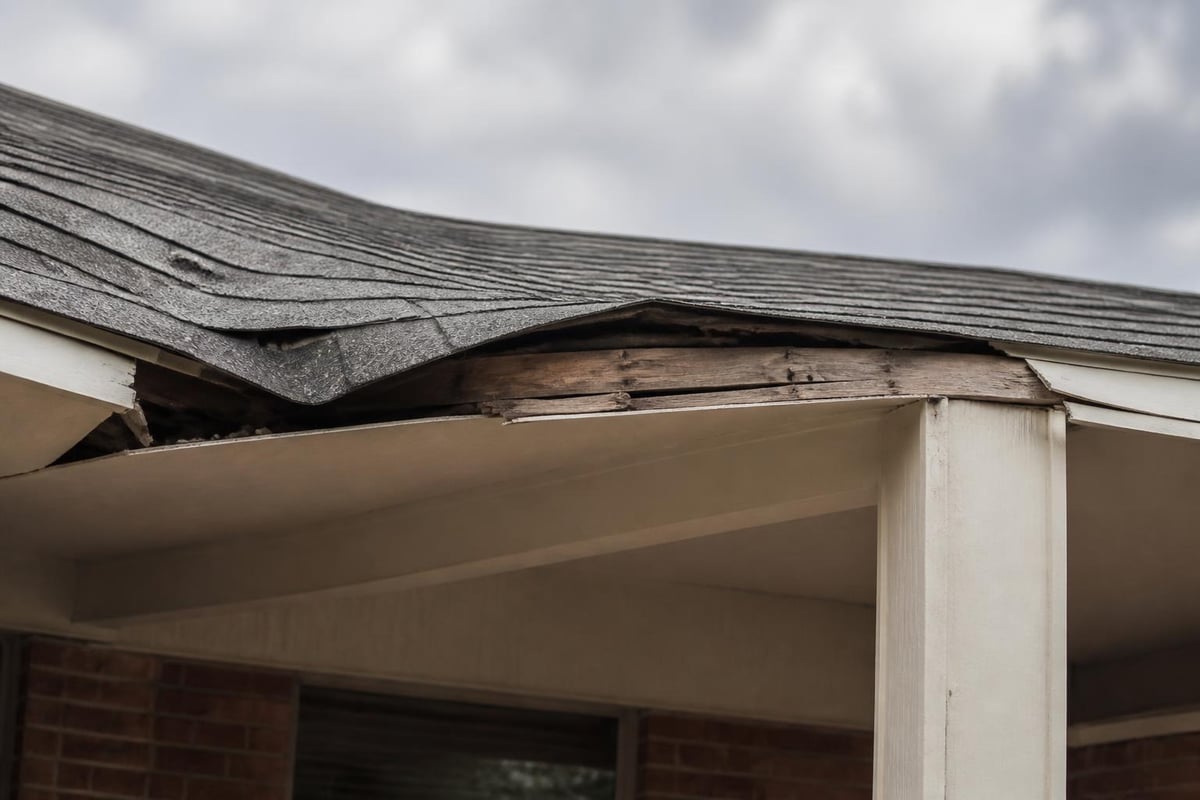
A healthy roofline appears straight and level. Sagging sections between rafters or dips along the ridge indicate serious structural problems, possibly from:
- Water-damaged decking that has lost its strength
- Undersized or failing rafters
- Excessive weight from multiple roof layers
- Foundation settlement affecting the entire structure
Never ignore a sagging roofline. It suggests the roof structure is compromised and may worsen quickly.
Visible Rot or Decay
Wood components exposed to constant moisture eventually rot. Check fascia boards, soffit areas, and any visible roof decking for:
- Soft spots that compress when pressed
- Discoloration showing water damage
- Crumbling edges on exposed wood
- Fungal growth on surfaces
Coastal humidity accelerates wood decay, especially when ventilation is inadequate. The rot you see on the outside often extends further into hidden areas.
Age-Related Wear Patterns
Even well-maintained roofs eventually wear out. Knowing how to spot roof damage related to age helps you plan for replacement before emergency repairs become necessary.
| Roof Age | Expected Condition | Warning Signs |
|---|---|---|
| 0-10 years | Minimal wear | Manufacturing defects, installation problems |
| 10-15 years | Light aging | Granule loss begins, minor curling |
| 15-20 years | Moderate aging | Increased curling, frequent repairs needed |
| 20+ years | End of lifespan | Widespread deterioration, multiple leaks |
Most asphalt shingle roofs last 20-25 years in North Carolina's climate. Coastal exposure, storm frequency, and sun intensity affect actual lifespan.
Determining When Repair Makes Sense
Not every problem requires a full replacement. Roof repair focused on specific damage areas makes financial sense when the overall roof condition remains sound and you're not facing multiple issues across large sections.
Repair works best when damage is localized to one area, the roof is less than 15 years old, and the remaining shingles match current inventory. Replacement makes sense when repairs become frequent, damage is widespread, or the roof is nearing the end of its expected lifespan.
Moss, Algae, and Organic Growth
Dark streaks and green patches on your roof surface indicate biological growth that can damage shingles over time.
Algae Staining
Black streaks running down your roof are typically gloeocapsa magma, an algae that feeds on limestone filler in asphalt shingles. While mostly cosmetic, heavy growth can:
- Retain moisture against the shingle surface
- Accelerate granule loss
- Reduce the roof's ability to reflect heat
- Decrease overall curb appeal
Algae growth is common in humid climates and on north-facing roof sections that stay shaded.
Moss and Lichen
Unlike algae, moss and lichen grow roots that penetrate between shingle layers, lifting tabs and creating entry points for water. They thrive in shaded, damp areas where debris accumulates.
Removing established moss requires careful work to avoid damaging shingles. Prevention through improved sunlight exposure and zinc or copper strips works better than repeated removal.
Professional Inspection Timing
While checking your roof for damage yourself provides valuable information, professional inspections catch problems you might miss and provide documentation for insurance claims.
Schedule professional inspections in these situations:
- After any major storm event with high winds or hail
- Before buying or selling a home
- Every 2-3 years as part of regular maintenance
- When you notice multiple warning signs
- If your roof is approaching 15-20 years old
Professional roofers have experience identifying subtle problems and understanding how different issues interact. They can tell you whether damage requires immediate attention or can wait for planned maintenance.
Creating Your Inspection Routine
Regular checks help you catch small problems before they become expensive repairs. Develop a simple routine you can follow safely.
Seasonal Checklist
Spring (after winter storms):
- Clear debris from gutters and valleys
- Check for lifted or damaged shingles
- Inspect flashing around chimneys and vents
- Look for winter ice damage
Summer (before hurricane season):
- Trim overhanging branches
- Repair any damage found in spring
- Verify attic ventilation is adequate
- Check for algae growth
Fall (preparing for winter):
- Clean gutters after leaves drop
- Inspect for summer storm damage
- Check sealants around penetrations
- Verify flashing remains secure
Winter (during mild weather):
- Watch for ice dam formation
- Check attic for condensation issues
- Monitor for interior leaks after snow or ice events
- Document any visible damage
Documenting What You Find
Take photos of any damage you discover, including:
- Wide shots showing the damage location on the roof
- Close-ups of specific problems
- Date stamps for timeline documentation
- Measurements or reference objects for scale
This documentation helps when discussing repairs with contractors and filing insurance claims. Keep a simple folder on your phone or computer organized by inspection date.
When to Take Action
Understanding how to spot roof damage is only useful if you act on what you find. Some problems demand immediate attention while others can be monitored over time.
Immediate Action Needed
Contact a roofer right away if you see:
- Active leaks causing interior damage
- Large missing sections after storms
- Sagging or structural deformation
- Extensive water stains in the attic
- Multiple shingles blown off
These conditions will worsen quickly and may cause additional damage to your home's interior, insulation, and structure.
Schedule Repair Soon
Plan repairs within a few weeks for:
- Localized shingle damage
- Worn flashing around penetrations
- Minor leaks during heavy rain only
- Lifted or curling shingles in small areas
- Damaged roof vents or caps
These problems won't typically cause emergency situations but should be addressed before the next major weather event.
Monitor and Plan
Some situations allow you to plan repairs during your normal maintenance cycle:
- Age-related wear across the entire roof
- Cosmetic algae staining
- Minor granule loss within expected ranges
- Small amounts of debris accumulation
Keep watching these areas and factor repairs into your budget for the next 6-12 months. You can find more detailed roofing guidance and local resources at NC Roofs.
Learning how to spot roof damage gives you control over one of your home's most important systems and helps you make informed decisions about repairs and maintenance. Whether you're dealing with storm damage, age-related wear, or just want to stay ahead of potential problems, regular inspections and quick action on serious issues protect your investment. NC Roofs serves Hampstead, Topsail, Surf City, Holly Ridge, Wilmington, and surrounding coastal communities with honest assessments and clear recommendations focused on what your roof actually needs. Get a professional roof report and understand your options before making any decisions by visiting NC Roofs.