Finding the right approach to roofing work makes the difference between a repair that lasts decades and one that creates more problems. Professional roofing solutions bring together skilled workmanship, quality materials, and tested methods to protect your home properly. Whether you're dealing with storm damage, age-related wear, or planning a full replacement, understanding what sets professional work apart helps you make confident decisions about your biggest investment.
What Makes Roofing Solutions Professional
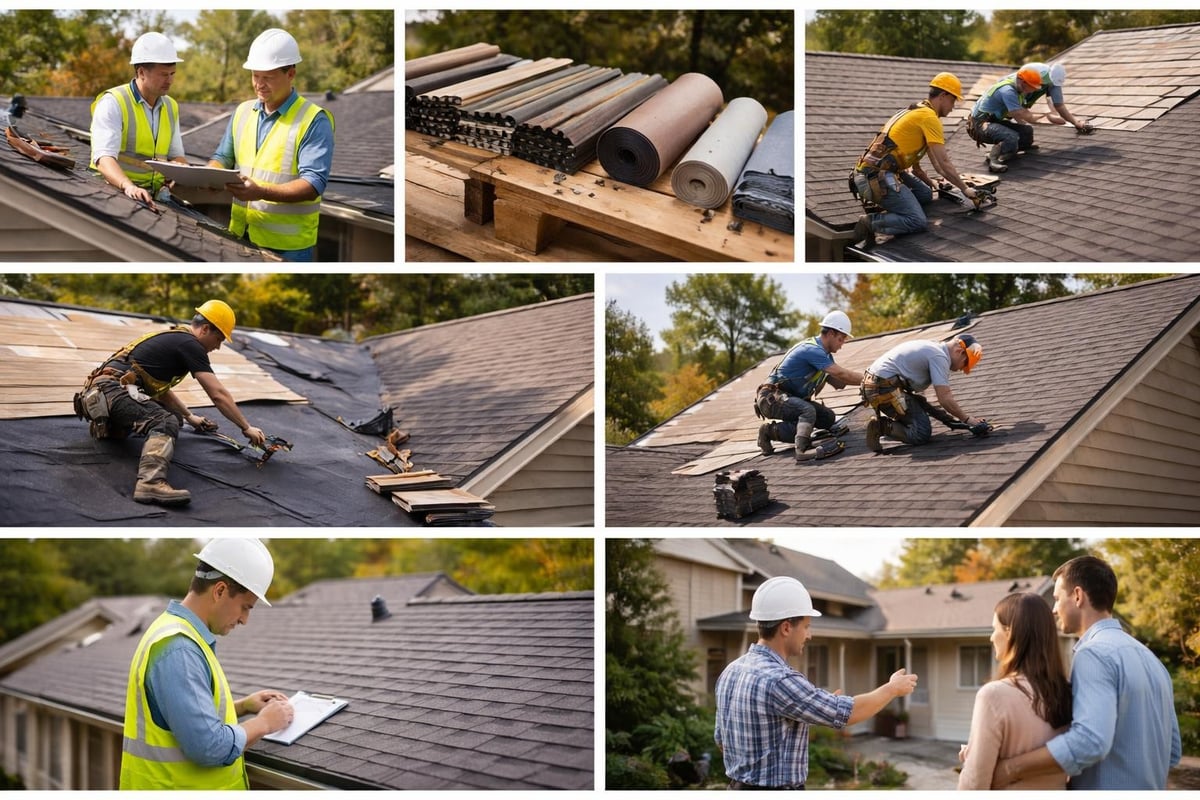
Professional roofing solutions start with knowledge built over years of hands-on experience. A qualified roofing contractor understands how different materials perform in specific climates, how weather patterns affect roof longevity, and which installation methods prevent common failure points.
Technical Expertise That Matters
The foundation of any professional approach includes:
- Understanding local building codes and permit requirements
- Knowing proper ventilation ratios for attic spaces
- Identifying underlying structural issues before they worsen
- Matching repair methods to existing roof systems
- Calculating material quantities to minimize waste
Roofing professionals also stay current with industry standards through organizations like the National Roofing Contractors Association, which publishes technical guidelines and best practices. This ongoing education ensures contractors use methods proven to work in real-world conditions.
The difference shows up in details most homeowners never see. Proper flashing installation around chimneys, correct nail placement in shingles, adequate underlayment coverage-these elements determine whether your roof performs as expected or develops leaks within a few years.
Quality Materials and Warranted Work
Material selection involves more than picking a color. Professional roofing solutions match products to your home's specific needs, considering factors like roof pitch, sun exposure, and typical weather conditions in your area.
Here's how material quality affects long-term performance:
| Material Aspect | Professional Approach | Impact on Performance |
|---|---|---|
| Shingle grade | Architectural vs. 3-tab based on exposure | 20-30 year difference in lifespan |
| Underlayment | Synthetic vs. felt based on climate | Water resistance, tear strength |
| Ventilation | Calculated intake/exhaust ratio | Prevents premature material failure |
| Fasteners | Corrosion-resistant, correct length | Wind resistance, prevents blow-offs |
Warranties matter, but only when backed by proper installation. A manufacturer's warranty becomes void if installation doesn't follow their specifications. Professional contractors document their work and provide both workmanship warranties and help you understand material warranties.
Repair vs. Replacement Decisions
Not every roofing problem requires a complete tear-off. Professional roofing solutions include honest assessments that separate what needs immediate attention from what can wait.
When Repair Makes Sense
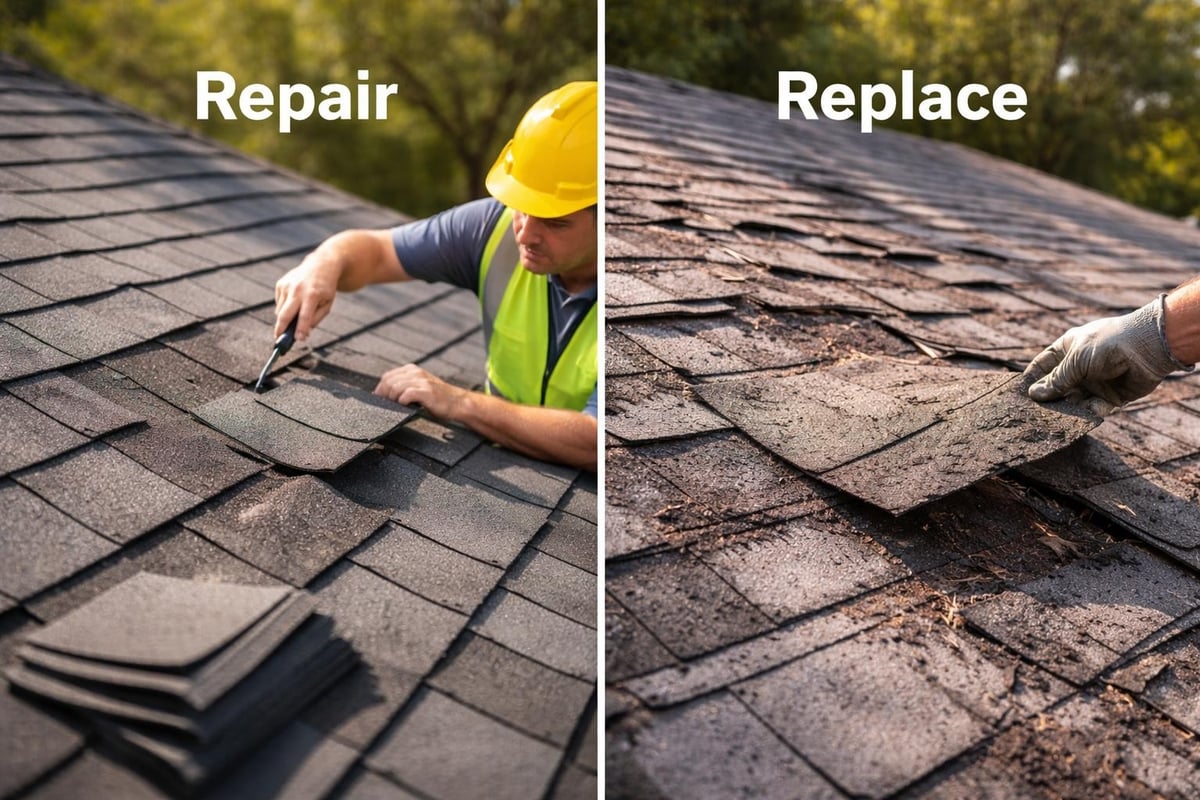
Localized damage from a fallen branch, a small leak in one valley, or missing shingles after a storm often qualify for targeted repairs. The key is having someone who can evaluate whether the surrounding roof system still has useful life remaining.
Good repair candidates typically show:
- Damage limited to one section or slope
- Surrounding shingles still pliable and intact
- No widespread granule loss
- Decking in solid condition without soft spots
- Overall system age under 15 years
For Eastern North Carolina homeowners dealing with storm damage or aging roofs, roof repair services provide clear assessments of what actually needs work. A professional inspection reveals whether fixing the current issue makes financial sense or if you're better off planning a replacement within the next year or two.
Sometimes a repair buys you time to budget for a replacement properly rather than scrambling during an emergency. Other times, addressing one problem now prevents it from spreading and causing more expensive damage to interior spaces.
Recognizing Replacement Indicators
Certain conditions signal that patching problems no longer makes economic sense. Multiple leaks in different areas, widespread shingle curling, or visible sagging sections indicate systemic failure rather than isolated issues.
Professional roofers look at the complete picture:
- Age: Most asphalt shingle roofs reach the end of functional life between 18-25 years
- Condition: Extensive granule loss, brittleness, or curling across multiple slopes
- Interior signs: Water stains, mold growth, or daylight visible through attic boards
- Energy costs: Rising heating/cooling bills suggesting ventilation or insulation problems
A replacement becomes the smarter investment when repair costs approach 30-40% of a new roof's price. You're essentially paying to fix a system that will continue declining rather than starting fresh with materials warranted for decades.
Installation Methods That Last
The difference between a 15-year roof and a 30-year roof often comes down to installation details. Professional roofing solutions follow manufacturer specifications precisely because those methods have been tested under real-world conditions.
Preparation and Substrate Integrity
Every quality installation starts with proper preparation. This means inspecting and repairing the roof deck before any new materials go down. Soft spots, rot, or damaged boards get replaced. The deck must provide a solid, level nailing surface.
Underlayment installation follows next, with overlaps sealed and edges secured. Ice and water shield goes in vulnerable areas like eaves, valleys, and around penetrations. These waterproof barriers create a second line of defense if wind-driven rain ever gets under shingles.
Drip edge installation along rakes and eaves directs water away from fascia boards and prevents edge uplift during high winds. Many DIY jobs and some less experienced contractors skip this step, leading to premature edge deterioration.
Shingle Application Standards
Industry guidelines specify exact nailing patterns, overlap distances, and fastener types for good reason. Six nails per shingle instead of four makes the difference between shingles staying put in 70 mph winds or littering your yard after a storm.
Critical installation elements include:
- Starter strip along eaves for proper seal
- Correct nail placement in the nailing zone
- Proper offset between courses (typically 6 inches)
- Valley treatment using metal or woven shingles
- Ridge cap installation with extended nails
- Flashing around chimneys, vents, and skylights
Temperature matters during installation too. Shingles won't seal properly in cold weather and can become too soft and easily damaged in extreme heat. Professional crews schedule work when conditions support proper installation.
Ventilation and Energy Performance
A roof system includes more than the visible materials on top. Proper ventilation extends material life and controls energy costs by managing heat and moisture in attic spaces.
Balanced Airflow Requirements
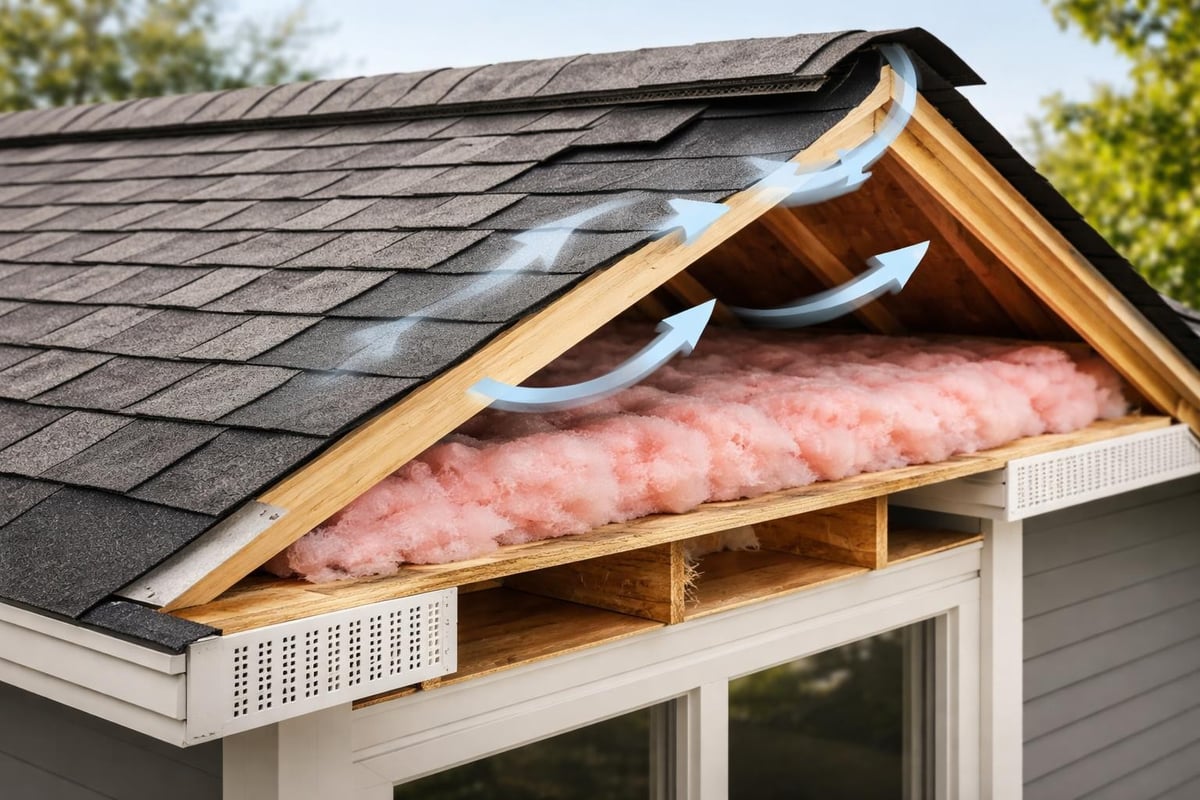
Professional roofing solutions address ventilation as part of every installation. The general standard calls for 1 square foot of ventilation for every 150 square feet of attic space, split evenly between intake (soffit vents) and exhaust (ridge or roof vents).
Inadequate ventilation causes multiple problems:
- Heat buildup that ages shingles from underneath
- Moisture accumulation leading to mold and wood rot
- Ice dams in winter climates from uneven roof temperatures
- Higher energy bills from superheated attic spaces
Many older homes lack proper ventilation, and adding it during a roof replacement provides long-term benefits. Ridge vents combined with continuous soffit vents create passive airflow that works without power or moving parts.
Baffles installed between rafters maintain clear air channels from soffits to ridge even when insulation is present. This detail gets overlooked in rushed installations but matters significantly for system performance.
Insulation and Thermal Performance
While not strictly part of roofing work, insulation levels affect how your roof performs. Heat escaping through inadequate insulation makes shingles age faster and increases cooling costs in summer.
| Insulation Level | R-Value | Impact on Roof Performance |
|---|---|---|
| Minimal (4-6 inches) | R-13 to R-19 | Significant heat transfer, shortened shingle life |
| Adequate (10-12 inches) | R-30 to R-38 | Moderate protection, acceptable performance |
| Optimal (14+ inches) | R-49+ | Minimized heat transfer, extended material life |
Professional contractors identify ventilation and insulation deficiencies during inspections. While they may not handle insulation work directly, they can explain how these systems interact and recommend specialists if needed.
Working With Insurance and Documentation
Storm damage often involves insurance claims, and professional roofing solutions include proper documentation that helps homeowners get fair settlements.
Inspection and Assessment
A thorough inspection after storm damage creates a baseline for insurance discussions. Professional roofers document damage with photos, measurements, and detailed notes about affected areas.
Complete documentation includes:
- Photo evidence of damaged shingles, flashing, or structural elements
- Measurements of affected roof sections
- Age and condition of existing materials
- Interior damage from leaks if present
- Comparison to surrounding undamaged areas
This documentation helps adjusters understand the scope of damage and supports your claim for necessary repairs. Roofers experienced with insurance work know what adjusters look for and can present information that streamlines the process.
Some contractors offer to handle insurance communications directly, but this varies. At minimum, a professional should provide you with a detailed report you can submit to your insurance company, along with a repair estimate based on proper materials and methods.
Avoiding Supplement Traps
Be cautious of contractors who promise to "cover your deductible" or guarantee they'll get your entire roof replaced regardless of damage extent. These approaches often involve inflated estimates or unnecessary work that insurance companies will dispute.
Professional roofing solutions focus on accurate assessments. If your damage legitimately requires full replacement, the documentation will support that conclusion. If it calls for repairs, an honest contractor tells you that rather than pushing for a bigger job.
Work with your insurance company's timeline and requirements. Most policies give you a window to file claims after storm events. Document damage promptly but don't rush into contracts before your adjuster visits.
Regional Considerations for Eastern North Carolina
Climate and weather patterns in Eastern North Carolina create specific challenges that professional roofing solutions must address.
Hurricane and Storm Resistance
Wind resistance matters significantly in coastal and near-coastal areas. Proper installation techniques prevent blow-offs during tropical storms and hurricanes that regularly affect the region.
Enhanced attachment methods include:
- Using six nails per shingle instead of four
- Installing extra adhesive strips in high-wind zones
- Securing all flashing with appropriate fasteners
- Properly sealing roof penetrations
- Ensuring adequate fastener penetration into decking
Professional roofers in the region understand these requirements and may exceed minimum code standards to provide better protection. After major storms, you'll notice which roofs stayed intact and which lost shingles-installation quality makes that difference.
Moisture and Humidity Management
High humidity and frequent rain create conditions where moisture can accumulate in roof systems. Proper underlayment selection, adequate ventilation, and correct flashing installation all work together to manage water exposure.
Valley treatment deserves special attention. Open valleys with metal flashing handle heavy water flow better than woven or closed-cut valleys in high-rainfall areas. Professional installers select methods appropriate for your roof's pitch and the typical rain intensity in Eastern North Carolina.
For homes near the coast, salt air accelerates corrosion of metal components. Choosing corrosion-resistant flashing, nails, and drip edge extends the life of these critical elements. Small upgrades in material quality provide significant long-term benefits in challenging environments.
Selecting the Right Contractor
Professional roofing solutions depend on choosing contractors who prioritize quality and clear communication over sales pressure.
Questions That Reveal Experience
Ask potential contractors about their approach to specific situations:
- How do they handle roof decking repairs discovered during tear-off?
- What underlayment do they recommend for your roof pitch and why?
- How do they ensure proper ventilation ratios?
- What happens if weather delays the project mid-installation?
- How do they protect landscaping and property during work?
Detailed answers demonstrate understanding of roofing systems. Vague responses or dismissive attitudes toward your questions suggest a contractor focused more on volume than quality.
Estimates and Pricing Transparency
Detailed written estimates break down material costs, labor, and any additional charges. According to roofing industry sources, professional contractors provide clear documentation that helps homeowners understand what they're paying for.
Complete estimates specify:
- Brand and grade of all materials (shingles, underlayment, flashing)
- Square footage calculations
- Labor costs separated from materials
- Disposal fees for old materials
- Permit costs if applicable
- Payment schedule tied to project milestones
Be wary of estimates significantly lower than others you receive. They often indicate inferior materials, shortcuts in installation, or missing elements that become "extras" later. The lowest price rarely delivers the best value in roofing work.
Material Advances and Options
Roofing technology continues evolving, giving homeowners more choices in how they protect their homes.
Shingle Innovations
Modern asphalt shingles offer improved durability compared to products from even 10 years ago. Advances in asphalt formulations, fiberglass mat construction, and granule adhesion create products that resist algae growth, reflect more heat, and withstand severe weather better.
Impact-resistant shingles carry a Class 4 rating, the highest level for hail resistance. Some insurance companies offer premium discounts for these products since they reduce claim frequency. The upfront cost runs about 10-15% higher than standard architectural shingles, but potential insurance savings and longer lifespan often justify the investment.
Cool roof shingles with reflective granules reduce attic temperatures and cooling costs in hot climates. While more beneficial in consistently sunny regions, they still offer some advantage in Eastern North Carolina's warm, humid summers.
Alternative Roofing Materials
Metal roofing gains popularity for its longevity and weather resistance. Professional installation of metal systems differs significantly from shingle application, requiring specialized knowledge of thermal expansion, fastening methods, and seam types.
Other options include:
- Tile roofing: Excellent durability but requires adequate structural support for the weight
- Slate: Can last 100+ years but demands specialized installation skills
- Synthetic products: Engineered to mimic wood, slate, or tile with less maintenance
Each material brings specific advantages and challenges. Professional roofing solutions match material selection to your home's structure, your budget, and your long-term plans. A material that excels in one application might perform poorly or cost more than it's worth in another.
Maintenance and Longevity
Even the best professional roofing solutions need basic maintenance to achieve their full lifespan potential.
Routine Inspection Schedule
Annual inspections catch small problems before they become major repairs. Spring and fall provide good timing-after winter weather and before or after summer storms.
Homeowners can safely check from the ground for:
- Missing or damaged shingles
- Sagging areas or visible dips
- Granules in gutters (sign of shingle deterioration)
- Growth of moss or algae
- Damaged or missing flashing around chimneys
- Clogged gutters preventing proper drainage
Professional inspections every 3-5 years examine areas not visible from the ground and identify issues that might not be obvious to untrained eyes. Many roofing companies offer free inspections, though it's worth getting a second opinion if they recommend major work.
Common Issues and Prevention
| Issue | Cause | Prevention Method |
|---|---|---|
| Algae streaks | Moisture, organic matter | Algae-resistant shingles, zinc strips |
| Ice dams | Poor ventilation, heat loss | Adequate insulation, proper ventilation |
| Flashing leaks | Improper installation, age | Quality materials, correct installation |
| Blow-offs | Under-fastening, age | Proper nail count, regular inspection |
Many maintenance tasks fall outside homeowner capabilities and require professional attention. Walking on roofs risks both personal injury and damage to shingles. Leave physical inspections and repairs to contractors with proper equipment and insurance.
Keeping gutters clean ranks among the most important maintenance tasks homeowners can handle. Clogged gutters force water under shingles and accelerate deterioration of fascia boards and soffit areas. Clean gutters at least twice yearly, more often if you have overhanging trees.
Understanding Warranties and Guarantees
Professional roofing solutions include clear warranty information for both materials and workmanship.
Manufacturer Material Warranties
Shingle warranties typically cover defects in materials but not installation problems or damage from external causes. Most asphalt shingles carry 25 to 50-year limited warranties, though actual coverage decreases over time.
Read warranty terms carefully. Many have prorated coverage, meaning the manufacturer pays a smaller percentage of replacement cost as years pass. A "50-year warranty" might provide full coverage for 10 years, then decrease annually.
Warranty coverage often requires:
- Professional installation following manufacturer specifications
- Adequate ventilation meeting code requirements
- Registration within a specific timeframe after installation
- Using matching accessories (ridge cap, starter strips) from same manufacturer
Transferability matters if you might sell your home. Some warranties transfer to new owners with registration, while others don't or charge a transfer fee.
Workmanship Warranties
Reputable contractors warranty their installation work separately from material warranties. Typical workmanship warranties run 2-10 years and cover problems arising from improper installation.
This warranty should cover leaks from flashing errors, blow-offs from inadequate fastening, and other installation-related failures. Get warranty terms in writing before work begins. Understand what's covered, for how long, and what might void coverage.
Some contractors offer extended workmanship warranties when you use premium materials or package additional services. Evaluate these options based on the contractor's stability and reputation-a warranty only provides value if the company remains in business to honor it.
Professional roofing solutions combine technical knowledge, quality materials, and proven installation methods to protect your home for decades. Understanding what separates professional work from shortcuts helps you make informed decisions about repairs and replacements. When you need honest assessments and clear guidance about your roof's condition, NC Roofs provides straightforward service focused on what your home actually needs, not unnecessary upsells.