Understanding what your homeowners insurance covers for roof repairs can save you thousands of dollars and weeks of uncertainty. Most policies cover sudden damage from specific events like storms or falling trees, but they don't cover gradual wear or deferred maintenance. The difference between an approved claim and a denial often comes down to documentation, timing, and knowing what your policy actually says. For homeowners in coastal North Carolina, where wind and storm damage are common, knowing how roof repair insurance works before you need it makes the entire process smoother and less stressful.
What Roof Repair Insurance Typically Covers
Most standard homeowners insurance policies cover roof repairs when damage results from what insurers call "covered perils." These are specific, sudden events that cause unexpected harm to your property.
Common covered events include:
- Wind damage from storms or hurricanes
- Hail impact that cracks or breaks shingles
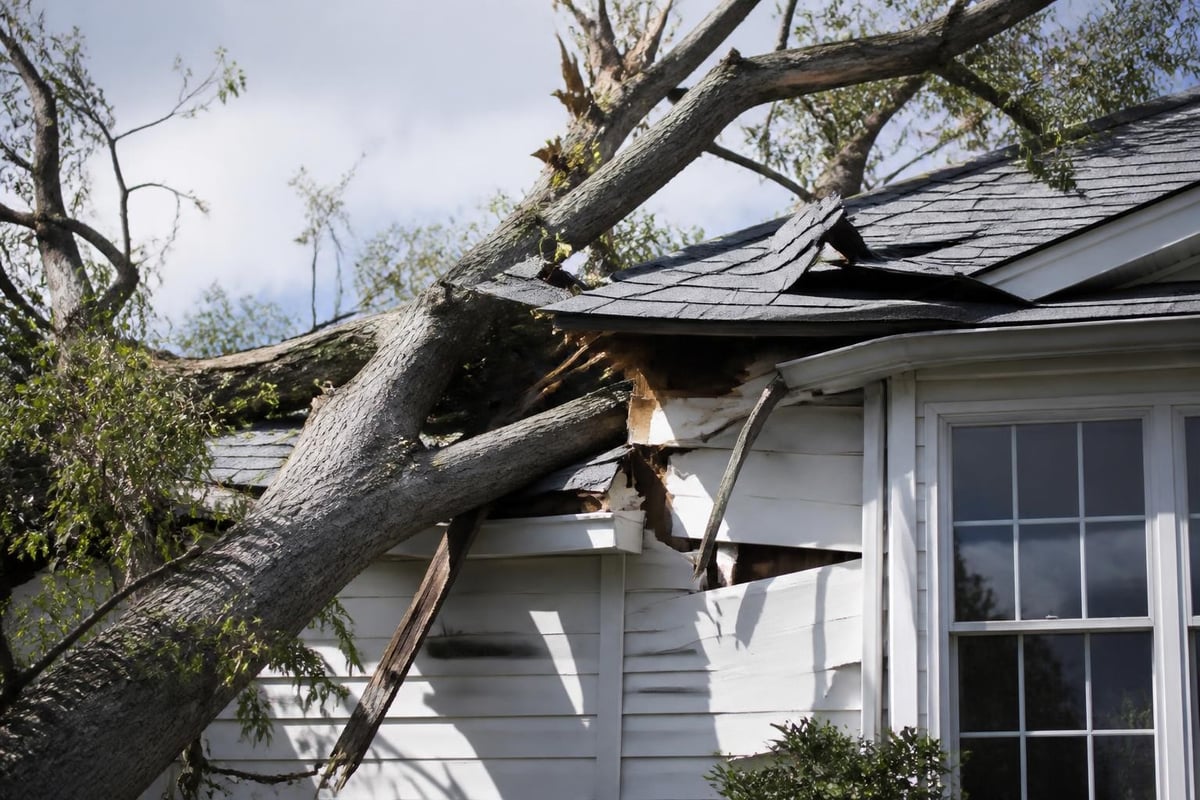
- Falling trees or large branches
- Fire or lightning strikes
- Vandalism or malicious damage
The key word across all these scenarios is "sudden." If your roof develops a leak overnight after a storm tears off shingles, that's typically covered. If your roof has been slowly deteriorating for five years and finally starts leaking, that's usually not covered because it falls under maintenance.
What Insurance Won't Cover
Roof repair insurance excludes several common scenarios:
- Normal wear and tear from age
- Damage from lack of maintenance
- Pre-existing conditions that weren't repaired
- Cosmetic damage that doesn't affect function
- Damage from pests or mold (unless caused by a covered peril)
Understanding these exclusions matters because they explain why insurers inspect roofs carefully before approving claims. An adjuster isn't just looking at the current damage. They're determining whether it resulted from a recent covered event or from years of neglect.
How Your Policy Type Affects Coverage
Not all roof repair insurance policies work the same way. The two main types are replacement cost value (RCV) and actual cash value (ACV), and the difference significantly impacts what you receive.
| Policy Type | What It Pays | Example |
|---|---|---|
| Replacement Cost Value (RCV) | Full cost to repair or replace with similar materials | $8,000 repair costs $8,000 |
| Actual Cash Value (ACV) | Replacement cost minus depreciation | $8,000 repair on 15-year-old roof might pay $4,000 |
RCV policies cost more upfront but provide better protection when you file a claim. ACV policies reduce premiums but leave you covering depreciation out of pocket. For a roof that's 10 or 15 years old, depreciation can cut your payout significantly.
Most insurers also have a deductible ranging from $500 to $2,500. You pay this amount before insurance covers the rest. If your repair costs $3,000 and your deductible is $1,500, insurance pays $1,500.
Age Limitations and Coverage Restrictions
Some insurance companies limit coverage based on roof age. If your roof is over 20 years old, you might only qualify for ACV coverage regardless of what you originally purchased. Others won't insure homes with roofs older than 25 years without replacement first.
This matters for homeowners considering whether to repair or replace. Sometimes replacing an aging roof actually improves your insurance situation by resetting coverage to full RCV terms.
The Roof Insurance Claim Process
Filing a roof repair insurance claim follows a structured process. Understanding each step helps you avoid delays and denials.
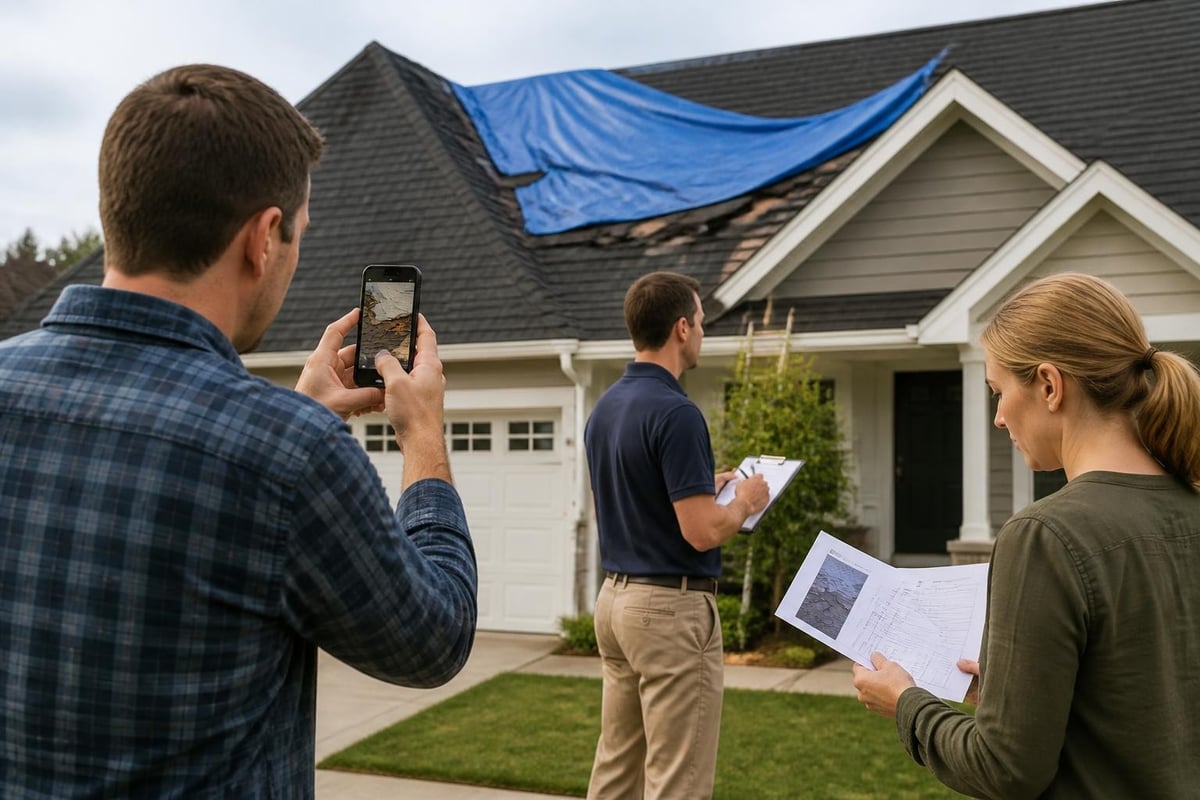
Step 1: Document the damage immediately. Take clear photos from multiple angles showing the affected areas. Include close-ups of damaged shingles, leaks, or debris. Amica Insurance discusses scenarios where home insurance may cover roof replacement, emphasizing how documentation supports your claim from the start.
Step 2: Review your policy. Before calling your insurer, read through your coverage details. Note your deductible, coverage type, and any exclusions. This helps you understand what to expect.
Step 3: Contact your insurance company. Report the claim as soon as possible after damage occurs. Most policies require "prompt notification," and waiting too long can complicate approval.
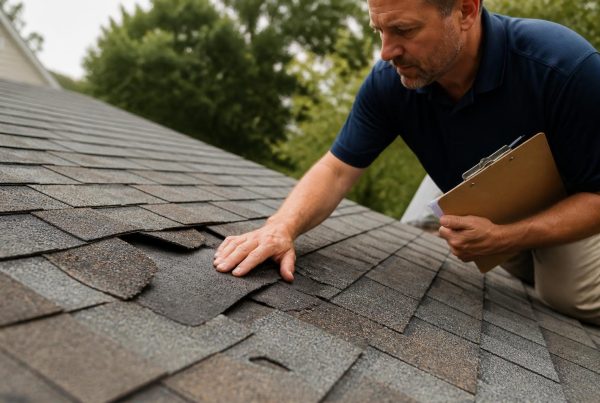
Step 4: Get a professional inspection. An independent roof inspection provides detailed documentation of all damage. This becomes crucial if your insurance adjuster's assessment differs from what you're seeing. Many Eastern North Carolina homeowners start with a Roof Report to understand exactly what's wrong before the insurance process begins, ensuring they have complete information when talking to adjusters.
Step 5: Meet with the insurance adjuster. The adjuster will inspect your roof and document their findings. Be present during this inspection and point out all damage you've noticed. The roof insurance claim process emphasizes timing and thorough documentation at this stage.
Step 6: Review the adjuster's report. You'll receive an estimate of covered repairs. Compare this carefully against your independent inspection. If there are significant discrepancies, you have the right to dispute the findings.
Step 7: Complete repairs and submit final documentation. Once approved, complete the work and submit invoices for final payment. For RCV policies, you often receive an initial ACV payment, then the remaining recoverable depreciation after repairs are finished.
Common Reasons Claims Get Denied
Understanding why roof repair insurance claims fail helps you avoid those pitfalls. Insurance companies deny claims for specific, predictable reasons.
Maintenance-Related Denials
The most common denial reason is "lack of maintenance." If an adjuster determines your roof failed due to years of neglect rather than a specific storm event, they'll deny the claim. Missing shingles that weren't replaced, clogged gutters that caused water backup, or obvious wear that predated the claimed event all trigger this denial.
Regular maintenance and documentation of that maintenance protect against these denials. Keep records of inspections, repairs, and any preventive work.
Pre-Existing Damage
If your roof already had damage before the event you're claiming, insurers often deny coverage. This is why getting damage repaired promptly matters. Waiting months or years to fix storm damage from one event, then trying to bundle it with new damage from a different event, creates complications.
Policy Exclusions and Fine Print
Some policies exclude specific types of damage or limit coverage under certain conditions. Wind-driven rain might not be covered if wind speeds didn't exceed policy thresholds. Damage to certain roof components like skylights or chimneys sometimes requires separate coverage.
Understanding whether roof repair is covered by homeowners insurance involves reviewing cause, policy details, and maintenance factors that affect approval.
Documentation That Strengthens Your Claim
Strong documentation transforms your roof repair insurance claim from questionable to clear-cut. Adjusters work with evidence, and the more you provide, the smoother the process.
Essential documentation includes:
- Photos with timestamps: Before and after images showing damage progression
- Professional inspection reports: Detailed assessments from qualified roofers
- Maintenance records: Evidence you've maintained the roof properly
- Weather reports: Data confirming storm dates and severity
- Repair estimates: Multiple quotes showing consistent damage assessments
- Receipts: Records of previous repairs or improvements
The goal is creating an undeniable timeline. You need to show that specific damage happened during a specific event, that your roof was properly maintained beforehand, and that the claimed repairs directly address covered damage.
Using Professional Inspections Strategically
Many homeowners wait for the insurance adjuster before getting any professional assessment. This can backfire if the adjuster misses damage or underestimates scope.
Getting your own inspection first means you enter conversations with adjusters already knowing what's wrong. You can point out specific issues and compare findings. If there's disagreement, you have professional documentation supporting your position.
Wind and Storm Damage in Coastal North Carolina
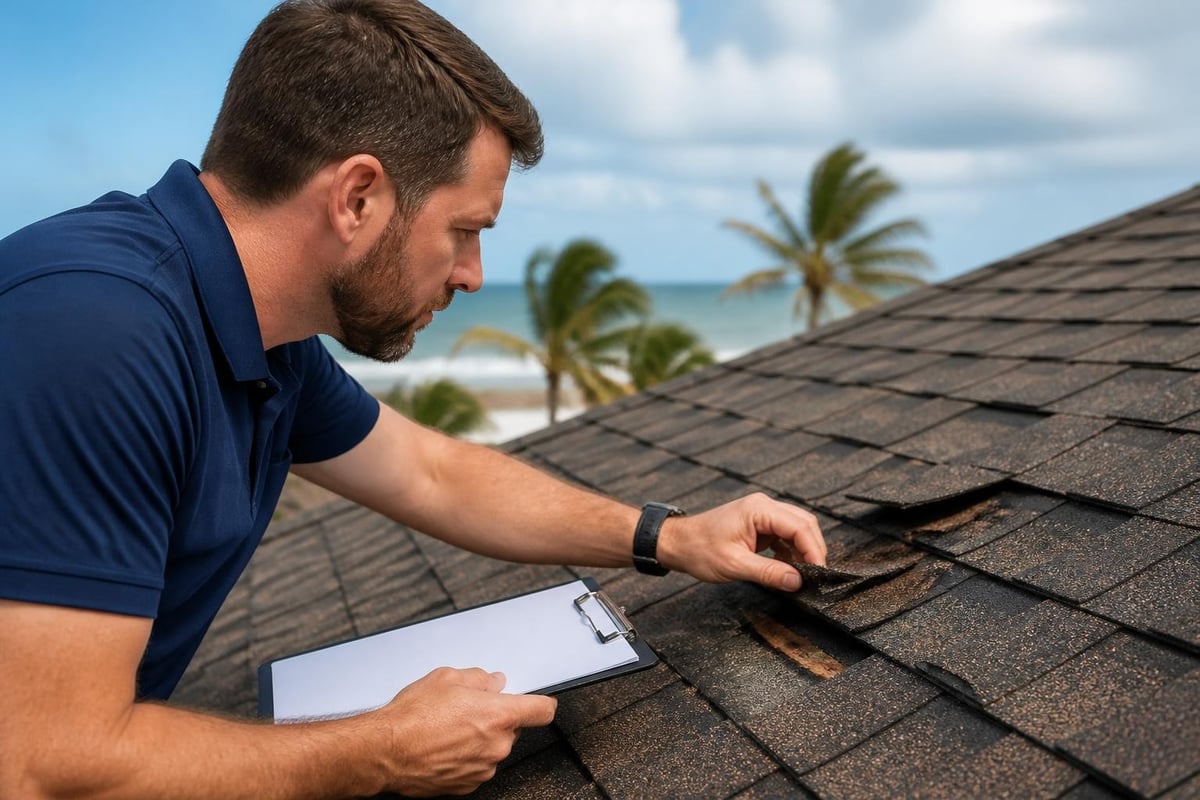
Homeowners in Topsail, Surf City, Holly Ridge, and Wilmington face unique roof repair insurance considerations due to coastal weather patterns. Wind damage occurs frequently, but not all wind damage gets covered the same way.
Insurance policies often include wind/hail deductibles separate from standard deductibles, sometimes calculated as a percentage of your home's insured value rather than a flat amount. A 2% wind deductible on a $300,000 home means you pay the first $6,000 of wind damage repairs.
Common coastal roof damage scenarios:
| Damage Type | Typical Cause | Coverage Likelihood |
|---|---|---|
| Lifted shingles | High winds during storms | Usually covered |
| Missing shingles | Hurricane-force winds | Usually covered |
| Granule loss | Age and UV exposure | Rarely covered |
| Leak around flashing | Wind-driven rain | Sometimes covered |
| Widespread wear | Salt air and humidity | Not covered |
Understanding these distinctions helps you know what to expect when filing claims. A single storm might cause both covered damage (torn shingles) and expose existing uncovered issues (aging flashing that was already compromised).
Working With Contractors During Insurance Claims
Choosing the right contractor during an insurance claim affects both the quality of repairs and your out-of-pocket costs. Some contractors specialize in "insurance work," which can mean vastly different things.
Red flags to avoid:
- Contractors who offer to "eat your deductible" (this is insurance fraud)
- Companies that push you to file claims for damage you're unsure exists
- Roofers who want to negotiate directly with your adjuster without your involvement
- Contractors who pressure you to sign before insurance approval
What to look for instead:
- Transparent estimates that match insurance terminology
- Willingness to document all findings thoroughly
- Clear communication about what's covered versus what's not
- Experience with local insurance companies and their processes
The best approach is getting an honest assessment first, then deciding whether to file a claim based on actual damage and costs. Some repairs cost less than your deductible, making a claim unnecessary. Others are clearly major enough to warrant insurance involvement.
For homeowners in Eastern North Carolina, choosing a local contractor familiar with roof repair in coastal conditions means better documentation and realistic expectations about what insurance will cover.
When Repairs Make More Sense Than Replacement
Roof repair insurance often covers partial repairs rather than full replacement, even when homeowners hope for a new roof. Understanding when insurers approve replacement versus repair helps set realistic expectations.
Insurance typically covers full replacement when:
- Damage affects more than 25-30% of the roof surface
- Structural integrity is compromised
- Code requirements make partial repair impractical
- Matching materials are no longer available
Repairs are more likely when:
- Damage is localized to specific sections
- The roof is relatively new with good remaining lifespan
- Matching materials are readily available
- Structural elements remain sound
Even if you'd prefer replacement, insurance covers what's necessary to restore your roof to its pre-damage condition. If 10 shingles blew off during a storm, they'll pay to replace those 10 shingles, not to reroof your entire house.
This is why some homeowners choose to upgrade beyond insurance coverage, paying the difference between a repair and replacement out of pocket. Others accept the covered repair and plan for eventual replacement when the roof reaches end of life.
Filing Multiple Claims and Rate Impacts
Every roof repair insurance claim you file gets recorded. Multiple claims within a few years can affect your premiums or even your ability to get coverage renewed.
How claims affect your insurance:
- First claim: Usually minimal impact, especially for significant covered events
- Second claim within 3 years: Possible rate increase of 10-20%
- Third claim within 5 years: Substantial rate increases or non-renewal risk
- Claims at purchase: New buyers may face higher rates or limited coverage
This doesn't mean you shouldn't file legitimate claims. Insurance exists for exactly these situations. But it does mean you should weigh the cost of minor repairs against the long-term impact of a claim on your record.
If repair costs are close to your deductible amount, paying out of pocket might make sense. If damage is extensive and costs exceed several thousand dollars, filing a claim is usually the right choice regardless of potential rate impacts.
Understanding Roof Age and Insurability
As roofs age, roof repair insurance becomes more complicated. Many insurers view older roofs as higher risk and adjust coverage accordingly.
| Roof Age | Typical Coverage | Common Requirements |
|---|---|---|
| 0-10 years | Full RCV coverage available | Standard inspections |
| 10-15 years | RCV available, may require inspection | Proof of good condition |
| 15-20 years | May shift to ACV only | Annual inspections often required |
| 20+ years | Limited coverage or replacement required | Inspection mandatory, replacement likely needed for new policies |
Some insurance companies won't write new policies on homes with roofs over 15 years old without replacement. Others offer coverage but only at ACV terms, significantly reducing payout potential.
This creates a financial decision point for homeowners. Sometimes replacing a roof proactively costs less than dealing with limited coverage and high deductibles on an aging roof. Other times, maintaining an older roof in good condition and accepting ACV coverage makes sense for a few more years.
Filing a roof insurance claim involves understanding how age factors into both coverage and claim outcomes.
Getting Repairs Done Right After Approval
Once your roof repair insurance claim is approved, focus shifts to completing quality repairs that actually solve the problem. This is where documentation continues to matter.
Keep detailed records of:
- All contractor communications and agreements
- Material specifications and purchases
- Work completion photos
- Final invoices with itemized costs
- Warranty information for repairs
Insurance companies typically issue payment in stages for larger claims. You might receive an initial check for ACV, complete repairs, then submit final documentation for recoverable depreciation. Missing this second step means leaving money on the table.
Make sure repairs address everything documented in the claim. If your adjuster noted damage to flashing, vents, and shingles, but your contractor only replaced shingles, you might have trouble getting additional payment later.
Alternative Coverage Options
Beyond standard homeowners insurance, other policies sometimes cover roof repairs in specific situations, though these are often misunderstood.
Home Warranties
Home warranties typically don’t cover roofs in the way homeowners expect. Most exclude roof repairs entirely or only cover them if failure results from a covered system like HVAC or plumbing. They're not a substitute for roof repair insurance through homeowners policies.
Supplemental Policies
Some insurers offer endorsements or riders that expand roof coverage beyond standard terms. These might include:
- Extended replacement cost coverage
- Guaranteed replacement regardless of age
- Lower deductibles for specific perils
- Coverage for cosmetic damage like hail dents
These additions cost extra but can make sense for newer roofs or high-value homes where replacement costs are substantial.
Dispute Resolution When Claims Are Denied
If your roof repair insurance claim gets denied and you believe the denial is wrong, you have options. Don't accept the first "no" without understanding why and exploring appeals.
Steps to dispute a denial:
- Request written explanation of the denial with specific policy language cited
- Review your policy carefully against their reasoning
- Gather additional documentation supporting your position
- Get independent professional assessments if needed
- File a formal appeal with your insurance company
- Contact your state insurance commissioner if the appeal fails
- Consider public adjuster or legal help for major disputes
The seven steps of a roof insurance claim include guidance on timelines and escalation when needed.
Most disputes stem from disagreements about cause (storm versus wear) or scope (how much damage exists). Strong documentation from the beginning makes these disputes easier to resolve in your favor.
Preventive Steps That Protect Coverage
The best approach to roof repair insurance is rarely needing it because you've maintained your roof properly. While you can't prevent storms, you can minimize damage and ensure coverage when events occur.
Maintenance that protects your insurance position:
- Annual professional inspections documenting condition
- Prompt repair of minor damage before it worsens
- Regular gutter cleaning and debris removal
- Trimming trees that overhang the roof
- Addressing flashing and sealant issues early
- Keeping records of all maintenance and repairs
This documentation serves two purposes. First, it actually keeps your roof in better shape, reducing the likelihood of major failures. Second, it proves to insurers that you've acted responsibly, strengthening claims when covered events do cause damage.
Many homeowners near Wilmington and coastal communities benefit from more frequent inspections due to salt air, humidity, and storm exposure. What works for roofs inland doesn't always apply to coastal conditions. You can explore more guidance and resources at NC Roofs to better understand local roofing considerations.
Understanding roof repair insurance before you need it puts you in control when damage happens. The difference between a smooth claim and a frustrating denial often comes down to documentation, knowing your policy, and working with professionals who provide clear guidance rather than unnecessary pressure. If you're in Topsail, Surf City, Holly Ridge, Wilmington, or surrounding areas and want to understand your roof's current condition before making any decisions, NC Roofs provides straightforward assessments and honest recommendations focused on what actually makes sense for your home and situation.