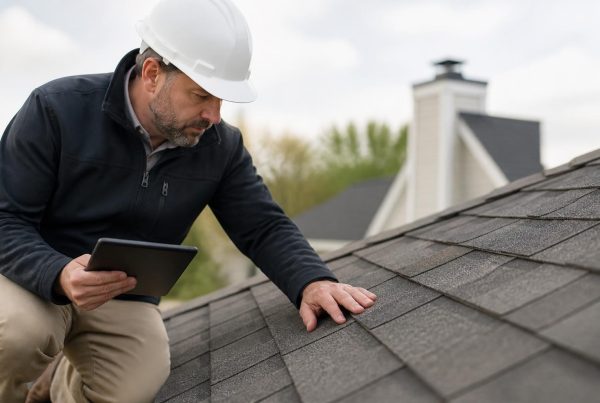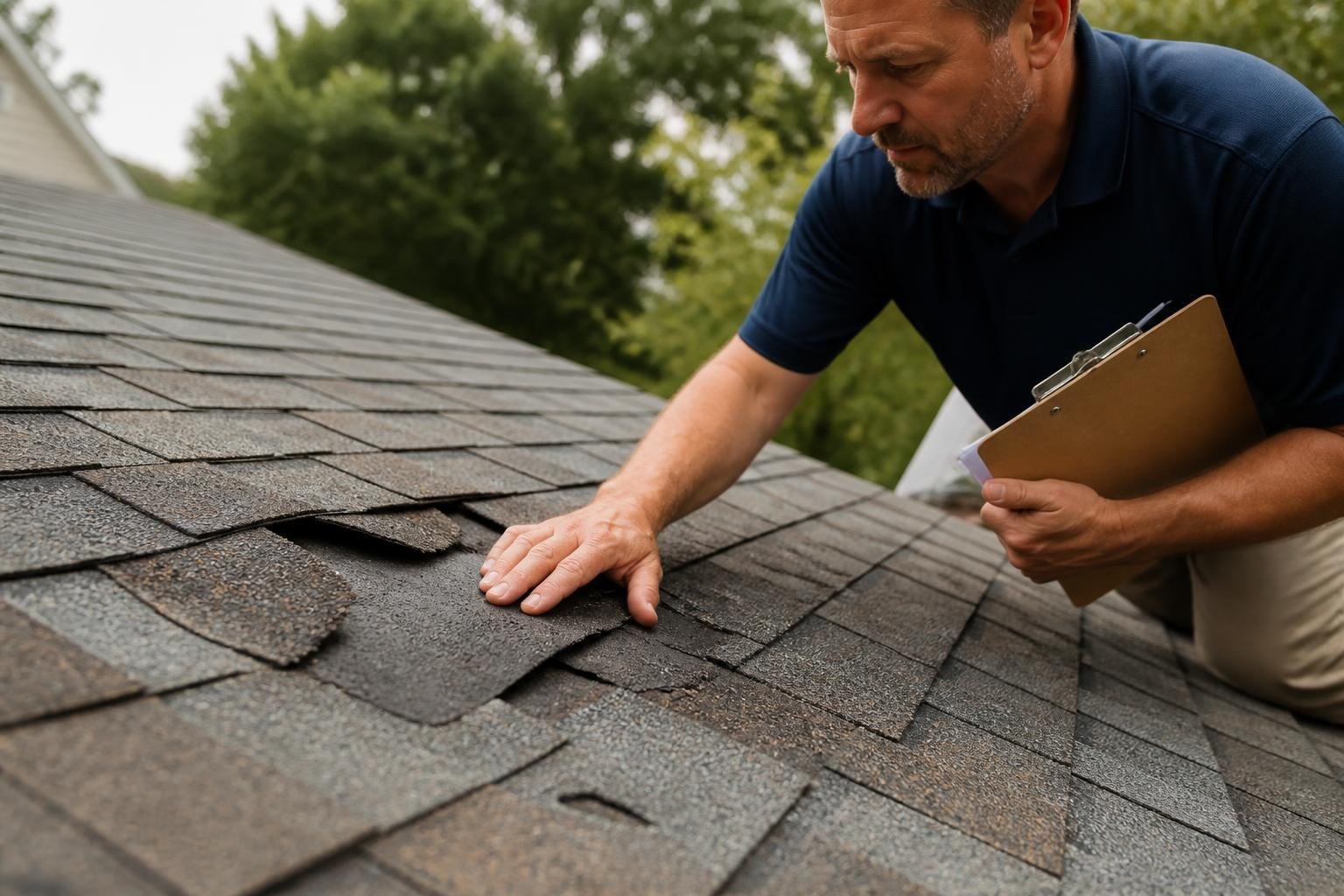
Most roofs don't fail all at once. Damage starts small: a few missing shingles after a storm, a curled edge where water sneaks through, or bruising from hail that quietly shortens your roof's lifespan. Homeowners in coastal North Carolina see this often, especially after hurricane season or a particularly windy spring. The question becomes whether your roof needs a full replacement or if targeted shingle repair can solve the problem without the expense. Understanding the difference saves time, money, and stress.
When Shingle Repair Makes Sense
Not every damaged roof needs replacement. Shingle repair works best when the problem is isolated and the rest of your roofing system remains sound.
Here's when repair is the smarter option:
- Localized storm damage: A handful of shingles torn off by wind or cracked by falling branches
- Age and overall condition: The roof is less than 15 years old and still performing well elsewhere
- Limited leak sources: Water intrusion traced to one or two specific spots, not widespread deterioration
- Budget considerations: You need a functional fix now and aren't ready for a $15,000+ replacement
If your roof is nearing the end of its expected lifespan or shows widespread wear, repair becomes a short-term patch. The Asphalt Roofing Manufacturers Association notes that proper repairs can extend roof life, but only when the underlying structure and surrounding shingles remain in good shape.
How to Tell if Your Roof Qualifies for Repair
Walk around your home after a storm or during spring maintenance. Look for these signs:
- Visible gaps where shingles are missing or lifted
- Granule loss creating bald patches on the shingle surface
- Cracked or curled edges, especially on south-facing slopes
- Interior water stains on ceilings near specific roof sections
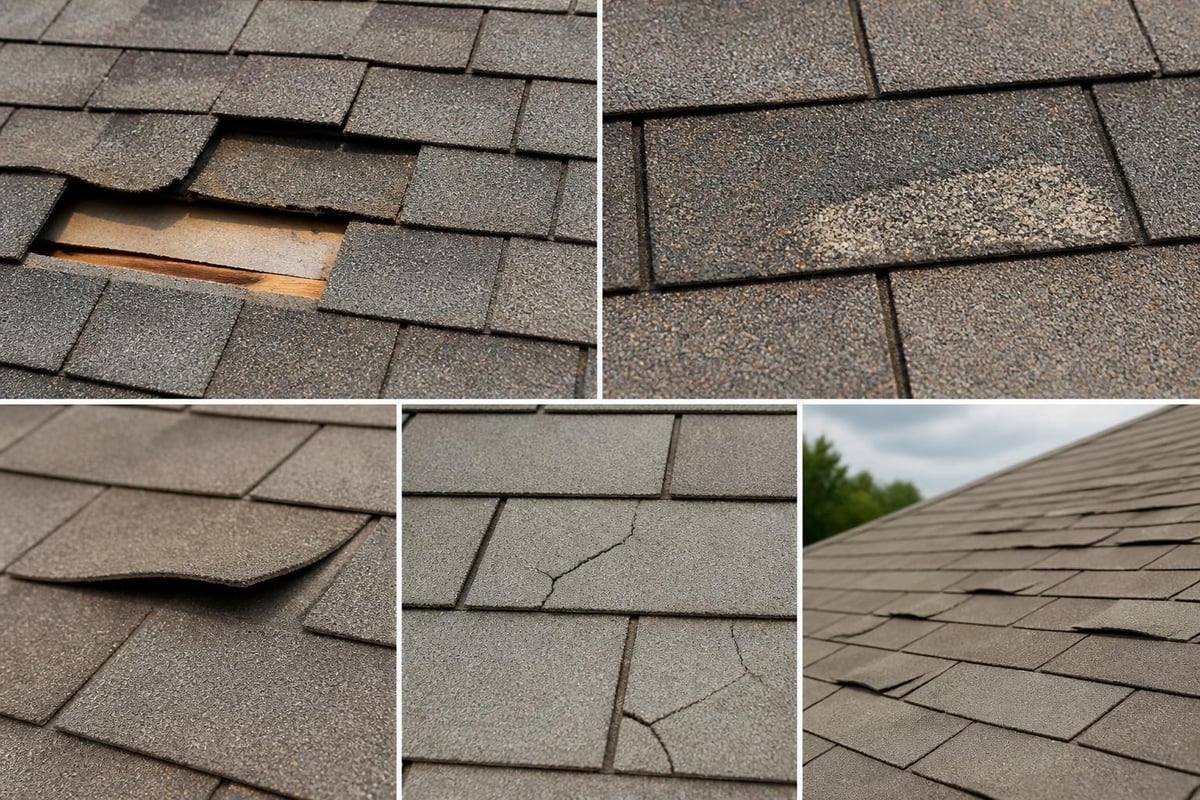
Document what you see with photos. If damage covers less than 30% of a single roof plane and the shingles still have good flexibility and color match availability, repair is usually viable.
Common Shingle Repair Scenarios
Shingle repair takes different forms depending on what failed and why. Coastal homeowners face unique challenges that inland properties don't.
Wind Damage
Wind doesn't need to reach hurricane force to lift shingles. Gusts over 50 mph can break the seal strip on older shingles or tear off tabs entirely. The repair involves:
- Removing damaged shingles without disturbing surrounding ones
- Inspecting underlayment for tears or water damage
- Installing new shingles with proper nail placement and sealant
- Matching the color and style as closely as possible
Wind damage often appears in patterns. If you see missing shingles along a ridge or near roof edges, that's normal wind vulnerability. Damage scattered randomly across the roof suggests other issues like manufacturing defects or improper installation.
Leak Repairs
Water finds the smallest openings. A leak might show up in your living room but originate 10 feet away on the roof. Shingle repair for leaks requires tracing the water path.
The process includes:
- Identifying the entry point (often around flashing, valleys, or penetrations)
- Removing shingles in the affected area to expose the deck
- Checking for rot or structural damage underneath
- Replacing damaged decking if necessary
- Installing new underlayment and shingles with proper overlap
| Leak Location | Common Cause | Repair Complexity |
|---|---|---|
| Valley | Improper flashing or debris buildup | Moderate |
| Chimney | Failed counter-flashing or caulk | Moderate to High |
| Vent pipe | Cracked boot or loose seal | Low |
| Roof edge | Ice dam damage or missing drip edge | Low to Moderate |
Sometimes the leak source isn't obvious until shingles come off. That's why starting with a roof report helps homeowners understand the scope before committing to work.
Replacing Individual Shingles
Single shingle replacement is straightforward when you catch damage early. A roofer lifts the overlapping shingle above, removes nails from the damaged piece, slides out the old shingle, and installs a new one.
Key considerations:
- Color matching becomes harder as shingles age and fade
- New shingles sealed to old ones may not bond perfectly
- Surrounding shingles must be flexible enough to lift without cracking
This works well for roofs under 10 years old. Older roofs often show brittleness that makes lifting adjacent shingles risky.
What Shingle Repair Actually Costs
Pricing varies based on damage extent, roof access, and materials. Homeowners in Eastern North Carolina typically see these ranges:
- Minor repair (5-10 shingles): $300-$600
- Moderate repair (20-40 shingles, one section): $800-$1,500
- Extensive repair (multiple sections, flashing work): $2,000-$4,000
These estimates assume standard three-tab or architectural shingles. Specialty products like designer shingles or tile cost more.
What Affects Repair Costs
Several factors push prices up or down:
- Roof pitch: Steep roofs require more safety equipment and labor time
- Access: Two-story homes or roofs surrounded by landscaping increase difficulty
- Material matching: Discontinued shingle lines require special orders or creative blending
- Hidden damage: Rotten decking or failed underlayment discovered during repair
Get a clear scope before work begins. A reputable contractor inspects the area, explains what they find, and provides a written estimate. National Roofing Contractors Association guidelines recommend documenting pre-existing conditions to avoid surprises.
Repair vs. Replacement: Making the Decision
This is where homeowners get stuck. You want the roof fixed but don't want to overpay or under-repair.
Choose repair when:
- The roof is less than 15 years old
- Damage covers less than 30% of any single plane
- The rest of the roof shows no signs of failure
- You plan to stay in the home for at least 3-5 more years
Choose replacement when:
- The roof is over 20 years old
- Multiple areas show wear or damage
- You've had several leak repairs in the past two years
- You're planning to sell soon and need a clean inspection
Consumer Reports notes that asphalt shingles typically last 20-30 years depending on climate and maintenance. Coastal environments with salt air and high winds can shorten that window.
When Insurance Comes Into Play
Storm damage often triggers insurance claims. Understanding what adjusters look for helps you advocate for proper coverage.
Document everything:
- Date of the storm or damage event
- Photos of the damage from ground level and (if safe) close-up
- Any interior water damage or stains
- Estimates from licensed contractors
Insurance companies evaluate whether damage is sudden and accidental (covered) or gradual wear (not covered). Hail damage, wind-torn shingles, and tree impact typically qualify. Age-related granule loss and curling usually don't.
How Shingle Repair Is Done Properly
Quality matters more than speed. Rushed repairs fail within months, costing you more in the long run.
Step-by-Step Process
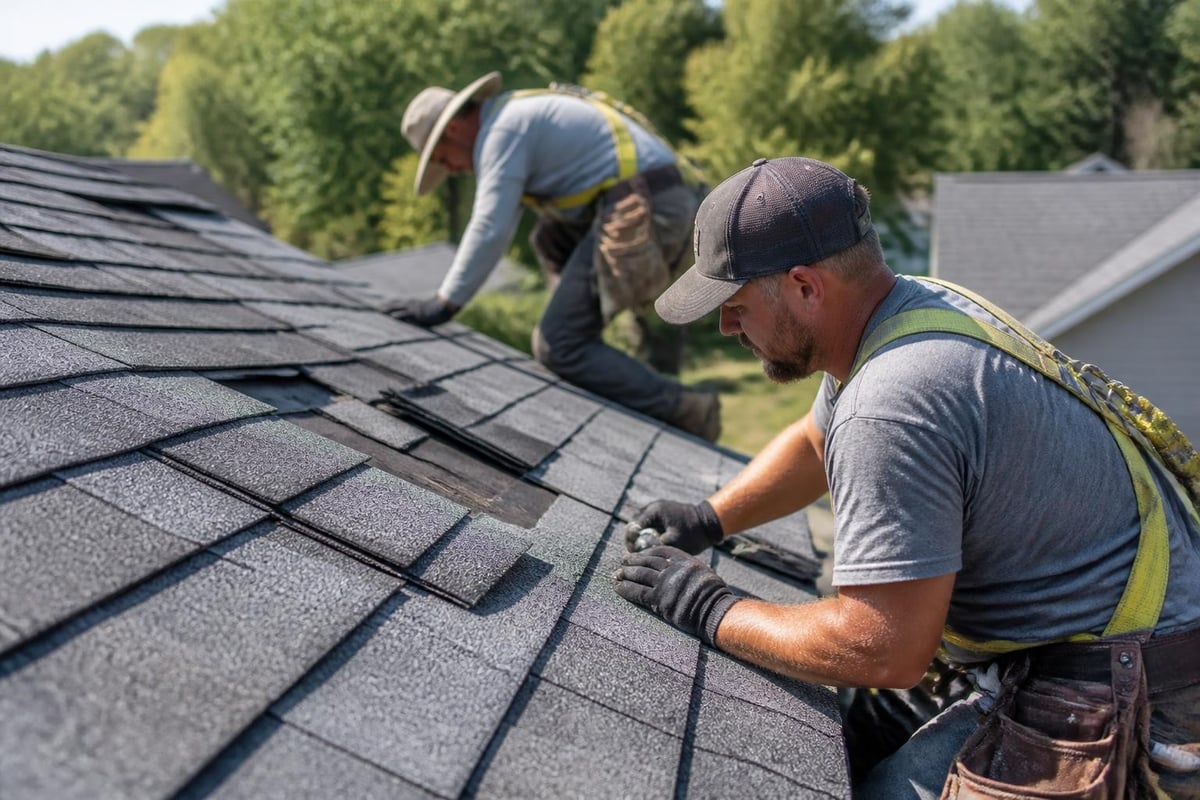
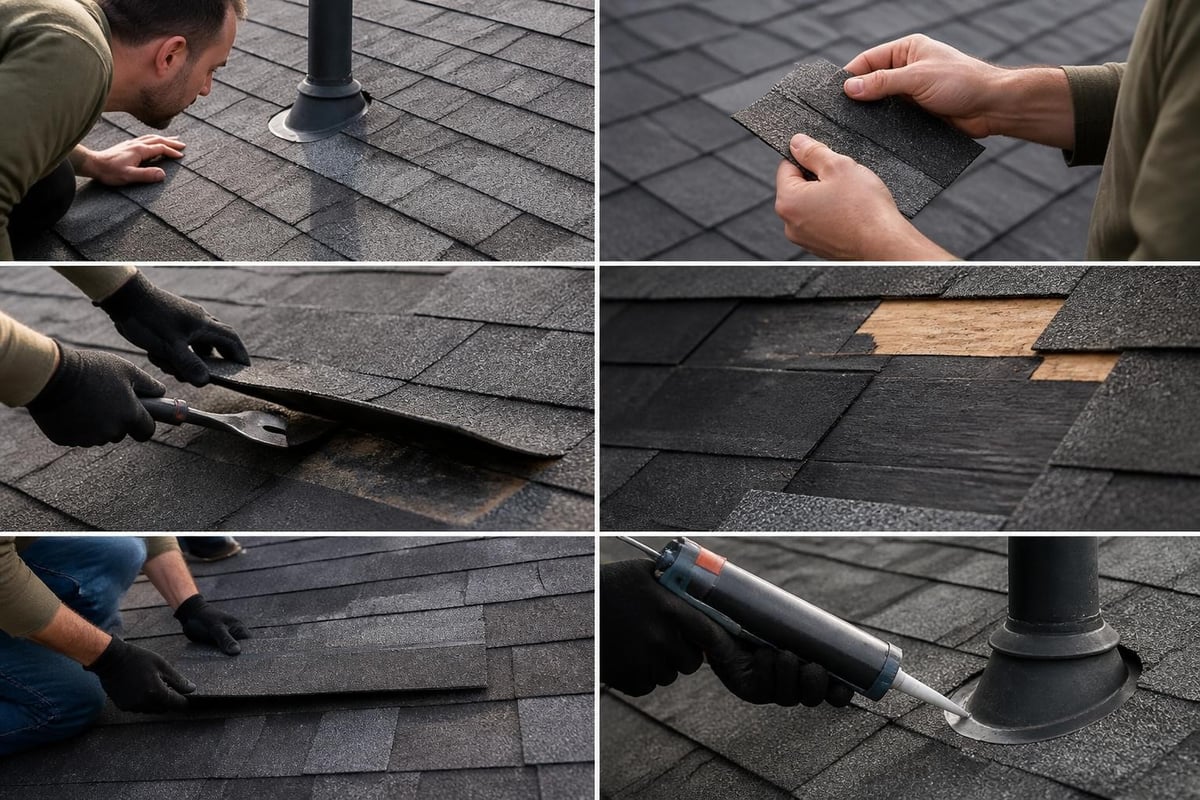
A professional shingle repair follows this sequence:
- Inspection: Assess the damage area and surrounding shingles
- Material sourcing: Match shingle color, style, and thickness
- Removal: Carefully remove damaged shingles without harming adjacent ones
- Deck inspection: Check for soft spots, rot, or water damage
- Underlayment repair: Replace any torn or deteriorated felt or synthetic underlayment
- Shingle installation: Install new shingles with proper nail placement (typically 4-6 nails per shingle)
- Sealing: Apply roofing cement to seal edges and tabs
- Cleanup: Remove all debris and check gutters for granules or nails
The Asphalt Institute recommends specific installation standards to ensure repairs hold up under stress. Shortcuts like under-nailing or skipping sealant lead to premature failure.
Common Mistakes to Avoid
Even experienced DIYers make errors that compromise repairs:
- Wrong nail placement: Nails driven too high or too low don't secure properly
- Mismatched materials: Using different shingle weights or styles creates weak points
- Insufficient sealing: Relying on the factory seal strip alone in high-wind areas
- Ignoring underlayment: Replacing shingles without checking the layer underneath
| Mistake | Consequence | Fix |
|---|---|---|
| Nails too high | Shingles lift in wind | Remove and reinstall correctly |
| No sealant | Water intrusion at seams | Apply roofing cement to edges |
| Unmatched shingles | Visual inconsistency, performance gaps | Source correct product or blend |
| Skipped deck check | Hidden rot continues | Remove more shingles to inspect |
Professional roofers carry proper tools, materials, and insurance. The cost difference between DIY and professional work shrinks when you factor in material waste, tool rental, and the risk of injury on a sloped roof.
When to Call for Help
Some repairs are simple. Others require expertise you won't find in a weekend YouTube tutorial.
DIY-friendly repairs:
- Replacing 1-3 individual shingles on a low-pitch roof
- Applying sealant to lifted shingle tabs
- Cleaning debris from valleys and gutters
Call a professional for:
- Repairs involving flashing or roof penetrations
- Any work on a steep or high roof
- Damage affecting multiple areas
- Situations where you're unsure of the root cause
Safety is the main concern. Falls from roofs cause thousands of injuries each year. If you feel uncomfortable or the repair involves more than basic shingle replacement, get a qualified contractor involved.
For roof repair across Eastern North Carolina, homeowners benefit from working with contractors familiar with coastal conditions. Salt air, humidity, and frequent storms create specific challenges that inland roofers may not anticipate.
Extending the Life of Your Roof After Repair
Fixing the problem is only half the job. Maintenance determines how long that repair lasts.
Post-Repair Maintenance Checklist
Follow these steps to protect your investment:
- Inspect quarterly: Walk your property and look for new damage or wear
- Clean gutters twice yearly: Clogged gutters cause water backup under shingles
- Trim overhanging branches: Prevent debris accumulation and shingle abrasion
- Check attic ventilation: Poor airflow accelerates shingle aging from below
- Address small issues immediately: A loose shingle today becomes a leak tomorrow
The EPA provides guidance on managing roofing materials responsibly, including disposal and recycling options when repairs generate waste. Many shingle manufacturers now participate in recycling programs that keep old asphalt out of landfills.
Signs Your Repair Isn't Holding
Even quality repairs can fail if underlying issues weren't addressed. Watch for:
- New leaks near the repair area: Suggests the problem extended beyond what was fixed
- Shingles lifting at repair seams: Indicates poor bonding or inadequate sealant
- Color mismatch getting worse: Older shingles fading faster than new ones
If problems appear within the first year, contact the contractor who did the work. Most reputable companies warranty their labor for at least 12 months.
Material Considerations for Shingle Repair
Not all shingles are created equal, and mixing types causes problems.
Matching Existing Shingles
Your roof likely has one of these shingle types:
- Three-tab: Flat, uniform appearance, lighter weight, 20-25 year lifespan
- Architectural (dimensional): Textured, layered look, heavier, 25-30 year lifespan
- Designer: Specialty styles mimicking slate or wood, 30-50 year lifespan
Mixing three-tab with architectural creates obvious visual breaks and performance mismatches. The weight difference affects how the repair area responds to wind and temperature changes.
When exact matches aren't available:
- Contact the original manufacturer for discontinued color options
- Source from surplus suppliers who stock older inventory
- Consider "blending" by replacing shingles across a wider area to minimize contrast
- Accept that perfect matching isn't always possible on roofs over 15 years old
Some contractors keep common shingle colors in stock. Others need 1-2 weeks to source specific products.
Understanding Shingle Warranties
Manufacturer warranties cover defects, not damage. A 30-year warranty doesn't mean your shingles will last 30 years without maintenance or that wind damage is covered.
Warranty types:
- Material warranty: Covers manufacturing defects (rare)
- Workmanship warranty: Covers installation errors (contractor-provided, typically 1-5 years)
- Pro-rated coverage: Full value for X years, then declining percentage
Read the fine print. Most warranties void if repairs are done by unlicensed contractors or if proper ventilation wasn't maintained.
Planning for Future Repairs
Shingle repair solves today's problem. Smart planning prevents tomorrow's.
Creating a Roof Maintenance Schedule
Set calendar reminders for these tasks:
- Spring inspection (March): Look for winter damage, check flashing
- Pre-hurricane prep (May): Secure loose shingles, clear debris
- Fall gutter cleaning (October): Prevent ice dam risk and water backup
- Post-storm check (as needed): Document any new damage immediately
Keep a roof file with:
- Installation date and warranty information
- Records of all repairs with photos and receipts
- Contact information for your preferred contractor
- Insurance policy details and claim history
This documentation helps when you need estimates, file claims, or sell your home.
Budget for Roof Maintenance
Set aside $200-500 annually for minor repairs and maintenance. That fund covers:
- Small shingle replacement
- Gutter cleaning and minor gutter repairs
- Flashing re-sealing
- Professional inspections every 3-5 years
Regular small investments prevent large emergency expenses. A $400 repair today beats a $12,000 replacement next year because you ignored a leak.
Shingle repair works when the damage is limited and the rest of your roof remains sound. The key is understanding what you're dealing with before committing to work. If you're in Hampstead, Topsail, Surf City, Holly Ridge, Wilmington, or surrounding coastal areas and need honest guidance on whether your roof needs repair or replacement, NC Roofs provides clear assessments without pressure, helping you make the right decision for your home and budget.