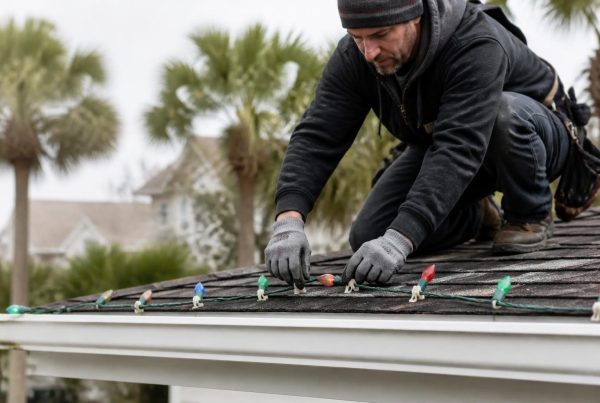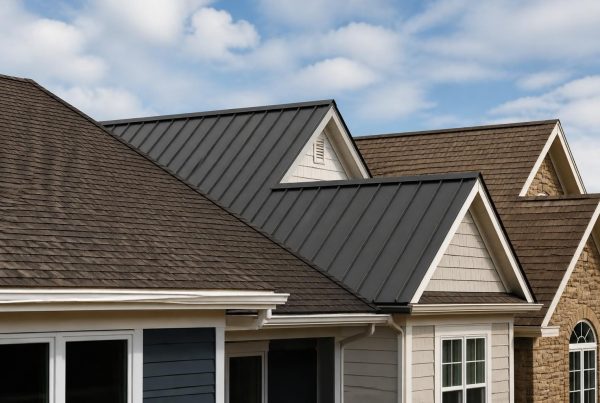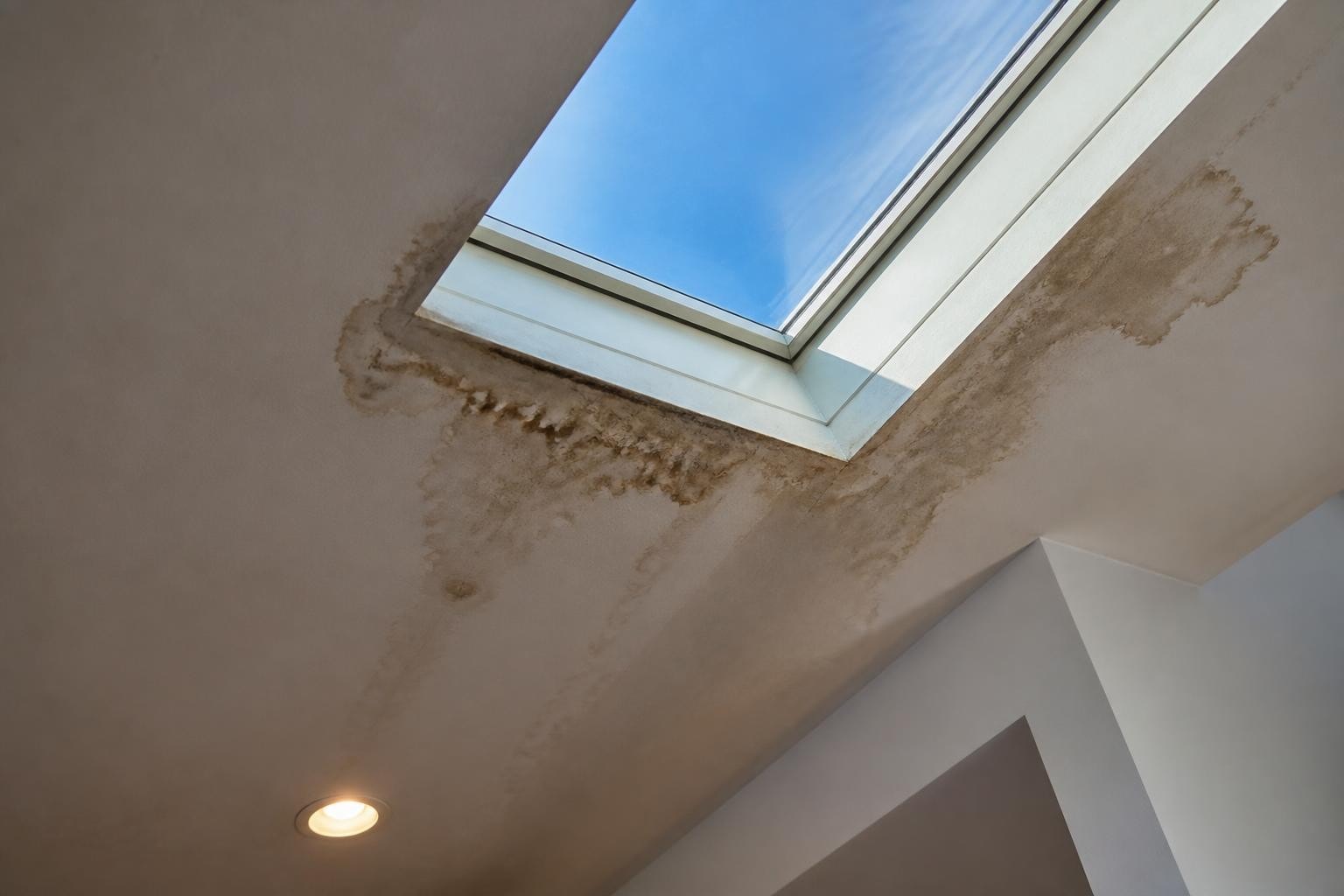
A skylight brings natural light into your home, but when water starts dripping from the edges or pooling on the frame, it creates stress fast. Coastal homeowners in Eastern North Carolina deal with intense storms, salt air, and UV exposure that all accelerate wear on skylights. Understanding where the leak is actually coming from and what kind of repair makes sense helps you make a decision based on facts, not fear. This guide walks through the common causes, how to inspect the problem yourself, and when a simple fix is all you need versus when replacement is the smarter choice.
Common Causes of a Skylight Leak
Most skylight leaks aren't caused by the glass itself. Water finds its way in through the seal between the skylight and your roof, and that seal depends on several layers working together.
Flashing failure is the number one reason skylights leak. Flashing is the metal or rubberized material that bridges the gap between the skylight frame and your roof shingles. When flashing corrodes, pulls away, or was never installed correctly in the first place, water slips underneath during rain. Improper installation and flashing problems are especially common with older skylights or DIY installations.
Deteriorated Seals and Gaskets
The rubber gasket around the skylight dome or the sealant along the frame breaks down over time. Salt air in coastal areas speeds this up. You'll notice:
- Cracks in the caulking around the frame
- Hardened or missing rubber seals
- Visible gaps between the skylight and curb
When these seals fail, even light rain can work its way inside.
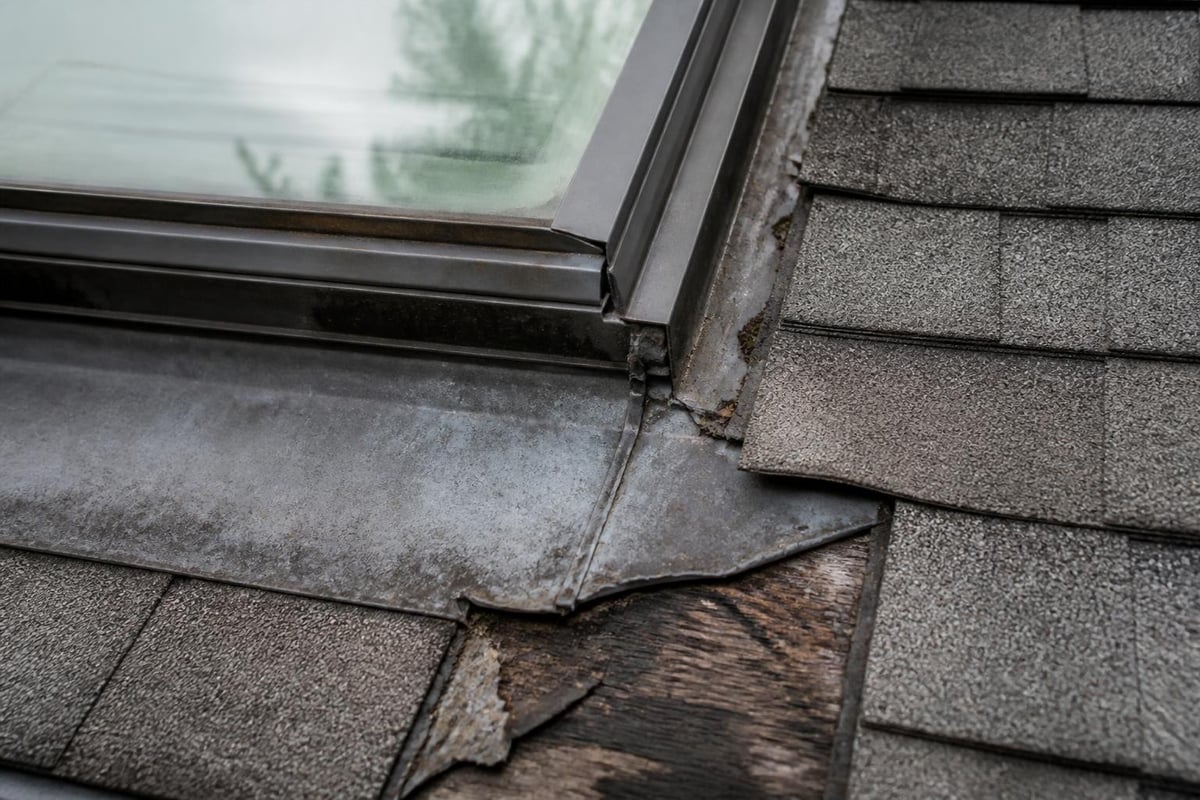
Roof Deck or Curb Damage
Sometimes the problem isn't the skylight at all. The wooden curb that the skylight sits on can rot from prolonged moisture exposure. If the decking around the skylight has softened or developed gaps, water pools there and eventually finds a path inside.
| Issue | What Happens | Typical Age Range |
|---|---|---|
| Flashing failure | Water bypasses shingle layer | 10-15 years |
| Seal deterioration | Direct water entry through gaps | 8-12 years |
| Curb rot | Structural weakness, water pooling | 15-20 years |
| Condensation buildup | Interior moisture from temperature差 | Any age |
How to Identify the Source of Your Leak
Before calling anyone, it helps to narrow down where the water is actually entering. Not every wet spot means the skylight itself is failing.
Check during or right after rain. Climb into your attic with a flashlight while it's raining or shortly after a storm ends. Look at the area around the skylight curb. If you see water tracking down from the flashing edges, that's your culprit. If the wood around the skylight is dry but you still have interior drips, the issue might be condensation or a roof leak elsewhere that's just showing up near the skylight.
Run a Water Test
If you can't catch it during rain, use a garden hose. Have someone inside watch while you slowly run water over specific areas:
- Start above the skylight and work downward
- Focus water along the upper flashing edge for several minutes
- Move to the side flashing, then the lower edge
- Watch for water entry at each point
This method helps pinpoint whether the leak is coming from one section or multiple areas. Inspection techniques like this save time when a roofer arrives because you already have clues about the failure point.
Look for These Warning Signs
- Water stains on the ceiling directly below or slightly offset from the skylight
- Mold or mildew around the interior frame
- Daylight visible through gaps when you're in the attic
- Bubbling or peeling paint near the skylight
- Dripping sounds during rain even if you don't see water yet
Repair Options for Different Leak Types
Once you know where the water is entering, the repair approach depends on what's failing and how extensive the damage is.
Resealing Minor Gaps
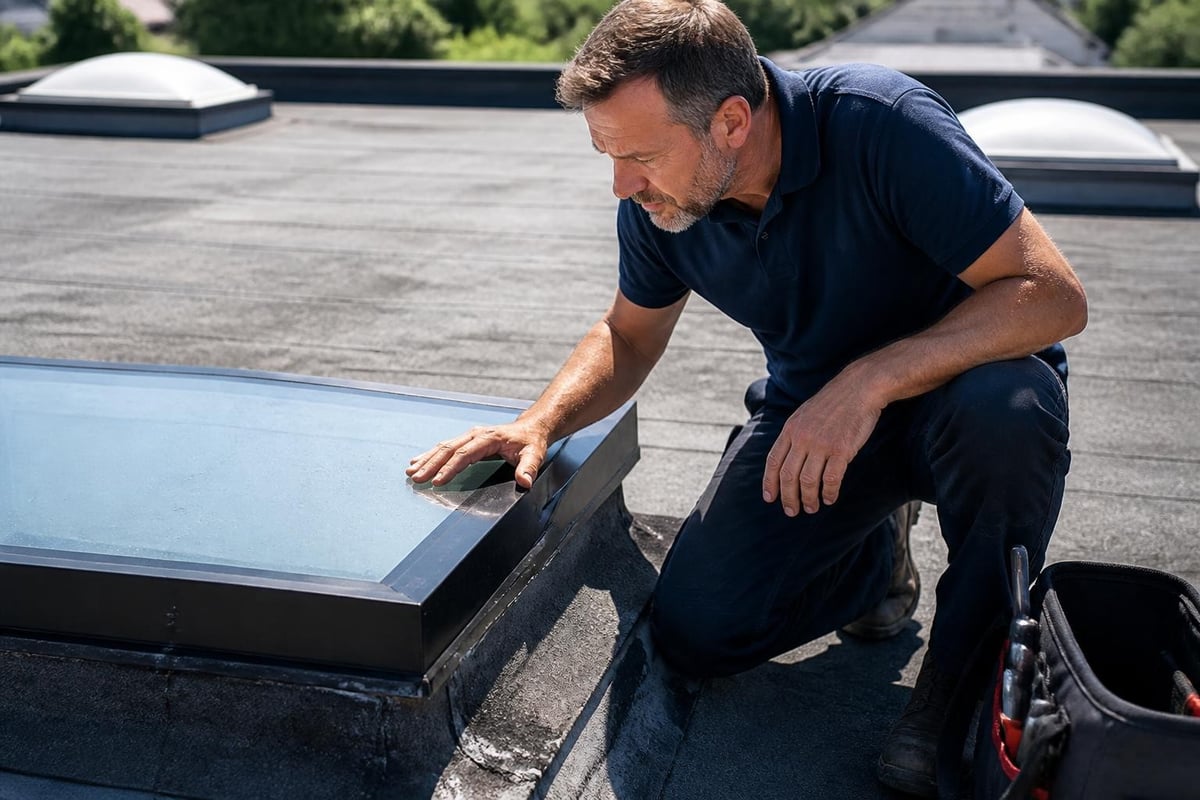
If the flashing is intact but the sealant has simply dried out, resealing might be all you need. A roofer can clean the old caulk, apply new high-grade sealant along the seams, and restore the watertight barrier. This works when:
- The skylight is less than 10 years old
- Flashing shows no corrosion or separation
- The leak only happens during heavy, wind-driven rain
Cost range: $150-$400 depending on accessibility and size.
Reflashing the Skylight
When flashing has pulled away, corroded, or was never installed properly, reflashing is the right move. This involves removing shingles around the skylight, installing new step flashing and counterflashing, and integrating it correctly with your roof's water barrier. Whether to reseal, reflash, or replace depends heavily on the skylight's age and overall condition.
A reflashing job addresses:
- Corroded or bent metal flashing
- Missing or inadequate step flashing integration
- Improperly overlapped shingle layers
- Gaps between the curb and roofing material
Cost range: $500-$1,200 for labor and materials.
Replacing the Entire Skylight
If the skylight itself is old, the glass is fogged between panes, or the curb has rotted, replacement makes more sense than pouring money into repairs. Modern skylights offer better insulation, impact resistance, and longer warranties. Replacement also lets you upgrade size or switch to a vented model if you want better airflow.
Consider replacement when:
- The skylight is over 15 years old
- You see condensation between glass panes (seal failure)
- The frame is cracked or warped
- The curb shows rot or structural weakness
- You're already replacing a section of your roof
When to Call a Professional
Some homeowners feel comfortable resealing a skylight themselves, but most skylight leak repairs require roof work that's safer and more effective when handled by someone experienced. Coastal roofs in areas like Topsail, Surf City, and Wilmington face unique challenges. Salt exposure, high winds, and intense summer sun all affect how long a repair lasts.
Safety matters. Walking on a roof, especially around a skylight where the decking might be compromised, isn't worth the risk if you're not equipped for it. A professional knows how to distribute weight, secure themselves, and spot hidden damage that might not be obvious from below.
What a Roof Report Can Tell You
Before committing to any repair, it helps to understand the full picture. A Roof Report documents what's happening with your skylight, the surrounding roof area, and whether other issues are contributing to the problem. You get photos, clear explanations, and honest recommendations about whether a repair will actually solve it or if you're better off with replacement. This approach takes the guesswork out of the decision and gives you something concrete if you need to file an insurance claim for storm damage.
| Repair Type | Best For | Longevity | Complexity |
|---|---|---|---|
| Resealing | Minor gaps, recent install | 2-5 years | Low |
| Reflashing | Flashing failure, proper structure | 10-15 years | Medium |
| Full replacement | Old units, structural damage | 15-20+ years | High |
Preventing Future Skylight Leaks
Once you've fixed a skylight leak, a little maintenance goes a long way toward preventing the next one.
Annual inspections catch small problems before they become leaks. Check the sealant around your skylight every fall, especially after hurricane season. Look for cracks, gaps, or areas where the caulk has pulled away. If you spot any, a quick bead of sealant now saves a bigger repair later.
Clear Debris Regularly
Leaves, pine needles, and other debris collect on the uphill side of skylights. When that debris holds moisture against the flashing, it accelerates corrosion and seal breakdown. A few times a year, carefully clear away anything that's piled up around the skylight edges.
- Use a soft brush or leaf blower from the roof edge
- Avoid pressure washers that can force water under shingles
- Check gutters and valleys near the skylight too
Monitor Interior Condensation
Not all moisture around a skylight is a leak. Condensation buildup happens when warm, humid air inside your home meets the cold glass of the skylight. If you notice moisture only during winter or only on the interior surface, improving attic ventilation or adding a dehumidifier might solve it without any roof work.
Understanding Repair Costs in Eastern North Carolina
Prices for skylight leak repairs vary based on the type of work, how accessible your roof is, and whether any underlying damage needs attention. Coastal locations sometimes see slightly higher costs because materials need to stand up to salt air and wind.
Simple reseal: $150-$400
Reflashing with new materials: $500-$1,200
Full skylight replacement: $1,000-$2,500 depending on size and model
Curb repair or rebuild: $300-$800 additional if needed
These are general ranges for 2026. The best way to know what your specific situation requires is to get a detailed assessment that includes photos and a breakdown of what's failing. Understanding roof repair costs helps you budget and compare quotes accurately.
Insurance and Storm Damage
If your skylight leak started after a named storm or severe weather event, your homeowner's insurance might cover the repair or replacement. Wind-driven rain, hail damage to the skylight dome, or fallen branches that compromise the flashing are typically covered events. Having documentation from a roof inspection makes the claims process smoother and faster.
DIY Repairs vs. Professional Work
If you're handy and your roof has a low slope with easy access, a minor reseal might be a reasonable DIY project. You'll need:
- High-quality exterior sealant rated for roofing
- A caulk gun
- A utility knife to remove old sealant
- Safety equipment including a harness if the pitch is steep
Work only in dry, mild weather. The sealant needs time to cure without moisture, and you need stable footing. If your roof is steep, the skylight is high up, or you're not confident about identifying all the problem areas, professional help is the safer choice.
What Professionals Bring
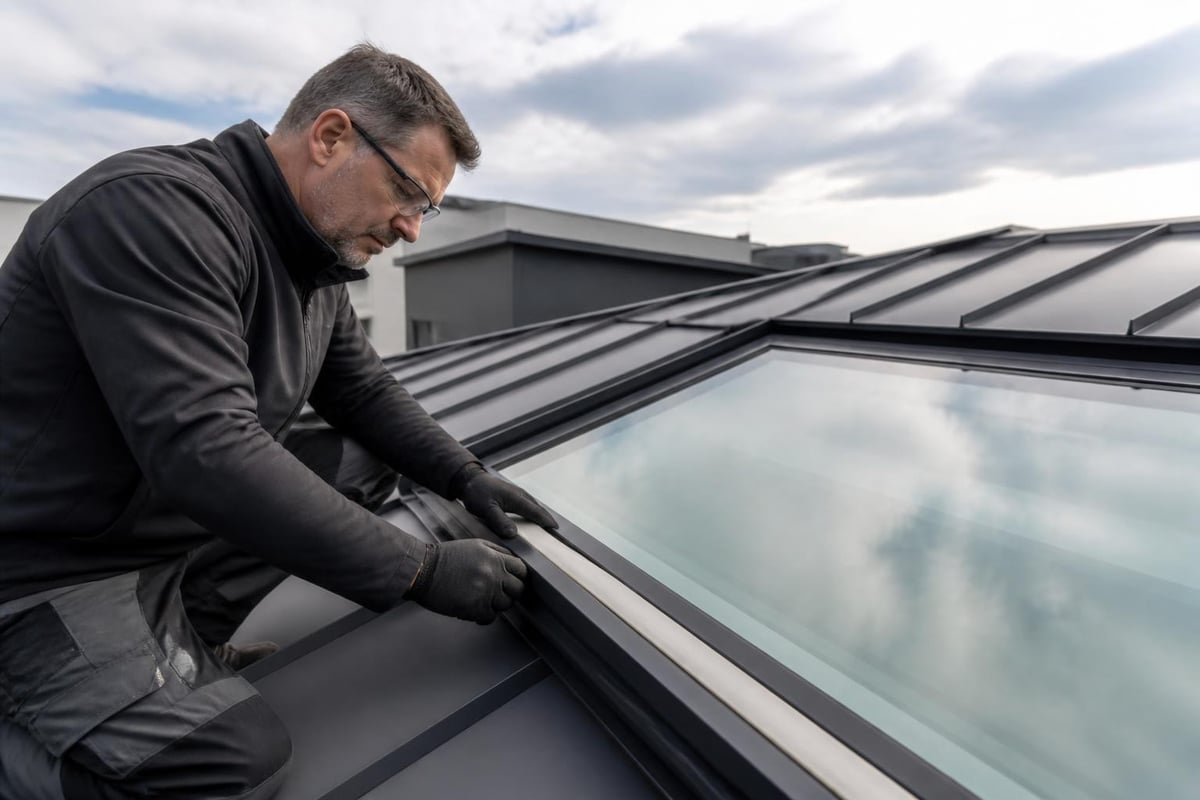
A roofer experienced with skylight leak repair knows how to integrate flashing with your specific roof type, whether it's asphalt shingle, metal, or tile. They understand how water flows across a roof, where it's likely to penetrate, and how to create a lasting seal that won't fail during the next storm. They also spot related issues, like damaged shingles nearby or inadequate underlayment, that you might miss.
Signs the Leak Is More Serious
Sometimes what looks like a simple skylight leak is actually a symptom of a larger roof problem. If you're seeing multiple leak points, widespread water stains, or signs of rot in the attic, the skylight might just be the most visible failure.
Red flags that suggest bigger issues:
- Water stains in multiple rooms, not just near the skylight
- Sagging ceiling areas
- Soft or spongy spots on the roof deck
- Visible daylight through the roof in several locations
- Recent storm damage that affected more than just the skylight area
In these cases, a comprehensive roof inspection makes sense before investing in isolated repairs. You want to know whether fixing the skylight solves the problem or if the roof itself needs broader attention.
Choosing the Right Skylight for Replacement
If you've decided replacement is the best path forward, modern skylights offer significant improvements over older models. Look for features that make sense for coastal North Carolina:
- Impact-rated glass for hurricane season
- Low-E coatings to reduce heat gain in summer
- Laminated glass for better sound dampening during storms
- Integral flashing kits that simplify installation and reduce leak risk
Fixed skylights are simpler and less prone to leaks than operable (vented) models, but vented skylights offer airflow benefits that can reduce attic heat. Think about what you need from the skylight, not just what looks nice. A quality installation with proper flashing matters more than brand name.
A skylight leak doesn't have to mean an expensive replacement, but it does need attention before water damages your ceiling and attic structure. Understanding whether you're dealing with a simple seal failure or a more complex flashing issue helps you make a smart repair decision. If your skylight is leaking in Hampstead, Topsail, Wilmington, or anywhere along the North Carolina coast, NC Roofs can assess what's happening, explain your options clearly, and handle the repair without unnecessary upsells. We focus on fixing what actually needs attention and helping you get the best outcome at a fair price.