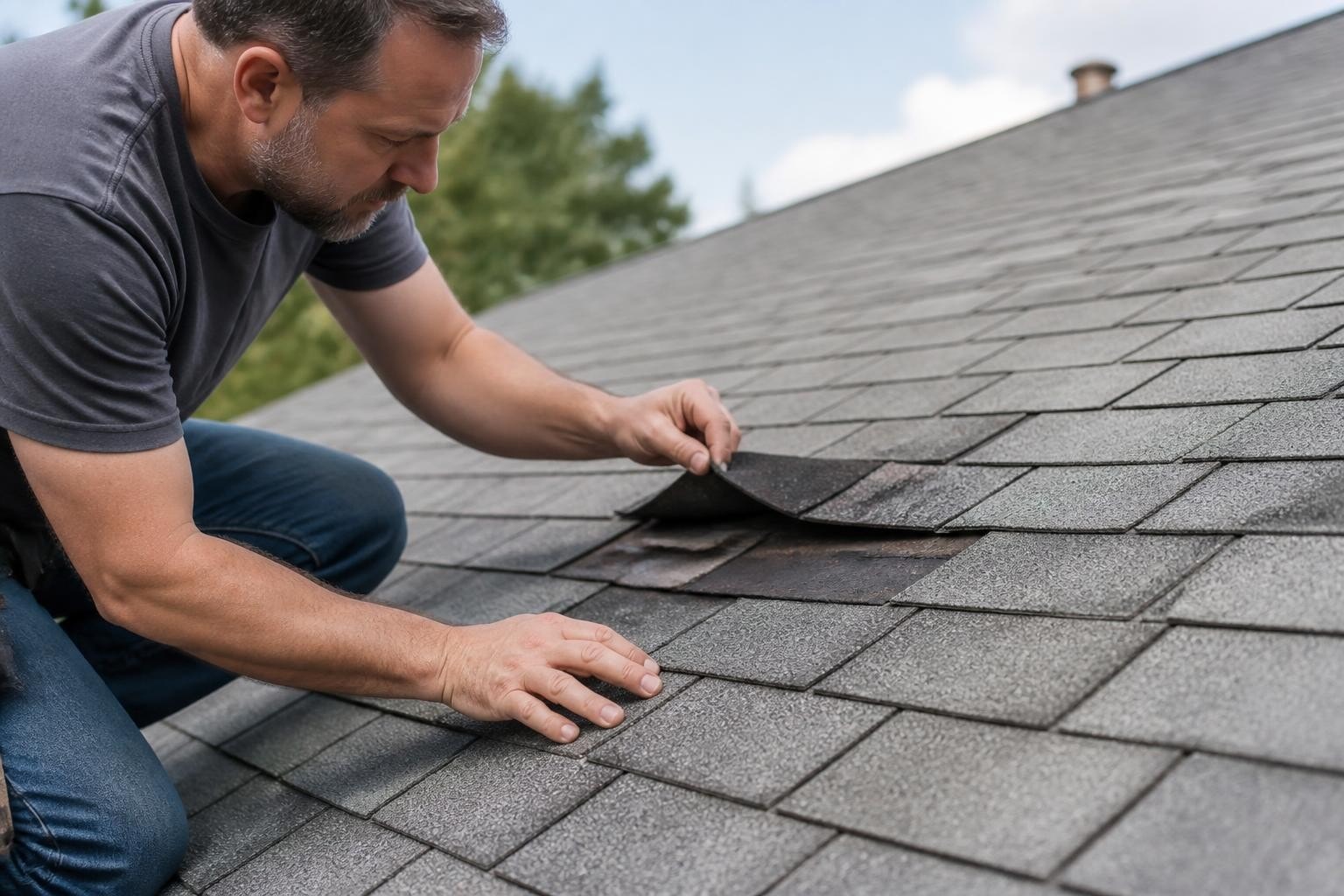
Roof patching is one of those repairs that sounds simple but demands more precision than most homeowners expect. A well-executed patch can add years to a roof's life and cost a fraction of replacement. Done poorly, it becomes a temporary bandage that shifts the problem elsewhere or fails within months. The difference comes down to matching materials, understanding what caused the damage, and knowing when a small fix is enough versus when broader work is necessary. For homeowners in coastal North Carolina, where wind-driven rain and salt exposure complicate repairs, getting patching right matters even more.
What Roof Patching Actually Fixes
Roof patching targets localized damage rather than systemic failure. It works best when the surrounding roof is in good condition and the issue is isolated to a specific area.
Common Situations Where Patching Makes Sense
- Missing or damaged shingles from wind or debris impact
- Punctures from tree branches, satellite dish installations, or fallen equipment
- Flashing failures around chimneys, vents, or skylights that haven't yet caused widespread leaks
- Small tears or splits in membrane roofing on low-slope sections
- Isolated leaks traced to a single entry point with no surrounding deterioration
A patch addresses the immediate vulnerability without disturbing the rest of the roof. The goal is to restore weatherproofing in one spot while leaving functional areas untouched.
When Patching Won't Solve the Problem
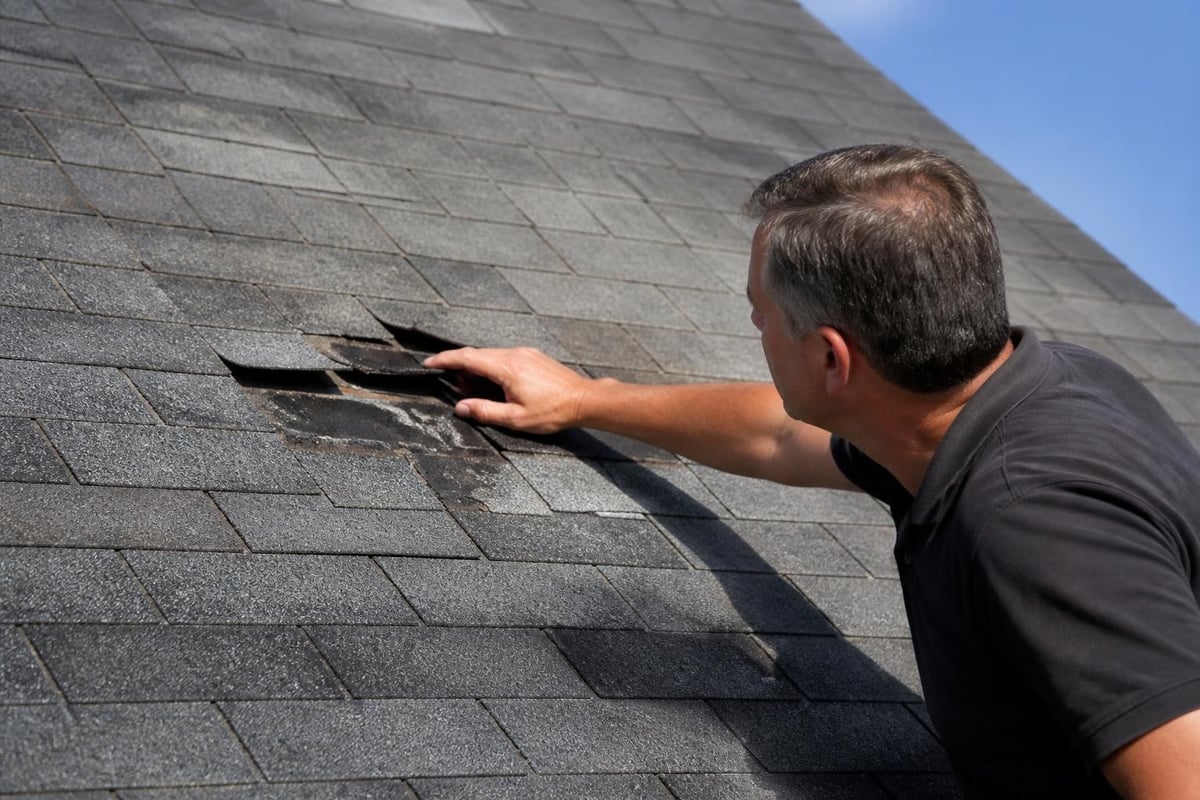
If the damage stems from age-related wear, patching often delays the inevitable. Shingles lose granules and become brittle over time. A patch might stop one leak, but the surrounding material is just as fragile and will likely fail soon.
Multiple leaks scattered across the roof signal a bigger issue. Patching each spot individually becomes a game of whack-a-mole, and the cumulative cost often exceeds a more comprehensive repair.
Structural concerns like sagging decking or rotted sheathing can't be patched from the surface. Those require access from below or removal of roofing material to address the underlying cause.
| Situation | Patch Viability | Why |
|---|---|---|
| Single missing shingle | High | Surrounding shingles intact, easy to blend |
| Wind damage strip (3–5 shingles) | Moderate | Requires careful material matching |
| Leak from old, brittle shingles | Low | Patch may hold briefly, but adjacent areas will fail |
| Membrane tear (< 6 inches) | High | Clean, sealed repair restores waterproofing |
| Multiple leaks across roof | Low | Indicates systemic wear; patching is temporary |
According to guidance from the NRCA roofing repair manual, localized repairs should only proceed when the majority of the roof system retains adequate service life and structural integrity.
Matching Materials and Methods
The most common patching mistake is using whatever's on hand instead of what actually belongs on the roof. Mismatched shingles or incompatible sealants create weak spots that fail under weather stress.
Asphalt Shingle Patching
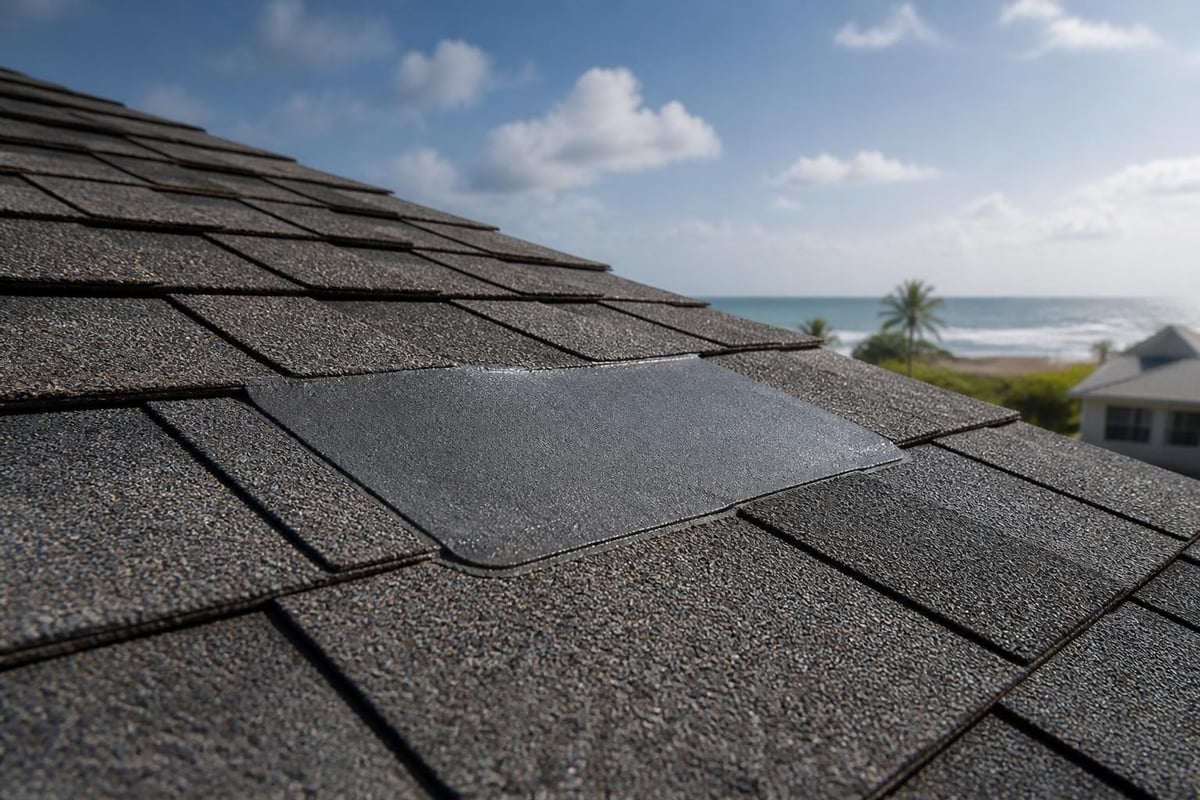
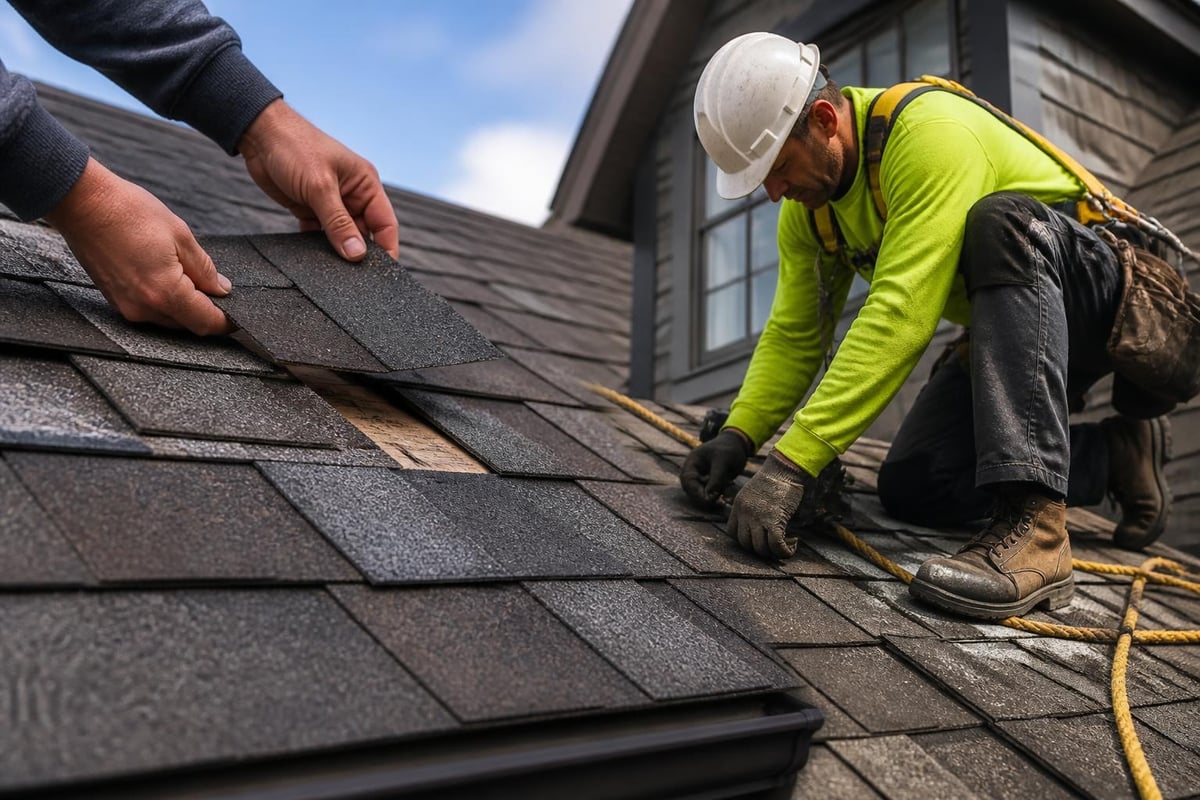
Replacing individual asphalt shingles means removing the damaged piece and sliding a new one into place. The challenge is matching the color and thickness. Shingles fade over time, and manufacturers discontinue lines or tweak formulations.
- Start by checking if you have leftover shingles from the original installation
- If not, bring a sample to a supplier for the closest match
- Three-tab shingles are easier to replace than architectural styles with random patterns
- New shingles should be nailed in the same pattern as the originals to avoid visible misalignment
Underlayment matters too. If the felt or synthetic underlayment beneath the damaged shingle is torn or rotted, it should be patched before the new shingle goes down. Skipping this step leaves the decking exposed to moisture.
Metal Roof Repairs
Metal roofing requires a different approach. Small punctures or seam separations can often be sealed without replacing panels, but the repair must account for thermal expansion and UV exposure.
Sealant selection is critical. Butyl-based sealants handle movement better than silicone on metal-to-metal joints. For larger holes, a metal patch piece should be fastened and sealed rather than relying on caulk alone.
The Metal Building Manufacturers Association technical guides outline best practices for metal roof patching, including proper fastener spacing and compatible coatings that won't degrade in salt air.
Flat and Low-Slope Membrane Roofs
Membrane roofs (TPO, EPDM, PVC) patch cleanly when done right. The repair involves cutting a patch larger than the damaged area, cleaning both surfaces, applying primer, and heat-welding or adhesive-bonding the patch in place.
- EPDM patches require compatible adhesive and thorough surface prep to remove contaminants
- TPO and PVC patches are heat-welded for a permanent bond
- Patch edges should extend at least 3 inches beyond the damage on all sides
- Seams must be rolled to ensure full contact and eliminate air pockets
Coastal humidity and salt exposure degrade adhesives faster, so using products rated for marine environments extends patch life. The ASTM roofing standards portal provides test methods for adhesive peel strength and weather resistance.
Storm Damage and Emergency Patches
After a storm, the priority is stopping water intrusion until permanent repairs can be made. Tarps are the go-to temporary solution, but they need to be secured properly or they become hazards themselves.
Tarp Best Practices
- Size the tarp generously to cover the damaged area and extend well beyond it, anchoring to undamaged sections.
- Secure with screws and battens, not just weights. Wind will find gaps under loose edges.
- Overlap seams if multiple tarps are needed, running the upper tarp over the lower to shed water downhill.
- Inspect regularly – tarps degrade in UV and wind, and tie-downs loosen over time.
Tarps are not long-term fixes. Condensation builds underneath, and even the best-secured tarp will eventually tear or shift.
When to Call for Help
Some storm damage looks minor but hides bigger problems. A few missing shingles might seem like an easy patch, but if the wind also lifted adjacent shingles, the adhesive seal is compromised across a wider area.
Hail damage is particularly deceptive. Asphalt shingles can bruise without immediately leaking, but the impact weakens the mat and accelerates granule loss. What starts as a patch candidate often turns into a full replacement when the extent becomes clear.
If you're facing storm damage and need clarity on what's actually happening before committing to repairs, a roof report provides documented findings and honest recommendations so you're not guessing about next steps.
Cost Realities and When Patching Pays
Roof patching costs vary widely based on accessibility, material matching, and whether underlying structure needs attention. In 2026, expect these general ranges for coastal North Carolina:
| Repair Type | Typical Cost Range | Notes |
|---|---|---|
| Single shingle replacement | $75–$200 | Includes trip charge, harder-to-reach areas cost more |
| Small section (5–10 shingles) | $250–$600 | Price increases if shingles are discontinued |
| Flashing repair (chimney, vent) | $200–$500 | Often requires resealing and surrounding shingle work |
| Membrane patch (under 10 sq ft) | $150–$400 | Depends on membrane type and whether decking is sound |
| Emergency tarp service | $150–$350 | Temporary measure until permanent repair scheduled |
Trip charges add up quickly if you're calling for multiple small repairs over time. Bundling patches during a single visit makes more financial sense when several issues exist.
Patching vs. Broader Repair
Sometimes what looks like a patch job turns into a larger repair once the roofer gets up there. Decking damage from prolonged leaks, widespread granule loss, or curling shingles around the patch area change the equation.
A transparent roofer will explain what they find and give you options. If patching one spot means the surrounding ten squares are likely to fail within a year, you're better off addressing the section now rather than paying for the same trip twice.
Guidance from the IBHS RICOWI roof guide emphasizes that localized patching is only cost-effective when the rest of the roof retains structural and weatherproofing capacity for several more years.
DIY Patching: What Homeowners Can Handle
Some roof patches fall within the range of careful DIY work. Others belong to professionals, not because of complexity, but because of safety and warranty implications.
Safe DIY Territory
- Replacing a few shingles on a low-slope or easily accessible roof
- Sealing small flashing gaps with roof sealant (not silicone caulk from the hardware store)
- Applying roof cement around vent boots that show minor cracking
- Securing loose shingles that lifted but didn't tear
Safety first: Work on dry days with proper footwear and fall protection. If the roof is steep, high, or slippery, call a professional. Medical bills from a fall cost more than any patch.
When to Step Back
- Multiple damaged areas requiring navigation across the entire roof
- Structural concerns like soft spots or visible sagging
- Complex flashing around chimneys or valleys where water flow is tricky
- Warranty preservation – some roofing warranties void if non-certified contractors perform work
The Consumer Reports roofing repair guide offers a practical breakdown of what homeowners can reasonably tackle and when professional assessment is warranted.
How Long a Patch Should Last
A properly executed roof patch should last 5–10 years on a roof with remaining life. If the patch fails sooner, either the materials were wrong, the installation was poor, or the underlying problem wasn't addressed.
Factors That Shorten Patch Life
- Mismatched materials that expand and contract at different rates
- Incomplete surface prep leaving dirt, moisture, or old adhesive that prevents bonding
- Inadequate overlap on membrane patches or shingle replacement
- Ignoring surrounding wear – patching one shingle when adjacent ones are brittle
Coastal conditions add stress. Salt air corrodes fasteners, UV degrades sealants faster, and wind tests every seam. Using marine-grade materials and fasteners rated for corrosion resistance makes a measurable difference in patch longevity.
Signs a Patch Is Failing
- Water stains reappearing in the same interior location
- Shingle edges lifting around the patched area
- Sealant cracking or peeling along membrane patch edges
- Granule loss accelerating on newly replaced shingles (indicates poor adhesion or mismatched product)
If a patch fails within a year, the original repair was likely inadequate. A second attempt without addressing the root cause will produce the same result.
When Repair Becomes Replacement
Roof patching works until it doesn't. The tipping point comes when the cost, frequency, and uncertainty of ongoing patches exceed the value of a more comprehensive solution.
Indicators You've Crossed the Line
- Leaks in multiple locations that aren't related to a single storm event
- Roof age approaching or exceeding manufacturer life expectancy (20–25 years for asphalt shingles, 15–20 for membrane systems)
- Granule loss across large areas exposing the asphalt mat beneath
- Curling, cupping, or missing shingles scattered throughout
- Interior damage from repeated leaks, indicating the roof isn't keeping water out consistently
At some point, throwing money at patches becomes more expensive than addressing the whole roof. An honest assessment of remaining service life saves both money and stress.
For homeowners weighing repair versus replacement, roof repair services that start with a documented assessment help clarify what actually needs attention and whether patching still makes financial sense.
Avoiding Patch Regrets
The biggest patching mistakes come from rushing the decision or skipping steps to save a few dollars.
Common Pitfalls
- Using the wrong sealant – roofing cement isn't universal; some products don't bond to certain membranes
- Patching without diagnosing – fixing the symptom while missing the cause means the leak moves or returns
- Ignoring flashing – most leaks trace back to flashing, not shingles; patching shingles when flashing is the culprit wastes money
- Delaying repairs – small problems grow; a $200 patch becomes a $1,500 decking replacement when water sits too long
Get a second opinion if the first contractor recommends replacement but you suspect a patch might work. Conversely, if multiple pros say replacement is overdue, believe them. Patching a failing roof is throwing money away.
What Good Patching Looks Like
A quality roof patch blends into the existing system, stops the leak, and holds up to weather. Here's what to expect:
- Material that matches in thickness, texture, and color (or as close as possible)
- Clean, secure fastening with nails or screws placed correctly to avoid creating new penetration points
- Sealed edges that won't lift in wind or let water wick underneath
- Documentation of what was done, materials used, and any underlying issues discovered
Professional roofers should explain what they found, why the patch will (or won't) work long-term, and what you should watch for going forward. If the conversation feels like a sales pitch instead of an honest evaluation, that's a red flag.
Roof patching works best when it matches the scope of the damage, uses the right materials, and honestly addresses what's happening with your roof. For homeowners across Topsail, Surf City, Holly Ridge, and Wilmington, coastal conditions demand durable repairs and clear guidance on what makes sense for your home. Whether you need a quick fix or a full assessment, NC Roofs provides transparent recommendations and quality work without pressure to do more than necessary.