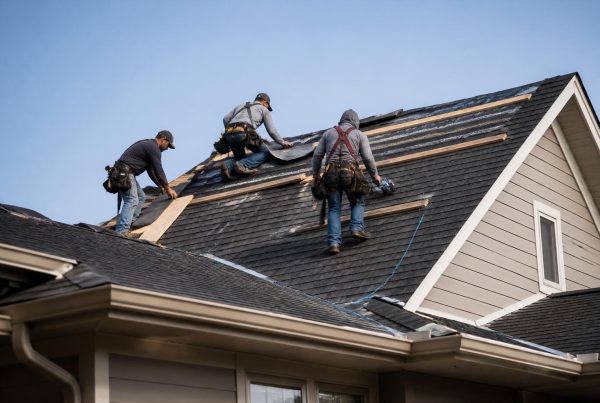
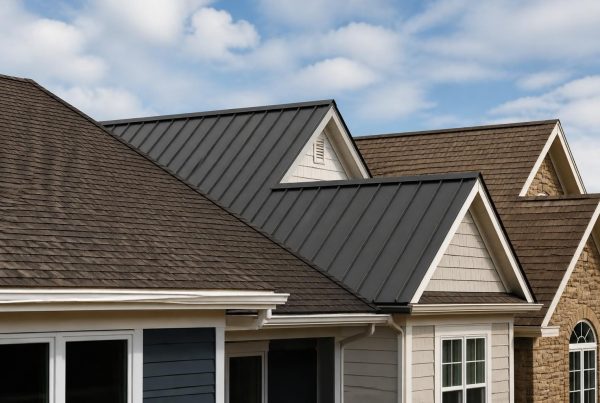
Coastal storms hit Topsail Island and surrounding areas with enough force to leave homeowners wondering what happened to their roof. Wind, rain, and flying debris create damage that isn't always obvious from the ground, and many people don't realize they have a problem until water starts showing up inside. Understanding what to look for after a storm helps you respond quickly, document the damage properly, and make informed decisions about repair or replacement. This guide walks through the specific types of roof damage after storm topsail nc and what steps make sense for protecting your home and your budget.
Storm Damage Starts With Wind
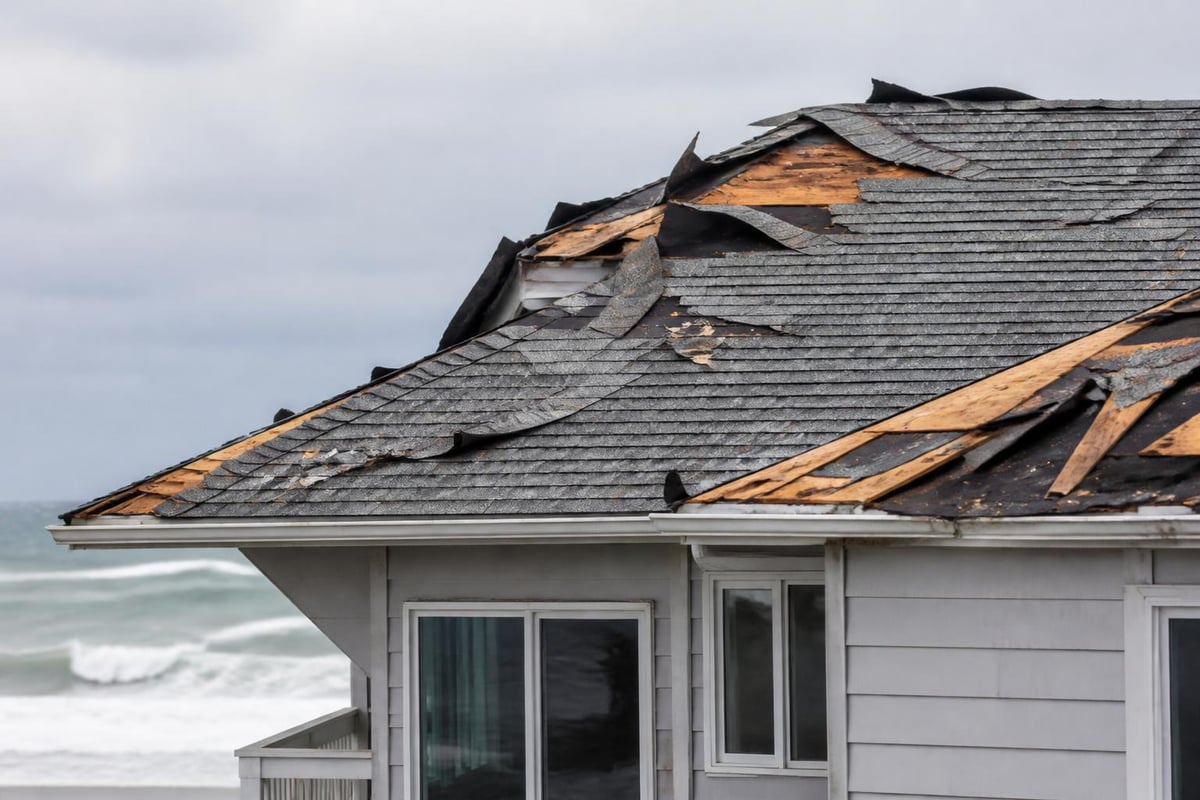
Wind is the primary cause of roof problems during coastal storms. Gusts reaching 60 to 80 mph can lift shingles, tear off flashing, and send debris into vulnerable areas.
Missing or Lifted Shingles
The most visible sign of wind damage is missing shingles. High winds get underneath the shingle edges and break the seal, either lifting them partially or removing them completely. Even a few missing shingles create entry points for water.
Look for these specific indicators:
- Bare spots on the roof where shingles have blown off entirely
- Curled or lifted edges that haven't detached yet but will fail soon
- Shingle debris in the yard or gutters
Partial lifting is just as serious as complete loss. Once the seal breaks, that shingle won't protect the underlayment anymore.
Flashing Failure
Flashing around chimneys, vents, and roof edges takes a beating during storms. Wind pushes water sideways and upward, testing every sealed joint. Damaged flashing is a common entry point for leaks even when the shingles look fine.
Check the areas where two roof planes meet, around skylights, and along the drip edge. Flashing that's bent, pulled away, or missing entirely needs immediate attention.
Water Intrusion and Interior Signs
Not all roof damage after storm topsail nc shows up on the exterior. Water finds its way through compromised areas and leaves clues inside your home.
Ceiling Stains and Drips
Water stains on ceilings or walls indicate that moisture has already penetrated the roof deck. The stain location doesn't always match where the leak originated because water can travel along rafters before dripping down.
Look for:
- Brown or yellow spots on ceilings, especially in upper rooms
- Dripping water during or immediately after rain
- Peeling paint or bubbling drywall
Fresh water damage appears darker and may feel damp to the touch. Older stains dry out but remain visible as a warning sign.
Attic Inspection
Your attic reveals problems before they reach living spaces. After a storm, check the attic for moisture, daylight coming through the roof, or wet insulation.
Walk through and examine:
- Roof deck underside for dark streaks or water marks
- Insulation for compressed, wet, or discolored sections
- Rafters for new moisture along joints
Daylight visible through the roof deck means the barrier has failed somewhere. Roof repair addresses these issues by identifying exactly where water enters and fixing the specific failure point rather than guessing from the outside.
Granule Loss and Shingle Wear
Hail and wind-driven rain accelerate shingle deterioration by stripping away the protective granule layer. This damage reduces the shingle's ability to shed water and shortens its lifespan.
Checking Your Gutters
Granules wash into gutters during heavy rain. After a storm, check your gutters and downspouts for excessive granule accumulation.
| Granule Amount | What It Means | Action Needed |
|---|---|---|
| Light scatter | Normal wear | Monitor over time |
| Moderate buildup | Accelerated aging | Schedule inspection |
| Heavy accumulation | Significant loss | Immediate assessment |
New roofs shed some granules initially, but mature roofs shouldn't lose large amounts unless damaged.
Bare Spots on Shingles
Granule loss creates bald patches on shingles where the asphalt base shows through. These spots absorb more heat, crack faster, and let water penetrate more easily. The National Weather Service provides guidelines on assessing storm damage that can help homeowners understand when granule loss crosses from normal aging into actionable damage.
Examine shingles from ground level with binoculars or from a safe vantage point. Widespread bare spots indicate the roof has taken a beating and may need more than minor repairs.
Debris Impact and Puncture Damage
Flying branches, fence pieces, and other storm debris can puncture or crack shingles on impact. This type of damage creates immediate vulnerabilities.
Visible Punctures
Direct hits from heavy objects leave obvious marks: broken shingles, dented flashing, or holes in the roof deck. These need emergency tarping if the damage is severe enough to expose the interior.
Impact damage often clusters in one area depending on where debris landed. A single branch can damage multiple shingles along its path.
Cracked or Broken Shingles
Cracks may not penetrate completely but still compromise the shingle's integrity. Hairline cracks grow over time as the roof expands and contracts with temperature changes.
Look for:
- Diagonal cracks across shingle surfaces
- Broken corners or torn edges
- Fractured tabs that hang loosely
Even small cracks allow water underneath, leading to deck rot and interior damage down the line.
When to Document for Insurance
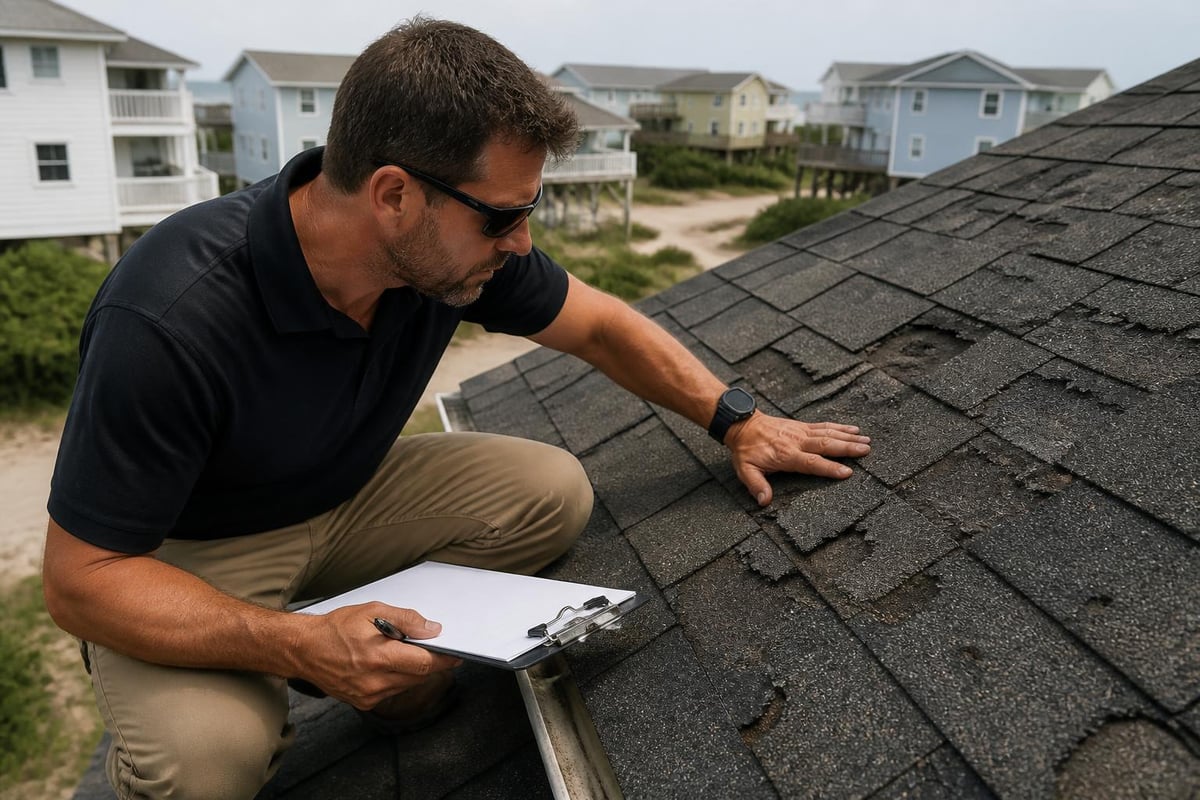
Proper documentation makes the insurance claims process smoother and increases the likelihood of fair compensation. Most policies cover sudden storm damage but require proof of the event and its effects.
Taking Photos
Photograph all visible damage from multiple angles. Include close-ups of specific problem areas and wide shots showing the roof's overall condition.
Capture these elements:
- Date-stamped images if your camera supports it
- Damaged areas with clear detail of missing shingles or punctures
- Interior evidence like ceiling stains or attic moisture
- Debris that caused the damage if it's still on-site
Store photos digitally and keep backups. According to the Insurance Journal’s reporting on roof repair costs, homeowners who document thoroughly tend to receive faster claim resolutions.
Professional Inspection Reports
Insurance companies often require a professional assessment to verify damage and estimate repair costs. Hiring a local roofer familiar with coastal conditions ensures accurate evaluation.
A detailed inspection report includes:
- Measurements of damaged areas
- Material specifications for repairs
- Estimated labor and material costs
- Photos or diagrams of problem zones
The Town of Topsail Beach provides guidance on assessing substantial damage and reconstruction that can help homeowners understand the formal evaluation process following major storms.
Temporary Repairs vs. Permanent Solutions
After identifying roof damage after storm topsail nc, the next decision is whether to patch temporarily or proceed with permanent repairs.
Emergency Tarping
If the damage exposes the roof deck to weather, tarping prevents further water intrusion while you arrange permanent repairs. Use heavy-duty tarps secured with wood battens, not just nails or rocks that can blow away.
Tarping best practices:
- Extend the tarp at least four feet beyond the damaged area on all sides
- Secure edges with 2×4 boards screwed into place
- Overlap multiple tarps if needed for large damage zones
- Avoid walking on wet or damaged roof sections
Tarps are temporary solutions. They degrade in UV light and wind, so permanent repairs should follow within weeks, not months.
Quick Fixes That Buy Time
Small repairs like replacing a few shingles or resealing flashing can prevent immediate leaks without requiring a full roof replacement. These repairs work best when damage is localized and the surrounding roof remains in good condition.
Consider quick fixes when:
- Only a few shingles are missing or damaged
- Flashing has pulled loose but isn't severely bent
- The roof is otherwise structurally sound
If the storm revealed underlying problems like widespread granule loss or multiple leak points, temporary fixes just postpone the inevitable replacement.
Assessing the Full Scope
Storm damage often hides in areas you can't see from the ground. A complete assessment involves checking every roof component, not just the obvious problem spots.
Roof Age and Pre-Existing Condition
A ten-year-old roof in good condition might only need targeted repairs after a storm. A twenty-year-old roof with prior wear might benefit more from replacement, especially if insurance covers storm damage. Understanding insurance for roof replacement helps homeowners navigate this decision with full information about what their policy actually covers.
| Roof Age | Typical Condition | Post-Storm Recommendation |
|---|---|---|
| 0-8 years | Minimal wear | Repair damaged areas |
| 8-15 years | Moderate aging | Assess extent before deciding |
| 15+ years | Advanced wear | Consider full replacement |
Age alone doesn't dictate the decision, but it influences how much more life the roof has even after repairs.
Hidden Structural Damage
Wind can lift shingles without removing them, breaking the seal and compromising the waterproof barrier. Deck damage from prolonged leaks may not show until someone walks the roof or inspects the attic closely.
Structural concerns include:
- Sagging deck boards indicating rot or water damage
- Cracked or split rafters from extreme wind stress
- Compromised underlayment that's torn or deteriorated
These problems require professional evaluation because they affect the roof's ability to support weight and withstand future storms.
Working With Local Roofers
Choosing a roofer familiar with coastal conditions makes a difference in both the quality of repairs and the speed of response. Local companies understand wind patterns, saltwater exposure, and the specific challenges of roof damage after storm topsail nc.
What to Expect From an Inspection
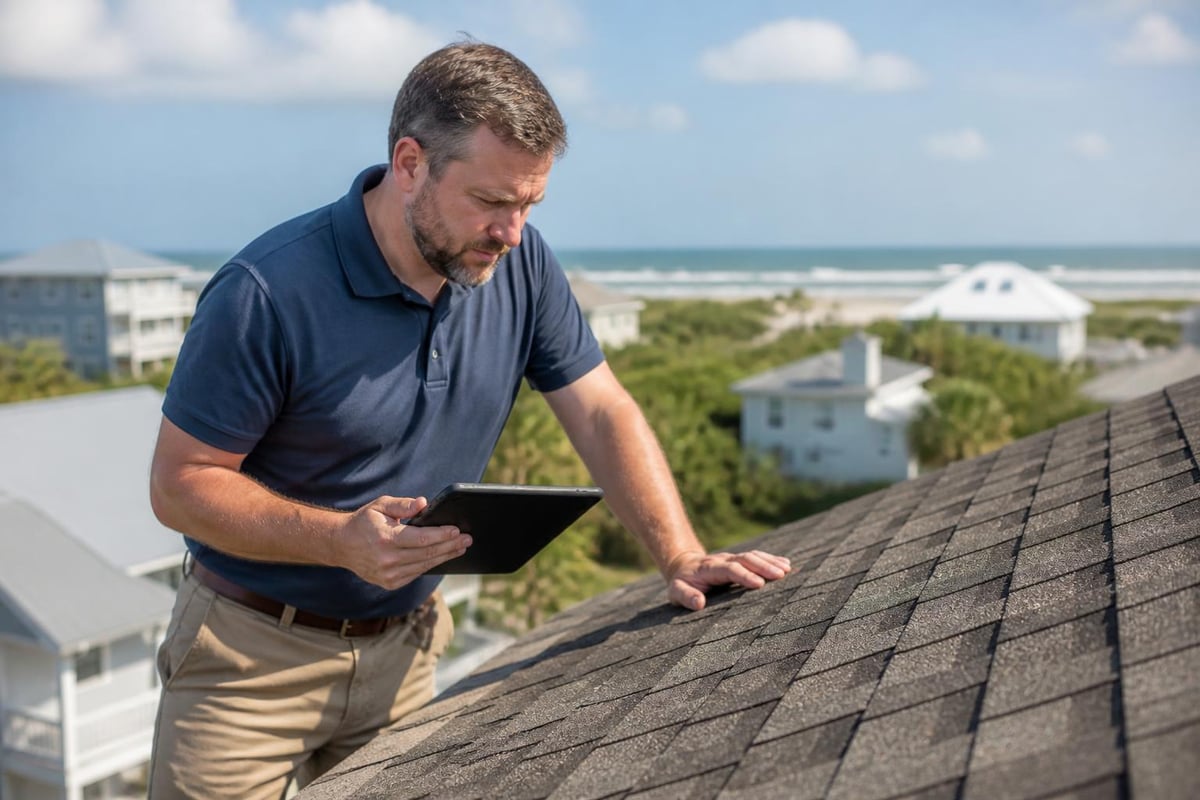
A thorough roof inspection covers every component and provides a written report detailing findings, recommendations, and cost estimates. The inspection should include:
- Exterior walkthrough examining shingles, flashing, vents, and edges
- Attic inspection checking for moisture, light penetration, and deck condition
- Photo documentation of all damage areas
- Written estimate breaking down repair costs by category
Reputable roofers explain what they found, why certain repairs matter, and what happens if you delay. They don't pressure you into unnecessary work.
Red Flags to Avoid
Storm chasers flood coastal areas after major weather events, offering quick fixes and low prices. Many disappear after collecting deposits, leaving homeowners with incomplete or poor-quality work.
Watch for these warning signs:
- No local address or verifiable business location
- Pressure to sign immediately without time to review contracts
- Requests for full payment upfront before work begins
- Offers to waive insurance deductibles which can constitute fraud
Check licensing, insurance, and references before hiring anyone. Professional roofing solutions start with transparency about credentials and fair pricing based on actual damage, not inflated claims.
Repair Costs and Realistic Budgets
Understanding typical repair costs helps you evaluate estimates and plan financially. Prices vary based on damage extent, materials needed, and roof accessibility.
Common Repair Scenarios
| Repair Type | Typical Cost Range | Timeline |
|---|---|---|
| Replace 10-20 shingles | $300-$600 | 1 day |
| Reseal flashing | $200-$500 | Half day |
| Tarp emergency coverage | $150-$400 | Same day |
| Repair small leak | $400-$800 | 1-2 days |
| Replace damaged decking | $1,500-$3,000 | 2-3 days |
These figures reflect realistic costs for quality work in coastal North Carolina. Suspiciously low bids often indicate substandard materials or rushed work.
Replacement Considerations
When repair costs approach 30-40% of a full replacement, and the roof is already aging, replacement often makes more financial sense. Factor in the remaining lifespan of the current roof versus the warranty on a new one.
Replacement becomes the better option when:
- Multiple areas show significant damage
- The roof is over 15 years old with prior issues
- Repairs would only buy a few more years
- Insurance coverage offsets most replacement costs
Honest roofers explain the math and let you decide based on your situation, not their preferred sale.
Preventing Future Storm Damage
While you can't storm-proof a roof completely, certain upgrades and maintenance steps reduce vulnerability to wind and water.
Impact-Resistant Shingles
Newer shingle products carry impact ratings that indicate their resistance to hail and debris. Class 4 impact-resistant shingles withstand more punishment than standard asphalt and may qualify for insurance discounts. FEMA has conducted tours of storm damage areas in Topsail Island, documenting how different roofing materials perform during severe weather events.
These shingles cost more upfront but reduce the likelihood of damage during typical coastal storms.
Proper Flashing Installation
Flashing installed with proper sealant and mechanical fasteners holds up better than products relying on adhesive alone. Ensure all flashing transitions are fully sealed and that end caps are secured.
Focus attention on:
- Step flashing along walls and chimneys
- Drip edge at roof perimeters
- Valley flashing where roof planes intersect
Good flashing installation prevents the majority of wind-driven rain intrusion.
Regular Maintenance
Annual inspections catch small problems before storms turn them into major failures. Clean gutters, trim overhanging branches, and check for loose shingles or deteriorated sealant.
Maintenance tasks include:
- Clearing debris from roof valleys and gutters
- Inspecting and resealing exposed fasteners
- Checking attic ventilation to prevent moisture buildup
- Replacing worn or cracked caulking around penetrations
Consistent upkeep extends roof life and reduces the chance that a storm will cause catastrophic damage.
Understanding Your Roof's Lifespan
Even quality roofs don't last forever, and coastal conditions accelerate aging. Salt air, UV exposure, and frequent wind stress take a toll.
Typical Lifespan in Coastal Areas
Standard three-tab asphalt shingles last 15-20 years in coastal North Carolina. Architectural shingles extend that to 20-25 years. Metal roofs can reach 40-50 years with proper maintenance.
Storm damage shortens these timelines by compromising the protective layers. A roof that loses significant granules or sustains repeated wind damage ages faster.
Signs It's Time for Replacement
Beyond storm damage, certain indicators suggest the roof has reached the end of its useful life:
- Widespread granule loss across most of the roof
- Multiple leak points in different areas
- Curling, cracking, or missing shingles in large sections
- Visible sagging or deck deterioration
When these conditions exist before a storm, the damage afterward often justifies full replacement rather than patching a failing system.
Making the Decision
After assessing roof damage after storm topsail nc and reviewing your options, the decision comes down to balancing cost, roof condition, and long-term value.
Repair When It Makes Sense
Choose targeted repairs if:
- The roof is less than ten years old
- Damage is limited to a specific area
- The rest of the roof shows minimal wear
- Repair costs are significantly lower than replacement
Repairs restore function without the expense and disruption of a full roof replacement. They're the practical choice when the roof has plenty of life left.
Replace for Long-Term Value
Opt for replacement if:
- The roof is approaching the end of its expected lifespan
- Damage is widespread across multiple sections
- Previous repairs have already been made
- Insurance covers a substantial portion of the cost
Replacement gives you a fresh start with a full warranty and eliminates ongoing repair costs for years.
Getting Multiple Opinions
Don't rely on a single estimate. Get at least two or three inspections from local roofers to compare findings and recommendations. Consistency across evaluations confirms the scope of damage and appropriate solutions.
Pay attention to how each roofer explains the damage and options. Clear, detailed explanations indicate expertise and honesty.
Understanding roof damage after storm topsail nc helps you respond effectively and make decisions based on your home's actual condition. Whether you need targeted repairs or a full replacement, working with a local roofer who prioritizes transparency gives you the clarity to move forward with confidence. NC Roofs provides honest assessments and straightforward guidance to help Topsail homeowners protect their investment without unnecessary pressure or inflated costs.