Soffits sit underneath the overhanging section of your roof, forming the finished underside between your exterior walls and the roofline. They're easy to overlook until damage appears, but they do more than just fill in that space. Soffits protect your attic from weather and pests while most allow air into your attic ventilation system. When soffits fail, the problems move quickly from cosmetic to structural, and roof soffit repair becomes a priority rather than something you can put off.
What Soffits Actually Do
Your soffit sits in the shadow of your roofline, so it rarely gets attention. That hidden position is exactly why it matters.
Ventilation Intake
Most modern soffits are vented, meaning they include small perforations or continuous slots that let fresh air enter the attic. That air flows up through the attic and exits through ridge vents or gable vents at the peak. This constant circulation keeps your attic cooler in summer and prevents moisture buildup in winter. When soffit vents get blocked or damaged, the whole ventilation system loses balance. Understanding attic ventilation requires looking at both intake and exhaust together.
The National Roofing Contractors Association offers detailed guidance on roof venting principles, emphasizing that soffit intake must be matched to ridge or gable exhaust capacity for the system to work.
Weather and Pest Barrier
Soffits seal the gap between your walls and roof framing, keeping rain, snow, and wind-blown debris out of your attic. Equally important, they block access points for squirrels, raccoons, birds, and insects. A rotted or missing section of soffit is an open invitation.

Finished Appearance
From the street, soffits give your roofline a clean, finished look. Peeling paint, sagging panels, or visible gaps signal deferred maintenance and hurt curb appeal.
Common Causes of Soffit Damage
Roof soffit repair often stems from a small handful of predictable causes. Recognizing them early saves money and avoids bigger headaches.
| Cause | How It Happens | Warning Signs |
|---|---|---|
| Water intrusion | Clogged gutters overflow onto soffit; ice dams back water under shingles | Staining, soft wood, peeling paint |
| Poor attic ventilation | Trapped heat and moisture rot soffit from the inside | Mold, buckling panels, musty smell |
| Wind and storm damage | High winds peel soffit panels; falling branches punch holes | Missing sections, dents, cracks |
| Age and UV exposure | Sun degrades vinyl; wood dries and splits over time | Fading, brittleness, cracking |
| Pest activity | Animals chew or claw through weakened areas | Holes, nests, droppings |
In coastal North Carolina, salt air accelerates corrosion on metal fasteners and UV exposure is intense year-round. Both speed up wear.
How to Spot Soffit Problems
You don't need to climb a ladder for the first check. Walk the perimeter of your house and look up.
- Visible stains or streaks running down the soffit face suggest water is getting in somewhere above.
- Sagging or bowing panels mean fasteners have failed or the wood behind them has rotted.
- Peeling paint on wood soffits points to moisture underneath.
- Gaps or missing sections after a storm are obvious but easy to miss if they're on a side of the house you don't see every day.
- Wasp nests or birds entering show that the soffit is no longer sealed.
From the attic, you can check the backside. Look for daylight coming through vent holes that shouldn't be there, dark water stains on the framing, or mold on the underside of the soffit panel.
Types of Soffit Materials
The material dictates both how long the soffit lasts and how roof soffit repair is handled.
Vinyl
Vinyl soffits are affordable, lightweight, and resist rot. They come in solid or vented panels that snap into trim channels. UV exposure makes vinyl brittle over time, and high winds can pop panels out of their tracks. Repairs usually mean replacing full panels rather than patching.
Aluminum
Aluminum is durable, won't rot, and handles coastal salt air better than vinyl. Panels can dent from hail or impacts, and once dented, they rarely straighten out cleanly. Color fades over the years. Replacement is straightforward because panels are relatively uniform.
Wood
Wood soffits (often tongue-and-groove cedar or pine) offer a traditional look and can be painted or stained. They require the most maintenance. Repairing a rotted soffit involves cutting out damaged sections, treating the framing, and fitting in new boards. Painting and caulking every few years prevent water intrusion.
Fiber Cement
Fiber cement soffits resist rot, fire, and insects. They're heavier and cost more than vinyl or aluminum but last longer with less upkeep. Repairs involve cutting and fastening new pieces, similar to wood but without the rot risk.
DIY vs. Professional Roof Soffit Repair
Small cosmetic repairs, like replacing a single cracked vinyl panel or caulking a seam, are reasonable DIY projects if you're comfortable on a ladder and have basic carpentry skills. You'll need a utility knife, a pry bar, a drill, and matching panels from a building supply store.
Larger repairs get complicated quickly:
- Rotten framing behind the soffit means structural work, not just panel replacement.
- Ventilation redesign to fix moisture problems requires calculating net free area and matching it to attic volume.
- Multi-story or steep-pitched roofs create fall hazards that outweigh any savings.
- Matching materials on older homes can be difficult; discontinued colors or profiles may require replacing entire sections.
If you're not certain about the underlying cause, it's worth having someone experienced look at it first. NC Roofs provides roof reports that document soffit condition alongside the rest of your roofing system, giving you a clear picture before you decide on repairs.
Step-by-Step Repair Process
Roof soffit repair follows a predictable sequence, whether you're tackling it yourself or hiring it out.
- Inspect and document the damage. Take photos and measure the affected area. Check both the visible face and the attic side.
- Identify the cause. Is water coming from above? Is ventilation blocked? Did wind rip the panel loose?
- Address the root problem first. Clean gutters, fix roof leaks, add attic vents, or trim overhanging branches before replacing panels.
- Remove damaged material. Pry off trim channels and fasteners carefully. If the soffit is wood, cut out the rotted section with a saw.
- Inspect and repair framing. Check the fascia board and lookout beams for rot. Replace any compromised wood and treat it with primer.
- Install new soffit panels. Fit vented panels if ventilation is part of the system. Secure with corrosion-resistant fasteners, leaving slight gaps for expansion.
- Reinstall trim and caulk seams. Use paintable caulk at joints where water might enter.
- Paint or seal as needed. Wood and fiber cement need a protective finish.
The Department of Energy offers a technical guide on air-sealing around soffits that's helpful when repairs intersect with insulation and air barriers.
Ventilation and Soffit Repair
One of the most common mistakes in roof soffit repair is blocking ventilation pathways. If you're adding insulation to your attic or replacing solid soffits with vented ones, pay attention to airflow.
Baffles and Clearance
Install baffles (also called rafter vents) between each roof rafter to keep insulation from clogging soffit vents. The baffle maintains a clear channel from the soffit vent to the ridge, allowing air to move freely.
Balanced Intake and Exhaust
Your attic needs roughly equal amounts of intake area (soffit vents) and exhaust area (ridge or gable vents). The Building America program has published detailed guidance on durable attics that explains the relationship between ventilation, moisture control, and long-term roof health.
An unbalanced system creates negative pressure that can pull conditioned air from your living space or positive pressure that traps moisture in the attic. Both lead to higher energy bills and premature material failure.
Cost Considerations
Roof soffit repair costs vary based on materials, extent of damage, and access difficulty.
- Simple panel replacement on a single-story home might run $300 to $600 for a short section, including labor.
- Extensive wood replacement with framing repair can climb to $1,500 or more, depending on how much structure needs rebuilding.
- Full soffit replacement on a two-story home with multiple angles and difficult access can reach several thousand dollars.
Material choice affects price:
| Material | Cost per Linear Foot (Installed) | Lifespan | Maintenance |
|---|---|---|---|
| Vinyl | $6 – $12 | 15-25 years | Low |
| Aluminum | $8 – $15 | 20-30 years | Low |
| Wood | $10 – $20 | 15-20 years | Medium to High |
| Fiber Cement | $12 – $25 | 30+ years | Low |
Prices include labor and assume straightforward access. Add 20-40% for two-story work or complex rooflines.
When to Replace Instead of Repair
Sometimes patching isn't the right call. Consider full soffit replacement if:
- Damage is widespread. Replacing scattered sections costs almost as much as doing the whole house, and mismatched materials look patchy.
- The existing soffit is unvented and your attic needs better airflow. Upgrading to continuous vented soffit improves the whole system.
- Materials are obsolete. If you can't match the color or profile, a full replacement gives you a uniform appearance.
- You're re-roofing or re-siding. Bundling soffit replacement with other exterior work saves on scaffolding and labor setup costs.
In coastal areas like Wilmington and Topsail, wind-driven rain and salt exposure mean soffit materials age faster than in protected inland climates. If your soffits are original to a 20-year-old house, replacement might make more sense than piecemeal repairs.
Preventing Future Soffit Damage
Most soffit problems are preventable with routine upkeep.
- Clean gutters twice a year. Clogged gutters overflow directly onto soffits, soaking them and causing rot.
- Trim tree branches. Branches that scrape or hang over the roofline drop debris, abrade panels, and provide animal access.
- Check attic ventilation annually. Make sure soffit vents aren't blocked by insulation, bird nests, or debris.
- Inspect after storms. Walk the house after high winds or heavy rain to spot new damage while it's still small.
- Seal and paint wood soffits every 3-5 years. A fresh coat of paint keeps water out and extends the wood's life.
Regular maintenance doesn't guarantee you'll never need roof soffit repair, but it pushes problems years down the road and keeps small issues from becoming big ones.
Wind Resistance and Building Codes
The Insurance Institute for Business & Home Safety tracks code development and wind resistance improvements in building materials, including soffit attachment methods. Newer building codes in hurricane-prone regions require soffits to be fastened in ways that resist uplift and edge-of-roof wind pressures. If you're replacing soffits on a coastal North Carolina home, using modern fastening techniques and rated materials can lower your wind insurance premiums and reduce the chance of blow-off during the next storm.
Working With a Contractor
If you decide to hire out the repair, ask a few straightforward questions before the work starts:
- What caused the damage, and how will you fix the underlying problem?
- Are you installing vented or solid soffit, and why?
- Will you check and repair the framing behind the panels?
- What materials are you using, and do they match or improve on what's there now?
- How long will the work take, and what does the warranty cover?
A contractor who gives clear answers and walks you through the plan is more likely to do the job right than one who rushes to a price without diagnosing the problem. NC Roofs handles roof repair across Eastern North Carolina, starting with a clear explanation of what needs fixing and why, so homeowners can make decisions based on facts rather than pressure.
Signs You Need Immediate Attention
Some soffit issues can wait until you're ready to tackle them. Others shouldn't.
Call for immediate repair if:
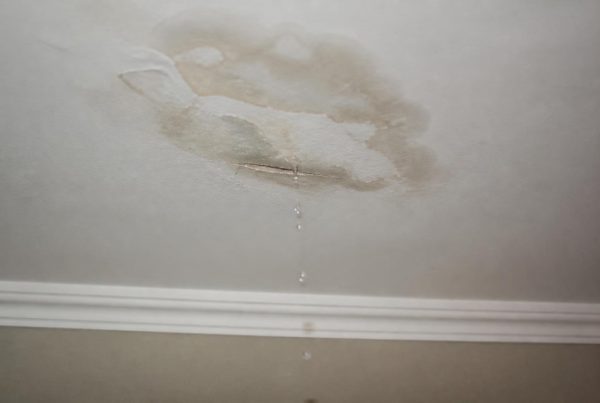
- You see active water dripping from soffit seams during or after rain.
- Animals are entering your attic through soffit gaps.
- Large sections of soffit are hanging loose or have blown off entirely.
- You smell mold or notice dark staining spreading across ceiling drywall near the roofline.
These situations mean water, pests, or structural damage are already affecting your home, and waiting will only make the repair more expensive.
Regional Considerations for Coastal North Carolina
Homes in Hampstead, Surf City, Holly Ridge, and Wilmington face unique challenges. Salt spray corrodes fasteners and metal soffits faster than inland. Hurricanes and tropical storms bring wind speeds that test every attachment point. High humidity keeps wood damp longer, giving rot a head start.
When planning roof soffit repair in coastal areas, choose corrosion-resistant fasteners (stainless steel or hot-dipped galvanized), consider closed-cell foam backer rod behind seams to block wind-driven rain, and inspect soffits after every named storm. Building materials that perform well in the Midwest may fail early here, so local experience matters.
Roof soffit repair protects your attic, preserves your home's ventilation system, and prevents small problems from spreading into expensive structural fixes. When you understand what soffits do and what causes them to fail, you can catch damage early and fix it the right way. If you're in Eastern North Carolina and need help assessing soffit damage or planning a repair, NC Roofs provides clear guidance and honest recommendations so you know exactly what your home needs before any work begins.