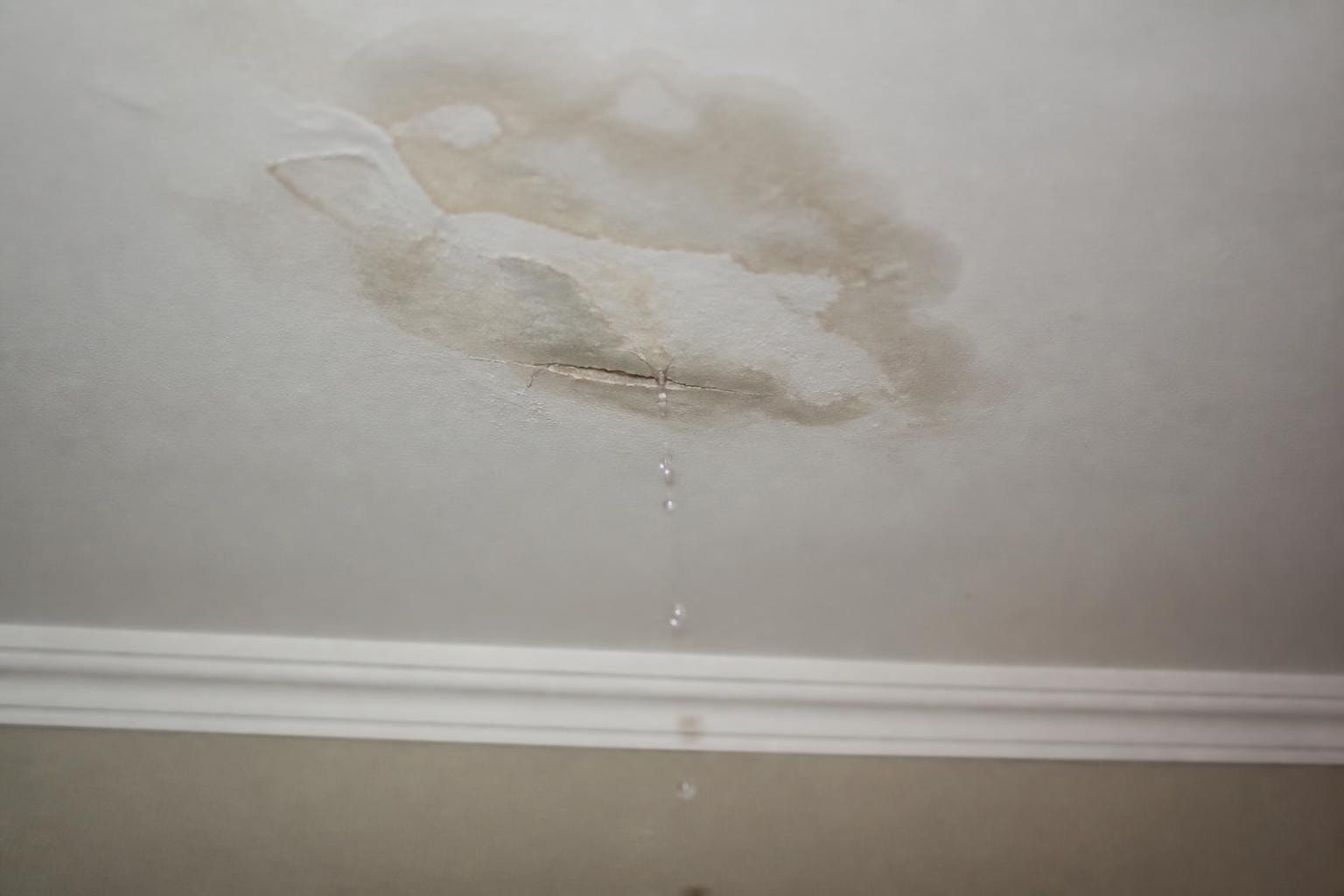
When water drips through your ceiling or you notice a dark stain spreading across drywall, the first thought is usually finding "roof leak repair near me" before the damage gets worse. A roof leak is rarely just an inconvenience. Left unaddressed, even a small leak can lead to rotted decking, mold growth, ruined insulation, and structural issues that multiply the repair cost. The good news is that most roof leaks can be repaired effectively if you catch them early and work with someone who knows what to look for. This guide walks through the causes of roof leaks, how to find the source, what repairs typically involve, and how to choose the right help when searching for roof leak repair near me in Eastern North Carolina.
Why Roof Leaks Happen in Coastal North Carolina
Roofs in our area deal with conditions that accelerate wear. High winds, heavy rain, salt air, and intense sun all contribute to faster aging of roofing materials.
Common causes of roof leaks include:
- Damaged or missing shingles from wind events or age-related brittleness
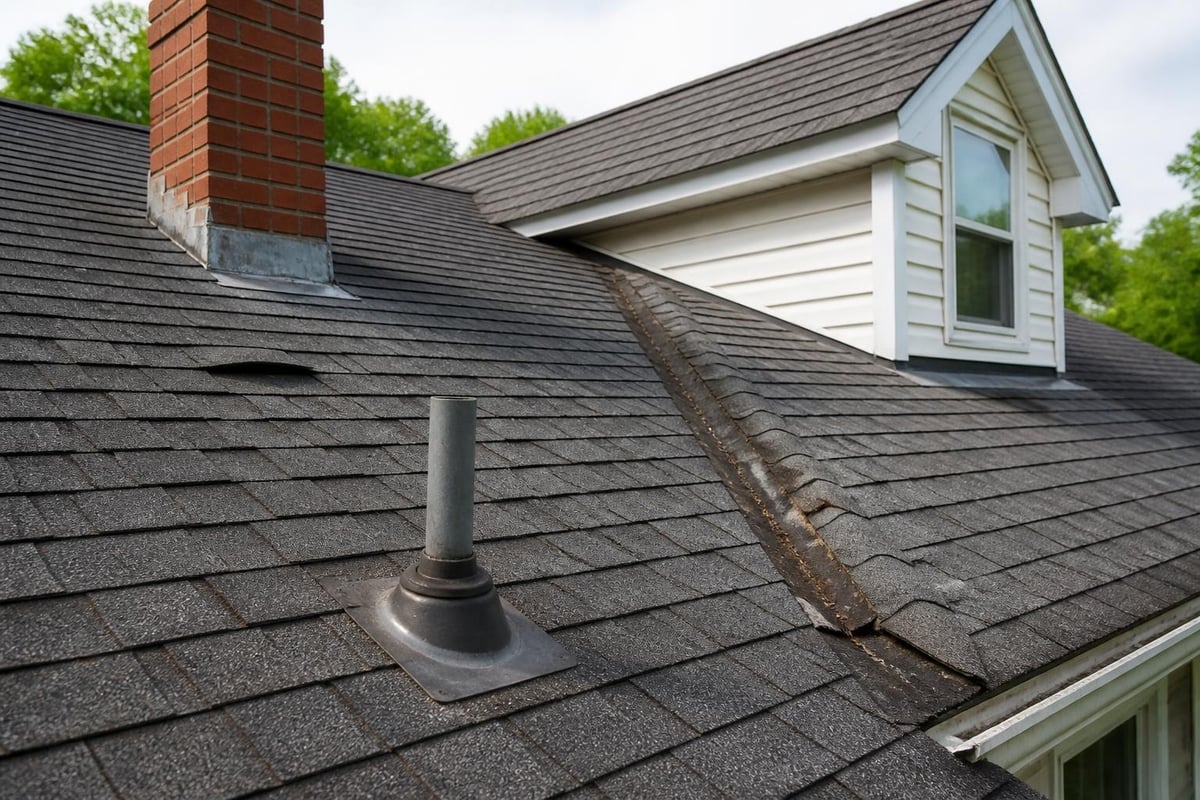
- Failed flashing around chimneys, skylights, dormers, and roof-to-wall transitions
- Worn pipe boot seals where plumbing vents penetrate the roof
- Clogged or damaged gutters that allow water to back up under shingles
- Cracked or deteriorated sealant at ridge vents, valleys, or step flashing
- Ice dams or condensation in poorly ventilated attics (less common here but possible during cold snaps)
Each of these issues creates a pathway for water to get under the protective surface and into the layers beneath. Once water finds a route, it follows gravity and often shows up inside the house far from where it actually entered the roof.
How Weather Patterns Accelerate Damage
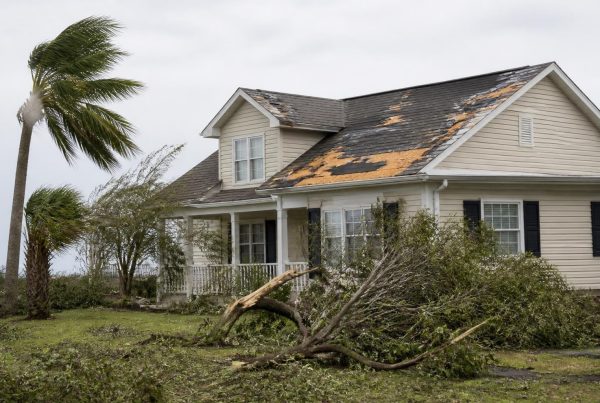
Eastern North Carolina sees tropical storms, nor'easters, and sudden intense summer thunderstorms. Wind-driven rain can push water horizontally under shingles that would normally shed water just fine. A single storm can lift shingle edges, crack aging sealant, or tear flashing loose. University extension resources on roof inspection and maintenance emphasize the importance of post-storm checks to catch small problems before they become leaks.
Salt air also speeds up the corrosion of metal flashing and fasteners. Homes closer to the ocean often see earlier failure of these components compared to homes inland.
Finding the Source of a Roof Leak
The wet spot on your ceiling is rarely directly below the actual leak. Water can travel along rafters, sheathing, or even down walls before it becomes visible inside.
Start in the Attic
If you have attic access, go up during daylight with a flashlight. Look for:
- Water stains on the underside of the roof deck
- Wet insulation or dark spots
- Daylight coming through the roof (holes or gaps)
- Mold or mildew smell
Trace any stains upward and toward the roof ridge. The entry point is almost always higher than the stain.
Inspect the Roof Surface
From the ground or a ladder (if safe), look for obvious issues:
| What to Look For | Why It Matters |
|---|---|
| Missing or curled shingles | Exposes underlayment to direct water |
| Cracked or bent flashing | Allows water behind the seal |
| Gaps around vent pipes | Rubber boots crack and shrink with age |
| Granule loss or bald spots | Shingles losing protective layer |
| Sagging areas | May indicate rotted decking underneath |
This Old House offers a detailed guide on locating and repairing common roof leaks that walks through both attic inspection and exterior checks.
The Water Test
If you cannot find the source, have someone inside the attic while another person runs water from a garden hose on the roof. Start low and work upward, soaking one area at a time for several minutes. The person in the attic watches for drips. This method pinpoints elusive leaks that only happen during heavy rain.
What Roof Leak Repairs Actually Involve
The scope of a roof leak repair depends entirely on the cause and how long the leak has been active. Some repairs are straightforward. Others uncover hidden damage that needs attention.
Common Repair Types
Shingle replacement:
Individual damaged shingles are removed and new ones are slid into place. Surrounding shingles are lifted carefully, the damaged piece is pulled out, and a new shingle is nailed and sealed. This works well for localized wind damage or impact from falling branches.
Flashing repair or replacement:
Failed flashing is removed, and new metal flashing is installed with proper overlap and sealant. Counter-flashing (the upper piece that tucks into masonry or siding) is often re-embedded or caulked. This is critical around chimneys and where the roof meets a vertical wall.
Pipe boot replacement:
The rubber or neoprene boot around vent pipes cracks over time. The old boot is removed, a new one is slipped over the pipe, and it is sealed to the surrounding shingles. This is one of the most common small repairs and prevents significant water intrusion.
Valley repair:
Valleys (where two roof planes meet) channel a lot of water. If valley flashing is compromised or sealant has failed, water flows directly into the roof structure. Valley repairs often involve removing shingles along the valley, installing new flashing or re-sealing, and replacing shingles.
Decking or sheathing replacement:
If water has been leaking for a while, the plywood or OSB decking underneath may be soft, rotted, or delaminated. This must be replaced before new shingles can go on. It is common to discover decking damage only after shingles are lifted.
Temporary vs. Permanent Fixes
A tarp or roof patch can stop water temporarily, but it is not a solution. Tarps blow off, and patch sealants degrade quickly in sun and weather. If you are searching for roof leak repair near me, you want a permanent fix that addresses the root cause, not just covers the symptom.
Temporary measures make sense only if you are waiting for materials, scheduling a contractor during busy season, or need to stop water until insurance can assess damage. They should not be left in place for months.
When to Repair vs. Replace a Roof
Not every leak means the whole roof needs replacing. In fact, most leaks can be repaired if the surrounding roof is still in good shape.
Signs That Repair Makes Sense
- Roof is less than 15 years old
- Leak is localized to one area (chimney, valley, vent)
- Shingles elsewhere are intact and sealing well
- No widespread granule loss, curling, or cracking
- Decking is solid after damaged section is replaced
Signs That Point Toward Replacement
- Roof is 20+ years old and showing general wear
- Multiple leaks in different areas
- Widespread shingle damage, curling, or missing tabs
- Soft or spongy spots across large areas of the roof
- Interior ceiling damage in multiple rooms
- Prior patchwork repairs that keep failing
A roof that is near the end of its lifespan will continue developing new problems. Spending several thousand dollars on repairs when the whole roof needs replacing in two years is not good value. Conversely, replacing a roof that just needs flashing repaired is unnecessary expense.
The right decision comes from understanding the actual condition, not just reacting to a leak. A thorough inspection separates what needs immediate repair from what can wait and what requires a full replacement.
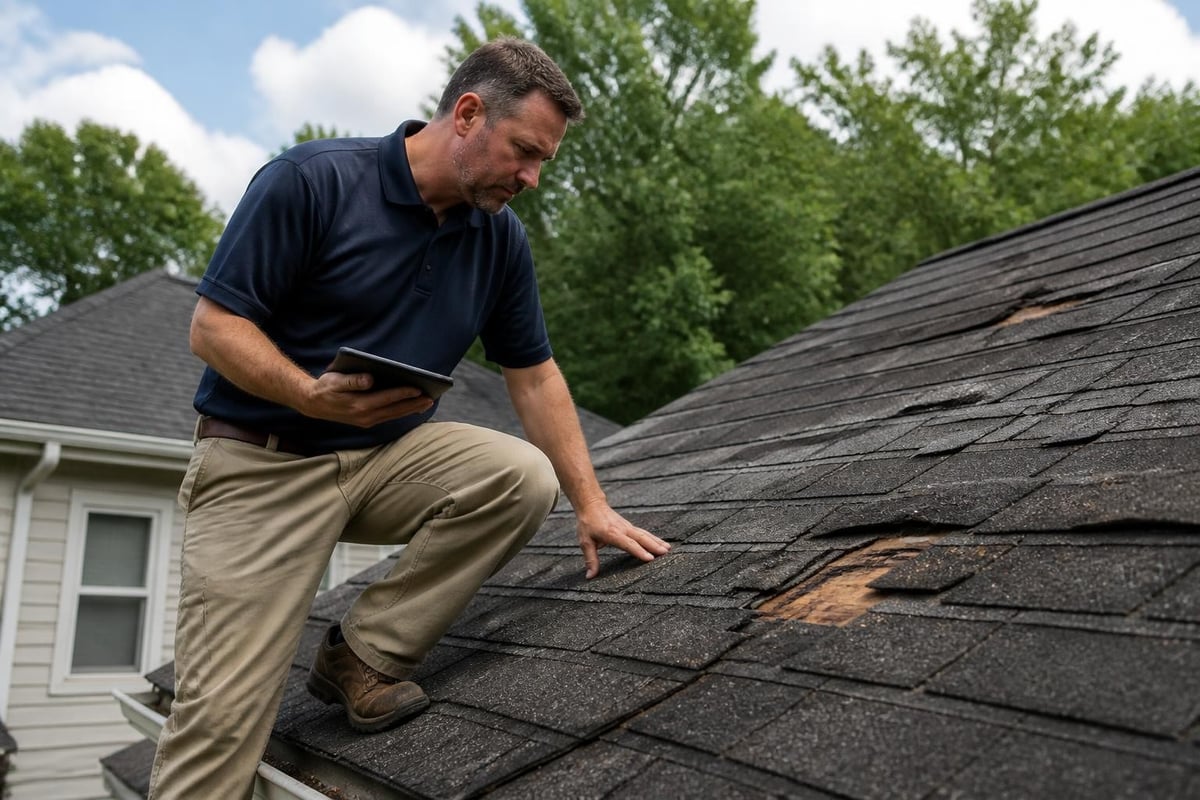
How to Choose a Roof Leak Repair Service Near Me
When water is dripping into your home, the urgency to find "roof leak repair near me" can lead to hasty decisions. Taking a little time to evaluate your options prevents bigger problems later.
What to Look For in a Roofing Contractor
Local presence and reputation:
A company based in your area knows coastal weather patterns and common roof issues specific to Eastern North Carolina. Check Google reviews, ask neighbors, and verify they have done work in your town.
Clear inspection and explanation:
A good contractor will inspect the roof, explain what they find, show you photos, and give you a written estimate. You should understand what is wrong, why it is happening, and what the repair will involve. If someone offers to fix it without showing you the problem, be cautious.
Fair pricing and no-pressure approach:
Estimates should be detailed, breaking out labor, materials, and any additional work (like decking replacement). Be wary of prices that seem unusually low or scare tactics that push for immediate full replacement. The NRCA offers industry standards and best practices that reputable contractors follow.
Insurance and warranties:
Verify the contractor carries liability insurance and workers' compensation. Ask about warranties on both materials and workmanship. A quality repair should come with at least a one-year labor warranty.
Documentation for insurance claims:
If the leak resulted from storm damage, you may file an insurance claim. A contractor who provides detailed reports, photos, and damage documentation makes that process much easier. NC Roofs’ Roof Reports are designed to help homeowners understand damage and support insurance decisions with clear, documented findings.
Questions to Ask Before Hiring
- Can you show me the source of the leak? (Photos or in-person walkthrough)
- What exactly will the repair involve? (Steps, materials, timeline)
- Is there any underlying damage? (Decking, insulation, attic structure)
- What is the total cost, and what does it include? (Itemized estimate)
- How long will the repair last? (Expected durability, warranty coverage)
- Are there other areas of concern I should know about? (Honest assessment of overall roof condition)
Transparency at this stage saves confusion and unexpected costs later.
Hidden Damage and Post-Leak Concerns
A roof leak does not just wet the ceiling. It can cause problems inside the home that need attention even after the roof itself is repaired.
Mold and Mildew Risks
Water that sits in insulation, drywall, or wood framing creates the perfect environment for mold. The EPA provides guidance on mold and moisture in homes, noting that mold can begin growing within 24 to 48 hours of water exposure.
If a leak has been active for more than a few days, inspect the attic and ceiling cavity for:
- Musty odors
- Visible black, green, or white growth on wood or insulation
- Wet or damp insulation that has not dried
Small mold spots can often be cleaned with proper precautions. Larger infestations may require professional remediation. The EPA’s mold cleanup guidance outlines when DIY is safe and when to call in specialists.
Insulation and Ventilation
Wet insulation loses its R-value and can remain damp for weeks, especially in humid climates. If insulation has been soaked, it often needs replacing. This is also a good time to check attic ventilation. Poor ventilation traps moisture and heat, contributing to both leak damage and future roofing problems. The Department of Energy’s guidance on attic ventilation and insulation explains how proper airflow prevents condensation and ice dams that can cause leaks.
Ceiling and Drywall Repairs
Once the roof is fixed, interior repairs can begin. Stained or sagging ceiling drywall usually needs cutting out and replacing. If the drywall was just lightly stained and has dried completely, it can sometimes be primed and repainted. Structural damage to ceiling joists is rare but should be evaluated if the leak was severe or long-lasting.
Preventing Future Roof Leaks
Routine maintenance and smart habits extend the life of your roof and reduce the chance of leaks.
Annual Inspection Checklist
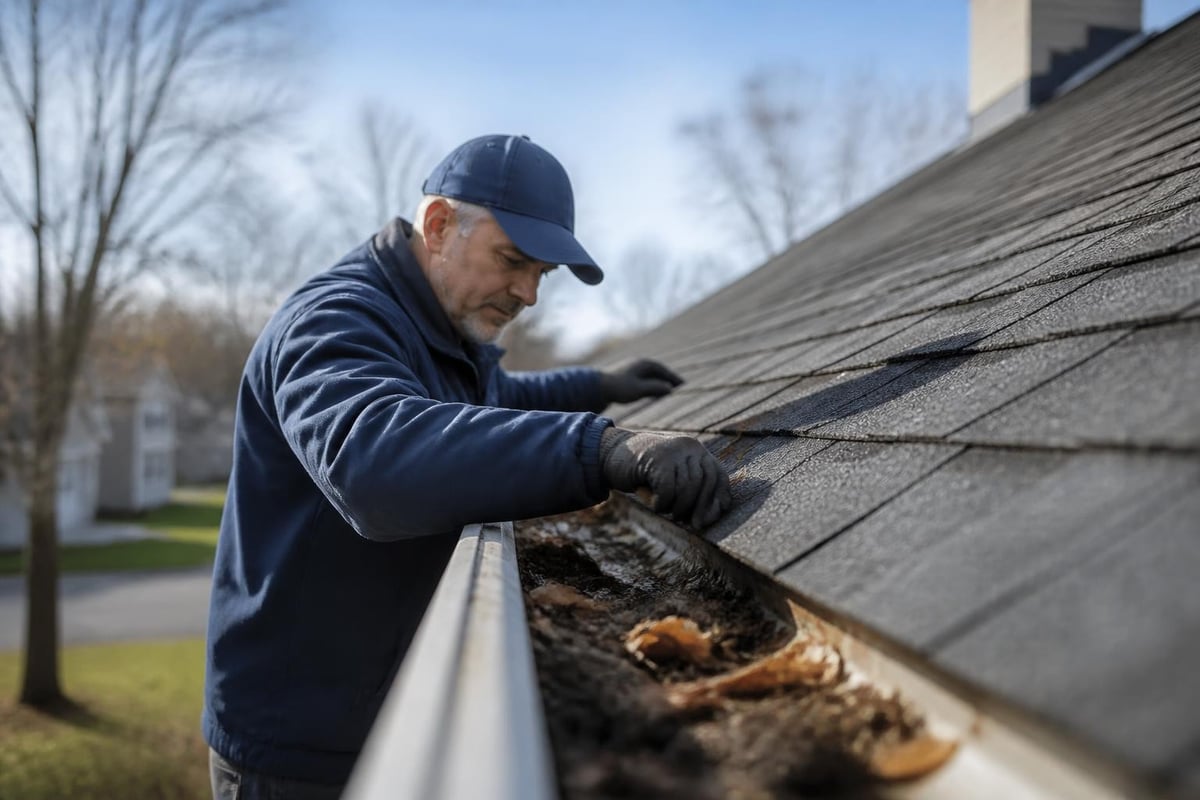
- Clear gutters and downspouts twice a year (spring and fall)
- Check flashing around chimneys, vents, and dormers for cracks or gaps
- Look for missing, curled, or damaged shingles after storms
- Trim overhanging branches that can scrape shingles or drop debris
- Inspect attic for signs of moisture, stains, or ventilation issues
- Examine pipe boots and seals for cracking or shrinkage
Catching small issues during an inspection prevents them from turning into leaks during the next storm.
Post-Storm Walk-Around
After high winds or heavy rain, walk around your home and look up at the roof. You are not climbing up, just checking from the ground for obvious damage like:
- Shingles in the yard or driveway
- Lifted or bent flashing
- Debris piled in valleys
- Sagging or uneven rooflines
If you see anything concerning, schedule a professional inspection. Consumer Reports’ roofing buying guide recommends proactive checks, especially after severe weather, to avoid surprise leaks later.
Professional Maintenance
Some contractors offer maintenance plans that include annual inspections, gutter cleaning, and minor repairs. These plans catch problems early and often cost less than emergency leak repairs. If you are not comfortable inspecting the roof yourself, a maintenance plan provides peace of mind.
Cost of Roof Leak Repairs in Eastern North Carolina
Repair costs vary widely depending on the issue and extent of damage. Understanding typical price ranges helps you budget and evaluate estimates.
| Repair Type | Typical Cost Range | Notes |
|---|---|---|
| Single shingle replacement | $150 – $400 | Small area, minimal labor |
| Pipe boot replacement | $200 – $500 | Common repair, quick turnaround |
| Flashing repair (chimney or dormer) | $400 – $1,200 | Depends on accessibility and extent |
| Valley repair | $500 – $1,500 | Involves shingle removal and flashing work |
| Decking replacement (small section) | $300 – $800 per section | Added to shingle/flashing repair cost |
| Emergency tarp or temporary fix | $200 – $600 | Short-term solution only |
These are general ranges. Actual costs depend on roof pitch, height, accessibility, material type, and labor rates in your area. Always get a written estimate before work begins.
Insurance Coverage for Leak Repairs
Homeowners insurance typically covers roof leaks caused by sudden, unexpected events like storms or falling trees. It does not cover leaks from normal wear and tear or lack of maintenance.
If you believe storm damage caused the leak, document everything:
- Take photos of the damage (inside and out)
- Note the date of the storm
- Get a professional inspection report
Filing a claim is easier when you have clear evidence of when and how the damage occurred. Some contractors will work directly with your insurance adjuster to streamline the process.
Why Roof Leak Repair Near Me Matters for Coastal Homes
Searching for "roof leak repair near me" is not just about convenience. Local contractors understand the specific challenges coastal roofs face and respond quickly when storms hit.
Local Knowledge of Weather Patterns
A roofer who works regularly in Hampstead, Topsail, and Wilmington knows how salt air affects flashing, how wind patterns lift shingles in certain neighborhoods, and which roof designs hold up better in tropical storms. That experience translates to better repairs and longer-lasting fixes.
Faster Response Times
When a storm rolls through and multiple homes have damage, a local company can get to you faster than one based hours away. They also have established relationships with local suppliers, so materials are on hand when needed.
Community Reputation
Local companies depend on word-of-mouth and reviews from neighbors. They have a stake in doing quality work because their reputation affects future business. National chains or out-of-area contractors do not have the same accountability.
If you are looking for roof repair in Eastern North Carolina, working with a company that knows the area and the common issues makes a real difference in the quality and reliability of the repair.
What to Expect During a Roof Leak Repair
Understanding the process reduces stress and helps you know if the work is being done properly.
Initial Inspection and Estimate
A contractor will inspect the roof, locate the leak source, and assess any related damage. This may involve:
- Walking the roof to examine shingles, flashing, and penetrations
- Checking the attic for water stains and decking condition
- Taking photos and measurements
- Providing a written estimate with itemized costs
Some companies charge a small fee for the inspection, which may be credited toward the repair if you hire them.
Repair Day
Most leak repairs are completed in a few hours to a full day, depending on complexity. Expect:
- Contractor arrival with materials and tools
- Setup of ladders, safety equipment, and tarps (if needed)
- Removal of damaged shingles or flashing
- Inspection of underlying decking (replacement if necessary)
- Installation of new materials, sealed and fastened properly
- Cleanup of debris and old materials
- Final walkthrough to show completed work
Post-Repair Follow-Up
Reputable contractors check in after the next significant rain to make sure the leak is resolved. If any issues arise, they should return to address them under warranty.
Keep all paperwork, photos, and receipts. This documentation is valuable for future roof work, home sales, or insurance purposes.
Resources and Standards for Homeowners
Homeowners benefit from understanding industry standards and accessing credible repair guidance.
The Insurance Institute for Business & Home Safety (IBHS) offers a comprehensive roofing guide based on research into water intrusion and storm resistance. It is a helpful resource for understanding what quality repairs should involve.
Trade associations like the NRCA provide repair manuals and best practices that many contractors follow. Knowing what these standards recommend gives you a baseline for evaluating the work being done on your roof.
University extension programs also publish maintenance checklists and inspection guides tailored to homeowners. These are practical, non-commercial resources that help you stay on top of routine care.
For more information on roof inspections and local guidance, visit NC Roofs to explore resources specific to Eastern North Carolina homeowners.
Finding reliable roof leak repair near me comes down to understanding what is wrong, knowing your options, and working with someone who explains the problem clearly and fixes it right. Most leaks are repairable if caught early, and the key is choosing a local contractor who prioritizes honest assessments over unnecessary upsells. If you are dealing with a roof leak in Hampstead, Topsail, Surf City, or the surrounding coastal areas, NC Roofs is here to help you understand what is happening and get it fixed without the pressure.