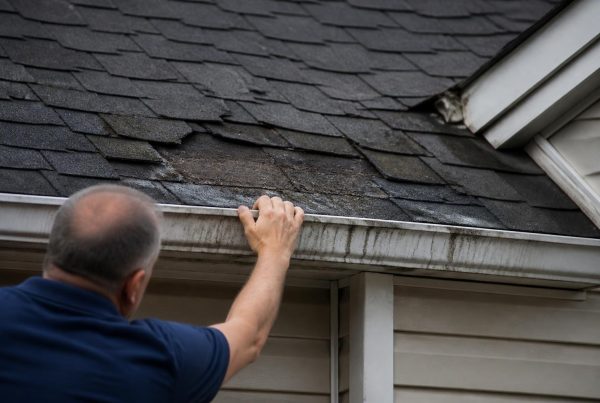
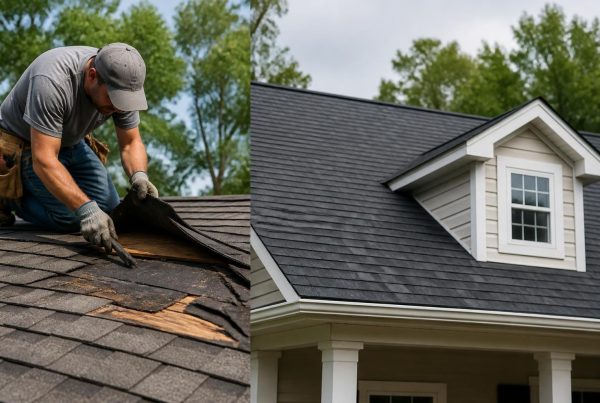
Understanding how much does roof repair cost helps you plan ahead and avoid surprises when problems appear. Most homeowners in coastal North Carolina will face repair needs at some point, whether from storm damage, aging materials, or simple wear over time. The honest answer is that pricing varies widely based on what actually needs fixing, the materials involved, and how accessible the damaged area is. Small fixes like replacing a few shingles might run a couple hundred dollars, while addressing structural issues or extensive leak damage can climb into thousands. The key is knowing what drives those numbers so you can make informed decisions about your home.
What Affects Roof Repair Pricing
The total cost of fixing your roof depends on several factors working together. No two repairs are identical, which is why getting a clear assessment matters before any work begins.
Material type plays a significant role in pricing. Asphalt shingles are the most common and typically the most affordable to repair, while metal roofing, tile, or slate requires specialized knowledge and different price points. This Old House provides a comprehensive guide on how material choices impact repair costs across different scenarios.
Damage extent determines both labor hours and material needs. A single missing shingle is straightforward. Water damage that has affected decking, insulation, or interior ceilings becomes a layered project with multiple trades involved.
Other pricing factors include:
- Roof pitch and accessibility (steeper roofs require more safety equipment and time)
- Height of your home (two-story homes cost more than single-story)
- Local labor rates (coastal markets differ from inland areas)
- Permit requirements (some municipalities require permits for structural work)
- Season and demand (post-storm periods often see higher prices)
Regional Differences in Repair Costs
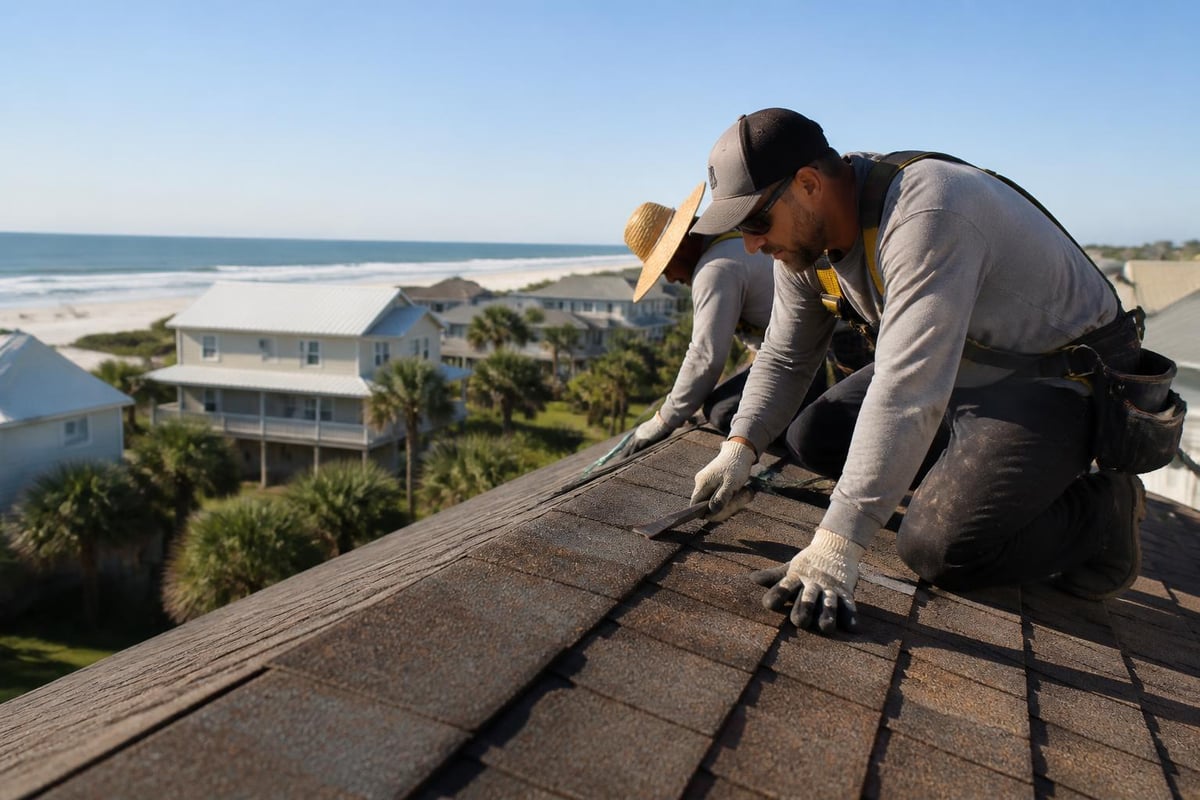
Where you live affects what you pay. In Eastern North Carolina, coastal weather patterns create specific repair needs that differ from inland areas. Salt air, high winds, and hurricane exposure mean different wear patterns and material performance.
Labor rates in Wilmington and surrounding coastal communities reflect local cost of living and contractor availability. Understanding regional pricing differences helps you gauge whether estimates align with market norms.
Common Repair Types and Price Ranges
Breaking down how much does roof repair cost by specific problem types gives you practical benchmarks. These ranges reflect 2026 pricing for typical scenarios, though your actual costs may vary based on the factors mentioned above.
| Repair Type | Average Cost Range | Complexity |
|---|---|---|
| Missing shingles (few) | $150 – $400 | Low |
| Small leak repair | $300 – $800 | Low to Medium |
| Flashing replacement | $400 – $1,200 | Medium |
| Valley repair | $500 – $1,500 | Medium |
| Vent boot replacement | $200 – $600 | Low to Medium |
| Chimney flashing | $700 – $1,800 | Medium to High |
| Partial decking replacement | $1,000 – $3,500 | High |
| Storm damage (multiple areas) | $2,000 – $7,000+ | High |
Shingle Repairs and Replacements
Replacing damaged or missing shingles is among the most common repairs. A small patch job might cost $150 to $400, covering materials and a service call. Larger sections requiring multiple bundles of shingles and more labor push into the $600 to $1,500 range.
Matching existing shingles matters for appearance and warranty coverage. Older roofs may require creative solutions if the exact product has been discontinued, which can affect both cost and final appearance.
Leak Repairs
Finding and fixing leaks involves detective work. The visible water stain inside rarely sits directly below the actual entry point. Water travels along rafters and decking before appearing on your ceiling.
Simple leak repairs addressing obvious penetrations (roof vents, pipe boots) typically run $300 to $800. Complex leaks requiring exploratory work, multiple entry points, or interior damage repair can easily reach $1,500 to $3,000.
When you schedule roof repair focused on fixing what actually needs attention, the process starts with understanding where water is entering and what has been affected. This approach avoids unnecessary work while addressing the real problem.
Flashing Work
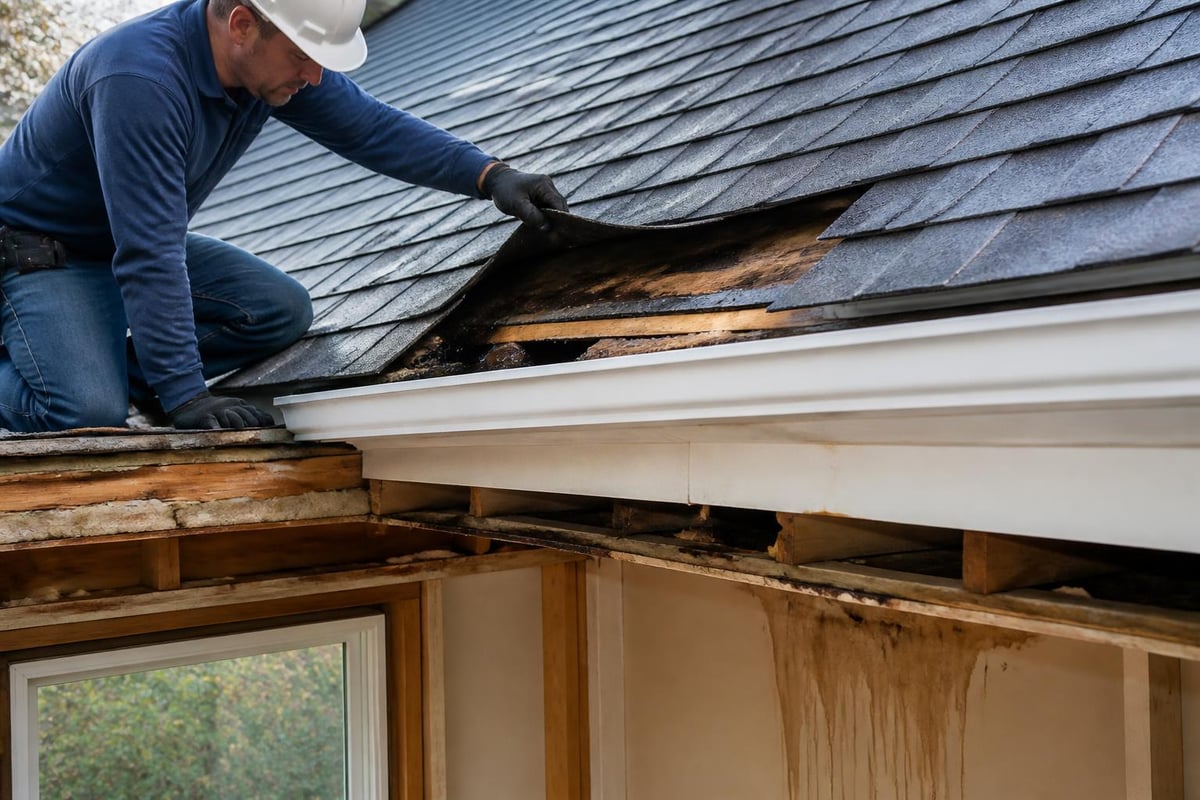
Flashing creates weathertight transitions where your roof meets walls, chimneys, skylights, and valleys. When flashing fails, water gets in.
Step flashing along walls costs $400 to $1,000 to replace, depending on length and accessibility. Chimney flashing runs higher at $700 to $1,800 because it requires careful integration with masonry and often involves counter-flashing work. Valley flashing replacement ranges from $500 to $1,500 per valley.
Flashing repairs often reveal underlying issues. Rotten wood around chimneys or damaged decking beneath valleys adds to the project scope and cost.
Understanding Labor vs. Material Costs
Breaking down pricing into labor and materials helps you understand where your money goes. For most repairs, labor represents 60 to 70 percent of the total cost. Materials are relatively affordable compared to the skilled work required to install them properly.
A bundle of quality architectural shingles costs $30 to $50. Installing those shingles safely on a steep roof with proper technique and attention to manufacturer specifications is where the value lies.
Why Quality Work Matters
Cheap repairs often become expensive problems. Improper flashing installation, incorrect nail placement, or skipped steps in manufacturer guidelines create premature failures. You end up paying twice when shortcuts fail.
Quality work includes:
- Proper safety equipment and protocols
- Manufacturer-specified installation techniques
- Weather-appropriate materials
- Attention to ventilation and moisture management
- Clean jobsite practices
EcoWatch discusses how different roofing materials affect both immediate repair costs and long-term performance, emphasizing the importance of proper installation regardless of material choice.
When to Repair vs. Replace
One question affects how much does roof repair cost more than any other: whether repair makes sense or replacement is the smarter move. This decision should be based on honest assessment, not sales pressure.
Signs Repair Makes Sense
Localized damage from a fallen branch or isolated storm impact is perfect for repair. The rest of your roof is healthy, and fixing the damaged section extends your roof's life at a fraction of replacement cost.
Age under 12-15 years with quality materials means your roof has useful life remaining. Repairs make financial sense when most of the system is still performing well.
Budget constraints sometimes dictate repair as the immediate solution while you plan for eventual replacement. An honest contractor will tell you when this is appropriate and what to expect going forward.
When Replacement is Smarter
Widespread granule loss across multiple roof sections indicates material at the end of its service life. Patching isolated spots won't stop ongoing deterioration elsewhere.
Multiple leak sources or recurring problems in different areas often signal systemic failure. Continuing to repair becomes more expensive than replacing.
Age over 20 years for asphalt shingles means borrowed time. Even if it looks okay from the ground, the materials have weathered beyond reliable performance.
A trustworthy assessment considers these factors honestly. Getting a roof estimate that looks at actual conditions helps you make the right call for your situation and budget.
Hidden Costs and Considerations
The initial repair quote might not tell the whole story. Some expenses appear only after work begins, while others relate to choices you make during the project.
Decking damage often hides beneath damaged shingles. Contractors can't know the decking condition until they remove the shingles. Rotten or soft decking requires replacement before new materials go down, adding $150 to $400 per 4×8 sheet including labor.
Code compliance might require upgrades to meet current standards. Some jurisdictions require full tear-off rather than overlay for certain repairs, or updated ventilation when touching specific roof areas.
| Hidden Cost Factor | Potential Addition |
|---|---|
| Rotten decking (per sheet) | $150 – $400 |
| Drip edge installation | $200 – $800 |
| Ventilation improvements | $300 – $1,500 |
| Permit fees | $50 – $300 |
| Waste disposal | $100 – $400 |
Insurance Considerations
Storm damage repairs often involve insurance claims. Understanding how this affects pricing helps you navigate the process. Most policies cover sudden damage from wind, hail, or falling objects but exclude wear and maintenance issues.
Deductibles reduce your out-of-pocket costs but you pay that amount before insurance coverage kicks in. A $1,500 repair with a $1,000 deductible means you pay $1,000 and insurance covers $500.
Depreciation might apply to older roofs. Some policies use Actual Cash Value rather than Replacement Cost Value, reducing payouts based on age and condition.
Working with contractors experienced in insurance repairs helps you document damage properly and communicate with adjusters. They understand what insurance covers and how to present necessary repairs.
Seasonal Pricing and Timing
When you schedule repairs affects what you pay. Demand fluctuates throughout the year in coastal North Carolina, creating price variations.
Spring and summer bring higher demand as homeowners tackle deferred maintenance and insurance companies close winter storm claims. Contractors stay busy, and prices reflect that demand. However, weather cooperates and work proceeds smoothly.
Fall offers a sweet spot in many markets. Demand eases slightly after summer, but weather remains favorable. You might find better scheduling flexibility and slightly more competitive pricing.
Winter presents challenges and opportunities. Fewer homeowners schedule elective work, potentially improving pricing and availability. However, weather constraints can delay projects, and some repairs become more difficult in cold temperatures. Emergency repairs during winter typically cost more due to challenging conditions.
Post-storm periods see dramatic price increases due to sudden demand spikes. Contractors book out weeks or months in advance, and temporary repairs become necessary until full work can be scheduled. Kiplinger’s maintenance checklist emphasizes addressing minor issues before they become major problems, potentially avoiding peak-season pricing.
DIY vs. Professional Repairs
Homeowners sometimes consider handling minor repairs themselves to save money. This decision involves honest assessment of skills, safety concerns, and potential costs if something goes wrong.
When DIY might work:
- Replacing a single vent boot on a low-slope roof with safe access
- Applying roof cement around a pipe boot on an accessible area
- Installing gutter guards or cleaning gutters
- Minor sealant application on known small gaps
When you need a professional:
- Any work on steep roofs or high buildings
- Structural repairs involving decking or rafters
- Flashing installation or replacement
- Multiple shingles requiring proper integration
- Anything affecting manufacturer warranties
- Leak identification requiring diagnostic expertise
Safety matters more than savings. Falls from roofs cause serious injuries and fatalities every year. Professional contractors carry insurance protecting both them and you if accidents occur.
Getting Accurate Estimates
Understanding how much does roof repair cost requires good estimates from qualified contractors. The process starts with knowing what to ask and what to expect.
Request itemized estimates breaking down labor, materials, and other costs. This transparency helps you compare quotes fairly and understand where money goes.
Ask about warranty coverage on both materials and labor. Quality contractors stand behind their work with multi-year labor warranties supplementing manufacturer material warranties.
Verify licensing and insurance appropriate for your area. North Carolina requires licenses for roofing contractors, and liability insurance protects you if property damage occurs during work.
Red Flags in Estimates
Unusually low bids often indicate cut corners, unlicensed work, or plans to upsell once the project starts. If one estimate is dramatically lower than others, question why.
Pressure to decide immediately suggests priorities other than your best interest. Legitimate contractors give you time to consider options and compare proposals.
Cash-only requests or significant upfront deposits before work begins create risk. Standard practice involves small deposits or payment upon completion for repairs.
Budgeting for Roof Repairs
Smart homeowners include roof maintenance in their home budgeting. Setting aside funds before problems appear reduces stress when repairs become necessary.
Home maintenance funds should include $150 to $300 annually for roof-related expenses on a typical home. This covers minor repairs, inspections, and preventive maintenance. Older roofs or harsh climates warrant higher allocations.
Emergency funds for major repairs protect you when unexpected damage occurs. Having $2,000 to $5,000 available for home emergencies (including roof issues) prevents forced decisions based purely on immediate cash flow.
National average costs for roof repairs provide useful benchmarks, but local conditions and your specific roof determine actual needs. Coastal environments often require more frequent attention than inland locations.
Regular inspections catch small problems before they become expensive emergencies. Annual or bi-annual checkups cost $150 to $300 but often identify $200 fixes before they become $2,000 problems.
Making the Right Decision
Knowing how much does roof repair cost empowers better decisions. You can evaluate estimates fairly, understand what drives pricing, and recognize when contractors give you straight answers versus sales pitches.
Start by understanding what is actually wrong with your roof. Get clear information about the problem, your options, and realistic pricing for each approach. Honest contractors explain when simple fixes work and when more extensive work makes better long-term sense.
Budget considerations matter, but so does quality. The cheapest option rarely provides the best value when repairs fail prematurely or create new problems. Balance immediate costs against expected performance and longevity.
Ask questions until you feel comfortable with your understanding. Good contractors welcome questions and explain their recommendations in plain language. They want you to make informed decisions, not pressured ones based on confusion or fear.
Understanding repair costs helps you plan appropriately and avoid surprises when your roof needs attention. Whether you are dealing with storm damage, leaks, or general wear, knowing the factors that affect pricing gives you confidence in the decisions you make. If you are in the Hampstead, Wilmington, or surrounding coastal North Carolina areas and need honest guidance about your roof, NC Roofs provides clear assessments and straightforward recommendations focused on what actually makes sense for your home and budget.