Understanding full roof replacement cost helps homeowners plan one of the most significant investments in their home's protection. Whether you're dealing with storm damage along the North Carolina coast or simply reaching the end of your roof's lifespan, knowing what drives pricing allows you to budget accurately and avoid surprises. The total cost depends on multiple factors, from the size and pitch of your roof to the materials you choose and the complexity of the work required.
What Makes Up Full Roof Replacement Cost
The full roof replacement cost breaks down into several distinct categories, each contributing to your final invoice. Material expenses typically represent 40-50% of the total, while labor accounts for another 40-50%. The remaining costs cover permits, disposal, underlayment, flashing, and other necessary components.
Material Costs by Type
Roofing material selection dramatically affects your project budget. Asphalt shingles remain the most economical choice for most coastal North Carolina homes, offering good durability at a manageable price point.
| Material Type | Cost Per Square Foot | Typical Lifespan | Best For |
|---|---|---|---|
| 3-Tab Asphalt Shingles | $1.50 – $3.00 | 15-20 years | Budget-conscious projects |
| Architectural Shingles | $3.00 – $5.50 | 25-30 years | Most residential homes |
| Metal Roofing | $5.00 – $12.00 | 40-70 years | Long-term investment |
| Tile Roofing | $8.00 – $15.00 | 50+ years | Premium aesthetics |
Architectural shingles strike the best balance for most homeowners. They withstand coastal wind conditions better than 3-tab shingles and cost significantly less than metal or tile options.
Material quality matters. Premium shingles with higher wind ratings and impact resistance cost 15-25% more upfront but often save money through longer lifespan and better insurance rates in coastal areas.
Labor and Installation Expenses
Labor costs vary based on roof complexity, accessibility, and local market rates. In Eastern North Carolina, expect labor to run $2.00 to $4.50 per square foot for standard asphalt shingle installation.
Steeper roofs require additional safety equipment and take longer to complete. Homes with complex angles, multiple valleys, or numerous penetrations (chimneys, skylights, vents) increase labor hours. Second-story work costs more than single-story installations due to access challenges.

Experienced crews work faster and produce better results. The lowest bid doesn't always represent the best value if it means rushed work or shortcuts on critical details like flashing and underlayment.
Size and Measurement Impact on Pricing
Roofing professionals measure in "squares," with one square equaling 100 square feet. A typical single-family home ranges from 15 to 30 squares (1,500 to 3,000 square feet of roof surface).
Calculating Your Roof Size
Ground-level square footage doesn't equal roof square footage. Pitch and overhang add significant surface area. A 1,800 square-foot ranch with moderate pitch might have 2,200-2,400 square feet of actual roof surface.
Professional measurements account for:
- Roof pitch (slope angle)
- Overhangs and eaves
- Dormers and protrusions
- Waste factor for cuts and overlap
The National Roofing Contractors Association provides detailed measurement guidelines that help ensure accurate material ordering and cost estimates.
Pitch affects cost directly. A 4/12 pitch (common residential slope) installs at standard rates. An 8/12 or steeper pitch can increase labor costs by 20-40% due to safety requirements and installation difficulty.
Additional Components That Affect Total Cost
Material and labor represent the major expenses, but several other components contribute to the full roof replacement cost and shouldn't be overlooked when budgeting.
Tear-Off and Disposal
Removing your existing roof adds $1.00 to $2.00 per square foot to project costs. Single-layer removal runs cheaper than multiple-layer tear-offs, which require more labor and generate more waste.
Disposal fees vary by location and landfill requirements. Expect $300-$800 for a typical residential project, depending on roof size and local dump rates.
Underlayment and Decking Repairs
Quality underlayment protects against water intrusion if shingles fail. Synthetic underlayment costs more than felt paper but offers superior performance in coastal conditions with high humidity and salt exposure.
- Standard felt: $0.25 – $0.50 per square foot
- Synthetic underlayment: $0.50 – $1.00 per square foot
- Ice and water shield: $1.00 – $2.00 per square foot (used in valleys and critical areas)
Decking repairs add significant but necessary cost when rot or damage appears during tear-off. Plan an additional $2.00-$4.00 per square foot for any plywood or OSB replacement needed. Most projects require some decking work, especially around problem areas like chimneys or valleys.
Flashing, Vents, and Accessories
Proper flashing around chimneys, skylights, and wall junctions prevents future leaks. Budget $200-$500 for chimney flashing replacement and $100-$200 per skylight.
Ridge vents improve attic ventilation and extend shingle life. Adding or upgrading ventilation runs $3.00-$8.00 per linear foot installed.
Regional Variations in Eastern North Carolina
Full roof replacement cost in coastal North Carolina includes considerations specific to the region's climate and building requirements.
Wind Rating Requirements
Coastal building codes often require higher wind ratings. Shingles rated for 130+ mph winds cost 10-20% more than standard products but are sometimes required for insurance coverage in coastal zones.
Some areas near Topsail, Surf City, and Holly Ridge fall within higher wind-speed zones that mandate specific installation methods. Additional fasteners and enhanced sealing increase material costs slightly but ensure code compliance.
Salt Air and Humidity Factors
Coastal environments demand corrosion-resistant fasteners and flashing materials. Stainless steel or galvanized components cost more than standard options but prevent premature failure in salt air.
Underlayment upgrades make more sense in humid coastal climates. The additional investment in synthetic materials pays off through better moisture resistance and longer roof life.
According to Consumer Reports’ roofing buying guide, material selection should account for local climate conditions, with coastal homeowners prioritizing wind resistance and moisture management over other factors.
Typical Price Ranges for Common Scenarios
Real-world examples help translate square-foot pricing into actual project costs. These ranges reflect 2026 pricing in the Eastern North Carolina market for complete installations.
Small to Medium Homes (1,200-2,000 sq ft roof area)
Basic 3-tab asphalt replacement: $6,000 – $10,000
- Single-story ranch
- Simple roof design
- Minimal repairs needed
- Standard ventilation
Mid-grade architectural shingles: $9,000 – $14,000
- Standard complexity
- Quality underlayment
- Some decking repairs
- Upgraded ventilation
Larger Homes (2,000-3,000 sq ft roof area)
Architectural shingle replacement: $13,000 – $22,000
- Two-story construction
- Moderate complexity
- Standard repairs and upgrades
- Multiple penetrations
Premium materials or complex design: $18,000 – $32,000
- Steep pitch or multiple levels
- Extensive valleys and angles
- Significant decking work
- Metal or tile materials
These estimates assume typical conditions. Extensive rot, structural issues, or unusual design features can push costs higher.
Insurance Coverage and Out-of-Pocket Costs
Insurance may cover partial or full roof replacement cost depending on the cause of damage and your policy terms. Understanding coverage helps you plan for actual expenses.
What Insurance Typically Covers
Storm damage from wind, hail, or falling trees usually qualifies for coverage. Bankrate’s insurance coverage guide explains that sudden, accidental damage generally meets coverage requirements, while age-related wear does not.
Your deductible applies first. A typical $2,500 deductible on a $15,000 roof replacement means insurance pays $12,500 after you cover the initial amount.
Actual cash value vs. replacement cost matters significantly. Replacement cost policies pay full replacement at current prices. Actual cash value policies depreciate your roof's age, potentially leaving you with substantial out-of-pocket costs on older roofs.
When You Pay the Full Amount
Age-related deterioration falls outside coverage. If your 20-year-old shingles simply reached the end of their lifespan, expect to pay the complete full roof replacement cost yourself.
Some policies exclude certain damage types or have special roof provisions. Review your coverage before assuming insurance will help. A Roof Report documenting damage provides the evidence needed to support insurance claims when storm damage occurs.
Ways to Manage and Plan for Costs
Smart planning helps homeowners handle roof replacement expenses without financial strain. Several strategies reduce immediate burden or lower total project costs.
Financing Options
Home equity loans or lines of credit typically offer the lowest interest rates for roof financing. Personal loans work for homeowners without sufficient equity.
Many roofing contractors partner with financing companies offering:
- Zero-interest periods (12-24 months typically)
- Extended payment plans (5-10 years)
- Quick approval processes
Read terms carefully. Deferred interest plans charge retroactive interest if not paid in full before the promotional period ends.
Timing Your Project
Off-season scheduling sometimes reduces costs. Late fall or early spring may offer better availability and pricing compared to peak summer months when demand peaks.
That said, don't delay necessary replacements just to save a few hundred dollars. Water damage from a failing roof costs far more than any seasonal discount.
Getting Multiple Estimates
Request detailed written estimates from at least three contractors. Compare:
- Material brands and grades specified
- Labor scope (tear-off, repairs, cleanup)
- Warranty terms (labor and material)
- Timeline and payment schedule
The lowest price may exclude items others include. Ensure all estimates cover the same scope before comparing costs.
Tax Considerations and Energy Incentives
Certain roof replacements qualify for tax benefits or incentives that reduce effective costs. While standard asphalt shingle replacement doesn't qualify for federal tax credits, some upgrades do.
Energy-Efficient Roofing Credits
ENERGY STAR cool roofs that meet reflectivity standards may qualify for federal energy tax credits. Metal roofs with reflective coatings or special cool-roof shingles sometimes qualify.
The IRS home energy tax credits guidance outlines current qualification requirements and credit amounts. Tax benefits change periodically, so verify current rules when planning your project.
Solar installation combined with roof replacement might qualify for solar investment tax credits, effectively subsidizing roof work needed to support panels.
Home Sale Value Impact
Roof replacement rarely returns 100% of cost at resale, but it removes a major negotiating obstacle. Zillow’s research on exterior improvements shows new roofs help homes sell faster and closer to asking price, even if they don't add dollar-for-dollar value.
A new roof signals proper maintenance and eliminates buyer concerns about immediate major expenses. This psychological benefit often matters more than strict ROI calculations.
Making the Repair vs. Replacement Decision
Not every roof problem requires full replacement. Understanding when repair makes more financial sense helps avoid unnecessary expenses.
When Repair Suffices
Localized damage affecting less than 30% of roof surface area often costs less to repair than replace. Missing shingles from recent storms, isolated leak sources, or damage concentrated in one area may only need targeted fixes.
Minor issues caught early prevent escalation. A $800 repair today beats a $15,000 replacement forced by ignored damage that spread over time.
When Replacement Makes Sense
Multiple problem areas signal systemic failure. If repairs keep recurring or affect different roof sections, replacement becomes the more economical long-term solution.
Age matters. A 20-year-old roof with new damage warrants replacement more than repair, since remaining lifespan is limited anyway. Spending $2,000 on repairs for a roof that needs full replacement in two years wastes money.
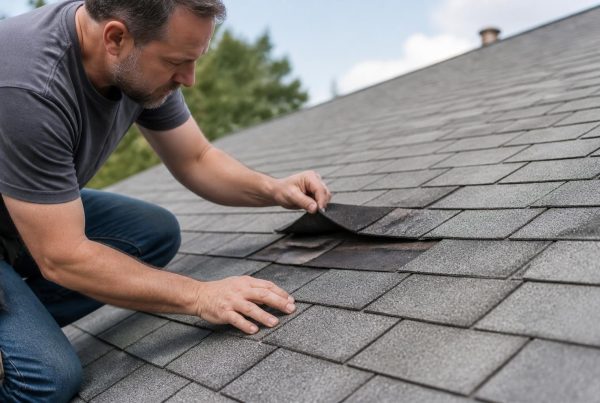
Curling, granule loss across large areas, or widespread cracking indicate the roof has reached the end of useful life. These conditions don't repair effectively.
What to Expect During the Replacement Process
Understanding the work sequence helps homeowners prepare and recognize quality installation. Most residential roof replacements follow a predictable timeline.
Day One: Tear-Off and Preparation
Crews arrive early and set up protective measures. Tarps protect landscaping and catch debris. Magnetic rollers will sweep the property afterward for loose nails.
Tear-off generates significant noise. Plan to be away if possible, especially with young children or noise-sensitive pets. Expect vibration throughout the house as old materials come off.
Workers inspect decking as they expose it, flagging rot or damage needing repair. This is when unexpected costs sometimes appear, though experienced contractors anticipate typical findings.
Days Two-Three: Installation and Finishing
New underlayment goes down first, followed by drip edge and flashing. Shingle installation proceeds from bottom to top, with careful attention to alignment and fastener placement.
Quality crews work methodically, not rushed. Ridge caps, vents, and final flashing complete the watertight system.
Cleanup includes:
- Removing all debris and materials
- Magnetic sweeping for nails
- Final inspection walkthrough
- Warranty documentation
Most residential projects complete in 2-4 days depending on size and complexity.
Questions to Ask Before Committing
Smart questions reveal contractor quality and help clarify the full roof replacement cost before work begins.
Ask about specific material brands. "Architectural shingles" covers a wide quality range. Know exact product lines and manufacturer warranties.
Clarify what estimates include. Does pricing cover all tear-off, disposal, permits, and repairs? Or are those potential add-ons?
Request proof of insurance and licensing. Verify current coverage directly with insurance companies, not just by reviewing provided certificates.
Understand warranty terms. What does the contractor's labor warranty cover and for how long? How does it interact with manufacturer material warranties?
Get payment terms in writing. Typical structures involve a deposit (10-30%), progress payment after tear-off, and final payment upon completion. Avoid contractors demanding large upfront payments or full payment before starting.
Understanding full roof replacement cost empowers better decisions about timing, materials, and contractor selection for your coastal North Carolina home. The investment protects your property and provides peace of mind when the next storm rolls through. If you're weighing repair versus replacement or need clarity on what your roof actually needs, NC Roofs provides honest assessments and transparent pricing across Hampstead, Topsail, Surf City, and Wilmington without unnecessary upsells or pressure.