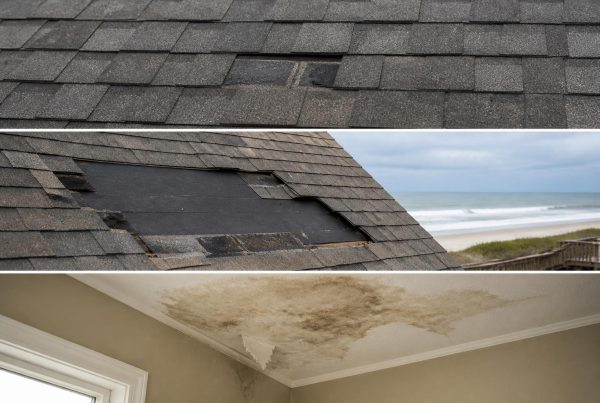
Your roof doesn't always need replacing when it starts showing wear. Between small repairs and a complete tearoff sits roof restoration, a process that can add years to your roof's life while avoiding the full cost of starting over. For homeowners in coastal North Carolina, where salt air and storm exposure accelerate aging, understanding when restoration makes sense can save thousands while keeping your home protected. This approach involves cleaning, repairing damage, and applying protective coatings to renew performance without removing the existing system.
What Roof Restoration Actually Means
Roof restoration is a comprehensive process that addresses wear and damage while preserving the underlying structure. Unlike patching individual problems, restoration treats the entire roof surface to restore waterproofing and extend functional life.
The process typically includes several coordinated steps. First comes thorough cleaning to remove debris, moss, algae, and oxidized surface material. Next, crews repair any damaged areas, replace deteriorated flashings, and address structural concerns. Finally, they apply specialized coatings designed to seal the surface and protect against UV damage, moisture intrusion, and weathering.
Key components of restoration work:
- Power washing or chemical cleaning of the entire roof surface
- Sealing penetrations, vents, and pipe boots
- Repairing or replacing damaged flashings around chimneys and valleys
- Filling cracks and addressing minor substrate damage
- Applying elastomeric or acrylic coatings in multiple layers
- Treating seams and transitions with reinforced materials
The coating application is what separates restoration from standard repair. These liquid-applied membranes create a seamless barrier that can extend a roof's life by 10 to 20 years, according to comprehensive guides on roof coating systems. For asphalt shingle roofs common in Eastern North Carolina, restoration typically involves roof rejuvenators or protective sealants rather than full coating systems.

When Restoration Makes More Sense Than Replacement
Not every aging roof qualifies for restoration. The decision depends on current condition, remaining structural integrity, and how much life extension you actually need.
Restoration works best when the roof deck remains sound and damage is primarily surface-level. If your shingles show widespread curling, granule loss across most of the surface, or localized wear in high-exposure areas, restoration might renew the system without tearing off materials that still have structural value.
| Restoration Makes Sense | Replacement Is Better |
|---|---|
| Roof is 10-15 years old with moderate wear | Roof exceeds 20-25 years on asphalt shingles |
| Leaks are isolated to flashings or penetrations | Multiple active leaks across different roof areas |
| Deck inspection shows no soft spots or rot | Visible sagging or structural compromise |
| Budget requires extending current roof 5-10 years | Planning to stay in home 15+ years |
| Surface damage from UV exposure or minor storms | Previous water damage to interior or insulation |
The economics often favor restoration when you need a functional solution but full replacement isn't justified. Studies show roof restoration can deliver significantly higher profitability for contractors, which translates to cost savings for homeowners compared to complete tearoff and replacement.
For coastal homes in areas like Topsail and Surf City, salt air accelerates surface oxidation even when the underlying materials remain intact. This makes restoration particularly relevant for roofs that look weathered but haven't actually failed structurally.
Cost Comparison and ROI Considerations
Understanding the financial difference between restoration and replacement helps you make informed decisions based on your timeline and goals.
A full roof replacement on a typical single-family home in Eastern North Carolina runs between $8,000 and $15,000 depending on size, pitch, and material choice. Roof restoration typically costs 40 to 60 percent less, often falling in the $3,000 to $7,000 range for comparable coverage.
Cost factors that influence restoration pricing:
- Total square footage of roof surface
- Extent of repairs needed before coating application
- Type and quality of coating system selected
- Number of penetrations, vents, and chimneys requiring detail work
- Accessibility and roof pitch complexity
The return on investment depends entirely on how long you plan to stay in the home and what condition the roof starts from. If restoration adds eight years of life at half the replacement cost, you're essentially buying time at a substantial discount. That matters if you're planning to sell within five years or need to allocate budget to other home improvements.
However, restoration doesn't reset the clock completely. You're extending an aging system, not installing new materials with fresh warranties. This makes it a strategic decision rather than a simple cost-saving measure.
The Restoration Process Step by Step
Knowing what actually happens during restoration helps set realistic expectations and understand what you're paying for.
1. Initial Assessment and Documentation
A proper restoration starts with detailed inspection. Contractors examine the entire roof surface, document damage areas, test moisture levels in the deck, and verify that substrate conditions support restoration rather than requiring replacement.
2. Surface Preparation
Cleaning is critical. Crews remove all loose material, treat organic growth, and ensure the surface accepts coating adhesion. For metal roofs, this includes rust treatment. For shingles, it means removing failed granules and addressing any delaminated areas.
3. Repair Phase
Before any coating goes down, all structural issues get addressed. This includes replacing damaged decking sections, installing new flashings, resealing penetrations, and fixing any areas where water has compromised the substrate.
4. Primer and Coating Application
Most systems require a primer coat followed by one or two finish coats. Application timing matters since coatings need specific temperature and moisture conditions to cure properly. Coastal humidity can affect scheduling, so contractors often plan around weather windows.
5. Quality Control and Documentation
Professional restoration includes final inspection, warranty documentation, and often photographic records of the work completed. This documentation becomes valuable if you need to file insurance claims later or when selling the home.
Understanding restoration versus complete replacement helps clarify which approach fits your specific situation and building type.
Material-Specific Restoration Considerations
Different roofing materials respond differently to restoration approaches. What works for a metal roof doesn't translate to asphalt shingles.
Asphalt Shingle Restoration
Asphalt shingles are the most common residential roofing material in North Carolina. Restoration typically involves rejuvenating oils that replace volatiles lost to UV exposure and weathering. These treatments can restore flexibility to brittle shingles and delay replacement.
The effectiveness depends on existing granule coverage. Once shingles lose most granules and expose the underlying mat, coatings can't reverse that damage. Restoration works best on roofs with intact granules showing color fading and minor brittleness.
Metal Roof Restoration
Metal roofs often outlast their coatings. Restoration addresses rust, failed fasteners, and coating breakdown without replacing the panels themselves. Best practices for recovering aging roofs emphasize proper surface preparation as critical to long-term performance.
Silicone and acrylic coatings designed for metal create watertight seals over seams and penetrations while providing UV protection that extends panel life significantly.
Flat and Low-Slope Roofs
Single-ply membranes like TPO or EPDM and modified bitumen systems respond well to restoration when the membrane remains intact but shows weathering. Coatings can add 10 to 15 years of service life to these commercial-style roofs common on garages, additions, and contemporary home designs.
Common Mistakes That Compromise Restoration Results
Even well-intentioned restoration work fails when contractors skip essential steps or homeowners choose based solely on lowest price.
Inadequate Surface Preparation
Applying coating over dirty, wet, or improperly prepared surfaces guarantees premature failure. Critical mistakes in roof restoration often trace back to rushing the preparation phase or working in poor weather conditions.
The coating can only bond to what's there. If existing materials are loose, deteriorated, or contaminated, the new system won't perform as expected regardless of coating quality.
Choosing Wrong Coating Systems
Not all coatings suit all climates or roof types. Coastal environments require formulations that handle salt exposure and high humidity. Using interior-grade or inappropriate products saves money upfront but leads to rapid deterioration.
Skipping Necessary Repairs
Coating over damaged substrate just hides problems temporarily. Water continues infiltrating through compromised areas, causing progressive damage that eventually exceeds what restoration could have prevented.
If you need roof repair to address specific damage before considering restoration, those fixes become the foundation for successful coating application and long-term performance.
Ignoring Manufacturer Specifications
Coating systems include specific requirements for surface moisture levels, temperature ranges during application, cure times between coats, and film thickness. Contractors who deviate from these specifications void warranties and compromise performance.
How to Evaluate If Your Roof Qualifies
Determining restoration candidacy starts with honest assessment of current conditions and future plans.
Start with age. Roofs less than halfway through their expected lifespan rarely benefit from restoration unless they've sustained unusual damage. Roofs beyond 75 percent of expected life might not justify restoration costs when replacement becomes necessary within a few years anyway.
Assessment checklist for restoration consideration:
-
Structural Integrity: Walk the attic and look for sagging, water stains, or soft decking. Any structural compromise requires addressing before restoration makes sense.
-
Leak History: Isolated leaks from flashings differ from widespread water intrusion. Document where problems occur and whether patterns suggest systemic failure or repairable issues.
-
Surface Condition: Examine shingle granules, check for curling or cupping, and note any areas where substrate shows through. Significant granule loss across large areas suggests replacement makes more sense.
-
Timeline: How long do you plan to stay in the home? Restoration pencils out when you need 5 to 10 additional years, not when you're selling next year or planning indefinite occupancy.
-
Budget Reality: Can you afford replacement if needed? If so, does deferring that expense by restoring now create better financial flexibility for other priorities?
Regular maintenance practices significantly influence whether restoration remains viable or damage has progressed beyond what coating can address.
Warranty Considerations and Long-Term Performance
Understanding what warranties cover and what they exclude prevents disappointment when issues arise after restoration.
Most restoration warranties cover the coating system itself, typically for 5 to 15 years depending on product and application quality. These warranties usually guarantee against coating failure, not underlying roof problems that existed before restoration.
Warranty coverage typically includes:
- Coating adhesion failure or delamination from proper substrate
- Premature weathering or UV degradation of coating material
- Manufacturer defects in coating formulation
Warranties generally exclude:
- Damage from storms, falling objects, or foot traffic
- Problems caused by improper maintenance or neglect
- Substrate failure independent of coating performance
- Issues arising from structure settling or movement
Read warranty terms carefully. Some require annual inspections or specific maintenance to remain valid. Others transfer to new owners with limitations, which matters if you sell before the warranty expires.
Performance expectations should align with reality. Restoration extends serviceable life and improves weather resistance, but it doesn't make a 15-year-old roof perform like new construction. You're buying time and protection, not reversing fundamental aging.
Regional Factors for Eastern North Carolina
Coastal conditions create specific challenges that influence whether roof restoration makes sense and how long results last.
Salt air accelerates corrosion on metal components and breaks down organic materials faster than inland environments. UV exposure in coastal areas with high sun exposure and reflective water surfaces increases surface degradation. These factors mean roofs age faster but also respond well to restoration that addresses surface-level damage before it penetrates deeper.
Hurricane and wind considerations:
Coastal roofs must withstand higher wind loads and storm exposure. Restoration improves water resistance but doesn't upgrade structural attachment or wind rating. If your roof barely survived the last hurricane season, restoration might provide better waterproofing while still leaving vulnerability to wind uplift that only replacement with modern fastening standards can address.
Humidity affects coating cure times and application windows. Contractors working in Eastern North Carolina need to schedule around moisture levels and temperature ranges that allow proper adhesion and curing. This regional expertise matters more than using premium products incorrectly.
Homeowners in Hampstead, Wilmington, and surrounding communities should factor storm damage history into restoration decisions. Benefits of commercial roof restoration translate to residential applications when conditions support coating effectiveness.
Making the Decision Between Restoration and Replacement
No single answer fits every situation. The right choice depends on condition, budget, timeline, and honest assessment of what you actually need.
Think through your situation practically. If the roof has 10 years of expected life remaining but you're selling in two years, even minor repairs might suffice. If you're staying 15 years and the roof might last five more without intervention, restoration could bridge that gap cost-effectively.
Get multiple professional opinions. One contractor might recommend replacement while another suggests restoration is viable. Understanding why they differ helps you evaluate who's assessing conditions accurately versus who's selling their preferred solution.
Consider the total cost of ownership. Restoration now plus replacement in eight years costs more than replacement today, but spreading that expense might align better with other financial priorities. There's no wrong answer if you're making informed choices.
Ask about maintenance requirements post-restoration. Some coating systems need periodic reapplication or specific cleaning. If you won't maintain it properly, spend the money on replacement that requires less ongoing attention.
The decision comes down to matching the solution to your actual circumstances rather than choosing based on abstract cost savings or theoretical lifespan extensions. Your roof, your home, your timeline.
Roof restoration offers a practical middle ground when your roof shows wear but hasn't failed structurally, giving you years of additional service at significantly lower cost than full replacement. Whether restoration makes sense depends on current condition, how long you need the roof to last, and honest assessment of what's actually happening up there. If you're weighing options for your coastal North Carolina home, NC Roofs provides clear roof reports and straightforward guidance to help you understand what you're dealing with before making any decisions.