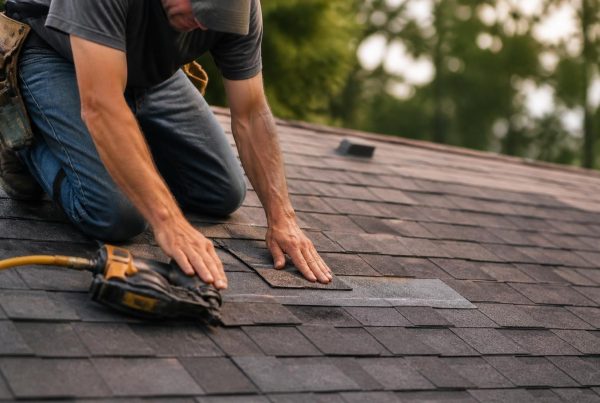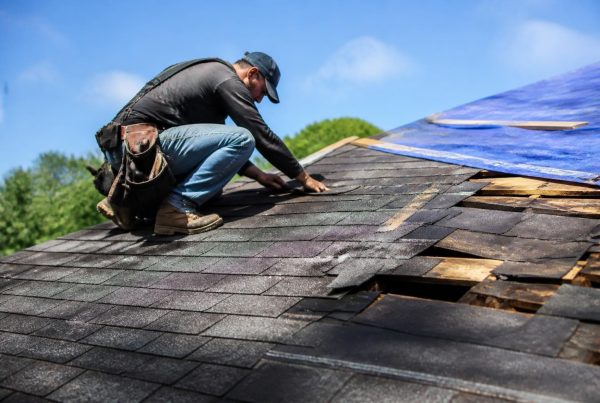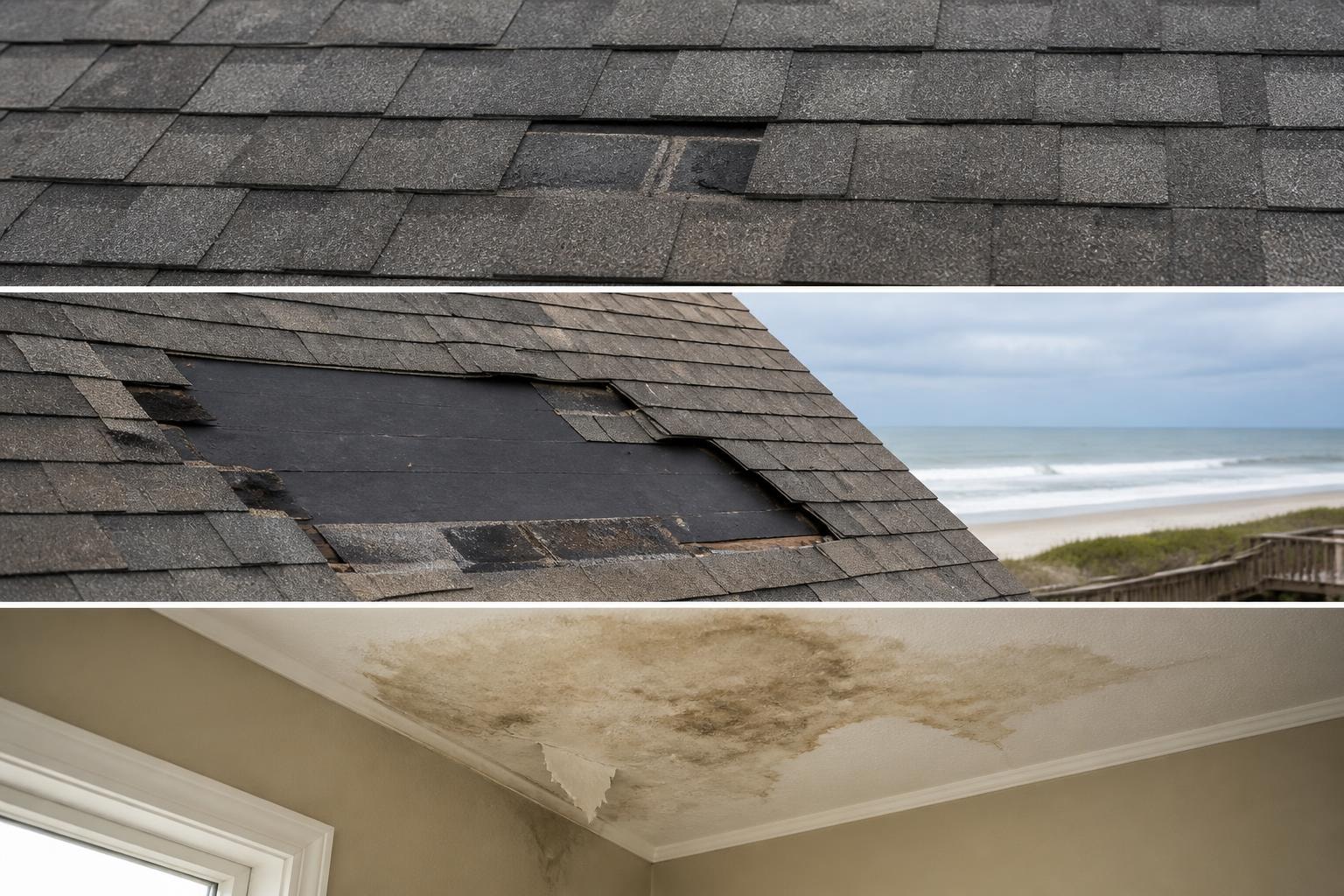
When you spot a gap in your roof where shingles used to be, it's natural to wonder how urgent the problem really is. Missing shingles aren't just a cosmetic issue, they're an opening for water, wind, and weather to reach the layers beneath. Understanding what to do about missing shingles on roof surfaces helps you act quickly without overreacting or waiting too long. Whether you lost one shingle or several, the steps you take next determine whether this becomes a simple fix or a bigger repair down the road.
Why Shingles Go Missing in the First Place
Shingles disappear for predictable reasons. High winds lift edges that have loosened over time, especially on older roofs where the adhesive seal has weakened. Coastal areas like Topsail and Surf City see this often after summer storms when gusts exceed 50 mph.
Common causes include:
- Wind damage during storms or sustained high winds
- Age-related deterioration of sealant strips
- Poor initial installation with inadequate nailing
- Thermal cycling that loosens shingle bonds over time
- Previous repairs that didn't address underlying attachment issues
Heat and cold cause shingles to expand and contract. After years of this cycle, the bond between shingle layers weakens. Add a strong wind event, and shingles that were barely holding on finally let go.
Storm Damage vs. Gradual Wear
Storm damage happens suddenly. You might find shingles in your yard after a thunderstorm or notice new gaps after a tropical system passes through. This type of loss often qualifies for insurance coverage if the event is documented.
Gradual wear shows up differently. Shingles curl at the edges first, then tabs begin to lift during moderate winds. Eventually, one tears away completely. This pattern suggests the roof is nearing the end of its effective lifespan, and insurance typically won't cover it since it's normal aging.
Assessing the Damage Right Away
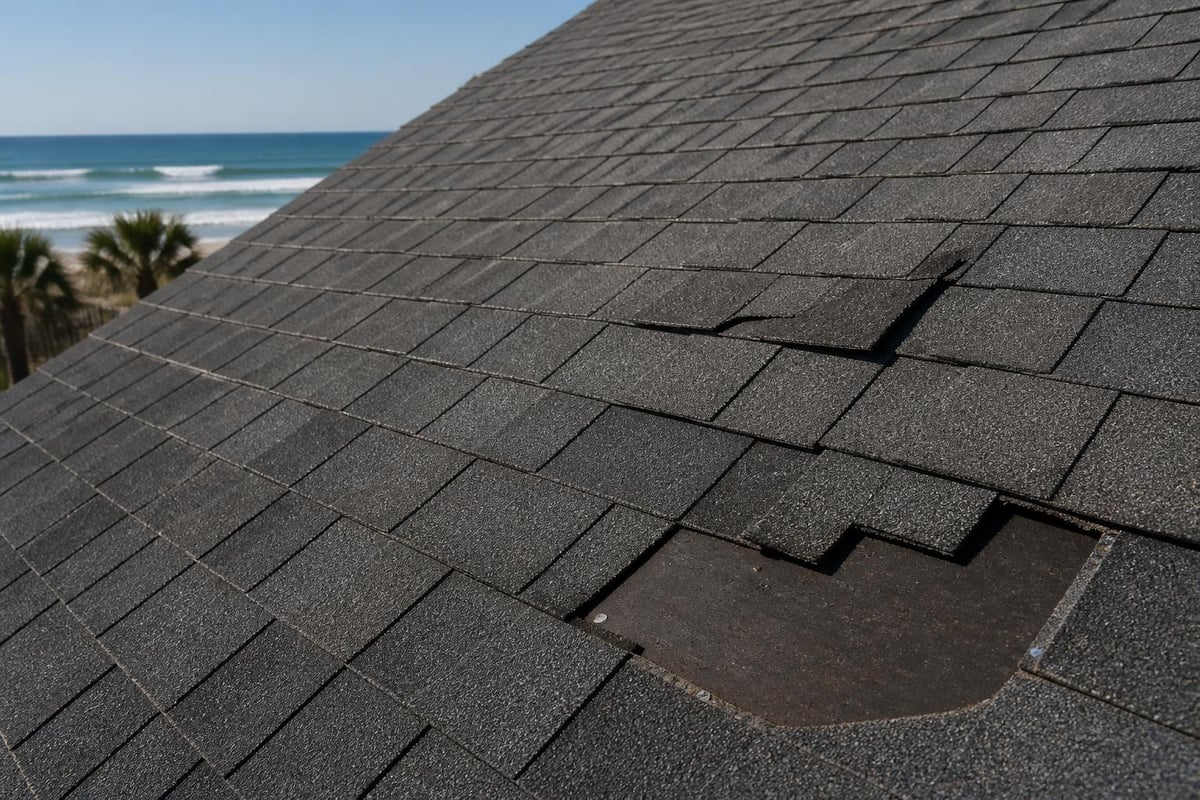
The first thing to do about missing shingles on roof surfaces is to evaluate what's actually exposed. Walk your property and look up from ground level. Use binoculars if needed to spot gaps without climbing.
What to check for:
- Number of missing shingles (one, several, or widespread)
- Location (ridge, field, valleys, or edges)
- Condition of surrounding shingles (lifting, cracked, or flat)
- Visible underlayment or wood decking beneath
- Interior signs like water stains or drips
Don't climb onto the roof yourself unless you're experienced and comfortable with ladder safety. A fall risk isn't worth the inspection. If you can't see the damage clearly from the ground, it's time to call someone who can safely access the roof.
Interior Warning Signs
Missing shingles don't always cause immediate leaks, but they create the opportunity. Check your attic or upper floor ceilings for these signs:
| Sign | What It Means |
|---|---|
| Water stains | Active or recent leak path |
| Damp insulation | Moisture entering from above |
| Light penetration | Visible daylight through roof deck |
| Musty smell | Ongoing moisture problem |
Even without visible water, exposed underlayment won't hold up long. Most underlayment is rated for temporary exposure only, typically 90 to 180 days depending on the product. After that, UV rays and weather begin breaking it down.
Temporary Protection Steps
If you're dealing with missing shingles and can't get immediate professional help, temporary measures prevent further damage. These aren't permanent fixes, just bridges until proper repair happens.
A tarp secured over the affected area keeps water out during rain. Use one large enough to extend past the damaged section and anchor it carefully without creating new penetrations. Weighted sandbags along edges work better than nails through good shingles.
Tarp Installation Tips
- Choose a heavy-duty poly tarp, not a lightweight blue sheet
- Position it to cover the missing area plus two feet on all sides
- Extend the top edge over the roof ridge if possible
- Secure with 2×4 boards and sandbags, never nails or screws
- Check it after wind or rain to ensure it hasn't shifted
Tarps are temporary solutions only. They don't seal properly, can trap moisture beneath them, and deteriorate quickly in sun. Plan for actual repair within weeks, not months.
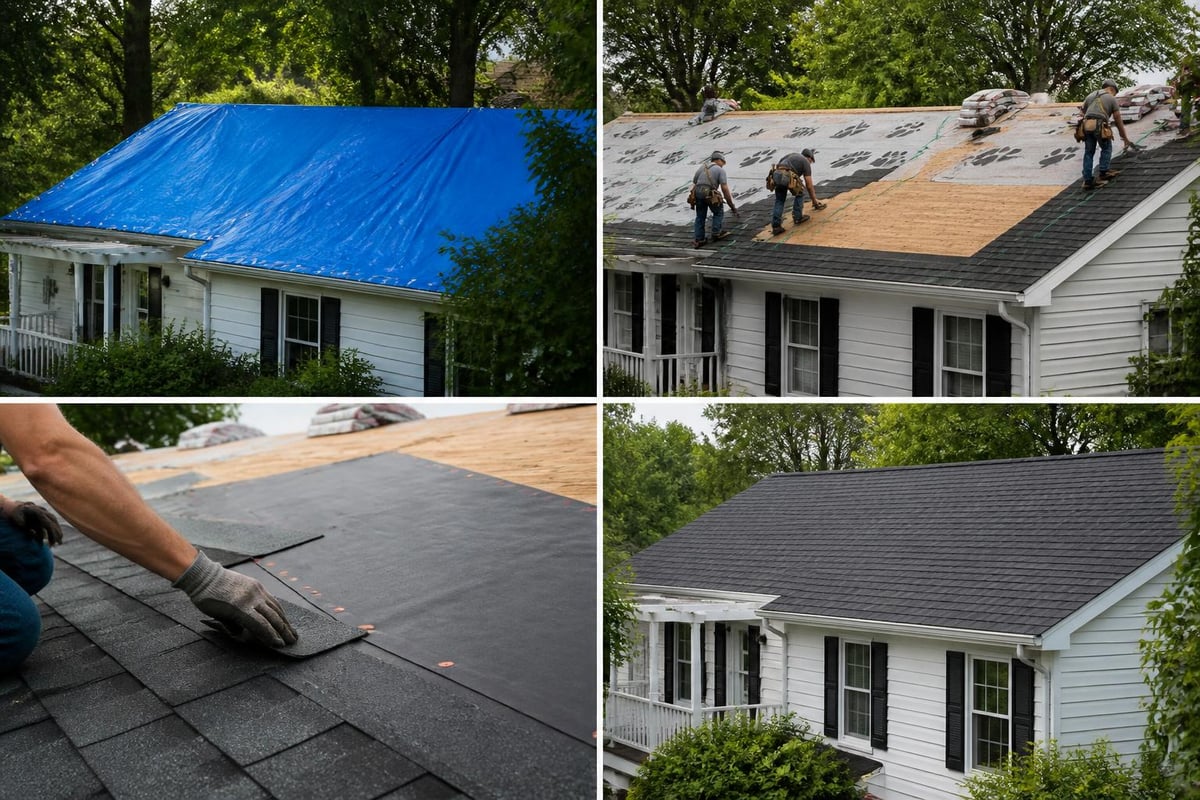
When to Repair vs. Replace the Whole Roof
Deciding between patching the missing section or replacing everything depends on your roof's overall condition. A few missing shingles on a seven-year-old roof just need spot repair. The same issue on a twenty-two-year-old roof suggests it's time for a bigger conversation.
Repair makes sense when:
- The roof is under 12 years old
- Only isolated shingles are missing
- Surrounding shingles lie flat and intact
- No signs of widespread deterioration
- Matching shingles are available
Replacement becomes the smarter choice when you're constantly fixing new problems, when granule loss is extensive across the roof, or when repairs start adding up to a significant portion of replacement cost.
Cost Comparison
| Scenario | Typical Approach | Approximate Cost Range |
|---|---|---|
| 1-3 missing shingles, newer roof | Spot repair | $150-$400 |
| 10-15 missing shingles, one section | Section repair | $500-$1,200 |
| Widespread loss, older roof | Full replacement | $8,000-$15,000+ |
These are general ranges for Eastern North Carolina. Actual costs vary by roof size, pitch, accessibility, and materials. At NC Roofs, we start with a clear roof repair assessment so you understand what's happening before discussing options. Sometimes a targeted fix solves the problem completely. Other times, ongoing repairs just delay the inevitable.
Getting Professional Repair Done
Once you've assessed the situation and decided repair is the right move, finding someone reliable matters. Not every roofer handles small jobs well, and not every estimate tells you what you actually need.
A proper repair inspection includes checking the decking beneath missing shingles, ensuring underlayment isn't compromised, and verifying that surrounding shingles will hold new ones securely. If the person quoting your job doesn't mention these items, they're probably just planning to slap shingles over whatever's there.
What a Complete Repair Includes
- Inspection of exposed decking for rot or damage
- Replacement of torn or degraded underlayment
- Installation of new shingles matching existing color and style
- Proper nailing pattern (typically four or six nails per shingle)
- Sealing of edges to prevent future wind lift
Matching shingles can be tricky. Manufacturers change product lines, and UV exposure ages existing shingles so new ones look noticeably different. An experienced contractor can often find close matches or suggest creative solutions that blend the repair into the existing roof.
Preventing Future Shingle Loss
After you've dealt with what to do about missing shingles on roof surfaces once, you probably don't want to repeat the experience. Prevention starts with understanding why they came off and addressing those conditions.
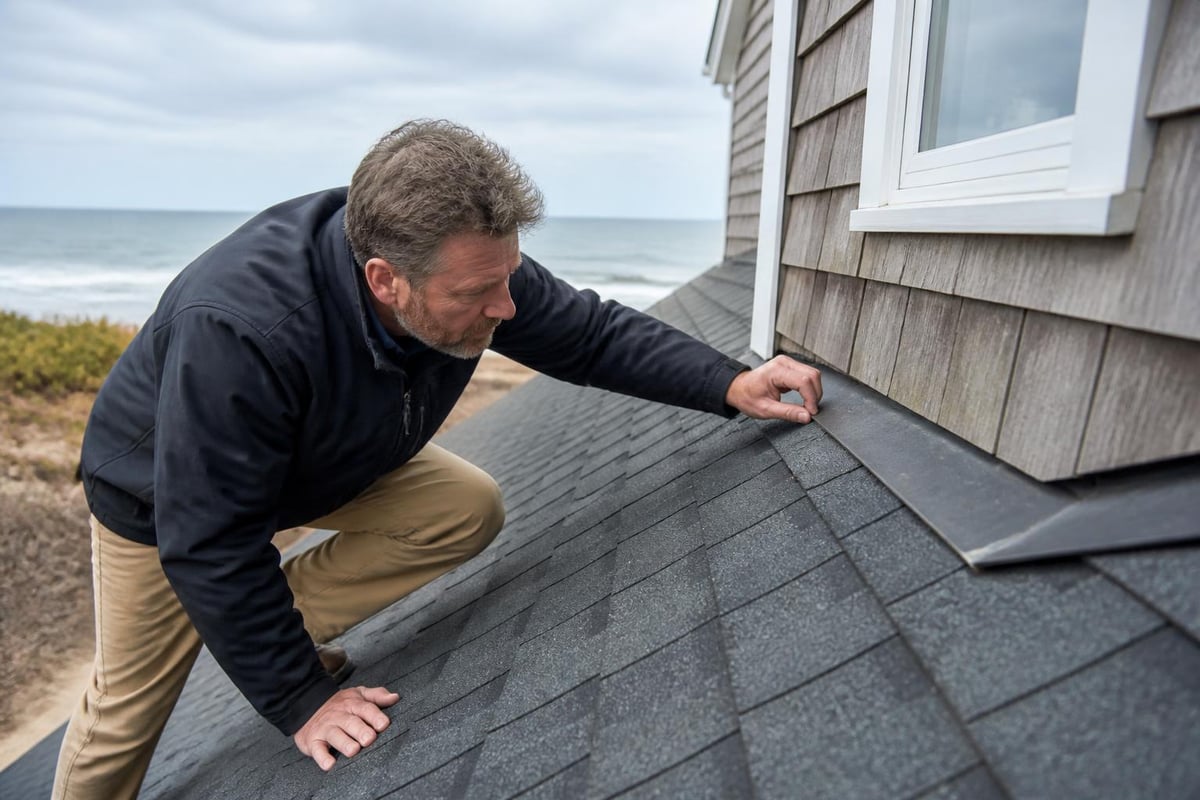
Regular inspections catch problems before they escalate. Walking the property twice a year, especially after storm season, reveals lifting edges or damaged areas. Catching a curled shingle tab early means resealing it rather than replacing it after it tears away.
Preventive maintenance includes:
- Annual or bi-annual roof inspections
- Resealing lifted shingle edges
- Keeping gutters clear to prevent water backup
- Trimming overhanging branches
- Addressing ventilation issues that cause premature aging
Proper attic ventilation extends shingle life significantly. Hot attics bake shingles from beneath, accelerating the breakdown of adhesive and asphalt. Balanced intake and exhaust ventilation keeps temperatures moderate and prevents this thermal stress.
Understanding Insurance Coverage
Storm damage that causes missing shingles often falls under homeowners insurance, but coverage depends on several factors. The age of your roof, your policy terms, and the documented cause of loss all play roles.
Most policies cover sudden, accidental damage like wind or hail but exclude gradual deterioration. If a documented storm with 60 mph winds lifted your shingles, that's likely covered. If they blew off during a breezy afternoon because they were old and brittle, probably not.
Filing a Claim
- Document the damage with photos from multiple angles
- Note the date and weather conditions when loss occurred
- Contact your insurance company to open a claim
- Request an inspection from both insurance and a roofer
- Get written estimates before authorizing any work
Some homeowners worry that filing a claim will raise their rates. That's sometimes true, but letting damage worsen often costs more than any rate increase. Water intrusion from missing shingles can cause thousands in interior damage, far exceeding the cost of a small deductible and potential premium adjustment.
DIY Repair Considerations
Replacing a few shingles yourself is possible if you're comfortable on ladders and understand basic roofing principles. Video guides walk through the process step by step, showing how to remove damaged shingles and install new ones.
That said, DIY carries real risks. Falls from roofs send thousands of people to emergency rooms annually. Even without falling, improper installation can create leaks worse than the original problem. Driving nails through sealant strips, misaligning courses, or failing to seal edges properly all compromise the repair.
Before attempting DIY:
- Honestly assess your comfort with heights and roof pitch
- Ensure you have proper safety equipment including harness
- Verify you can source matching shingles
- Understand the installation sequence and nailing pattern
- Consider whether your time is worth the modest savings
For most homeowners in coastal areas dealing with salt air and frequent storms, professional repair makes more sense. The cost difference between DIY and professional work on a small repair is often just a few hundred dollars, and the warranty and expertise are worth it.
How Roof Design Affects Shingle Retention
Not all roofs lose shingles equally. Design factors influence how well shingles stay attached during wind events. Understanding these helps explain why some roofs shed shingles while neighbors' roofs stay intact during the same storm.
Roof pitch matters significantly. Steeper roofs create more wind uplift because air accelerates as it moves up the slope. Research on roof type and wind vulnerability shows that architectural features substantially impact damage patterns during high-wind events.
Design Elements That Affect Shingle Performance
| Feature | Impact on Shingle Retention |
|---|---|
| Steep pitch (8/12 or higher) | Increased wind uplift pressure |
| Hip vs. gable design | Hips generally more wind-resistant |
| Roof edge details | Proper starter strips reduce edge lift |
| Exposure to prevailing winds | Windward slopes experience higher loads |
Homes in Hampstead and Wilmington face easterly winds during nor'easters and variable winds during tropical systems. Roofs oriented to catch these winds directly experience more stress on shingles, particularly along edges and ridges where uplift is strongest.
Shingle Quality and Installation Standards
The quality of your original installation determines how long shingles stay put. Even premium shingles fail prematurely when installed incorrectly. Conversely, mid-grade shingles properly installed can outlast expensive products slapped down carelessly.
Proper nailing makes the difference. Each shingle needs four to six nails placed in the nailing zone, typically about five and a half to six inches up from the bottom edge. Nails driven too high don't penetrate the shingle below. Nails too low create visible penetrations. Both scenarios reduce wind resistance.
Installation factors affecting longevity:
- Nail placement within manufacturer's specified zone
- Use of corrosion-resistant fasteners
- Proper starter course at eaves and rakes
- Adequate sealant strip engagement
- Correct exposure (typically five inches for three-tab)
When you're dealing with missing shingles, examining how the original installation was done helps predict future problems. If you see nails placed randomly or insufficient fasteners, expect more shingles to fail even if you repair the current gaps.
Special Considerations for Coastal Homes
Living near the coast means your roof faces unique challenges. Salt air accelerates corrosion of fasteners. High humidity promotes granule loss. Frequent storms test every seal and attachment point. What to do about missing shingles on roof systems in coastal environments requires understanding these added stresses.
Wind ratings matter more here than inland. Standard three-tab shingles might work fine in Raleigh but struggle in Surf City. Architectural shingles with higher wind ratings (110 mph or more) perform better, and some manufacturers offer special coastal formulations with enhanced adhesive.
Coastal-Specific Maintenance
Coastal roofs benefit from more frequent inspections, ideally three times yearly rather than annually. After major storms, even if you don't notice obvious damage, a quick visual check catches small issues before they grow.
Salt accumulation affects shingle granules over time. While you can't wash your roof like you'd rinse salt off a car, understanding that coastal shingles age differently helps set realistic expectations. A fifteen-year roof inland might show more wear at twelve years near the ocean.
Making the Decision
After gathering information about the damage, costs, roof age, and repair options, you'll need to decide on next steps. This decision shouldn't feel rushed or pressured. Take time to understand what's actually happening with your roof.
If the damage is recent and localized, repair almost always makes sense. If it's part of a pattern of ongoing problems or your roof is approaching twenty years old, having a conversation about replacement timing is reasonable.
Questions to guide your decision:
- Is this the first problem or one of many recent issues?
- How old is the roof and what's the expected remaining lifespan?
- Does the repair cost approach 30% or more of replacement cost?
- Are matching materials readily available?
- Will this repair likely solve the problem for years or just months?
Get multiple opinions if you're unsure. A second set of eyes can reveal things the first inspector missed or offer a different perspective on the best approach. Just make sure you're comparing equivalent scopes of work when reviewing estimates.
Missing shingles need attention, but the right response depends on your specific situation, not a one-size-fits-all answer. Understanding the cause, evaluating your roof's overall condition, and choosing appropriate repair or replacement keeps your home protected without overspending. If you're in Hampstead, Wilmington, or surrounding coastal communities and need a clear assessment of what's happening with your roof, NC Roofs provides honest evaluations and straightforward recommendations so you can make informed decisions about your home.