Understanding what roof damage insurance covers nc policies can save you thousands of dollars and prevent confusion when storm season hits. Homeowners across Eastern North Carolina face unique roofing challenges from coastal wind, hurricanes, and sudden weather changes, making insurance coverage essential. Most standard homeowners policies include roof protection as part of dwelling coverage, but the details determine whether your claim gets approved or denied. This guide breaks down exactly what is covered, what is not, and how to navigate the process when your roof needs attention.
How North Carolina Homeowners Insurance Handles Roof Damage
Most homeowners insurance in North Carolina includes your roof under dwelling coverage, which protects the structure of your home. The key factor is always the cause of damage, not just the fact that your roof has a problem. Policies typically cover sudden, accidental damage from specific perils listed in your contract.
When reviewing what roof damage insurance covers nc homeowners should know that standard policies protect against certain hazards while excluding others. Your policy will state whether it is an "open perils" or "named perils" format, which changes what qualifies for coverage.
Named Perils vs. Open Perils Policies
The type of policy you carry affects what roof damage gets covered:
- Named perils policies only cover damage from events specifically listed in your contract
- Open perils policies (also called all-risk) cover everything except what is specifically excluded
- Most North Carolina homeowners carry HO-3 policies, which provide open perils coverage for the dwelling
An HO-3 policy gives broader protection for your roof because any damage is presumed covered unless your insurer can prove it falls under an exclusion. This matters when dealing with combination damage or when the exact cause is unclear.
Covered Perils That Damage North Carolina Roofs
Several common causes of roof damage typically qualify for insurance coverage in North Carolina. Understanding these covered perils helps you recognize when to file a claim versus when to pay out of pocket.
Wind and Windstorm Damage
Wind damage ranks as the most common covered peril for coastal North Carolina homes. When strong winds lift shingles, damage flashing, or cause structural harm, your policy should cover repairs or replacement.
Progressive Insurance notes that windstorm coverage typically includes:
- Missing or torn shingles from high winds
- Damage to underlayment exposed by wind
- Structural damage to roof decking
- Wind-driven rain damage that enters through wind-damaged areas
Important consideration: wind damage is usually covered, but some coastal policies have separate wind deductibles or require separate windstorm coverage depending on your location and distance from the coast.
Hail Damage
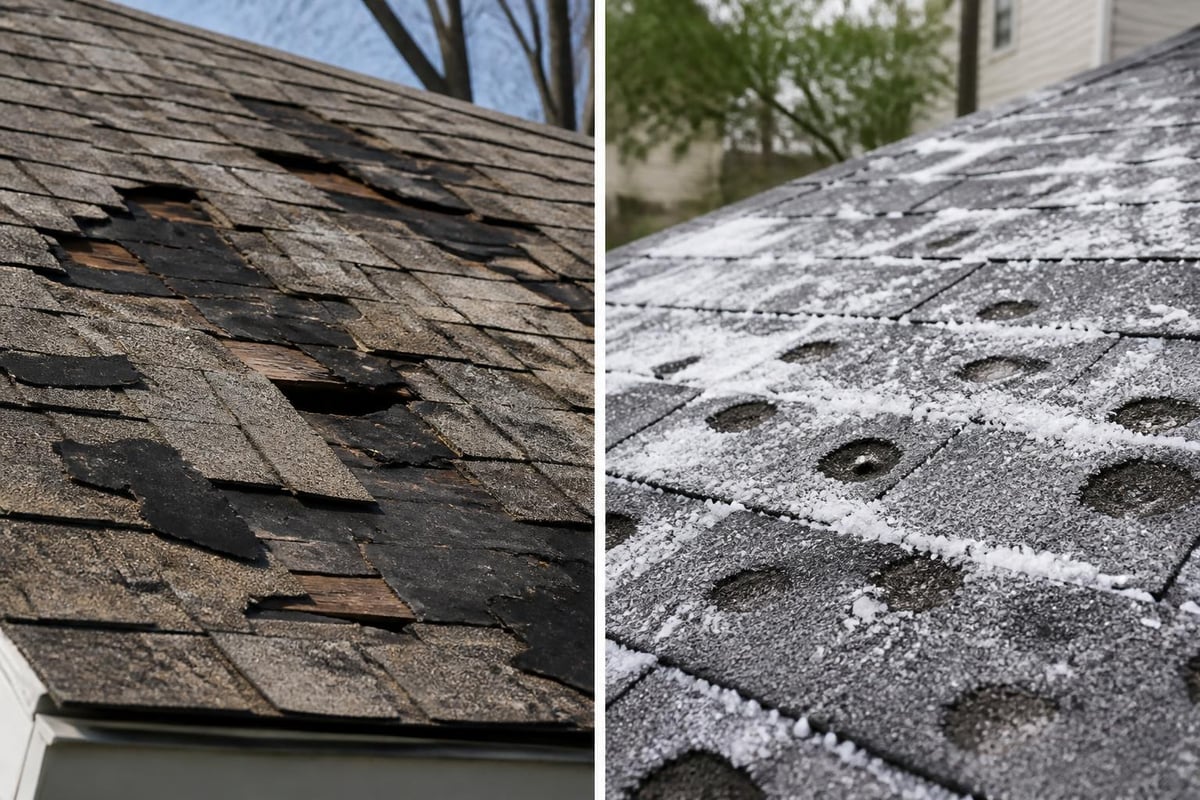
Hail causes significant roof damage across North Carolina, and most policies cover this peril without question. Hail can compromise shingle integrity even when damage is not immediately visible, making professional inspections critical after storms.
Covered hail damage includes:
- Granule loss exposing the asphalt layer
- Bruising or denting of shingles
- Cracked or punctured shingles
- Damage to roof vents, flashing, or gutters
American Family Insurance explains that hail claims depend on documenting the damage properly and proving it occurred during a specific storm event.
Fire and Lightning
Fire and lightning damage to roofs receives full coverage under virtually all homeowners policies. This includes direct strikes, electrical damage from lightning, and fire spread from other sources.
Fallen Trees and Debris
When a tree or large branch falls on your roof during a storm, coverage typically applies. The insurance company covers removal of the tree from the structure and repairs to the damaged roof sections.
Coverage limits may apply to debris removal, often capped at a specific dollar amount or percentage of the claim. Check your policy for these details before assuming full coverage.
Weight of Ice or Snow
Though less common in coastal North Carolina, damage from the weight of ice or snow qualifies as a covered peril. This matters during rare ice storms that stress roof structures beyond their design limits.
What Roof Damage Insurance Does NOT Cover in NC
Understanding exclusions prevents frustration when filing claims. What roof damage insurance covers nc policies specifically exclude several situations that homeowners often assume are covered.
Wear and Tear and Aging
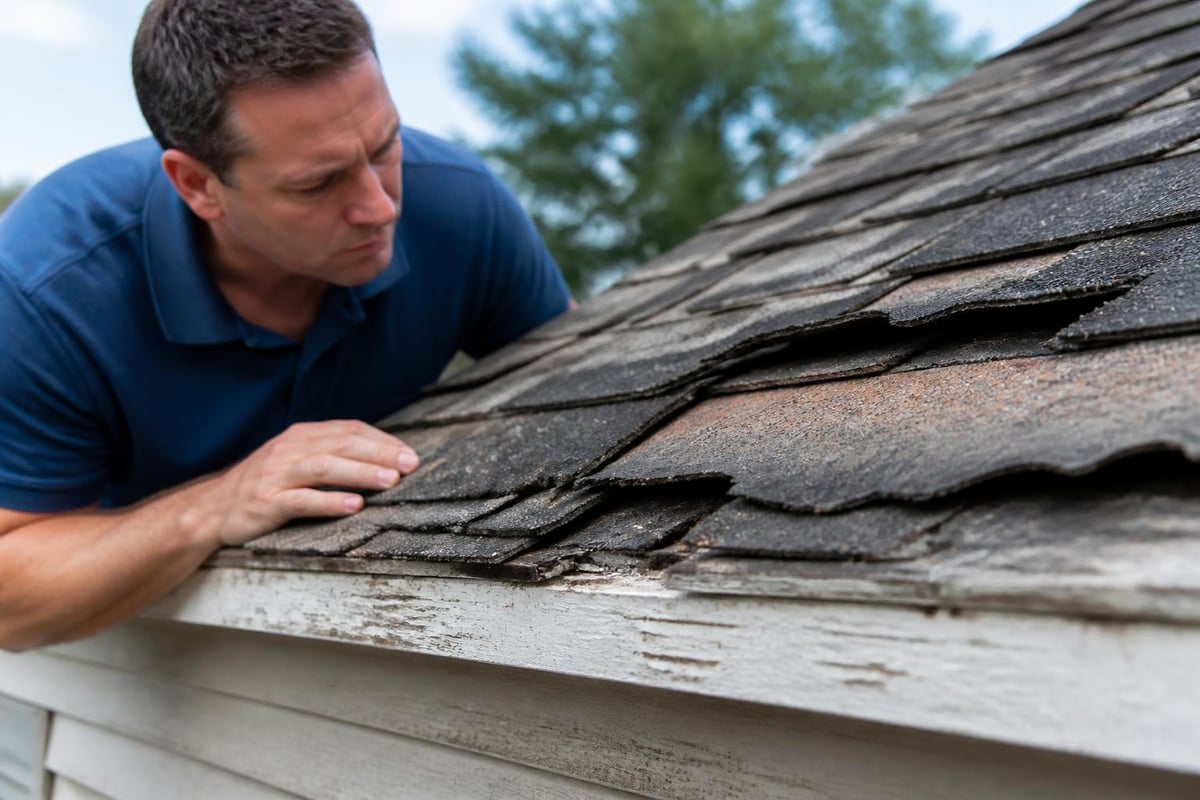
No insurance policy covers normal aging or gradual deterioration. If your roof simply reached the end of its lifespan, replacement costs come from your pocket.
Common excluded conditions include:
| Excluded Condition | Why It's Not Covered |
|---|---|
| Granule loss from age | Normal weathering process |
| Curling shingles from sun exposure | Expected degradation over time |
| Cracked shingles from temperature cycles | Gradual wear, not sudden damage |
| Failed sealant or caulking | Maintenance issue |
Lack of Maintenance
Failure to maintain your roof properly gives insurers grounds to deny claims. True North Roofing Solutions points out that documented maintenance helps prove you fulfilled your policy obligations.
Examples of maintenance-related denials:
- Leaks that developed because missing shingles were never replaced
- Water damage from clogged gutters causing ice dams
- Deterioration from ignored minor damage that worsened over time
When you notice damage, getting timely roof repair prevents small problems from becoming major issues that insurance will not cover.
Cosmetic Damage
Many policies exclude purely cosmetic damage that does not affect the roof's function. If hail causes minor dents visible only from certain angles but the shingles still protect effectively, your claim may be denied.
Mold and Rot
Mold and wood rot typically get excluded unless they result directly from a covered peril. If a windstorm tears your roof and rain causes mold before repairs happen, that mold damage should be covered. But mold from years of slow leaks will not be.
Actual Cash Value vs. Replacement Cost Coverage
The type of roof coverage in your policy determines how much money you receive after a claim. What roof damage insurance covers nc residents need to understand includes these two valuation methods.
Replacement Cost Value (RCV)
Replacement cost coverage pays to replace your roof with similar materials at current prices without deducting for depreciation. This provides the most complete financial protection.
Example: Your 12-year-old roof with a 20-year lifespan gets destroyed by a tornado. Replacement cost coverage pays the full amount to install a new comparable roof, minus your deductible.
Actual Cash Value (ACV)
Actual cash value coverage pays replacement cost minus depreciation based on your roof's age and condition. This results in significantly lower payouts for older roofs.
Using the same example above, ACV coverage might only pay 40% of replacement costs since the roof was 60% through its expected life.
| Coverage Type | Payout Amount | Best For |
|---|---|---|
| Replacement Cost | Full replacement value minus deductible | Newer roofs, maximum protection |
| Actual Cash Value | Replacement cost minus depreciation | Older roofs, lower premiums |
| Recoverable Depreciation | ACV upfront, RCV after completion | Balance between cost and coverage |
Some policies use "recoverable depreciation," paying ACV initially and the depreciated amount after you complete repairs. This prevents homeowners from pocketing insurance money without fixing the roof.
The North Carolina Roof Insurance Claim Process
Filing a roof damage claim involves specific steps that affect whether you get approved and how much you receive. Knowing what roof damage insurance covers nc homeowners also means understanding how to properly document and submit claims.
Immediate Steps After Damage
When you notice roof damage:
- Document everything immediately with photos and videos from multiple angles
- Prevent further damage with temporary measures like tarps
- Contact your insurance company within the timeframe specified in your policy
- Keep all receipts for emergency repairs or temporary protection
Most North Carolina insurers require prompt notification, often within 24-72 hours of discovering damage.
The Insurance Adjuster Inspection
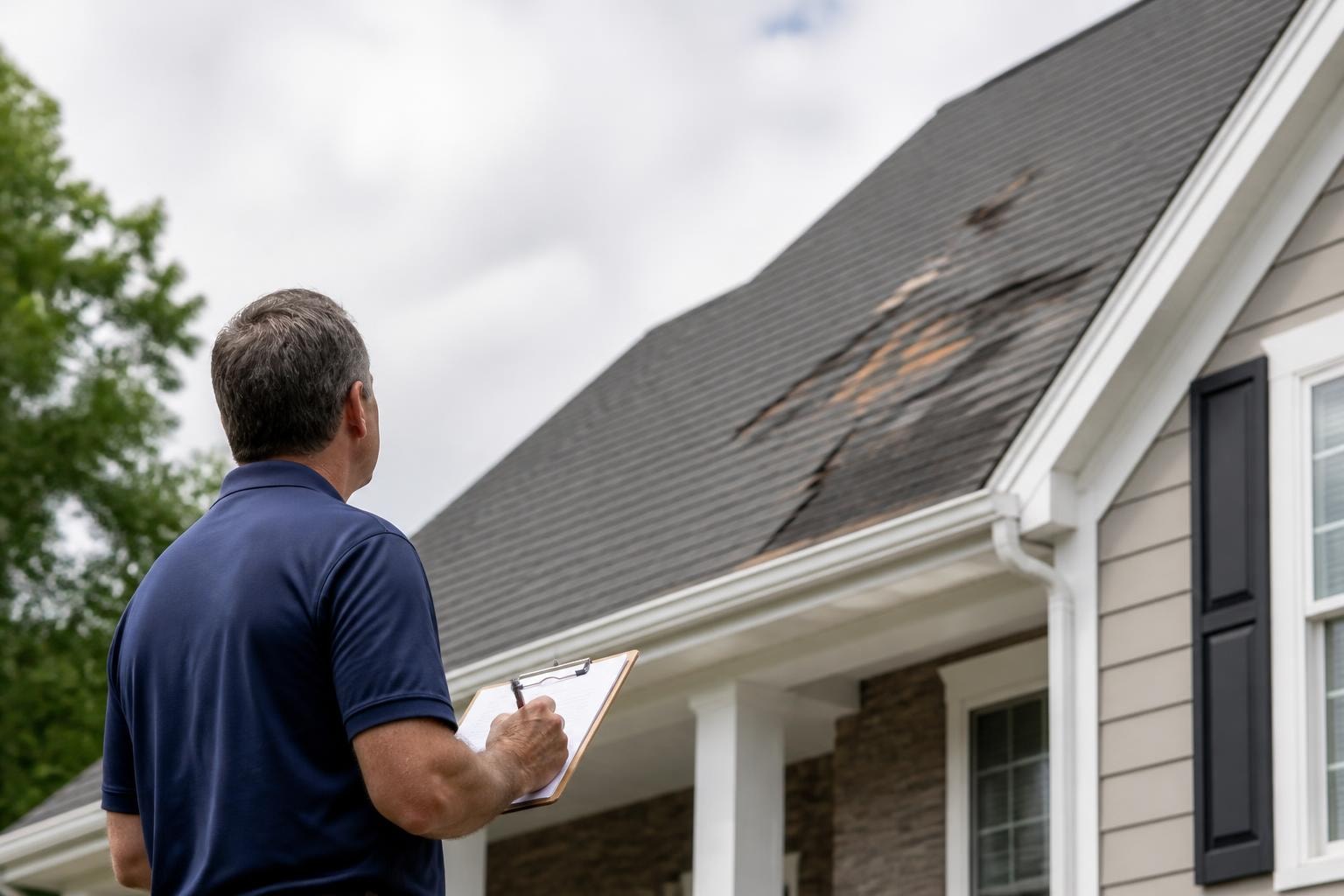
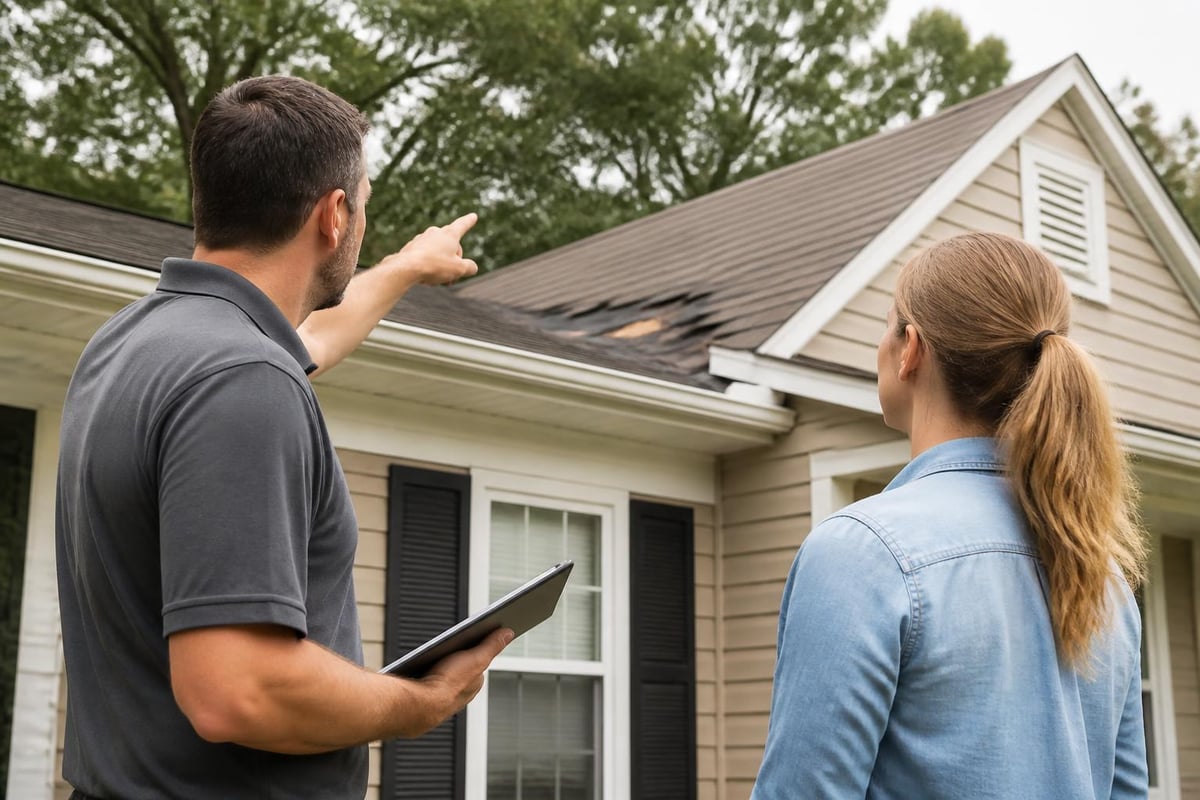
Your insurance company will send an adjuster to assess the damage. This inspection determines whether damage qualifies as a covered peril and estimates repair costs.
Be present during the inspection to point out all damaged areas. Adjusters sometimes miss damage, especially on large or complex roofs. Having your own documentation helps ensure nothing gets overlooked.
Getting Your Own Assessment
Many homeowners benefit from independent roof inspections before or alongside the insurance adjuster's visit. A detailed roof report from a local roofing company provides:
- Complete damage documentation
- Repair or replacement recommendations
- Cost estimates to compare against the adjuster's numbers
- Evidence supporting your claim
Understanding Your Deductible
Your deductible is the amount you pay before insurance coverage begins. North Carolina policies often have separate deductibles for wind damage in coastal areas.
Common deductible structures:
- Flat dollar amount: You pay $1,000, $2,500, or another set amount
- Percentage deductible: You pay 1-5% of your home's insured value
- Named storm deductible: Higher percentage (often 5%) for hurricanes
If your roof repair costs $4,000 and you have a $2,500 deductible, you receive $1,500 from insurance. Understanding this helps you decide whether filing a claim makes financial sense for minor damage.
Common Claim Denial Reasons and How to Avoid Them
Insurance companies deny roof claims for specific reasons. Knowing these helps you avoid problems and strengthens legitimate claims.
Insufficient Documentation
The most preventable denial reason is poor documentation. Take clear photos showing:
- Overall roof condition before and after damage
- Close-ups of specific damage areas
- Reference points like nearby undamaged sections
- Date-stamped images if possible
Catawba Valley Roofing recommends creating a comprehensive damage record immediately after storms to support your claim timeline.
Pre-Existing Damage
Insurers often argue that damage existed before the claimed event. Regular roof inspections and maintenance records prove your roof's condition before storms.
Keep records of:
- Professional inspections with dated reports
- Previous repairs with receipts and photos
- Maintenance work like cleaning and minor fixes
Missing Filing Deadlines
Every policy includes specific timeframes for reporting damage and filing claims. Missing these deadlines gives insurers grounds for automatic denial.
Mark these important dates:
- Initial damage notification deadline (usually 24-72 hours)
- Formal claim filing deadline (often 60 days)
- Documentation submission deadline
- Claim appeal deadline if denied
Special Considerations for Coastal North Carolina Homes
Homeowners in Hampstead, Topsail, Surf City, Holly Ridge, and Wilmington face unique insurance situations due to coastal location and hurricane exposure.
Wind and Hail Deductibles
Many coastal policies include higher deductibles specifically for wind and hail damage. These often calculate as a percentage of your dwelling coverage rather than a flat dollar amount.
A home insured for $300,000 with a 2% wind deductible means you pay the first $6,000 of wind damage repairs. This significantly impacts whether small claims make financial sense.
Named Storm Deductibles
When the National Weather Service names a tropical system, your named storm deductible may activate. This typically runs higher than standard wind deductibles, often 5% or more of dwelling coverage.
Separate Wind Policies
Some coastal areas require separate wind coverage through the North Carolina Insurance Underwriting Association or private windstorm policies. Check whether your standard policy includes wind coverage or if you need additional protection.
How Roof Age Affects Insurance Coverage in North Carolina
The age of your roof directly impacts both coverage availability and claim payouts. What roof damage insurance covers nc policies often include age-based restrictions that homeowners discover too late.
Coverage Limitations by Age
| Roof Age | Typical Coverage | Common Restrictions |
|---|---|---|
| 0-10 years | Full replacement cost | Few or no restrictions |
| 10-15 years | May require inspection | Possible ACV conversion |
| 15-20 years | Often ACV only | Higher premiums, limited coverage |
| 20+ years | Difficult to insure | May require replacement for policy renewal |
Many insurers automatically switch to ACV coverage once roofs reach 15-20 years old, even if you initially had RCV coverage. Review your policy annually to catch these changes.
Inspection Requirements
Insurers increasingly require roof inspections before issuing or renewing policies on homes with older roofs. These inspections assess remaining lifespan and current condition.
Failed inspections may result in:
- Policy non-renewal
- Required roof replacement before coverage continues
- Exclusion of roof coverage while other dwelling coverage continues
- Higher premiums or larger deductibles
Making Smart Decisions About Roof Damage Claims
Not every roof problem warrants an insurance claim. Understanding the financial and practical implications helps you make better decisions.
When to File a Claim
File a claim when:
- Damage exceeds your deductible by a meaningful amount (most experts suggest at least $1,000-2,000 above the deductible)
- Damage clearly resulted from a covered peril with documentation
- Structural integrity is compromised
- Water intrusion threatens the home's interior
When to Pay Out of Pocket
Consider paying directly when:
- Repair costs barely exceed your deductible
- Damage might be considered maintenance-related
- Your roof is near the age where coverage converts to ACV
- You want to avoid potential premium increases
Multiple claims can lead to policy non-renewal or rate increases. Sometimes paying $3,000 for repairs rather than claiming $3,500 (with a $2,500 deductible) protects your insurance relationship long-term.
Working With Roofing Contractors on Insurance Claims
The roofing company you choose affects your claim outcome and repair quality. Local contractors familiar with North Carolina insurance practices provide valuable support throughout the process.
What Quality Contractors Provide
Professional roofing companies should offer:
- Detailed inspection reports with photo documentation
- Itemized estimates matching insurance terminology
- Knowledge of local building codes and permit requirements
- Communication with adjusters when appropriate
- Clear explanations of what damage qualifies for coverage
Avoid contractors who:
- Offer to "eat your deductible" (insurance fraud)
- Pressure you to file claims for questionable damage
- Promise to get claims approved regardless of actual damage
- Request full payment before starting work
Getting Multiple Opinions
Consider getting assessments from two or three local roofing companies before filing your claim. This helps you understand whether damage truly warrants a claim and provides comparison points for the adjuster's estimate.
Additional resources on navigating insurance claims help homeowners understand their rights and responsibilities during the process.
Understanding Your Policy Before You Need It
The time to understand what roof damage insurance covers nc policies is before damage occurs, not while filing a claim. Taking these steps now prevents confusion later.
Annual Policy Review
Review your homeowners insurance annually, specifically checking:
- Current coverage type (RCV vs. ACV)
- Deductible amounts for standard and wind claims
- Roof age limitations or restrictions
- Coverage amounts relative to current replacement costs
- Any new exclusions or policy changes
Maintenance Documentation
Create a simple roof maintenance file including:
- Professional inspection reports (every 3-5 years recommended)
- Receipts for repairs and maintenance
- Photos of your roof in good condition
- Notes about when you cleaned gutters or made minor fixes
This documentation proves you maintained your roof properly, strengthening legitimate claims and preventing maintenance-related denials.
Communication With Your Agent
Ask your insurance agent specific questions:
- "What exactly is covered if wind damages my roof?"
- "Do you cover just shingle replacement or full roof replacement?"
- "How does depreciation work in my policy?"
- "What happens to my coverage when my roof reaches 15 years old?"
Get answers in writing when possible, creating a record of what your agent told you about coverage.
Regional Differences in North Carolina Coverage
What roof damage insurance covers nc residents varies somewhat by region, particularly between coastal and inland areas.
Coastal vs. Inland Policies
Coastal homeowners typically face:
- Higher premiums for wind coverage
- Separate or higher wind deductibles
- More restrictive underwriting for older roofs
- Seasonal restrictions (some companies will not write new policies during hurricane season)
Inland homeowners generally have:
- Lower premiums overall
- Standard deductibles without wind surcharges
- More available insurance options
- Fewer age-related restrictions
Hurricane-Prone Area Considerations
Communities like Topsail, Surf City, and Hampstead fall into hurricane-prone zones, affecting insurance availability and cost. Some national insurers have reduced coastal exposure, leaving homeowners with fewer options and higher prices.
The North Carolina insurance marketplace continues evolving, making regular policy reviews essential for coastal homeowners.
When Roof Replacement vs. Repair Gets Covered
Insurance coverage differs significantly between full replacement and partial repair, affecting how claims get processed and paid.
Full Replacement Coverage Triggers
Insurance typically covers complete roof replacement when:
- Damage affects a large percentage of the roof (often 25-30% or more)
- Multiple areas show storm damage across different roof planes
- Matching materials for partial repair are unavailable
- Repairs would compromise the roof's integrity or appearance
- Local codes require full replacement when certain damage thresholds are met
Partial Repair Coverage
Most wind or hail claims result in partial repairs rather than full replacement. Insurance covers only the damaged sections, which sometimes creates matching challenges with discontinued shingle styles or colors.
Some policies include "matching coverage" that pays to replace additional undamaged sections when repairs would create obvious color or style differences. Check your policy for this provision.
Understanding what roof damage insurance covers nc homeowners requires knowing your specific policy details, covered perils, exclusions, and claim procedures. The difference between covered storm damage and excluded wear determines whether you pay hundreds or thousands of dollars for roof work. If you are dealing with roof damage in Hampstead, Topsail, Surf City, Holly Ridge, Wilmington, or surrounding areas, NC Roofs provides honest assessments and insurance-ready documentation to help you make informed decisions about repairs, replacements, and whether filing a claim makes sense for your situation.