Most homeowners can point to their roof and their gutters without much hesitation. But the board that sits between them often goes unnoticed until something goes wrong. That board is called the roofing fascia, and it plays a critical role in keeping water away from your home, supporting your gutters, and creating a finished edge along the roofline. In coastal North Carolina, where wind-driven rain and saltwater exposure can accelerate wear, understanding what roofing fascia does and what happens when it fails helps you stay ahead of damage that starts small but grows quickly. This guide walks through what roofing fascia actually is, how it protects your home, the most common problems that show up, and when repair or replacement makes sense.
What Roofing Fascia Is and What It Does
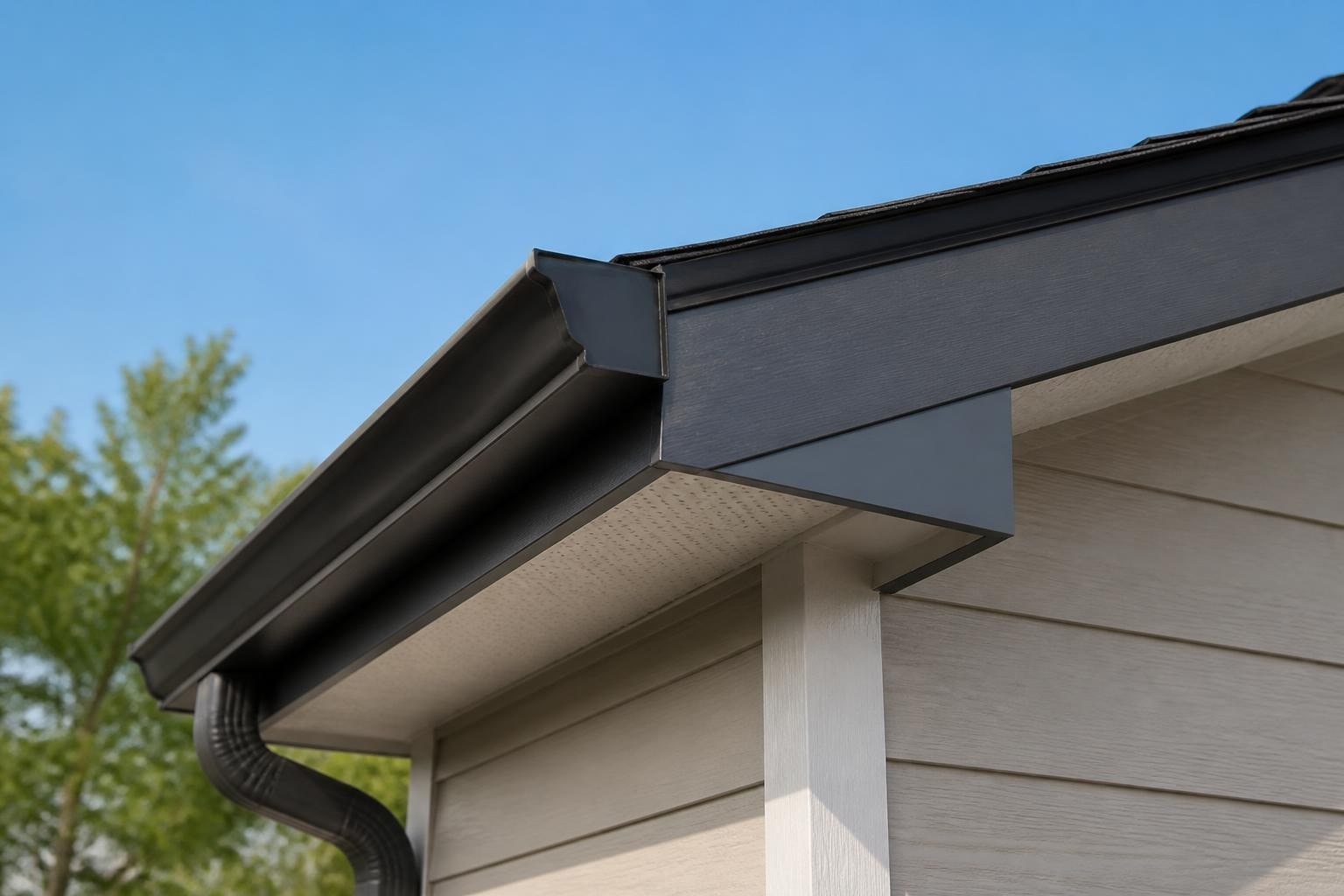
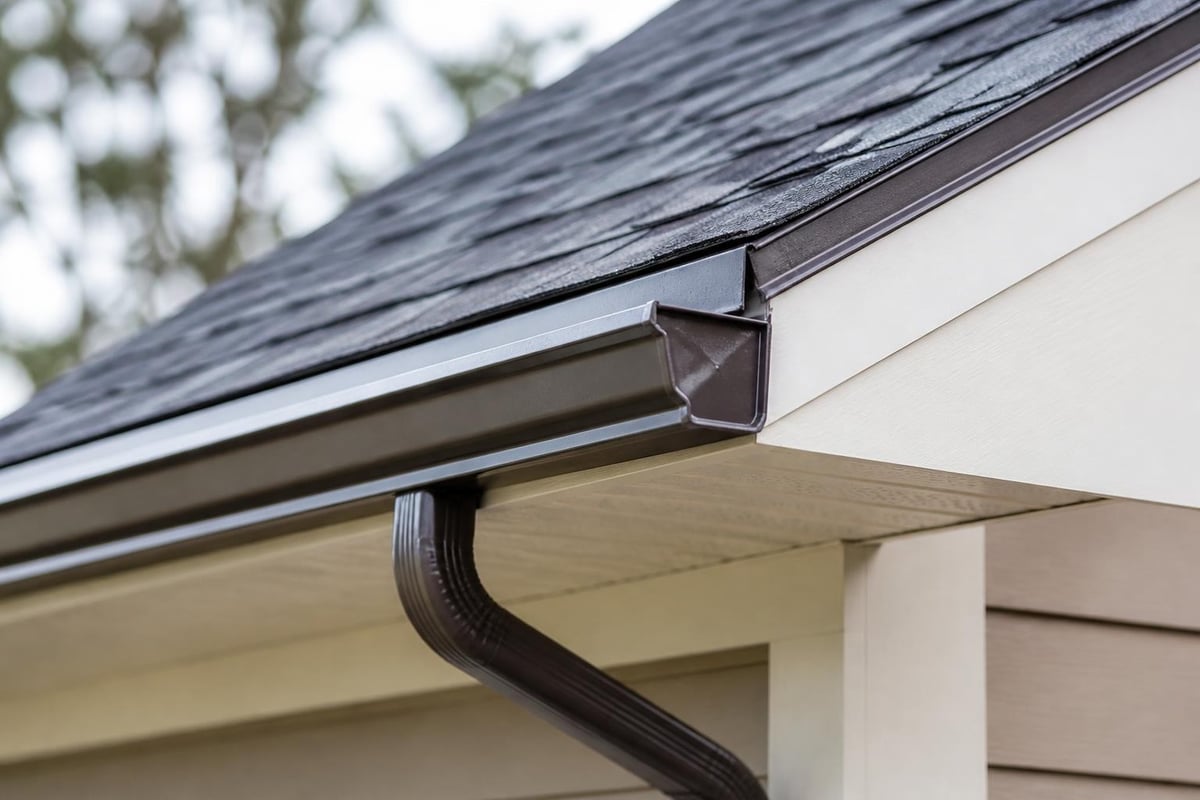
Roofing fascia is the vertical board that runs along the lower edge of your roof, mounted directly to the ends of your rafters or roof trusses. It forms the visible edge where your roof meets the exterior wall of your house. The fascia serves three primary functions: it provides a mounting surface for your gutters, it protects the exposed ends of your roof structure from water and pests, and it creates a clean, finished appearance along the roofline.
Most fascia boards are made from wood, though vinyl-wrapped wood, composite materials, and PVC options have become more common in recent years. The choice of material affects durability, maintenance needs, and cost. In areas like Topsail, Surf City, and Wilmington, where saltwater air and heavy storms are part of the environment, the material you choose directly influences how long the fascia will last.
The fascia works in tandem with the drip edge, a metal strip installed along the roof edge. The drip edge directs water away from the fascia and into the gutter system. When properly installed, the drip edge should extend over the fascia, allowing water to flow cleanly without running down the face of the board. Building Science Corporation provides technical guidance on roof-edge assemblies that show how these elements work together to manage water at the roof edge.
How Fascia Fits Into the Roof System
Your roof is a series of connected parts designed to shed water and protect the structure underneath. Shingles or other roofing material cover the roof deck. The drip edge sits at the perimeter, guiding water off the roof. The fascia board mounts vertically at the edge, and the soffit (the horizontal board underneath the roof overhang) connects to the fascia to enclose the underside of the eave.
Gutters attach directly to the fascia. When gutters fill with water, the fascia must be strong enough to support that weight, especially during heavy coastal storms. A failing fascia can lead to sagging or detached gutters, which then fail to direct water away from your foundation and siding.
The soffit and fascia together create a ventilated enclosure that allows air to flow into your attic while keeping out rain, wind, and animals. Proper installation and maintenance of roofing fascia ensure this system works as designed.
Common Problems with Roofing Fascia
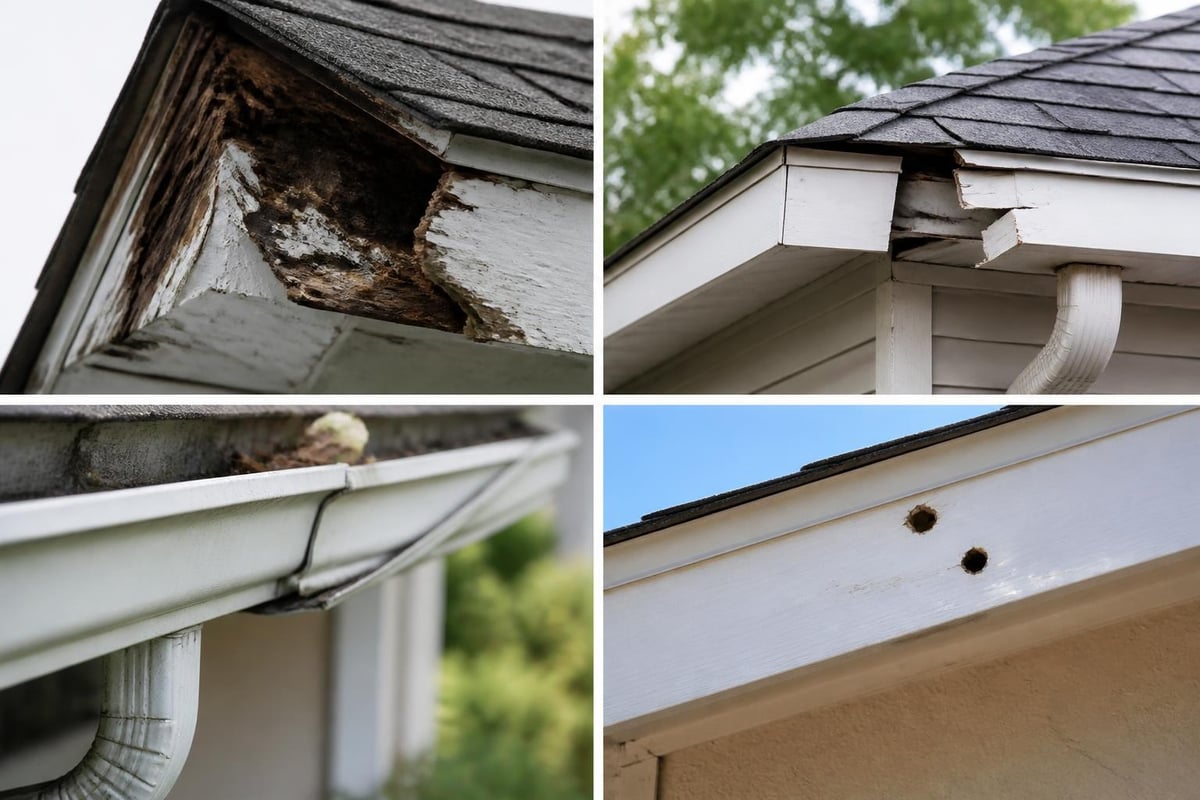
Fascia boards are constantly exposed to the elements. Even well-maintained fascia eventually shows wear, and certain conditions speed up deterioration. Recognizing the signs early keeps small issues from becoming expensive structural repairs.
Water Damage and Rot
Water is the primary enemy of roofing fascia, especially when the board is made from wood. If the drip edge is missing, improperly installed, or damaged, water runs directly down the face of the fascia instead of dripping cleanly into the gutter. Over time, this constant exposure leads to rot.
Signs of water damage include:
- Soft or spongy spots when you press on the fascia
- Discoloration or staining along the board
- Peeling or bubbling paint that won't stay on the surface
- Visible mold or mildew along the lower edge
The USDA Forest Products Laboratory outlines principles for protecting wood buildings from decay, emphasizing that keeping water away from wood trim is the most effective prevention strategy. Once rot sets in, the damaged section must be replaced, not just painted over.
Wind and Storm Damage
Coastal storms in North Carolina bring high winds that can lift shingles, damage drip edges, and expose fascia boards to wind-driven rain. During hurricanes or nor'easters, water can be forced under the roofline and behind the fascia, soaking the board from behind where you can't see it.
After a storm, check for:
- Loose or separated fascia boards
- Missing sections or visible gaps
- Cracked or split boards
- Sagging or pulling away from the roofline
Storm damage often shows up in combinations. A lifted shingle exposes the drip edge, which then bends or detaches, leaving the fascia unprotected. Wind can also drive debris into the fascia, causing dents, cracks, or complete breaks.
Gutter Weight and Attachment Failure
Gutters filled with water, leaves, or ice can weigh hundreds of pounds. If the fascia is weak, rotted, or improperly fastened, it cannot support that load. The result is sagging gutters, detached fascia, or both.
You'll see this problem when:
- Gutters pull away from the house
- The fascia board bows or sags between attachment points
- Gutter spikes or hangers pull through the fascia
- Water spills over the back of the gutter because it's no longer level
Addressing this issue often requires repairing or replacing the damaged fascia before reattaching the gutters. Simply rehanging the gutter without fixing the underlying fascia won't solve the problem.
Pest Damage
Carpenter bees, woodpeckers, and squirrels are common along the North Carolina coast. All three are drawn to fascia boards. Carpenter bees bore perfectly round holes into the wood to create nests. Woodpeckers drill into fascia looking for insects or to create nesting cavities. Squirrels chew through weakened wood to access attics.
Pest damage weakens the fascia, allows water intrusion, and creates entry points for further infestation. Holes and gaps also let moisture reach the wood from the inside, accelerating rot even if the exterior looks intact.
Materials Used for Roofing Fascia
The material you choose for roofing fascia affects durability, cost, and maintenance requirements. Each option has trade-offs worth understanding before making a decision.
| Material | Pros | Cons | Best For |
|---|---|---|---|
| Wood | Traditional look, easy to repair, readily available | Requires regular painting, vulnerable to rot and pests | Homes with existing wood trim, classic aesthetics |
| Vinyl-Wrapped Wood | Low maintenance, rot-resistant surface, affordable | Wood core can still rot if water gets behind vinyl | Budget-conscious homeowners wanting lower upkeep |
| PVC/Vinyl | No rot, no painting, insect-proof | Can warp in heat, limited color options | Coastal homes, high-moisture areas |
| Fiber Cement | Durable, fire-resistant, holds paint well | Heavier, requires skilled installation | Long-term durability focus, fire-prone areas |
| Aluminum | Lightweight, won't rot, long-lasting | Can dent, limited aesthetic options | Commercial buildings, low-maintenance preference |
Wood Fascia
Wood remains the most common fascia material in older homes and new construction that emphasizes traditional design. Pine, cedar, and fir are typical choices. Wood fascia accepts paint and stain well, making it easy to match existing trim. However, it requires regular maintenance to prevent rot, especially in humid coastal climates.
Properly installed and maintained wood fascia can last decades. The key is keeping it painted or sealed and ensuring the drip edge directs water away from the board. The USDA Forest Products Laboratory has published detailed guidance on how wood can last for centuries when protected from moisture, which applies directly to fascia longevity.
Vinyl and PVC Fascia
Vinyl and PVC fascia boards offer a low-maintenance alternative to wood. They don't rot, don't require painting, and resist insect damage. However, they can warp or sag in extreme heat, and color options are limited compared to painted wood. Installation requires careful attention to expansion and contraction, especially in climates with wide temperature swings.
The EPA provides lifecycle data on vinyl and PVC construction materials for homeowners interested in environmental considerations when choosing fascia materials.
Composite and Fiber Cement
Composite materials combine wood fibers with resins to create boards that resist rot and pests while maintaining some of the workability of wood. Fiber cement fascia is extremely durable and fire-resistant but heavier and more expensive than other options. Both materials hold paint well and can be manufactured to mimic the appearance of wood grain.
When to Repair or Replace Roofing Fascia
Not every fascia problem requires full replacement. Small sections of damage can often be repaired if caught early. The decision comes down to the extent of the damage, the condition of the surrounding fascia, and the age of the existing boards.
Repair Makes Sense When:
- Damage is isolated to a small section (less than a few feet)
- The rest of the fascia is in good condition
- The cause of the damage (like a clogged gutter or missing drip edge) can be corrected
- The fascia is relatively new or has been well-maintained
A localized repair typically involves cutting out the damaged section and splicing in a new piece, matched to the existing material and finish. This approach saves money and time when the overall fascia system is sound. If you're unsure whether a repair will hold up or if the damage is more extensive than it appears, a roof report can document the condition and help you understand your options before committing to any work.
Replacement Is Necessary When:
- Rot or damage extends along most of the fascia length
- The fascia is sagging or pulling away from the roof structure
- Multiple sections show signs of failure
- The fascia is old and has reached the end of its expected lifespan
- You're replacing the roof or gutters and it makes sense to address the fascia at the same time
Replacing roofing fascia often pairs well with other roofing work. If you're already having shingles replaced or gutters upgraded, the scaffolding and access are already in place, which reduces labor costs. Addressing fascia during a larger project also ensures all the components at the roof edge are new and working together properly.
Protecting Fascia During Roof Work
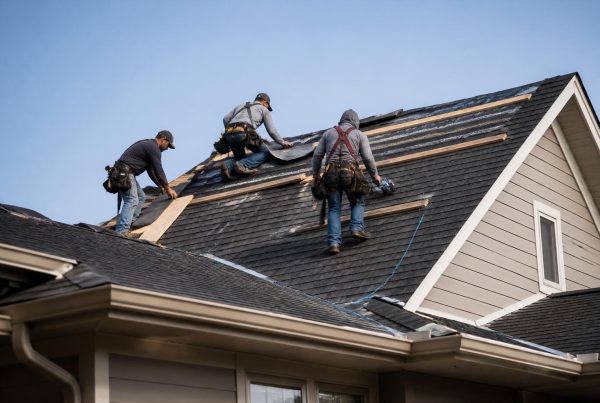
Fascia is vulnerable during roof replacement or repair. Shingles, nails, and debris can damage the fascia if workers aren't careful. The drip edge must be properly installed to protect the fascia from future water damage.
Key Installation Details
Proper roof-edge installation starts with the drip edge. The drip edge should extend over the fascia and direct water into the gutter without allowing it to run down the face of the board. Building America offers practical guidance on roof and wall flashings, including how to check for proper drip-edge installation and common defects that leave fascia exposed.
The starter strip, installed along the edge of the roof before the first row of shingles, also plays a role. It seals the edge and prevents wind-driven rain from getting under the shingles and behind the fascia. Building America's asphalt shingle roof resource includes installation notes on starter strips and edge detailing that protect fascia boards.
Moisture Management
Moisture control at the roof edge is critical to preventing fascia rot and extending the life of the entire roof system. The EPA's moisture control guidance for building design and maintenance emphasizes that preventing moisture from reaching wood components is far more effective than trying to treat or repair damage after it occurs.
Proper ventilation, correctly installed drip edges, clean gutters, and regular inspections all contribute to keeping moisture away from your roofing fascia.
Fascia Maintenance for Coastal Homes
Homes in Topsail, Surf City, Holly Ridge, and Wilmington face unique challenges. Saltwater air accelerates corrosion and wood decay. High winds and heavy rain test every part of the roof system. Regular maintenance keeps small issues from becoming big problems.
Inspection Schedule
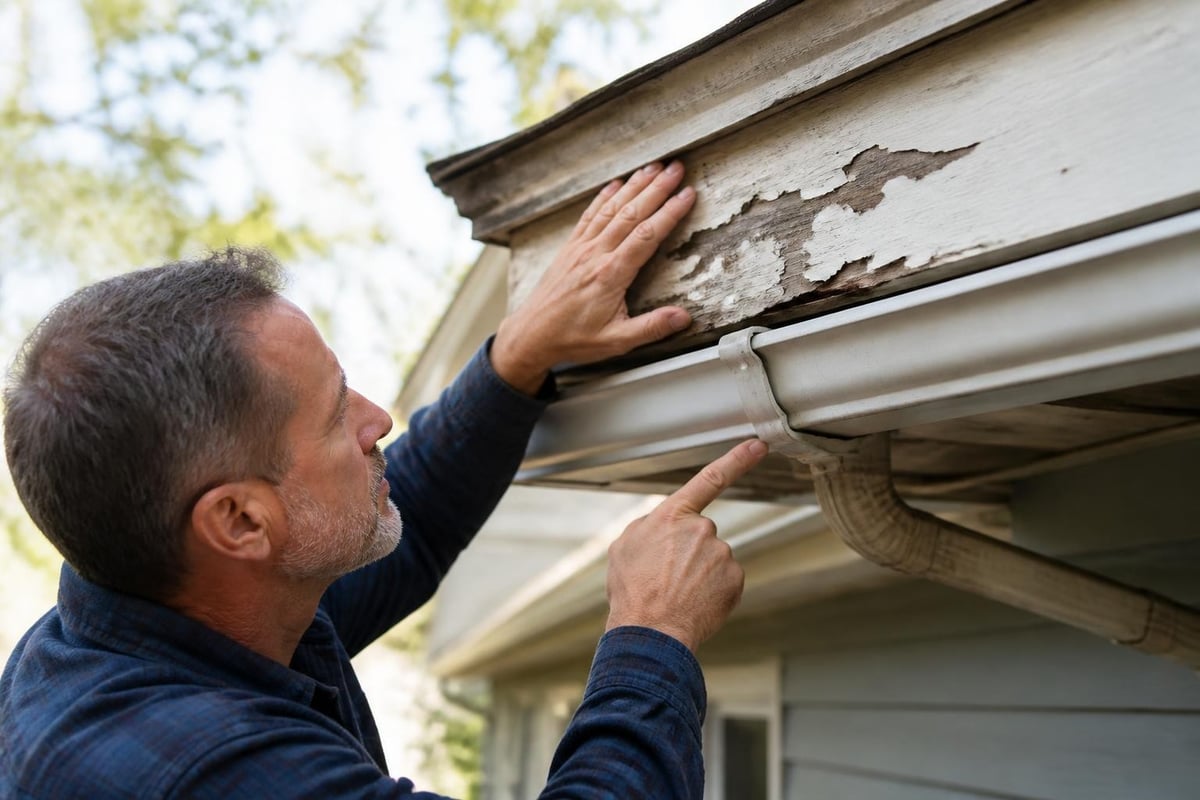
Check your roofing fascia at least twice a year, ideally in spring and fall. After major storms, inspect the fascia for visible damage, loose sections, or water staining. Look for:
- Peeling or cracked paint
- Soft spots or discoloration
- Loose or sagging gutters
- Gaps between the fascia and the soffit
- Signs of pest activity
Catching problems early often means a simple repair instead of a full replacement.
Cleaning and Painting
If you have wood fascia, keeping it painted or sealed is the most important maintenance task. Paint protects the wood from moisture and UV damage. When paint starts to peel or crack, water can get into the wood and start the rot process. Scrape, prime, and repaint any areas showing wear before the wood underneath is compromised.
Clean gutters regularly so they don't overflow and soak the fascia. Overflowing gutters are one of the fastest ways to cause fascia rot, especially if the water sits against the board for extended periods.
Gutter Maintenance
Properly functioning gutters protect the fascia by directing water away from the board and the foundation. Keep gutters clean and check that they're securely fastened to the fascia. If gutters sag or pull away, the fascia may already be damaged, or the hangers may need reinforcement. Addressing gutter issues quickly prevents further damage to the roofing fascia.
Working with a Roofing Contractor
When it's time to repair or replace roofing fascia, working with a contractor who understands how all the roof-edge components fit together makes the difference between a repair that lasts and one that fails within a few years. A good contractor will assess the fascia, the drip edge, the gutters, and the soffit to understand the full scope of the problem.
Ask questions about the materials being used, how the drip edge will be installed, and whether the gutters will be reattached with proper fasteners and spacing. A detailed explanation before the work starts helps you understand what you're paying for and sets clear expectations.
If you're dealing with damage from a recent storm, documentation matters. A detailed assessment of the fascia damage, along with photos and notes, can support insurance claims and help you make informed decisions about roof repair versus replacement. Understanding the condition of your fascia before any work begins gives you the information you need to move forward with confidence.
Roofing fascia does more than finish the edge of your roof. It protects your home from water damage, supports your gutters, and keeps pests and weather out of your attic. When fascia fails, the damage spreads quickly, affecting gutters, soffits, and even the roof deck itself. If you've noticed sagging gutters, peeling paint, or soft spots along your roofline, it's worth getting a clear assessment of what's happening and what it will take to fix it. NC Roofs serves homeowners across Topsail, Surf City, Holly Ridge, and Wilmington with honest roof assessments and repair guidance. We'll help you understand what's going on with your fascia and recommend the repair that makes sense for your home and your budget.