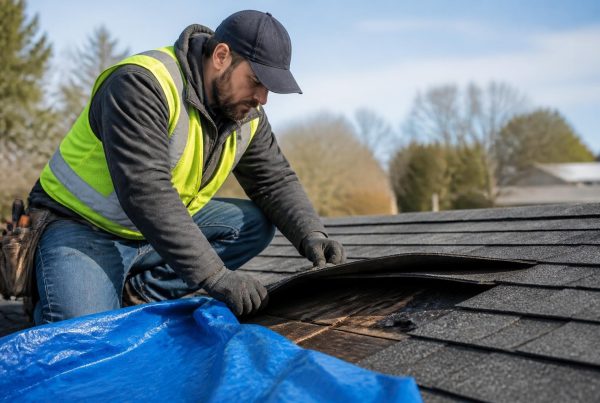
When your roof starts leaking or you notice shingles missing after a storm, the first thing most homeowners do is search online for "roof fixers near me." That search can return dozens of results, from national chains to independent contractors, each claiming to be the best choice. The challenge is not finding someone to climb on your roof. The challenge is finding someone qualified, honest, and experienced enough to fix the actual problem without overselling you on work you don't need. Along the North Carolina coast, where wind, rain, and salt air constantly test roofs, choosing the right contractor matters even more. This guide walks through what to look for, what to avoid, and how to make confident repair decisions.
Why "Roof Fixers Near Me" Returns So Many Results
A quick search for roof fixers near me pulls up a mix of contractors, handymen, storm chasers, and out-of-state companies running ads. Some are legitimate local businesses with years of coastal roofing experience. Others are unlicensed operators or traveling crews following storm systems.
The roofing industry has a low barrier to entry in many states. North Carolina requires general contractors to be licensed, but smaller repair jobs sometimes fall into gray areas. That means anyone with a truck and a ladder can call themselves a roof fixer, even if they lack training, insurance, or long-term accountability.
What you're actually looking for:
- Local contractors with verifiable business addresses
- Proper licensing and insurance coverage
- Reviews and references from recent customers
- Clear communication about what needs fixing and why
- Written estimates that detail materials, labor, and timeline
National companies often subcontract the actual work to local crews, which can create confusion about who is responsible if something goes wrong. Local contractors are easier to reach, inspect the roof themselves, and stand behind their work because their reputation depends on it.

Storm Chasers vs. Local Contractors
After hurricanes or severe coastal storms, out-of-state crews arrive offering quick repairs and insurance help. Some are legitimate disaster recovery contractors. Many are not. Storm chasers often pressure homeowners into signing contracts immediately, collect deposits, and disappear before finishing the work.
The Better Business Bureau offers practical tips on how to check contractor backgrounds and avoid these situations. Local roof fixers who have been in business for years are invested in the community and easier to hold accountable.
What Qualifies Someone as a Roof Fixer
Not everyone who climbs on roofs is equally qualified to diagnose and repair problems. Roofing involves understanding water flow, structural concerns, material compatibility, and proper installation techniques. A true roof fixer can identify the source of a leak, recommend the right repair, and execute it correctly the first time.
| Qualification | Why It Matters |
|---|---|
| Licensing | Shows compliance with state requirements and basic business legitimacy |
| Insurance | Protects you from liability if someone is injured on your property |
| Experience | Coastal roofs face unique challenges; experience with local conditions matters |
| References | Real feedback from past customers shows quality and reliability |
| Written Estimates | Clear documentation prevents misunderstandings and protects both parties |
Handymen may handle simple tasks like replacing a few shingles, but complex issues like flashing failures, valley leaks, or structural damage require roofing-specific knowledge. When searching for roof fixers near me, ask about their experience with the specific problem you are facing.
Licenses and Insurance You Should Verify
In North Carolina, general contractors performing work over a certain dollar threshold must hold a state license. Ask for the license number and verify it through the North Carolina Licensing Board for General Contractors. Also confirm they carry general liability insurance and workers' compensation coverage.
If a contractor cannot provide proof of insurance, you assume the risk if someone gets hurt on your property. Consumer Reports explains why licensing and written contracts protect homeowners from unnecessary liability and poor workmanship.
How to Evaluate Roof Fixers When You Call
Once you narrow down a few contractors, the evaluation process begins. How they respond to your initial call tells you a lot. Do they ask questions about the problem, or do they immediately quote a price over the phone? Do they offer to inspect the roof before giving an estimate, or do they pressure you to sign a contract right away?
Red flags during the first conversation:
- Insisting on cash-only payment
- Requiring large upfront deposits before work begins
- Offering steep discounts if you sign today
- Unwillingness to provide references or proof of insurance
- Vague answers about what the repair involves
Professional roof fixers ask about the age of the roof, the type of damage, and when the problem started. They schedule an inspection to see the issue firsthand before providing a detailed estimate. Honest contractors explain what they find, why it happened, and what fixing it will involve.
Questions to Ask Before Hiring
When meeting with potential roof fixers, come prepared with questions. How long have you been in business? Do you specialize in repairs or mostly handle replacements? What warranties do you offer on labor and materials? Can you provide recent references from jobs similar to mine?
Also ask how they handle unexpected findings. Roofs often hide issues that only become visible once work begins. A trustworthy contractor explains how they communicate changes and get approval before proceeding with additional repairs.
Understanding What Roof Repairs Actually Cost
Repair costs vary widely depending on the issue, materials, and roof accessibility. A simple shingle replacement might cost a few hundred dollars. Fixing damaged flashing around a chimney could run more. Addressing a persistent leak that requires deck repairs can climb higher.
When searching for roof fixers near me, homeowners often focus on finding the lowest price. But the cheapest quote is not always the best value. Low bids sometimes mean shortcuts, substandard materials, or inexperienced labor. The goal is fair pricing for quality work, not just the lowest number.
Factors that influence repair costs:
- Extent of damage – Isolated shingle replacement versus widespread wind damage
- Roof pitch and accessibility – Steeper roofs require more safety equipment and time
- Materials – Matching existing shingles or upgrading to impact-resistant products
- Labor – Experienced crews charge more but finish faster with fewer mistakes
- Permits and inspections – Some repairs require permits depending on scope
Reputable contractors provide itemized estimates showing material costs, labor hours, and any additional fees. This transparency helps you compare quotes accurately and understand where your money goes.
When Repair Makes More Sense Than Replacement
Not every roof problem requires a full replacement. Many homeowners worry that calling a roofer means being sold a new roof regardless of the actual issue. Good roof fixers assess the overall condition, explain remaining lifespan, and recommend repair when it makes financial sense.
If your roof is 10 years old with isolated storm damage, repairing the affected area extends its life without the expense of replacement. If the roof is 22 years old with multiple issues and widespread wear, replacement might be the smarter long-term investment. Honest contractors explain both scenarios without pushing you toward the more expensive option.
For homeowners unsure about their roof's condition, a detailed Roof Report documents what is happening, includes photos of problem areas, and provides clear guidance on whether repair or replacement makes sense based on current condition and cost.
Avoiding Home Improvement Scams After Storms
Coastal areas see an influx of questionable contractors after every hurricane season. The Federal Trade Commission offers guidance on recognizing and avoiding home improvement scams, which spike after natural disasters.
| Scam Tactic | How to Protect Yourself |
|---|---|
| Door-to-door offers | Never hire on the spot; always get multiple estimates |
| Pressure to sign immediately | Legitimate contractors give you time to decide |
| Requests for full payment upfront | Pay in stages as work progresses, never all at once |
| No physical business address | Verify the company has a real local office |
| Offers to waive insurance deductibles | This is insurance fraud and illegal |
If someone knocks on your door after a storm offering free inspections, be cautious. While some legitimate contractors canvas neighborhoods post-storm, many scammers use this tactic. Always verify credentials, check references, and get everything in writing before agreeing to any work.
How Insurance Complicates Roof Repairs
Filing an insurance claim for roof damage adds another layer to the process. Some contractors offer to handle the entire claim for you, which sounds convenient but can create problems. Others pressure homeowners to sign contracts contingent on insurance approval, locking you in before you know what the insurer will cover.
The Insurance Information Institute explains how roof condition affects homeowners insurance and what insurers typically cover. Understanding your policy before calling roof fixers near me helps you ask better questions and avoid contractors who make unrealistic promises about claim outcomes.
What the Inspection Process Should Look Like
A proper roof inspection involves more than someone glancing from the ground. Professional roof fixers climb onto the roof, examine shingles, check flashing, inspect valleys, and look for signs of underlying damage. They take photos to document findings and explain what they see in terms you can understand.
What a thorough inspection covers:
- Shingle condition (curling, cracking, missing granules)
- Flashing around chimneys, vents, and skylights
- Valley integrity and water flow patterns
- Soffit, fascia, and gutter condition
- Attic ventilation and signs of moisture intrusion
- Structural concerns like sagging or rot
After the inspection, the contractor should sit down with you to review findings, show photos, and explain recommended repairs. This is not a sales pitch. It is an educational conversation about your roof's current state and what fixing it involves.
Red Flags During the Inspection
Be wary of contractors who refuse to let you see photos, cannot explain why a repair is needed, or immediately push for a full replacement without showing significant damage. Similarly, avoid anyone who finds "emergency" issues that require immediate work and upfront payment.
The NRCA provides consumer resources on what to expect during professional roof inspections and how to evaluate contractor recommendations. Educated homeowners make better decisions and are harder to mislead.
Choosing Between Multiple Roof Fixers
Once you have gathered estimates from three or four contractors, comparison begins. Do not just look at the bottom-line price. Compare what each estimate includes, the materials specified, warranty terms, and how each contractor communicated during the process.
Comparison checklist:
- Scope of work – Do all estimates address the same repairs?
- Materials – Are they specifying comparable products?
- Timeline – How long will the work take?
- Warranty – What coverage do they offer on labor and materials?
- Payment terms – What deposit is required and when is final payment due?
- Communication – Did they respond promptly and answer questions clearly?
Sometimes the middle bid offers the best balance of quality, price, and professionalism. The highest bid might include premium materials or longer warranties. The lowest bid might cut corners you cannot see until problems emerge later.
Trusting Your Gut After Meeting Contractors
Beyond credentials and estimates, trust matters. Did the contractor listen to your concerns? Did they explain things clearly without talking down to you? Did they seem rushed or genuinely interested in solving your problem? Your comfort level with the person who will be working on your home counts.
Roof fixers near me searches return many options, but only a few will feel like the right fit. Choose someone you trust to do the work correctly, communicate honestly, and stand behind their repairs.
Storm Damage and When to Call for Repairs
Coastal North Carolina experiences regular wind events, from tropical storms to nor'easters. After any significant weather, inspect your roof from the ground using binoculars. Look for missing shingles, damaged flashing, or debris accumulation in valleys.
The NRCA offers guidance on storm roof repairs and why acting quickly prevents secondary damage. Water intrusion worsens over time, turning a simple shingle replacement into a deck repair or interior damage claim.
Do not wait for leaks to appear before calling roof fixers near me. By the time water shows up inside, the damage has often spread beyond the visible entry point. Early inspections catch problems while they are still small and affordable to fix.
Temporary Repairs vs. Permanent Fixes
If a storm hits and you cannot get a contractor out immediately, temporary measures can prevent further damage. Tarping exposed areas keeps water out until proper repairs happen. But tarps are not a long-term solution.
Some contractors offer emergency tarping services after storms. This is a legitimate service, but be cautious of anyone who tars your roof and then pressures you into signing a contract for full repairs before you have had time to get other estimates or talk to your insurance company.
What Happens During a Typical Roof Repair
Understanding the repair process helps you know what to expect. Most repairs follow a similar sequence: removing damaged materials, inspecting the underlying structure, making necessary deck repairs, installing new materials, and cleaning up.
- Preparation – Protecting landscaping, setting up ladders and safety equipment
- Removal – Taking off damaged shingles and flashing
- Inspection – Checking the roof deck for rot or damage
- Deck repair – Replacing any compromised plywood or sheathing
- Installation – Applying new underlayment, shingles, and flashing
- Cleanup – Removing debris and doing a magnetic sweep for nails
- Final walkthrough – Reviewing the completed work with the homeowner
Professional roof fixers clean up thoroughly. Nails and shingle scraps should not be left in your yard where someone could step on them or a lawnmower could throw them. Expect a clean property when the job is finished.
How Long Repairs Should Take
Simple repairs might take a few hours. More extensive work could require a full day or multiple visits if materials need to be ordered. Weather also affects timelines. Contractors cannot work in rain or high winds, and coastal weather changes quickly.
Ask for a realistic timeline during the estimate process. If delays occur, professional contractors communicate proactively rather than leaving you wondering when they will show up.
Building a Relationship with Local Roof Fixers
Rather than searching for roof fixers near me every time something goes wrong, consider building a relationship with one reliable contractor. Regular inspections catch small issues before they become big problems. A contractor familiar with your roof can spot changes over time and recommend maintenance that extends its lifespan.
Many homeowners only think about their roof when something goes wrong. Proactive maintenance, like clearing debris, checking flashing, and replacing worn shingles, prevents emergency repairs and expensive damage.
Local contractors who know your roof's history provide better service than someone seeing it for the first time. They remember past repairs, understand how the roof has aged, and can make informed recommendations based on that knowledge.
The Value of Documentation and Photos
Whether you are dealing with insurance claims or simply want to track your roof's condition over time, documentation matters. Professional roof fixers take photos before, during, and after repairs. These photos serve as proof of work completed and help with future inspections or claims.
Keep copies of all estimates, contracts, invoices, and warranty information in a file. If you sell your home, this documentation shows potential buyers that the roof has been properly maintained. If you file an insurance claim, it provides evidence of the damage and repairs.
Good contractors provide detailed invoices showing exactly what was done, what materials were used, and what is covered under warranty. This transparency protects both parties and creates a clear record of the work.
Finding reliable roof fixers near me comes down to doing your homework, asking the right questions, and choosing contractors who prioritize honest communication over high-pressure sales. Coastal North Carolina roofs face constant challenges from wind, rain, and salt air, making it essential to work with someone who understands local conditions and stands behind their work. If you need help understanding what is happening with your roof or want clear guidance on repair versus replacement, NC Roofs serves Hampstead, Topsail, Surf City, Holly Ridge, Wilmington, and surrounding communities with transparent roof reports and repair services focused on fixing what actually needs attention.