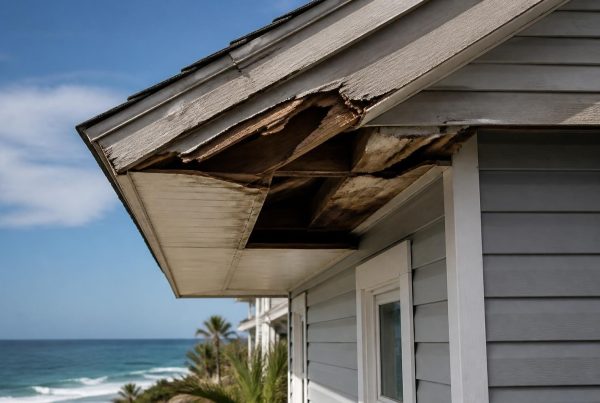
Planning ahead for the holidays feels overwhelming when you're juggling family commitments, work deadlines, and home maintenance. Christmas light installation falls into that category of tasks you know you want done but aren't sure when to tackle it. The question of how early should I book christmas light installation comes up every year for homeowners in coastal North Carolina and across the country. Understanding the booking timeline helps you secure better service, avoid weather delays, and actually enjoy the holiday season instead of scrambling at the last minute.
Why Timing Matters for Christmas Light Installation
Professional installers handle dozens of properties each season, and their calendars fill faster than most homeowners expect. Booking between late summer and early fall gives you access to prime installation dates before the rush begins.
Weather plays a significant role in coastal areas like Hampstead, Wilmington, and Surf City. November and December bring unpredictable conditions with rain, wind, and occasional cold snaps that make roofline work more challenging. Early scheduling allows installers to complete work during milder fall weather when conditions are safer and more predictable.
The same principle applies to roof work throughout the year. Homeowners who address roof repair needs before storm season avoid the rush that follows major weather events, when contractors are booked weeks or months out.

The Six to Eight Week Sweet Spot
Most installation companies recommend starting conversations six to eight weeks before your target installation date. For Thanksgiving week installations, that means reaching out in late September or early October. If you want lights up by the first week of December, August or September booking makes sense.
This window provides several advantages:
- Full design flexibility with all installation options available
- Preferred scheduling for specific days that work with your calendar
- Material availability before popular styles sell out
- Multiple consultation opportunities to refine your vision
- Buffer time for weather delays without missing your deadline
Companies that handle both commercial and residential properties often book their large commercial contracts first. By the time October arrives, many professional installers are already operating with limited availability for residential jobs.
How Installation Complexity Affects Timing
Simple projects require less advance planning than elaborate displays. A standard roofline package with white lights might only need two to three weeks of lead time in September. Multi-story homes with custom designs, specialty bulbs, and intricate patterns benefit from earlier booking.
| Project Type | Recommended Booking Window | Typical Installation Time |
|---|---|---|
| Single-story roofline | 3-4 weeks advance | 1-2 hours |
| Two-story home with trees | 6-8 weeks advance | 3-4 hours |
| Custom multi-building display | 8-12 weeks advance | Full day or more |
| Commercial property | 10-14 weeks advance | Multiple days |
Understanding how early should I book christmas light installation depends partly on what you're asking installers to do. A straightforward setup gives you more flexibility with timing than a property that requires custom design work and specialty equipment.
Regional Considerations for Coastal North Carolina
Eastern North Carolina's coastal climate creates unique scheduling factors. Hurricane season technically runs through November, and tropical systems can delay outdoor projects well into fall. September and early October offer the most stable weather windows before unpredictable November conditions arrive.
Salt air, humidity, and wind also affect light durability and installation methods. Professional installers familiar with coastal conditions use corrosion-resistant clips, weatherproof connections, and secure mounting techniques that withstand our marine environment. These details take time to implement properly, which is another reason early booking helps.
Local contractors often balance roofing work, gutter installation, and seasonal services throughout the year. Their schedules tighten as fall progresses and homeowners prepare properties for winter. Getting on the calendar early ensures you're working with experienced professionals rather than whoever has last-minute availability.
Peak Demand Periods to Avoid
The weeks immediately following Thanksgiving represent the worst time to call about installation. By then, reputable companies are fully booked or charging premium rates for rushed service. The first two weeks of December see desperate homeowners competing for limited slots.
Some installation services recommend scheduling as early as July in areas with extreme seasonal demand. While that might seem excessive for our moderate North Carolina climate, it illustrates how quickly quality installers fill their calendars in competitive markets.
Cost Implications of Early vs. Late Booking
Waiting until November or December often means paying more for the same service. Installation companies charge premium rates during peak season when demand exceeds their capacity. Early birds typically access standard pricing and sometimes even early-booking discounts.
Beyond installation fees, last-minute scheduling can lead to compromise on materials. The specific light styles, colors, or bulb types you want may be sold out by late November. Early planning lets you choose exactly what you envision rather than accepting whatever remains in stock.
Budget-conscious homeowners also benefit from spreading out expenses. Booking in September means paying deposits or full amounts during a less financially stressful time than the expensive holiday shopping season. You can plan the expense rather than absorbing it during an already tight budget month.
Design Benefits of Early Planning
Working with installers weeks in advance creates space for thoughtful design development. You can:
- Review multiple layout options with detailed mockups or sketches
- Test sample lights to see colors and styles in person
- Coordinate with landscaping or other exterior upgrades
- Adjust plans based on feedback or new ideas
- Schedule installation around other home projects
Rushed jobs rarely achieve the same level of customization. When installers are moving from one property to the next during peak season, they focus on efficient execution rather than collaborative design refinement.
This parallels how roof work benefits from proper planning. Homeowners who take time to understand their options through detailed inspections make better decisions than those forced to choose quickly during an active leak crisis.
Safety Advantages of Fall Installation
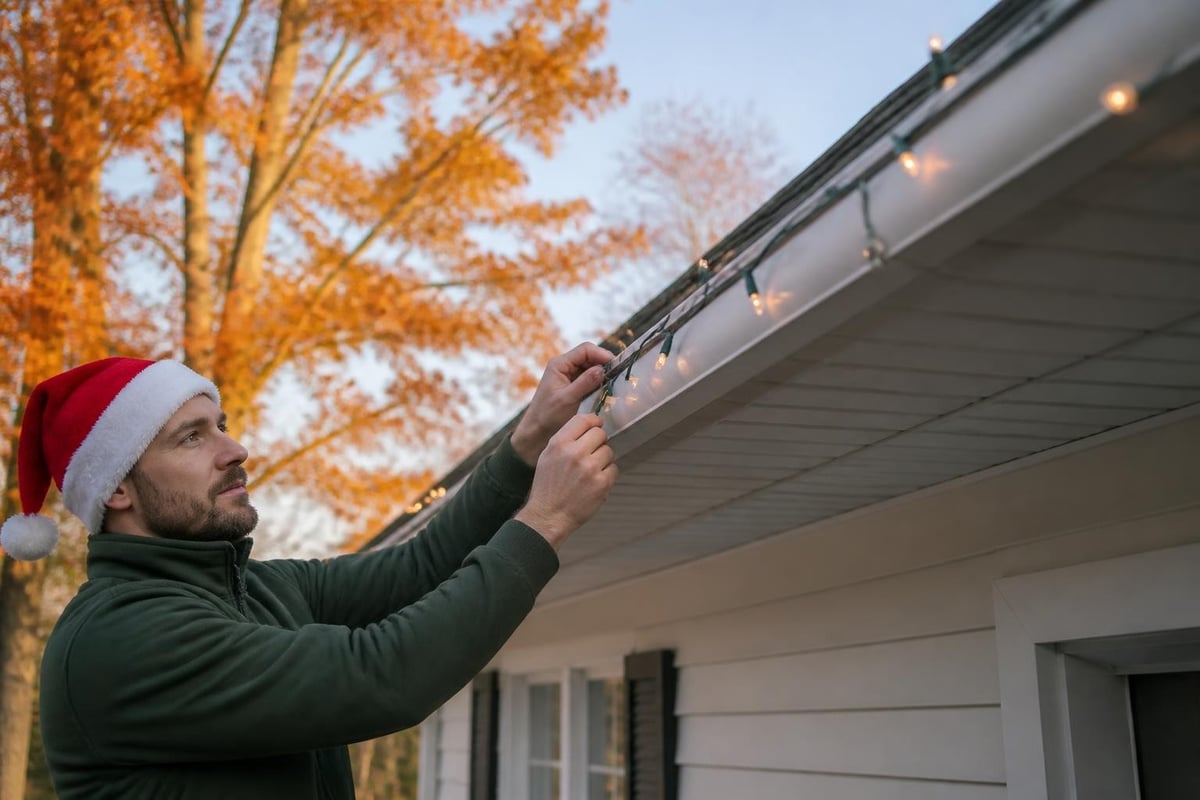
Installing Christmas lights involves roof access, ladder work, and electrical connections. Professional crews typically complete a 150-foot roofline in 60-90 minutes, but that timeline assumes safe working conditions. November and December weather can extend installation time and increase risk.
Fall installation offers:
- Warmer temperatures for better material handling
- Longer daylight hours for safer work conditions
- Lower wind speeds on average
- Reduced precipitation probability
- Easier roof access before ice or freezing conditions
Homeowners concerned about roof safety during installation should ask contractors about their methods. Proper equipment, experienced crews, and appropriate insurance matter more than low pricing when workers are accessing your roofline.
Weather Contingency Planning
Even with early booking, weather can disrupt installation schedules. The difference is having buffer time built into the calendar. If rain delays your October installation date, rescheduling to early November still works. If rain delays your November 28th installation, you might not get rescheduled until after Christmas.
Coastal areas face particular weather unpredictability. A system moving up the Atlantic can bring days of wind and rain with little warning. The flexibility that comes from booking early protects against these regional realities.
What Happens When You Book Too Late
Procrastination creates several problems beyond just missing out on professional installation. Some homeowners resort to DIY work they're not equipped to handle safely. Others hire whoever has availability, regardless of experience or reputation.
Late booking consequences include:
- Limited or no availability from established companies
- Premium pricing from contractors willing to take late jobs
- Reduced design options and material selection
- Rushed installation with higher error rates
- Increased safety risks from weather and time pressure
- Stress and disappointment during what should be an enjoyable season
The question of how early should I book christmas light installation becomes clear when you consider these alternatives. A few minutes of planning in August or September prevents weeks of frustration in December.
How to Choose an Installer Once You Book Early
Early booking creates time for proper vetting. You can research companies, read reviews, compare quotes, and make informed decisions without time pressure. Look for installers who:
- Carry appropriate liability insurance and workers' compensation
- Provide detailed written estimates with scope of work
- Offer takedown and storage services for off-season
- Use commercial-grade materials rather than big-box store products
- Have verifiable local references from recent projects
- Understand electrical safety and proper outdoor ratings
This research process takes time that late bookers don't have. When you're calling desperately in late November, you accept whoever answers the phone rather than selecting based on qualifications.
| Evaluation Factor | Questions to Ask | Why It Matters |
|---|---|---|
| Insurance Coverage | What liability limits do you carry? | Protects your property from damage claims |
| Experience Level | How many seasons have you been installing? | Indicates refined techniques and problem-solving |
| Material Quality | What grade of lights and hardware do you use? | Affects durability and appearance |
| Service Guarantees | What happens if lights fail during the season? | Shows commitment to customer satisfaction |
Integration with Other Home Projects
Early Christmas light planning allows coordination with other fall projects. If you're scheduling gutter cleaning, exterior painting, or roof maintenance, installers can work around those timelines. Everything happens in logical sequence rather than conflicting schedules.
Homeowners planning multiple exterior projects benefit from a master calendar. Roof inspections should happen before light installation so any necessary repairs are complete before crews start accessing rooflines. This prevents the scenario where light installation reveals roof damage that then requires taking everything down for repairs.
Making the Booking Decision
So how early should I book christmas light installation for your specific situation? Consider these factors in your decision:
- Property complexity – larger or multi-story homes need more lead time
- Design preferences – custom work requires earlier booking than standard packages
- Local competition – areas with few installers fill faster
- Personal schedule – limited availability on your end benefits from early coordination
- Weather patterns – regions with harsh fall weather need earlier installation windows
For most homeowners in Hampstead, Surf City, Holly Ridge, and Wilmington, late August through September represents the ideal booking window. This timing balances early enough to secure good service without planning so far ahead that holiday spirit hasn't arrived yet.
Creating Your Personal Timeline
Work backward from your desired installation date. If you want lights up by Thanksgiving week (late November), count back eight weeks to late September. Add another week or two for research and decision-making, putting your initial outreach in early to mid-September.
Simple roofline jobs can use a compressed timeline, but leaving buffer room helps everyone. The extra week or two costs you nothing and provides valuable flexibility if schedules shift.

Installation Day Preparation
Early booking means you have time to prepare your property properly before installers arrive. Clear access to electrical outlets, trim vegetation near rooflines, and address any obvious roof or gutter issues beforehand.
Installers work more efficiently on properties where homeowners have handled basic preparation. This efficiency benefits everyone through faster installation and better results. Last-minute bookings often involve showing up to properties that aren't ready, extending what should be quick jobs into multi-hour projects.
Setting Realistic Expectations
Even with perfect planning, understand what professional installation includes and excludes. Most companies:
- Install and remove lights at season start and end
- Provide materials included in quoted pricing
- Handle basic repairs during the contracted season
- Store materials between seasons (some companies)
They typically don't handle extensive electrical upgrades, major tree trimming, or roof repairs discovered during installation. Knowing this upfront, thanks to early booking conversations, prevents surprises and conflicts.
The Off-Season Advantage
Some installers offer the best deals and availability during summer months when their calendars are wide open. Booking in July or early August might seem absurdly early, but it can secure significant savings and guaranteed service from top-tier providers.
This strategy works particularly well for homeowners who want the same installer annually. Establishing a relationship during slow periods often leads to priority scheduling in future years. You become a valued client rather than just another seasonal customer.
When Early Booking Doesn't Matter as Much
Very simple installations on accessible single-story homes with no design complexity can sometimes be booked later without major consequences. If you're just outlining a front porch with warm white lights and have multiple local installers to choose from, October booking might work fine.
However, even straightforward projects benefit from the peace of mind that comes with early planning. The minimal effort required to book in September versus October makes the earlier timeline worthwhile for most situations.
Balancing Early Planning with Flexibility
Some homeowners worry that booking in August or September locks them into decisions before they're ready. Reputable installers understand that designs evolve and allow reasonable changes up to a few weeks before installation.
The key is distinguishing between reservation and final design approval. Book the installer and installation window early, but maintain flexibility on specific details until closer to the date. This approach secures service availability while preserving creative freedom.
Regional Contractor Availability
North Carolina's coastal communities have fewer professional installation services than major metropolitan areas. This limited supply amplifies the importance of early booking. In cities with dozens of competing installers, you might find availability even in late November. In smaller markets, early scheduling becomes essential simply due to capacity constraints.
Research your local market to understand realistic timelines. If only two or three companies serve your area, assume they book quickly and plan accordingly.
Understanding how early should I book christmas light installation comes down to balancing your needs with installer availability and weather patterns. For most homeowners, six to eight weeks of lead time provides the best combination of service quality, design flexibility, and cost efficiency. While this article focused on Christmas light timing, the same principles apply to any roofing or exterior work on your home. When you need honest guidance about roof repairs, storm damage, or maintenance scheduling in Hampstead and surrounding areas, NC Roofs helps homeowners understand their options before making decisions. We focus on clear explanations and fair recommendations so you can plan ahead with confidence.