Understanding what you'll pay for roof repairs in Wilmington helps you plan ahead and avoid surprises when storm damage or wear shows up. The roof repair Wilmington NC cost varies widely depending on what needs fixing, how urgent the problem is, and whether you're dealing with minor wear or significant damage. Coastal homes face unique challenges from wind, salt air, and hurricane-season storms, which means repair needs here look different than they do inland. Knowing the typical price ranges for common fixes gives you a baseline for what's fair and helps you understand whether a repair quote makes sense for your situation.
What Affects Roof Repair Costs in Wilmington
Several factors determine what you'll actually pay when your roof needs attention. The type of damage matters most, whether it's a few missing shingles or a leak that's been spreading for months.
Type and Extent of Damage
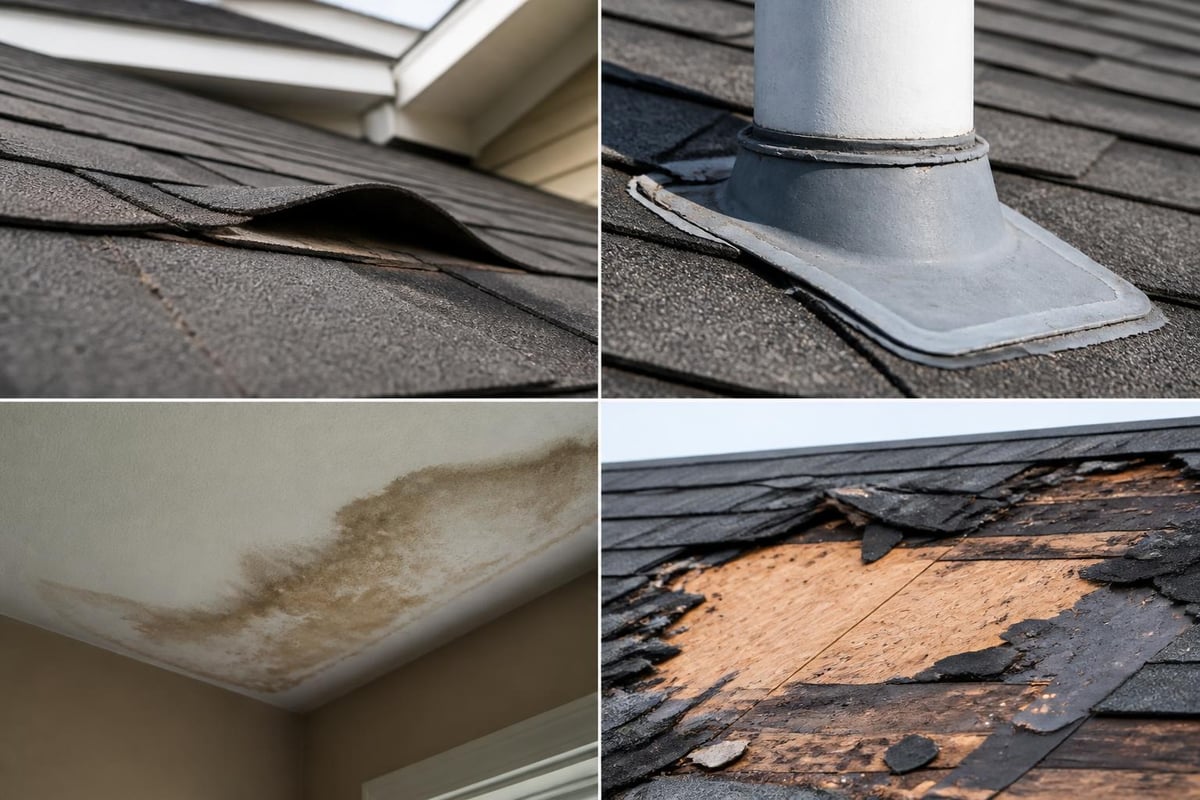
Minor repairs like replacing a handful of shingles or resealing flashing typically run lower than structural fixes. A small leak might only need targeted attention, while water damage that's soaked into the decking requires more work and materials.
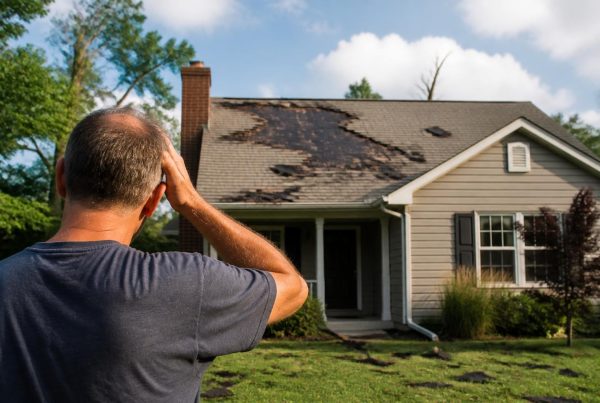
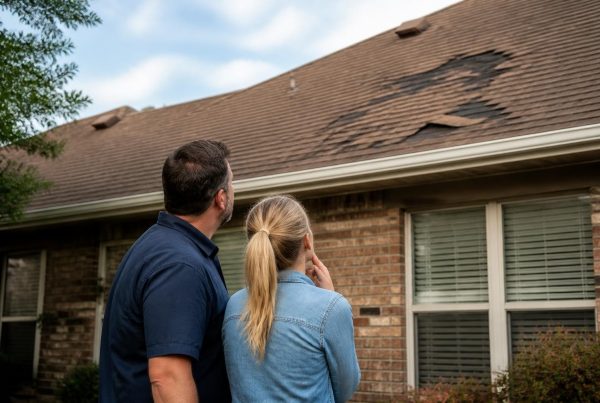
Storm damage from coastal weather often means multiple problem areas at once. Wind can lift entire sections, tear off ridge caps, and loosen valleys where water collects.
The scope determines whether you're looking at a quick patch or a multi-day project:
- Single leak repair: Limited work area, targeted fix
- Multiple shingle replacement: Broader coverage, matching materials
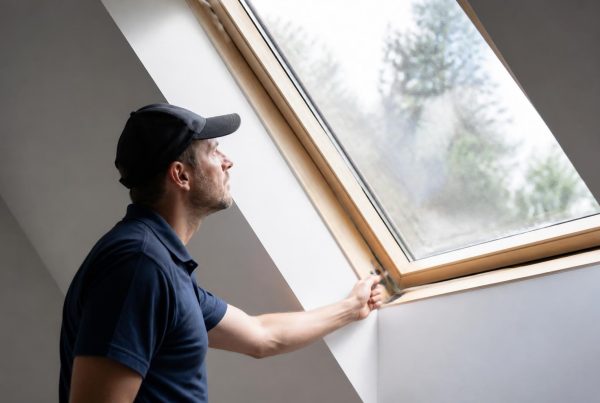
- Flashing repair: Detailed work around chimneys, vents, skylights
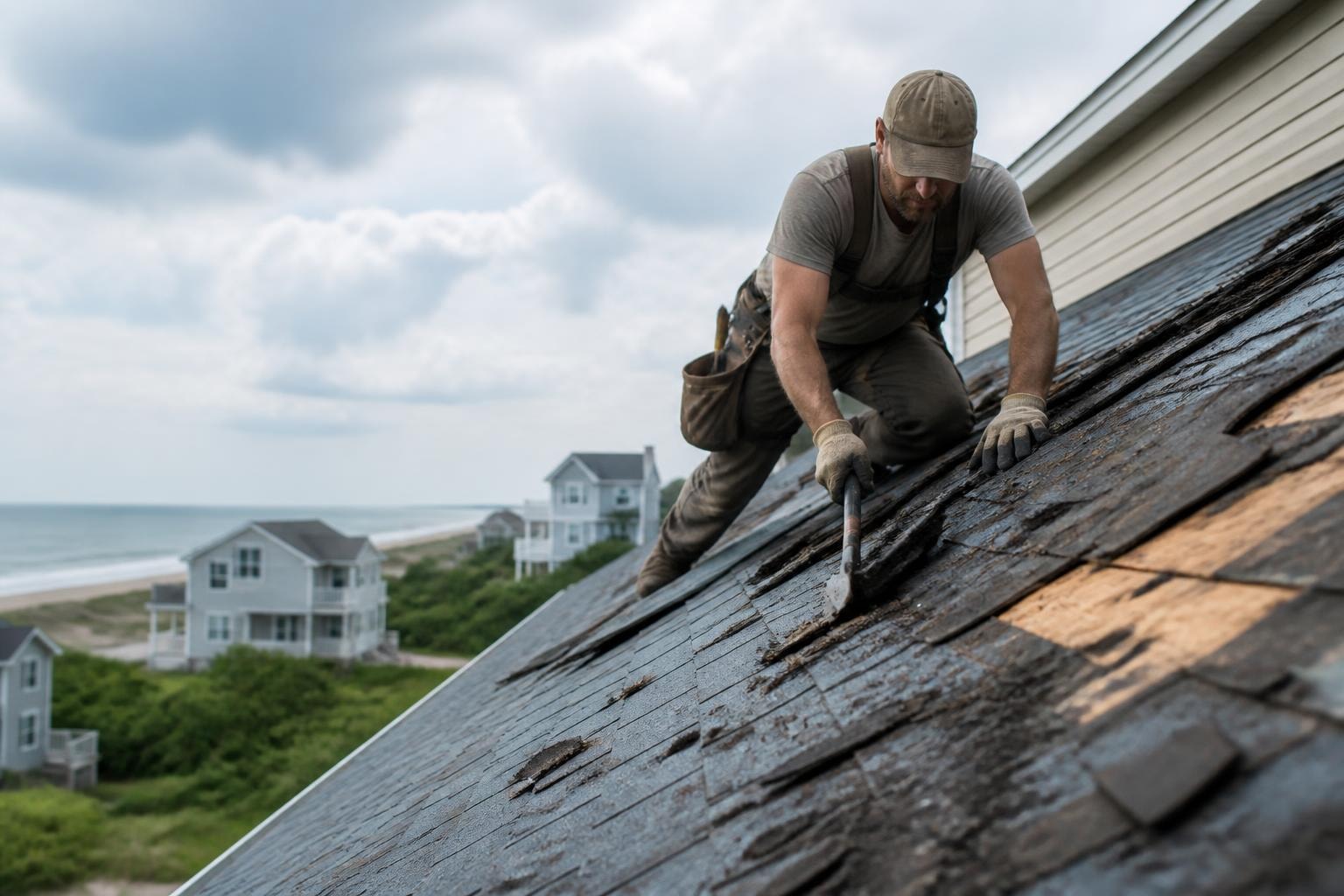
- Decking replacement: Structural concern requiring tear-off and rebuild
Roofing Material and Availability
The material on your roof directly impacts repair costs. Asphalt shingles are common here and relatively straightforward to match and replace. Metal roofing requires specialized skills and fasteners. Tile means careful handling to avoid breaking surrounding pieces during repair.
Matching discontinued shingles adds complexity and sometimes expense if your roof is older and the original product line changed. Suppliers may need to special-order materials, which extends timelines and can increase costs.
Roof Pitch and Accessibility
Steeper roofs require more safety equipment and take longer to work on safely. A low-slope roof might allow quicker movement and setup, while a steep pitch means harnesses, extra staging, and careful footing.
Accessibility challenges also matter. A single-story ranch is easier to access than a two-story home with limited yard space for equipment. Roof height, surrounding trees, and proximity to power lines all factor into labor time.
| Roof Pitch | Safety Setup | Labor Impact | Typical Cost Multiplier |
|---|---|---|---|
| Low (4/12 or less) | Minimal | Standard | 1.0x |
| Medium (5/12 to 8/12) | Moderate | Added time | 1.2x to 1.4x |
| Steep (9/12+) | Extensive | Significant | 1.5x to 2.0x |
Average Roof Repair Wilmington NC Cost Ranges
Most homeowners in the Wilmington area see roof repair bills between $300 and $1,500 for typical jobs. That wide range reflects the difference between patching a small leak and addressing wind damage across multiple roof sections.
Common Repair Types and Pricing
Shingle replacement for a localized area usually runs $300 to $700 depending on how many squares need attention and whether the damage scattered across the roof or stayed in one zone. Replacing 10 to 20 shingles in one spot costs less than replacing the same number spread across four different areas.
Leak repairs vary based on the source. A simple flashing reseal might cost $200 to $400, while tracing a hidden leak through multiple layers and repairing underlying damage can reach $800 to $1,200.
Valley repairs handle one of the most vulnerable roof areas where two slopes meet. Fixing valley issues typically runs $400 to $900 since proper water channeling is critical to preventing future leaks.
Ridge cap replacement addresses the peak of your roof where wind damage often shows first. Expect $350 to $650 for standard ridge work on a typical residential home.
Material Costs Versus Labor
Understanding the split between materials and labor helps you evaluate quotes. For most repairs, labor represents 60% to 70% of the total cost, with materials making up the remaining 30% to 40%.
A bundle of architectural shingles costs roughly $30 to $50 retail. Flashing pieces run $10 to $40 depending on size and type. Underlayment, sealants, and fasteners add smaller amounts. The skill and time required to install everything properly, especially in a way that matches existing work and prevents future problems, is where most of your money goes.
Emergency repairs during or right after storms come with premium pricing, sometimes 1.5x to 2x normal rates, because of demand surge and urgency.
Coastal-Specific Repair Considerations
Living near the coast means your roof faces conditions that inland homes don't deal with. Salt air accelerates deterioration of metal components like flashing and fasteners. Wind events happen more frequently and with greater intensity.
Wind and Hurricane Damage Patterns
Wind-driven rain can push water under shingles that would normally shed moisture just fine. This means repairs often need to address not just the visible damage but the secondary water infiltration that happened during the storm.
High winds create uplift that can tear entire sections loose even when shingles looked fine before the storm. Understanding wind damage patterns helps explain why repair areas might be larger than expected when you first notice the problem.
Repairs after hurricane-force winds frequently involve:
- Replacing lifted or missing shingles across multiple roof faces
- Resealing or replacing compromised flashing
- Inspecting and repairing soffit and fascia damage
- Addressing any decking exposure or water damage beneath
Salt Air and Fastener Corrosion
Metal components corrode faster here than they do 50 miles inland. Galvanized nails and standard flashing may show rust and weakening within 10 to 15 years instead of 20 to 25 years.
Quality materials matter more in coastal zones. Stainless steel fasteners and copper or coated aluminum flashing last longer but cost more upfront. Choosing better materials during repair can prevent the same spot from failing again in just a few years.
When to Repair Instead of Replace
Not every roofing problem requires a full replacement, but knowing when repair makes sense saves you from either spending too much too soon or patching something that really needs replacement.
Age and Overall Condition
A roof that's 8 to 12 years old with localized damage usually benefits from targeted repairs. Roof repair services help homeowners understand the actual condition before deciding between fixing current issues or planning for replacement.
A 20-year-old roof with multiple problem areas might be showing you that it's time to plan ahead for replacement even if repairs can buy you another year or two.
Questions that guide the decision:
- Is the damage in one area or scattered across the entire roof?
- How old is the roof compared to its expected lifespan?
- Are you seeing repeat problems in spots that were recently repaired?
- Does the rest of the roof show signs of wear like granule loss or curling?
Cost-Per-Year Analysis
Think about repair costs in terms of how much life you're buying. Spending $800 on repairs for a 10-year-old roof that should last another 10 to 12 years means you're paying roughly $65 per year for extended protection.
Spending $1,200 on repairs for a 22-year-old roof that might only last 2 to 3 more years means you're paying $400 to $600 per year, which starts to approach the annual cost of replacement spread over the new roof's lifespan.
| Roof Age | Repair Cost | Expected Additional Life | Annual Cost | Decision Lean |
|---|---|---|---|---|
| 8 years | $600 | 12 years | $50/year | Clear repair |
| 15 years | $900 | 7 years | $129/year | Likely repair |
| 20 years | $1,100 | 3 years | $367/year | Consider replacement |
| 25 years | $800 | 1 year | $800/year | Replace instead |
Breaking Down Specific Repair Costs
Getting into detailed pricing for individual repair types helps you understand quotes and spot outliers that don't make sense for your situation.
Flashing Repairs
Flashing around chimneys typically costs $400 to $700 to repair properly, including removing some surrounding shingles, installing new step and counter flashing, and resealing everything. Skylight flashing runs similar, sometimes higher if the skylight itself needs resealing or adjustment.
Vent pipe flashing is usually simpler at $150 to $300 per pipe, but homes often have multiple pipes that all need attention around the same time since they wear at similar rates.
Decking Replacement
When water damage reaches the plywood or OSB decking beneath your shingles, you're looking at more substantial work. Replacing a 4×8 sheet of decking plus the shingles above it typically runs $350 to $600 per sheet depending on access and how many sheets need replacement at once.
Multiple sheets bring the per-sheet cost down slightly since the contractor is already set up and working in the area. Replacing five sheets might cost $1,600 to $2,400 instead of $1,750 to $3,000 if priced individually.
Ventilation Repairs
Ridge vents or soffit vent repairs matter more than many homeowners realize. Proper attic ventilation affects how long your entire roofing system lasts and how efficiently your home cools.
Installing or repairing ridge vent runs $8 to $15 per linear foot. A typical home might need 30 to 50 feet, putting the total between $240 and $750 depending on the specific setup and whether underlayment work is also required.
Insurance and Storm Damage Claims
Many repairs in coastal North Carolina stem from storm events that might qualify for insurance coverage. Understanding how that process works affects your out-of-pocket roof repair Wilmington NC cost.
What Insurance Typically Covers
Wind damage from named storms or severe weather usually falls under your homeowner's policy. Missing shingles, torn flashing, and structural damage caused by wind often qualify for claims.
Gradual wear doesn't. Insurance covers sudden events, not deterioration that happened over years. A leak that developed because your flashing corroded after 18 years won't get covered, but a leak from a tree branch tearing your roof during a storm will.
You'll pay your deductible first. If your deductible is $2,500 and repairs cost $3,200, insurance covers $700. If repairs cost $2,200, you're covering the full amount yourself since it doesn't exceed your deductible.
Getting Proper Documentation
Before filing a claim, get a thorough inspection that documents what happened. Photos showing damage, especially with timestamps right after a storm, help establish the cause and timing.
Repair estimates from licensed contractors give the insurance adjuster something concrete to evaluate. Some adjusters are thorough and fair, others lowball initial offers hoping you'll accept without question.
Having a detailed assessment helps you push back if the initial settlement offer seems too low for the documented damage.
DIY Versus Professional Repairs
Some homeowners consider handling minor repairs themselves to save on the roof repair Wilmington NC cost. That works sometimes, but carries risks worth understanding.
What Homeowners Can Reasonably Handle
Replacing a few easily accessible shingles on a low-slope roof might be within reach for someone comfortable with basic home repairs and ladder work. You'll need proper fasteners, matching shingles, and appropriate sealant.
Cleaning debris from valleys and clearing clogged gutters definitely falls in the DIY category and prevents many repair needs from developing.
When Professional Help Makes Sense
Anything involving leaks, flashing, or diagnosing hidden problems calls for professional expertise. Understanding roof repair costs helps you know when the price reflects real complexity that DIY attempts would likely make worse.
Safety concerns alone justify hiring pros for most jobs. Roofing work causes more homeowner injuries than almost any other DIY project. Professionals carry insurance, use proper equipment, and know how to move safely on pitched surfaces.
Quality matters too. A $500 professional repair that lasts 8 years beats a $150 DIY attempt that fails in 18 months and causes $1,200 in water damage while you figure out it didn't work.

Getting Accurate Estimates
The roof repair Wilmington NC cost you actually pay starts with getting good estimates that reflect real scope and pricing.
What a Detailed Estimate Should Include
A proper estimate breaks down materials and labor separately. It specifies exactly which areas will receive attention, what materials will be used, and how long the work will take.
Vague estimates that just say "roof repair – $850" don't give you enough information to compare with other quotes or understand what you're paying for.
Look for these elements:
- Specific problem areas identified by location
- Materials listed by type and quantity
- Labor hours or days estimated for completion
- Any additional costs like permits or waste disposal
- Timeline for when work can start and finish
- Warranty information for materials and workmanship
Getting Multiple Quotes
Three quotes gives you a reasonable comparison range without turning the process into a research project. Much more than that and you're spending days scheduling inspections for diminishing returns.
Price alone shouldn't drive your decision. The lowest bid might cut corners, use inferior materials, or come from someone who won't be around to honor warranties. The highest bid might include unnecessary work or premium pricing that doesn't match the complexity.
Look for the quote that clearly explains what's wrong, why specific repairs address it, and how long the fix should last. Transparency matters more than the lowest number.
Seasonal Considerations and Timing
When you schedule repairs affects availability, pricing, and how quickly problems get worse.
Peak Season Pricing
Late spring through early fall represents peak season for roofing work. Weather cooperates, days are longer, and demand is high. You might wait 2 to 4 weeks for scheduling and see pricing at the higher end of typical ranges.
Winter repairs happen at lower prices sometimes since demand drops, but weather limitations mean jobs might take longer or get postponed if conditions turn bad. Cold temperatures affect how well sealants cure and how materials handle.
Emergency Timing After Storms
Major storms create demand surges that overwhelm local contractors. Pricing during these periods reflects limited availability and urgent need.
If your damage isn't causing active leaks or exposing your home to weather, waiting 4 to 6 weeks after a major hurricane lets demand settle and pricing normalize. Emergency tarping can protect your home while you wait for permanent repairs at reasonable rates.
Maintenance That Prevents Expensive Repairs
Regular attention catches small problems before they become costly repairs.
Annual Inspections
A yearly inspection costs $150 to $300 but identifies wear patterns, loose shingles, and emerging problems while they're still minor. Fixing a lifted shingle during inspection costs maybe $50. Waiting until it blows off and causes a leak might mean $600 in repairs.
Post-storm checks after any significant weather event help you document problems quickly and address them before secondary damage develops.
Simple Preventive Steps
Keep trees trimmed back so branches don't scrape your roof during wind. Clean gutters twice yearly so water flows away from roof edges instead of backing up under shingles. Replace worn pipe boot seals before they crack and leak.
These small actions extend the time between repairs and keep overall roof repair Wilmington NC cost lower across your years of ownership.
Working With Local Contractors
Choosing who handles your repairs matters as much as understanding costs.
Licensed and Insured Requirements
North Carolina requires roofing contractors to carry general liability insurance and workers' compensation coverage. Ask for proof before anyone starts work. Roof experts who operate professionally will provide this documentation without hesitation.
Licensing confirms someone meets basic trade requirements and carries accountability if problems arise. Unlicensed operators might quote lower prices but leave you with no recourse if work fails or causes damage.
Local Knowledge Benefits
Contractors familiar with Wilmington's coastal conditions understand how weather patterns affect roofs here. They know which materials hold up best in salt air, how to spot wind damage patterns specific to hurricane-prone areas, and what building codes require.
Someone based an hour away might not understand why certain flashing details matter more here than inland, or how to source materials that match what's common in coastal neighborhoods.
Understanding Warranties on Repair Work
Warranties protect your investment and signal contractor confidence in their work.
Workmanship Warranties
Most reputable contractors warranty their labor for at least one year, many for three to five years. This covers installation errors, improper techniques, or failures due to how the work was performed.
Material warranties come from manufacturers and vary by product. Shingles might carry 20 to 30-year coverage, though prorated after the first 10 years. Flashing and underlayment have shorter warranty periods.
Get warranty terms in writing before work starts. Know what's covered, for how long, and what actions void coverage.
What Voids Coverage
DIY modifications, other contractors working the same area without coordinating, or neglecting basic maintenance can void warranties. Understand the terms so you don't accidentally eliminate your protection.
Understanding roof repair Wilmington NC cost helps you budget appropriately and recognize fair pricing when you see it. Coastal conditions, material choices, and damage extent all factor into what you'll ultimately pay. If you're facing repairs and want honest guidance on what actually needs fixing, NC Roofs provides clear assessments and transparent pricing for homeowners across Wilmington and surrounding coastal communities.