Living along the North Carolina coast means dealing with unique challenges that inland homeowners never face. Salt air, tropical storms, high humidity, and relentless sun exposure combine to create a harsh environment for roofing materials. Understanding common roof problems in coastal North Carolina helps homeowners recognize issues early, make informed decisions about repairs, and protect one of their biggest investments. Whether you live in Topsail, Surf City, Wilmington, or Holly Ridge, knowing what to watch for can save you thousands in preventable damage.
Salt Air Corrosion and Material Breakdown
Salt air doesn't just affect metal surfaces on boats and cars. It steadily attacks roofing materials, creating problems that homeowners farther inland rarely encounter.
How Salt Damages Different Roofing Materials
Salt particles carried by ocean breezes settle on roof surfaces and trap moisture against shingles, flashing, and fasteners. This creates a corrosive environment that accelerates normal wear patterns.
Asphalt shingles lose granules faster in salt air environments. The protective coating that shields the asphalt base from UV rays breaks down more quickly, leaving the underlying material vulnerable. You'll often see premature granule loss in coastal communities starting around the 10-year mark on roofs that should last 20 to 25 years.
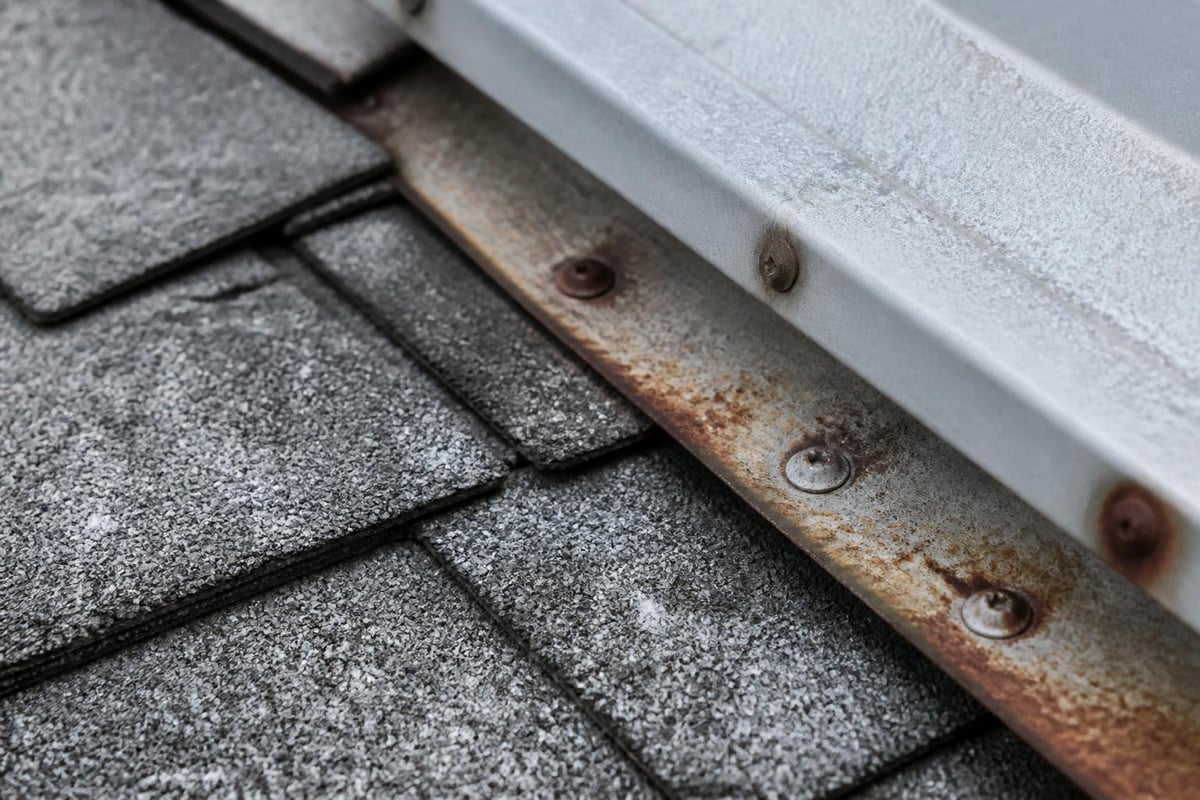
Metal roofing components face direct corrosion threats. Galvanized steel flashing, nails, and ridge caps develop rust spots that spread beneath paint and protective coatings. Even stainless steel fasteners show accelerated wear compared to their performance in non-coastal settings.
- Aluminum flashing develops white oxidation
- Steel valleys rust through faster than expected
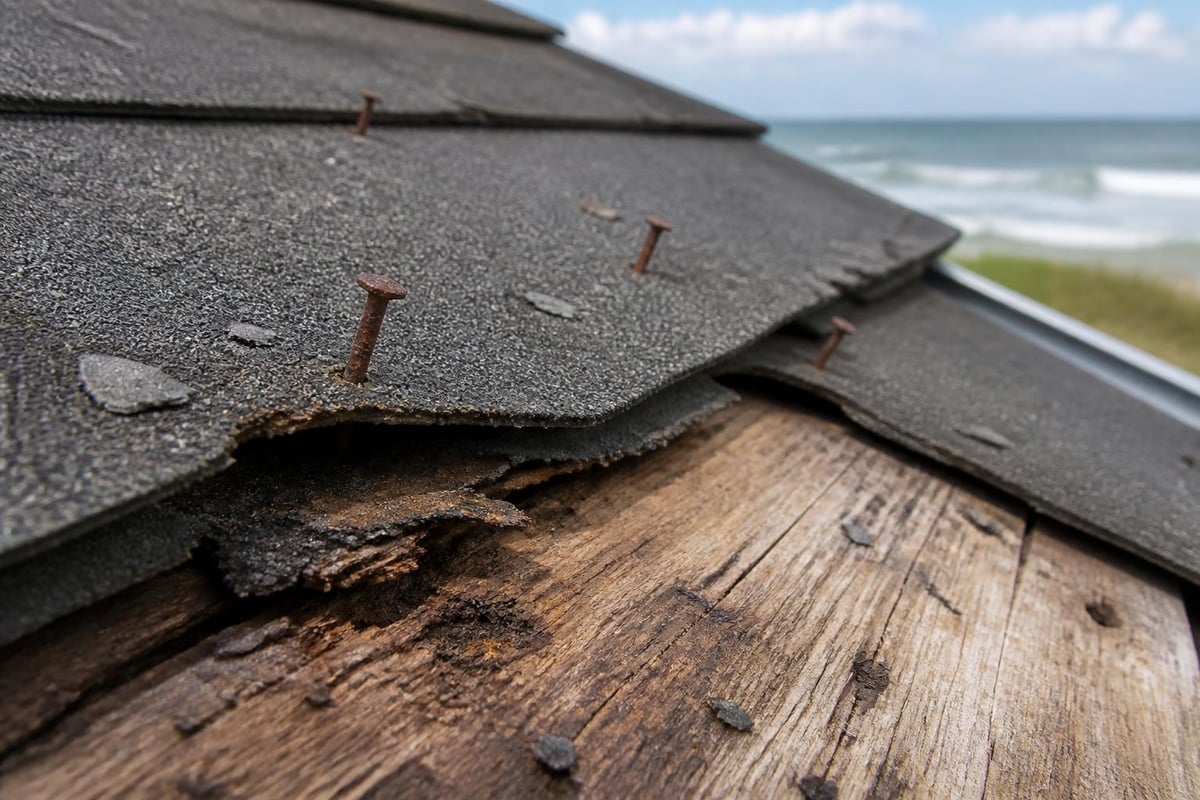
- Exposed nail heads become corrosion points
- Gutter systems deteriorate from constant salt exposure
Early Warning Signs of Salt Damage
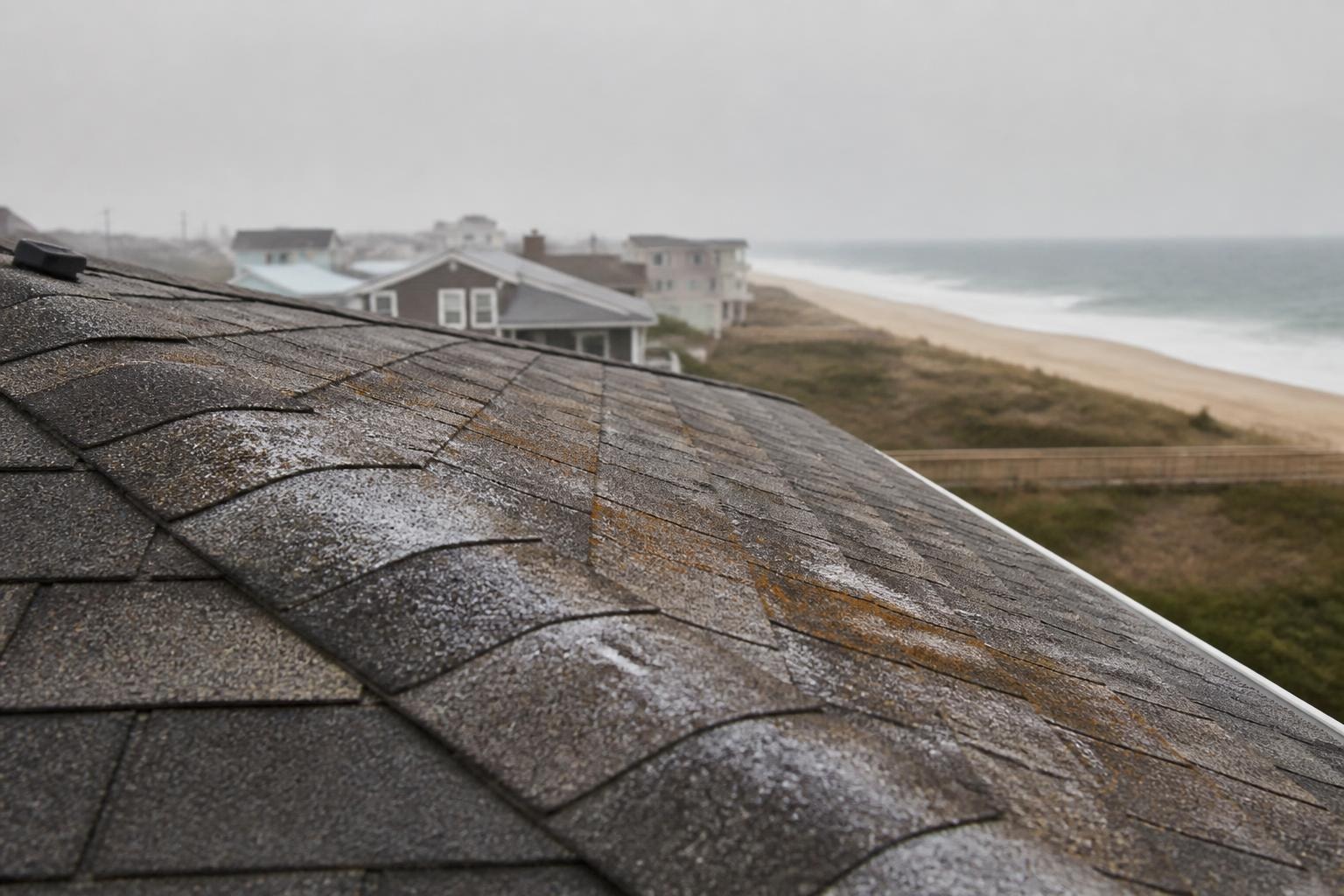
Salt damage often shows up subtly before becoming a major problem. Dark streaks running down shingles might indicate algae growth, which thrives in the moist, salty environment. White or greenish deposits on metal components signal active corrosion.
Check your roof after heavy storms or periods of high winds. Salt air damage intensifies when salt spray reaches higher concentrations during weather events.
Wind Damage and Shingle Uplift
Coastal North Carolina experiences consistent strong winds, not just during hurricanes. These steady forces create unique stress patterns on roofing systems.
The Mechanics of Wind Uplift
Wind doesn't just blow across your roof. It creates uplift pressure that tries to peel shingles away from the deck. The edges and corners of your roof experience the highest forces, which is why damage often starts in these areas first.
| Roof Location | Wind Force Multiplier | Common Damage |
|---|---|---|
| Corners | 3-4x baseline | Tab lifting, complete loss |
| Edges/Eaves | 2-3x baseline | Seal failure, creasing |
| Ridge | 2x baseline | Cap loosening, gaps |
| Field (center) | 1x baseline | Minimal in good conditions |
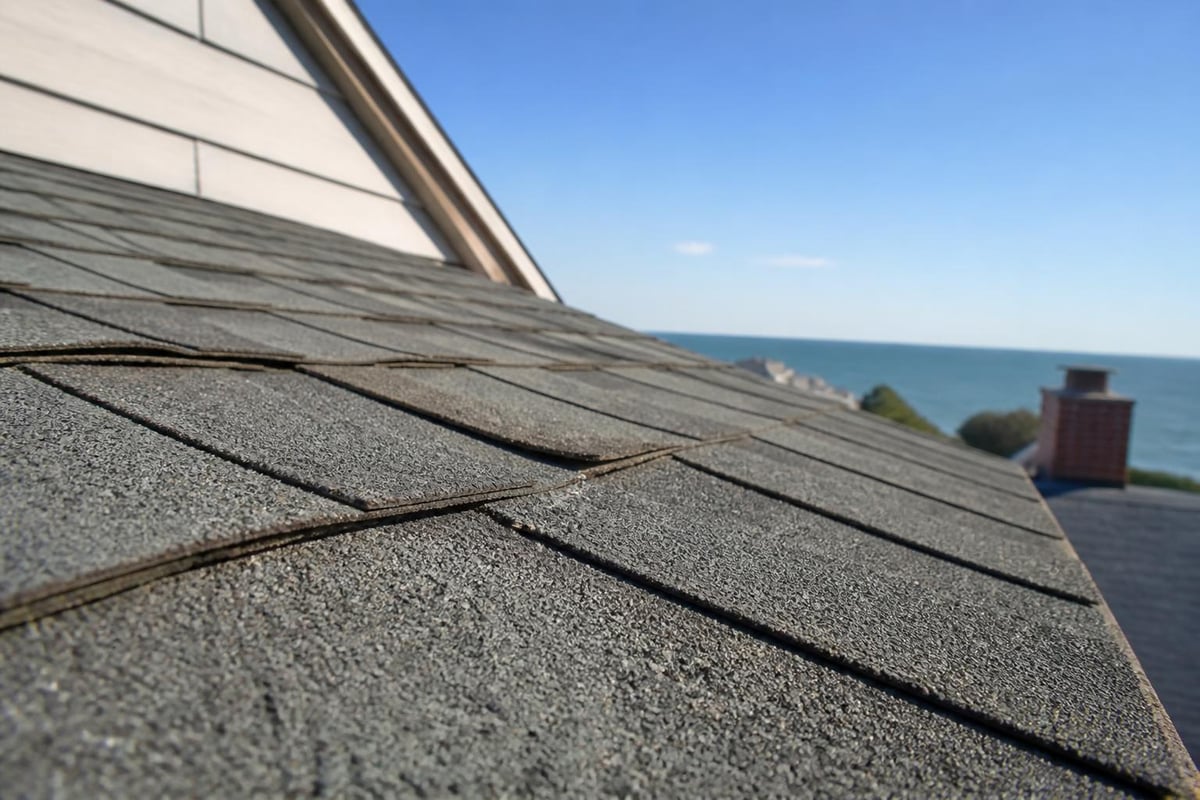
Shingle seal failure represents one of the most common roof problems in coastal North Carolina. Factory-applied adhesive strips bond tabs together, but salt deposits and temperature cycling weaken these seals. Once tabs start lifting, wind gets underneath and the damage accelerates quickly.
Storm Versus Chronic Wind Damage
People expect roof damage after a hurricane, but steady coastal winds cause just as much trouble over time. A shingle that lifts slightly during a 40 mph gust might reseal when calm returns, but each cycle weakens the bond a little more.
Hurricane damage is usually obvious:
- Missing shingles in large sections
- Exposed roof deck visible from the ground
- Debris impact points and tears
- Flashing pulled completely away
Chronic wind wear shows up differently:
- Individual shingles with curled corners
- Granule accumulation in gutters
- Small tears at nail points
- Shingles that look fine but feel loose when touched
Regular inspections catch chronic problems before they become emergency repairs. Spring inspections are particularly important for identifying damage accumulated over winter.
Moisture Intrusion and Humidity Issues
Coastal humidity stays high year-round, creating constant moisture exposure that inland roofs never experience. This persistent dampness affects both the exterior roofing materials and the attic environment below.
Condensation in Attic Spaces
When warm, humid coastal air meets cooler attic surfaces, condensation forms on the underside of roof decking. Over months and years, this moisture rots wood, promotes mold growth, and damages insulation.
Proper ventilation helps, but coastal homes need more aggressive moisture management than standard building codes require. Ridge vents, soffit vents, and adequate airflow become critical rather than optional.
Signs of attic moisture problems:
- Staining on roof deck visible from inside
- Musty odors in upper floors
- Insulation that feels damp or compressed
- Dark spots spreading on ceiling drywall
Algae, Moss, and Organic Growth
The combination of humidity, shade, and organic debris creates ideal conditions for biological growth on roofs. While this mostly affects appearance, it also traps moisture against shingles and accelerates deterioration.
Black streaks running down north-facing slopes are actually algae colonies. Moss develops in shaded areas where branches overhang the roof. Both hold moisture and work their way under shingle edges, creating pathways for leaks.
Thermal Cycling and Material Fatigue
Coastal temperature swings stress roofing materials differently than inland climate patterns. A roof might hit 150 degrees during a July afternoon, then cool to 75 degrees overnight when sea breezes arrive.
Expansion and Contraction Stress
Every roofing material expands when hot and contracts when cool. In coastal areas, this happens daily rather than seasonally. Shingles flex, nails work loose gradually, and sealants crack from constant movement.
Asphalt shingles become brittle faster under these conditions. The asphalt base loses flexibility with each heat-cool cycle, making shingles prone to cracking when walked on or when wind stress occurs.
Flashing joints separate as materials expand at different rates. Metal flashing moves differently than the wood it's attached to, creating gaps where water can enter. These gaps start small but grow over time as the cycling continues.
UV Exposure Intensity
Coastal locations receive intense UV radiation with less atmospheric filtering than inland areas. Salt particles in the air can actually intensify UV exposure by reflecting additional light onto roof surfaces.
This accelerates the breakdown of petroleum-based products. Shingle sealants dry out and lose adhesion. Rubber pipe boots crack and split. Caulked joints fail earlier than their rated lifespan suggests they should.
Storm Surge and Standing Water
While less common than wind or salt damage, storm surge events create devastating roof problems when they occur. Even homes above typical flood zones can experience water intrusion during major hurricanes.
Water Entry Points During Flooding
Storm surge doesn't just damage roofs from above. Rising water can reach attic spaces, soaking insulation and roof decking from below. This creates hidden damage that doesn't appear until weeks later when mold develops or ceiling materials fail.
Soffit vents designed to allow airflow become water entry points when surge reaches them. Gable vents and ridge vents can also allow water intrusion during severe events with wind-driven rain.
Post-Storm Drainage Issues
After storm surge recedes, roofs designed for gravity drainage may hold water in low spots. This is particularly problematic on older homes where roof decks have sagged slightly over decades. Standing water soaks through shingles within hours, causing immediate leaks and long-term damage.
Critical inspection points after flooding:
- Check all penetrations for water staining
- Inspect attic insulation for compression or dampness
- Look for new soft spots in roof decking
- Document everything for insurance purposes
Missing or Damaged Flashing
Flashing failures rank among the most common roof problems in coastal North Carolina because metal components face multiple simultaneous threats. Salt corrosion, wind stress, and thermal movement combine to create weak points where water enters.
Valley Flashing Deterioration
Valleys channel massive water volumes during heavy rains. In coastal areas, this water carries salt residue that settles in valley creases. Over time, metal thins and develops pinhole leaks that expand into larger failures.
Open metal valleys show damage more obviously than woven shingle valleys, but both styles suffer. The difference is that metal valley problems are visible from the ground while shingle valley failures stay hidden until leaks appear inside.
Chimney and Penetration Flashing
Step flashing around chimneys works loose as mortar joints deteriorate in salt air. Counter flashing embedded in brick pulls away as the brick face spalls and crumbles. These gaps allow water behind the flashing where it runs down inside walls.
Pipe boot flashing fails even faster. The rubber or EPDM collar that seals around vent pipes becomes brittle and cracks. Metal roofing professionals note that these components need replacement on a 10-year cycle in coastal environments rather than the 15-20 year lifespan expected inland.
Fastener Failure and Deck Attachment
Nails and screws holding your roof together face constant stress from wind uplift and material movement. In coastal settings, salt accelerates their deterioration.
Nail Pops and Backing Out
When roof decking expands and contracts with temperature changes, nails can work their way up through shingles. This creates a hole in the shingle and removes the holding power that keeps it attached. You'll see small bumps where nail heads push up through the surface.
Why coastal nails fail faster:
- Salt corrosion weakens the nail shaft
- Thermal cycling creates constant movement
- High humidity swells and shrinks wood deck
- Wind uplift multiplies stress on each fastener
Sheathing Delamination
Roof deck plywood or OSB boards can delaminate when exposed to constant coastal humidity. The glue between layers fails, causing the deck to separate into thin sheets that lose their structural strength.
This problem often goes unnoticed until someone walks on the roof and feels it flex abnormally, or until a moderate wind event causes unexpected damage. Deck replacement adds significant cost to any roofing project but becomes necessary when delamination occurs.
Insurance and Documentation Challenges
Coastal homeowners face unique insurance situations. Understanding how common roof problems in coastal North Carolina affect coverage helps you protect your investment.
Wind Versus Water Damage
Insurance policies often separate wind damage coverage from water damage coverage. A roof leak caused by wind-lifted shingles might be covered under your homeowner's policy, while the same leak caused by storm surge might fall under flood insurance instead.
This distinction matters when filing claims. Proper documentation of when damage occurred and what caused it can mean the difference between a covered claim and an out-of-pocket expense.
Maintenance Requirements
Many coastal insurance policies include specific maintenance requirements. Failing to keep your roof in good condition can void coverage when you need it most. Understanding the types of damage common in North Carolina helps you maintain proper documentation.
Keep records of:
- Annual inspection reports
- Repair invoices and dates
- Photos documenting roof condition over time
- Contractor certifications and warranties
When you need roof repair, getting a detailed roof report before work begins creates documentation that supports insurance claims and helps you understand exactly what needs attention versus what can wait.
Material Selection for Coastal Durability
Not all roofing materials perform equally in salt air and high wind environments. Understanding your options helps you make informed decisions when replacement becomes necessary.
Lifespan Expectations by Material
Roofing material longevity varies significantly in coastal North Carolina compared to inland areas. Standard asphalt shingles rated for 25 years might only deliver 15 to 18 years of service when facing constant salt exposure.
| Material Type | Inland Lifespan | Coastal Lifespan | Primary Failure Mode |
|---|---|---|---|
| 3-Tab Shingles | 15-20 years | 12-15 years | Granule loss, curling |
| Architectural Shingles | 25-30 years | 18-22 years | Seal failure, cracking |
| Metal Panels | 40-50 years | 35-45 years | Fastener corrosion |
| Clay/Concrete Tile | 50+ years | 40-50 years | Underlayment failure |
Upgrade Options Worth Considering
Impact-resistant shingles carry higher upfront costs but resist hail damage and wind better than standard products. Class 4 impact ratings can also reduce insurance premiums in coastal zones.
Enhanced underlayment systems add a critical layer of protection. Synthetic underlayments resist moisture better than traditional felt paper and won't deteriorate if temporarily exposed during repairs.
Building Code Requirements
Coastal roofing in North Carolina follows stricter building codes than inland areas. These requirements exist for good reasons, addressing the specific challenges of oceanfront environments.
Wind Rating Standards
Coastal building codes often require shingles rated for higher wind speeds. While inland areas might use shingles rated for 110 mph winds, coastal zones may require 130 mph or higher ratings.
Enhanced installation requirements include:
- Six nails per shingle instead of four
- Starter strip requirements at eaves and rakes
- Sealed underlayment in vulnerable areas
- Specific flashing installation methods
Special Flood Zone Considerations
Homes in FEMA flood zones face additional requirements affecting roof design. Elevated structures need special attention to soffit ventilation and water intrusion prevention. Understanding these requirements helps you work with contractors who know coastal building practices.
Maintenance and Prevention Strategies
Regular maintenance addresses common roof problems in coastal North Carolina before they become expensive emergencies. A proactive approach saves money and extends roof life significantly.
Recommended Inspection Schedule
Annual inspections should happen twice yearly in coastal areas rather than the single annual check recommended inland. Spring inspections catch winter storm damage before summer heat sets in. Fall inspections prepare your roof for winter weather and identify any hurricane season damage.
After major weather events, quick inspections catch problems while they're still minor. Walking your property to look for missing shingles or damaged flashing takes fifteen minutes but can prevent thousands in water damage.
Preventive Cleaning and Repairs
Keeping gutters clear prevents water backup that soaks roof edges. Trimming overhanging branches reduces shade and moisture that promote algae growth. These simple steps make a measurable difference in roof longevity.
Small repairs completed promptly prevent larger problems. A few missing shingles replaced quickly cost a hundred dollars. Ignoring them until water damages the deck turns a simple repair into a multi-thousand-dollar project.
Professional Assessment Value
Homeowners can spot obvious problems like missing shingles, but many coastal roofing issues hide from ground-level observation. Professional assessment provides information you can't get otherwise.
What Professional Inspectors Find
Licensed roofers identify problems at early stages when repairs cost less. They recognize subtle signs like seal line failure, beginning delamination, or nail backs that homeowners miss. Their reports document current condition for insurance purposes and provide a baseline for tracking changes over time.
Advanced assessment techniques include:
- Moisture meter readings of deck boards
- Thermal imaging to find hidden leaks
- Detailed flashing condition evaluation
- Attic ventilation adequacy analysis
Making Repair Versus Replace Decisions
Not every roofing problem requires complete replacement. Experienced contractors help you understand when targeted repairs make financial sense versus when replacement provides better long-term value. This honest guidance protects you from unnecessary expenses while ensuring your home stays protected.
The decision often depends on damage extent, remaining roof life, and your long-term plans for the property. A roof with 5 years of expected life remaining might justify a $2,000 repair but not a $15,000 replacement if you plan to sell within two years.
Understanding common roof problems in coastal North Carolina helps you protect your home from the unique challenges of oceanfront living. Salt air, wind, humidity, and storm exposure all create specific issues that require attention. Regular inspections, prompt repairs, and honest professional guidance keep small problems from becoming major expenses. If you're dealing with roof concerns in Topsail, Surf City, Holly Ridge, Wilmington, or surrounding coastal communities, NC Roofs provides clear assessments and straightforward recommendations that help you make informed decisions about your home.