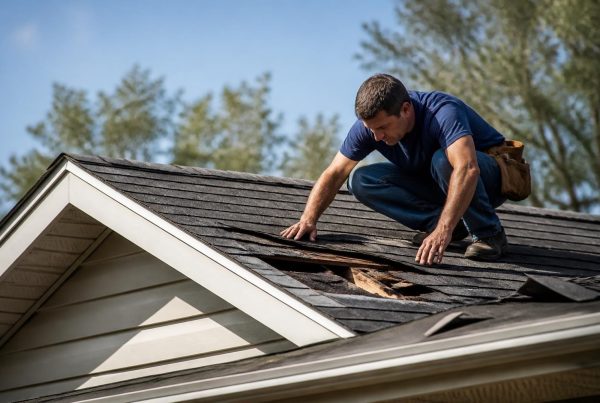
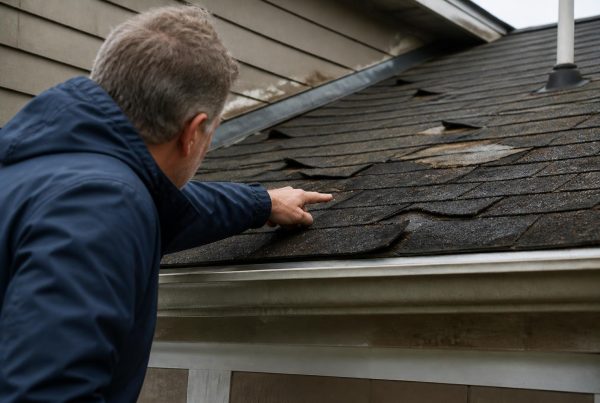
Homes located near bays, coastal inlets, and waterfront areas face unique roofing challenges that differ significantly from properties inland. Bay roofing refers to the specialized approach, materials, and maintenance practices required for homes exposed to salt air, higher humidity, consistent wind, and moisture-laden environments. Whether you live on the coast of North Carolina or any waterfront community, understanding these specific requirements helps homeowners make informed decisions about installation, repair, and long-term protection. This guide walks through what makes bay roofing different and what you should consider before your next roofing project.
Why Bay Roofing Differs From Standard Residential Roofing
Homes near bays experience environmental conditions that accelerate wear on roofing materials. The combination of salt spray, moisture, and wind creates a harsher environment than homes just a few miles inland face.
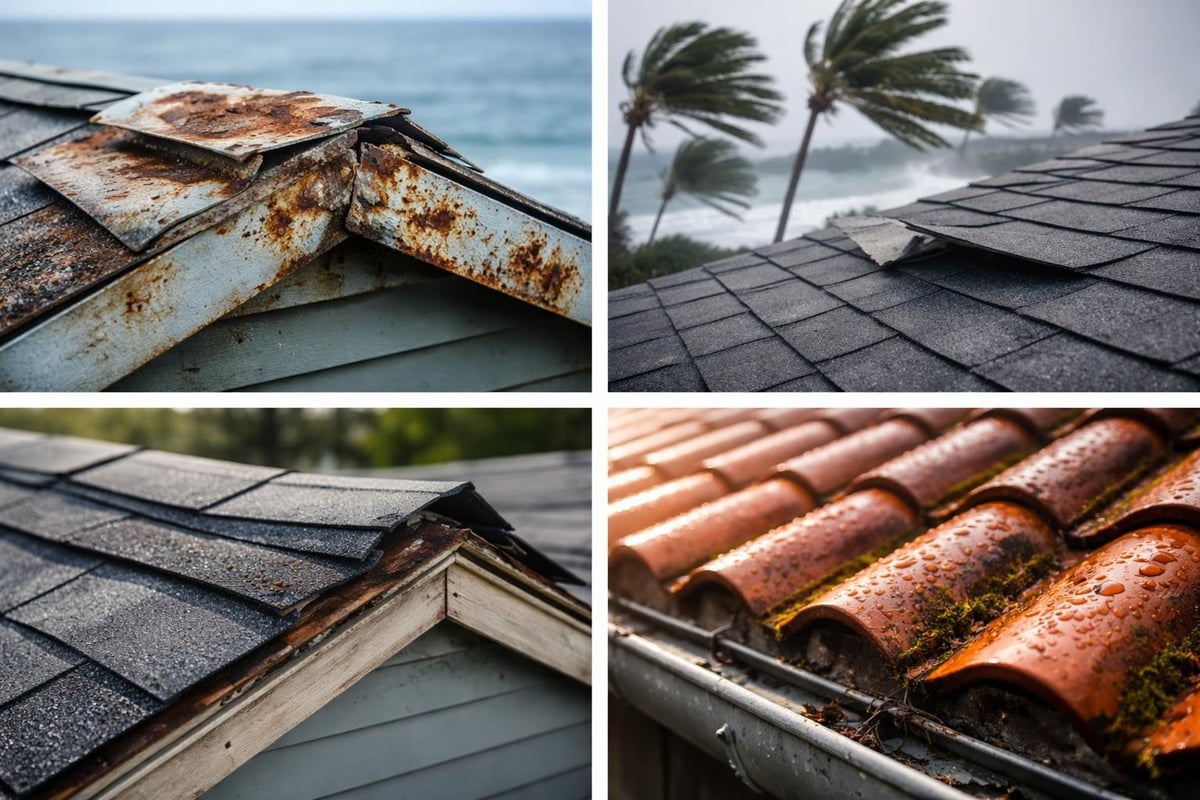
Salt air corrosion affects metal components faster than in non-coastal areas. Nails, flashing, vents, and ridge caps deteriorate more quickly when exposed to salt-laden air. This means standard galvanized materials often underperform in coastal settings.
Wind exposure increases significantly near open water. Bay areas experience sustained winds and storm events with greater intensity. Shingles and other roofing materials must withstand higher wind ratings to remain secure during coastal weather patterns.
Moisture and humidity stay elevated throughout the year in bay environments. This consistent dampness promotes faster algae growth, increases the risk of wood rot in roof decking, and shortens the lifespan of certain roofing materials.
Material Selection for Coastal Environments
Choosing appropriate materials represents the most important decision in bay roofing. Not all products perform equally in coastal conditions, and selecting the wrong material leads to premature failure and costly replacements.
| Material Type | Coastal Performance | Expected Lifespan | Key Considerations |
|---|---|---|---|
| Asphalt Shingles | Moderate | 15-20 years | Requires impact-resistant rating, algae-resistant granules |
| Metal Roofing | Excellent | 40-50 years | Must use marine-grade coatings and stainless fasteners |
| Tile Roofing | Very Good | 50+ years | Heavy, requires structural support, expensive installation |
| Slate Roofing | Excellent | 75-100 years | Very expensive, requires specialized installation |
Asphalt shingles remain the most common choice for bay roofing despite moderate performance in coastal areas. When selecting asphalt shingles for coastal homes, look for products rated for high wind resistance (Class H or Class F), impact resistance (Class 4), and algae-resistant granules. Many roofing services in Eastern North Carolina help homeowners identify shingles that meet these specific coastal requirements without unnecessary upgrades.
Metal roofing excels in bay environments when properly specified. Standard painted steel won't hold up to salt air, so marine-grade aluminum or steel with specialized coatings becomes necessary. Stainless steel fasteners and clips prevent corrosion at connection points. The upfront cost runs higher than asphalt, but longevity often makes metal the better long-term investment for coastal properties.
Installation Standards for Bay Roofing Projects
Proper installation matters even more in coastal areas than inland. Standard installation practices don't provide adequate protection against the wind, moisture, and environmental exposure common near bays.
Enhanced Fastening Requirements
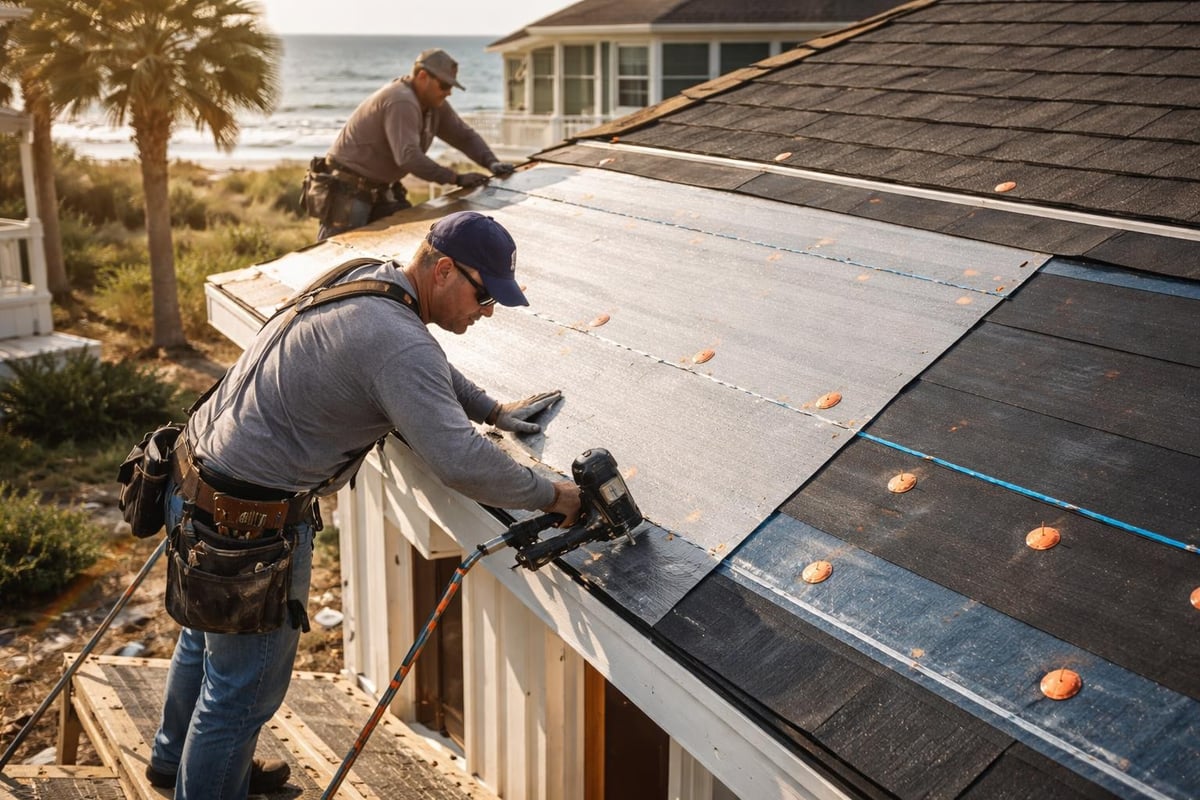
Building codes in coastal zones typically require additional fasteners per shingle compared to inland areas. Where a standard installation might use four nails per shingle, coastal requirements often mandate six nails per shingle in specific patterns.
Nail placement follows strict guidelines to ensure wind resistance. Nails must penetrate through the shingle into solid decking by specific depths. Over-driven or under-driven nails both create weak points where wind can lift shingles.
Adhesive strips on shingles need proper activation. In bay roofing, some contractors use additional roofing cement at shingle edges in high-wind zones, though this varies by manufacturer recommendations and local requirements.
Underlayment and Moisture Protection
The barrier between your roof decking and shingles becomes critical in bay roofing. Standard felt paper doesn't provide adequate moisture protection in coastal environments.
- Synthetic underlayment offers better tear resistance and moisture protection than traditional felt
- Ice and water shield extends beyond typical valleys to cover a larger percentage of the roof deck
- Edge protection includes additional underlayment along eaves, rakes, and ridges where wind-driven rain penetrates most easily
Regular roof maintenance in coastal areas prevents small issues from becoming major problems. The combination of proper installation and ongoing maintenance extends roof lifespan significantly in these demanding environments.
Metal Components and Corrosion Prevention
Every metal component on your roof faces accelerated corrosion in bay environments. Identifying and specifying the right materials prevents premature failure of critical roof elements.
Flashing Materials
Aluminum flashing provides good corrosion resistance at a reasonable cost. It works well for most bay roofing applications and represents a significant upgrade over galvanized steel.
Copper flashing offers superior longevity but costs substantially more. For homes planning to stay in place long-term, copper provides excellent value despite higher upfront investment.
Stainless steel delivers a middle ground between aluminum and copper. It resists corrosion better than aluminum while costing less than copper, making it a practical choice for many coastal applications.
Fasteners and Hardware
Standard roofing nails rust quickly in salt air. Ring shank nails with hot-dipped galvanized coating represent the minimum acceptable standard for bay roofing. Stainless steel fasteners eliminate corrosion concerns entirely but cost more and require careful installation to avoid over-driving.
Vent boots, ridge vents, and pipe flashings need similar attention. Plastic or composite materials often outlast metal in coastal settings, though quality varies significantly between manufacturers.
Wind Resistance and Storm Preparation
Bay areas experience more frequent and intense wind events than inland locations. Your roof must handle sustained winds and sudden gusts without damage.
Understanding Wind Ratings
Shingles receive wind resistance ratings based on testing:
- Class D – Resists winds up to 90 mph
- Class F – Resists winds up to 110 mph
- Class H – Resists winds up to 150 mph
Coastal building codes often require Class F minimum for bay roofing projects. Some high-exposure areas mandate Class H ratings. These ratings depend on proper installation following manufacturer specifications.
Edge Protection and Perimeter Reinforcement
Starter strips at roof edges need secure attachment. Some contractors double up starter strips in high-wind areas for additional holding power.
Drip edge installation follows specific sequences. The drip edge goes over underlayment on rakes but under underlayment at eaves. This detail matters more in coastal areas where wind-driven rain finds every weakness.
Ridge cap installation requires special attention. The last line of defense against wind uplift, ridge caps need proper overlap, adequate fastening, and correct cement application. Best practices for bay roofing emphasize these critical details that prevent wind damage during storms.
Ventilation Considerations for Coastal Homes
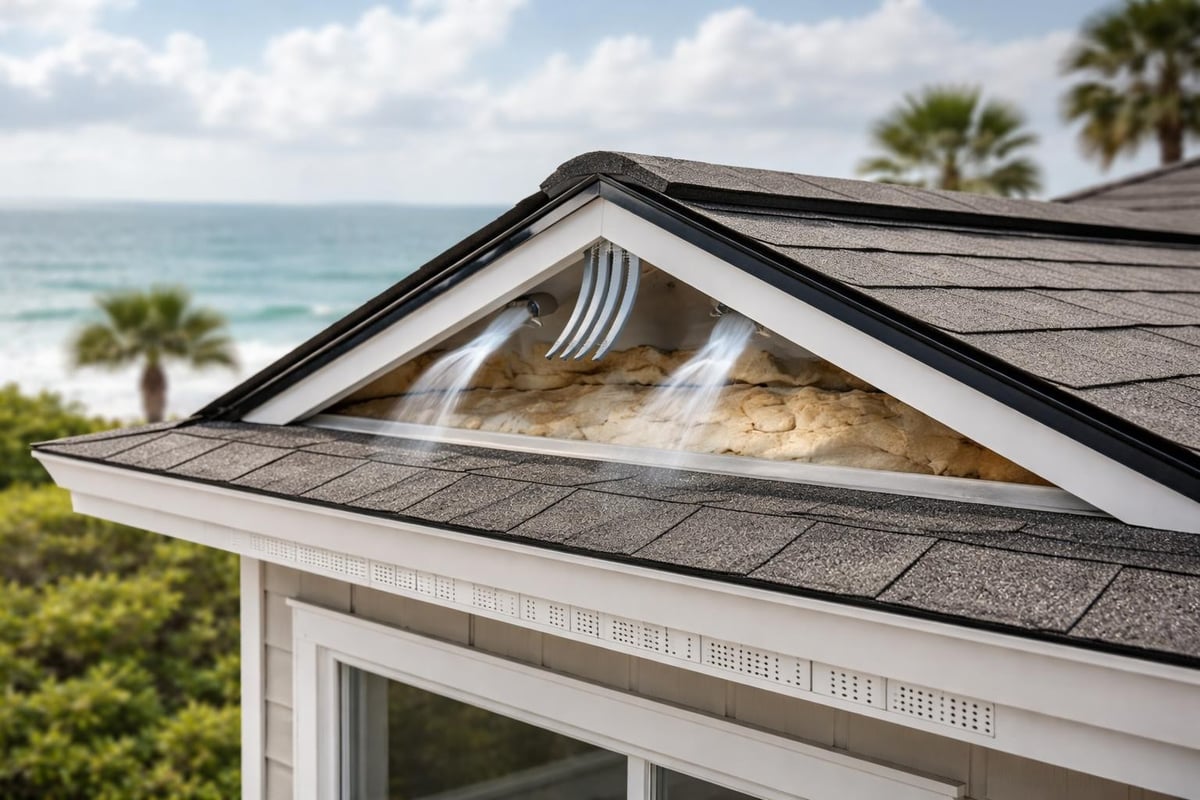
Proper attic ventilation becomes even more important in bay roofing applications. The combination of heat and humidity accelerates deterioration of roof decking and insulation when ventilation falls short.
Intake ventilation at soffits must remain unblocked. Salt air can corrode standard soffit vents over time, so selecting durable materials prevents maintenance issues down the road.
Exhaust ventilation at or near the ridge allows hot, humid air to escape. Ridge vents work well in most applications, but installation quality determines performance. Gaps in the ridge vent allow rain penetration during wind-driven storms.
Balanced airflow requires equal intake and exhaust. Many older coastal homes have inadequate soffit ventilation, creating negative pressure that can pull moisture into attic spaces. When upgrading bay roofing, assessing and correcting ventilation imbalances prevents future problems.
Maintenance Requirements for Bay Roofing
Roofs near bays need more frequent inspection and maintenance than inland properties. The aggressive environment doesn't allow homeowners to adopt a "set it and forget it" approach.
Annual Inspection Points
Check these specific areas each year:
- Flashing around chimneys, vents, and skylights for separation or corrosion
- Shingle adhesion along edges and ridges where wind stress concentrates
- Fastener exposure from shingle degradation or improper installation
- Granule loss on shingles, particularly in high-sun exposure areas
- Metal component condition including valleys, drip edge, and vent boots
Cleaning and Debris Removal
Leaf and debris accumulation traps moisture against shingles and promotes algae growth. Regular cleaning extends roof life, particularly in valleys and behind chimneys where debris collects.
Algae and moss removal requires gentle methods. Pressure washing damages shingles and forces water under materials. Proper cleaning uses low-pressure application of appropriate cleaning solutions followed by soft brushing.
Branch trimming reduces debris and limits shade that promotes biological growth. Keeping trees trimmed back from the roof also prevents impact damage during storms.
Insurance and Documentation Considerations
Many homeowners in bay areas carry wind and hail coverage as part of their insurance policies. Proper documentation of your roof becomes important for claims and coverage verification.
Wind rating documentation should be kept with home records. Insurance companies sometimes offer discounts for roofs meeting higher wind resistance standards. Having manufacturer specifications and contractor certifications proves your roof meets these standards.
Installation certifications from contractors provide evidence of proper installation methods. Some manufacturers offer enhanced warranties only when installation is certified and documented.
When roof repair becomes necessary after storm damage, having detailed documentation of your roof's original specifications, materials, and installation helps ensure proper restoration and claim processing.
Cost Factors Specific to Bay Roofing
Bay roofing costs more than comparable inland projects due to material specifications, installation requirements, and environmental challenges.
Material Premium
Coastal-grade materials run 15-30% higher than standard residential roofing materials. This premium covers enhanced wind resistance, corrosion-resistant metals, and specialized underlayment products.
Installation Labor
Additional fasteners, careful detail work, and specialized techniques increase labor hours. Experienced contractors familiar with bay roofing requirements charge appropriate rates for this specialized work.
Permit and Inspection Costs
Coastal building codes require more stringent inspections and engineering reviews in some jurisdictions. These requirements add to project costs but ensure your roof meets the demands of the environment.
| Project Component | Standard Roof | Bay Roofing | Difference |
|---|---|---|---|
| Shingles (per square) | $90-120 | $120-150 | +25-33% |
| Underlayment | $60-80 | $100-140 | +40-75% |
| Metal components | $200-300 | $350-500 | +50-75% |
| Labor (per square) | $150-200 | $200-275 | +25-37% |
Timing Roof Projects in Coastal Areas
Weather patterns near bays affect project timing more than inland areas. Planning around seasonal conditions improves installation quality and prevents weather delays.
Spring and fall offer the most stable weather windows for bay roofing projects. Summer brings afternoon thunderstorms and high heat, while winter can deliver extended periods of cold, wet weather.
Hurricane season runs from June through November along the Atlantic coast. Starting projects in late spring allows completion before peak storm season. Similarly, fall projects should finish before winter weather patterns arrive.
Permit processing times vary by jurisdiction but often extend longer in coastal areas due to stricter code requirements. Factor in 4-8 weeks for permits and engineering reviews when planning project timelines.
Finding Qualified Bay Roofing Contractors
Not every roofing contractor has experience with the specific requirements of bay roofing. Selecting contractors with proven coastal experience prevents costly mistakes and ensures proper material selection.
Local references matter most. Contractors working regularly in bay areas understand material performance, code requirements, and installation techniques specific to coastal environments. Ask for references from properties near water and verify installation dates to assess long-term performance.
Manufacturer certifications indicate contractors have received training on proper installation methods. While not a guarantee of quality, certifications show a commitment to following best practices.
Detailed proposals should specify exact materials, wind ratings, fastener types, and installation methods. Vague proposals that don't address coastal-specific requirements signal contractors unfamiliar with bay roofing needs. Quality roofing services provide clear documentation of materials and methods before work begins.
Warranty Coverage in Coastal Environments
Standard roofing warranties sometimes exclude or limit coverage in coastal zones. Understanding warranty terms prevents surprises when issues arise.
Material warranties from manufacturers often require specific installation methods and materials in coastal areas. Failure to meet these requirements voids warranty coverage. Some manufacturers exclude coastal properties entirely from certain warranty programs.
Workmanship warranties from contractors should extend at least 5-10 years for bay roofing projects. Shorter warranty periods don't provide adequate coverage given the demanding environment.
Wind damage coverage may be limited or excluded in standard warranties. Review warranty documents carefully to understand what wind speeds and conditions are covered versus excluded.
Bay roofing demands specialized materials, installation expertise, and ongoing maintenance to perform well in challenging coastal environments. Understanding these requirements helps you make informed decisions about your next roofing project and avoid common pitfalls that lead to premature failure. If you're located in Eastern North Carolina and need honest guidance on your coastal roofing needs, NC Roofs provides clear pricing and straightforward recommendations based on what your home actually requires.