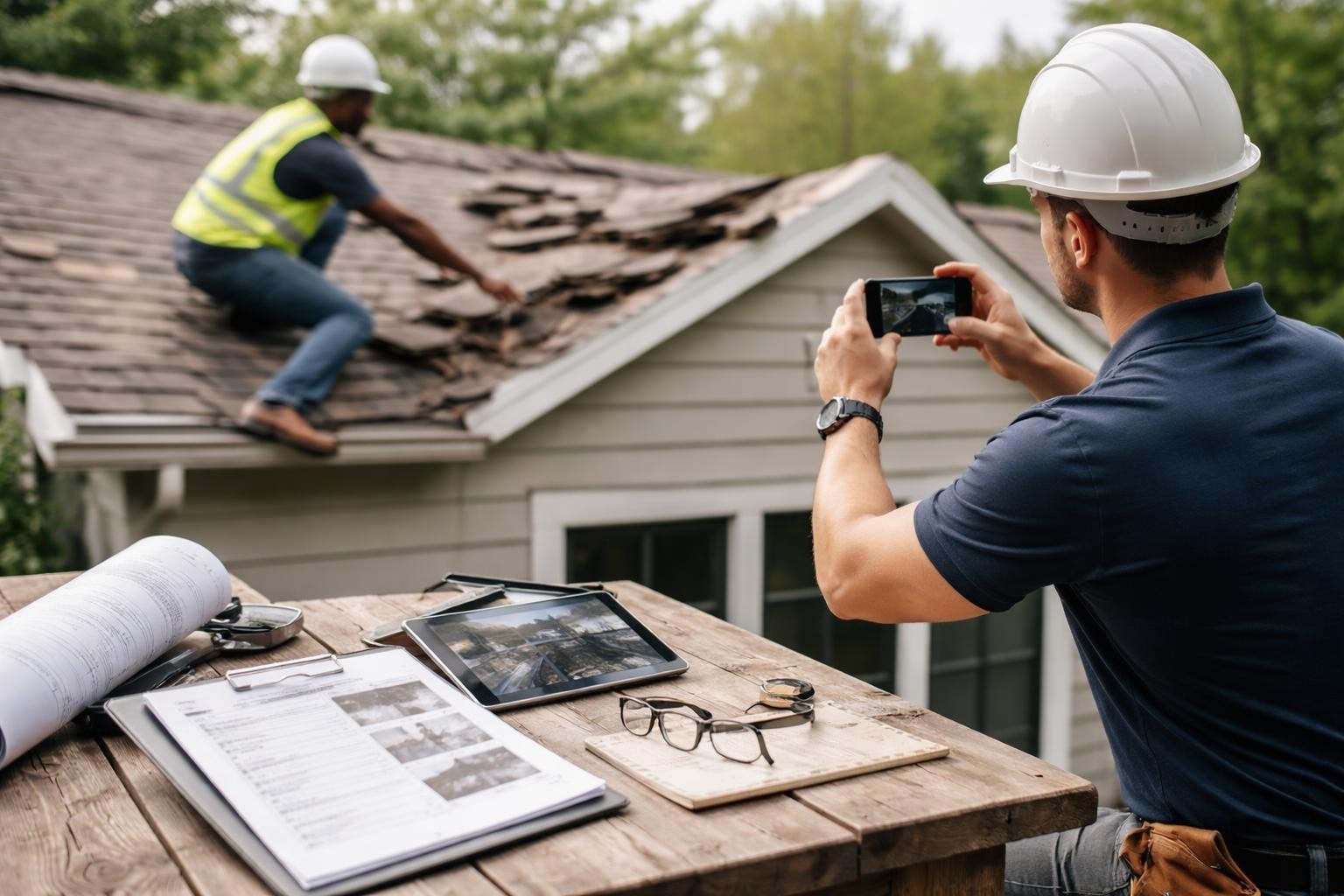
When severe weather hits Eastern North Carolina, your roof takes the brunt of the impact. Understanding what pro storm repair actually involves helps you make informed decisions about protecting your home and your investment. This guide walks you through the complete process, from initial damage assessment through final repairs, so you know what to expect and how to avoid common pitfalls that can cost you time and money.
Understanding Pro Storm Repair Basics
Pro storm repair refers to the specialized process of assessing, documenting, and restoring roof damage caused by severe weather events. Unlike routine maintenance, storm damage repair requires specific expertise in identifying both visible and hidden damage, navigating insurance claims, and executing repairs that meet both local building codes and manufacturer specifications.
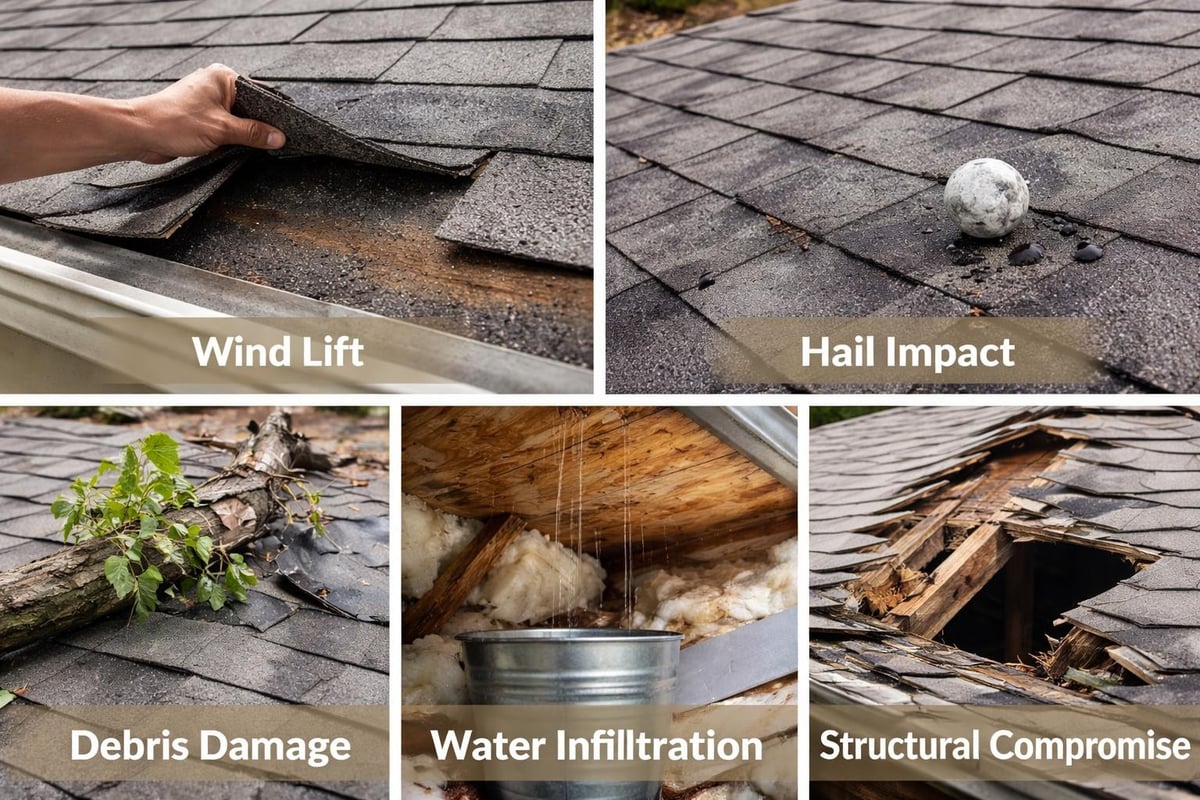
Most homeowners don't realize that storm damage goes beyond what you can see from the ground. Wind damage, hail impact, water infiltration, and structural stress can all compromise your roof's integrity in ways that aren't immediately obvious. A professional evaluation examines every component, from shingles and flashing to the underlying decking and ventilation systems.
The timeline for pro storm repair typically depends on several factors:
- Severity of damage and extent of affected areas
- Insurance claim processing and approval timelines
- Material availability for matching existing roofing
- Weather conditions allowing for safe repair work
- Contractor scheduling in high-demand periods after major storms
What Makes Storm Damage Different
Storm damage creates unique challenges that distinguish it from normal wear and tear. Handling storm damage repairs requires documentation skills, insurance knowledge, and repair techniques that address sudden impact rather than gradual deterioration.
Hail creates bruising and fractures in shingles that may not leak immediately but significantly reduce the roof's lifespan. Wind can lift shingles, break seals, and allow water to penetrate protective barriers. These damages often work together, creating compound problems that need comprehensive solutions rather than simple patch jobs.
The Professional Assessment Process
A thorough pro storm repair assessment follows a systematic approach to identify all damage and provide accurate documentation for insurance purposes. This process protects you by ensuring nothing gets missed and you receive fair compensation for necessary repairs.
Initial Roof Inspection
Professional inspectors examine your roof from multiple angles, using both ground-level observations and close-up inspections on the roof surface. They look for:
- Shingle damage including cracks, dents, granule loss, and missing pieces
- Flashing condition around chimneys, vents, and roof penetrations
- Gutter and downspout damage or detachment
- Soffit and fascia impacts from wind or debris
- Interior signs of water infiltration or structural stress
The inspection typically takes 45 minutes to two hours, depending on roof size and complexity. Inspectors photograph all damage and create detailed reports that document findings with measurements, locations, and severity ratings.
| Assessment Component | What's Evaluated | Why It Matters |
|---|---|---|
| Shingle Integrity | Granule loss, cracks, bruising | Determines remaining lifespan |
| Seal Quality | Adhesive strips, edge bonding | Prevents future wind damage |
| Flashing Condition | Gaps, rust, separation | Critical for leak prevention |
| Decking Soundness | Moisture, rot, structural integrity | Foundation for new materials |
| Ventilation Function | Airflow, moisture accumulation | Prevents premature failure |
Documentation for Insurance Claims
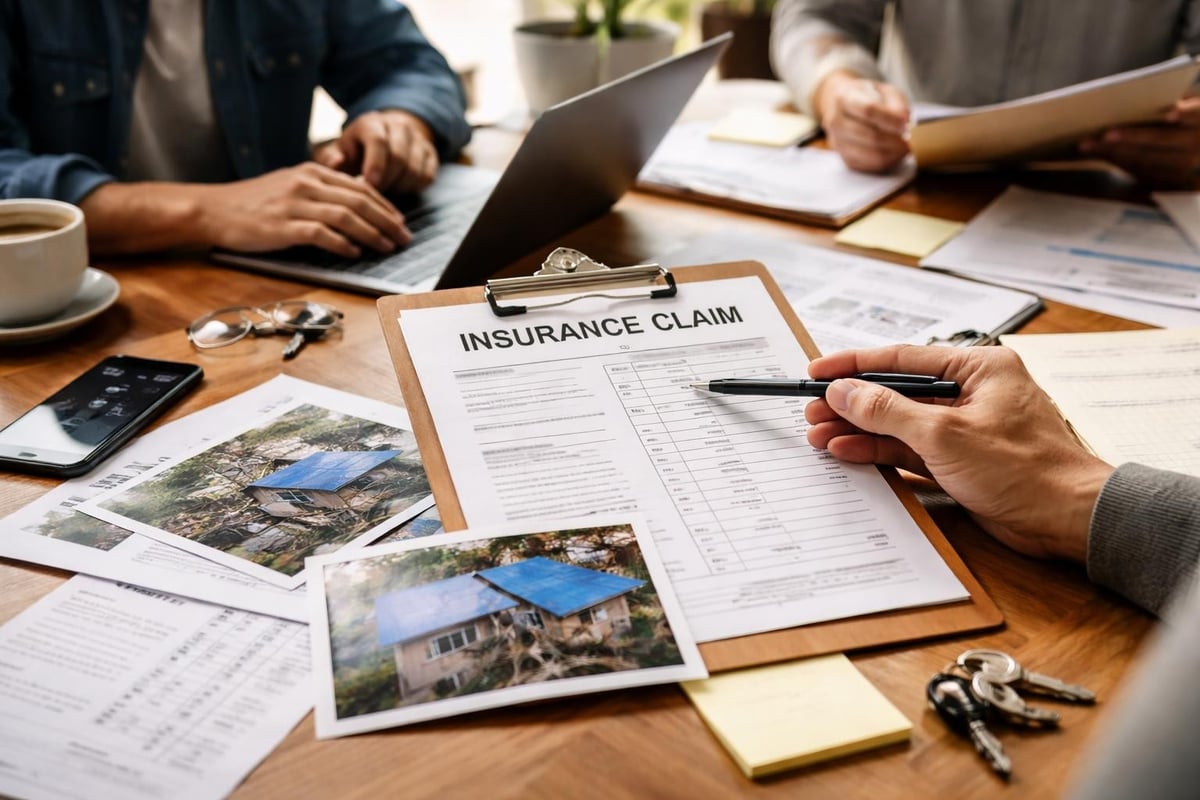
Proper documentation makes the difference between a smooth insurance process and a frustrating battle for coverage. Common mistakes homeowners make often stem from inadequate documentation or misunderstanding what their policy covers.
Professional storm repair contractors provide detailed reports that include date-stamped photos, measurement diagrams, and written descriptions of each damaged component. This documentation should cover both the damage itself and the surrounding context that proves it resulted from the storm event rather than normal aging.
Your contractor should also help you understand:
- Coverage limits and deductible amounts in your policy
- Depreciation calculations and recoverable amounts
- Code upgrade requirements that may exceed base coverage
- Timeline expectations for claim filing and adjuster visits
Working With Your Insurance Company
The insurance claim process represents a critical phase in pro storm repair. Understanding how it works helps you advocate for fair treatment and ensures you receive the coverage you're entitled to under your policy.
Most policies require prompt notification of damage, typically within a specific timeframe after the storm. Waiting too long can jeopardize your claim, while rushing into repairs before documentation can void coverage. The balance requires professional guidance to navigate effectively.
The Adjuster Meeting
When the insurance adjuster visits your property, having your contractor present provides significant advantages. They can point out damage the adjuster might miss, explain technical aspects of required repairs, and ensure the estimate includes all necessary work.
Key points to remember during adjuster meetings:
- The adjuster represents the insurance company's interests, not yours
- Initial estimates often undervalue actual repair costs
- You have the right to disagree with findings and request re-inspection
- Supplemental claims can address damage discovered during repairs
Some homeowners worry about appearing adversarial, but protecting your property requires clear communication about actual damage and necessary repairs. Professional contractors help maintain this balance by focusing on factual observations and documented evidence.
Choosing the Right Pro Storm Repair Contractor
Not all roofing companies handle storm damage with the same level of expertise or integrity. The period following major storms attracts both qualified professionals and opportunistic contractors who may not deliver quality work or stick around for warranty issues.
Red Flags to Avoid
Storm chasers often appear immediately after severe weather, going door-to-door offering free inspections and promising to handle everything. While some legitimate contractors also market actively after storms, certain behaviors signal potential problems:
- Requiring full payment upfront before any work begins
- Offering to waive your insurance deductible
- Providing estimates without thorough roof inspection
- Pressuring immediate decisions with limited-time offers
- Using out-of-state addresses or temporary local phone numbers
For homeowners seeking roof repair in Eastern North Carolina, working with established local companies provides accountability and long-term support that fly-by-night operations can't match.
Qualities of Reliable Contractors
Professional storm repair contractors demonstrate their credibility through verifiable credentials and transparent business practices. Look for companies that:
- Maintain proper licensing for your state and local jurisdiction
- Carry adequate insurance including liability and workers' compensation
- Provide local references from recent storm repair projects
- Explain warranty coverage for both materials and workmanship
- Offer clear written estimates breaking down all costs
The best contractors also help you understand your options rather than pushing a single solution. They explain what repairs are absolutely necessary versus what represents preventive upgrades, allowing you to make informed decisions based on your budget and long-term plans.
The Repair Process Timeline
Understanding what happens during pro storm repair helps you plan around disruptions and know what to expect at each stage. While every project differs based on damage extent and insurance complexity, most follow a similar progression.
Pre-Repair Preparation
Before work begins, your contractor should:
- Secure all necessary permits from local building departments
- Order materials to match existing roofing or meet upgrade specifications
- Schedule inspections required by your municipality
- Arrange for debris removal and site protection
- Communicate expected timeline and daily work hours
This preparation phase typically takes one to three weeks after insurance approval, though material availability can extend timelines for less common roofing products. Good contractors keep you informed about any delays and adjust schedules proactively.
Active Repair Work
The actual repair process varies significantly based on damage extent. Minor repairs addressing isolated damage might take a single day, while extensive repairs or full replacements require several days to complete properly.
| Repair Scope | Typical Duration | Key Activities |
|---|---|---|
| Localized Repairs | 1-2 days | Shingle replacement, flashing repair, minor decking fixes |
| Section Replacement | 2-4 days | Large area repairs, multiple component replacement |
| Full Roof Replacement | 3-7 days | Complete tear-off, decking inspection/repair, new system installation |
Quality contractors protect your home during repairs with tarps and coverings, ensuring interior spaces stay dry even if work extends across multiple days. They also clean up daily, removing debris and materials that could pose safety hazards or property damage.
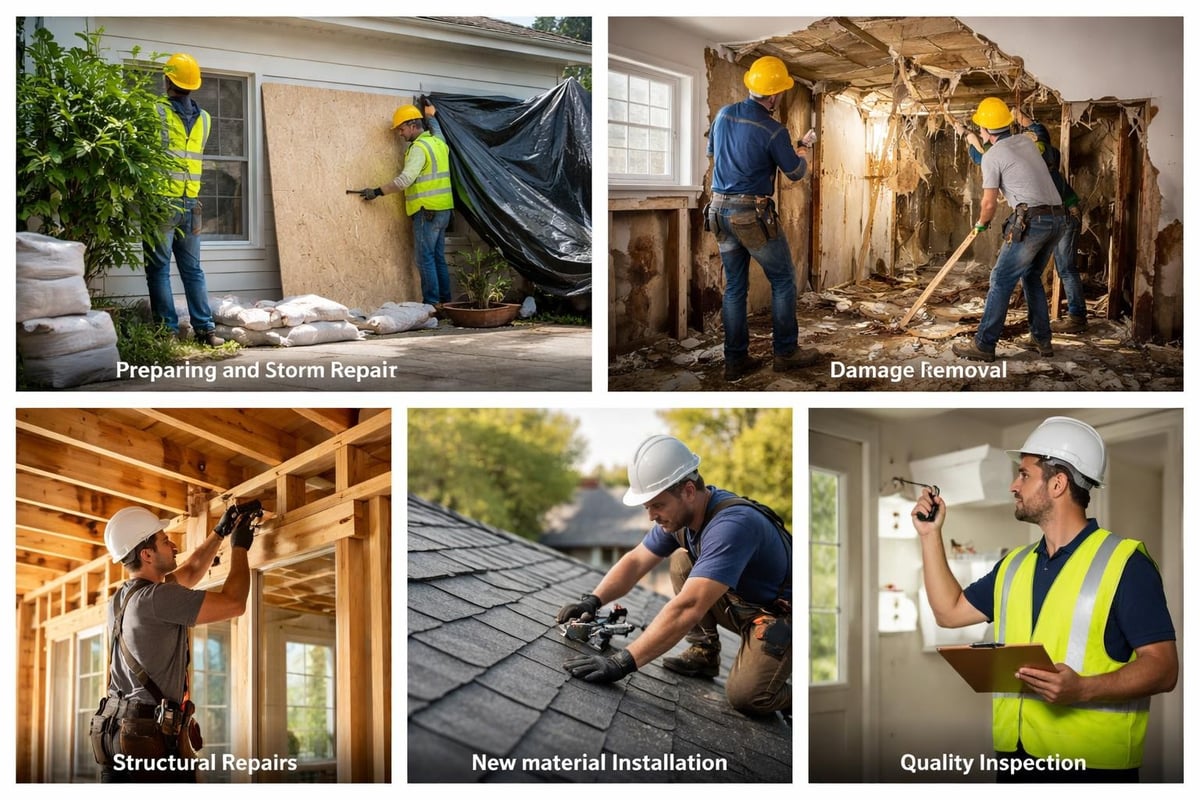
Quality Standards and Code Compliance
Pro storm repair must meet both manufacturer specifications and local building codes. These standards exist to ensure repairs perform properly and last as long as the products are designed to function. Understanding these requirements helps you verify that your contractor delivers work that meets professional standards.
Building Code Requirements
Most jurisdictions in Eastern North Carolina follow the North Carolina Building Code, which incorporates International Building Code standards with state-specific modifications. Storm repairs triggering permits must comply with current code, even if your existing roof was built under older requirements.
Common code requirements affecting storm repairs include:
- Wind resistance ratings appropriate for your geographic zone
- Fire resistance classifications for your building type
- Underlayment specifications providing water protection
- Fastener patterns ensuring adequate attachment
- Ventilation ratios preventing moisture accumulation
When storm damage affects more than a certain percentage of your roof (typically 25-50% depending on jurisdiction), building departments may require the entire roof to meet current code rather than just the repaired sections. This can significantly impact project costs and scope.
Manufacturer Warranties
Roofing materials come with warranties that only remain valid if installation follows manufacturer specifications exactly. Pro storm repair contractors understand these requirements and document compliance to protect your warranty coverage.
Critical warranty considerations:
- Mixing products from different manufacturers often voids coverage
- Improper ventilation can invalidate shingle warranties
- Using incorrect fasteners or spacing affects wind resistance ratings
- Some warranties require specific underlayment or accessory products
Your contractor should provide documentation showing that repairs meet all manufacturer requirements and register warranties in your name where applicable. This protection proves valuable if future issues arise with repaired areas.
Preventive Measures After Repair
Once pro storm repair restores your roof's integrity, taking steps to maintain that condition and prepare for future weather events protects your investment. Best practices for storm-damaged roofs include both immediate post-repair care and long-term maintenance strategies.
Immediate Post-Repair Inspection
After repairs are complete, walk through the work with your contractor before making final payment. This inspection should verify:
- All damaged areas have been addressed properly
- New materials match existing roofing in appearance and quality
- Flashing and seals appear secure and properly installed
- Debris has been removed completely from property
- Documentation is complete for warranty and insurance records
Interior inspection matters just as much as exterior appearance. Check attics and upper-floor ceilings for any signs of moisture or damage that repairs should have addressed. Confirm that ventilation systems function properly and show no obstruction from repair materials or debris.
Long-Term Maintenance Planning
Regular maintenance helps your repaired roof perform as intended and extends its functional lifespan. Schedule annual inspections to catch minor issues before they become major problems, especially after severe weather events.
Maintenance tasks homeowners can handle include:
- Cleaning gutters and downspouts quarterly
- Trimming tree branches that overhang the roof
- Removing debris accumulation in valleys and around vents
- Checking for and addressing any visible damage promptly
- Monitoring attic spaces for moisture or ventilation problems
Professional inspections every 2-3 years provide expert evaluation of components homeowners can't easily assess, including underlayment condition, fastener integrity, and overall system performance. These inspections cost far less than emergency repairs from undetected damage.
Understanding Repair Costs and Value
Pro storm repair costs vary widely based on damage extent, material choices, and local market conditions. Understanding what drives pricing helps you evaluate estimates accurately and recognize when quotes fall outside reasonable ranges.
Cost Factors to Consider
Several elements influence the final cost of storm damage repairs:
| Cost Factor | Impact on Price | Typical Range |
|---|---|---|
| Damage Extent | Directly proportional to area affected | $500 – $15,000+ |
| Material Quality | Premium products cost 20-40% more | Standard to architectural grade |
| Access Difficulty | Steep or tall roofs increase labor | 10-30% premium |
| Code Upgrades | Required improvements add to scope | $1,000 – $5,000+ |
| Permit Fees | Varies by jurisdiction | $100 – $500 |
Insurance typically covers the cost to restore your roof to pre-storm condition using materials of similar kind and quality. Upgrades to better materials or additional improvements usually require out-of-pocket payment for the difference between standard and premium options.
When to Repair vs. Replace
One of the most important decisions in pro storm repair involves determining whether to repair damaged sections or replace the entire roof. This choice depends on multiple factors beyond just the immediate damage visible after a storm.
Situations favoring full replacement:
- Damage affects more than 30-40% of total roof area
- Existing roof was already nearing the end of its expected lifespan
- Multiple previous repairs create a patchwork appearance
- Code requirements for partial repairs approach replacement costs
- Energy efficiency upgrades provide significant long-term savings
Repairing localized damage makes more sense when the roof has substantial remaining life, damage is confined to specific areas, and the existing system performs well otherwise. An honest evaluation from your contractor should weigh both immediate costs and long-term value when making this recommendation.
Emergency Repairs and Temporary Protection
Severe storms sometimes create immediate threats requiring action before comprehensive pro storm repair can begin. Understanding how to handle emergency situations and what temporary measures provide effective protection prevents additional damage while permanent repairs are being planned and scheduled.
Immediate Response Steps
When storm damage compromises your roof's ability to keep water out, quick action limits interior damage and prevents the situation from worsening. Protecting your home after storms starts with safe, effective temporary measures until professionals can provide permanent repairs.
Priority actions after severe damage:
- Document everything with photos and videos before touching anything
- Contact your insurance company to report damage and start the claim
- Arrange temporary protection using tarps or emergency patches
- Move valuables away from areas with active or potential leaks
- Schedule professional inspection as soon as safely possible
Never attempt roof access during dangerous conditions or if you're uncomfortable with heights. Many storm-related injuries occur when homeowners try to assess or repair damage themselves in unsafe conditions. Professional contractors have proper equipment and training for safe roof access.
Professional Temporary Repairs
Emergency tarping and temporary repairs provide crucial protection while you work through the insurance process and schedule permanent repairs. These measures should be performed by professionals who understand proper installation methods that won't cause additional damage or interfere with later repairs.
Quality temporary repairs include adequate fastening that won't blow off in subsequent weather, proper overlap and sealing to prevent water intrusion, and installation methods that minimize damage to remaining intact roofing. Most insurance policies cover reasonable costs for emergency protection as part of your claim.
Understanding the complete pro storm repair process empowers you to make confident decisions when severe weather damages your roof. From initial assessment through final inspection, knowing what to expect at each stage helps you work effectively with contractors, navigate insurance requirements, and ensure repairs restore your roof's full protective function. The investment in professional storm repair protects not just your roof, but your entire home and everything in it.
Storm damage requires prompt, professional attention to prevent further problems and restore your home's protection. NC Roofs provides honest storm damage assessment, clear repair recommendations, and straightforward pricing throughout Eastern North Carolina. Whether you need minor repairs or complete restoration, our team helps you understand your options and make informed decisions based on actual damage, fair costs, and what makes sense for your home. Contact NC Roofs today for a thorough evaluation of your storm damage and a clear path forward.