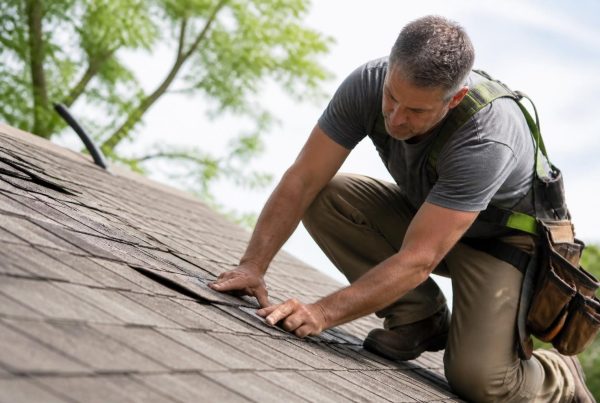
When a severe storm rolls through Eastern North Carolina or a tree limb crashes onto your roof at midnight, you face an immediate decision. Emergency roof repairs require quick thinking, but rushing without a plan often creates more problems than it solves. Understanding what qualifies as a true emergency, knowing which temporary measures actually protect your home, and recognizing when professional help becomes non-negotiable can mean the difference between minor repairs and extensive structural damage. This guide walks you through the practical steps every homeowner should know when their roof demands immediate attention.
Recognizing a True Roofing Emergency
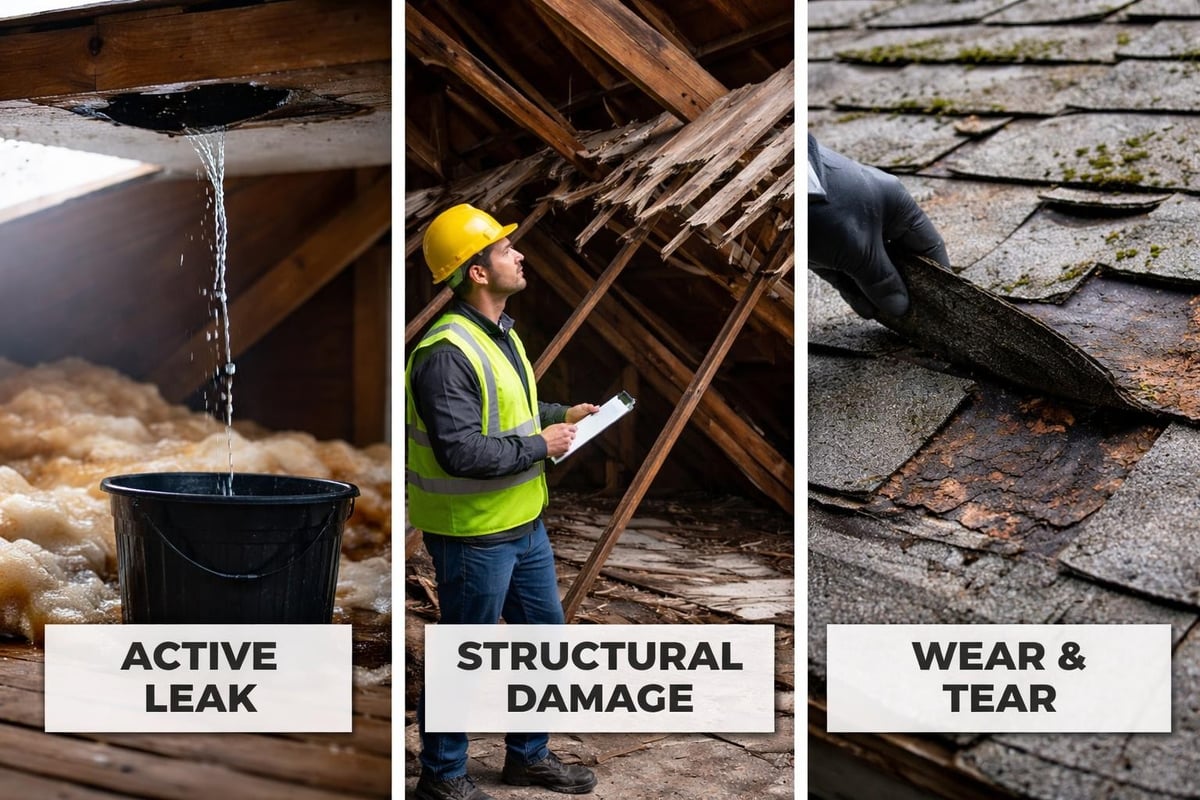
Not every roof problem requires a midnight panic call. A genuine roofing emergency involves active water intrusion, structural compromise, or conditions that will rapidly worsen without intervention.
Active leaks during weather events top the emergency list. When water pours through your ceiling during a rainstorm, you're watching real-time damage to insulation, drywall, electrical systems, and personal belongings. The longer water flows, the more expensive the total repair becomes.
When to Act Immediately
Certain situations demand action within hours, not days:
- Missing shingles or sections that expose underlayment to rain
- Punctures or holes from fallen trees or flying debris
- Lifted or torn flashing around chimneys, vents, or valleys
- Sagging roof sections indicating structural damage
- Ice dam formation causing water backup under shingles
A slow drip that appears after rain but stops when weather clears represents a different timeline. You still need repairs, but you have breathing room to assess properly and schedule work during normal hours.
False Alarms and Secondary Issues
Water stains on ceilings don't always mean you need emergency roof repairs. The stain might come from an old leak that's already dried, condensation in your attic, or plumbing issues. Before climbing onto your roof during a storm, check your attic space with a flashlight to confirm the water source.
Granule loss from asphalt shingles looks concerning but rarely constitutes an emergency unless shingles are completely bare. Similarly, minor curling or lifting at shingle edges signals aging but won't cause immediate damage in most weather conditions.
Safety First: What Never to Do
Before discussing temporary fixes, understand the absolute rules that keep you safe. The National Roofing Contractors Association emphasizes that homeowner safety outweighs property protection in every scenario.
Never walk on a wet, damaged, or icy roof. This bears repeating because adrenaline during emergencies clouds judgment. A wet roof becomes dangerously slippery, damaged sections may not support your weight, and ice creates conditions where even professionals refuse to work.
Ground-Level Priorities
Handle what you can from inside and from ground level:
- Move belongings away from active leaks
- Place buckets to contain water and prevent floor damage
- Document everything with photos and videos for insurance
- Turn off electricity to affected areas if water contacts fixtures
- Contact your insurance company before making temporary repairs
Working at heights during storms combines multiple risk factors. Wind gusts, reduced visibility, wet surfaces, and electrical hazards from power lines make roof access extremely dangerous. According to Deschutes Roofing’s emergency guidance, most homeowner injuries during roof emergencies happen when people attempt repairs they should have left to professionals.
Temporary Measures That Actually Work
Once you've secured safety inside your home, certain temporary solutions can minimize damage until professional help arrives. These aren't permanent fixes but proven stopgaps.
Tarping: The Right Way
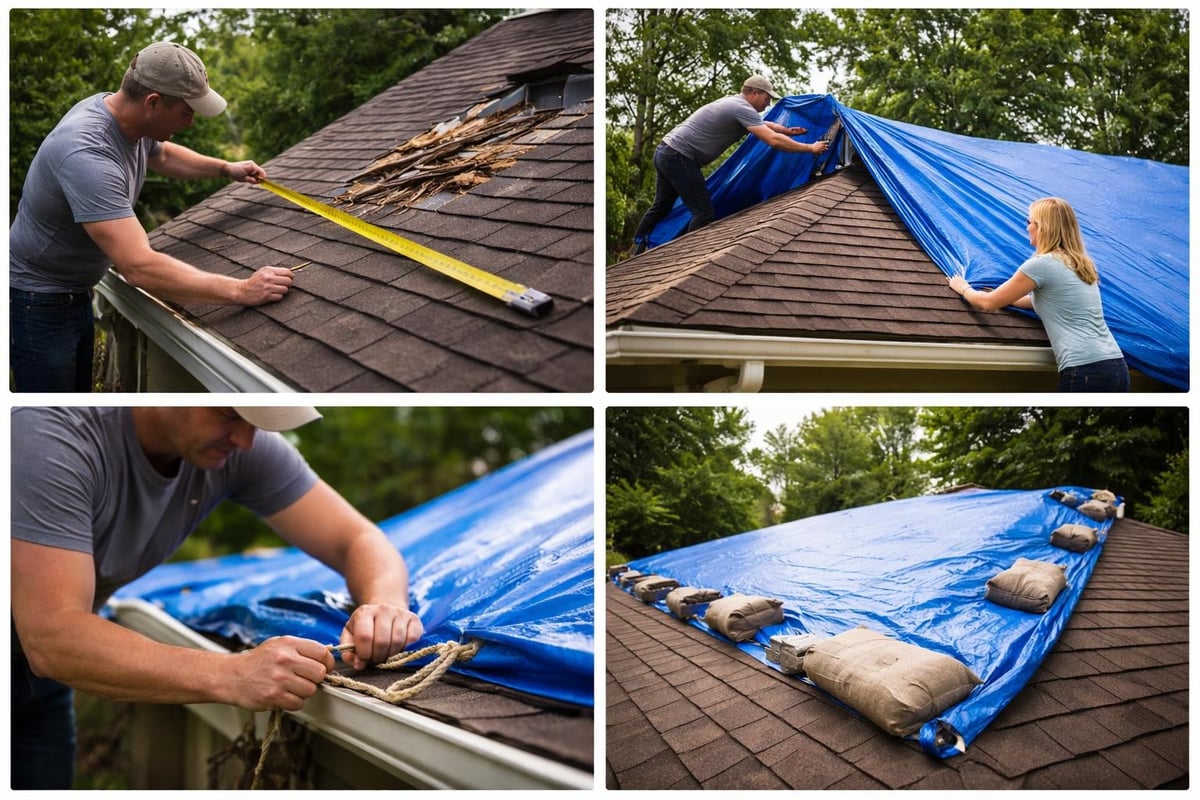
Heavy-duty tarps (minimum 6-mil thickness) provide the most effective temporary protection. The key lies in proper installation:
- Extend the tarp past the damaged area by at least 4 feet on all sides
- Run one edge over the roof ridge if possible to prevent water from flowing underneath
- Secure with wood strips and roofing nails, never penetrating undamaged roofing
- Weight corners with sandbags rather than penetrating the tarp itself
This emergency repair checklist details how to position tarps effectively based on damage location. For damages near roof edges, extending the tarp over the fascia board creates a water-shedding barrier.
Interior Damage Control
While exterior tarping provides primary protection, interior measures prevent secondary damage:
| Action | Purpose | Timing |
|---|---|---|
| Puncture water-swollen ceiling | Controlled drainage | Immediately if bulging |
| Run dehumidifiers | Prevent mold growth | Within 24-48 hours |
| Remove wet insulation | Stop ongoing water absorption | Once leak is contained |
| Circulate air with fans | Speed drying process | Continuous until dry |
Roofing cement works for small holes or lifted shingles you can reach safely from a ladder. Apply generously around the damaged area and press materials flat. This provides hours or days of protection but isn't a substitute for proper repairs.
What to Tell Your Insurance Company
Documentation shapes your insurance claim outcome more than most homeowners realize. Insurance adjusters need specific information to process emergency roof repairs quickly.
Critical Documentation Steps
Start photographing damage before making any temporary repairs. Capture:
- Wide shots showing overall roof condition
- Close-ups of specific damage points
- Interior damage including ceiling stains, wall damage, and affected belongings
- Date-stamped images using your phone's automatic timestamp feature
According to All For One Roofing’s emergency checklist, insurance companies specifically look for proof that damage occurred during a covered event rather than from gradual wear.
The First Phone Call
When you contact your insurance company, provide:
- Policy number and property address
- Date and time damage occurred
- Cause of damage (storm, fallen tree, etc.)
- Extent of damage both to roof and interior
- Temporary measures you've taken
Ask about emergency repair limits in your policy. Most homeowner policies allow reasonable temporary repairs without pre-approval, but "reasonable" has specific dollar limits. Exceeding these limits without authorization can leave you paying the overage.
When Professional Help Becomes Essential
Some situations exceed DIY capabilities regardless of your skill level. Knowing when to call for help prevents injuries and avoids making damage worse.
Clear Indicators You Need a Professional
Structural damage requires immediate professional assessment. If you notice sagging roof sections, cracked rafters visible from your attic, or portions of your roof that have shifted position, evacuation might be necessary before repairs even begin.
Large-scale damage covering multiple roof sections or involving multiple penetrations needs coordinated repair with proper materials and sequencing. Homeowner fixes across large areas often create more leak points than they solve.
For Eastern North Carolina homeowners dealing with urgent issues, roof repair services focused on addressing what actually needs attention provide clear assessments before any work begins, ensuring you understand your options based on actual damage rather than rushed decisions.
Questions to Ask Emergency Roofers
Not all emergency roofing services operate with the same standards. Before agreeing to work:
- Are you licensed and insured for work in North Carolina?
- What's your assessment process before starting repairs?
- Do you provide written estimates even for emergency work?
- How do your emergency rates compare to standard service?
- What warranty covers emergency repairs?
Beware of storm chasers who appear in neighborhoods immediately after severe weather. Legitimate local contractors don't need to knock on doors. They have established reputations and verifiable histories in the community.
Common Emergency Scenarios and Responses
Different types of damage require specific approaches. Understanding these scenarios helps you respond appropriately when time matters.
Fallen Tree or Large Branches
A tree or major branch punching through your roof creates both immediate damage and ongoing risk. The weight might have compromised structural members, and removing the tree incorrectly can cause additional damage.
Never attempt to remove large trees or branches yourself. This requires professional equipment and knowledge of load distribution. Your immediate priority involves tarping around the penetration if you can do so safely from inside your attic.
Wind-Lifted Shingles
High winds often lift shingle sections without completely removing them. These partially attached shingles flap in subsequent winds, progressively loosening nails and expanding damage.
From ground level, you can sometimes spot lifted sections by their different angle compared to surrounding shingles. Emergency repair techniques suggest weighing down lifted sections with sandbags if you can place them safely, though this provides only temporary help.
Ice Dam Breaches
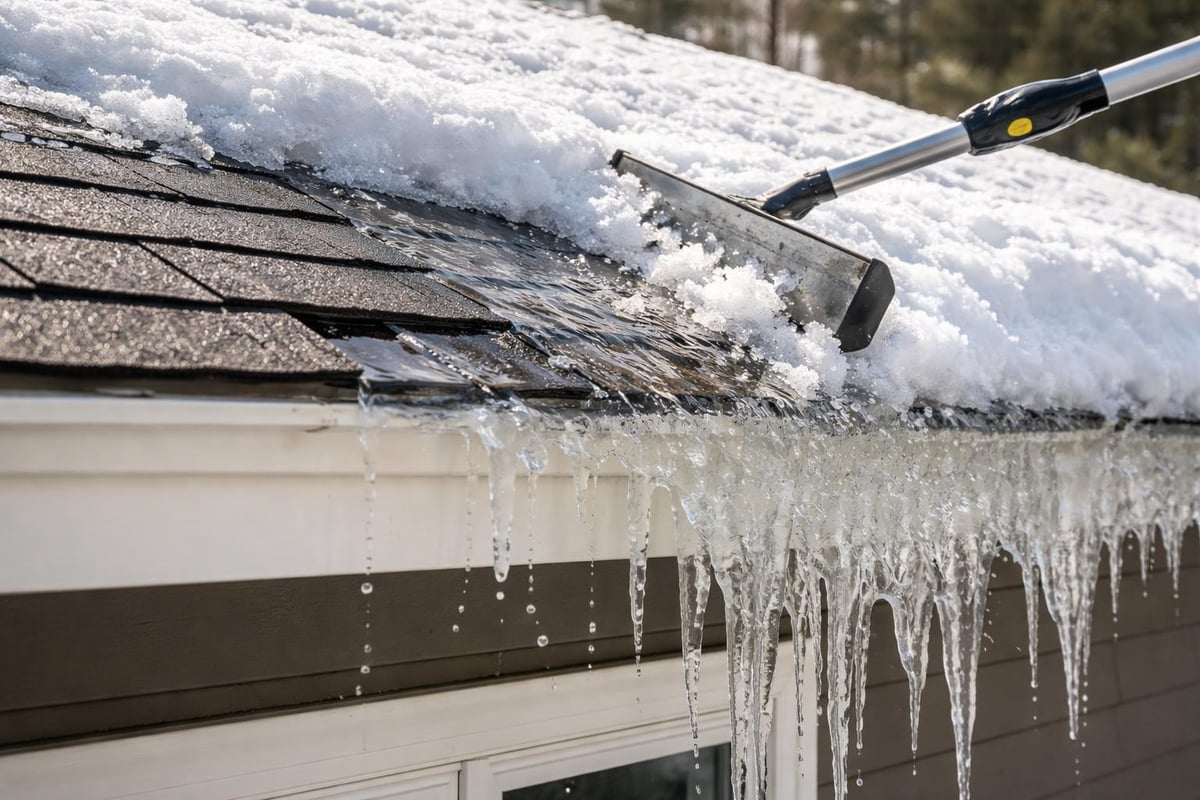
Ice dams form when heat from your attic melts roof snow, which then refreezes at the roof edge. The ice buildup forces water under shingles, creating leaks that appear far from the actual ice.
Breaking ice dams by chipping at them damages shingles and gutters. Instead:
- Run a box fan in your attic to increase cold air circulation
- Use calcium chloride ice melt in a fabric tube laid vertically across the dam
- Clear snow from your roof with a roof rake to prevent additional melting
Long-term solutions involve improving attic insulation and ventilation, but emergency response focuses on managing water intrusion.
After the Emergency: Next Steps
Once you've contained immediate damage and weather has cleared, your focus shifts to permanent repairs and preventing recurrence.
Getting Proper Assessments
Schedule inspections with at least two qualified roofing contractors. Emergency situations tempt homeowners to accept the first available option, but assessment quality varies significantly. According to FacilitiesNet’s emergency roofing guidance, proper assessment identifies not just obvious damage but contributing factors that might cause future issues.
During assessments, contractors should:
- Access your attic to check for structural damage, wet insulation, and proper ventilation
- Examine the entire roof system, not just damaged areas
- Explain what caused the failure and whether other areas show similar vulnerability
- Provide written estimates separating emergency repairs from recommended additional work
Coordinating with Insurance
Your insurance adjuster will visit to assess damage. Having professional estimates before this visit helps you understand whether the adjuster's assessment seems reasonable. Some important considerations for understanding the roofing process include knowing that insurance companies often prefer certain repair approaches based on policy terms rather than just contractor recommendations.
Document all communications with your insurance company, including dates, representative names, and what was discussed. If your claim is denied or you disagree with the settlement amount, this documentation becomes essential for appeals.
Temporary vs. Permanent Repairs
Insurance companies typically cover temporary emergency repairs as part of your claim. However, they want these repairs done reasonably, not as permanent solutions at emergency pricing.
| Repair Type | Timeline | Insurance Coverage | Cost Factor |
|---|---|---|---|
| Emergency tarping | Same day | Usually covered | 2-3x normal rates |
| Temporary patches | Within 1 week | Generally covered | 1.5-2x normal rates |
| Permanent repairs | Scheduled work | Covered per policy | Standard rates |
| Full replacement | May require scheduling | If damage warrants | Standard rates |
Avoid converting temporary fixes into permanent repairs without proper assessment. That emergency patch might stop water for now, but if underlying damage exists, you're setting up future failures.
Prevention: Reducing Future Emergency Risk
While you can't prevent every emergency, certain maintenance practices significantly reduce emergency frequency and severity.
Regular Inspection Schedule
Twice-yearly inspections, ideally in spring and fall, catch developing issues before they become emergencies. From ground level with binoculars, check for:
- Missing, cracked, or curling shingles
- Damaged or missing flashing
- Granule accumulation in gutters
- Sagging sections or uneven roof planes
- Damaged or deteriorating seals around vents and chimneys
For homeowners exploring broader roofing topics, understanding how different roofing materials age helps identify when small issues might accelerate into emergency situations.
Tree Management
Overhanging branches represent the most preventable cause of emergency roof repairs. Trees growing within 10 feet of your roof should be trimmed regularly. Dead trees or those showing significant lean toward your house warrant removal before storms arrive.
After major storms, inspect for hanging branches (widow-makers) that might fall later even though immediate weather has passed. These delayed falls often catch homeowners off-guard when they've already relaxed after the main event.
Ventilation and Moisture Control
Proper attic ventilation prevents many emergencies by reducing ice dam formation in winter and heat damage to shingles in summer. Your attic should maintain temperatures close to outdoor temperatures. If your attic feels significantly warmer than outside on a winter day, inadequate ventilation is degrading your roof system.
Signs of ventilation problems include:
- Ice dams forming along roof edges
- Mold or mildew in attic spaces
- Rusty nails visible from inside the attic
- Wavy or buckled shingles
- Higher than expected cooling costs
Understanding Emergency Service Pricing
Emergency roof repairs cost more than scheduled work. Understanding why helps you evaluate whether quoted prices are fair or exploitative.
Legitimate Cost Factors
After-hours response means pulling crews from other commitments or calling them in during off-hours. This labor premium typically adds 50-100% to standard rates. Weekend or holiday emergencies often carry even higher premiums.
Material availability during widespread storm damage affects pricing. When every homeowner in Eastern North Carolina needs tarps and emergency supplies simultaneously, prices increase through basic supply and demand.
Warning Signs of Price Gouging
While premiums are normal, certain practices cross into exploitation:
- Requiring full payment before starting any work
- Refusing to provide written estimates
- Quoting prices 3-5 times normal rates without justification
- Pressuring immediate decisions without allowing time to contact insurance
- Offering significant discounts only if you sign immediately
According to Bondoc Roofing’s emergency tips, reputable contractors understand that emergency situations require quick response but not rushed decision-making about permanent repairs.
Special Considerations for Different Roof Types
Emergency responses vary based on your roof's construction and materials. What works for asphalt shingles might damage a metal roof or fail entirely on flat roofing systems.
Asphalt Shingle Emergencies
The most common residential roofing material, asphalt shingles handle emergency repairs relatively well. Damaged sections can be isolated, and temporary patches adhere effectively. However, matching old shingles for repairs becomes difficult as colors fade and product lines change.
Metal Roofing Damage
Metal roofs resist many types of damage but can suffer catastrophic failures when panels separate or fasteners fail. Walking on metal roofing requires extreme caution as the material becomes slippery when wet and can dent under concentrated weight.
Emergency repairs to metal roofing often require specialized fasteners and sealants. Standard roofing cement doesn't adhere well to metal surfaces, and improper temporary fixes can trap water against the metal, accelerating corrosion.
Flat or Low-Slope Roofs
Flat roofs present unique emergency challenges. Water pools rather than draining, making leak source identification difficult. Tarping flat roofs effectively requires different techniques than sloped roofs, as you can't rely on gravity to shed water away from damage.
For properties with specialized roofing needs, understanding material-specific emergency responses prevents well-intentioned fixes from creating additional problems.
Building Your Emergency Response Kit
Before emergencies strike, assembling basic materials saves crucial time when problems occur. This isn't about enabling dangerous DIY attempts but having tools for safe, ground-level damage control.
Essential Supplies
Keep readily accessible:
- Heavy-duty tarps (at least two 10×12 or larger)
- Roofing cement or sealant
- Buckets of various sizes
- Flashlights with fresh batteries
- Extension ladder rated for your weight plus 20%
- Rope and bungee cords
- Waterproof work gloves
- Camera or smartphone for documentation
Store these items where you can access them even if parts of your home lose power or become unsafe. A garage, shed, or outdoor storage cabinet works better than an attic or basement that might flood.
Information Preparedness
Beyond physical supplies, keep critical information organized:
- Insurance policy details including 24-hour claim numbers
- Trusted contractor contacts researched before emergencies
- Roof documentation including age, material, last repair dates
- Home inventory photos for insurance purposes
Guidance from Signature Roofing emphasizes that information preparedness often determines claim outcomes more than physical damage extent.
Emergency roof repairs test both your preparation and judgment when conditions demand quick action. The most important takeaway is prioritizing safety over property protection, documenting everything for insurance purposes, and knowing which temporary measures actually protect your home until proper repairs can be scheduled. When you need clear answers and honest assessment without pressure, NC Roofs provides straightforward guidance focused on what your roof actually needs, ensuring decisions are based on condition and real costs rather than emergency-driven upsells.