Wind creates some of the most common roof problems homeowners face across Eastern North Carolina. Unlike sudden hail impacts or falling tree limbs, wind damage to roof systems often happens gradually and can be hard to spot from ground level. Understanding how wind affects your roof helps you know what to look for after storms, when to call for an inspection, and how to protect your home before the next weather event arrives.
How Wind Affects Different Roof Components
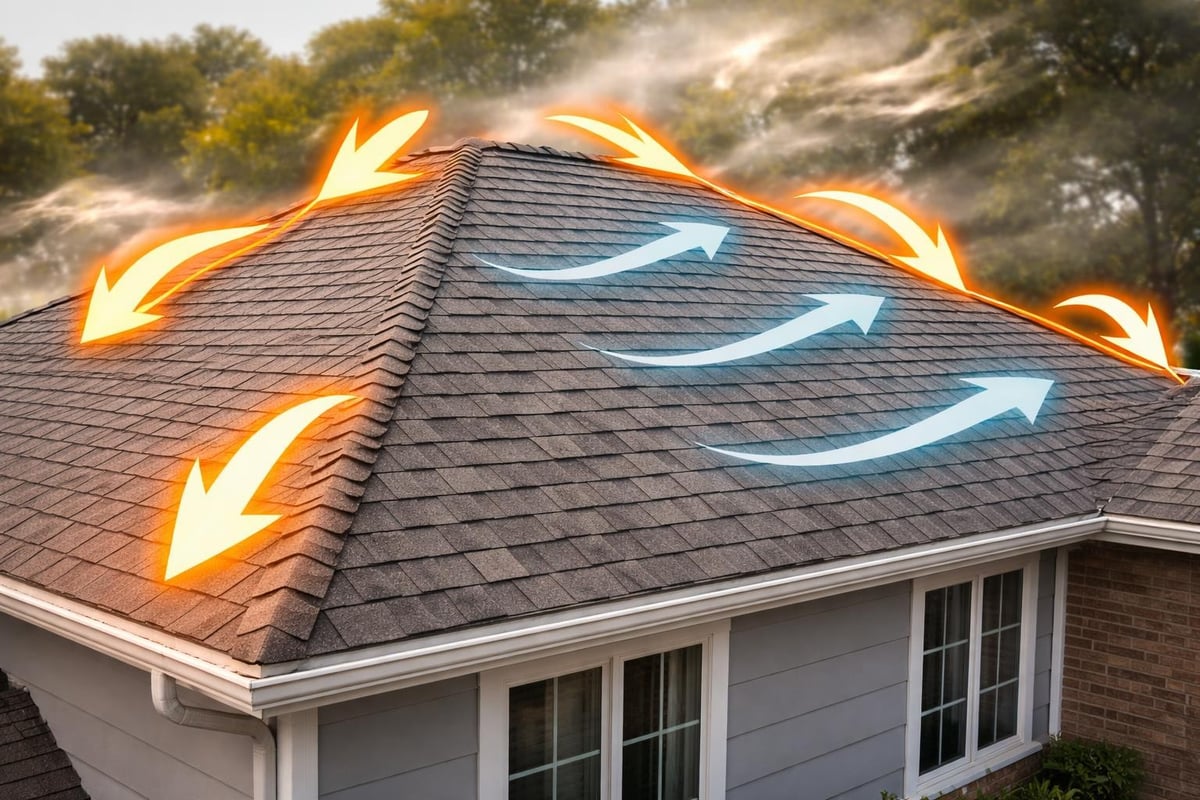
Wind doesn't just push against your roof like a flat surface. Air moves over and around your home in complex patterns, creating both downward pressure and upward suction. These forces work together to stress different parts of your roof in different ways.
Shingles face multiple wind forces:
- Uplift pressure tries to pull them away from the roof deck
- Horizontal forces slide them sideways
- Vibration weakens adhesive bonds over time
- Temperature changes make materials expand and contract
The edges and corners of your roof experience the strongest forces. Wind accelerates as it flows over your roofline, creating negative pressure zones that pull hardest at perimeter areas. That's why you'll often see wind damage concentrated at roof edges, ridges, and gable ends.
Common Damage Patterns by Material Type
Different roofing materials respond to wind stress in distinct ways. Asphalt shingles may lift or tear along their tabs. Metal panels can separate at fasteners or develop loose seams. Flat roofing membranes might balloon or peel at the edges.
| Material Type | Primary Wind Vulnerability | Typical Damage Pattern |
|---|---|---|
| Asphalt Shingles | Tab adhesion | Lifted corners, missing pieces |
| Metal Panels | Fastener points | Loose edges, separated seams |
| Tile | Mortar bonds | Cracked or displaced tiles |
| Flat Membrane | Edge flashings | Ballooning, peeling, tears |
Age plays a significant role in how well materials withstand wind. A ten-year-old roof with sun-damaged shingles will fail at lower wind speeds than a newer installation. The assessment of wind damage often requires understanding both the wind event and the roof's pre-existing condition.
Recognizing Wind Damage from Ground Level
Most homeowners can spot obvious problems like missing shingles, but wind damage to roof systems often shows more subtle signs. Learning what to look for helps you catch problems before they turn into leaks.
Visible exterior indicators include:
- Curling or lifting shingle edges
- Granule loss in concentrated areas
- Displaced ridge caps
- Loose or missing flashing
- Debris accumulation in valleys
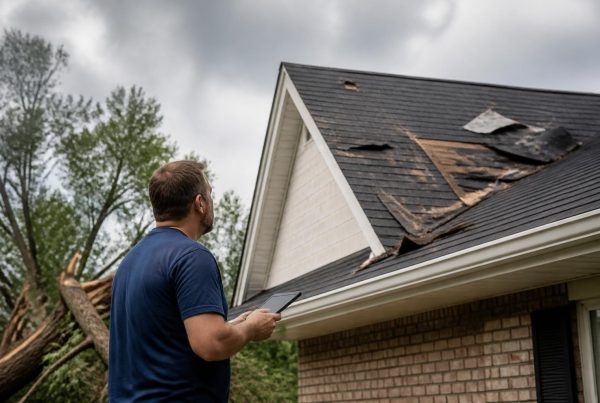
Walk around your home after any significant storm. Look at your roof from multiple angles, checking especially the corners and edges where wind forces concentrate. Don't climb onto your roof, even if damage seems minor. Professional inspectors have the proper equipment and training to safely evaluate storm impacts.
Interior Warning Signs
Wind damage doesn't always show from outside first. Sometimes the earliest clues appear inside your home. Water stains on ceilings or walls suggest compromised weather barriers. Light visible through the attic during daytime points to gaps in the roof deck or underlayment.
Check your attic after wind events. Look for:
- Daylight visible through roof boards
- Wet insulation
- Water stains on rafters
- Displaced or damaged underlayment
- Lifted nail heads
Temperature changes in specific rooms can also signal problems. If one bedroom suddenly feels drafty or harder to heat, wind may have created gaps in that section of your roof system.
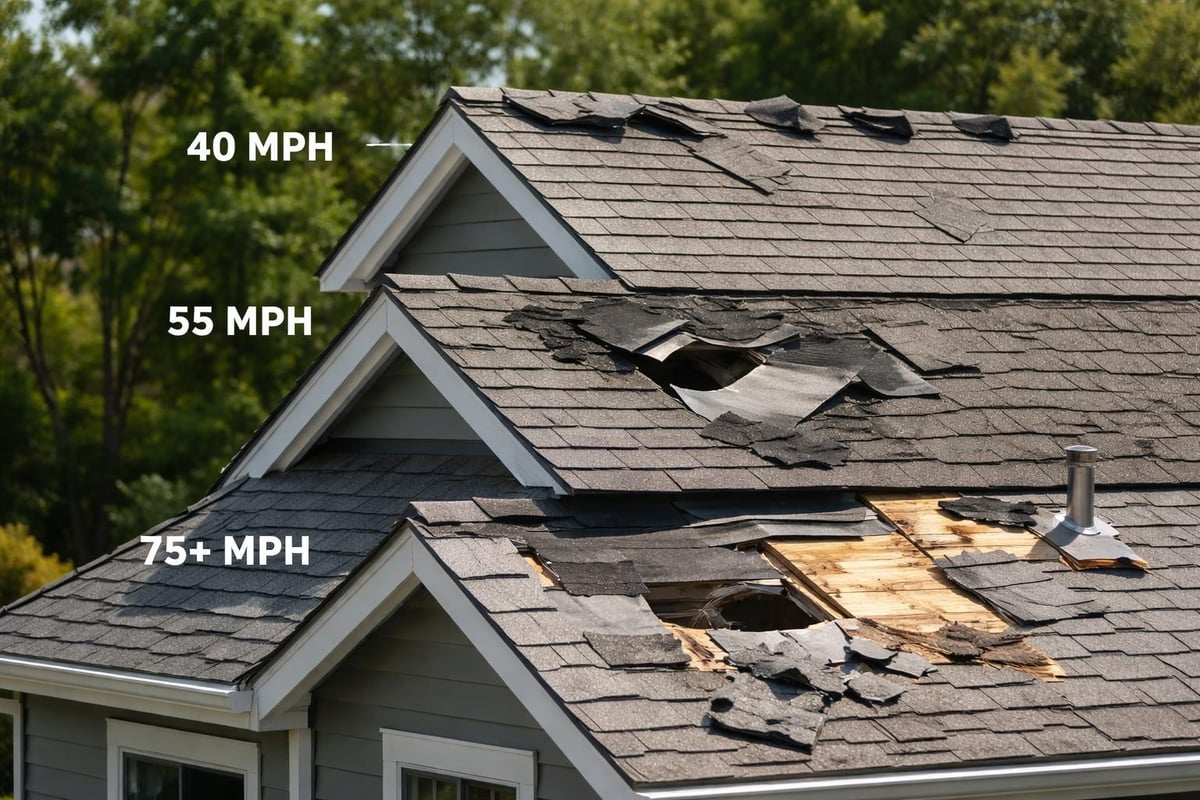
Wind Speed Thresholds and Damage Risk
Not every windy day threatens your roof. Understanding the relationship between wind speeds and potential damage helps you know when to schedule inspections.
Wind damage thresholds by speed:
- 40-50 mph: Loose or aging shingles may lift
- 50-60 mph: Well-maintained roofs begin showing stress
- 60-75 mph: Expect localized damage to most roofs
- 75+ mph: Significant damage likely across all roof types
These numbers represent sustained winds, not gusts. A storm with 45 mph sustained winds might produce 60 mph gusts that cause more damage than the base wind speed suggests. Wind-related damage assessment considers both sustained speeds and peak gusts when determining probable causes.
Regional Considerations for Eastern North Carolina
Coastal areas face different wind challenges than inland locations. Salt air accelerates material deterioration. Hurricane-force winds create extreme uplift. Even tropical storm remnants can damage roofs already weakened by humidity and UV exposure.
Eastern North Carolina homes deal with frequent severe thunderstorms between April and September. These storms may not reach hurricane intensity, but straight-line winds of 60-70 mph occur multiple times per season in many counties. Regular inspections matter more here than in regions with gentler weather patterns.
The Connection Between Roof Age and Wind Resistance
A new roof and a twenty-year-old roof react very differently to the same wind event. Understanding this relationship helps you make better decisions about repairs versus replacement.
Asphalt shingles lose wind resistance gradually. Factory adhesive strips that bond tabs together weaken with heat cycling. Granules that protect against UV rays wash away. The mat underneath becomes brittle. By year fifteen, even a properly installed roof has significantly less wind resistance than when new.
Factors that accelerate wind vulnerability:
- Direct sun exposure on south and west slopes
- Poor attic ventilation causing heat buildup
- Previous storm damage that wasn't fully repaired
- Original installation defects
- Tree debris creating constant abrasion
If your roof approaches the fifteen-year mark and you experience wind damage, repair costs should be weighed against replacement value. Sometimes fixing isolated wind damage makes sense. Other times, addressing current damage reveals how vulnerable the entire roof has become.
Installation Quality Matters Long-Term
Two identical roofs installed the same day can have vastly different wind resistance ten years later if one was installed better than the other. Proper nail placement, adequate adhesive, correct overlap, and proper flashing all contribute to how well a roof handles wind stress over decades.
Common installation issues that reduce wind resistance include:
- Nails placed too high on shingles
- Insufficient nailing (four nails instead of six)
- Missing starter strips at eaves
- Inadequate edge metal
- Improperly sealed penetrations
You can't easily inspect these details after installation, which is why choosing experienced installers matters. The prevention of wind damage starts with proper installation and continues with regular maintenance.
Post-Storm Inspection and Documentation
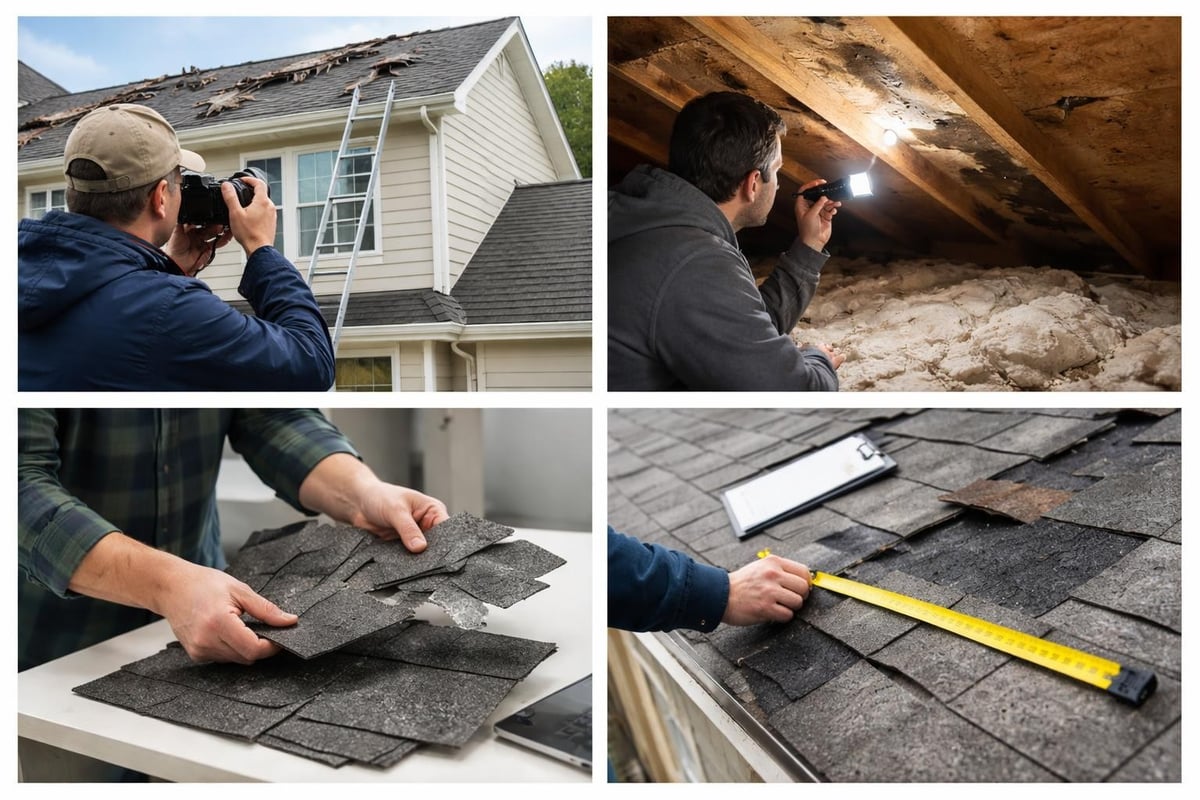
After any significant wind event, a systematic approach to inspection and documentation protects both your home and your insurance interests. Even if you see no obvious damage, hidden problems may exist.
Recommended post-storm checklist:
- Walk the perimeter photographing all four roof slopes
- Check gutters for excessive granule accumulation
- Inspect the attic for light penetration or moisture
- Document any loose or damaged materials
- Note the date and estimated wind speeds
Professional assessment of storm damage provides documentation insurance companies respect. A detailed report identifies wind damage specifically, separating it from normal wear or other causes. This distinction matters when filing claims.
Working with Insurance After Wind Events
Insurance policies cover wind damage differently than other perils. Understanding your coverage before you need it prevents surprises during the claims process.
Most homeowners policies include wind coverage as a standard peril, but deductibles may apply differently than for other damage types. Some coastal policies have separate wind deductibles calculated as a percentage of your home's value rather than a flat dollar amount.
| Coverage Aspect | What to Verify | Why It Matters |
|---|---|---|
| Wind Deductible | Flat amount vs. percentage | Affects out-of-pocket costs |
| Age Limitations | Depreciation schedules | May reduce payout on older roofs |
| Matching Requirements | Extent of coverage area | Determines partial vs. full replacement |
| Inspection Timeframe | Reporting deadlines | Late claims may be denied |
Contact your insurance company within days of any significant wind event, even if damage seems minor. Delayed reporting can complicate claims. Get your own professional inspection before the insurance adjuster arrives so you understand what damage exists.
Preventive Measures That Actually Work
You can't prevent wind from hitting your home, but you can reduce how much damage it causes. Some preventive measures cost very little. Others require investment but pay off through extended roof life and fewer emergency repairs.
High-value preventive actions:
- Annual professional inspections to catch small problems
- Prompt repair of lifted or damaged shingles
- Tree trimming to reduce debris and impact risk
- Proper attic ventilation to prevent heat damage
- Regular gutter cleaning to prevent water backup
The most overlooked preventive measure is addressing small damage quickly. A single lifted shingle edge costs almost nothing to repair this month. Left alone, wind gets underneath, lifts more shingles, and creates a repair area ten times larger by next season.
Roof Design Features That Improve Wind Resistance
If you're planning replacement rather than repair, certain design choices significantly improve wind performance. Hip roofs handle wind better than gable roofs because they have no large flat ends for wind to push against. Four-slope designs shed wind more effectively than two-slope designs.
Modern building codes in wind-prone regions specify enhanced fastening requirements. Even if your area doesn't require these standards, many make sense as upgrades. Six nails per shingle instead of four. Ring-shank nails instead of smooth. Sealed tabs instead of standard adhesive.
Edge metal that extends up the roof slope rather than just covering the edge provides better uplift resistance. Enhanced underlayment adds another layer of protection if shingles fail. These upgrades cost more initially but reduce long-term wind damage risk substantially.
Making Repair or Replace Decisions
Wind damage to roof systems forces a decision: repair what's damaged or replace the whole roof. The right choice depends on multiple factors beyond just current damage extent.
A roof more than fifteen years old with scattered wind damage probably needs replacement. Repairing isolated areas leaves the rest of the roof vulnerable to the next wind event. You'll likely face another repair call within a year or two.
Consider replacement when:
- The roof exceeds two-thirds of its expected lifespan
- Damage affects more than 25% of any slope
- Previous repairs already exist from earlier storms
- Matching existing shingles is difficult or impossible
- Energy costs have increased due to poor insulation
Repair makes sense for newer roofs with isolated damage, especially if the rest of the system remains in good condition. A three-year-old roof that loses shingles in one corner during a severe storm doesn't need complete replacement. Targeted repairs restore full function at reasonable cost.
Getting Accurate Assessments
The challenge with wind damage is distinguishing between damage requiring immediate action and normal wear that can wait. Some roofing companies recommend replacement for minor damage. Others minimize serious problems.
An honest assessment starts with understanding what you're looking at. Request detailed documentation showing specific damage locations. Ask how age affects the decision. Get explanations for why certain repairs are recommended and others aren't.
Second opinions make sense for major decisions. If one company recommends full replacement and quotes $15,000 while another suggests $800 in repairs, you need more information. Understanding what actually needs attention helps you make decisions based on your roof's real condition rather than sales pressure.
Understanding Wind Damage vs. Normal Aging
Not every roof problem after a windstorm qualifies as wind damage. Distinguishing between storm impacts and expected aging matters for insurance claims, repair decisions, and long-term planning.
Wind damage shows specific characteristics. Shingles tear along edges or tabs. Underlayment peels back in concentrated areas. Flashing separates from mounting points. The damage has clear directionality and often appears more severe on specific slopes based on wind direction.
Normal aging looks different. Granule loss happens evenly across sun-exposed areas. Shingles curl gradually at edges. Cracking occurs in random patterns. These changes develop slowly over years, not suddenly after a storm.
Key differences in damage patterns:
| Wind Damage | Normal Aging |
|---|---|
| Concentrated in specific areas | Distributed across entire roof |
| Missing or torn materials | Cracked or curled materials |
| Sudden appearance after storm | Gradual development |
| Directional pattern visible | No clear pattern |
| Affects newer materials | Primarily on older installations |
Professional forensic assessment uses these distinctions to determine whether damage resulted from a specific wind event or accumulated over time. Insurance adjusters apply similar criteria when evaluating claims.
When to Call for Professional Help
Some situations require immediate professional attention. Others can wait for scheduled maintenance. Knowing the difference helps you respond appropriately without overreacting or ignoring serious problems.
Call immediately if you notice:
- Active leaks during or after storms
- Large sections of missing shingles
- Sagging roof deck
- Exposed underlayment
- Separated flashing around chimneys or vents
These conditions allow water infiltration or will worsen quickly with additional weather exposure. Emergency repairs prevent secondary damage to interior spaces and structural components.
Schedule inspections within a few weeks for less urgent issues. Lifted shingle corners, minor granule loss, or small debris accumulation don't require emergency response but shouldn't be ignored indefinitely. Regular maintenance prevents small problems from becoming urgent repairs.
What Professional Inspections Actually Cover
A thorough wind damage inspection examines more than just visible shingle condition. Professionals check structural components, underlayment integrity, flashing condition, and ventilation adequacy. They also look for previous repair attempts that may affect current performance.
Expect inspectors to access your attic, photograph all roof slopes, and provide written documentation of findings. Reports should specify which damage likely resulted from recent wind events versus pre-existing conditions. This documentation supports insurance claims and helps you plan repairs based on actual priorities.
The inspection should result in clear recommendations, not just a damage list. You need to understand what requires immediate attention, what can wait, and what represents normal wear for your roof's age. Quality roofing services provide this context so you can make informed decisions.
Material Selection for Wind-Prone Areas
If you're replacing a wind-damaged roof, material choice affects how the new installation performs in future storms. Different products offer varying levels of wind resistance, with performance ratings that help you compare options.
Wind resistance ratings to understand:
- Class D: Rated for winds up to 90 mph
- Class G: Rated for winds up to 120 mph
- Class H: Rated for winds up to 150 mph
These ratings reflect performance when products are installed according to manufacturer specifications. Proper installation matters as much as the rating itself. The best shingles installed incorrectly will fail before properly installed standard shingles.
Impact resistance ratings matter too. IR Class 4 shingles resist hail damage better than lower classes, but they also tend to handle wind stress better due to their reinforced construction. The modest price premium often makes sense in areas with frequent severe weather.
Balancing Cost and Performance
The highest-rated materials aren't always necessary or cost-effective. A Class H shingle designed for hurricane zones provides more protection than most Eastern North Carolina homes need. Class D or G products properly installed handle typical wind events while costing significantly less.
Focus on proper installation details rather than just material ratings. Correct nail count and placement, sealed edges, and enhanced underlayment in vulnerable areas often provide better wind protection than premium shingles installed to minimum standards.
Ask potential contractors how they address wind resistance beyond basic code requirements. Six nails per shingle costs almost nothing extra but significantly improves performance. Starter strips at rakes and eaves prevent edge lifting. These details matter more than most homeowners realize.
Wind damage to roof systems requires prompt attention and honest assessment. Understanding how wind affects different materials, what signs indicate problems, and when repair makes more sense than replacement helps you protect your home without overspending on unnecessary work. If you've experienced storm damage or want to prevent problems before they start, NC Roofs provides clear inspections and straightforward recommendations focused on what your roof actually needs. We serve Eastern North Carolina with honest guidance and fair pricing, helping you make the right decision for your home and budget.