Choosing a north carolina roofer means more than just comparing quotes. It means understanding how licensing works in the state, knowing which protections apply to your project, and recognizing when a contractor's qualifications match the scope of your repair or replacement. North Carolina has specific rules that determine who can legally work on your roof, what insurance they need to carry, and when a project crosses thresholds that trigger different requirements. Homeowners who understand these basics make better decisions, avoid unnecessary risk, and end up with roofs that last.
Understanding North Carolina Roofing Licensing
North Carolina requires roofing contractors to hold licenses issued by the North Carolina Licensing Board for General Contractors (NCLBGC). The license type depends on project value. For jobs under $30,000, an Intermediate license is sufficient. Projects over $30,000 require an Unlimited license. These thresholds matter because they determine what kind of work a contractor can legally perform and what level of experience and testing they've met.

License Classes and What They Mean
A north carolina roofer holding an Unlimited license has passed more rigorous testing and can handle projects of any size. Intermediate contractors are limited to smaller jobs but still meet state-mandated insurance and bonding requirements. North Carolina roofing licensing includes both general and specialty roofing classifications, with each requiring proof of experience, passing exams, and maintaining liability coverage.
Key license requirements include:
- Proof of at least two years of trade experience
- Passing a business and law exam
- Demonstrating financial responsibility
- Maintaining general liability insurance
- Posting a surety bond with the state
Homeowners should always verify a contractor's license status directly with the NCLBGC before signing a contract. The board maintains an online lookup tool where you can confirm active status, check for complaints, and review disciplinary history.
Insurance and Bond Requirements
Every licensed contractor must carry general liability insurance. For Unlimited licenses, the minimum is $500,000 per occurrence. Intermediate contractors need at least $300,000. Workers' compensation is also required if the contractor has three or more employees. These protections matter because they cover accidents, property damage, and injuries during the project.
| License Type | Minimum Liability Coverage | Bond Amount | Project Limit |
|---|---|---|---|
| Unlimited | $500,000 | Varies | No limit |
| Intermediate | $300,000 | Varies | Under $30,000 |
| Uninsured | None | None | Illegal |
Ask every contractor for proof of insurance before work starts. A Certificate of Insurance (COI) should list you as an additional insured and show current coverage. Don't accept excuses. If they can't produce documentation immediately, that's a warning sign.
Code Requirements That Affect Your Roof
North Carolina has adopted the 2024 North Carolina Residential Code, which includes specific roofing provisions. These rules govern everything from shingle installation to wind resistance in coastal zones. A qualified north carolina roofer should know these codes and build them into every estimate and installation plan.
Coastal Wind Zones and Material Standards
Eastern North Carolina falls into higher wind zones, especially near the coast. Roofing materials in North Carolina’s climate zones must meet wind resistance ratings that match your area's exposure category. Shingles need Class D wind resistance at minimum, with many coastal projects requiring Class H or impact-resistant products.
Coastal roofing considerations include:
- Wind uplift resistance for shingles and underlayment
- Enhanced fastening schedules in high-wind zones
- Corrosion-resistant flashing and fasteners
- Proper attic ventilation to manage humidity
- Ice and water shield at eaves and valleys
Recent North Carolina Residential Code updates also changed how many times you can re-roof over existing shingles. The current code limits roof recovers to one layer in most cases, meaning if you already have two layers, a full tear-off is required before new shingles go on.
Energy Code Compliance
Roof insulation and ventilation must meet North Carolina's adopted energy codes. The state follows the 2015 IECC with amendments, which sets minimum R-values for attic insulation and requires balanced intake and exhaust ventilation. When replacing a roof, contractors should assess whether your attic meets current energy standards, especially if you're also replacing decking or making structural repairs.
Poor ventilation leads to premature shingle failure, ice damming in colder regions, and higher cooling costs in summer. A good north carolina roofer will check soffit vents, ridge vents, and attic insulation as part of the estimate process, even if you're only replacing shingles.
What to Look for When Hiring a Roofer
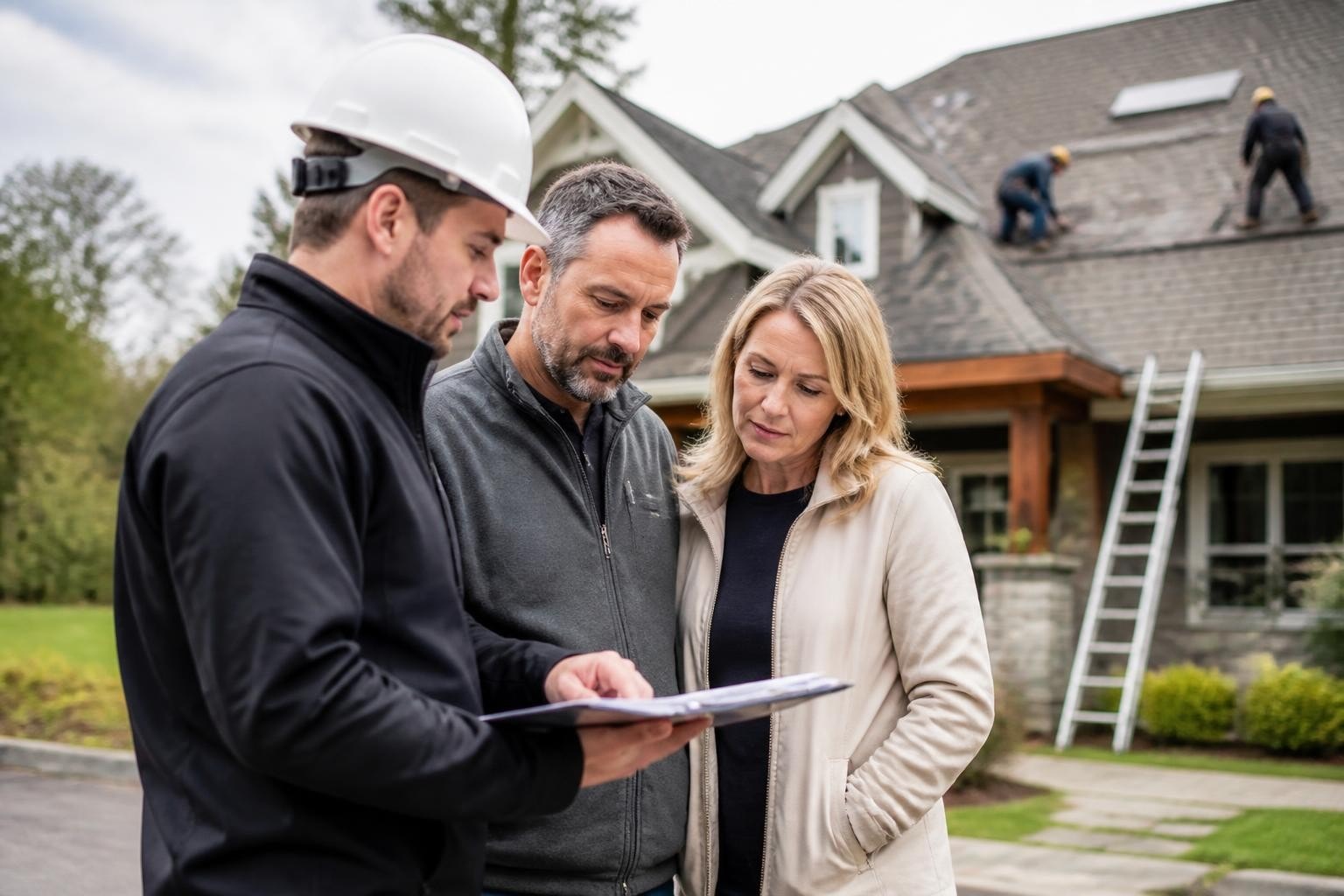
Start by verifying credentials, but don't stop there. The best contractors provide clear communication, detailed estimates, and transparent timelines. They explain what they find, recommend what actually needs attention, and help you understand the difference between urgent repairs and future planning.
Red Flags to Avoid
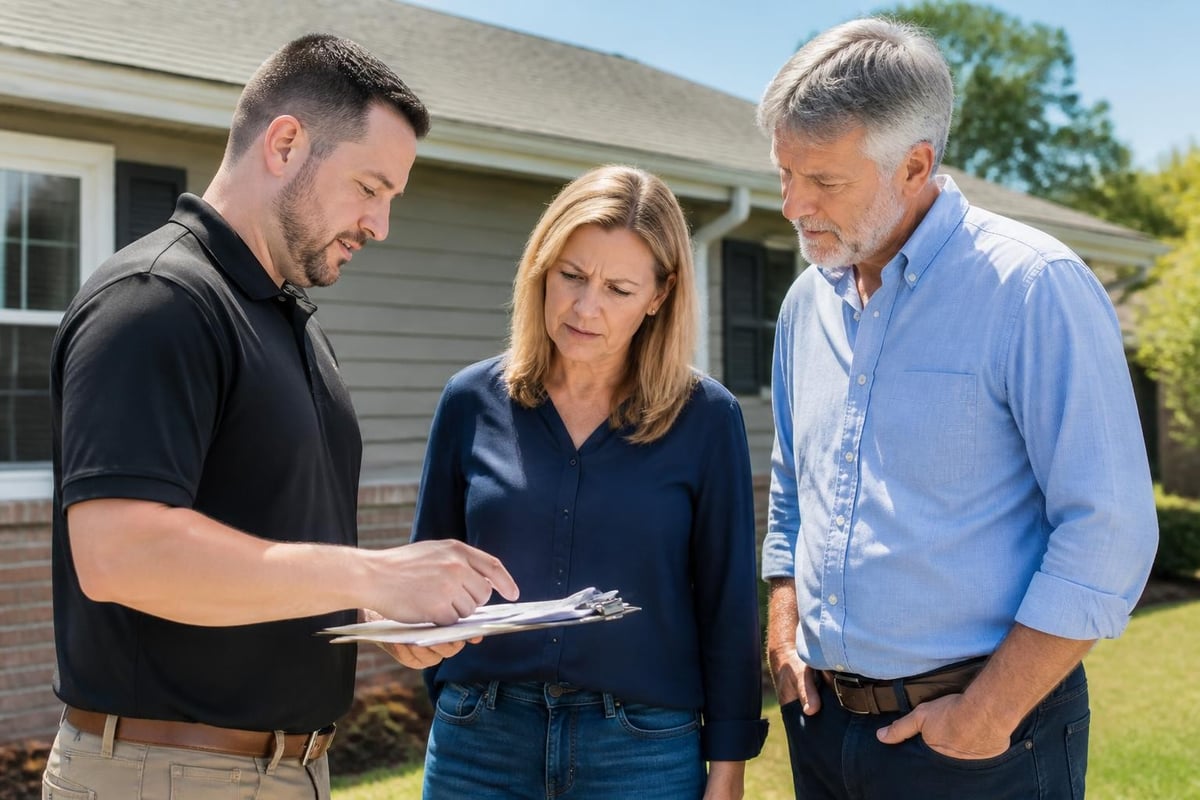
Certain behaviors signal trouble. A contractor who pressures you to sign immediately, offers a price far below competitors, or asks for full payment upfront is not operating in your best interest. Neither is someone who can't provide references, won't put details in writing, or avoids pulling permits when they're required.
Warning signs include:
- No physical business address or only a P.O. box
- Unwillingness to provide proof of licensing or insurance
- Insistence on cash-only payments
- Vague or incomplete written estimates
- Refusal to discuss material brands, warranties, or installation methods
Good contractors welcome questions. They explain their process, material choices, and what happens if weather delays the project. They also pull permits when required and schedule inspections at the appropriate phases of work.
Getting Multiple Estimates
Three estimates give you a realistic range for your project. More than five becomes overwhelming. When comparing quotes, look beyond the bottom-line price. Check what's included: tear-off, disposal, ice and water shield, drip edge, ridge vents, and cleanup. Some contractors include these items; others list them as add-ons.
| Estimate Component | What to Verify |
|---|---|
| Materials | Brand, product line, warranty length |
| Labor | Crew size, timeline, payment schedule |
| Permits | Who pulls them, cost responsibility |
| Warranty | Workmanship coverage, material coverage |
| Cleanup | Dumpster, magnet sweep, haul-away |
Ask how long the estimate remains valid. Material costs fluctuate, and responsible contractors will honor their quote for a reasonable window, usually 30 to 60 days. If prices change dramatically before you sign, they should explain why and provide an updated breakdown.
Communication and Documentation
Before work starts, you should receive a written contract that details scope, materials, payment terms, timeline, and warranty coverage. The contract should also list the contractor's license number, insurance information, and contact details for the NCLBGC. Read everything before signing.
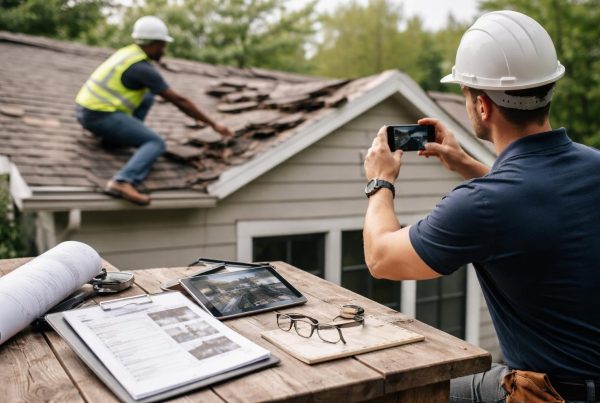
A Roof Report can help you understand what's actually happening with your roof before comparing estimates. It documents current condition, explains issues in plain language, and gives you a baseline for evaluating contractor recommendations. If one roofer says you need a full replacement and another suggests targeted repairs, the report helps you understand which assessment matches reality.
Project Timelines and What to Expect
Most residential roof replacements take one to three days for an average-sized home, depending on weather, crew size, and complexity. Repairs can often be completed in a few hours or a single day. Your contract should include a start date and estimated completion window, along with contingencies for rain delays or material delivery issues.
Typical Roof Replacement Process
- Pre-construction meeting to confirm materials, access points, and site protection
- Tear-off and disposal of old roofing down to decking
- Decking inspection and repairs if needed
- Underlayment and ice/water shield installation
- Drip edge, flashing, and valley preparation
- Shingle installation starting from eaves to ridge
- Ridge vent and cap installation
- Cleanup, magnet sweep, and final inspection
The contractor should protect landscaping, cover exposed areas if rain threatens, and clean up debris daily. Expect noise and activity during work hours. If you have pets or young children, plan accordingly.
Permits and Inspections
Most roof replacements in North Carolina require a building permit. Your contractor should handle the application, pay permit fees (often passed to you in the estimate), and schedule required inspections. Coastal counties may have additional requirements tied to wind zone classifications or flood ordinances.
Skipping permits to save money creates problems. If you sell your home later, unpermitted work can delay closing or reduce your sale price. Insurance companies may also deny claims if they discover unpermitted structural work. North Carolina’s roofing code and licensing requirements are designed to protect homeowners, not just create red tape.
Material Selection and Coastal Performance
Asphalt shingles remain the most common choice across North Carolina, but product quality varies widely. Architectural shingles offer better wind resistance and longer warranties than standard three-tab shingles. In coastal areas, impact-resistant shingles can reduce insurance premiums and provide added protection against hail and wind-blown debris.
Shingle Grades and Wind Ratings
Budget shingles may cost less upfront, but they often carry shorter warranties and lower wind ratings. Mid-grade architectural shingles typically offer Class D or H wind resistance and 25 to 30-year warranties. Premium products include impact ratings, algae resistance, and warranties up to 50 years or lifetime coverage with specific installation requirements.
Common shingle options:
- Three-tab shingles: Basic, flat profile, 60-70 mph wind rating, 20-25 year warranty
- Architectural shingles: Dimensional look, 110-130 mph wind rating, 25-30 year warranty
- Impact-resistant shingles: UL 2218 Class 4 rating, insurance discounts, 30-50 year warranty
- Designer shingles: Premium aesthetics, enhanced wind/impact resistance, lifetime warranties
A knowledgeable north carolina roofer will explain which products make sense for your location, budget, and long-term plans. They should also discuss manufacturer warranties versus workmanship warranties and what each covers.
Metal Roofing Considerations
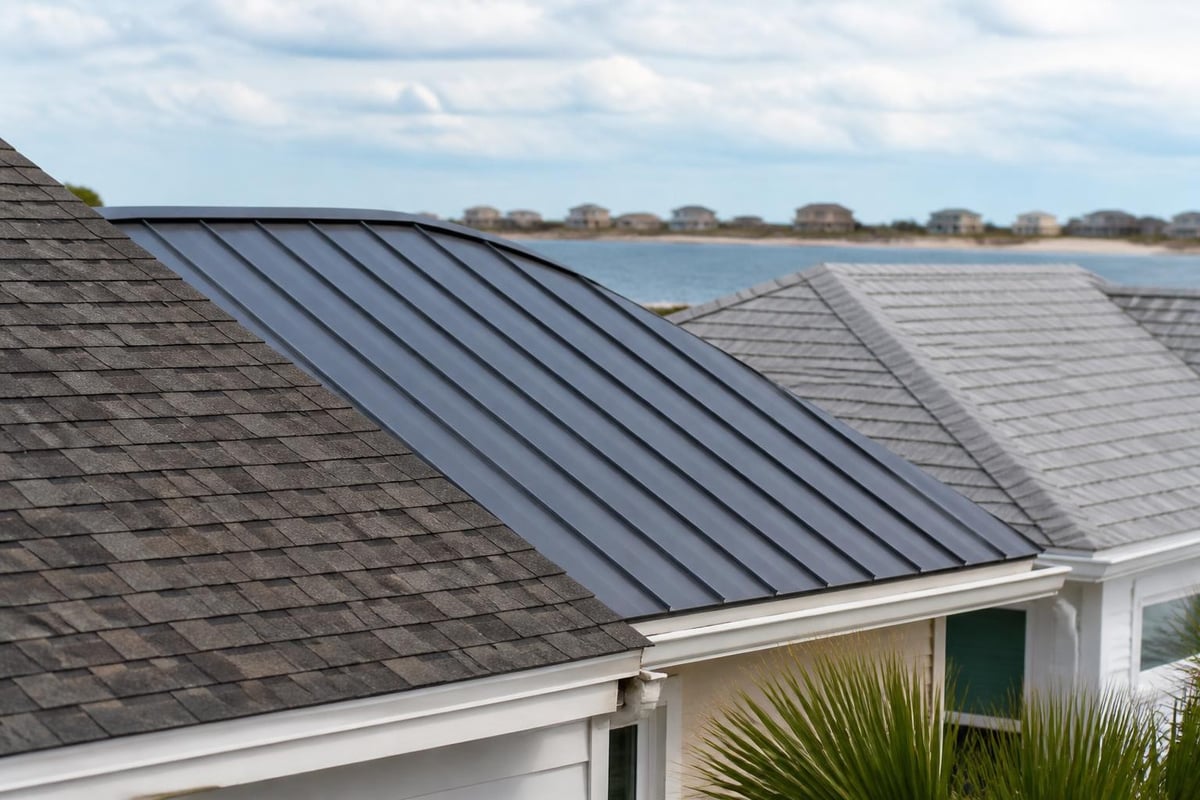
Metal roofs are gaining popularity in coastal areas due to superior wind resistance, fire ratings, and longevity. Standing seam metal systems can last 40 to 60 years with minimal maintenance. They reflect solar heat better than asphalt, which can reduce cooling costs in North Carolina's hot, humid summers.
Drawbacks include higher upfront cost, noise during rain (which can be mitigated with proper insulation and underlayment), and the need for specialized installation skills. Not every north carolina roofer has experience with metal roofing, so verify qualifications before choosing this route.
Understanding Warranties and Coverage
Roofing warranties come in two types: manufacturer's material warranties and contractor's workmanship warranties. The material warranty covers defects in the shingles themselves, while the workmanship warranty covers installation errors. Both matter, and both have limitations you should understand before signing.
Manufacturer Material Warranties
Most asphalt shingle warranties are prorated. If a shingle fails after ten years on a 30-year warranty, you'll receive partial credit toward replacement costs, not a free roof. Non-prorated warranties offer full coverage for a specified period (often 10 to 15 years), then switch to prorated coverage for the remaining term.
| Warranty Type | Coverage Period | Homeowner Cost if Claim Filed |
|---|---|---|
| Non-prorated | First 10-15 years | Materials at no cost |
| Prorated | After non-prorated period | Proportional material cost |
| Workmanship | 1-10 years (varies) | No cost if contractor honors warranty |
Extended warranties sometimes require specific underlayment, starter strips, ridge vents, and other accessories from the same manufacturer. If the contractor doesn't install these components, the enhanced warranty may be void. Always ask what's required to activate the full warranty.
Contractor Workmanship Warranties
Labor warranties vary by contractor. Some offer one year, others provide five or ten years. The warranty should be in writing and specify what's covered: leaks, fastener failure, flashing issues, and ventilation problems. It should also explain how to file a claim and what happens if the contractor goes out of business.
Before hiring, ask how long the company has been in operation and whether they maintain records of past projects. A new contractor offering a ten-year warranty may not be around to honor it. Established companies with track records provide more reliable long-term protection.
Storm Damage and Insurance Claims
Eastern North Carolina experiences hurricanes, tropical storms, and severe thunderstorms that can damage roofs quickly. Understanding how to document damage, file claims, and work with insurance adjusters protects your investment and speeds recovery.
Documenting Storm Damage
After a storm, inspect your roof safely from the ground using binoculars or by walking the property to check for debris, missing shingles, or damaged flashing. Take photos and note the date. If you suspect damage but can't confirm it safely, contact a contractor for a professional assessment.
What to document:
- Missing or lifted shingles
- Granule loss in gutters or on the ground
- Dented or damaged flashing
- Cracked or broken vents
- Interior water stains or active leaks
Don't wait to file a claim. Most policies require notification within a specific timeframe after damage occurs. Delays can complicate the process or even lead to claim denial.
Working with Adjusters and Contractors
When an insurance adjuster inspects your roof, having a contractor present ensures all damage is documented. Adjusters represent the insurance company's interests, not yours. A qualified north carolina roofer can identify issues an adjuster might miss and provide a detailed scope of necessary repairs.
Avoid contractors who offer to "handle the insurance claim for you" or waive your deductible. Both practices raise ethical and legal concerns. Your insurance contract requires you to pay your deductible, and contractors who waive it may inflate other costs or cut corners to make up the difference.
Seasonal Considerations for Roof Work
North Carolina's climate allows roofing work year-round, but some seasons are better than others. Spring and fall offer mild temperatures and lower humidity, which help shingles seal properly. Summer heat can make installation challenging, and winter cold slows adhesive activation on shingle tabs.
Best Times to Schedule Projects
Late spring (April to May) and early fall (September to October) are ideal for roof replacements. Contractors are busy but not overwhelmed, material availability is good, and weather is generally cooperative. Summer remains an option, but crews start earlier to avoid midday heat.
Hurricane season (June through November) brings scheduling uncertainty. Contractors prioritize emergency repairs after storms, which can delay planned replacements. If you schedule during this window, expect possible postponements and stay flexible.
Winter Roofing Challenges
Winter isn't off-limits, but it requires extra care. Shingles become brittle in cold temperatures and can crack during handling. Sealant strips may not activate until warmer weather arrives. Experienced contractors adjust installation methods for winter conditions, but the risks are higher than in moderate weather.
If you need winter repairs, focus on temporary fixes to prevent further damage, then schedule a full replacement when temperatures improve. Emergency tarping, small shingle replacements, and flashing repairs can hold until spring.
Regional Industry Trends and Material Availability
The roofing industry faces ongoing challenges that affect pricing and timelines. Labor shortages and material cost fluctuations continue through 2026, making it harder for contractors to maintain consistent pricing and crew availability. Understanding these trends helps you set realistic expectations.
Supply Chain and Pricing Factors
Asphalt shingle prices have stabilized compared to the volatility of 2020-2023, but they remain higher than pre-pandemic levels. Oil prices, freight costs, and manufacturing capacity all influence what homeowners pay. Metal roofing has seen similar pressure, with steel and aluminum prices fluctuating based on global supply.
Expect estimates to include language about material cost adjustments if delays push your project beyond the quote's valid period. Responsible contractors won't lock in prices they can't honor, and you shouldn't expect them to absorb major cost increases months after the initial estimate.
Contractor Availability and Lead Times
Busy seasons may require booking several weeks in advance. Smaller repairs often get scheduled faster than full replacements. If your project is urgent due to leaks or storm damage, communicate that clearly when calling contractors. Many prioritize emergency work to prevent further damage.
Quality contractors stay busy because homeowners refer them. If you're told a contractor is booked out four to six weeks, that's often a good sign. Be wary of contractors with immediate availability during peak season unless they're new to the area or expanding crews rapidly.
How NC Roofs Approaches Coastal Roofing
Homeowners in Eastern North Carolina need contractors who understand salt air, high winds, and the insurance realities of coastal living. Roof Repair projects often make more sense than full replacements when damage is localized and the rest of the roof is sound. Starting with a clear understanding of what's actually wrong leads to better decisions and less wasted money on unnecessary work.
Every project should begin with an honest assessment. That includes explaining when a repair is sufficient, when replacement is the smarter long-term choice, and what insurance may or may not cover. Coastal homeowners deal with enough complexity around flood zones and wind ratings without adding confusion about what their roof actually needs.
Clear communication matters as much as quality materials. When a contractor explains findings in plain language, provides photos of problem areas, and walks through options without pressure, homeowners make confident decisions. That approach works whether the project is fixing three missing shingles or planning a full replacement ahead of the next storm season.
Hiring a north carolina roofer starts with understanding licensing, insurance, and local code requirements, then moves to evaluating contractor qualifications, communication style, and project approach. Coastal homeowners face unique challenges that require contractors who know wind zones, material performance in salt air, and how to work with insurance adjusters after storms. Whether you need a small repair or a full replacement, the right contractor explains what's happening with your roof, provides clear options, and helps you make a decision based on facts rather than fear. If you're in Eastern North Carolina and want a straightforward assessment of your roof's condition, NC Roofs provides honest guidance and clear recommendations tailored to coastal living.