Finding the right nc roofer matters more than most homeowners realize. In Eastern North Carolina's coastal communities, your roof faces unique challenges that demand both technical know-how and honest guidance. Salt air, hurricane-force winds, and sudden storms put roofs under constant stress. The contractor you choose determines whether your roof protects your home for decades or needs expensive fixes within a few years. Understanding what separates qualified professionals from the rest helps you make a decision that protects both your home and your budget.
What Makes an NC Roofer Qualified
North Carolina maintains specific licensing requirements for roofing contractors. Any nc roofer working on projects exceeding certain thresholds must hold a valid general contractor license issued by the state. The North Carolina Licensing Board for General Contractors oversees this process, requiring contractors to demonstrate financial responsibility, pass examinations, and maintain good standing.
Understanding Licensing Requirements
Licensed contractors in North Carolina must meet several criteria:
- Age and residency: Applicants must be at least 18 years old
- Financial responsibility: Proof of adequate capital and solvency
- Moral character: Background checks and references
- Examination: Passing scores on trade and business law tests
- Insurance: Liability coverage protecting homeowners
State law sets the licensing threshold at $40,000 for projects requiring a license, though many municipalities require licensing regardless of project size. Always verify a contractor's credentials before signing any agreement.
The licensing process exists to protect homeowners. It ensures contractors understand building codes, safety standards, and business practices that keep projects legal and properly executed.
Coastal Expertise That Actually Matters
Eastern North Carolina's coastal environment demands specialized knowledge. Wind speeds, salt exposure, and moisture levels differ dramatically from inland areas. An experienced nc roofer working in Hampstead, Topsail, or Surf City understands these unique conditions.
Wind Load and Building Code Compliance
Coastal building codes reflect the reality of high-wind events. The NC Residential Code includes specific wind speed tables and installation requirements for coastal zones. Roofers working near the coast must design and install systems that withstand sustained winds and gusts far exceeding inland requirements.
| Location Type | Design Wind Speed | Special Requirements |
|---|---|---|
| Coastal Tier 1 | 140+ mph | Enhanced attachment, sealed deck |
| Coastal Tier 2 | 130-140 mph | Upgraded fastening patterns |
| Inland Counties | 115-130 mph | Standard code minimums |
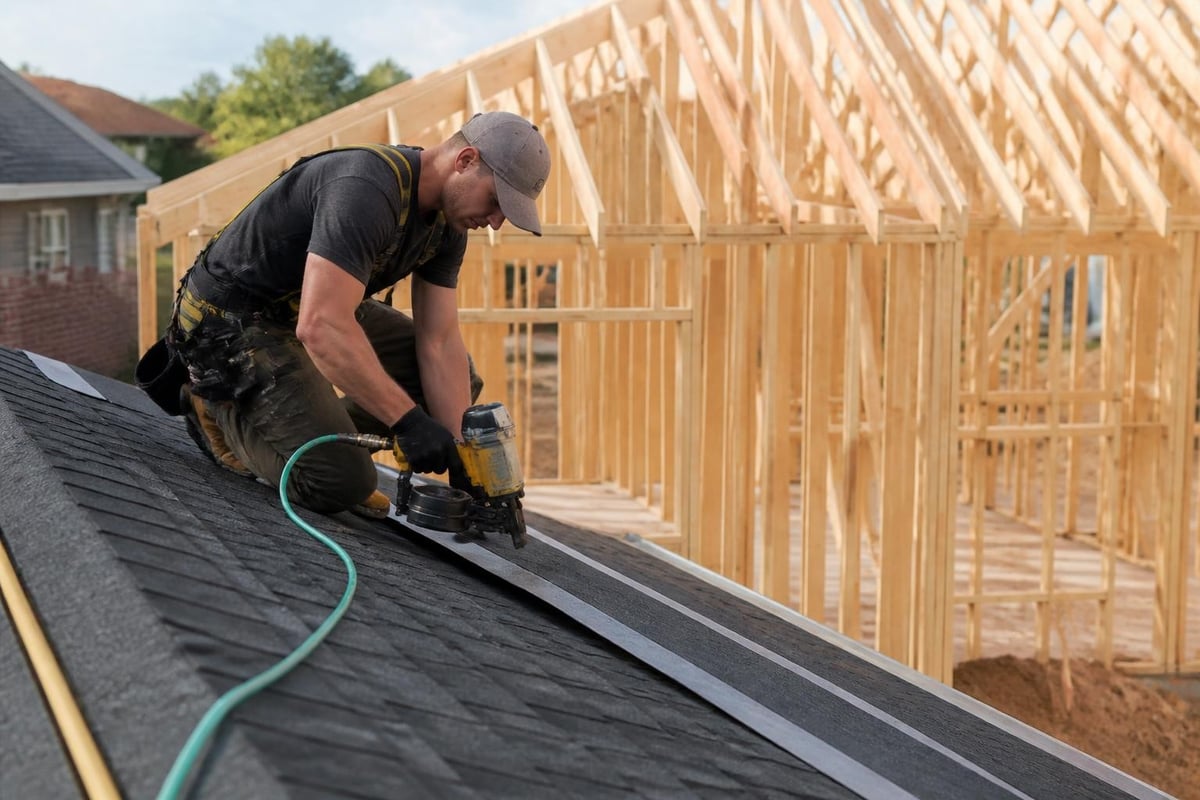
Proper installation in coastal areas requires more fasteners per shingle, reinforced underlayment, and attention to edge details that prevent wind-driven water intrusion. A qualified nc roofer knows these requirements without needing to look them up.
Material Selection for Salt Air
Coastal environments accelerate metal corrosion and material degradation. Choosing the right materials extends roof life significantly:
- Galvanized steel flashing may rust within years near the ocean
- Copper and aluminum resist salt air corrosion better
- Composite shingles with algae-resistant granules prevent streaking
- Proper ventilation reduces moisture accumulation in humid climates
The ventilation requirements for NC homes balance air exchange with weather protection. Coastal homes need adequate ventilation to prevent moisture buildup without creating pathways for wind-driven rain.
Honest Pricing Without the Upsell
Roof costs vary significantly across North Carolina based on location, materials, and project complexity. According to recent cost analysis, coastal areas typically see higher prices due to wind code requirements, permitting costs, and material specifications.
What Drives Roof Costs in Eastern NC
Understanding cost factors helps you evaluate quotes fairly:
- Material grade: Architectural shingles cost more than three-tab but last longer
- Roof complexity: Multiple valleys, steep pitches, and dormers increase labor
- Code compliance: Coastal wind ratings require premium materials and installation
- Deck condition: Rotted plywood adds unexpected costs if not identified upfront
- Permit fees: Coastal counties often charge higher permit fees
A transparent nc roofer walks you through each cost component before starting work. You should never feel surprised by the final invoice.
Repair vs. Replacement Math
Not every roof problem requires replacement. Many homeowners spend thousands unnecessarily because contractors push replacement when targeted repairs would suffice.
When repair makes sense:
- Damage covers less than 30% of roof surface
- Remaining shingles have 5+ years of expected life
- Deck structure remains sound
- Repair cost is less than 25% of replacement cost
When replacement makes more sense:
- Roof exceeds manufacturer's warranty period
- Multiple leak points indicate systemic failure
- Insurance covers replacement after storm damage
- Energy efficiency upgrades justify the investment
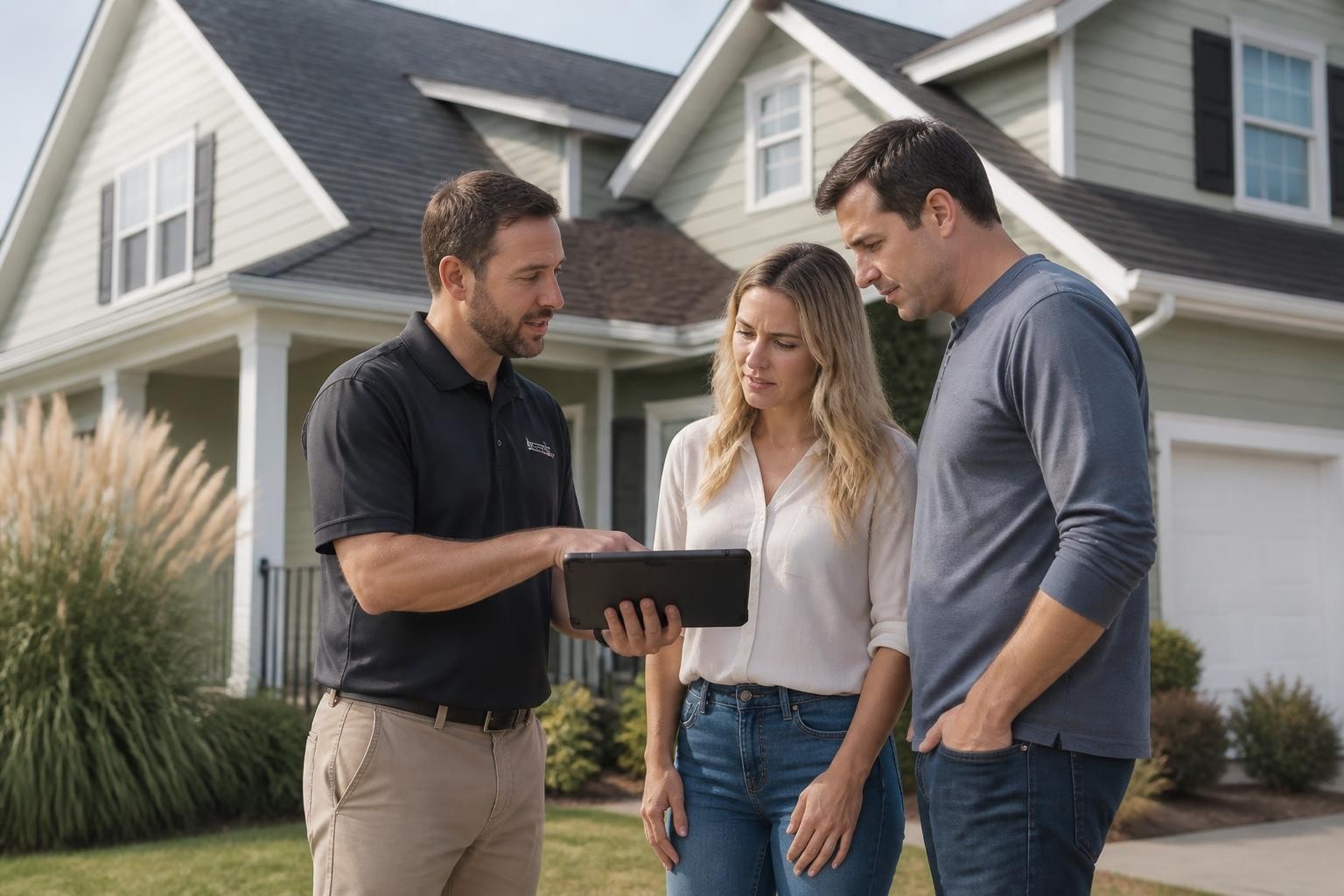
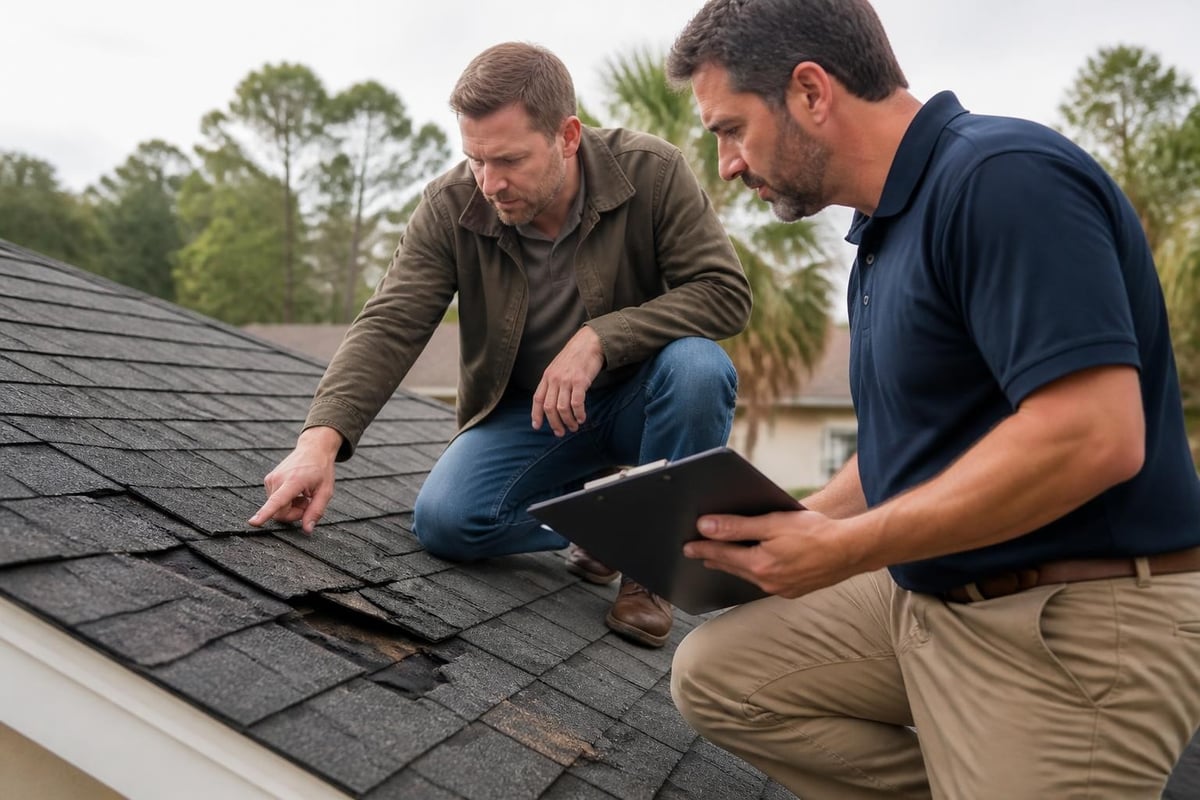
An NC Roofs Roof Report documents your roof's actual condition with photos and explanations, helping you understand whether repair or replacement makes financial sense for your situation.
Storm Damage and Insurance Navigation
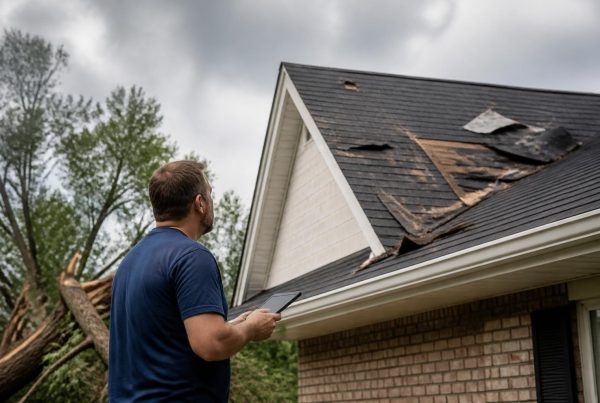
Coastal North Carolina sees its share of hurricanes, tropical storms, and severe weather. Knowing how to handle storm damage claims protects your investment and prevents insurance headaches.
Documenting Damage Properly
After significant weather events, document everything:
- Take photos of visible damage from ground level
- Note dates and times of storm occurrence
- Identify missing shingles, lifted edges, or exposed underlayment
- Check interior ceilings for water stains
- Record any debris impact points
A qualified nc roofer can provide a detailed assessment that insurance adjusters respect. Proper documentation prevents claim denials and ensures you receive fair compensation for legitimate damage.
Understanding Insurance-Ready Reports
Insurance companies want specific information before approving claims. Generic estimates don't provide the detail adjusters need. A proper roof report includes:
| Report Element | Why It Matters |
|---|---|
| Photo documentation | Visual proof of damage extent |
| Material identification | Confirms replacement cost accuracy |
| Code upgrade requirements | Justifies additional compliance costs |
| Pre-existing vs. new damage | Separates covered from non-covered items |
| Measurement verification | Ensures accurate square footage billing |
Working with an nc roofer who understands insurance requirements streamlines the claims process and prevents back-and-forth disputes over coverage.
Red Flags to Watch For
Not all roofing contractors operate with homeowner interests first. Recognizing warning signs helps you avoid costly mistakes and substandard work.
Common Warning Signs
Pressure tactics: Legitimate contractors don't create artificial urgency or demand immediate decisions. Take time to review proposals and get second opinions.
Unusually low bids: Dramatically undercutting competitors often means cutting corners on materials, skipping permits, or planning to upsell once work begins.
Cash-only requests: Requiring cash payments or large upfront deposits before materials arrive suggests financial instability or avoidance of accountability.
No written contract: Every roofing project deserves a detailed written agreement specifying materials, timelines, payment schedules, and warranty terms.
Unlicensed operation: Working without proper licensing violates state law and leaves you without recourse if problems arise.
Questions Every Homeowner Should Ask
Before hiring any nc roofer, get clear answers:
- What is your NC contractor license number?
- Do you carry workers' compensation and liability insurance?
- Will you obtain all necessary permits?
- What specific materials will you use, including manufacturer and grade?
- What does your warranty cover, and for how long?
- Who will supervise the work site daily?
- How do you handle unexpected discoveries like deck rot?
- What is your cleanup and disposal process?
Hesitation or vague responses to these questions indicate problems. Professional contractors answer confidently and provide documentation supporting their claims.
Code Updates and Tear-Off Requirements
North Carolina building codes evolve to reflect changing climate conditions and construction science. Recent updates affect how roofers approach both new construction and replacement projects.
The 2024 Code Changes
Recent updates to the NC Residential Code introduced important changes regarding roof recovers and layering:
- Recover restrictions: New limitations on installing shingles over existing layers
- Tear-off requirements: Expanded situations requiring complete removal of old roofing
- Material specifications: Updated approved materials and installation methods
- Inspection protocols: Enhanced verification of code compliance
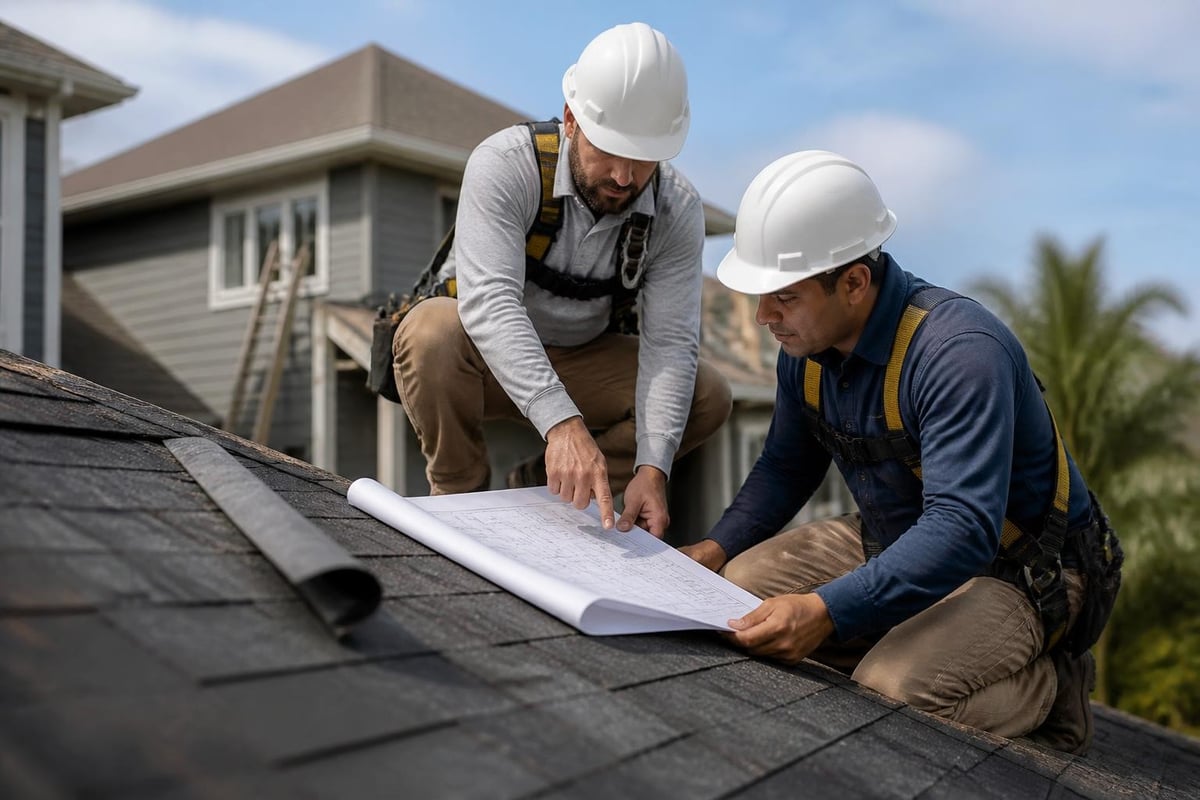
These changes affect project timelines and costs. An nc roofer familiar with current code prevents delays and ensures work passes inspection the first time.
Why Tear-Off Matters
Installing new shingles over old layers seems cost-effective initially but creates problems:
- Extra weight stresses roof structure
- Hidden damage remains undetected
- Uneven surfaces telegraph through new shingles
- Reduced warranty coverage from manufacturers
- Shorter lifespan for new roofing materials
Modern codes increasingly require complete tear-off before replacement. This adds cost but results in better long-term performance and value.
Regional Considerations Across Eastern NC
Different coastal communities face unique roofing challenges. What works in Wilmington may need adjustment for Topsail or Holly Ridge based on exposure, elevation, and local microclimate.
Topsail and Barrier Island Exposure
Homes on barrier islands endure the most extreme conditions:
- Direct salt spray year-round
- Higher wind speeds with less wind break
- Elevated flooding risk requiring special considerations
- Limited contractor access during and after storms
An experienced nc roofer accounts for these factors when recommending materials and installation methods for island properties.
Wilmington and Inland Coastal Areas
Moving slightly inland reduces some exposure while maintaining coastal building code requirements:
- Moderate salt air effects
- Wind requirements remain elevated
- Better contractor access and material delivery
- Lower insurance premiums than barrier islands
The cost differences between barrier island and inland coastal properties can reach 15-20% based on access, material transport, and insurance factors.
Holly Ridge and Transitional Zones
Areas between the coast and true inland regions balance coastal code requirements with slightly less severe exposure:
- Wind code requirements apply but at lower thresholds
- Reduced salt air corrosion compared to oceanfront
- More contractor availability and competition
- Moderate pricing relative to barrier islands
Understanding these regional differences helps homeowners set realistic budget expectations and evaluate whether quotes reflect actual local conditions.
Long-Term Maintenance Guidance
A quality roof installation represents just the beginning. Proper maintenance extends lifespan and prevents small issues from becoming expensive repairs.
Annual Inspection Recommendations
Professional nc roofer inspections should occur:
- After major storms: Check for wind damage and debris impact
- Twice yearly: Spring and fall inspections catch developing problems
- Before selling: Pre-listing inspections identify issues buyers will find
- Insurance requirements: Some policies mandate periodic professional inspections
Regular inspections cost far less than emergency repairs from undetected damage.
What Homeowners Can Monitor
Between professional inspections, watch for these signs:
- Missing or damaged shingles: Visible from ground level
- Granule accumulation: Check gutters for excessive shingle granules
- Flashing condition: Look for rust, separation, or gaps around penetrations
- Interior signs: Water stains, musty odors, or visible moisture
- Ventilation function: Ensure soffit vents and ridge vents remain clear
Early detection prevents water intrusion that damages insulation, framing, and interior finishes.
Cleaning and Minor Maintenance
Some maintenance tasks homeowners can handle safely:
- Gutter cleaning: Remove leaves and debris quarterly
- Trim overhanging branches: Prevent leaf accumulation and physical damage
- Clear ventilation: Ensure attic vents remain unblocked
- Remove moss or algae: Use approved cleaners, never pressure washers
Leave anything requiring roof access to professionals. Falls cause serious injuries, and improper walking on roofs damages shingles.
Making Your Final Decision
Choosing an nc roofer comes down to balancing credentials, experience, transparency, and value. The lowest price rarely delivers the best outcome, while the highest price doesn't guarantee superior quality.
Evaluating Proposals Side by Side
Compare quotes on equal terms:
| Evaluation Factor | What to Compare |
|---|---|
| Material specifications | Brand, grade, warranty length |
| Scope of work | Tear-off, deck inspection, flashing replacement |
| Timeline | Start date, completion estimate, weather delays |
| Payment terms | Deposit, progress payments, final payment |
| Warranty coverage | Workmanship and material guarantees |
Request written proposals detailing each element. Verbal promises don't protect you if disputes arise.
Trust Your Instincts
Beyond credentials and pricing, pay attention to how contractors communicate:
- Do they listen to your concerns or rush through explanations?
- Are they willing to answer questions without irritation?
- Do they explain trade-offs between options clearly?
- Can they provide references from recent coastal projects?
The relationship matters because roofing projects span days or weeks. Working with someone who communicates clearly and respects your time makes the process far less stressful.
Starting with Clear Information
Many homeowners struggle to evaluate proposals because they don't understand their roof's current condition. Starting with professional documentation removes guesswork. Services like NC Roofs roof repair begin with honest assessment before discussing any work, ensuring recommendations match actual needs rather than sales targets.
Working With Local Coastal Contractors
Choosing a local nc roofer based in coastal communities offers distinct advantages over companies headquartered inland or out of state.
Storm Response and Availability
Local contractors respond faster during emergencies:
- Shorter travel distances mean quicker arrival
- Familiarity with local building departments speeds permits
- Existing material supplier relationships prevent delays
- Knowledge of regional insurance adjusters streamlines claims
After hurricanes, out-of-town contractors flood coastal areas. Local companies prioritize existing customers and community members rather than chasing one-time emergency pricing.
Reputation and Accountability
Local businesses depend on community reputation:
- Word-of-mouth drives most new business
- Online reviews reflect actual local experience
- Physical location provides accountability
- Long-term presence indicates financial stability
A local nc roofer has more incentive to get things right the first time and stand behind their work years later.
Understanding Coastal Building Culture
Coastal communities have specific expectations and norms. Local contractors understand:
- Historical architecture preservation in older beach communities
- HOA requirements common in planned developments
- Local inspector preferences and documentation expectations
- Seasonal timing to avoid tourist season disruptions
This local knowledge smooths the project process and prevents unexpected obstacles.
Finding the right nc roofer means looking beyond price to evaluate credentials, coastal expertise, and honest communication. Your roof protects your largest investment, and choosing a contractor who prioritizes your long-term interests over short-term profits makes all the difference. Whether you need storm damage assessment, routine maintenance guidance, or help deciding between repair and replacement, NC Roofs serves Hampstead, Topsail, Surf City, Holly Ridge, Wilmington, and surrounding coastal communities with transparent reporting and fair pricing focused on what your roof actually needs.