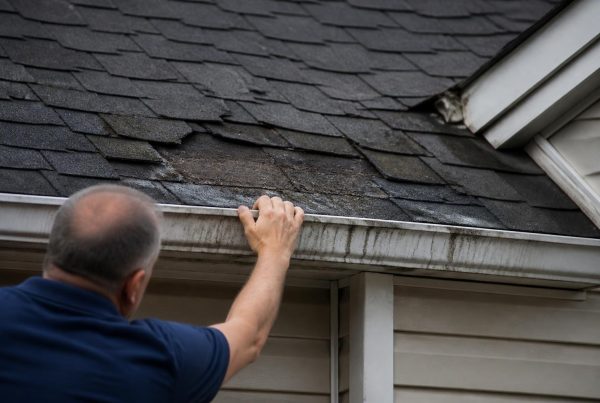
Getting a new roof is one of the most significant decisions you'll make as a homeowner. Whether storm damage has left your current roof compromised or it's simply reached the end of its life, understanding the process, materials, and costs helps you move forward with confidence. This guide walks through what you need to know about planning and installing a new roof in 2026, from choosing materials to understanding the installation process. The goal is to help you make clear, informed decisions that fit your home and budget.
Understanding When You Need a New Roof
Most homeowners wonder whether repair or replacement makes more sense. Age is often the clearest indicator. If your roof is approaching or past its expected lifespan, replacement usually becomes the smarter choice. Asphalt shingles typically last 20 to 25 years, while other materials may last significantly longer.
Visible signs that point toward a new roof include:
- Missing, curled, or cracked shingles across multiple areas
- Granules collecting in gutters or at downspouts
- Daylight visible through roof boards in the attic
- Sagging sections or visible dips in the roofline
- Water stains on ceilings or walls inside the home
- Multiple leaks in different locations
Sometimes a roof repair can address isolated damage effectively, especially after a storm or when only one section shows wear. But when damage appears widespread or the roof is simply old, replacement becomes the practical path forward.
Getting a Clear Assessment
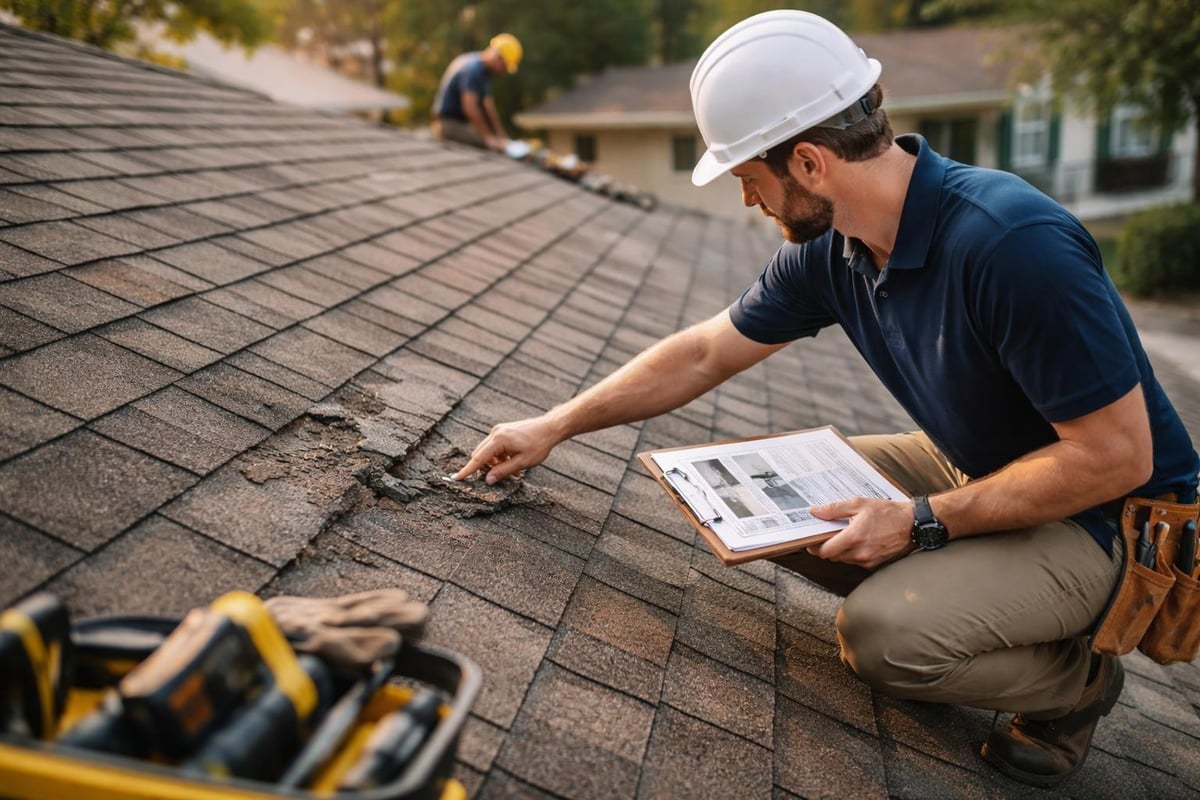
Before making any decisions, getting an honest assessment of your roof's condition is essential. A thorough inspection should identify specific problem areas, estimate remaining lifespan, and explain whether repair or replacement makes sense for your situation.
In Eastern North Carolina, weather patterns and regional conditions affect how roofs age. Humidity, coastal winds, and seasonal storms all play a role. A local contractor who understands these factors can provide realistic guidance based on what they see regularly in the area.
Choosing Roofing Materials for Your New Roof
Material choice affects cost, longevity, appearance, and maintenance requirements. Each option comes with trade-offs worth understanding before you commit.
| Material | Typical Lifespan | Cost Range (per sq ft) | Best For |
|---|---|---|---|
| Asphalt Shingles | 20-30 years | $3.50-$5.50 | Budget-conscious homeowners, traditional homes |
| Architectural Shingles | 25-35 years | $4.50-$7.00 | Added curb appeal, better warranty |
| Metal Roofing | 40-70 years | $7.00-$12.00 | Long-term value, energy efficiency |
| Slate | 75-100+ years | $15.00-$30.00 | Historic homes, premium aesthetics |
| Clay/Concrete Tile | 50-100 years | $10.00-$18.00 | Mediterranean style, hot climates |
Asphalt Shingles: The Standard Choice
Asphalt shingles dominate the residential roofing market for good reason. They balance cost, durability, and ease of installation. Basic three-tab shingles offer the most affordable entry point, while architectural (dimensional) shingles provide better aesthetics and longer warranties.
For most homes in Eastern North Carolina, quality architectural shingles represent a solid middle ground. They handle regional weather well, come in many colors, and most roofing contractors have extensive experience installing them. Different roofing materials offer varying benefits, but asphalt remains the practical default for many homeowners.
Metal Roofing: Durability and Efficiency
Metal roofing has grown in popularity over the past decade. Standing seam metal roofs and metal shingles both offer exceptional longevity. They resist wind, fire, and impact damage better than asphalt. Metal roofs also reflect heat, which can lower cooling costs in summer months.
The higher upfront cost can be offset by the extended lifespan and lower maintenance needs. If you plan to stay in your home long-term, metal may deliver better value over time. However, not every home's architecture suits the appearance of metal roofing, so aesthetic fit matters too.
Specialty Materials: When It Makes Sense
Slate, clay tile, and wood shakes offer distinct looks and performance characteristics. Slate provides unmatched longevity but requires structural support due to its weight. Clay and concrete tiles suit specific architectural styles and climates. Wood shakes offer natural beauty but demand regular maintenance.
For most homeowners, these specialty materials only make sense when the home's style calls for them or when long-term ownership justifies the premium cost. Roofing material longevity varies widely, and understanding those differences helps set realistic expectations.
The New Roof Installation Process
Understanding the installation process removes uncertainty. Professional installation follows a clear sequence designed to protect your home and ensure the new roof performs as expected.
Step 1: Preparation and Removal
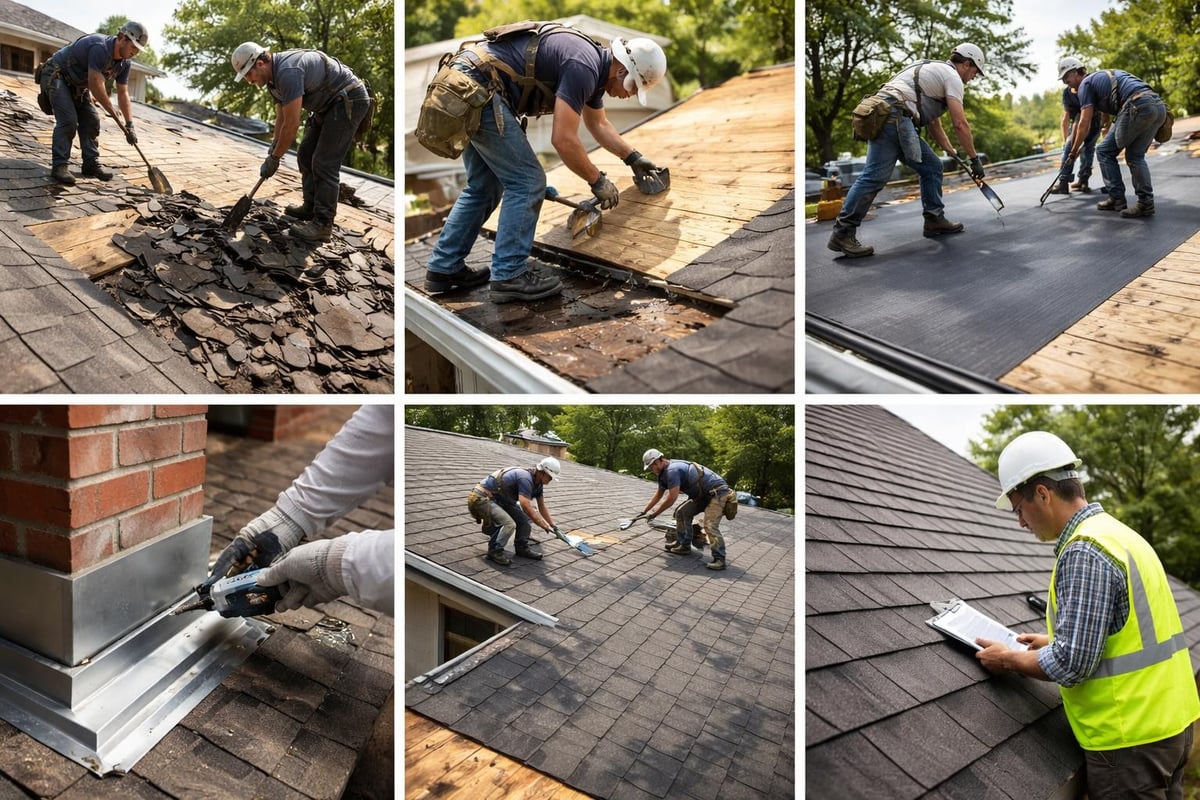
Installation begins with preparing the area around your home. Crews protect landscaping, driveways, and entryways. Then they remove the existing roof down to the decking. This reveals any underlying damage to the roof deck that needs repair before new materials go on.
During removal, crews should:
- Inspect all decking for rot, water damage, or structural issues
- Replace damaged sections with new plywood or OSB
- Install drip edge along eaves and rakes
- Set up debris management systems to keep the site clean
Step 2: Underlayment and Waterproofing
Once the deck is sound, installers apply underlayment across the entire roof. This waterproof barrier acts as a secondary defense against moisture. Ice and water shield goes in vulnerable areas like valleys, eaves, and around penetrations such as chimneys and vents.
Quality underlayment makes a significant difference in long-term performance. Synthetic underlayment has largely replaced traditional felt paper because it offers better durability and weather resistance during installation.
Step 3: Shingle Installation
The actual installation process moves systematically from the bottom edge upward. Roofers align each course carefully, ensuring proper exposure and overlap. Starter strips along the eaves provide a secure base for the first row of shingles.
Proper nailing technique matters. Each shingle requires the right number of nails placed in the correct zone. Wind resistance depends on this, and poorly secured shingles can fail prematurely.
Step 4: Flashing and Penetrations
Flashing around chimneys, skylights, vents, and where roof planes meet requires careful attention. These areas are common failure points if not executed properly. Step flashing along walls, valley flashing where roof sections converge, and proper boot installation around vent pipes all prevent water intrusion.
Step 5: Ridge Capping and Final Details
The ridge cap completes the installation. Ridge vents provide attic ventilation in many installations, helping regulate temperature and moisture. Without proper ventilation, even the best new roof can suffer premature aging due to heat and moisture buildup.
Final details include cleaning up debris, magnetic sweeps to collect stray nails, and a thorough inspection of all work. Professional installers should walk the completed roof to check for any missed spots or installation errors.
Step 6: Final Walkthrough
A final walkthrough with the homeowner ensures everything meets expectations. This is the time to ask questions, understand warranty details, and confirm that all agreed-upon work is complete. Documentation of materials used and warranty information should be provided before the project closes.
Cost Considerations for a New Roof
Pricing for a new roof depends on multiple factors. Understanding these helps you evaluate quotes accurately and avoid surprises.
What Affects the Total Cost
Material choice represents the most obvious variable, but several other factors influence the final number:
- Roof size and pitch: Steeper roofs require more labor and safety equipment
- Complexity: Multiple valleys, dormers, and penetrations increase labor time
- Accessibility: Difficult access raises costs
-
- Removal and disposal: Getting rid of old materials adds expense
- Decking repairs: Unknown until removal happens
- Permit and inspection fees: Required in most areas
Average Costs in 2026
For a typical 2,000 square foot home in Eastern North Carolina, expect these ranges:
| Roof Type | Material Cost | Labor Cost | Total Range |
|---|---|---|---|
| Standard Asphalt | $7,000-$9,000 | $4,000-$6,000 | $11,000-$15,000 |
| Architectural Asphalt | $9,000-$12,000 | $4,500-$6,500 | $13,500-$18,500 |
| Metal Roofing | $14,000-$20,000 | $6,000-$9,000 | $20,000-$29,000 |
These are estimates. Actual costs vary based on specific conditions, material quality, and contractor pricing. Comparing roofing material costs helps establish realistic budgets before getting quotes.
Hidden Costs to Consider
Some expenses don't appear in initial estimates. Decking repairs often surface during tear-off. If your roof deck has rot or water damage, replacement adds $2 to $4 per square foot. Upgrading ventilation, replacing worn pipe boots, or adding attic insulation can also increase costs but may be worth addressing while the roof is open.
Working With Insurance for Your New Roof
If storm damage prompted the need for a new roof, insurance may cover part or all of the cost. Understanding how the process works helps you navigate claims effectively.
Documentation Matters
Before filing a claim, document all visible damage with photos. Note when the damage occurred and what caused it. A detailed roof inspection report strengthens your claim by providing objective evidence of damage and necessary repairs.
Insurance companies send adjusters to assess damage independently. Having your own documentation and professional assessment helps ensure nothing gets missed. Adjusters sometimes underestimate damage or miss areas that need attention.
Understanding Coverage
Most homeowner policies cover sudden damage from wind, hail, or falling objects. Gradual wear from age or lack of maintenance typically isn't covered. Deductibles apply, and some policies have special wind/hail deductibles that may be higher than your standard deductible.
Actual cash value (ACV) policies pay based on depreciated value. Replacement cost policies pay for new materials without depreciation. Understanding which you have affects how much you'll receive.
Selecting the Right Contractor for Your New Roof
Contractor choice matters as much as material selection. A quality installation of mid-range materials outperforms poor installation of premium materials.
What to Look For
Key qualities in a roofing contractor include:
- Local presence and established reputation
- Proper licensing and insurance coverage
- Clear, detailed written estimates
- Willingness to answer questions without pressure
- References from recent projects
Avoid contractors who pressure immediate decisions, require large upfront deposits, or can't provide proof of insurance. Quality contractors understand that homeowners need time to evaluate options and feel comfortable with their choice.

Getting Accurate Quotes
Request quotes from at least three contractors. Each quote should specify materials by brand and grade, scope of work, timeline, payment terms, and warranty information. Comparing apples to apples requires this level of detail.
The lowest price isn't always the best value. Extremely low bids may indicate shortcuts, inferior materials, or incomplete scope. The goal is finding fair pricing for quality work, not just the cheapest option available.
Maintaining Your New Roof
Once your new roof is installed, proper maintenance extends its lifespan and protects your investment.
Regular Inspections
Schedule visual inspections twice a year, typically in spring and fall. Look for missing or damaged shingles, clogged gutters, debris accumulation, and signs of wear around flashing. Catching small issues early prevents them from becoming major problems.
After significant storms, inspect for damage promptly. Wind can lift shingles, hail can cause bruising or cracking, and falling branches can puncture roofing materials.
Preventive Care
Simple maintenance steps include:
- Keep gutters clean to prevent water backup
- Trim overhanging branches to reduce debris and prevent damage
- Remove moss or algae growth promptly
- Ensure attic ventilation remains unobstructed
- Address any leaks or damage immediately
Many homeowners in Eastern North Carolina benefit from professional maintenance, especially given regional weather patterns. Some contractors offer annual inspection services that identify issues before they require major repairs. If you're exploring options for roofing services in North Carolina, finding a local provider familiar with area-specific challenges makes sense.
Understanding Your Warranty
New roofs come with two types of warranties: manufacturer's material warranty and contractor's workmanship warranty. Material warranties typically last 20 to 50 years depending on the product. Workmanship warranties vary but commonly run 5 to 10 years.
Read warranty terms carefully. Some require regular maintenance or specific conditions to remain valid. Keep all documentation in a safe place and understand what's covered and what isn't.
Making the Decision: Moving Forward With Your New Roof
Committing to a new roof requires balancing multiple factors. Material preference, budget constraints, timeline needs, and long-term plans all influence the right choice for your situation.
Start by getting an honest assessment of your current roof's condition. Understanding exactly what you're dealing with removes guesswork. Then evaluate materials based on your budget, how long you plan to stay in the home, and aesthetic preferences.
Get detailed quotes that spell out every aspect of the project. Compare them carefully, ask questions, and don't rush the decision. A new roof is a significant investment, and taking time to choose the right approach pays off.
For homeowners interested in sustainable options, eco-friendly roofing solutions continue to evolve. Reflective coatings, recycled materials, and solar-ready installations offer ways to reduce environmental impact while protecting your home.
Timeline Expectations
Most roof installations on residential homes take 1 to 3 days for standard asphalt shingle installations. Larger homes, complex designs, or specialty materials extend this timeline. Weather delays can add days or even weeks depending on the season and regional conditions.
Plan accordingly. While the work happens, your home remains livable, but expect noise, activity around the property, and temporary disruptions. Clear communication with your contractor about daily schedules and expectations helps the project run smoothly.
Regional Considerations for Eastern North Carolina
Eastern North Carolina's climate and weather patterns create specific considerations for new roof installations. Hurricane season, high humidity, and occasional ice storms all affect material choices and installation techniques.
Wind Resistance
Coastal and near-coastal areas face higher wind loads. Proper installation technique becomes even more critical. Enhanced nailing patterns, sealed shingles, and high-wind-rated materials provide better protection during severe weather events.
Building codes in many Eastern North Carolina counties require wind resistance ratings appropriate to the area. Quality contractors know these requirements and install accordingly, but it's worth confirming that your new roof meets or exceeds local code for wind resistance.
Humidity and Moisture
High humidity levels make proper ventilation essential. Without adequate airflow, attic heat and moisture can degrade roofing materials from beneath. Ridge vents, soffit vents, and proper insulation work together to manage this.
Algae and moss growth also occur more readily in humid climates. Algae-resistant shingles contain copper granules that discourage growth. While this adds a small amount to material cost, it reduces maintenance needs over time.
Storm Preparedness
Regular inspections before hurricane season help identify vulnerable areas. Ensuring all shingles are properly secured, flashing is intact, and there's no debris on the roof reduces risk when storms approach.
If you're planning a new roof, timing the installation outside of hurricane season (typically June through November) makes sense when possible. This gives the roof time to settle and seal properly before facing severe weather.
A new roof represents a major investment in your home's protection and value. Understanding your material options, the installation process, and what affects costs helps you make decisions that fit your situation. If you're ready to explore your options or need an honest assessment of your current roof's condition, NC Roofs provides straightforward guidance and clear pricing across Eastern North Carolina. We help homeowners understand exactly what they need, what it costs, and how to move forward with confidence.