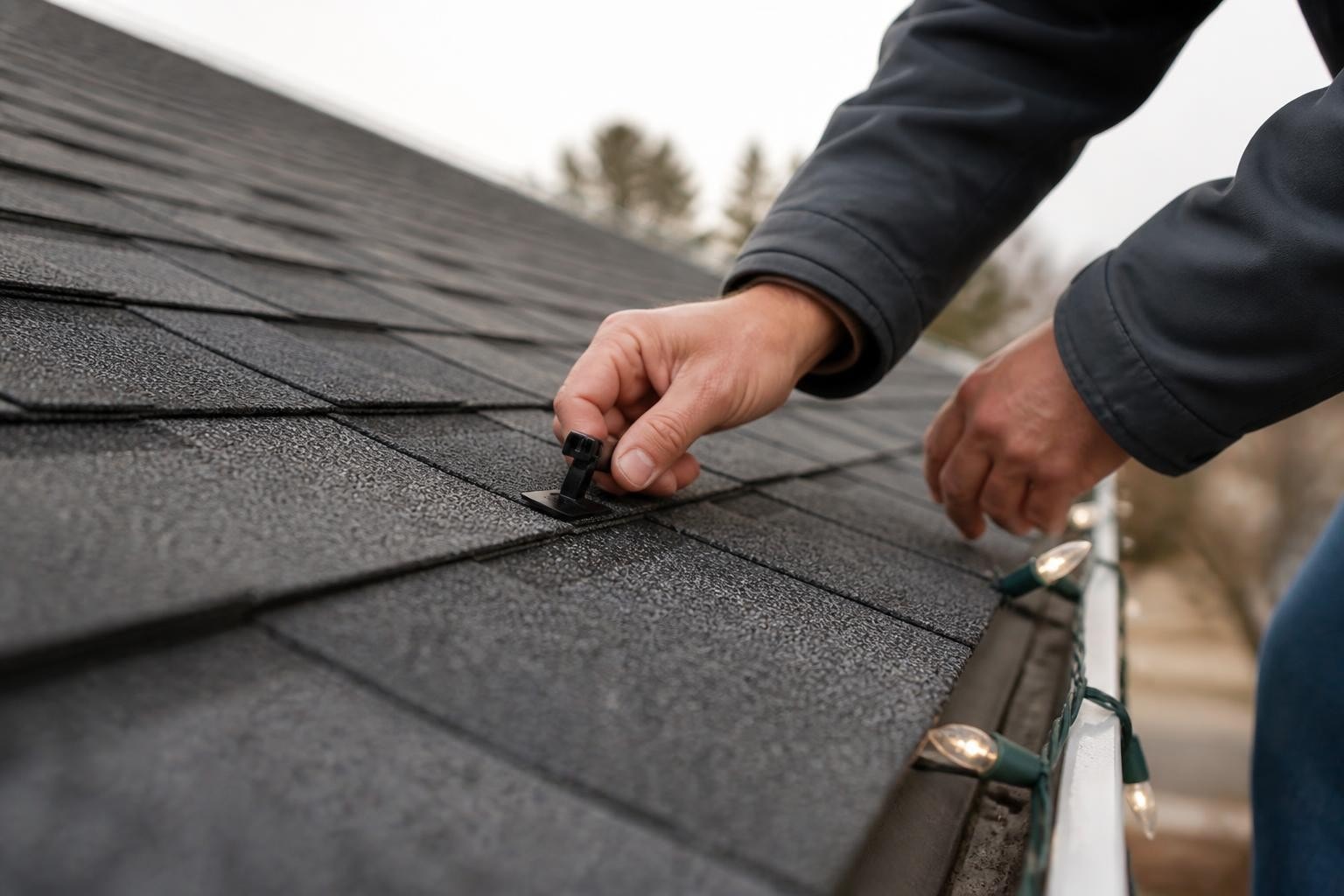
Every December, thousands of homeowners across Eastern North Carolina climb ladders to hang holiday lights, creating festive displays across neighborhoods from Hampstead to Wilmington. But beneath those twinkling strands lies a question many don't consider until damage appears: can Christmas lights void a roof warranty? The short answer is yes, they can, but it depends entirely on how you install them. Most roof warranties remain intact if you use safe methods, while others become worthless the moment a staple gun punctures a shingle. Understanding the distinction helps protect both your holiday spirit and your roofing investment.
How Roof Warranties Actually Work
Roof warranties typically come in two forms: manufacturer material warranties and contractor workmanship warranties. Material warranties cover defects in the shingles themselves, lasting anywhere from 20 to 50 years depending on the product. Workmanship warranties cover installation errors and typically run 1 to 10 years.
Both warranty types include specific language about what voids coverage. The fine print almost always mentions unauthorized modifications or physical damage caused by the homeowner or third parties.
When you attach something to your roof, you're potentially creating both. A nail driven through a shingle creates a penetration point. A staple compresses and cracks the surface. Even adhesive clips can tear off granules when removed. Each of these actions can technically void warranty protection if they cause subsequent damage.
The key word is "damage." Most manufacturers understand that homeowners use their roofs. Walking on them during cleaning won't void coverage. Installing satellite dishes with proper flashing won't either. The warranty issue arises when your installation method directly causes a defect that leads to leaks, deterioration, or failure.

Installation Methods That Risk Your Warranty
Understanding can Christmas lights void a roof warranty means knowing which attachment methods cross the line from safe to damaging. The worst offenders are the tools homeowners reach for first because they seem fastest.
Staples and Staple Guns
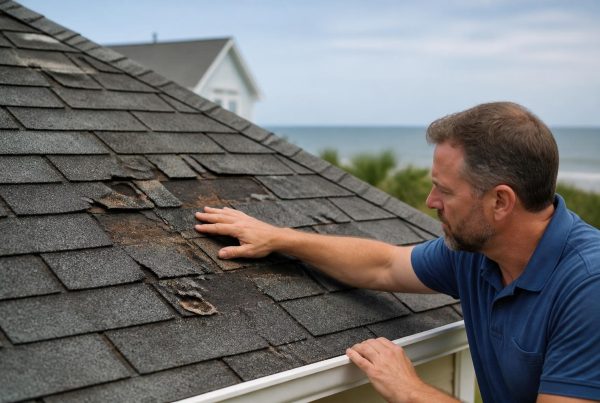
Staples create immediate warranty concerns. Each staple punches two holes through your shingles' protective surface. Those holes bypass the waterproof barrier, creating pathways for moisture to reach the underlayment and decking below.
Even if staples don't cause immediate leaks, they compromise the shingle's integrity. The compression around each staple can crack the asphalt coating, especially in cold weather when shingles become brittle. Holiday lighting mistakes that damage roofs often start with well-intentioned homeowners who simply didn't know better.
Nails and Screws
Nails and screws are even worse than staples. They create larger penetrations and go deeper into the roof structure. Some homeowners nail wooden frames to their rooflines to support elaborate displays. Others screw hooks directly into fascia boards or roof edges.
These fasteners don't just void warranties. They actively create the conditions warranties are designed to protect against: water infiltration, wood rot, and structural damage.
Hot Glue and Strong Adhesives
Adhesives might seem like a damage-free alternative, but they cause problems during removal. Strong glues bond to shingle granules, and pulling them off tears away the protective coating. This exposes the underlying asphalt to UV damage and accelerates deterioration.
The granules on your shingles aren't decorative. They protect against sun exposure and reflect heat. Removing them shortens your roof's lifespan and potentially voids coverage since you've altered the product's designed function.
What Warranty Documentation Actually Says
Most homeowners never read their warranty documents until problems arise. That's when they discover whether can Christmas lights void a roof warranty applies to their specific coverage.
| Warranty Type | Common Exclusion Language | Holiday Light Relevance |
|---|---|---|
| Manufacturer Material | "Damage from foreign objects, nails, or alterations" | Direct application to fasteners |
| Workmanship | "Modifications by non-contractor parties" | Applies if lights cause installation to fail |
| Enhanced Coverage | "Excludes homeowner negligence" | Broadly covers improper light installation |
Manufacturer warranties from major brands include specific language about penetrations. GAF, Owens Corning, and CertainTeed all mention that foreign objects driven through shingles can void coverage. The exact wording varies, but the message stays consistent: don't puncture what we've sealed.
Workmanship warranties from quality contractors often have more flexibility. If your lights didn't damage the installation itself, the warranty might hold. But if staples along the ridge caused the ridge cap to fail, that's a different story.
Understanding your specific warranty requires actually reading it. The documents should be in your homeowner files from installation day. If you can't find them, contact your roofing contractor for copies.
Safe Installation Methods That Protect Coverage
The good news is that can Christmas lights void a roof warranty isn't an inevitable outcome. Safe installation methods exist that let you decorate without risking your protection or creating damage.
Plastic Clip Systems
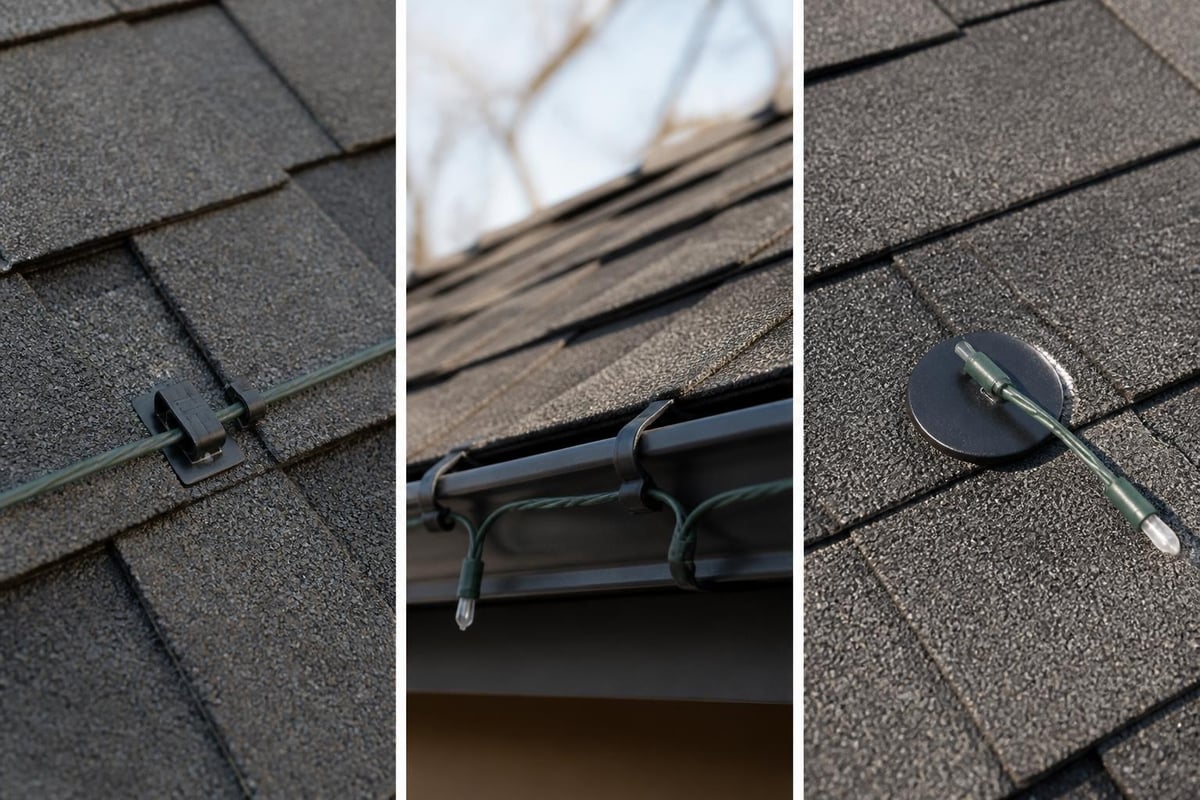
Plastic clips designed for shingles are the gold standard. These clips slide under shingle edges without penetrating the surface. They grip the shingle's bottom edge and provide a secure hold point for light strands.
Quality clips distribute weight across the shingle rather than concentrating stress at a single point. They come in various designs for different shingle types and roof pitches. Damage-free Christmas light hooks have become increasingly popular as homeowners recognize their value.
Gutter and Fascia Attachments
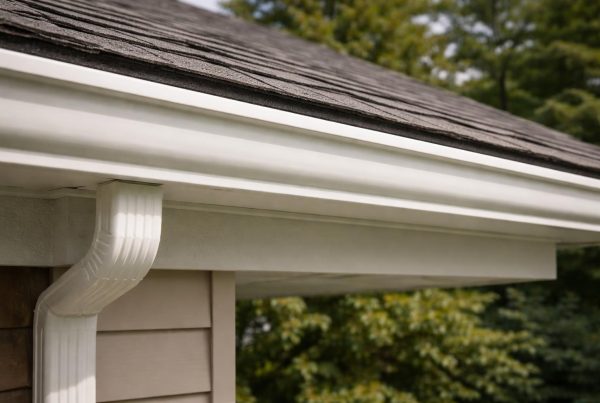
Hanging lights from gutters and fascia boards keeps them completely off the roof surface. Specialized clips attach to gutter edges without requiring screws or nails. These methods work especially well for lights along rooflines.
The advantage here is double: you protect your roof warranty and make future installation easier. Once clips are positioned, next year's decoration becomes a simple snap-in process.
Magnetic Solutions for Metal Roofs
Homeowners with metal roofs face different challenges, but magnetic clips solve them elegantly. Strong magnets hold firmly against metal panels without adhesives or fasteners. They work in high winds and don't leave marks when removed.
Storm Damage Considerations Along the Coast
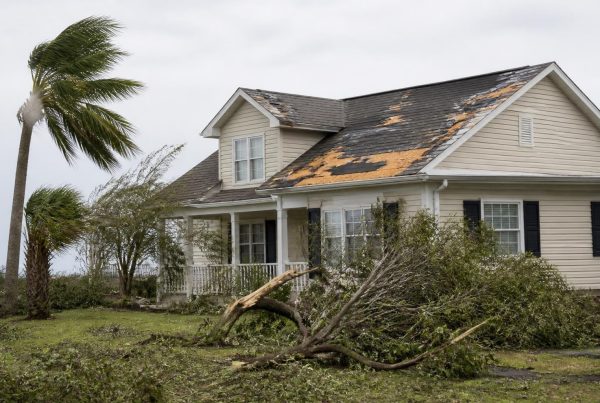
Eastern North Carolina's coastal location adds another layer to the question of can Christmas lights void a roof warranty. Our winter storms bring high winds that can turn holiday decorations into projectiles.
Lights that aren't properly secured become wind-driven hazards. They whip against shingles, damaging edges and corners. Heavy decorations can pull loose entirely, taking shingles with them when they blow away.
Insurance adjusters who inspect storm damage look for pre-existing conditions. If they find staple holes or adhesive damage around areas where leaks developed, they may attribute the damage to improper maintenance rather than the storm itself. That determination can affect your claim approval.
Wind Ratings and Secure Installation
Shingles in coastal areas are rated for specific wind speeds. When you compromise their installation or surface integrity, you reduce that rating. A shingle designed for 130 mph winds might only withstand 90 mph after being stapled repeatedly.
This matters for both warranty claims and insurance purposes. If your roof fails during a hurricane and inspectors find installation damage from decorations, questions arise about whether the shingles failed or were already compromised.
When Damage Appears: Warranty and Repair Options
Discovering damage after removing Christmas lights creates an uncomfortable situation. You need repairs, but you're uncertain whether your warranty still applies.
The first step is documentation. Take photos of the damage before touching anything. Note where lights were attached and what methods you used. Honest assessment helps determine your next move.
If you used safe methods and damage still occurred, your warranty likely remains valid. Wind might have lifted clips that then damaged shingles. Ice accumulation could have cracked surfaces. These are environmental factors rather than installation problems.
If you used staples or nails, the situation becomes more complex. You can still get repairs, but warranty coverage becomes questionable. Some contractors will work with homeowners who made honest mistakes, especially for minor damage.
Roof repair services can address light-related damage regardless of warranty status, focusing on fixing what needs attention rather than dwelling on how it happened.
Contractor Perspectives on Holiday Damage
Roofing contractors across the Topsail and Wilmington area see holiday light damage every January. The patterns are predictable: clusters of staple holes along eaves, torn shingles where adhesive pulled away, and compression damage from weighted decorations.
Most damage is repairable without full replacement. A few compromised shingles can be swapped out. Small penetrations can be sealed. The repair costs usually run a few hundred dollars rather than thousands.
The bigger concern is cumulative damage. If you staple lights every December for five years, those penetration points multiply. Each freeze-thaw cycle pushes water a bit deeper. By year six, you might face leak repairs or premature replacement.
Professional Installation Services
Some homeowners hire professionals to install holiday lights specifically to avoid warranty issues. Professional installers know safe attachment methods and carry liability insurance for any damage they cause.
The cost typically runs $200-$500 for basic installation on an average home, depending on display complexity. That's cheaper than most warranty-voiding repairs and eliminates the risk entirely.
Reading Your Specific Warranty Terms
No two roof warranties are identical. The question can Christmas lights void a roof warranty has different answers depending on your specific coverage.
Your warranty document should list exclusions clearly. Look for sections titled "What This Warranty Does Not Cover" or "Exclusions and Limitations." Language about alterations, modifications, or physical damage relates directly to decoration installation.
Pay attention to whether the warranty requires professional inspection or maintenance. Some enhanced warranties stipulate annual inspections. If you skip those inspections and later file a claim for light-related damage, the warranty might be void regardless of how the damage occurred.
Transferable Warranties and Home Sales
If you're planning to sell your home, warranty status matters to buyers. A transferable roof warranty adds value to your property. But that warranty only transfers if it remains valid.
Home inspectors note roof condition and often ask about warranty coverage. If they spot obvious staple holes or adhesive damage, they'll mention it in their report. Potential buyers may request repairs or price reductions based on compromised warranty status.
Temperature and Material Considerations
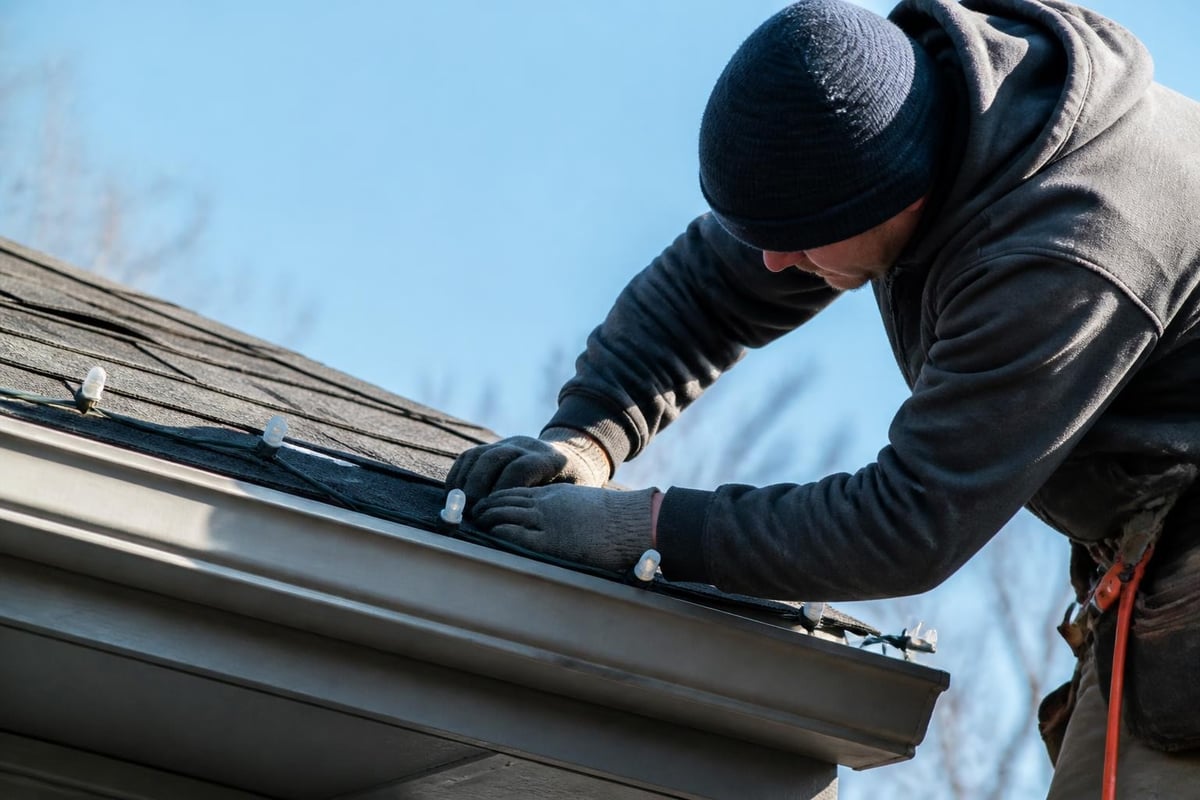
Shingle composition affects how much damage Christmas lights can cause. Asphalt shingles react differently to fasteners in cold weather versus warm conditions.
Cold weather makes shingles brittle. When you drive a staple through a shingle in 30-degree weather, the surrounding material is more likely to crack. That crack might not appear immediately, but thermal cycling throughout winter expands it.
Architectural shingles are thicker and more resistant to puncture damage than three-tab shingles. But they also cost more, and voiding their warranty means losing more value.
Metal roofs handle cold better structurally but present different challenges. Paint and coating damage from adhesives or clips can lead to rust issues, which also void warranties.
Making the Decision: Decorations vs. Protection
Ultimately, homeowners must balance holiday traditions with long-term roof protection. The question can Christmas lights void a roof warranty shouldn't end your decorating plans, but it should inform your methods.
Consider these factors when planning your display:
- Duration of display: Lights up for one month cause less wear than displays running November through January
- Roof age: Newer roofs have more warranty years to protect; older roofs near replacement matter less
- Climate exposure: Coastal wind and salt accelerate any damage from improper installation
- Display complexity: Simple eave lights require fewer attachment points than elaborate roofline designs
For many Eastern North Carolina homeowners, the solution is straightforward: invest $30-50 in quality plastic clips once, then reuse them for years. That one-time expense protects a warranty worth thousands while maintaining holiday traditions.
Insurance Implications Beyond Warranties
Separate from warranty concerns, improper light installation can affect homeowner's insurance. If decorations cause damage, your insurer reviews how they were installed when processing claims.
Insurance companies distinguish between act-of-God damage and damage from negligence. A hurricane tearing off your roof is covered. A hurricane tearing off your roof that was already compromised by staple holes creates questions.
Similarly, if lights cause a house fire, investigators examine installation methods. Lights secured with metal staples that contact wiring create fire hazards. That combination of improper installation and resulting damage can complicate claims.
The standard homeowner policy covers sudden and accidental damage, not damage from ongoing negligent maintenance. Repeatedly stapling into your roof each year could be classified as the latter.
Best Practices for Long-Term Roof Health
Protecting your roof warranty while enjoying holiday decorations comes down to consistent best practices:
- Use only non-penetrating attachment methods like shingle clips or gutter hooks
- Inspect attachment points before and after each season for signs of wear
- Remove decorations promptly after holidays to minimize exposure time
- Store clips properly for reuse rather than buying new fasteners annually
- Document your methods with photos in case warranty questions arise later
These practices extend beyond Christmas lights to all roof-related maintenance. The same principles apply to satellite dish installation, solar panel mounting, or attic vent additions.
Regional Regulations and HOA Rules
Some homeowners associations in coastal North Carolina communities have specific rules about holiday displays and roof modifications. These rules sometimes overlap with warranty concerns.
HOA architectural committees may prohibit certain attachment methods or require removal by specific dates. Following these rules often aligns with warranty-safe practices, since HOAs want to protect property values and prevent damage.
Local building codes rarely address temporary holiday decorations, but permanent lighting installations may require permits. If you're considering year-round architectural lighting, consult both your warranty terms and local regulations.
Understanding can Christmas lights void a roof warranty protects both your holiday traditions and your roofing investment. The key is choosing installation methods that secure your display without compromising shingle integrity or warranty coverage. When questions arise about roof condition, warranty status, or whether damage needs attention, working with contractors who prioritize clear communication makes all the difference. NC Roofs serves Hampstead, Topsail, Surf City, and surrounding Eastern North Carolina communities with honest assessments and straightforward repair recommendations, helping homeowners understand exactly what's happening with their roof before making any decisions.