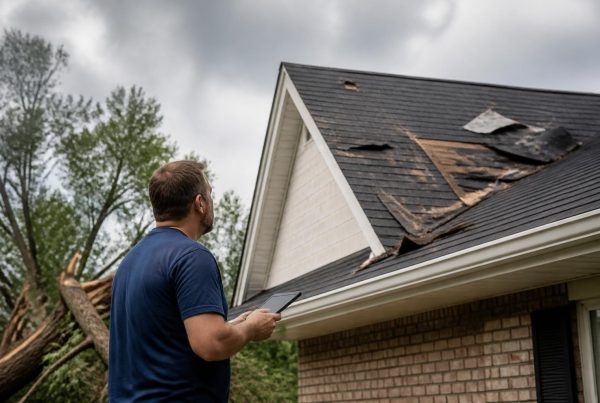
When something goes wrong with your roof, the first question most homeowners ask is whether they can fix it or if they need to start planning for a full replacement. Roof fixing covers a wide range of repairs, from patching a small leak to replacing an entire section damaged by wind. Understanding what can be fixed, what it costs, and when repair makes more sense than replacement helps you make decisions with confidence. For coastal North Carolina homeowners, where wind and weather accelerate wear, knowing your options matters even more.
When Roof Fixing Makes Sense
Not every roof problem requires a complete replacement. Many issues can be addressed with targeted repairs that restore protection and extend the life of your existing roof.
Small leaks often come from specific weak points rather than overall roof failure. A single damaged shingle, a cracked boot around a pipe vent, or worn flashing around a chimney can all cause water intrusion without indicating broader problems.
Localized damage is one of the clearest cases for repair. If storm winds lift a section of shingles or hail damages a slope facing prevailing weather, fixing that area may be all that's needed.
Age and Overall Condition
The age of your roof plays a major role in whether fixing makes sense. An asphalt shingle roof that's 8 years old with a limited problem is usually worth repairing. The same issue on a 22-year-old roof might be better addressed as part of a replacement, especially if other signs of wear are present.
Here's how age typically factors into the decision:
| Roof Age | Repair Approach | Replacement Consideration |
|---|---|---|
| 0-10 years | Almost always repair unless major damage | Only if structural damage or manufacturing defect |
| 10-15 years | Repair if localized; assess overall condition | Consider if multiple areas need work |
| 15-20 years | Evaluate cost of repairs vs. remaining lifespan | Often makes sense if repairs exceed 30% of replacement cost |
| 20+ years | Repair only if temporary solution needed | Typically recommended for long-term value |
Overall roof condition matters as much as age. A well-maintained 18-year-old roof might be worth fixing, while a neglected 12-year-old roof with multiple problem areas might not be.

Common Roof Fixing Projects
Understanding what can be repaired helps you recognize problems early and address them before they spread.
Shingle Replacement
Missing or damaged shingles are among the most straightforward roof fixing projects. Wind can lift shingles, especially along edges and ridges. Hail can crack or bruise them. Age can cause them to curl or lose granules.
Replacing individual shingles or small sections restores the protective barrier. The work involves removing damaged pieces, checking the underlayment, and installing new shingles that match the existing roof as closely as possible.
- Remove nails from damaged shingles
- Inspect underlayment for tears or water damage
- Slide new shingles into place
- Secure with roofing nails
- Seal edges to prevent future wind lift
Color matching can be challenging on older roofs where the original shingles have weathered. Professional roofers keep samples to find the closest match available in 2026.
Leak Repairs
Finding and fixing leaks requires more detective work than shingle replacement. Water doesn't always enter where it appears inside your home. It can travel along rafters or sheathing before dripping through a ceiling.
The most common leak sources include:
Flashing failures around chimneys, skylights, and roof-to-wall transitions. Metal flashing can pull away from surfaces, develop gaps, or corrode over time. Resealing or replacing flashing stops water entry at these vulnerable intersections.
Pipe boot deterioration happens when the rubber or plastic collar around vent pipes cracks from sun exposure. Replacing the boot is a quick fix that prevents water from running down the pipe into your attic.
Valley issues occur where two roof slopes meet. Valleys handle high water volume, and improperly installed or damaged valley flashing can allow water underneath shingles.
Storm Damage Repair
Coastal areas face wind and weather that create specific repair needs. Roof repair after storms often involves addressing multiple small issues rather than one major problem.
Wind damage typically shows up as:
- Lifted or creased shingles along edges
- Missing shingles in exposed areas
- Damaged ridge caps
- Torn underlayment where shingles lifted
- Debris impact damage from flying objects
Each of these can be fixed individually. After significant storms, getting a thorough inspection helps identify all the damage at once, which matters for insurance claims and preventing future leaks.
What Roof Fixing Actually Costs
Repair costs vary based on the problem, accessibility, and materials needed. Understanding typical pricing helps you budget and evaluate estimates.
Basic Repair Pricing
Small, straightforward repairs generally cost less than homeowners expect. Replacing a few shingles might run $200 to $400 depending on access and materials. Resealing a pipe boot could be $150 to $300. These quick fixes prevent much larger problems.
Mid-range repairs involve more labor or materials. Replacing a section of damaged shingles might cost $500 to $1,200. Reflashing a chimney could run $800 to $1,500. Valley repairs often fall in the $600 to $1,800 range.
Extensive repairs that address multiple areas or require significant work can reach $2,000 to $5,000. At this point, comparing the repair cost to replacement value makes sense, especially on older roofs.
| Repair Type | Typical Cost Range | When It Makes Sense |
|---|---|---|
| Shingle replacement (small area) | $200-$500 | Localized damage, newer roof |
| Pipe boot replacement | $150-$350 | Visible cracks, active leak |
| Flashing repair | $400-$1,200 | Leak at transition points |
| Valley repair | $600-$1,800 | Water staining, multiple leaks |
| Section replacement | $1,000-$3,000 | Storm damage, isolated area |
| Multiple repairs | $2,000-$5,000 | Evaluate vs. replacement cost |
Hidden Costs to Consider
The visible repair isn't always the only cost. Water damage may have affected the roof deck underneath shingles. Rotted plywood needs replacement before new shingles go down, adding material and labor costs.
Interior damage from leaks can add to the total project cost even though it's not technically roof fixing. Stained ceilings, damaged insulation, or mold remediation may be necessary depending on how long the leak went unaddressed. Addressing seasonal roof maintenance helps catch problems before they cause secondary damage.
Evaluating Whether to Fix or Replace
This decision matters more than any other in the roof fixing process. Repair when it makes financial sense and provides adequate protection. Replace when repairs become a temporary patch on a failing system.
The 30% Rule
A common guideline suggests that if repairs cost more than 30% of what a full replacement would run, replacement often makes more sense. This isn't absolute, but it provides a useful benchmark.
For example, if a full roof replacement would cost $12,000 and proposed repairs total $4,500, you're at 37.5%. On a roof with 8 years of life remaining, that repair might make sense. On a roof with 3 years left, replacement would be the better investment.
Damage Extent and Pattern
Single-area damage usually favors repair. If one slope took hail damage but the others didn't, fixing that section preserves your investment while addressing the problem.
Multiple problem areas suggest broader issues. When you're addressing leaks in three different spots, replacing flashing in two locations, and patching shingles in four areas, the roof may be telling you it's reaching the end of its useful life. Understanding the difference between repair and replacement helps clarify when you've crossed that threshold.
Insurance Considerations
Storm damage often involves insurance claims. Some policies cover repairs differently than replacement. Getting detailed documentation of all damage helps ensure you receive appropriate coverage.
A professional inspection that documents every issue creates a clear record for your claim. This matters in coastal areas where wind and weather are common claim triggers.
DIY vs. Professional Roof Fixing
Some homeowners consider handling repairs themselves to save money. Understanding what's realistic helps prevent creating bigger problems.
What Homeowners Can Handle
Very limited roof fixing tasks suit DIY work:
- Replacing a single accessible shingle on a low-slope roof
- Applying temporary sealant to a known leak point until professional repair
- Cleaning debris from gutters and roof valleys
- Basic visual inspections from the ground
Even these simple tasks carry risk. Walking on a roof can damage shingles you're not trying to fix. Missing underlying damage can make a small problem worse.
When to Call Professionals
Most roof fixing should be handled by experienced roofers. They have the tools, materials, and knowledge to:
- Identify the actual source of leaks, not just where water appears
- Access steep or high areas safely
- Match materials properly for weather resistance
- Spot related problems you might miss
- Warranty the work properly
Professional repairs also maintain any existing roof warranty. Many manufacturer warranties require certified installers and proper techniques. DIY work can void these protections. Following proper roof maintenance practices extends the time between repairs.
Recognizing When Roof Fixing Is Urgent
Some problems need immediate attention. Others can wait for scheduling that works for you and your budget.
Emergency Repairs
Active leaks during rain require fast action. Water entering your home damages ceilings, insulation, and framing the longer it continues. Temporary measures like tarps can prevent further damage until permanent roof fixing happens.
Major storm damage that exposes the roof deck to weather needs emergency coverage. Missing sections of shingles, torn underlayment, or damaged flashing that leaves wood exposed should be covered within hours, not days.
Structural concerns like sagging areas or visible damage to rafters require immediate professional evaluation. These indicate problems beyond surface roof fixing.
Problems That Can Wait
Many issues can be scheduled during normal business hours:
- Cosmetic damage that doesn't affect protection
- Minor granule loss on aging shingles
- Slight curling at shingle edges
- Small areas of worn sealant
- Preventive repairs identified during inspection
Scheduling these repairs during good weather ensures quality work and often better pricing than emergency calls. Reviewing resources about roof replacement timing helps plan proactive maintenance.
Preventing Future Roof Fixing Needs
While some repairs are unavoidable, regular maintenance reduces the frequency and cost of roof fixing over time.
Regular Inspections
Checking your roof twice a year catches small problems before they grow. Spring and fall inspections work well. After major storms, an additional check makes sense in coastal areas.
Look for:
- Missing, cracked, or curling shingles
- Damaged or loose flashing
- Clogged gutters that can back water under shingles
- Moss or algae growth
- Granules collecting in gutters
From the ground, binoculars let you spot many issues without climbing. For detailed inspection, professionals have the equipment and knowledge to spot problems you might miss.
Maintenance Tasks
Several simple maintenance steps extend roof life:
Keep gutters clear so water flows away from the roof rather than backing up under shingles. This is especially important in areas with trees dropping leaves and debris.
Trim overhanging branches to prevent damage from rubbing and reduce debris accumulation. Branches also provide highways for animals that can damage roofing materials.
Remove debris promptly after storms. Leaves, pine needles, and branches trap moisture against shingles, accelerating deterioration.
Address minor issues quickly before they spread. A small repair today prevents a large one next year. Learning about regular roofing maintenance creates habits that protect your investment.
Making Informed Roof Fixing Decisions
The best roof fixing decisions come from complete information. You need to know what's wrong, what options exist, and what each option costs both now and over time.
Getting a detailed assessment before committing to any work helps you understand the full picture. This is especially valuable when facing multiple issues or choosing between repair and replacement. Some homeowners find value in an independent inspection that provides documentation without sales pressure.
Understanding your roof's condition, the nature of any damage, and realistic cost projections for both repair and replacement gives you the context to choose wisely. In coastal North Carolina, where weather patterns create specific challenges, this knowledge becomes even more important.
Whether you're dealing with a leak that appeared last week or planning to address wear you've noticed over time, taking a measured approach based on facts rather than urgency leads to better outcomes. Check out the comprehensive spring maintenance guidance for seasonal planning. Additional perspective on repair versus replacement decisions helps homeowners weigh their options.
The right roof fixing solution balances immediate needs with long-term value, addressing current problems while considering the roof's overall condition and remaining lifespan.
Roof fixing decisions become clearer when you understand what's actually happening with your roof, what repairs involve, and whether fixing or replacing makes better financial sense for your situation. If you're dealing with damage, leaks, or wear and want an honest assessment of your options, NC Roofs provides detailed inspections and straightforward guidance across Hampstead, Topsail, Surf City, and surrounding coastal communities. We help you understand your roof's condition before making any decisions, so you can move forward with confidence.