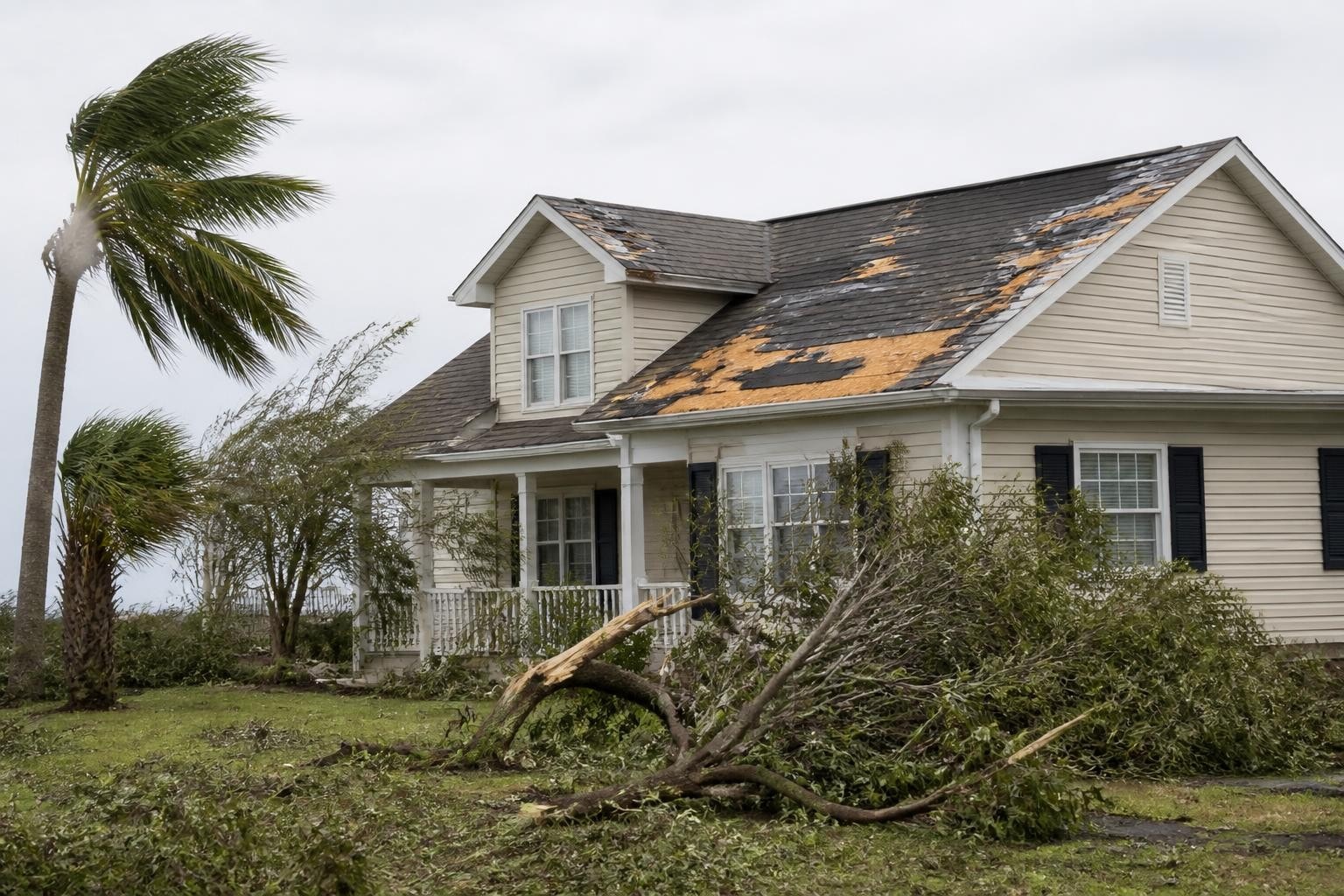
Understanding what roof damage insurance covers can make the difference between a straightforward claim and thousands of dollars out of pocket. Most homeowners assume their insurance will cover any roof problem, but coverage depends on what caused the damage, your policy type, and the condition of your roof before the event. In coastal North Carolina, where wind and storm damage are common, knowing these details before you need to file a claim helps you plan, budget, and respond quickly when damage occurs.
How Homeowners Insurance Evaluates Roof Damage
Insurance companies look at two main factors when evaluating a roof claim: the cause of the damage and the roof's condition beforehand.
Sudden and accidental events are typically covered. This includes storms, falling trees, fire, and vandalism. If something unexpected happens and damages your roof, your policy will likely step in.
Gradual deterioration is not covered. Wear and tear, aging shingles, or neglected maintenance fall outside standard coverage. Insurance protects against unexpected events, not the natural lifespan of roofing materials.
The age and maintenance history of your roof matter significantly. A well-maintained 10-year-old roof damaged by wind will generally receive full coverage, while a 25-year-old roof with pre-existing issues may see reduced or denied claims.
| Coverage Factor | Covered | Not Covered |
|---|---|---|
| Cause | Storm, fire, falling objects, vandalism | Wear and tear, neglect, poor installation |
| Condition | Well-maintained roof damaged by sudden event | Pre-existing damage, age-related failure |
| Timing | Sudden, accidental damage | Gradual deterioration over time |

What Roof Damage Insurance Covers Under Standard Policies
Most homeowners policies follow similar patterns for what roof damage insurance covers, though specific details vary by carrier and policy type.
Wind and Hail Damage
Wind damage is one of the most common covered perils along the North Carolina coast. This includes:
- Shingles torn off by high winds
- Structural damage from hurricane-force gusts
- Damage from wind-driven rain entering through compromised areas
- Uplift damage to underlayment and decking
Hail damage receives similar treatment. Dents, cracks, and punctures from hailstones fall under covered events. Insurance adjusters look for impact marks on shingles, granule loss, and damage patterns consistent with hail size and storm reports.
Fire and Lightning
Fire damage to roofs is covered under virtually all standard policies. This includes:
- Direct fire damage from house fires
- Roof damage from nearby fires (embers, radiant heat)
- Lightning strikes that burn or crack roofing materials
- Damage from firefighting efforts (water, cutting access holes)
Fire coverage typically provides full replacement value for damaged materials and necessary structural repairs.
Falling Objects and Tree Damage
When trees, branches, or other objects fall on your roof, coverage usually applies. The key is that the object must fall from outside the property or be driven by weather events.
Covered scenarios include:
- Trees falling during storms
- Branches breaking under ice or snow load
- Debris from nearby construction
- Aircraft or vehicle accidents
The insurance company typically covers both roof repair and tree removal when the tree damages the structure. If a tree falls in your yard without hitting anything, removal costs generally aren't covered.
Vandalism and Theft
Intentional damage to your roof from vandalism qualifies as a covered event. This includes graffiti, torn shingles, or damage from break-in attempts through the roof. Theft of roofing materials (copper flashing, decorative elements) also falls under coverage in most policies.
Understanding Policy Types and Coverage Limits
Not all policies handle roof damage the same way. The type of coverage you carry directly affects what you'll receive after a claim.
Named-Peril vs. Open-Peril Policies
Named-peril policies only cover specific events listed in your policy documents. Common named perils include fire, lightning, wind, hail, and falling objects. If the damage cause isn't specifically named, you won't receive coverage.
Open-peril policies (also called all-risk policies) work in reverse. They cover everything except specifically excluded items. This broader protection typically costs more but provides better coverage for unusual damage scenarios.
Understanding the difference between these policy types helps you know whether your specific situation will be covered before you file a claim.
Actual Cash Value vs. Replacement Cost Coverage
This distinction determines how much money you'll receive for covered damage.
Actual Cash Value (ACV) pays for the roof's depreciated value. If your 15-year-old roof has a 25-year expected lifespan, you might receive 40% of replacement cost (10 years remaining ÷ 25 year lifespan).
Replacement Cost Value (RCV) pays for full replacement without depreciation. You receive enough to install a comparable new roof, regardless of the damaged roof's age.
| Coverage Type | Payout Calculation | Example (15-Year-Old Roof) |
|---|---|---|
| Actual Cash Value | Replacement cost minus depreciation | $8,000 for $20,000 roof |
| Replacement Cost | Full replacement cost | $20,000 for $20,000 roof |
| Extended Replacement | Up to 125% of policy limit | Up to $25,000 for $20,000 roof |
Most lenders require replacement cost coverage for mortgaged homes, but some older policies or paid-off homes may carry only ACV coverage.
Deductibles and Coverage Limits
Your deductible is what you pay before insurance coverage begins. Standard deductibles range from $500 to $2,500, but wind and hail deductibles in coastal areas may reach 2-5% of your home's insured value.
For a home insured at $300,000 with a 2% wind deductible, you'd pay the first $6,000 of any wind-related roof damage. This makes understanding what roof damage insurance covers even more important, as you need to know whether filing a claim makes financial sense.
Common Exclusions in Roof Damage Coverage
Knowing what isn't covered prevents surprises during the claims process.
Wear and Tear
Normal aging doesn't qualify for coverage. This includes:
- Shingles reaching end of lifespan
- Granule loss from age
- Curling or brittleness from sun exposure
- Seal failure on older installations
Insurance policies expect homeowners to maintain their roofs and replace them at appropriate intervals. Regular maintenance and timely repairs help document that you've upheld your end of this responsibility.
Maintenance-Related Issues
Damage resulting from poor maintenance typically isn't covered. Examples include:
- Leaks that developed because missing shingles weren't replaced
- Water damage from clogged gutters
- Rot from unrepaired flashing
- Structural damage from ignored small issues
Documentation matters here. If you can show the damage occurred suddenly despite proper maintenance, you strengthen your claim position.
Cosmetic Damage
Some policies exclude purely cosmetic damage that doesn't affect the roof's function. Slight discoloration, minor granule loss that doesn't expose the mat, or small dents that don't compromise waterproofing may not qualify for coverage.
This becomes relevant with hail claims, where adjusters distinguish between functional damage requiring repair and cosmetic issues that don't threaten the roof's performance.
Flood Damage
Standard homeowners insurance doesn't cover flood damage, including roof damage from flooding. Separate flood insurance through the National Flood Insurance Program or private carriers is required for this coverage.
In coastal North Carolina, this distinction matters during hurricanes, where wind damage (covered) and flood surge (not covered) often occur simultaneously.
The Insurance Claims Process for Roof Damage
Understanding how to file and manage a roof damage claim improves your chances of fair settlement.
Initial Documentation
When damage occurs, document everything:
- Take photos from multiple angles showing damaged areas
- Note the date and time of the damage event
- Collect weather reports confirming storm conditions
- Secure the property to prevent further damage (covered as part of your claim)
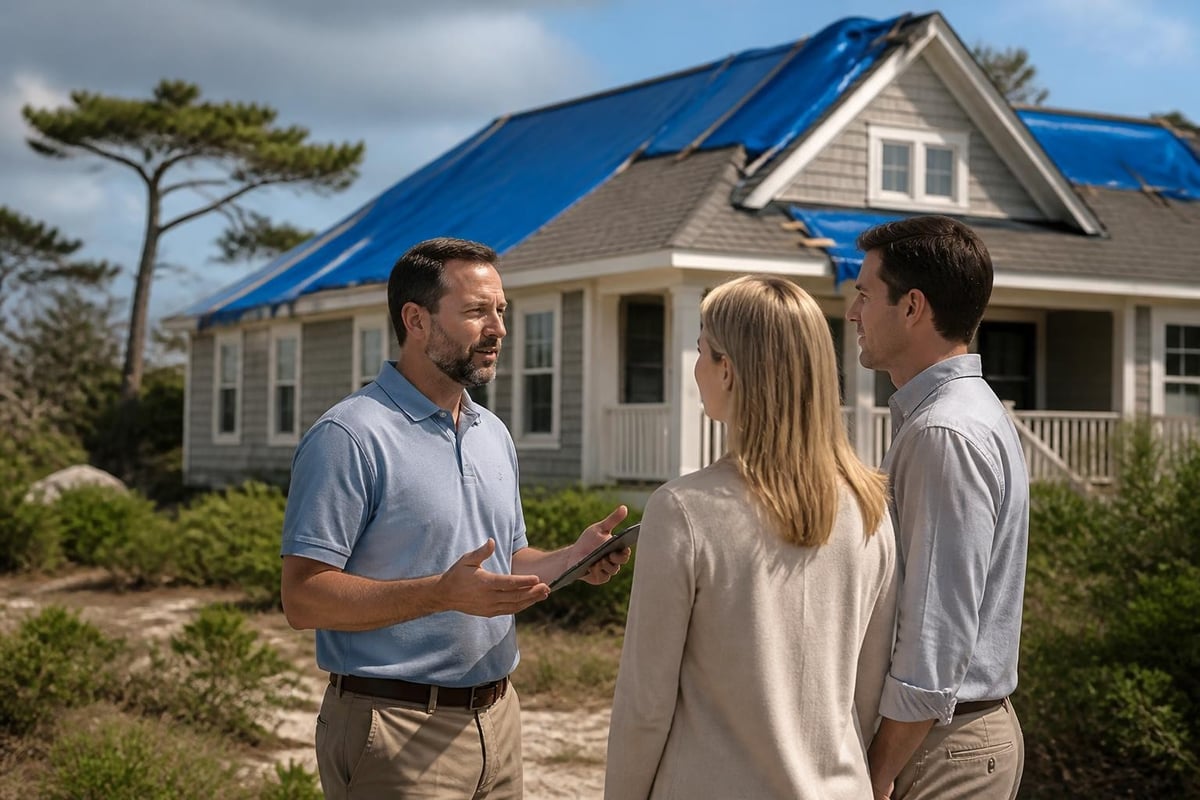
- Keep receipts for emergency repairs or tarping
This documentation supports your claim and helps adjusters understand the scope of damage.
Filing Your Claim
Contact your insurance company as soon as safely possible after damage occurs. Most carriers have 24/7 claims lines and mobile apps for quick reporting.
Provide clear, factual information about:
- When the damage occurred
- What caused it
- The extent of visible damage
- Emergency measures you've taken
The carrier will assign an adjuster and schedule an inspection, typically within a few days for storm-related claims.
The Inspection Process
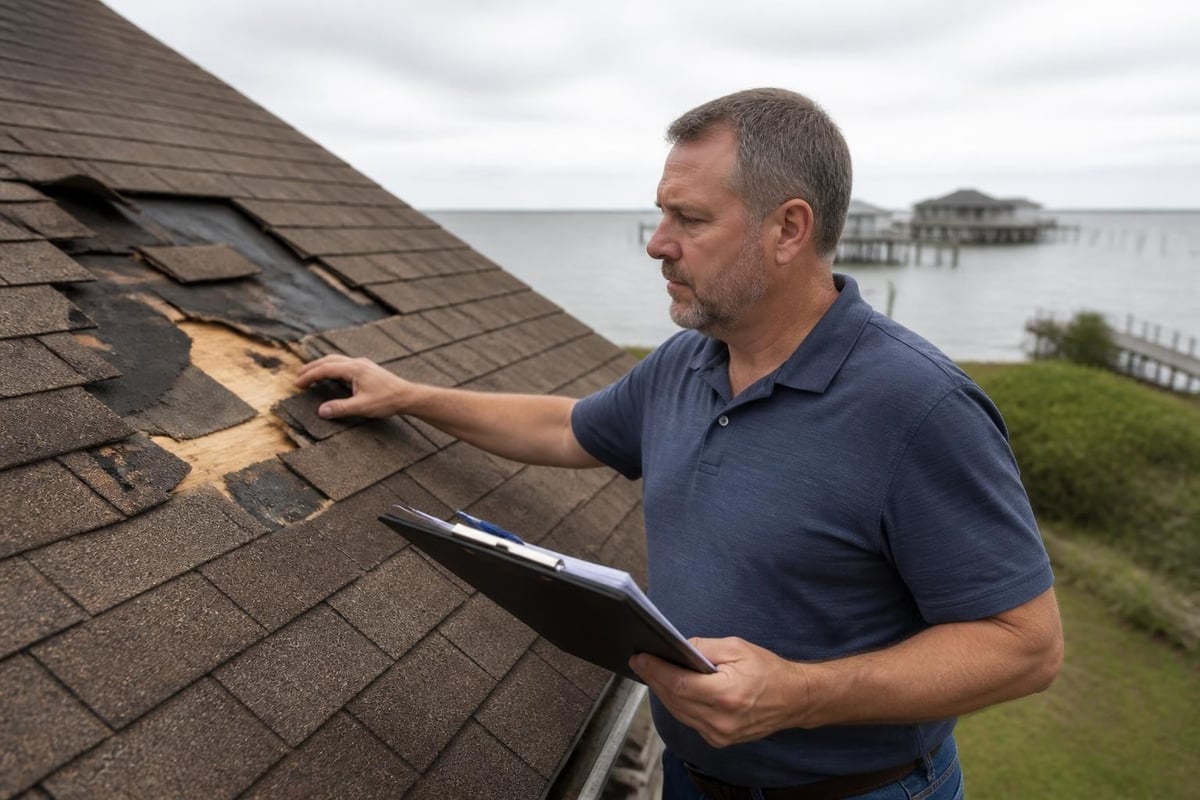
The insurance adjuster visits your property to assess damage. They'll examine:
- Visible damage to shingles, flashing, and roof penetrations
- Interior signs of leaks or water damage
- Pre-existing conditions that might affect coverage
- Storm patterns consistent with your claim
Having your own documentation ready helps ensure nothing is missed. Understanding the scope of necessary repairs before the adjuster arrives puts you in a better position to discuss the findings.
Claim Settlement
After inspection, the adjuster provides a damage estimate and coverage determination. This includes:
- Scope of covered damage and repair specifications
- Payout amount based on your coverage type (ACV or RCV)
- Deductible subtracted from total claim value
- Exclusions for any non-covered items found during inspection
For replacement cost policies, insurers typically issue two payments. The first covers actual cash value minus your deductible. After you complete repairs and submit receipts, they release the remaining depreciation amount.
Special Considerations for Coastal North Carolina Homes
Living along the coast adds specific considerations to what roof damage insurance covers.
Hurricane and Wind Deductibles
Most coastal policies include separate, higher deductibles for named storms and wind damage. These can be:
- Percentage-based: 2%, 5%, or even 10% of home's insured value
- Hurricane-specific: Applied only when damage occurs during a named storm
- Wind-only: Applied to all wind damage regardless of storm classification
A $400,000 home with a 5% hurricane deductible means you pay $20,000 before coverage begins. Understanding this before storm season helps you budget appropriately.
Coverage Availability and Limitations
Some insurers limit coverage in coastal areas or exclude specific perils. Wind and hail coverage may require separate endorsements or policies through state insurance pools.
Review your policy annually to confirm:
- Wind coverage is still included and hasn't been excluded
- Coverage limits match your home's current replacement cost
- Deductibles haven't increased with policy renewals
- Roof age restrictions don't affect your coverage (some carriers limit coverage for roofs over 15-20 years old)
Salt Air and Environmental Factors
While standard wear from coastal conditions isn't covered, sudden damage is. Knowing whether storm damage or aging caused your roof issues determines coverage eligibility.
For example, shingles torn off by 70 mph winds are covered even if salt air had slightly weakened them. But shingles failing solely because salt air broke down the adhesive over ten years wouldn't be covered.
How Roof Age Affects Coverage
The age of your roof significantly impacts what roof damage insurance covers and how much you'll receive.
Age-Based Coverage Restrictions
Many insurance companies implement restrictions based on roof age:
| Roof Age | Typical Coverage Impact |
|---|---|
| 0-10 years | Full coverage, replacement cost value |
| 10-15 years | Full coverage with possible inspection requirement |
| 15-20 years | May require inspection, possible ACV-only coverage |
| 20+ years | Limited coverage, ACV only, or coverage denial |
Some carriers won't insure homes with roofs over 20 years old without a professional inspection certifying the roof is in good condition.
Maintaining Coverage as Your Roof Ages
To protect your coverage:
- Document regular maintenance with dated photos and receipts
- Address minor damage promptly to prevent larger issues
- Get periodic professional inspections (every 3-5 years)
- Replace worn sections before they fail completely
This documentation proves you've maintained the roof properly, which strengthens claims even for older roofs.
Making the Most of Your Coverage
Understanding what roof damage insurance covers helps you maximize your policy's value.
When to File a Claim
Not every roof issue warrants an insurance claim. Consider:
File a claim when:
- Damage exceeds your deductible by a meaningful amount
- Storm damage affects a large portion of your roof
- Structural damage threatens your home's integrity
- Water intrusion is actively occurring
Consider paying out of pocket when:
- Repair costs are near or below your deductible
- Damage is minor and localized
- Filing might risk coverage non-renewal
- You've filed multiple recent claims
Claims history affects future insurability and rates. Small repairs paid directly may save money long-term.
Working With Roofing Contractors
Choose contractors carefully when dealing with insurance work. Look for:
- Local, established companies familiar with insurance processes
- Documentation capabilities that support your claim
- Honest assessments of what's damaged versus what's just aging
- Transparent pricing that matches insurance estimates
Some contractors offer to "eat" your deductible or promise they can get your whole roof replaced regardless of damage extent. These red flags often indicate fraud that can void your coverage or result in legal problems.
Understanding Policy Updates
Review your policy annually and after major life changes. Updates that affect roof coverage include:
- Home value increases requiring higher coverage limits
- Roof replacements that may qualify for better rates or coverage
- Changes in coastal building codes affecting replacement costs
- New exclusions or limitations added at renewal
Staying informed prevents coverage gaps when you need protection most.
Documentation Best Practices
Good records make the difference between smooth claims and disputes.
What to Keep
Maintain a home file with:
- Original roof installation documentation and warranties
- All maintenance records including dates and contractor information
- Previous repair receipts showing ongoing maintenance
- Pre-loss photos of your roof in good condition
- Insurance policy declarations pages from each year
Digital copies stored offsite (cloud storage) protect these documents even if your home is damaged.
After a Storm
Take comprehensive post-storm photos showing:
- Overall roof condition from ground level
- Close-ups of damaged areas (use zoom, don't climb on damaged roofs)
- Interior damage from any leaks
- Surrounding property showing storm impact
- Temporary repairs you make to prevent further damage
Date-stamp everything and keep a written log of when damage was discovered and what actions you took.
Home insurance policies require homeowners to mitigate further damage, so temporary repairs (tarping, securing loose materials) are both smart and contractually required.
Questions to Ask Your Insurance Agent
Before damage occurs, clarify coverage details with your agent.
Essential questions include:
- Is my roof covered under replacement cost or actual cash value?
- What is my wind/hail deductible versus my standard deductible?
- Are there age restrictions on my roof that affect coverage?
- What documentation do you need for a smooth claims process?
- How does filing a roof claim affect my future rates and insurability?
Getting written answers creates a reference point if disputes arise later.
Follow-up questions for clarity:
- Does my policy cover code upgrades required during repairs?
- What's covered if damage inspection reveals pre-existing issues?
- How long do I have to file a claim after discovering damage?
- Will you cover temporary repairs and emergency services?
Clear communication before problems occur leads to better outcomes during stressful claim situations.
How Roof Materials Affect Coverage
Different roofing materials receive different treatment from insurance companies.
Asphalt shingles are standard in most areas and receive straightforward coverage based on policy terms. Replacement costs are predictable, and adjusters have clear guidelines for damage assessment.
Metal roofing often qualifies for insurance discounts due to durability and fire resistance. Claims may be less frequent, but repair costs for damaged panels can be higher than shingles.
Tile and slate roofs present special considerations. Individual broken tiles may be covered, but matching discontinued styles can be challenging. Some policies include "matching" clauses that cover replacing larger sections when exact matches aren't available.
Flat or low-slope roofs common on coastal modern designs require more frequent maintenance. Understanding whether leak sources qualify as sudden damage or deferred maintenance is crucial for these roof types.
Insurance companies may charge different premiums or offer different coverage based on roof material, expected lifespan, and resistance to common perils.
Understanding what roof damage insurance covers gives you confidence in protecting your home and navigating the claims process when storms hit. The key is knowing your policy type, maintaining your roof properly, and documenting everything before and after damage occurs. If you're dealing with roof damage in the Topsail, Surf City, Wilmington, or surrounding coastal North Carolina areas, NC Roofs provides clear assessments and insurance-ready documentation to help you understand your options and make informed decisions about repairs or replacement.