Your roof handles everything coastal North Carolina weather throws at it, from summer storms to hurricane-force winds. Most homeowners don't think much about their roof until something goes wrong, but catching problems early can save thousands of dollars and prevent damage to the rest of your home. Understanding how to know if roof needs repair means looking for specific warning signs both inside and outside your house. Some issues are obvious, like water dripping from the ceiling, while others hide in plain sight until they become serious. This guide walks through the practical signs that tell you it's time to take a closer look at your roof.
Visible Shingle Damage
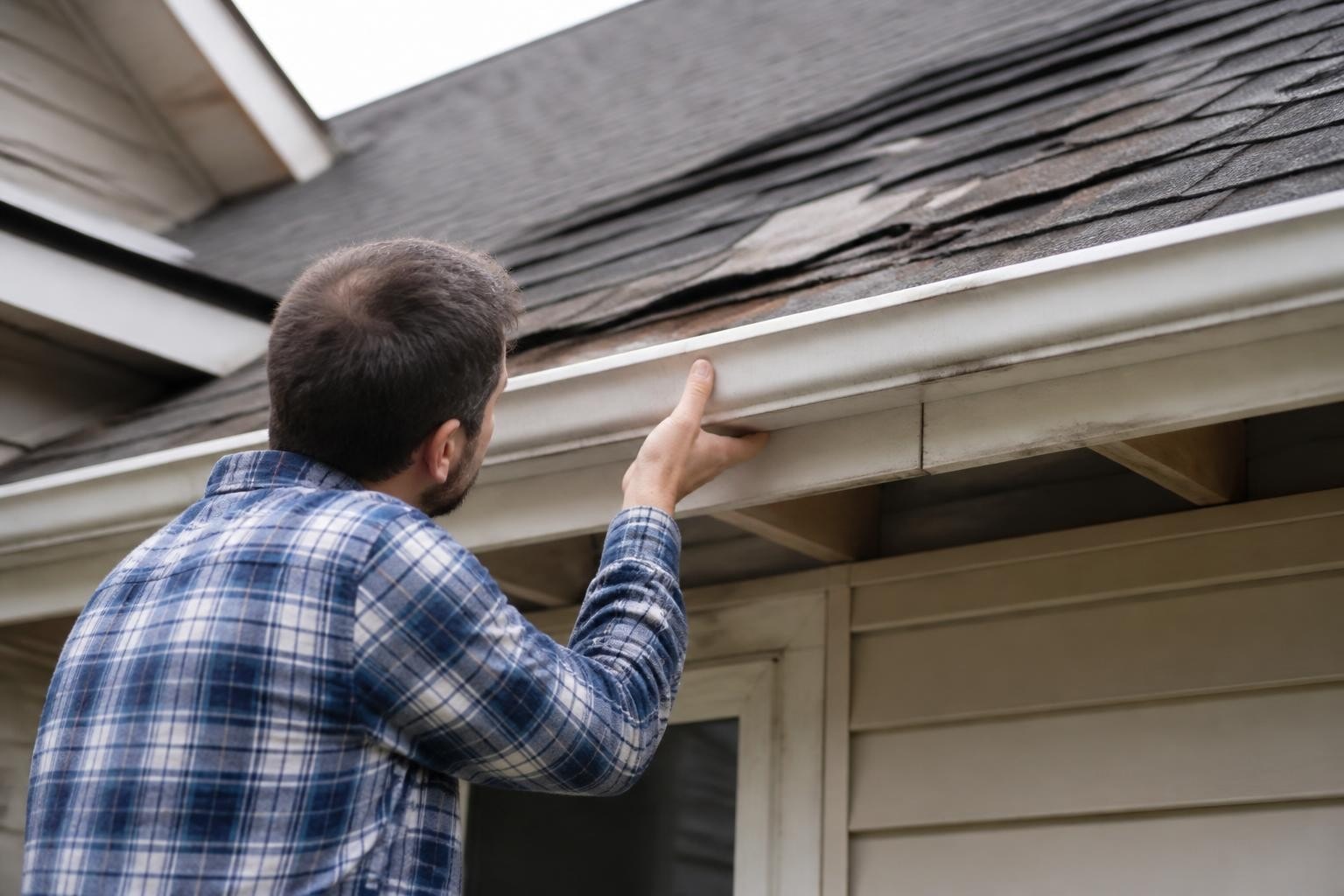
Shingles are your roof's first line of defense, and when they fail, everything underneath becomes vulnerable. Walk around your property and look up at your roof from different angles, or use binoculars if you prefer to stay on the ground.
Missing or Loose Shingles
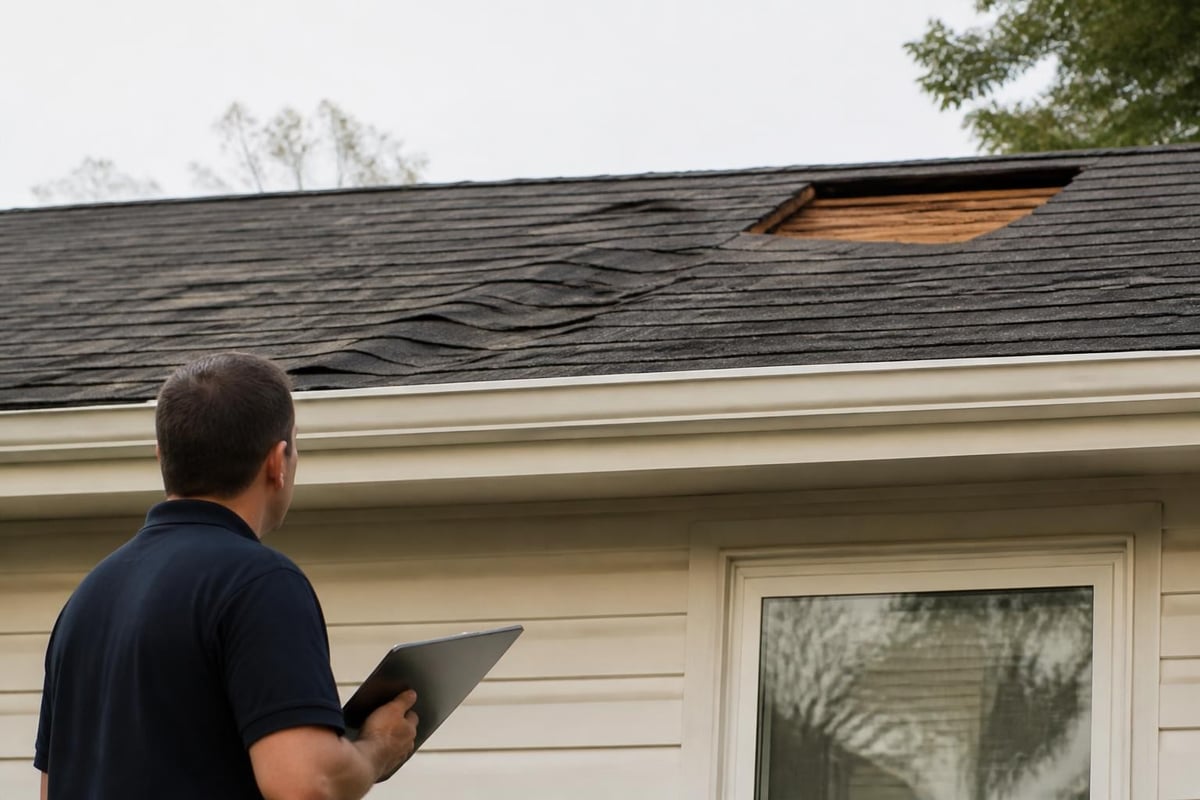
After storms roll through coastal areas, missing shingles become one of the most common issues. You might spot bare patches where shingles have blown off completely, or notice shingles hanging at odd angles. Strong coastal winds can lift shingle edges and break the seal, especially on older roofs where the adhesive has weakened over time.
Check your yard and gutters after high winds. Finding shingle pieces on the ground is a clear signal that your roof has lost protection in those areas. Even one or two missing shingles can let water reach the underlayment, which wasn't designed to be the primary barrier.
Curling, Cracking, or Buckling Shingles
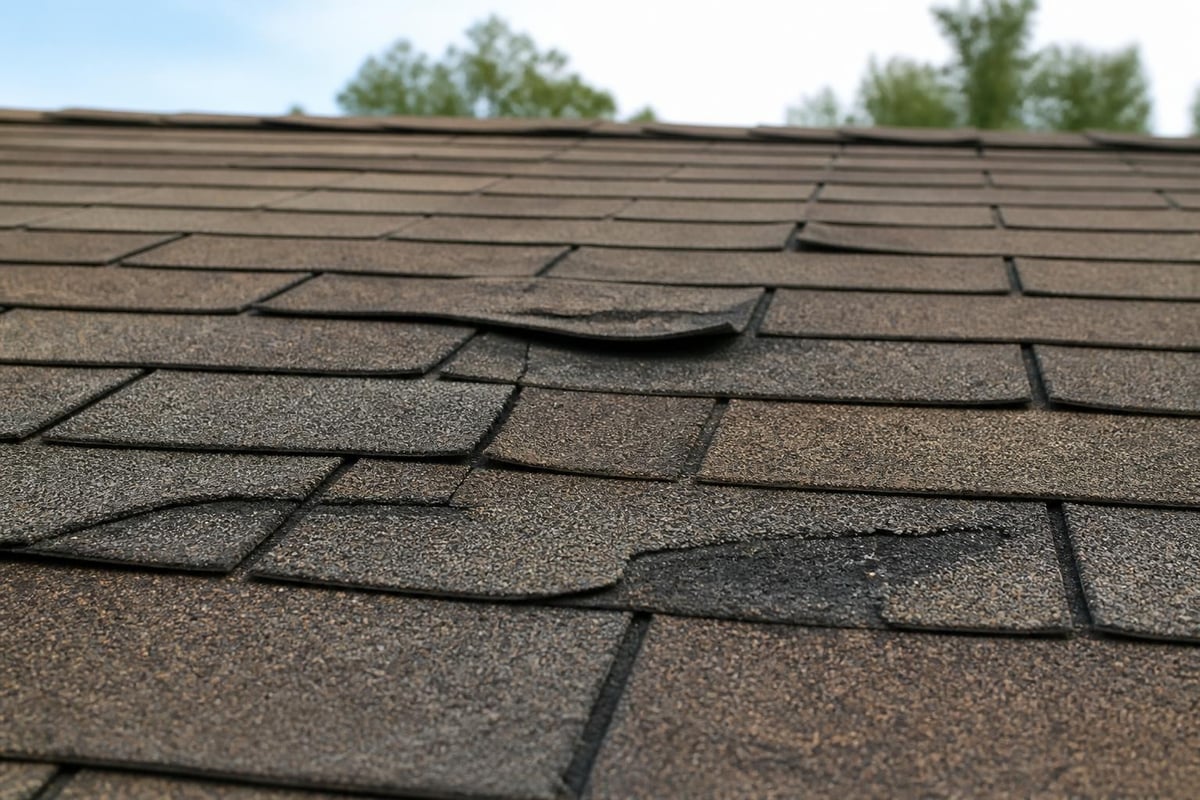
Shingles age differently depending on sun exposure, ventilation, and quality. Look for these specific patterns:
- Curling edges: Shingle edges turn upward or the center starts to dome
- Cracks: Visible splits running through shingles, often in lines
- Buckling: Waves or ripples across sections of the roof
- Bald spots: Areas where granules have worn away completely
These problems usually mean the shingles have reached the end of their useful life in those sections. Regular roof inspections help catch these issues before they spread across larger areas.
Water Stains and Interior Damage
What happens inside your home often tells you more about your roof's condition than what you can see from the ground. Water finds the path of least resistance, so interior signs might appear far from the actual leak source.
Ceiling and Wall Discoloration
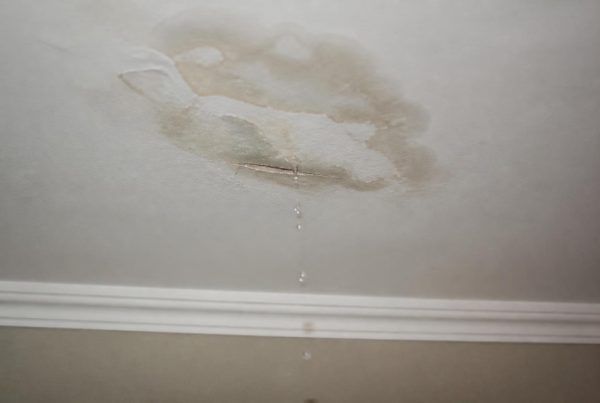
Walk through your attic and upper floor rooms looking for water stains on ceilings and walls. These typically appear as yellowish-brown rings or streaks. Fresh stains look darker and may feel damp to the touch, while old stains have dried and faded but remain visible.
Pay special attention to areas around:
- Chimneys and skylights
- Roof valleys where two slopes meet
- Corners where walls meet the ceiling
- Areas directly below bathroom and kitchen vents
Even small stains deserve attention. A minor leak today becomes a major problem after the next heavy rain. Signs of water damage often develop slowly before becoming obvious emergencies.
Attic Moisture and Mold
Your attic reveals problems that haven't reached living spaces yet. On a sunny day, turn off the attic lights and look for pinpoints of light coming through the roof deck. These indicate holes or gaps where water can enter.
| What to Check | What It Means |
|---|---|
| Damp insulation | Active or recent leak |
| Dark streaks on wood | Water running along rafters |
| Musty smell | Ongoing moisture problem |
| Mold growth | Prolonged exposure to water |
Moisture in the attic can come from roof leaks or ventilation problems. Either way, it signals that something needs fixing before the wood structure begins to rot.
Granule Loss and Shingle Deterioration
Asphalt shingles rely on protective granules to shield them from UV rays and weather. When these granules wash away, the underlying material breaks down rapidly.
Check your gutters and downspouts after rain. Excessive granules collecting there look like coarse sand, usually dark in color. Some granule loss is normal as shingles age, but heavy accumulation means your shingles are wearing out faster than expected.
Look at your roof on a clear day. Shingles losing granules appear lighter in color or show the black asphalt backing underneath. This often happens first on south-facing slopes that get the most sun exposure. Once granules are gone, shingles become brittle and crack easily.
Newer roofs shouldn't shed many granules. If your roof is less than ten years old and you're finding significant granule loss, it might indicate a manufacturing defect or installation problem worth investigating.
Sagging or Structural Issues
A sagging roof means serious structural problems that need immediate attention. This isn't about needing repair, this suggests the roof system is failing and could pose safety risks.
Recognizing Sagging Areas
Stand back from your house and look at the roofline. It should appear straight and level. Any dips, waves, or sagging sections indicate problems with the decking or support structure underneath. Common causes include:
- Water-damaged roof decking that has softened and warped
- Insufficient support for the roof's weight
- Structural damage from storms or fallen trees
- Long-term moisture exposure rotting the framework
Inside the attic, look for sagging between rafters or water-stained wood that feels soft when you press it. These are signs that the structural integrity has been compromised. Understanding how to know if roof needs repair includes recognizing when the problem goes deeper than just the surface materials.
Flashing Failures Around Roof Penetrations
Flashing seals the vulnerable spots where your roof meets chimneys, vents, skylights, and walls. These metal or rubber barriers prevent water from sneaking into gaps that shingles can't cover.
Problems with flashing often show up as:
- Rust or corrosion on metal flashing
- Cracks in rubber boot seals around vent pipes
- Gaps where flashing has pulled away from the surface
- Missing or damaged sections after storms
Look closely around your chimney. The flashing should lay flat against both the chimney and the roof with no visible gaps. Check vent pipes for cracked rubber boots, which become brittle over time and split open. These small failures let water pour directly into your home during rain.
Flashing repairs are often straightforward and affordable when caught early. Waiting until water damage spreads makes the job more expensive and complicated. When you're trying to figure out how to know if roof needs repair, checking flashing should be part of your regular inspection routine.
Storm Damage Assessment
Coastal North Carolina sees its share of severe weather, from tropical storms to hurricane impacts. After major weather events, your roof might have damage that isn't immediately obvious.
Wind Damage Indicators
High winds don't just remove shingles. They can:
- Lift shingle edges, breaking the adhesive seal
- Drive rain underneath shingles into the underlayment
- Bend or crease metal flashing
- Tear off ridge caps along the roof peak
- Damage soffit and fascia around roof edges
Inspect your roof within a few days of any storm with winds over 50 mph. Even if you don't see missing shingles, the wind may have compromised the seal. Wind and hail damage often requires professional assessment to document for insurance purposes.
Hail Impact Signs
Hail damage can be tricky to spot from the ground. Look for:
- Dents in metal roof vents, flashing, or gutters
- Dark spots on shingles where granules were knocked off
- Shingles with bruised or soft spots when pressed
- Cracked or split shingles in a random pattern
Hail doesn't always cause immediate leaks. The damage weakens shingles so they fail months or years sooner than they should have. If your neighbors are getting roof repairs after a hailstorm, your roof likely took similar hits.
Age-Related Wear Patterns
Every roof has a lifespan, and knowing your roof's age helps predict when problems will start appearing. Most asphalt shingle roofs last 15 to 25 years depending on quality, installation, and maintenance.
| Roof Age | What to Expect |
|---|---|
| 0-5 years | Minimal issues; defects should be covered by warranty |
| 6-10 years | Minor repairs possible; should still be in good condition |
| 11-15 years | Increased maintenance; start budgeting for replacement |
| 16-20 years | Common repair needs; evaluate repair vs. replacement |
| 20+ years | Likely needs replacement; repairs may be temporary |
As roofs age, problems compound. You might patch a leak here and replace a few shingles there, but at some point, the entire system is simply worn out. Determining whether you need repair or replacement depends partly on age and partly on the extent of current damage.
If your roof is approaching 20 years old and you're seeing multiple issues, replacing it often makes more financial sense than ongoing repairs. A newer roof also protects your home better and may lower insurance costs.
Moss, Algae, and Organic Growth
The humid coastal climate creates perfect conditions for moss, algae, and mold to grow on roofs. While these aren't always signs of damage, they indicate conditions that can lead to problems.
Dark streaks running down shingles are usually algae. They're mostly cosmetic but can make your roof age faster by holding moisture against the surface. Moss appears as thick, green patches and poses more serious concerns because it grows under shingle edges, lifting them and allowing water to penetrate.
Remove moss carefully by hand or with gentle washing. Pressure washing can damage shingles by removing protective granules. Consider zinc or copper strips along the ridge to prevent regrowth, as rainwater running over these metals inhibits organic growth.
Heavy organic growth might also signal poor attic ventilation or excessive moisture in your roof system. These underlying issues deserve attention beyond just cleaning the visible growth.
Understanding moss, algae, and organic growth patterns on coastal roofs: locations, causes, and when they indicate deeper ventilation or moisture problems
Daylight Through the Roof Deck
This test only works from inside the attic during daytime. With the lights off, look up at the underside of your roof deck. You shouldn't see any daylight coming through. Pinpoints or streaks of light mean holes or gaps exist in your roof system.
These openings might be:
- Nail holes from previous repairs
- Gaps around vent pipes or chimneys
- Cracks in the decking material
- Spaces where animals have damaged the roof
Any opening that lets light through also lets water through. Even tiny holes become problematic during wind-driven rain. Mark these locations and have them sealed properly before the next storm.
Rising Energy Bills
Your roof plays a major role in your home's energy efficiency. When it fails to insulate properly or allows air to escape, your HVAC system works harder to maintain comfortable temperatures.
Notice if your energy bills climb without explanation. Poor roof ventilation causes heat buildup in summer, making air conditioning run constantly. In winter, heat escapes through gaps and damaged areas, forcing your heating system to compensate.
Check your attic temperature on a hot day. It should be warm but not dramatically hotter than outside. If it feels like an oven, ventilation problems or roof damage might be affecting your insulation's performance. While energy bills alone don't prove roof damage, they're worth investigating alongside other warning signs when you're learning how to know if roof needs repair.
Gutter Problems and Downspout Issues
Your gutters tell a story about what's happening on your roof. Properly functioning gutters catch water and direct it away from your foundation. When problems appear, they often relate to roof condition.
Signs that your roof might be contributing to gutter issues:
- Heavy granule accumulation: Shingles are deteriorating
- Sagging gutters: Too much weight from debris, or fascia damage from roof leaks
- Overflow during rain: Possible roof edge damage or improper drainage
- Rust stains: Constant moisture from roof runoff hitting the same spot
Clean gutters regularly and inspect the material that comes out. Finding lots of shingle granules, pieces of flashing, or decomposed roofing material indicates your roof is breaking down. The relationship between gutter condition and roof health is closer than most homeowners realize.
Getting a Professional Roof Inspection
While you can spot many warning signs yourself, professional inspections reveal hidden problems and provide documentation for insurance claims and decisions about repairs versus replacement.
A thorough inspection includes:
- Complete exterior roof examination from the roofline
- Interior attic inspection for moisture, mold, and structural issues
- Assessment of ventilation and insulation adequacy
- Documentation of all damage with photos and written reports
- Honest recommendations about repair options and costs
Schedule inspections after severe storms and every few years as preventive maintenance, especially if your roof is over ten years old. Professional roof inspections provide peace of mind and help you plan for necessary repairs before emergencies develop.
When working with a roofing company, look for clear communication about what they find and what you actually need. Roof repair should focus on fixing problems that exist, not pushing unnecessary work. A good roofer explains your options, provides fair pricing, and helps you understand whether repair or replacement makes the most sense for your situation.
DIY Inspection Safety and Limitations
You can do a lot from the ground with binoculars, but getting on your roof carries serious risks. Steep slopes, wet conditions, and unfamiliarity with walking on shingles lead to dangerous falls every year.
Stay safe by keeping inspections visual from the ground or attic. Use binoculars to examine your roof from your yard. Check the attic for light, moisture, and stains. Look in gutters for debris that tells you about shingle condition.
If you must access the roof:
- Wait for dry, calm weather
- Use proper ladder safety and have someone spot you
- Wear rubber-soled shoes with good grip
- Stay off roofs steeper than 6/12 pitch
- Never walk on wet, icy, or damaged shingles
Most homeowners are better served by professional inspections. The cost of having a roofer examine your roof is minimal compared to the value of expert assessment and the risk of injury from DIY inspection attempts.
When to Act on Roof Damage
Knowing how to know if roof needs repair only helps if you act on what you find. Some issues demand immediate attention, while others can wait for better weather or budget availability.
Address immediately:
- Active leaks with water entering the home
- Missing shingles exposing underlayment
- Storm damage that could worsen quickly
- Sagging or structural problems
- Large areas of damaged shingles
Plan to address soon:
- Minor granule loss on an older roof
- Small areas of curling or cracked shingles
- Worn flashing that hasn't started leaking yet
- Moss growth lifting shingle edges
- Gutters full of shingle granules
Waiting too long turns simple repairs into complex replacement projects. Water damage spreads, affecting insulation, ceiling materials, and eventually wall framing. What might have been a few hundred dollars in repairs becomes thousands in water damage restoration plus the roof work.
Understanding the signs that indicate roof problems helps you prioritize action appropriately. Track what you find during inspections and watch for changes over time. Small problems rarely fix themselves, they just hide until the next big storm reveals how much worse they've become.
Catching roof problems early protects your home and saves money by addressing issues before they spread. Learning how to know if roof needs repair gives you the knowledge to spot warning signs and make informed decisions about your roof's care. If you've noticed any of these signs around your Hampstead, Topsail, or Wilmington area home, NC Roofs provides clear roof assessments and honest recommendations focused on fixing what actually needs attention. We'll help you understand your roof's condition and the best path forward, whether that's a targeted repair or planning for replacement.