When your roof reaches the end of its lifespan or sustains significant damage, searching for "roofing replacement near me" becomes more than just a simple online query. It's the beginning of a major home improvement decision that affects your family's protection, your property value, and your budget for years to come. For homeowners in Eastern North Carolina's coastal communities, understanding what goes into a roofing replacement, what it costs, and how to choose the right contractor makes the difference between a project that goes smoothly and one that creates unnecessary stress.
Understanding When Replacement Makes Sense
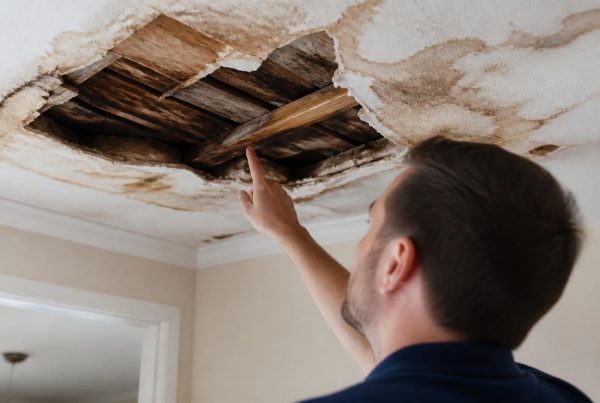
Not every roof problem requires a complete replacement. A leak doesn't automatically mean you need a new roof, and missing shingles after a storm might only need a targeted repair.
The age of your roof matters most. Asphalt shingle roofs typically last 20 to 25 years in our climate. If your roof is approaching that range and developing multiple issues, replacement often makes more financial sense than ongoing repairs.
Signs that point toward replacement:
- Multiple leaks in different areas
- Widespread granule loss on shingles
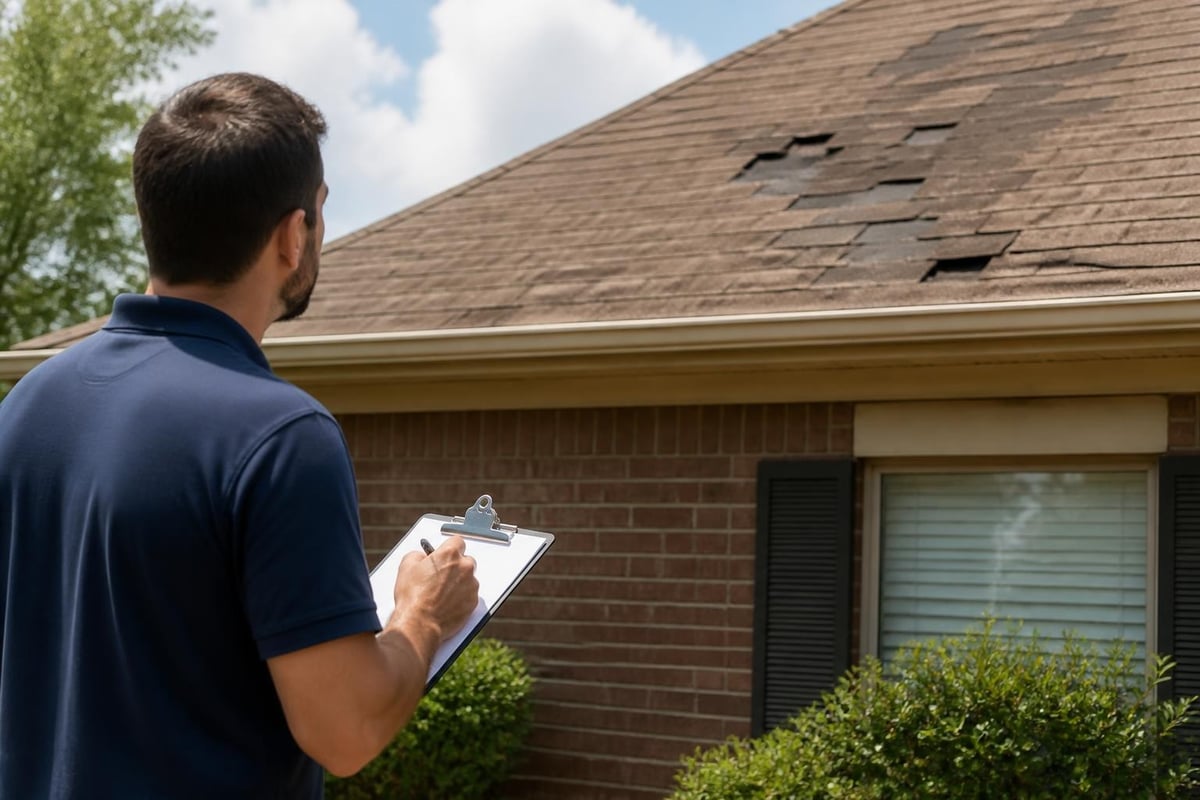
- Curling, cracking, or missing shingles across large sections
- Sagging areas that indicate structural concerns
- Daylight visible through roof boards in the attic
- Extensive storm damage affecting more than 30% of the roof
The Repair vs. Replacement Decision
Sometimes the choice isn't obvious. A 15-year-old roof with isolated wind damage might be a perfect candidate for Roof Repair rather than full replacement, saving thousands while extending the roof's useful life.
Consider replacement cost against repair cost multiplied by how many times you'll likely need repairs before replacement becomes inevitable. If you're spending $1,500 on repairs every two years on a 20-year-old roof, replacement becomes the smarter investment.
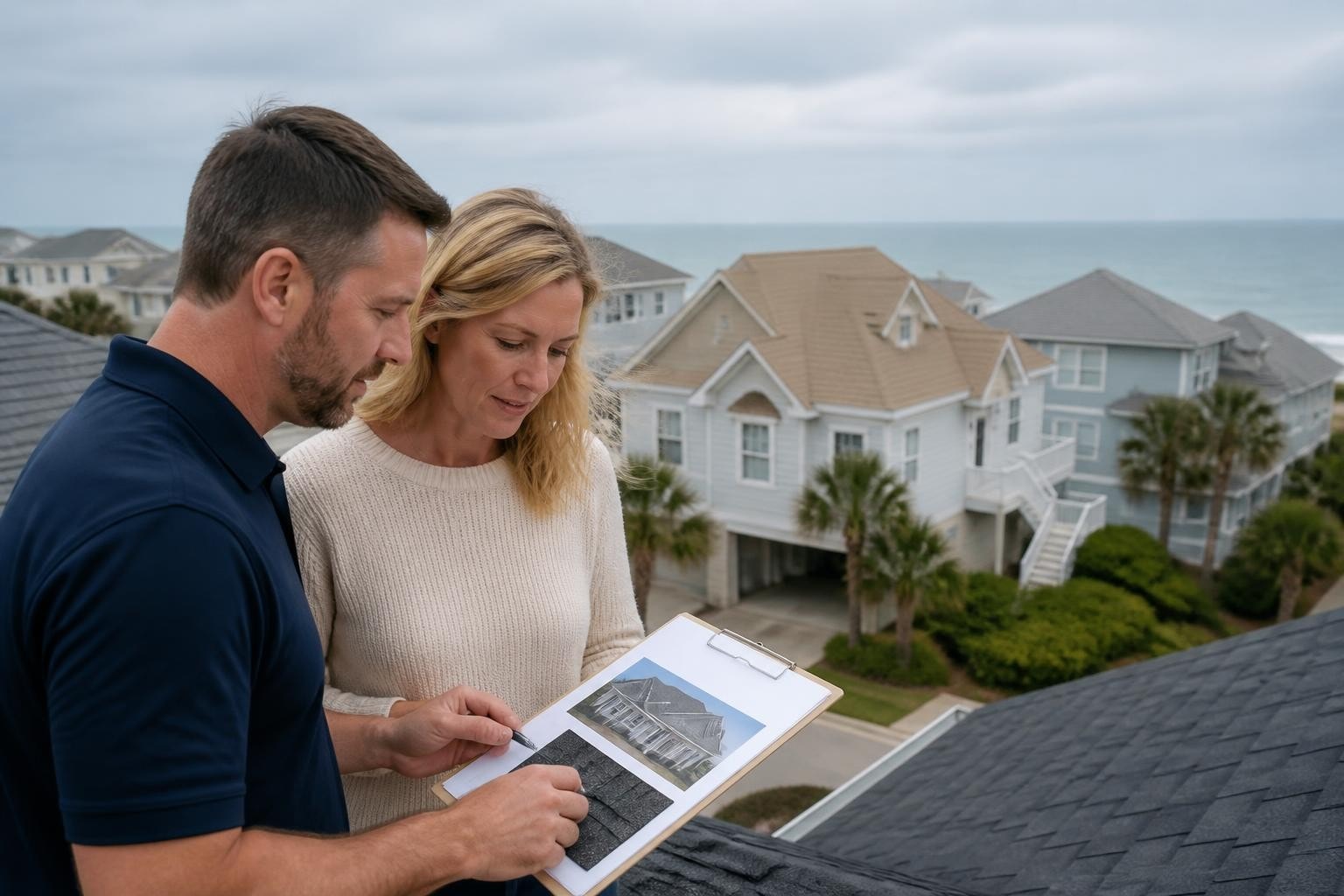
A professional roof inspection provides documentation of actual conditions. This removes guesswork and gives you real information to base your decision on.
What Affects Roofing Replacement Cost
When researching roofing replacement near me, you'll find price ranges that seem impossibly wide. That's because multiple factors influence the final cost, and every home presents different circumstances.
Size and Complexity
Roof size gets measured in squares (100 square feet each). A typical home might have 20 to 30 squares, though coastal homes with multiple levels or wings can vary significantly.
Complexity adds labor time and material waste. Simple gable roofs cost less than roofs with multiple valleys, dormers, skylights, or steep pitches that require additional safety equipment.
| Cost Factor | Lower Cost | Higher Cost |
|---|---|---|
| Pitch | 4/12 or less | 8/12 or steeper |
| Valleys | 0-2 valleys | 4+ valleys |
| Penetrations | Basic vents only | Multiple chimneys, skylights |
| Access | Easy ground access | Multi-story, tight access |
Material Selection
Asphalt shingles remain the most common choice in Eastern North Carolina, but even within that category, quality varies significantly.
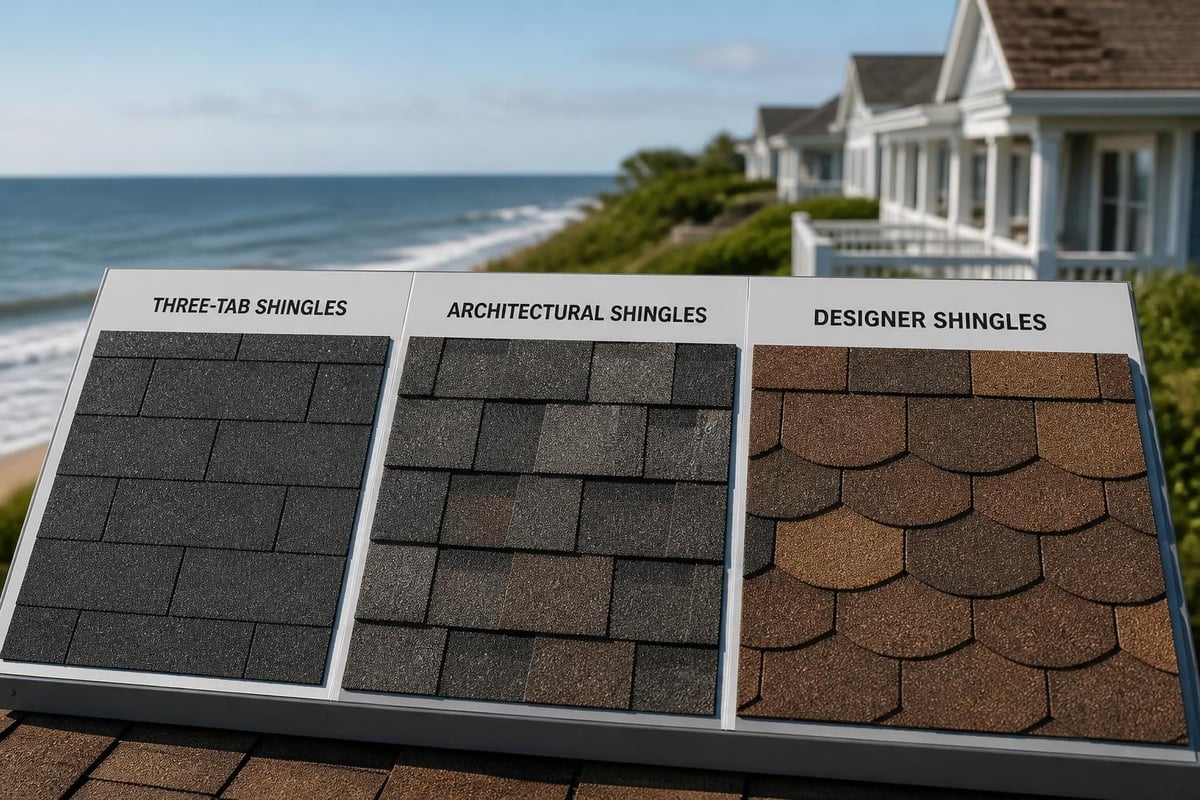
Three-tab shingles represent the economy option. They're functional but offer shorter lifespans and less wind resistance, a concern in coastal areas prone to tropical weather.
Architectural shingles provide better durability, stronger wind ratings, and more appealing aesthetics. Most homeowners choose these as the middle ground between cost and performance.
Premium options like designer shingles, metal roofing, or tile deliver longer lifespans and superior protection but come with substantially higher upfront costs. Understanding roof replacement costs helps frame these material choices in context of your home's needs.
Removal and Disposal
Taking off your old roof adds labor cost and disposal fees. Some areas allow layering new shingles over one existing layer, but this approach has drawbacks.
Why complete removal usually makes sense:
- Allows inspection of roof deck for damage
- Provides opportunity to upgrade underlayment
- Prevents excessive weight on structure
- Meets code requirements in many jurisdictions
- Avoids warranty issues with manufacturers
Disposal costs vary by location and landfill fees. Coastal North Carolina disposal runs moderate compared to larger metro areas, but it's still a line item in your estimate.
Finding the Right Contractor
Searching "roofing replacement near me" returns dozens of options. Sorting through them requires more than reading online reviews, though those certainly help.
Local Experience Matters
Contractors familiar with Eastern North Carolina understand our specific challenges. They know how salt air affects materials, which products hold up to tropical storms, and how to prepare for hurricane season.
A Wilmington or Hampstead-based company has worked through our weather patterns. They've seen how roofs perform through multiple hurricane seasons and know which installation details prevent the most common failure points.
National chains might offer competitive pricing, but local knowledge about permitting, inspections, and material performance in our climate provides value that outlasts any initial savings.

Credentials and Protection
Every roofing contractor should carry proper licensing for North Carolina. Verify this directly rather than taking their word for it.
Insurance protects you from liability if someone gets injured on your property during the project. Request certificates for both general liability and workers' compensation.
Documentation to request:
- North Carolina contractor license number
- Current insurance certificates
- Local references from recent projects
- Manufacturer certifications for products they install
- Written estimates with itemized costs
Manufacturer certifications indicate the contractor has met training requirements and quality standards set by major shingle producers. These aren't guarantees of perfect work, but they show commitment to professional development.
The Replacement Process Timeline
Understanding what happens during a roofing replacement helps you prepare and know what to expect when contractors are working on your home.
Pre-Installation Steps
After signing a contract, most companies order materials. Lead times vary by product and season. Standard architectural shingles might arrive within days, while specialty products could take weeks.
Permits get pulled through your local building department. This administrative step ensures the work meets code and provides inspection checkpoints during the project.
Weather watching becomes crucial. No reputable contractor tears off your roof with rain in the forecast. Coastal weather can shift quickly, so flexible scheduling helps everyone.
Installation Day Activities
- Morning arrival and setup – Crews typically start early to maximize daylight hours
- Protection of property – Tarps cover landscaping, vehicles get moved, dumpster gets positioned
- Tear-off begins – Old shingles come off, usually starting from the ridge down
- Deck inspection – Any damaged plywood or OSB gets replaced
- Underlayment installation – Ice and water shield in valleys, synthetic felt across field
- Drip edge and flashing – Metal edges installed before shingles
- Shingle installation – Starting from eaves, working upward in overlapping courses
- Ridge cap and vents – Final details that complete weather protection
- Cleanup – Magnetic sweeps for nails, debris removal, site walkthrough
Most residential roofs get completed in one to three days depending on size and complexity. Larger homes or weather interruptions extend the timeline.
Post-Installation Follow-Up
A final walkthrough with the project manager lets you ask questions and confirm everything meets your expectations. This is when you receive warranty documentation.
Building inspections happen after completion. The inspector verifies installation meets code requirements. Your contractor handles this coordination, but you should receive confirmation it passed.
Cost Expectations in Eastern North Carolina
When homeowners search roofing replacement near me and start getting estimates, understanding typical pricing helps identify quotes that seem unusually high or suspiciously low.
Average Replacement Costs
Coastal North Carolina roofing replacement typically runs between $8,000 and $18,000 for average-sized homes using architectural shingles. This range accounts for variables in size, complexity, and material quality.
Smaller homes or simple roof designs might come in under $8,000. Larger homes with complex layouts or premium materials can exceed $20,000. Factors affecting roof replacement expenses include more than just square footage.
Per-square pricing helps compare estimates. Expect $350 to $550 per square as a general range, with most projects falling between $400 and $475 per square for quality architectural shingles installed by experienced crews.
| Home Size | Roof Squares | Typical Range |
|---|---|---|
| 1,200 sq ft | 14-16 | $6,000-$9,000 |
| 1,800 sq ft | 20-24 | $9,000-$13,000 |
| 2,400 sq ft | 28-32 | $12,000-$17,000 |
| 3,000 sq ft | 35-40 | $15,000-$22,000 |
These estimates assume architectural shingles on moderate-pitch roofs with typical complexity. Your actual cost will vary based on specific conditions.
Hidden Costs to Consider
The estimate should include everything, but some situations create additional costs that only become apparent during tear-off.
Rotten decking requires replacement. If your roof has leaked for a while, damaged plywood might need replacing. This adds material and labor charges that weren't visible before removal.
Structural repairs occasionally surface when old shingles come off. Sagging rafters or damaged trusses need addressing before new roofing goes on.
Upgraded ventilation might be recommended. Older homes often lack adequate attic ventilation by modern standards. Adding ridge vents or additional soffit vents during replacement prevents future moisture problems.
Material Choices for Coastal Homes
Living near the coast means your roof faces challenges that inland homes don't encounter. Salt air, high winds, and tropical weather systems require materials and installation techniques built for durability.
Wind Rating Importance
Standard three-tab shingles typically carry 60 mph wind ratings. That's inadequate for coastal North Carolina, where tropical storms and hurricanes regularly exceed those speeds.
Architectural shingles usually achieve 110 to 130 mph wind ratings when properly installed. Some premium products reach Class H ratings for hurricane-force winds.
Proper installation matters as much as the product rating. Six nails per shingle instead of four, starter strips at eaves and rakes, and high-quality sealant make rated performance achievable in real-world conditions.
Color and Heat Considerations
Lighter colors reflect more heat, reducing attic temperatures and potentially lowering cooling costs. This matters in our climate where air conditioning runs from April through October.
Darker shingles absorb heat but can look more dramatic. They also show less discoloration from algae growth, common in humid coastal environments.
Some manufacturers offer algae-resistant shingles with copper granules that inhibit growth. These cost slightly more but maintain appearance longer in our climate.
Insurance and Financing Considerations
A roofing replacement represents a significant expense. Understanding payment options and insurance coverage helps make the project financially manageable.
When Insurance Covers Replacement
Storm damage from wind, hail, or falling trees typically falls under homeowners insurance. Age-related wear does not.
If a storm damages your roof, document everything with photos before any repairs. An insurance-ready inspection report shows the extent of damage and helps support your claim.
Insurance companies send adjusters to assess damage. Having your own documentation provides a complete picture and ensures nothing gets overlooked.
Depreciation affects payout amounts. Actual cash value policies subtract depreciation based on roof age. Replacement cost policies cover full replacement without depreciation deductions, though you typically need to complete the work before receiving the full amount.
Financing Options
Many homeowners finance roofing replacement rather than paying cash upfront. Several paths make this possible.
Home equity loans or lines of credit typically offer lower interest rates than personal loans because they're secured by your property. They work well if you have sufficient equity and good credit.
Personal loans require no collateral but carry higher interest rates. Approval is faster, and you avoid putting your home at additional risk.
Some contractors offer financing through third-party lenders. Read terms carefully, as interest rates vary widely. Zero-percent promotional periods can work well if you'll pay off the balance before regular rates kick in.
Questions to Ask Before Signing
Before committing to a contractor for your roofing replacement near me search, get clear answers to important questions that affect quality, timeline, and your protection.
Essential questions for every contractor:
- What's included in the written estimate versus what costs extra?
- How long will the project take from start to finish?
- What happens if weather delays the work?
- Who handles permits and inspections?
- What's your cleanup process?
- How do you protect landscaping and property during work?
- What warranties cover materials and labor separately?
- How do you handle unexpected damage found during tear-off?
The answers should be specific and documented in your contract. Vague responses or resistance to putting details in writing should raise concerns.
Payment terms matter too. Avoid contractors requesting full payment upfront. Typical arrangements involve a deposit (usually 10-30%), a payment when materials arrive, and final payment upon completion and your satisfaction.
Maximizing Your Investment
A new roof should last 20 to 25 years with proper materials and installation. Small steps during and after replacement extend that lifespan and protect your investment.
Installation Quality Checkpoints
Even if you're not climbing on the roof during installation, you can monitor quality through visible indicators.
Shingle lines should run straight. Wavy rows indicate poor installation and create leak points where water can penetrate.
Valleys need proper flashing. Either metal or woven shingle valleys work, but they should be installed according to manufacturer specifications.
Flashing around chimneys, vents, and skylights requires careful attention. These penetrations are the most common leak sources when not properly sealed.
Maintenance After Installation
Your new roof needs minimal maintenance, but some attention prevents small issues from becoming major problems.
Clean gutters twice yearly. Clogged gutters back water under shingles at the eaves, causing rot and leaks.
Trim overhanging branches. Rubbing limbs wear through shingles and drop debris that holds moisture.
Check attic ventilation annually. Adequate airflow prevents moisture buildup that degrades shingles from underneath.
Schedule inspections after major storms. Even if you see no obvious damage, hidden issues caught early prevent bigger problems later.
Getting Multiple Estimates
Most homeowners get three estimates when searching for roofing replacement near me. This provides pricing comparison and helps identify contractors who might be cutting corners or padding costs.
What to Compare
The lowest bid isn't automatically the best choice. Compare what's included, not just the bottom line number.
Material specifications should match across estimates. If one quote is significantly lower, check whether they're proposing different shingle quality, underlayment type, or warranty coverage.
Labor details matter. How many crew members? How many days allocated? What's their experience level?
Cleanup and disposal should be explicitly included. Some contractors lowball estimates then add these as extras.
Red Flags in Estimates
Certain warning signs suggest contractors you should avoid, regardless of how attractive their pricing seems.
Avoid contractors who:
- Request large upfront deposits (over 30%)
- Pressure you to sign immediately
- Don't provide written estimates
- Can't provide proof of insurance
- Offer to help you commit insurance fraud
- Show up unsolicited after storms claiming they found damage
- Don't have permanent local addresses or phone numbers
Trust your instincts. If something feels off about a contractor's approach, keep looking. Your roof is too important to entrust to someone who doesn't earn your confidence.
Professional contractors answer questions patiently, provide detailed documentation, and give you time to make informed decisions. They know their work quality speaks for itself and don't rely on pressure tactics.
For homeowners across Eastern North Carolina communities, understanding these fundamentals transforms the search for roofing replacement near me from an overwhelming task into a manageable project with clear expectations and confident decisions.
Finding the right roofing replacement starts with understanding what you actually need and what quality work looks like in our coastal climate. Whether storm damage has forced the decision or your roof has simply reached the end of its useful life, choosing contractors who prioritize honest assessment over unnecessary upsells makes all the difference. NC Roofs serves Hampstead, Wilmington, Topsail, Surf City, and surrounding areas with straightforward guidance, transparent pricing, and quality work that protects your home for decades.