Company roofing refers to the specialized roofing services designed for commercial buildings, multi-unit properties, and business facilities rather than single-family homes. When a business owner or property manager needs roofing work, they're looking for a contractor who understands commercial systems, handles larger-scale projects, and offers long-term maintenance solutions. The term also describes the relationship between a property and the roofing contractor managing its needs over time. Whether you're managing an office building, retail space, or apartment complex, understanding how company roofing differs from residential work helps you make smarter decisions about protecting your investment.
What Company Roofing Actually Covers
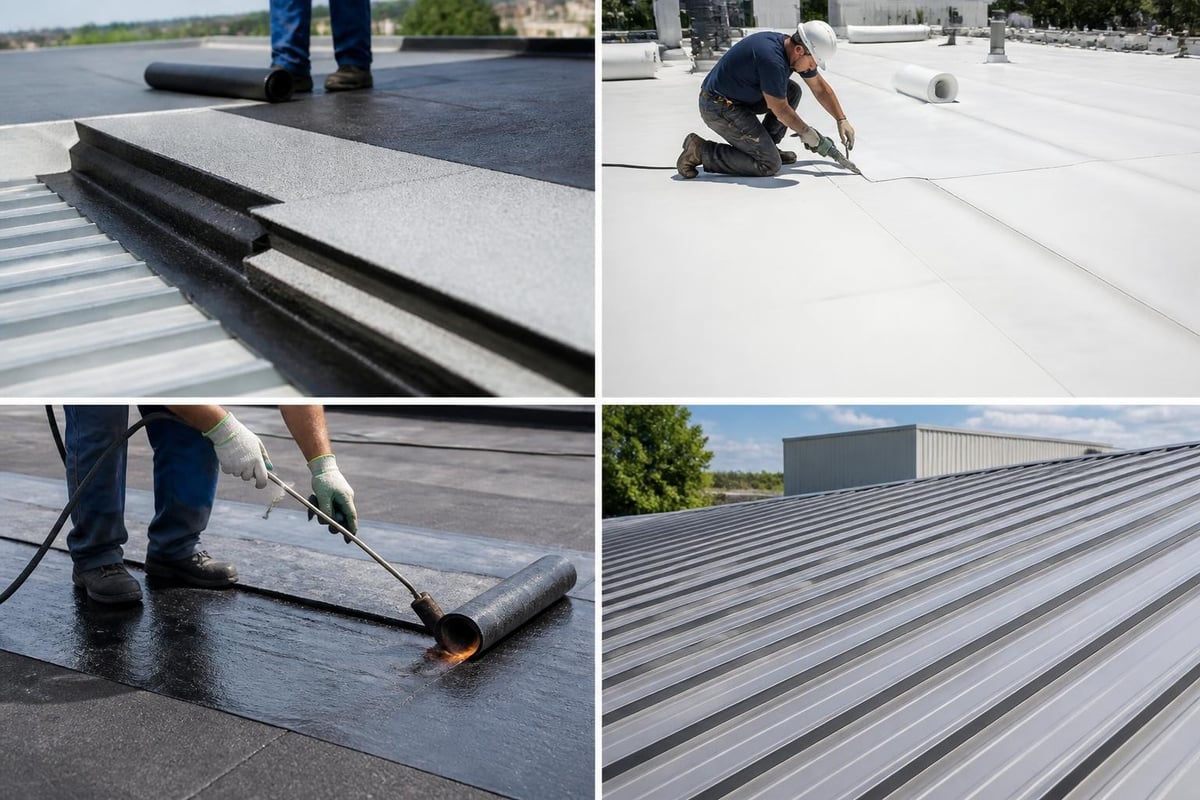
Company roofing encompasses everything from initial installation to ongoing maintenance for commercial and multi-unit properties. These roofs typically use different materials and systems than residential homes, including built-up roofing (BUR), modified bitumen, single-ply membranes like TPO and EPDM, and metal roofing systems designed for low-slope or flat applications.
The scope of company roofing includes:
- Installation of commercial roofing systems on new construction or complete replacements
- Routine inspections to catch problems before they escalate into expensive repairs
- Emergency repairs after storms, equipment failures, or unexpected leaks
- Preventative maintenance programs that extend roof lifespan and protect warranties
- Documentation and reporting for property managers, insurance claims, and building records
Unlike residential roofing where a homeowner might deal with their roof once every 15-20 years, company roofing often involves ongoing relationships. Property managers work with the same contractor year after year, building trust through consistent service and reliable maintenance.
How Commercial Systems Differ From Residential
Commercial roofs face different challenges than residential properties. Most commercial buildings have low-slope or flat roofs rather than steep-pitched shingles. This creates unique drainage considerations since water doesn't naturally shed as quickly. Commercial roofing systems must handle standing water, UV exposure across large surface areas, and the weight of HVAC equipment.
Material choices reflect these differences. While residential roofs in coastal North Carolina typically use asphalt shingles designed for pitched applications, company roofing often involves membrane systems installed in large sheets or rolls. TPO (thermoplastic polyolefin) offers excellent UV resistance and heat reflection, making it popular for energy efficiency. EPDM (ethylene propylene diene monomer) provides durability and weather resistance at a lower cost. Modified bitumen combines the reliability of traditional built-up roofing with modern polymer technology.
The installation process also changes. Commercial projects require specialized equipment, larger crews, and careful coordination to minimize business disruption. A retail store can't shut down for weeks while roof work happens. Contractors must work around operating hours, protect inventory from weather exposure, and complete sections systematically to maintain building functionality.
Choosing the Right Company Roofing Contractor
Finding a reliable contractor for company roofing requires more research than picking someone for a home repair. You're not just buying a roof – you're establishing a relationship that may last decades. The wrong choice creates headaches, unexpected costs, and potential liability issues that affect your entire operation.
Start by verifying credentials and experience with commercial projects. Look for:
| Credential | Why It Matters |
|---|---|
| Commercial licensing | Ensures contractor meets state requirements for larger-scale work |
| Insurance coverage | Protects your property from liability during installation |
| Manufacturer certifications | Indicates training on specific roofing systems and access to warranties |
| References from similar properties | Shows track record with your building type and challenges |
Ask about their experience with your specific roof type. A contractor who excels at residential shingle replacement might struggle with a commercial TPO membrane. According to best practices for commercial roofing installations, proper technique and system-specific knowledge prevent premature failures that cost thousands to repair.
Understanding Service Agreements and Maintenance Plans
Company roofing works best with structured maintenance rather than reactive emergency calls. Many commercial contractors offer annual service agreements that include scheduled inspections, minor repairs, and priority response for urgent issues. These programs protect your roof and your budget by catching small problems before they become major expenses.
A typical maintenance agreement includes:
- Seasonal inspections (usually spring and fall) to assess condition after weather extremes
- Detailed reports documenting current status, upcoming needs, and recommended repairs
- Priority scheduling for repairs at agreed-upon rates without emergency premiums
- Warranty protection since many manufacturers require regular professional maintenance
- Budget planning through multi-year projections of expected repairs and replacement timing
The investment in preventative maintenance pays for itself. Commercial roof maintenance best practices show that buildings with regular care get 5-10 additional years from their roofs compared to neglected systems. For a $50,000 roof, those extra years represent significant value.

Common Company Roofing Challenges
Commercial properties face specific roofing issues that residential buildings rarely encounter. Understanding these challenges helps property managers budget appropriately and recognize when professional help is needed before minor problems cascade into major failures.
Drainage and Ponding Water
Flat or low-slope roofs must move water efficiently to drains and scuppers. When drainage systems clog or roof areas settle, water ponds in low spots. Most roofing systems can handle water that drains within 48 hours, but persistent ponding accelerates deterioration. The membrane breaks down faster under constant moisture, seams separate, and leaks develop.
Regular inspections catch drainage issues early. Contractors clean drains, adjust roof slopes if needed, and identify problem areas before water intrudes into the building. This proactive approach prevents the interior damage that costs far more than roof repairs.
Membrane Damage and Punctures
Commercial roofs see more foot traffic than residential properties. HVAC technicians access rooftop equipment regularly. Maintenance staff walk the roof to address building issues. Each visit risks puncturing or tearing the membrane, especially around penetrations, edges, and seams.
Commercial roof inspection protocols focus heavily on these high-risk areas. Contractors look for:
- Punctures from dropped tools or equipment
- Tears along seams where membrane sections join
- Separation around penetrations like pipes, vents, and equipment supports
- Blistering or bubbling indicating moisture trapped beneath the surface
- UV degradation in exposed areas without proper coatings
Catching these issues during routine inspections allows simple patch repairs instead of emergency leaks that shut down operations and damage inventory or equipment.
Equipment and Penetration Management
Every rooftop unit, pipe, vent, and anchor point creates a potential leak source. Company roofing must integrate dozens or hundreds of penetrations while maintaining waterproof integrity. Poor flashing around HVAC units causes more leaks than any other single factor on commercial roofs.
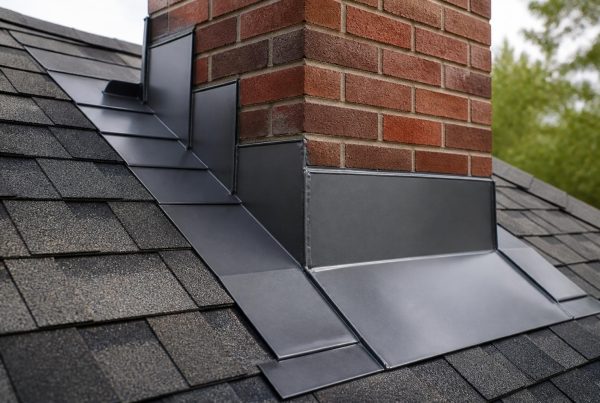
The solution involves proper installation initially and regular inspection afterward. Flashing should be mechanically attached, properly sealed, and designed for expansion and contraction as temperatures change. During maintenance visits, contractors check every penetration, reseal as needed, and replace deteriorated flashing before leaks develop.
Repair vs. Replacement Decisions
Company roofing decisions often come down to whether repairing the existing system makes financial sense or if replacement offers better long-term value. Unlike homeowners who might delay replacement to save money, property managers must consider business disruption, tenant satisfaction, and property value alongside pure repair costs.
Several factors influence this decision:
Age and remaining lifespan – A 5-year-old roof with localized damage deserves repair. A 18-year-old roof approaching the end of its expected life should probably be replaced even if current problems seem minor.
Extent of damage – Isolated leaks in otherwise sound roofing justify targeted repairs. Widespread deterioration across multiple areas suggests systemic failure where repairs just delay the inevitable.
Energy efficiency – Older roofing systems lack the reflectivity and insulation values of modern materials. Replacement can reduce cooling costs significantly, especially in coastal areas with intense sun exposure.
Business impact – Major replacements cause disruption but happen on your schedule. Waiting for emergency failure means unplanned shutdowns, potential inventory damage, and rushed decisions.
For properties along the North Carolina coast, storm damage often triggers these decisions. A Roof Report helps property managers understand actual conditions and make informed choices before talking to insurance or committing to major work.

Material Selection for Company Roofing
Choosing the right roofing material affects performance, longevity, and maintenance costs for decades. Company roofing material selection depends on building type, climate, budget, and long-term ownership plans. Different roofing materials each offer specific advantages for commercial applications.
| Material | Typical Lifespan | Best Applications | Key Advantages |
|---|---|---|---|
| TPO | 15-20 years | Retail, warehouses, offices | Energy efficient, heat reflective, cost effective |
| EPDM | 20-25 years | Industrial buildings, storage | Durable, weather resistant, proven performance |
| Modified Bitumen | 15-20 years | Mixed-use buildings | Good in extreme weather, traditional reliability |
| Built-Up Roofing | 20-30 years | Heavy equipment loads | Extremely durable, handles traffic well |
| Metal | 30-50 years | High-end commercial, architectural | Long lifespan, low maintenance, aesthetic options |
Climate plays a major role in material selection. Coastal North Carolina properties face salt air, high winds, intense UV exposure, and occasional hurricanes. Commercial metal roofing performs exceptionally well in these conditions with proper installation and fastening systems designed for wind uplift.
Budget Considerations and ROI
Company roofing represents a significant capital expense, but smart material selection balances upfront costs with long-term value. The cheapest option rarely delivers the best return on investment. Consider total cost of ownership including:
- Initial installation costs for materials and labor
- Expected maintenance expenses over the system's life
- Energy costs based on insulation and reflectivity
- Replacement timing and whether you'll own the property when that happens
- Warranty coverage and what it actually protects against
A TPO roof might cost 20% more upfront than EPDM but save enough on cooling costs to break even in five years while offering similar longevity. Metal roofing costs significantly more initially but lasts twice as long with minimal maintenance, making it cost-effective for long-term property owners.
Working With Company Roofing Contractors
Successful company roofing projects require clear communication, defined expectations, and proper project management. Unlike residential work where the homeowner is directly involved daily, commercial projects involve multiple stakeholders – property managers, business owners, tenants, and contractors must coordinate to minimize disruption while ensuring quality work.
Project Planning and Timeline Management
Commercial roofing work must fit around business operations. A restaurant can't have its roof torn off during lunch rush. A medical office needs guaranteed weather protection for sensitive equipment. Retail stores have seasonal peaks when any disruption costs sales.
Good contractors develop detailed project schedules that account for:
- Weather windows when conditions support installation
- Business operating hours and peak activity periods
- Phased completion allowing building use to continue
- Material delivery coordination to avoid site congestion
- Inspection requirements from building departments or warranty programs
According to commercial roofing maintenance strategies, scheduling maintenance during slow business periods prevents the disruption that emergency repairs cause during peak times. Planning ahead protects both the roof and the business operations it covers.
Documentation and Compliance
Company roofing generates significant paperwork. Proper documentation protects property owners, maintains warranties, and provides records for future decision-making. Every project should include:
- Detailed proposals breaking down materials, labor, and timeline
- Proof of insurance from the contractor and all subcontractors
- Permit documentation showing compliance with building codes
- Material certifications confirming products meet specifications
- Installation photos showing proper technique at critical areas
- Final inspection reports from contractor and third parties if required
- Warranty documents clearly stating coverage, duration, and maintenance requirements
This documentation proves valuable years later when issues arise, properties change hands, or insurance claims need support. Annual maintenance checklists for commercial roofs help track the ongoing documentation that protects warranties and demonstrates proper care.
Regional Considerations for Coastal Properties
Company roofing along the North Carolina coast faces unique challenges that inland properties avoid. Salt air accelerates corrosion on fasteners and metal components. High winds from tropical weather test attachment systems. Intense sun exposure ages membranes faster. Understanding these regional factors helps property managers maintain roofs effectively and make smart material choices.
Wind and Storm Preparation
Coastal commercial properties need roofing systems designed for high wind loads. Standard installation methods that work fine in Raleigh might fail catastrophically in Wilmington during a hurricane. Proper company roofing on the coast includes:
- Enhanced fastening patterns exceeding basic code requirements
- Perimeter reinforcement where wind uplift forces concentrate
- Impact-resistant materials for areas prone to wind-blown debris
- Regular inspections before hurricane season to identify weak points
- Emergency repair capabilities from contractors who understand storm damage
Property managers should establish relationships with contractors before storms hit. Waiting until damage occurs means competing with hundreds of other properties for limited contractor availability. The best company roofing contractors maintain lists of commercial clients for priority response after major weather events.
Salt Air and Corrosion Management
Metal components in coastal roofing systems face constant attack from salt-laden air. Fasteners, flashing, and metal roofing panels corrode faster than identical materials installed inland. This doesn't make metal roofing impractical on the coast, but it requires using marine-grade materials and protective coatings designed for harsh environments.
Maintenance programs for coastal properties should specifically address corrosion. Annual inspections check fasteners for rust, look for galvanic corrosion where dissimilar metals contact each other, and identify coating failures before they allow substrate damage. Catching corrosion early allows simple repairs. Ignoring it leads to structural failures that compromise entire roof sections.
Insurance and Company Roofing
Commercial property insurance policies treat roofing differently than homeowner policies. Understanding coverage details helps property managers protect their investment and navigate claims effectively when damage occurs. Company roofing decisions often involve insurance considerations that residential properties never face.
Maintaining Coverage Requirements
Many commercial policies require regular roof inspections and maintenance as a condition of coverage. Failing to maintain the roof can give insurers grounds to deny claims even when damage comes from covered events like storms. Property managers need documentation showing:
- Regular professional inspections at intervals specified by the policy
- Prompt repairs of identified issues within reasonable timeframes
- Proper installation according to manufacturer specifications and building codes
- Age and condition updates if the roof approaches the end of expected lifespan
Some insurers require roofs over 15-20 years old to be inspected annually before renewing coverage. Others limit coverage on older roofs to actual cash value rather than replacement cost, meaning depreciation significantly reduces payouts. Understanding these policy details helps property managers budget for eventual replacement before insurance limitations create financial exposure.
Navigating Storm Damage Claims
After hurricane season or severe weather, company roofing contractors work closely with property managers on insurance claims. Proper documentation makes the difference between full coverage and disputes over what damage is new versus pre-existing. Contractors should provide:
- Detailed damage assessments with photos and measurements
- Repair estimates itemizing materials and labor at fair market rates
- Installation specifications showing repairs will meet current standards
- Timeframe for completion so tenants and operations can plan accordingly
Starting with thorough documentation avoids the battles that occur when claims adjusters question what actually needs repair. For properties across Eastern North Carolina communities, having relationships with local contractors who understand both the regional challenges and insurance requirements makes the process smoother when storm damage inevitably occurs.
Company roofing involves different considerations than residential work, from material selection and maintenance schedules to contractor relationships and insurance requirements. Whether you're managing a small commercial property or overseeing multiple buildings, understanding these factors helps protect your investment and avoid costly surprises. If you need help evaluating a commercial roof or guidance on repair versus replacement decisions along the North Carolina coast, NC Roofs provides honest assessments and clear recommendations without unnecessary upsells. We help property managers understand what's actually happening with their roofs before making decisions that affect their buildings and budgets.