When you hear the term "lifetime roofing," it sounds like the perfect solution. A roof that lasts forever, never needs replacement, and comes with an ironclad guarantee. But what does lifetime roofing actually mean? The reality is more nuanced than marketing materials suggest, and understanding the difference between advertising language and actual performance matters when you're making a major investment in your home. In coastal North Carolina, where wind, salt air, and storms test every building material, knowing what you're really getting helps you make decisions based on facts rather than promises.
What Lifetime Roofing Actually Means
The phrase "lifetime roofing" appears in two main contexts: material lifespans and warranty coverage. Neither one means what most homeowners initially think.
When manufacturers describe roofing materials as lifetime products, they're usually referring to a specific testing standard or expected performance range under ideal conditions. A 50-year asphalt shingle might carry a “lifetime” warranty, but that warranty has significant limitations and exclusions.
Material Classification vs. Warranty Language
Different roofing materials carry different standard lifespans:
| Material Type | Typical Lifespan | Lifetime Claim Basis |
|---|---|---|
| Asphalt Shingles (3-tab) | 15-20 years | Not typically claimed |
| Architectural Shingles | 25-30 years | Premium lines only |
| Metal Roofing | 40-70 years | Often marketed as lifetime |
| Slate | 75-150 years | True lifetime material |
| Clay/Concrete Tile | 50-100 years | True lifetime material |
The confusion comes from mixing actual material durability with warranty marketing. A metal roof might legitimately last 50-60 years, but the "lifetime warranty" attached to it probably doesn't cover that entire period with full replacement value.
Understanding Lifetime Warranties on Roofing
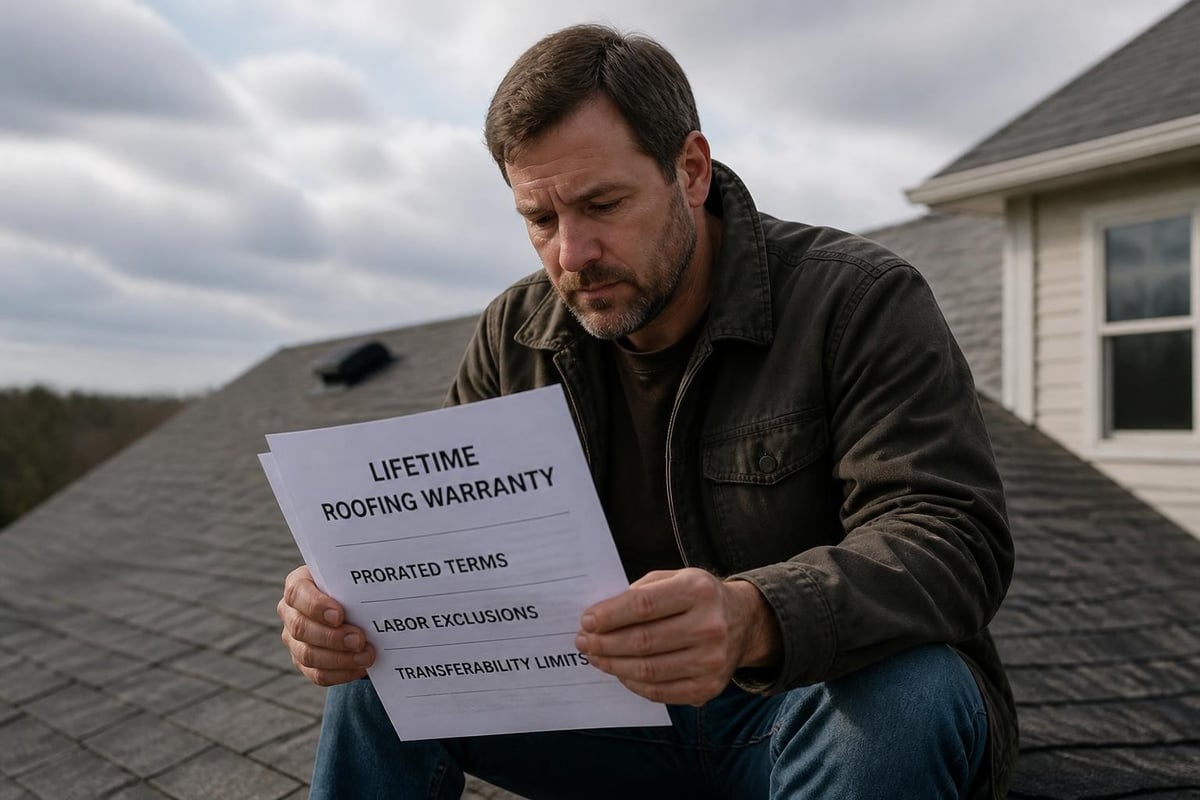
Lifetime warranties sound reassuring until you read the fine print. These warranties typically come in two parts: material defect coverage and wear performance guarantees.
Material defect coverage protects against manufacturing flaws. If your shingles crack prematurely due to a production error, the manufacturer will replace the defective materials. This coverage often runs for the "lifetime" of the original purchaser or a specified period, whichever is shorter.
Wear performance guarantees promise the roof will function for a certain period under normal conditions. This is where things get complicated.
What Lifetime Warranties Typically Exclude
Most homeowners discover warranty limitations when they actually need coverage:
- Wind damage above rated speeds (often 60-70 mph, which coastal storms regularly exceed)
- Algae and moss growth (common in humid climates)
- Installation errors (not the manufacturer's responsibility)
- Inadequate ventilation (voids many warranties entirely)
- Normal weathering and color fading (cosmetic changes don't qualify)
- Damage from other trades (HVAC work, satellite installation)
The warranty also doesn't cover labor costs in most cases. After the first 5-10 years, you're paying for removal and installation even if the manufacturer provides free replacement shingles. On a typical roof, labor represents 60-70% of total replacement cost.
Lifetime Roofing Materials: Realistic Expectations
Some materials genuinely approach lifetime performance, while others use the term more loosely. Understanding which is which helps set appropriate expectations.
Metal Roofing Systems
Metal roofs come closest to delivering on lifetime promises in many residential applications. Standing seam metal, properly installed with quality fasteners and trim, can easily last 50 years or more.
Advantages of metal for long-term performance:
- Resists wind damage up to 140 mph when properly installed
- Doesn't absorb water or support organic growth
- Minimal maintenance requirements
- Reflects heat, reducing cooling costs
- Recyclable at end of service life
Realistic limitations:
- Coastal environments cause faster deterioration of fasteners and finish
- Thermal expansion requires proper detailing
- Initial cost is 2-3 times higher than asphalt shingles
- Dents from hail or falling branches don't self-seal
- Noise during rain events (though often overstated)
For Eastern North Carolina homes, metal roofing makes particular sense when you're planning to stay in the home long-term and want to minimize future replacement costs.
Slate and Tile Roofing
Natural slate and quality clay tile represent true lifetime roofing materials. A properly installed slate roof can last 100 years or more with minimal maintenance.
The challenge isn't the material lifespan but the supporting structure and installation details. Slate is heavy, requiring adequate roof framing. Underlayment, flashing, and fasteners need replacement long before the slate itself wears out. You might re-roof the same slate three times during its service life, replacing everything except the tiles themselves.
Clay and concrete tile offer similar longevity with less weight. In coastal areas, salt air can deteriorate concrete tile faster than clay, but both typically outlast the fasteners and underlayment holding them in place.
Premium Asphalt Shingles and Lifetime Claims
The most common "lifetime roofing" claim homeowners encounter comes from premium asphalt shingle manufacturers. These products use heavier fiberglass mats, more asphalt, and larger granule coverage to extend service life beyond standard architectural shingles.
What Makes Premium Shingles Different
- Increased thickness (typically 30-50% heavier than standard shingles)
- Enhanced wind resistance (often rated to 130 mph)
- Improved granule adhesion (slower loss of protective coating)
- Better heat resistance (maintains flexibility longer)
- Upgraded warranty terms (non-prorated coverage extends 10-15 years)
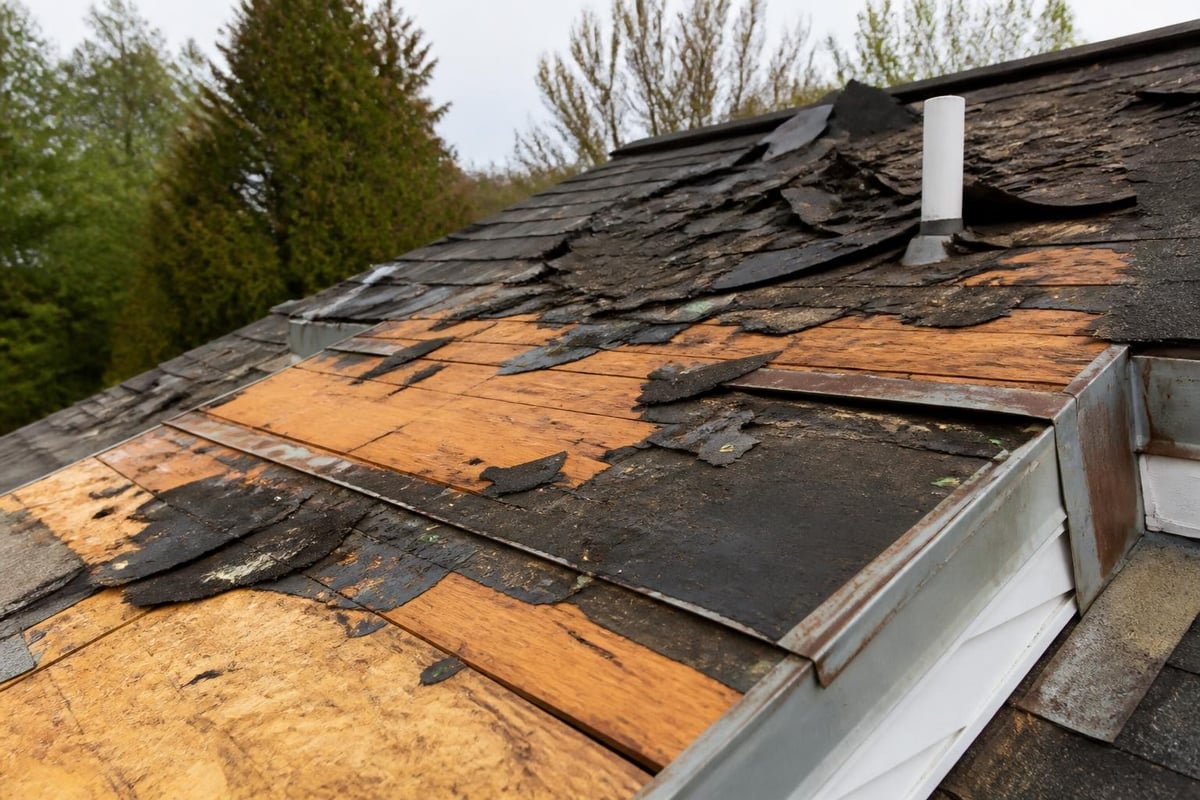
Even with these improvements, calling them "lifetime" products stretches the definition. In coastal North Carolina's climate, premium asphalt shingles typically deliver 30-40 years of good performance. That's excellent for the cost, but it's not a lifetime by most measures.
The warranty on these products usually includes 10 years of full coverage, then prorates the remaining value over the "lifetime" period. By year 20, you might receive 40% of material cost coverage with zero labor contribution.
Environmental Factors That Affect Lifetime Roofing
No roofing material performs the same everywhere. Coastal North Carolina presents specific challenges that affect how long any roof actually lasts.
Salt Air and Humidity
Salt-laden air accelerates corrosion of metal components and fasteners. Even on asphalt roofs, the metal drip edge, valley flashing, and nail strips deteriorate faster within three miles of the ocean. This means components fail before the primary roofing material reaches its expected lifespan.
High humidity promotes organic growth. Algae streaks aren't just cosmetic; they hold moisture against shingles and accelerate granule loss. Moss creates similar problems, lifting shingle edges and allowing water infiltration.
Wind and Storm Exposure
Tropical storms and hurricanes test roofing systems beyond normal design parameters. A roof rated for 130 mph winds faces 150 mph gusts during a strong hurricane. Even if the roof survives, repeated extreme weather events accumulate stress that shortens overall lifespan.
Wind-driven rain forces water under shingles and through small gaps that don't leak during normal rain. This accelerated water exposure causes earlier deterioration of underlayment and deck materials.
UV Exposure and Heat
Southern sun is relentless. UV radiation breaks down asphalt and causes shingle granules to separate. Attic temperatures exceeding 150°F during summer accelerate this process from below. Dark-colored roofs absorb more heat, speeding their own deterioration.
Maintenance Requirements for Extended Roof Life
Even genuine lifetime roofing materials need regular maintenance to reach their potential lifespan. Skipping maintenance is the fastest way to turn a 50-year roof into a 25-year roof.
Essential maintenance tasks:
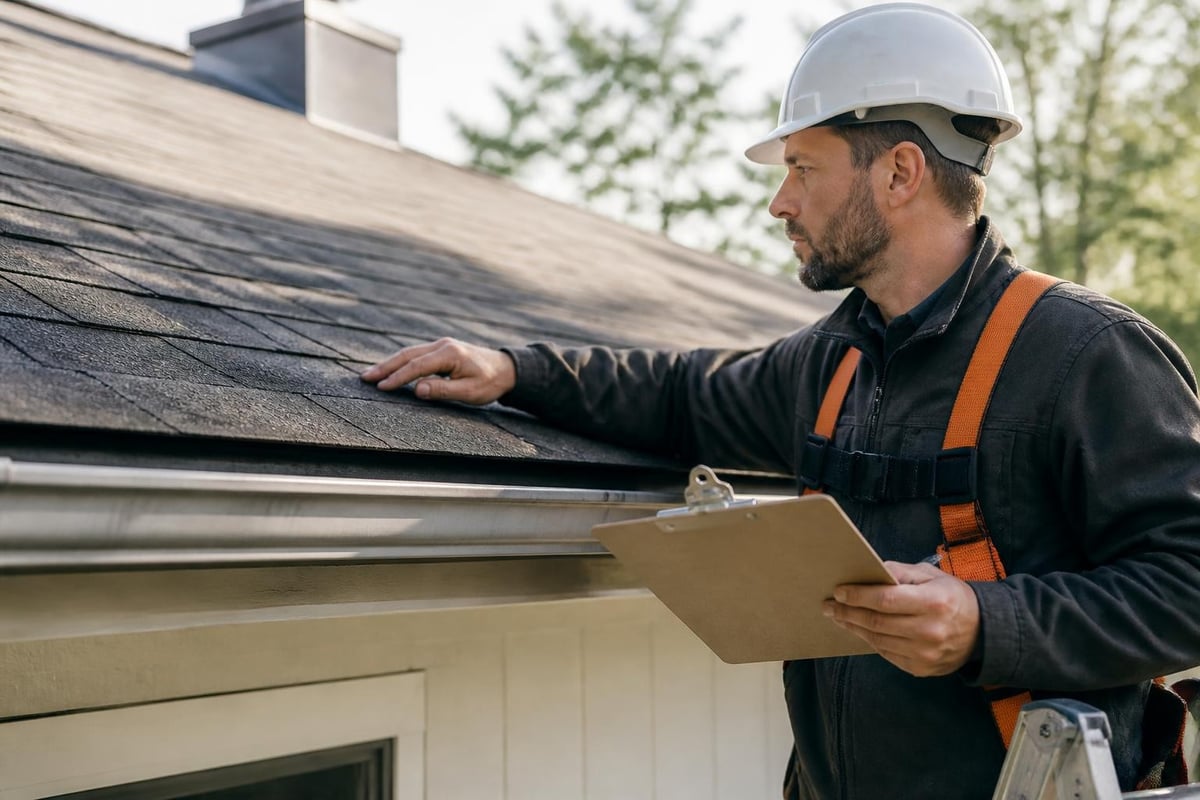
- Annual inspection for loose or damaged shingles
- Cleaning gutters and valleys to prevent water backup
- Trimming overhanging branches that drop debris
- Removing moss and algae growth before it spreads
- Checking and maintaining flashing around penetrations
- Verifying attic ventilation remains unobstructed
- Documenting condition for insurance and resale purposes
When you spot issues early, targeted roof repair addresses problems before they spread. Replacing a few damaged shingles costs a few hundred dollars. Waiting until the leak damages your ceiling and insulation costs thousands.
Cost Analysis: Lifetime Materials vs. Standard Options
The higher upfront cost of lifetime roofing materials makes sense only when you understand the total cost of ownership over time.
| Roofing Option | Initial Cost per Sq Ft | Expected Lifespan | Cost per Year | Replacement Cycles (50 years) |
|---|---|---|---|---|
| 3-Tab Shingles | $3.50-$5.00 | 15-20 years | $0.25-$0.33 | 2-3 times |
| Architectural Shingles | $4.50-$7.00 | 25-30 years | $0.18-$0.28 | 1-2 times |
| Premium Shingles | $7.00-$10.00 | 30-40 years | $0.20-$0.33 | 1-2 times |
| Metal Roofing | $9.00-$16.00 | 50-70 years | $0.13-$0.32 | 0-1 times |
| Slate/Tile | $15.00-$30.00 | 75-150 years | $0.10-$0.40 | 0 times |
These numbers don't include the value of avoiding disruption. Each roof replacement means contractors on your property, potential installation damage, debris cleanup, and the stress of a major home project. Reducing replacement frequency has real quality-of-life value beyond dollars.
However, not every homeowner should choose the longest-lasting option. If you're planning to sell within 10 years, investing in a 70-year metal roof doesn't make financial sense. A quality architectural shingle roof delivers better return on investment for near-term sales.
When Lifetime Roofing Makes Financial Sense
Choosing lifetime roofing materials works best in specific situations:
You're in your forever home. If you plan to stay 20+ years, investing in longevity pays off. You'll avoid at least one replacement cycle and enjoy lower annual cost of ownership.
You want minimal maintenance involvement. Some homeowners value set-it-and-forget-it solutions. Metal and tile roofs require less attention than asphalt shingles, making them worth the premium for hands-off owners.
Your home supports the investment. Premium roofing on a home needing other major updates doesn't make sense. But if you've already modernized everything else, a top-tier roof completes the package.
Local resale market values quality materials. In some neighborhoods, premium roofing materials increase property value enough to justify the cost even for shorter ownership periods.
What Lifetime Roofing Doesn't Include
Understanding what lifetime warranties and materials don't cover prevents disappointment later.
The roof deck itself isn't covered by roofing material warranties. If your plywood sheathing deteriorates due to long-term moisture exposure, replacing it comes out of your pocket. This often represents a significant cost during re-roofing projects.
Ventilation systems, skylights, chimneys, and other roof penetrations have their own service lives. These components typically need attention every 15-25 years regardless of the roofing material above them.
Storm damage isn't covered under material warranties. Wind, hail, and falling debris are insurance matters, not manufacturer responsibilities. Even lifetime roofing materials can be destroyed by severe weather.
Making the Right Decision for Your Home
Choosing between lifetime roofing materials and standard options requires honest assessment of your situation.
Start with your timeline. How long do you realistically plan to own this home? If the answer is less than 15 years, premium materials rarely make financial sense.
Consider your budget comprehensively. Can you afford lifetime materials without compromising other important home improvements or emergency reserves? A slightly less expensive roof that keeps you financially comfortable beats a premium roof that stretches your budget too thin.
Evaluate your home's age and condition. Putting a 70-year roof on a home with 20-year-old HVAC, plumbing, and electrical systems means you'll tear into that new roof during future updates.
Factor in your risk tolerance. Some homeowners sleep better knowing they have the most durable roof available. Others are comfortable replacing a less expensive roof more frequently. Neither approach is wrong; they reflect different priorities.
Account for climate reality. In coastal North Carolina, even the best materials face accelerated aging. A metal roof might last 50 years in Colorado but only 35-40 years near the ocean. Adjust expectations based on local conditions rather than manufacturer claims developed for moderate climates.
Reading Between the Lines of Lifetime Warranties
Before signing paperwork for lifetime roofing, read the actual warranty document. Marketing materials highlight the appealing parts while minimizing the limitations.
Key questions to ask:
- What percentage of material cost is covered after years 10, 20, and 30?
- Does the warranty cover labor costs, and if so, for how long?
- What wind speed rating applies, and what happens after damage from higher winds?
- Is the warranty transferable to future owners, and what's the transfer process?
- What maintenance is required to keep the warranty valid?
- Who determines whether damage qualifies for coverage?
- What's the claims process, and how long does it typically take?
Manufacturers don't make warranty claims easy because every claim costs them money. Expect documentation requirements, inspection fees, and potential disputes over coverage interpretation.
Alternative Approaches to Lifetime Roofing
Instead of pursuing lifetime materials, some homeowners take different approaches to long-term roof management.
The systematic replacement approach involves installing quality mid-range materials and setting aside monthly savings for eventual replacement. When the time comes, you pay cash rather than financing. This provides flexibility to upgrade or change materials based on circumstances 20-30 years from now.
The proactive maintenance approach extends the life of standard materials through regular care. Professional inspections every 2-3 years catch small problems before they become major failures. This can add 5-10 years to a roof's functional lifespan at a fraction of the cost difference between standard and premium materials.
The component upgrade approach focuses on improving the roof system's weakest links rather than the shingles themselves. Upgrading to synthetic underlayment, improving ventilation, and using premium flashing materials often delivers better long-term performance than premium shingles alone.
Understanding what lifetime roofing really means helps you make decisions based on your actual needs rather than marketing promises. Every material ages, every warranty has limits, and every roof eventually needs attention regardless of initial quality. If you're dealing with roofing decisions in the Hampstead, Topsail, or Wilmington areas and want honest guidance about what makes sense for your specific situation, NC Roofs provides clear explanations and recommendations based on your home's condition and your goals, not what generates the biggest sale.